2027 Best AI Adoption Courses for Amazon Sellers

Co-Founder and Chief Data Scientist
Amazon sellers often struggle to leverage artificial intelligence tools effectively, resulting in missed opportunities for optimizing inventory, pricing, and customer engagement. Without proper guidance, integrating AI into daily operations can feel overwhelming and inefficient. This gap limits sellers from fully capitalizing on data-driven strategies that increase competitiveness.
This article highlights top AI adoption courses tailored for Amazon sellers, focusing on flexible, accredited options suitable for professionals transitioning from unrelated fields. It aims to equip readers with actionable insights to select the best programs that streamline learning and accelerate the successful application of artificial intelligence in their businesses.
Key Things You Should Know
- AI adoption courses for Amazon sellers in 2026 emphasize automation tools, improving inventory management and pricing strategies to increase sales efficiency by up to 35%.
- Programs typically combine practical case studies with algorithm optimization techniques, addressing the rising demand for AI-driven marketing and demand forecasting skills.
- Credible courses often include updated content on AI ethics and data privacy, reflecting 2025 regulatory changes that impact e-commerce platforms in the U.S.
Advance Your Career with AI Online Courses
Artificial Intelligence: Implications for Business Strategy
This program provides an introduction to Artificial Intelligence and their implications for business strategy. Earn an official digital certificate.

Oxford Artificial Intelligence Programme
Explore this Oxford Artificial Intelligence programme offered in a flexible learning environment and explore topics like machine learning, automation, and robotics.

Implementing Agentic AI: Building Your Organizational Playbook
This online MIT Agentic AI course offers a practical approach to deploying AI agents in your organization, including a custom playbook. 3 weeks, exclusive launch price.

AI Adoption: Driving Business Value and Impact
This online MIT AI Adoption: Driving Business Value and Impact offers practical frameworks to close the gap between AI potential and business reality.

Artificial Intelligence in Pharma and Biotech
Discover the applications and limitations of artificial intelligence in pharma and biotech with this MIT online short course.

What are the best AI adoption courses for Amazon sellers and who are they right for?
Top AI adoption courses for Amazon sellers emphasize practical applications such as inventory forecasting, customer segmentation, and automated advertising. Popular choices include Helium 10's AI Masterclass, Jungle Scout's AI Seller Academy, and Udemy's AI for E-commerce course. These ai training programs suitable for Amazon seller success help users integrate AI-driven analytics to optimize listings, pricing, and marketing strategies effectively.
Helium 10's AI Masterclass targets sellers with established catalogs by focusing on real-time demand prediction using AI-powered keyword research. Jungle Scout's AI Seller Academy is designed for newcomers and intermediate sellers, offering workflows on product research and PPC campaign automation. Udemy's course appeals to DIY sellers seeking a broader understanding of AI applications beyond Amazon.
The 2024 Jungle Scout survey revealed that 73% of Amazon sellers using AI tools reported year-over-year sales growth, compared to 54% of non-users, highlighting the competitive edge gained by AI adopters. Sellers overwhelmed by manual data analysis benefit from courses concentrating on AI automation tools, while those aiming to improve ad spend efficiency can gain from AI-optimized PPC strategies. Advanced sellers should explore courses covering AI-driven customer behavior prediction for dynamic marketing adjustments.
Choosing the best ai adoption courses for Amazon sellers depends on your seller stage, technical skills, and key challenges like sourcing or advertising. Those interested in expanding their tech knowledge might consider pursuing a computer science degree accelerated to deepen their expertise in AI and data science.
Advance Your Career with AI Online Courses
Artificial Intelligence: Implications for Business Strategy
This program provides an introduction to Artificial Intelligence and their implications for business strategy. Earn an official digital certificate.
Oxford Artificial Intelligence Programme
Explore this Oxford Artificial Intelligence programme offered in a flexible learning environment and explore topics like machine learning, automation, and robotics.
Implementing Agentic AI: Building Your Organizational Playbook
This online MIT Agentic AI course offers a practical approach to deploying AI agents in your organization, including a custom playbook. 3 weeks, exclusive launch price.
How can AI adoption courses specifically improve product research, ads, and pricing on Amazon?
AI adoption courses significantly improve Amazon sellers' product research, ads, and pricing strategies by integrating data-driven insights and automation. These courses teach sellers how to use AI-powered product research strategies for Amazon sellers, analyzing extensive market data quickly to identify trending products, niche opportunities, and competitive pricing models. According to Helium 10's industry report, sellers who use AI-driven research tools are 2.5 times more likely to launch products reaching $10,000 in monthly revenue within six months than those relying on manual techniques.
In advertising, AI education trains sellers to optimize campaigns using machine learning algorithms that adjust bids, keywords, and audience targeting dynamically. This results in higher click-through rates, better budget utilization, and targeted ads that outperform manual approaches by identifying the most responsive demographics.
Pricing strategies taught in these courses often involve dynamic models that respond to competitor actions, demand changes, and inventory levels in real time. By implementing pricing automation, sellers maximize profits and stay competitive even during peak seasons or intense price battles.
Practical learning frequently includes hands-on training with AI-integrated tools like Jungle Scout, Helium 10, and Sellics, enhancing sellers' ability to make data-backed decisions rather than relying on intuition. For those interested in expanding their skills further, exploring a cheapest engineering degree online can provide foundational knowledge applicable to AI technology development.
Utilizing AI adoption courses to optimize Amazon ads and pricing empowers sellers to stay ahead in a competitive marketplace by combining technology with strategic business insights.
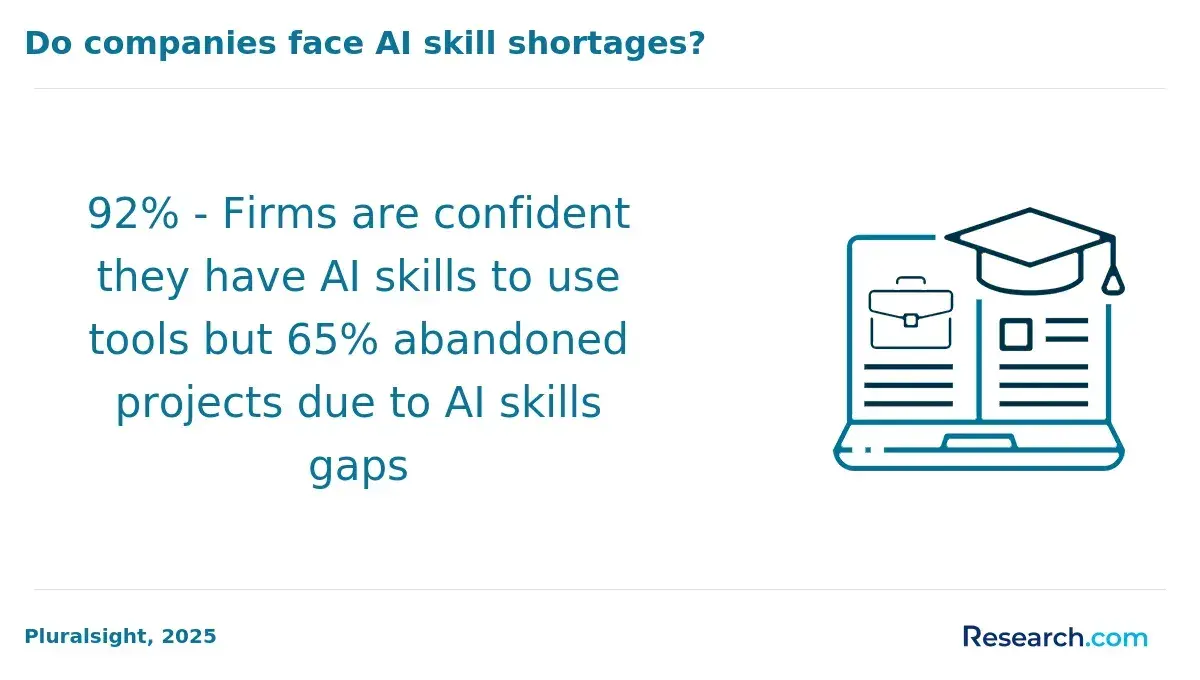
What types of AI adoption training paths exist for Amazon sellers, from short courses to certificates?
AI adoption courses for Amazon sellers vary widely, from brief workshops focusing on specific skills like AI-driven product listing optimization and keyword research to in-depth certification programs. Short courses, lasting a few hours to days, provide quick, actionable insights such as improving product titles using AI copywriting tools to boost sales performance.
Multi-module training programs address broader AI applications including inventory management, customer segmentation, and advertising optimization. These courses typically run for several weeks and deliver intermediate to advanced knowledge for sellers aiming to integrate AI across their operations. Professional certification and training paths in AI for Amazon sellers offer comprehensive preparation, combining theory with practical projects tailored to Amazon scenarios. Such certifications enhance credibility and may require prior marketing or data analysis experience.
Data from AMZ Prep's 2026 guide highlights that Amazon listings optimized with AI copywriting and keyword tools can see conversion rate lifts between 18% and 35%, emphasizing the value of selecting the right AI training. When choosing a program, sellers should consider delivery format, content depth, hands-on tool use, and industry recognition. A scalable strategy often blends short courses with ongoing certifications.
For professionals exploring AI-related career advancement, pursuing a cyber security degree can complement AI skills and enhance job prospects.
How do online AI courses for Amazon sellers compare with bootcamps and campus-based programs?
Online ai courses for amazon sellers offer greater flexibility and cost-efficiency compared to bootcamps or campus-based ai programs. Unlike campus programs, which demand fixed full-time attendance, online courses allow sellers to learn asynchronously while managing active businesses, minimizing downtime and ensuring steady cash flow. This makes online formats particularly suitable for those balancing daily operations with education.
Bootcamps require several weeks of intensive commitment, often disrupting Amazon businesses despite providing hands-on projects and personalized mentorship. Online courses are more affordable, frequently updated to include evolving ai tools like PPC automation, and provide continuous access to fresh strategies. Such courses now often include forums and live Q&A to enhance networking and support.
According to AMALYTIX's 2026 Amazon AI Tools Report, sellers using ai-driven bid and keyword automation cut Advertising Cost of Sale (ACOS) by 28% and increase ad-attributed revenue by 22% within three months. This underlines the practical benefits of adopting ai through accessible online training versus traditional formats.
Key considerations for those comparing campus-based ai programs to online amazon seller courses include:
- Time flexibility: modular online courses versus fixed schedules.
- Lower costs: no tuition premiums or relocation fees.
- Practical tools: integration of real-time ai applications.
- Networking: bootcamp intensity versus online forums and live support.
For students interested in broader tech education, an accelerated cyber security degree offers another fast-track option to enter tech fields complementing ai knowledge.
What should you look for in an accredited or reputable AI program focused on Amazon selling?
AI programs designed specifically for Amazon selling should provide comprehensive training focused on practical applications such as customer service automation, review analysis, inventory forecasting, and ad optimization. Hands-on experience with tools that classify and respond to customer messages and reviews is crucial, as these skills reduce response times and improve seller ratings. According to Seller Assistant's 2025 overview, Amazon brands leveraging AI for customer communication cut response times by up to 60% and increased average star ratings by 15-25% within a year.
Effective courses include modules on data mining techniques to extract actionable insights from large volumes of reviews and feedback, enabling systematic enhancement of product offerings and customer satisfaction. Integration of case studies or live projects using real Amazon data strengthens practical understanding and relevance.
Ethics in AI, data privacy, and compliance with Amazon's policies must be an essential part of the curriculum to prevent suspension or penalties. Instructors should demonstrate expertise in both AI technology and Amazon marketplace dynamics. Look for transparent outcomes, such as published success stories or measurable sales improvements.
Ongoing support and community access are valuable for continuous learning, helping students keep pace with evolving AI tools and Amazon algorithms.
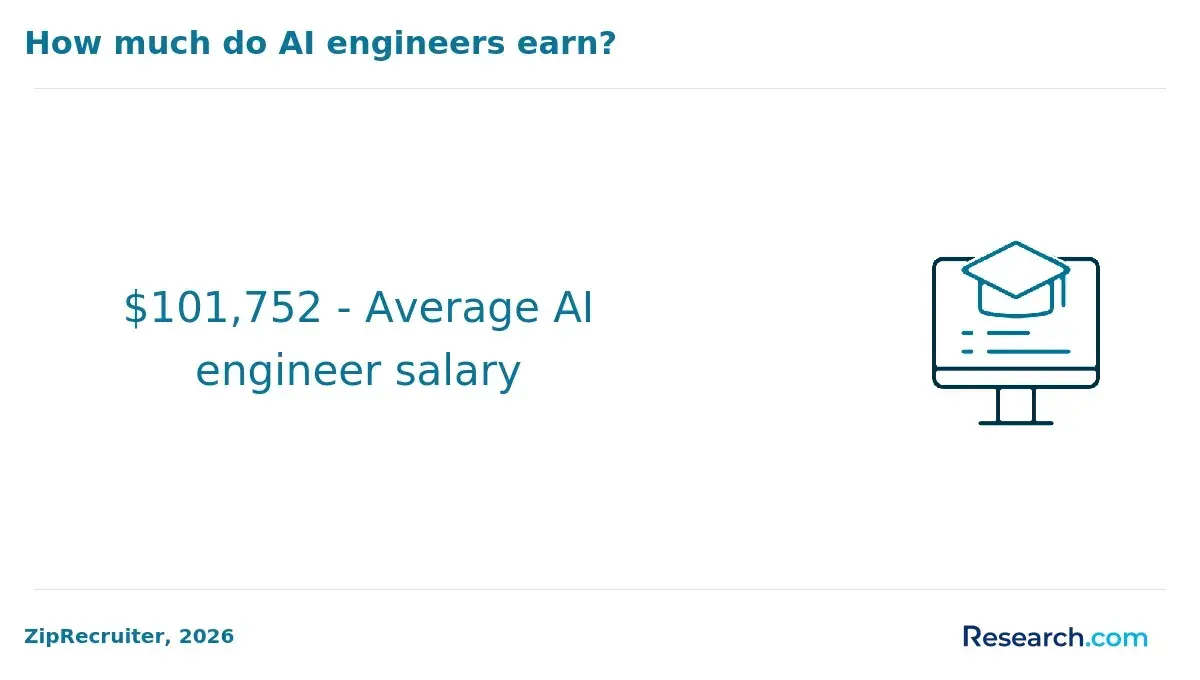
What core AI skills and tools are taught in AI adoption courses for Amazon businesses?
AI adoption courses for Amazon sellers empower users with practical skills designed to boost efficiency and sales by integrating artificial intelligence tools into everyday business operations. Key content includes automated inventory management, dynamic pricing strategies driven by AI algorithms, and real-time market trend analysis.
Students learn to use AI-driven listing optimization tools that enhance product descriptions and keywords, improving visibility and conversion rates. Core AI technologies covered include machine learning platforms tailored for Amazon Seller Central, natural language processing (NLP) applications for customer interaction management, and AI-based analytics for sales forecasting and competitor insights.
Training emphasizes hands-on use of AI agents that automate repetitive workflows such as case creation, FBA shipment preparation, and inventory monitoring, reducing manual workload by 30-50%. This automation grants sellers more time to focus on strategy and expanding their product lines.
Courses also cover essential data integration skills, teaching how to connect AI tools with Amazon APIs and third-party software for automated data harvesting and insights generation. Modules on AI ethics and compliance help sellers navigate regulatory guidelines related to data use and automation on the Amazon platform.
This comprehensive training supports sellers in leveraging AI for operational excellence and strategic decision-making, helping mitigate risk and boost profitability amid competitive market conditions.
How long do AI adoption programs for Amazon sellers take, and what do they cost on average?
AI adoption programs for Amazon sellers typically last between 4 and 12 weeks, varying based on the program's depth and focus. Shorter courses, about 4 to 6 weeks, target specific skills like AI-enhanced product photography, A+ Content, and video creation. More comprehensive 10 to 12-week programs cover broader topics such as AI-driven inventory management, pricing optimization, and customer experience enhancement. Most programs require a weekly commitment of 3 to 5 hours, balancing video lessons, practical work, and live coaching.
Costs differ widely depending on course complexity and provider. Basic AI courses often range from $200 to $500. Mid-tier programs with personalized support and advanced content typically cost between $800 and $1,500. Premium options featuring mentorship, case studies, and access to proprietary tools may exceed $2,000. Subscription-based models with ongoing updates and community access commonly charge monthly fees between $50 and $150.
Sellers utilizing AI for product photography and A+ Content report significant gains. Foundr's 2024 AI Tools for Amazon Sellers report highlights a median 21% increase in detail-page conversion rates from AI-enhanced visual assets. This underscores the importance of timely, effective training to boost sales performance.
When choosing a program, evaluate your goals, budget, and time availability. Programs demonstrating clear ROI, such as improved conversions through AI-driven creatives, tend to provide practical value.
What admission requirements and prior experience do AI adoption courses for Amazon sellers typically expect?
AI adoption courses for Amazon sellers generally require a foundation in e-commerce and basic technical skills. Most programs expect applicants to have experience managing Amazon seller accounts or running digital marketing campaigns to apply AI tools effectively in retail scenarios. Candidates lacking direct Amazon selling experience may need to show familiarity with online marketplaces or general marketing principles.
Proficiency in data interpretation and basic analytics is commonly required, allowing students to use AI-generated insights for optimizing product listings and advertising. While some advanced courses ask for programming knowledge like Python, most beginner-to-intermediate programs emphasize practical AI applications over coding skills. Successful participants often have experience with digital marketing channels beyond Amazon, such as social media and email campaigns.
Combining AI-generated creatives with AI-optimized targeting for off-Amazon traffic can enhance campaign performance significantly. For instance, Panda Boom's e-commerce trends report noted up to 30% higher click-through rates and 18% more new-to-brand orders in campaigns supported by AI.
Applicants should be ready to engage with AI tools for content creation, customer segmentation, and predictive analytics. Courses usually feature case studies and practical exercises, building on basic advertising concepts to help sellers leverage AI-driven automation to boost ROI and efficiency rapidly.
What income gains, time savings, and business growth can AI-trained Amazon sellers realistically expect?
Amazon sellers trained in AI adoption can achieve significant income increases, time savings, and measurable business growth. Jarvio's 2026 survey of Amazon sellers who use AI automation platforms reveals that 78% recoup their AI subscription costs within the first 90 days, demonstrating a fast financial payoff.
The median return on investment is 4.1 times annualized, combining saved time and extra profit. This means sellers typically more than quadruple their investment in AI-driven tools within a year through increased revenue and better efficiency.
Income growth results from several AI-enhanced practices:
- Automated product research quickly scans entire markets to find high-demand, low-competition items, boosting sales potential.
- Dynamic pricing algorithms adjust listing prices in real-time to maximize profits.
- Improved inventory forecasting minimizes stockouts and storage costs.
AI also saves sellers time by managing repetitive, data-heavy tasks like keyword optimization, analyzing customer feedback, and managing advertising bids. This frees sellers to focus on strategic development and scaling their businesses.
Business growth benefits further from AI-driven data analytics, which sharpen marketing strategies, improve customer targeting, and increase retention. Sellers report smarter decisions, faster growth, and healthier profit margins.
For prospective students and working professionals, mastering AI tools is a proven way to enhance income, operational efficiency, and competitive advantage in e-commerce.
Are there industry-recognized certifications or credentials in AI for ecommerce and Amazon selling?
Industry-recognized certifications focus on AI tailored for ecommerce and Amazon selling, offered by reputable organizations in both AI technologies and ecommerce business models. Programs such as the Certified Artificial Intelligence Practitioner (CAIP) by the Global Academy of Finance and Management and Amazon's Seller University AI courses provide structured learning paths. These credentials validate skills in optimizing inventory, pricing algorithms, customer targeting, and supply chain automation using AI tools specifically for Amazon sellers.
Data highlights that sellers with formal AI training are 2.3 times more likely to integrate multiple AI tools into their workflows and 1.8 times more likely to see significant profit growth within a year, compared to those relying on self-taught methods. Certifications emphasize practical competencies, covering machine learning for demand forecasting, AI-powered advertising management, and customer sentiment analysis.
These programs also offer hands-on experience with popular AI platforms common in Amazon analytics and automation. Selecting courses that blend theoretical knowledge with real-world applications and regularly update their curriculum ensures the acquisition of validated skills recognized by employers and peers.
Focus on certifications that assess your ability to strategically use AI tools within ecommerce environments, maximizing your efficiency and growth potential in Amazon selling.
Other Things You Should Know About Artificial Intelligence
Top courses in 2027 equip Amazon sellers with AI skills through hands-on training in data analytics, personalization, and product recommendation algorithms. These courses include "AI Strategies for Amazon Growth" and "Mastering AI Tools for Ecommerce Success," both renowned for their comprehensive curriculums.
Artificial Intelligence enhances customer experience on Amazon by personalizing product recommendations and streamlining search results based on user behavior. It enables dynamic pricing, faster customer support through chatbots, and efficient inventory management to reduce out-of-stock scenarios. These improvements help boost customer satisfaction and retention on the platform.
Yes, artificial intelligence tools are increasingly used to detect counterfeit products by analyzing seller behavior, product listings, and customer reviews. AI algorithms can identify patterns indicative of fraud, such as suspicious pricing or duplicate images, helping Amazon enforce marketplace policies. This reduces fraud risks and maintains trust for buyers and legitimate sellers.
Integrating artificial intelligence into Amazon selling can be challenging due to technical complexity, data privacy concerns, and the need for continuous model updates. Sellers must also manage AI tools alongside existing systems and ensure staff are trained to interpret AI-driven insights accurately. Finally, cost and scalability can pose hurdles, especially for smaller businesses.
References
- Top AI Bootcamps Compared 2026 | Code Labs Academy https://codelabsacademy.com/en/blog/top-ai-bootcamps-compared-2026
- Generative AI - Skill Builder https://skillbuilder.aws/generative-ai
- How AI Is Changing Amazon Advertising Performance https://www.xnurta.com/blog/amazon-advertising-ai-performance
- The 24 Best Online Bootcamps of 2026 https://www.coursereport.com/best-online-bootcamps
- 7 AI Tools For Amazon Sellers: Boost Your Sales Today https://foundr.com/articles/building-a-business/ecommerce/ai-tools-for-amazon-sellers
- 15 Best AI Bootcamps in 2026 https://www.dataquest.io/blog/best-ai-bootcamps/
- 11 Best AI Certifications in 2025 to Deepen Your Technical Knowledge | DigitalOcean https://www.digitalocean.com/resources/articles/ai-certifications
- AWS launches new AI program for community colleges, MSIs, and HBCUs https://www.aboutamazon.com/news/aws/aws-launches-new-ai-program-for-community-colleges-msis-hbcus
- Amazon's 4 big insights from fast-tracking AI training to 2M people https://hrexecutive.com/amazons-4-big-insights-from-fast-tracking-ai-training-to-2m-people/
- The Ultimate Guide to E-Commerce Certifications - CertLibrary Blog https://www.certlibrary.com/blog/the-ultimate-guide-to-e-commerce-certifications/