2027 Best AI Ethics Courses for Tax Professionals

Co-Founder and Chief Data Scientist
Tax professionals increasingly face dilemmas involving ethical use of artificial intelligence in client data analysis, risking compliance violations and reputational harm. Without a clear understanding of AI ethics principles, decisions on automation and data privacy can lead to costly mistakes. These challenges grow as regulatory landscapes evolve alongside rapid technological advances.
This article outlines the best AI ethics courses tailored for tax professionals, focusing on flexible, accredited programs that build practical expertise. It aims to guide readers in selecting the right education to navigate ethical complexities and enhance responsible AI integration in tax practices.
Key Things You Should Know
- AI ethics courses for tax professionals increasingly emphasize compliance with evolving federal and state regulations, with 78% of programs updated in 2025 to include AI governance frameworks.
- Programs focus on mitigating bias in AI-driven tax decisions, reflecting recent findings that 42% of tax automation errors stem from ethical oversights in algorithm design.
- Hands-on training in ethical AI application enhances professional decision-making, with 65% of surveyed students reporting improved confidence in handling AI tools responsibly.
Advance Your Career with AI Online Courses
Artificial Intelligence: Implications for Business Strategy
This program provides an introduction to Artificial Intelligence and their implications for business strategy. Earn an official digital certificate.

Oxford Artificial Intelligence Programme
Explore this Oxford Artificial Intelligence programme offered in a flexible learning environment and explore topics like machine learning, automation, and robotics.

Implementing Agentic AI: Building Your Organizational Playbook
This online MIT Agentic AI course offers a practical approach to deploying AI agents in your organization, including a custom playbook. 3 weeks, exclusive launch price.

AI Adoption: Driving Business Value and Impact
This online MIT AI Adoption: Driving Business Value and Impact offers practical frameworks to close the gap between AI potential and business reality.

Artificial Intelligence in Pharma and Biotech
Discover the applications and limitations of artificial intelligence in pharma and biotech with this MIT online short course.

What are AI ethics courses for tax professionals and why do they matter today?
AI ethics training for tax professionals is crucial for navigating the responsible use and governance of artificial intelligence within tax and accounting fields. These programs focus on key issues such as data privacy, algorithmic bias, transparency, and regulatory compliance to ensure that AI tools used in tax preparation, auditing, and risk assessment operate ethically and legally.
The importance of ethical AI use in tax industry is underscored by a 2024 Thomson Reuters survey where 65% of tax and accounting professionals reported that generative AI will significantly impact their work within five years. This underscores the need for ethics education to avoid misuse and harmful consequences from AI deployment.
Course topics often include:
- Identifying and mitigating biases in AI algorithms that affect tax decisions
- Protecting sensitive taxpayer information from unauthorized access
- Navigating regulations governing AI in financial services
- Designing transparent AI processes for human oversight and accountability
Without such training, tax professionals risk relying on flawed AI outputs, potentially violating privacy laws and causing financial or reputational harm. Biased AI tools, for example, could unjustly target low-income taxpayers for audits, raising ethical and legal issues.
AI ethics education empowers tax experts to employ AI responsibly and align with industry standards. Professionals interested in expanding their technical expertise alongside ethics training may consider a 2-year computer science degree online to deepen their understanding of AI technologies and applications.
Advance Your Career with AI Online Courses
Artificial Intelligence: Implications for Business Strategy
This program provides an introduction to Artificial Intelligence and their implications for business strategy. Earn an official digital certificate.
Oxford Artificial Intelligence Programme
Explore this Oxford Artificial Intelligence programme offered in a flexible learning environment and explore topics like machine learning, automation, and robotics.
Implementing Agentic AI: Building Your Organizational Playbook
This online MIT Agentic AI course offers a practical approach to deploying AI agents in your organization, including a custom playbook. 3 weeks, exclusive launch price.
What types of AI ethics programs are available specifically for tax professionals?
AI ethics training for tax professionals is essential to address risks linked to automation, data usage, and decision-making accuracy. Comprehensive AI ethics certification programs for accountants commonly include continuing professional education (CPE) modules, certificate courses, and specialized workshops tailored to ethical challenges in tax compliance and AI integration.
CPE modules embed AI ethics within broader tax risk management, focusing on areas such as algorithmic bias and error reduction in tax software. Certificate courses, usually from universities or professional organizations, emphasize ethical frameworks including transparency, accountability, and regulatory compliance with AI in tax reporting.
Workshops often provide practical, case-based training on professional responsibility for reviewing AI-generated tax outputs, highlighting the importance of human oversight despite improvements like OpenAI's GPT-4 being 60% less likely to make factual errors than its predecessor.
Ethical guidelines typically cover:
- Managing risks when using AI for tax assessments and filings
- Ensuring compliance with IRS and state regulations regarding automated tools
- Transparency in client communications about AI-assisted processes
- Mitigating bias in AI-driven decision tools affecting tax liabilities
Tax professionals looking to maintain ethical standards while leveraging AI efficiency must select programs according to their roles and AI complexity. For those seeking related education, exploring fields like a mechanical engineer degree online may also offer insights into automation and system design principles valuable in AI implementation.
How can tax professionals evaluate the best AI ethics courses and providers?
Tax professionals assessing ai ethics course quality should prioritize curriculum relevance, provider credibility, and practical application. Focus on courses emphasizing data security and client confidentiality, aligning with U.S. Department of Labor guidance on maintaining human oversight in AI-driven tax environments.
Key curriculum elements include ethical principles like bias mitigation, transparency, accountability, and privacy laws tailored to financial and tax data. Programs featuring case studies on real-world tax scenarios help sharpen skills by illustrating how to verify AI-generated tax computations and detect anomalies, strengthening compliance. This approach reflects essential criteria for selecting ai ethics training providers for tax professionals.
Provider reputation matters: top academic institutions, professional organizations such as the American Institute of CPAs, and experts in AI ethics for finance guarantee rigorous, current content. The expertise of instructors in both tax and AI ethics enhances course relevance and depth.
Delivery formats like live workshops or interactive modules boost engagement and retention. Confirm certification aligns with continuing professional education requirements or industry standards to enhance credibility.
Key questions to evaluate courses include: Are the latest regulatory updates included? Do assessments test ethical decision-making in AI-assisted tax work? How is human oversight maintained in AI processes?
For those interested in complementary fields, an accelerated cyber security program can further strengthen data protection skills.
What core topics and case studies do AI ethics courses for tax professionals cover?
AI ethics courses for tax professionals address core ethical challenges in AI applications for tax professionals, focusing on critical areas such as data privacy, algorithmic bias, transparency, and responsible AI deployment. These programs ensure compliance with legal standards like GDPR and IRS rules on taxpayer data use. They incorporate case studies on AI bias and compliance in taxation, for example, scenarios where biased algorithms mistakenly flag compliant taxpayers for audits or when automated dispute resolutions limit human oversight, raising ethical concerns.
Participants learn practical skills to balance efficiency gains from AI automation with accountability. The courses examine how AI tools collect data, link records, and automate responses in established tax workflows, highlighting the importance of ongoing system monitoring to prevent errors over time. Lessons cover transparency measures to audit AI outputs and techniques to reduce unfair treatment of taxpayers based on race, income, or region.
Overall, tax professionals develop the ability to critically evaluate AI systems to maintain fairness, privacy, and legal compliance while leveraging AI's efficiencies. For those interested in related career paths, becoming an AI trainer provides opportunities to work closely with AI systems, ensuring ethical and effective deployment in various industries.
Which accredited universities and professional organizations offer AI ethics training in taxation?
Accredited universities and professional organizations are increasingly providing ethics training focused on artificial intelligence in taxation to meet the field's evolving demands. The University of Notre Dame's Mendoza College of Business offers a specialized course addressing ethical challenges related to automation and audit decision-making in tax contexts. New York University's Stern School of Business includes AI ethics modules in their tax professional development programs, with emphasis on the ethical implications of AI tools used for fraud detection and tax research.
Professional bodies like the American Institute of CPAs (AICPA) have developed continuing professional education (CPE) courses tailored specifically for tax professionals. These offerings cover ethical frameworks applicable to the use of AI-driven fraud detection and error-reduction technologies, aligning with industry standards for audits and advisory services. The National Association of Tax Professionals (NATP) complements this effort through workshops and webinars focused on best practices and ethical considerations when integrating AI into tax practices.
Given the expanding role of AI in fraud detection, summarizing IRS publications, and researching tax questions, tax professionals benefit from prioritizing accredited training programs. These courses provide comprehensive content essential for maintaining compliance and earning continuing education credits, and they are widely recognized within the tax industry.
How do online AI ethics courses for tax professionals compare with campus and hybrid options?
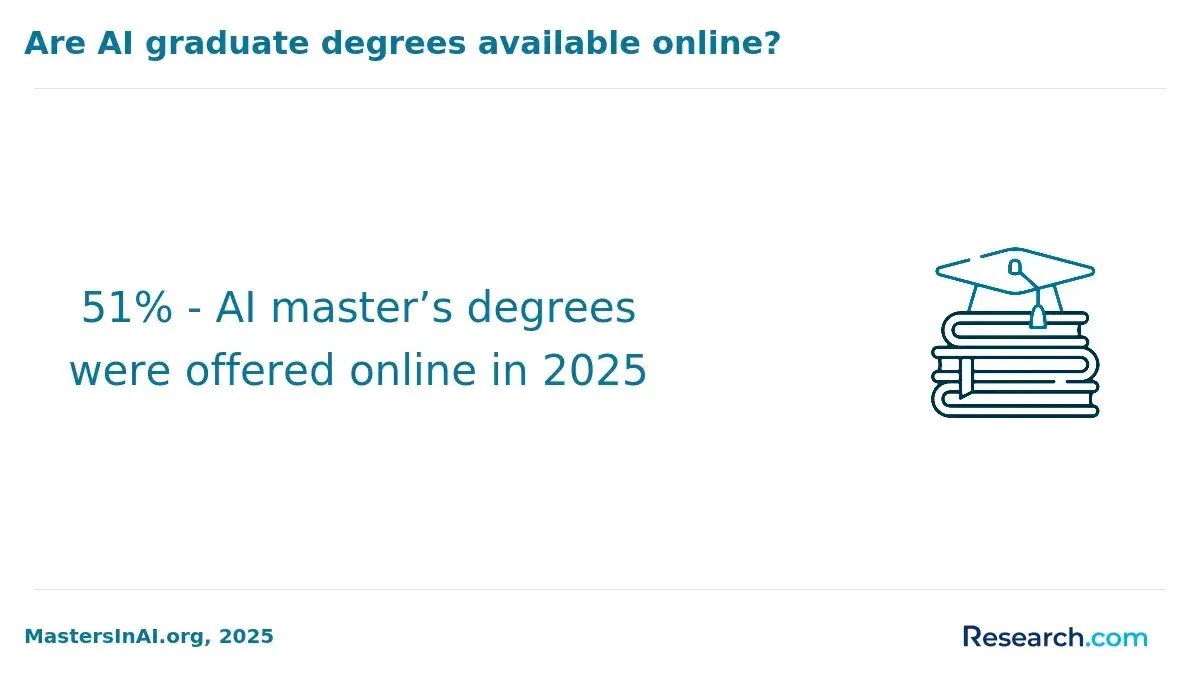
Online ai ethics courses for tax professionals provide the flexibility to balance work and study efficiently. These courses often feature asynchronous content, allowing learners to progress at their own pace without geographic or scheduling constraints. This format also ensures more frequent updates to course materials, reflecting the fast-moving ethical challenges that arise from ai integration in tax processes.
Campus-based programs offer direct engagement with instructors and peers, enhancing understanding through interactive case studies and discussions of complex ethical scenarios. However, fixed schedules and location requirements can limit accessibility for busy professionals. Hybrid models blend online and face-to-face learning but may still face challenges in delivering consistent, flexible access.
Online formats often include interactive modules and scenario-based learning tailored to the real-world tasks tax firms encounter when implementing ai tools. Thomson Reuters emphasizes the need to identify repetitive tasks suitable for automation in order to boost efficiency. Training that highlights ethical decision-making in these contexts helps tax professionals navigate the implications of automation responsibly.
- Flexible study schedules with asynchronous content
- Regularly updated materials reflecting evolving industry standards
- Interactive, scenario-based modules focused on practical ai ethics
- Opportunity for networking primarily in campus settings
Those prioritizing networking or mentorship may prefer traditional campus options, whereas professionals seeking agile, current content will likely benefit more from online courses. Selecting the appropriate learning model depends on personal learning preferences and professional needs, but online education currently offers the greatest accessibility and responsiveness for ai ethics in tax careers.
What are the typical admission requirements, length, and costs of AI ethics programs in tax?
Admission to AI ethics programs designed for tax professionals generally requires a bachelor's degree in accounting, finance, law, or a related discipline. Professional certifications such as CPA or EA are highly valued, demonstrating foundational expertise in tax matters. Advanced certificates or master's programs often require relevant work experience or proficiency with AI tools used in financial services.
Program durations vary widely: intensive short courses last 4 to 8 weeks, certificate programs may extend 3 to 6 months, and graduate-level courses typically span 12 to 16 weeks. Online formats provide flexibility for working professionals to integrate learning with their schedules.
Costs also differ significantly. Entry-level workshops or university certificates start around $500, while specialized graduate certificates can exceed $4,000. Many employers offer reimbursement or subsidies recognizing the strategic importance of AI ethics in tax advisory roles.
Given AI's increasing role in client communication and document drafting, emphasis on ethical accuracy, legal compliance, disclosure, and review processes is critical. Programs focus not only on technical AI knowledge but also on practical client communication ethics. Prospective students should confirm that curricula address these real-world applications before enrolling.
How do AI ethics credentials impact career paths, job roles, and advancement in tax practice?
AI ethics credentials enhance career prospects in tax practice by establishing professionals as reliable custodians of responsible AI use. As tax firms increasingly integrate AI into analysis, compliance, and advisory roles, expertise in AI ethics sets candidates apart for positions involving AI oversight, risk evaluation, and collaboration with IT and legal teams.
Career advancement now often requires demonstrating knowledge of AI ethics, reflecting a strong emphasis on accountability and transparent AI adoption. For instance, Thomson Reuters highlights that successful professional AI use depends on ethics training, which is considered a strategic necessity rather than just compliance.
Tax professionals with AI ethics credentials can expect opportunities to expand duties, including:
- Developing internal policies for ethical AI application in tax calculations and audits
- Conducting risk assessments on AI's impact on taxpayers and regulatory compliance
- Training colleagues on responsible AI use and bias mitigation in automated tax systems
These credentials also open paths to specialized roles such as AI compliance officers, ethics consultants, and governance advisors. Employers seek individuals with ethical expertise to lead AI governance frameworks that align with regulatory standards and organizational values.
Investing in AI ethics education strengthens a tax professional's capacity to lead change, manage risks, and secure upward mobility within AI-driven tax environments.
What salary benefits and employer demand exist for tax professionals with AI ethics expertise?
Tax professionals with expertise in AI ethics command salaries 10-20% higher than those without this specialization, reflecting employers' emphasis on balancing automation with essential human judgment. This expertise enhances career advancement opportunities by addressing ethical challenges in tax compliance and advisory roles.
Both government agencies and private firms prioritize ethical stewardship of AI tools amid increasing automation. The Department of Labor emphasizes that human oversight remains vital to maintain professional judgment, accountability, and compliance. This oversight responsibility often results in higher pay and greater strategic importance for ethically trained tax professionals.
Employers seek experts who can identify and mitigate risks such as compliance breaches, data privacy concerns, and algorithmic bias in AI-driven tax processes. This capability reduces organizational liability and creates demand for positions like compliance officers specialized in AI ethics.
Specialized roles such as AI audit lead, policy advisor, and technology risk consultant attract advanced salary bands and performance incentives. Mastery of AI ethics also equips professionals to adapt to evolving regulatory frameworks, ensuring greater job security in a rapidly changing environment. Key advantages include:
- Higher salary premiums reflecting ethical expertise
- Access to specialized and leadership roles
- Increased job security amid regulatory changes
- Strategic value in risk reduction and compliance
Are there certifications, regulatory expectations, or firm policies on AI ethics in tax practice?
Certifications and regulatory expectations surrounding AI ethics are becoming essential in tax practice. Professional organizations such as the American Institute of CPAs (AICPA) have introduced ethical guidelines for the use of artificial intelligence tools in tax services. These emphasize transparency, data privacy, and minimizing algorithmic bias during research, drafting, and compliance tasks.
State and federal regulators increasingly expect firms to adopt AI ethics protocols to reduce operational risks related to automated decision-making. For example, some firms require internal certifications that ensure tax professionals understand AI ethics principles and apply AI-driven software responsibly.
Key certifications include the Certified Information Privacy Professional (CIPP) with an AI ethics focus and continuing professional education (CPE) courses provided by bodies like the AICPA or the Tax Executives Institute. These certifications highlight real-world challenges such as verifying data accuracy, maintaining client confidentiality, and ensuring clear audit trails. Many firms incorporate these courses into mandatory training to meet compliance and risk management standards.
AI ethics education offers practical career benefits. Tax professionals already use AI for various functions, and ethics training prepares them to manage operational risks effectively. According to the Journal of Tax Technology, 67% of tax professionals saw improved decision-making quality after completing ethics-focused AI training.
Other Things You Should Know About Artificial Intelligence
Ethical concerns in artificial intelligence for taxation include data privacy, algorithmic bias, and transparency. Tax professionals must ensure algorithms do not unfairly target specific groups or lead to discriminatory outcomes. Maintaining taxpayer confidentiality and adhering to data protection laws is also critical when deploying AI tools in tax processes.
While artificial intelligence can process large data sets efficiently and identify patterns, it cannot fully replace human judgment in tax decision-making. AI assists by providing insights and automating routine tasks, but tax professionals are needed to interpret results, ensure ethical considerations, and make final decisions based on context and regulations.
The top AI ethics courses for tax professionals in 2027 focus on ethical data handling, responsible AI design, and mitigating bias. The courses offered by institutions like Harvard and MIT emphasize hands-on learning, addressing real-world dilemmas faced by tax professionals using AI.
Tax professionals should develop skills in data analysis, understanding AI algorithms, and ethical considerations related to artificial intelligence use. Familiarity with technology platforms, critical thinking to interpret AI outputs, and continuous learning about AI developments ensure effective integration of AI into tax practice while upholding ethical standards.
References
- AI ethics, governance & compliance https://kpmg.com/dk/en/services/ai-and-data/ai-ethics-governance-and-compliance.html
- AI Literacy Programs in Europe – Supporting Article 4 of the EU AI Act https://artificialintelligenceact.eu/ai-literacy-programs/
- Ethics Meets AI at Nazareth https://www2.naz.edu/ethics-meets-ai-nazareth/
- AI Ethics and Governance for Accountants | CPD | Learnsignal https://www.learnsignal.com/cpd/artificial-intelligence/ai-ethics-and-governance-for-accountants/
- AI and ethics in tax administration https://responsibletax.kpmg.com/article/ai-and-ethics-in-tax-administration
- SAICA: AI Ethics Case Studies – Part 1 https://accountingacademy.co.za/news/read/saica-ai-ethics-case-studies-part-1
- CPE: AI-Powered Tax Compliance, Part 2 https://www.tx.cpa/news-publications/todays-cpa-magazine/issues/article/march-april-2026/2026/03/05/cpe-ai-powered-tax-compliance-part-2
- Ethics, Technology, and the Professional Accountant in the Digital Age https://www.ifac.org/knowledge-gateway/discussion/ethics-technology-and-professional-accountant-digital-age
- Recruit tax advisory professionals in 2025 market https://www.instead.com/resources/blog/recruit-tax-advisory-professionals-in-2025-market
- Aligning AI Ethics with Data Privacy Compliance | TrustArc https://trustarc.com/resource/ai-ethics-with-privacy-compliance/