2027 Best AI Courses for Healthcare Scheduling Teams

Co-Founder and Chief Data Scientist
Healthcare scheduling teams often face challenges in managing complex appointment systems, leading to frequent delays and resource misallocation. Inefficient scheduling can cause patient dissatisfaction and increased operational costs, undermining the quality of care. Integrating emerging technologies can streamline these processes, but many professionals lack the necessary expertise to implement advanced solutions effectively.
This article explores the best AI courses designed specifically for healthcare scheduling teams, highlighting flexible educational paths that equip learners with relevant skills. It aims to guide professionals seeking to leverage artificial intelligence to optimize scheduling workflows and improve healthcare delivery outcomes.
Key Things You Should Know
- Top AI courses for healthcare scheduling in 2026 emphasize practical skills in predictive analytics, improving appointment accuracy by up to 35% through demand forecasting models.
- Programs increasingly integrate real-world data sets to teach ethical AI use, highlighting compliance with patient privacy laws such as HIPAA.
- Certification in AI-driven healthcare scheduling boosts employment prospects, with 42% of healthcare organizations prioritizing candidates skilled in AI technologies by 2025.
Advance Your Career with AI Online Courses
Artificial Intelligence: Implications for Business Strategy
This program provides an introduction to Artificial Intelligence and their implications for business strategy. Earn an official digital certificate.

Oxford Artificial Intelligence Programme
Explore this Oxford Artificial Intelligence programme offered in a flexible learning environment and explore topics like machine learning, automation, and robotics.

Implementing Agentic AI: Building Your Organizational Playbook
This online MIT Agentic AI course offers a practical approach to deploying AI agents in your organization, including a custom playbook. 3 weeks, exclusive launch price.

AI Adoption: Driving Business Value and Impact
This online MIT AI Adoption: Driving Business Value and Impact offers practical frameworks to close the gap between AI potential and business reality.

Artificial Intelligence in Pharma and Biotech
Discover the applications and limitations of artificial intelligence in pharma and biotech with this MIT online short course.

What are the best AI courses for healthcare scheduling teams?
The best AI courses for healthcare scheduling teams focus on machine learning, predictive analytics, and optimization algorithms tailored to healthcare operations. These top healthcare scheduling artificial intelligence training programs emphasize practical tools that reduce patient no-shows, balance staff workloads, and improve appointment allocation. Leading institutions like Stanford and MIT offer courses with strong training in healthcare data integration and ethical AI use, preparing learners to implement efficient scheduling solutions.
Effective programs often include:
- Hands-on projects using real healthcare scheduling datasets to develop forecasting models.
- AI-driven decision support system deployment for dynamic scheduling adjustments.
- Modules addressing compliance with healthcare regulations such as HIPAA.
- Natural language processing training to automate patient communications about appointments.
Specialized courses also cover integration with popular hospital software like Kronos and Epic, helping schedulers translate AI insights into actionable changes. Interdisciplinary programs combining healthcare administration with AI fundamentals provide the broad skill set needed in healthcare settings today.
With U.S. hospitals facing an estimated $150 billion loss due to scheduling inefficiencies and no-shows, AI-driven optimization could reduce these losses by 30% over five years, according to McKinsey & Company's "Reimagining Healthcare Operations with AI." For professionals seeking to expand their expertise, pursuing a computer science degree online can offer foundational knowledge to support AI applications in healthcare scheduling.
Advance Your Career with AI Online Courses
Artificial Intelligence: Implications for Business Strategy
This program provides an introduction to Artificial Intelligence and their implications for business strategy. Earn an official digital certificate.
Oxford Artificial Intelligence Programme
Explore this Oxford Artificial Intelligence programme offered in a flexible learning environment and explore topics like machine learning, automation, and robotics.
Implementing Agentic AI: Building Your Organizational Playbook
This online MIT Agentic AI course offers a practical approach to deploying AI agents in your organization, including a custom playbook. 3 weeks, exclusive launch price.
How does AI improve healthcare scheduling workflows?
AI-powered healthcare scheduling solutions automate complex, time-consuming tasks, reducing administrative burdens and enhancing appointment management efficiency. Dynamic booking systems adapt to real-time changes such as emergencies or provider availability, maximizing resource use and minimizing patient wait times. For instance, AI-driven predictive analytics forecast patient no-show rates, helping schedulers optimize overbooking strategies and cut idle slots.
These efficiency improvements in healthcare appointment management come from machine learning algorithms analyzing historical data to identify scheduling inefficiencies and recommend process changes like adjusting clinic hours or staff allocation based on predicted patient flow. Natural language processing further streamlines communication by interpreting patient requests via chatbots or voice assistants, facilitating faster appointment confirmations and rescheduling without manual input.
AI also enhances coordination across departments by integrating scheduling systems, preventing overlapping appointments or double bookings. In surgical settings, AI synchronizes operating room availability with surgeon schedules and equipment readiness to improve throughput.
Despite the benefits, 73% of healthcare organizations adopting AI tools cite insufficient staff skills as a major barrier, highlighting the need for targeted training of scheduling teams. Programs that combine technical and operational knowledge empower professionals to leverage AI for proactive scheduling and better patient access while ensuring compliance with data privacy standards.
Prospective students interested in pursuing careers in AI and healthcare technology may consider a mechanical engineering online program as a strong foundation to enter this innovative field.
Which AI skills do healthcare scheduling jobs require?
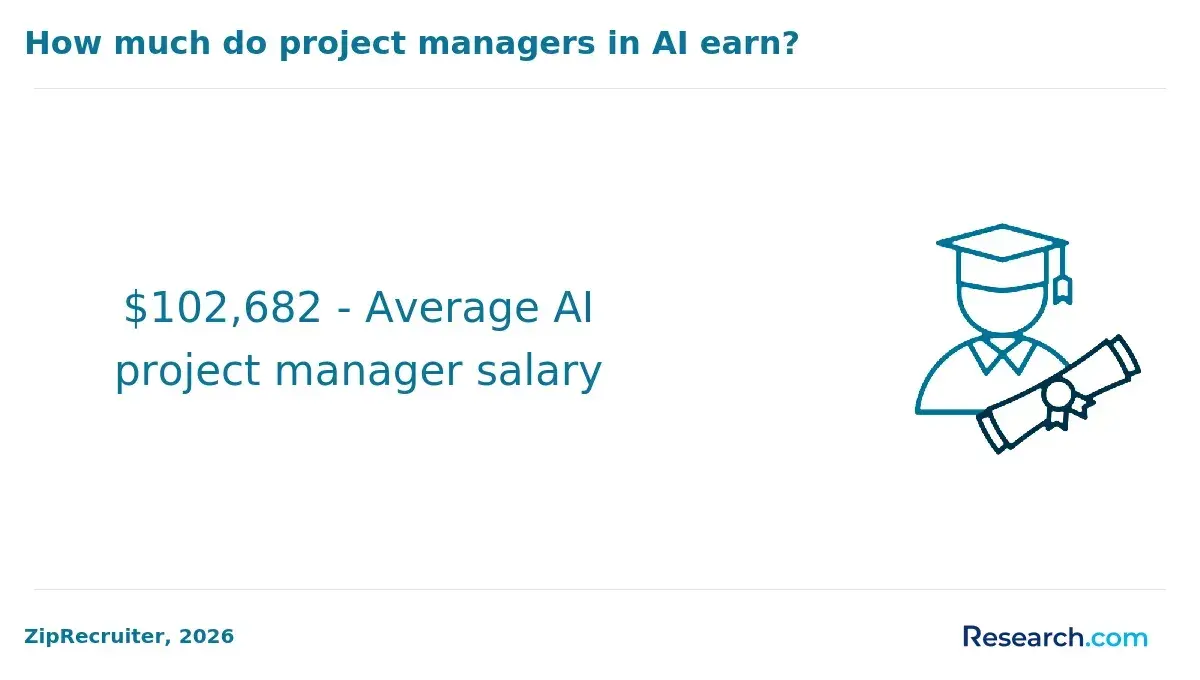
Healthcare scheduling professionals must leverage AI skills for healthcare scheduling professionals that optimize resource allocation, patient flow, and appointment management effectively. Mastery of machine learning applications in healthcare workforce management, such as predicting patient no-shows and cancellations, is critical to reduce idle time and boost scheduling efficiency. Natural language processing (NLP) capabilities also play a vital role in handling unstructured patient communication data, enabling automated confirmations and rescheduling.
Analyzing data generated by AI tools allows professionals to identify scheduling bottlenecks, improve throughput, and refine operational parameters. Knowledge of robotic process automation (RPA) further automates tasks like patient registration and appointment reminders, freeing healthcare staff to address more complex issues. Integration of AI-driven scheduling systems with electronic health records (EHR) requires fluency in healthcare IT standards and interoperability to ensure seamless workflow.
Strong problem-solving and communication skills support handling exceptions, urgent rescheduling, and collaboration among clinicians, administrative teams, and patients within AI-enhanced environments. Ethics training ensures compliance with privacy laws and sustains patient trust. Health organizations investing in AI-driven scheduling and staff training have reported a 10-15% rise in appointment throughput and a 3-5% gain in operating margins within 12-18 months, according to a PwC report.
For professionals looking to deepen their technical expertise and broaden career options, pursuing advanced degrees such as a cybersecurity masters online can complement AI and healthcare knowledge, especially as data security remains paramount in healthcare settings.
Are online AI courses better than campus programs?
Online AI courses for healthcare scheduling teams offer notable advantages such as flexibility, scalability, and accessibility. They allow professionals to learn while continuing their work schedules and accommodate varied shifts typical in healthcare environments. In contrast to campus programs that often require fixed times and commuting, online courses enable real-time application of skills-for instance, practicing AI-powered scheduling software immediately in the workplace, which accelerates skill acquisition.
Structured vendor-provided training through online platforms remains essential. According to a 2024 KLAS survey, 64% of organizations implementing AI scheduling tools identified such training as the most important factor in successful adoption and sustained use. Campus programs seldom partner directly with AI technology vendors, limiting hands-on experience with specific tools.
Campus programs, by comparison, provide deep theoretical foundations and greater interdisciplinary interaction, benefiting those aiming for leadership roles or careers beyond operational use. They often offer access to faculty expertise and peer collaboration, enhancing complex problem-solving and research skills.
When deciding between campus and online artificial intelligence programs, prospective students should weigh immediate job needs against long-term goals. Those interested in what does an AI trainer do may benefit from exploring career paths detailed at what does an AI trainer do.
What topics are covered in healthcare AI training?
Healthcare AI training covers essential topics that enhance scheduling workflows and operational efficiency. Key areas include machine learning fundamentals, which help algorithms detect patterns in patient data to forecast appointment no-shows and optimize resource use. Natural language processing is also taught to manage unstructured clinical notes, allowing better integration of information into scheduling decisions.
Automation techniques, such as robotic process automation (RPA), streamline repetitive administrative tasks like appointment confirmations and rescheduling. Emphasis is placed on data management and interoperability to ensure secure handling of electronic health records (EHR) and seamless system integration in healthcare settings.
Ethical and regulatory issues are integral, focusing on patient privacy, bias reduction in models, and compliance with laws like HIPAA. Students examine practical applications through case studies demonstrating AI-driven patient flow optimization and demand forecasting, providing a grasp of real-world challenges.
There is growing emphasis on workflow-specific AI tools for scheduling teams, including predictive analytics for staffing and load balancing. Between 2020 and 2024, U.S. medical schools and academic health centers offering formal AI curricula for clinicians and healthcare administrators increased by 39% (Association of American Medical Colleges, 2024).
Additional skills taught include AI model validation, user interface design for scheduling tools, and change management strategies to ensure workforce adoption. This comprehensive training aims to reduce appointment bottlenecks, improve patient satisfaction, and boost clinic productivity.
What admission requirements do AI courses usually have?
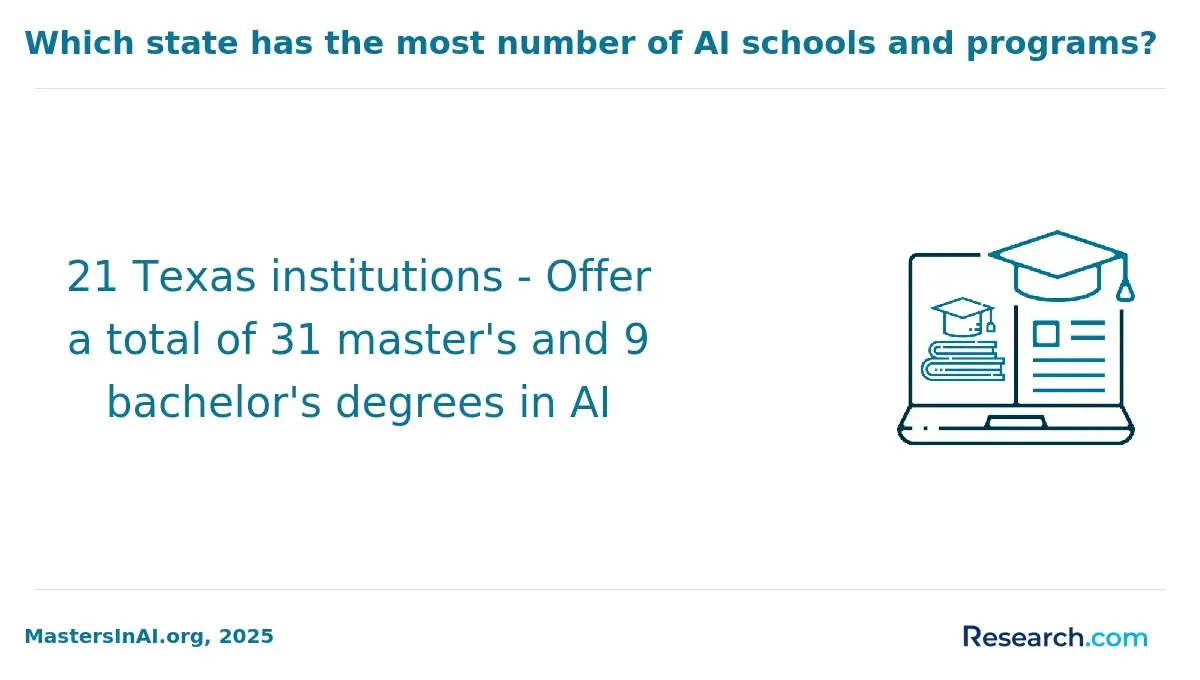
Admission criteria for artificial intelligence courses tailored to healthcare scheduling teams vary based on course level and intended participants. Entry-level or micro-credential programs designed for non-technical staff generally require only basic computer skills and a high school diploma or equivalent. These programs focus on accessibility, allowing administrative personnel to upskill without prior coding or advanced math knowledge.
Intermediate courses may expect foundational healthcare workflow knowledge or current enrollment in healthcare-related studies. Some demand experience in clinical or administrative healthcare environments to properly apply AI tools. Advanced certificates or degree programs often require prior coursework in statistics, data analysis, or programming languages such as Python. Typically, a bachelor's degree in healthcare, technology, or related fields is needed.
Admission processes may include assessment tests or interviews to gauge analytical and technical skills, especially for hands-on coding courses. Applicants often submit resumes highlighting relevant healthcare scheduling or administrative experience, which can improve acceptance chances. Some providers accept professional experience as a substitute for formal education, appealing to those switching careers.
Global enrollment in short online AI micro-credential programs for non-technical healthcare staff recently surged 56%, with administrative and scheduling roles among the fastest-growing segments, according to the Coursera Global Skills Report in the Health Care & Social Assistance section.
How long do healthcare AI courses take to finish?
Healthcare AI courses vary widely in duration, from a few hours to several months, depending on the program's depth and format. Many introductory courses and MOOCs can be completed in 4 to 8 weeks with 3 to 5 hours of weekly study. These options cater to busy professionals seeking foundational skills and practical tools to enhance scheduling workflows. For instance, a typical AI course on platforms like Coursera or edX focused on healthcare may require around 20 to 40 total hours.
More extensive certificate programs or executive education typically last 3 to 6 months. These often include live instruction, hands-on projects, and assessments, diving deeply into machine learning models, data analytics, and AI integration within clinical scheduling systems. Such courses suit managers or analysts preparing to lead AI-driven scheduling initiatives.
Self-paced courses offer flexibility to adjust timelines based on prior experience or workload, supporting goals ranging from rapid upskilling to specialized expertise. Over 60% of health-system operations leaders rely on free or low-cost online AI courses and MOOCs as their primary AI education source, ahead of costly executive programs or internal training (HFMA & Optum, "2024 Health System AI Adoption and Investment Survey," 2024).
Prospective students should realistically assess their AI proficiency, available time, and career goals to select a course timeline matching their specific healthcare scheduling challenges.
How much do AI healthcare courses cost?
AI healthcare courses for scheduling teams vary widely in cost based on provider, depth, and delivery format. Entry-level online courses usually range from $100 to $500, providing foundational knowledge suited for administrative staff learning to use AI tools in scheduling. More advanced certificate or professional development programs, which often include practical applications and compliance training, cost between $1,000 and $5,000. These target healthcare managers and IT professionals integrating AI into operational workflows.
Corporate or institutional training sessions tailored to specific organizational needs, including privacy safeguards, start at $10,000 and may exceed $50,000 depending on class size and duration. Nearly half of healthcare organizations highlight privacy and security concerns as key barriers to front line staff adoption of generative AI, despite recognition of its workflow benefits. This drives up the cost of courses emphasizing strong data protection, which is essential for compliance-sensitive environments.
Financial aid, group discounts, and payment plans are often available and worth exploring for smaller teams or individual learners. When selecting courses, healthcare professionals should consider not just cost but content relevance, vendor credibility, and alignment with clinical privacy standards to promote secure AI use and reduce legal risks.
Prioritizing programs that blend AI fundamentals, healthcare scheduling applications, and robust privacy practices helps ensure better adoption and efficacy within healthcare settings.
What jobs use AI in healthcare scheduling?
Healthcare scheduling roles increasingly depend on artificial intelligence to enhance efficiency and patient experience. Medical schedulers and appointment coordinators use AI tools to optimize task allocation, predict no-shows, and balance provider availability. Practice managers and healthcare operations analysts leverage AI-driven insights to dynamically adjust staffing, preventing bottlenecks and under staffing.
Care coordinators and clinical support staff apply AI algorithms to coordinate multi-provider appointments, reducing patient wait and travel times. Call centers benefit from AI automation of routine scheduling queries, with intelligent rescheduling allowing agents to focus on complex cases. IT specialists and AI system trainers collaborate with scheduling teams to customize tools for specific healthcare settings, ensuring smooth integration and effective staff training.
Healthcare providers experience reduced idle time between appointments through AI-assisted scheduling, improving workflow. Organizations utilizing AI scheduling combined with structured training have reported a 25-35% reduction in patient wait times and a 20-30% decrease in no-show rates within a year.
For those pursuing AI education focused on healthcare scheduling, developing skills in platform management, patient communication algorithms, and predictive analytics is valuable. These competencies help improve patient outcomes and operational efficiency in a range of healthcare roles.
How do you choose a reputable AI course?
Choosing a reputable AI course involves careful evaluation of several key factors to align with career goals in healthcare scheduling and administration. Start by verifying the provider's credentials; courses from established universities or health system organizations typically offer more relevant and credible training than general AI platforms.
Focus on curriculum content that targets healthcare-specific AI applications, such as predictive analytics for patient access, appointment optimization, and revenue cycle management. Practical skills come from courses incorporating real-world case studies and common machine learning or automation tools used in healthcare settings.
Updated course material is essential given the rapid growth in healthcare AI roles. Job postings requiring AI or automation skills in patient access and scheduling coordination have increased significantly, with salaries generally 8-12% higher than those without these skills. Ensure courses address this evolving demand and avoid outdated content predating 2022.
Course format and instructor expertise also impact learning quality. Look for interactive lessons featuring hands-on projects and experienced instructors familiar with healthcare AI. Positive reviews and successful alumni outcomes further indicate effectiveness.
Finally, certification credibility matters. Earning a recognized credential valued by healthcare employers boosts career prospects and may align with industry continuing education standards.
Other Things You Should Know About Artificial Intelligence
In 2027, the "AI for Advanced Healthcare Scheduling" course by Coursera is a top choice. It covers AI fundamentals and specific applications in healthcare scheduling, complete with hands-on projects and real-world case studies to enhance practical understanding and skills.
Yes, artificial intelligence can significantly reduce scheduling errors by automating appointment management, matching patient needs with provider availability, and predicting no-shows or cancellations. These capabilities help optimize resource use and improve patient satisfaction.
Artificial intelligence uses predictive analytics and machine learning algorithms to analyze large amounts of scheduling data. This enables it to recommend optimal appointment times, balance workloads among staff, and anticipate future scheduling demands, aiding administrators in making informed decisions.
Ongoing training is essential to ensure healthcare professionals stay updated with new features and best practices in AI scheduling tools. Continuous education helps maintain system accuracy, improve user confidence, and adapt to evolving healthcare environments and technologies.
References
- The Cost of Implementing AI in Healthcare: Key Insights I Scalefocus https://www.scalefocus.com/blog/the-cost-of-implementing-ai-in-healthcare-key-insights
- Artificial Intelligence (AI) Patient Scheduling Software https://veradigm.com/predictive-scheduler/
- What are the requirements for completing the Introduction to AI and Building AI courses? https://www.elementsofai.com/ie/faq/what-are-the-requirements-for-completing-the-introduction-to-ai-and-building-ai-courses
- AI-powered Health Care: Optimizing Clinical Workflows and Elevating the Patient Experience | AHA https://www.aha.org/ai-powered-health-care-optimizing-clinical-workflows-and-elevating-patient-experience
- My Account / Create Account https://www.practicematch.com/healthcare/articles/the-future-of-healthcare-jobs-how-ai-is-reshaping-skill-requirements.cfm
- AI Courses after 12th - Eligibility, Fees & Duration https://www.universalai.in/top-ai-courses-after-12th-your-guide-to-a-future-proof-career/
- AI in Healthcare: Streamlining Workflows and Boosting Efficiency https://www.smartertech.com/articles/the-power-of-ai-in-streamlining-healthcare-workflows
- Generative AI for Healthcare | Google Skills https://www.skills.google/course_templates/1081
- Blog https://admissiongoals.com/post/ai-machine-learning-programs-europe-admission-guide-international-students
- How Long Does It Take to Learn AI Completely? https://blog.nobledesktop.com/learn/ai/how-long-do-ai-courses-take