2027 Best AI Capability Building Courses Online

Co-Founder and Chief Data Scientist
Many graduate students and working professionals with degrees in unrelated fields feel overwhelmed by the complexity and rapid development of artificial intelligence. Without a clear, structured learning path, gaining relevant skills and credibility in this evolving industry poses a significant challenge. Finding flexible, accredited courses that fit busy schedules and deliver practical, up-to-date knowledge can be daunting.
This article examines the best online AI capability building courses designed specifically to support career pivots. It aims to guide readers in selecting programs that offer accessible, rigorous training and foster successful integration into the artificial intelligence workforce.
Key Things You Should Know
- In 2026, AI capability courses emphasize practical skills in machine learning, natural language processing, and ethics, responding to employer demand for job-ready talent with a 35% enrollment growth in 2025.
- Many top courses offer flexible online formats and industry collaborations, with certificates increasingly recognized by U.S. employers, enhancing graduates' career prospects in AI-driven sectors.
- Data shows AI talent shortages persist, with 71% of U.S. tech firms reporting difficulty finding qualified candidates, making targeted capability building essential for competitive advantage.
Advance Your Career with AI Online Courses
Artificial Intelligence: Implications for Business Strategy
This program provides an introduction to Artificial Intelligence and their implications for business strategy. Earn an official digital certificate.

Oxford Artificial Intelligence Programme
Explore this Oxford Artificial Intelligence programme offered in a flexible learning environment and explore topics like machine learning, automation, and robotics.

Implementing Agentic AI: Building Your Organizational Playbook
This online MIT Agentic AI course offers a practical approach to deploying AI agents in your organization, including a custom playbook. 3 weeks, exclusive launch price.

AI Adoption: Driving Business Value and Impact
This online MIT AI Adoption: Driving Business Value and Impact offers practical frameworks to close the gap between AI potential and business reality.

Artificial Intelligence in Pharma and Biotech
Discover the applications and limitations of artificial intelligence in pharma and biotech with this MIT online short course.

What are the best AI capability building courses online for developing practical, job-ready skills?
The best ai capability building courses for practical skills focus on real-world applications like machine learning implementation, data analysis, natural language processing, and AI ethics. Top online ai training for job-ready expertise is offered by platforms such as Coursera, edX, and Udacity, featuring programs from prestigious institutions including Stanford, MIT, and Google. For example, Coursera's "Machine Learning" by Andrew Ng delivers algorithm fundamentals with hands-on Python coding assignments, tailored for aspiring data scientists. Udacity's "AI for Robotics" targets professionals developing AI-driven autonomous systems through practical integration projects.
These courses emphasize experience with critical tools like TensorFlow, PyTorch, and cloud-based AI services. Certifications often include capstone projects or portfolio work that enhance employability by showcasing industry-relevant competencies. Programs accommodate a range of learners, from beginners to advanced engineers, allowing a personalized path toward expertise.
Ethical considerations and regulatory knowledge are increasingly vital in ai education, with reputable courses blending policy discussions alongside technical training. Additionally, mentorship and opportunities for industry collaboration improve learning outcomes and job-placement success. Those exploring diverse educational paths may also consider an accelerated CS degree to complement specialized AI skills.
According to the World Economic Forum's "Future of Jobs" update, by 2027 AI and machine learning will generate 133 million new roles while displacing 75 million, resulting in a net gain of 58 million jobs. This dynamic job market underlines the urgency of acquiring practical ai skills aligned with evolving demands.
Advance Your Career with AI Online Courses
Artificial Intelligence: Implications for Business Strategy
This program provides an introduction to Artificial Intelligence and their implications for business strategy. Earn an official digital certificate.
Oxford Artificial Intelligence Programme
Explore this Oxford Artificial Intelligence programme offered in a flexible learning environment and explore topics like machine learning, automation, and robotics.
Implementing Agentic AI: Building Your Organizational Playbook
This online MIT Agentic AI course offers a practical approach to deploying AI agents in your organization, including a custom playbook. 3 weeks, exclusive launch price.
How do online AI capability courses compare with on-campus programs for flexibility and outcomes?
Online AI capability courses offer greater flexibility compared to traditional on-campus programs, making them well-suited for working professionals and individuals with demanding schedules. Learners can study asynchronously, access materials anytime, and progress at their own pace. This flexibility comparison of online and on-campus AI capability courses highlights how on-campus programs require fixed class times and physical attendance, which can limit accessibility.
When examining outcomes of online versus traditional AI capability training programs, online courses now include hands-on projects, real-world datasets, and interactive tools such as virtual labs and peer forums, simulating campus environments. Yet, on-campus programs typically provide stronger networking opportunities and direct mentorship, which are valuable for career growth in AI fields.
Employers increasingly prioritize practical skills shown through portfolio projects over the mode of learning. Online courses adapt their curricula more rapidly, staying aligned with fast-evolving industry demands; job postings requiring generative AI skills increased over 21× between January 2023 and January 2024, according to LinkedIn. For those seeking cost-effective options, exploring the cheapest online engineering degree programs can be a practical step.
Which types of AI capability programs exist, from short courses to degrees and certificates?
AI capability development courses online vary widely, from brief introductory classes to multi-year degrees. Short courses lasting a few hours to weeks emphasize foundational skills like machine learning algorithms, data analytics, or neural networks. These are ideal for professionals seeking quick upskilling or a basic understanding of AI concepts without a heavy time commitment.
Professional certificate programs span several months and offer deeper specialization with hands-on experience. Available through universities, online platforms, and industry consortia, these certificates cover fields such as natural language processing, computer vision, and AI ethics, often requiring project work to validate skills. They attract new learners and those pivoting into AI-focused roles.
Associate and bachelor's degrees in AI or related disciplines provide comprehensive theory and practical training in algorithms, programming, and statistics. These multi-year programs prepare students for technical roles or advanced graduate study. Graduate programs-including master's and doctoral degrees-are research- or professionally oriented, targeting individuals aiming for leadership, innovation, or academic careers in AI. For example, prospective students can explore options like the online PhD in artificial intelligence USA to advance research credentials.
The diversity in types of artificial intelligence certification programs reflects varied career goals and schedules. PwC's analysis highlights that U.S. professionals with in-demand AI skills earn up to 49% higher median salaries than peers without these competencies, underscoring the critical value of selecting programs aligned to one's ambitions and expertise level.
What should you look for to verify accreditation and quality in AI online programs?
Accreditation standards in North America for AI programs are crucial indicators of academic quality and recognition. Look for accreditation from respected bodies like ABET, AACSB, or regional agencies recognized by the U.S. Department of Education. Such credentials help ensure course rigor, credit transferability, and employer trust.
Top indicators of quality for AI certification courses include faculty expertise-preferably instructors with advanced degrees in computer science or data science and practical AI experience. Many standout programs involve educators who are active researchers or industry professionals, ensuring students learn current technologies.
Quality programs provide detailed syllabi highlighting hands-on projects in machine learning, natural language processing, or computer vision. In line with increased corporate focus-where 82% of large companies boosted AI training budgets, and 38% plan to more than double spending-course content must stay relevant to evolving industry needs.
Additional markers of a strong AI program include industry partnerships, access to advanced tools, internships, and job placement services. Seek programs with strong alumni networks and testimonials showcasing successful career outcomes.
Program rigor is verified through clear completion requirements and assessment methods. Avoid offerings with vague criteria or unverifiable certificates. For those interested in advanced education pathways, consider exploring options like a data science PhD online, which prepares students for cutting-edge AI research and applications.
What core skills and topics do top AI capability building courses typically cover?
Top ai capability building courses cover essential skills like machine learning algorithms, data processing, and programming languages, with Python as the primary tool for developing ai models. These courses explain supervised, unsupervised, and reinforcement learning methods to help students build and evaluate predictive models accurately.
Practical abilities such as data visualization and exploration are emphasized, crucial for analyzing complex datasets. Ethical issues and responsible ai development are increasingly integrated into curricula to ensure fair and transparent ai systems. Specialized subjects like natural language processing (NLP) and computer vision offer focused expertise that supports various career trajectories.
Mathematics remains fundamental, with instruction in linear algebra, calculus, probability, and statistics to establish a strong theoretical base. Many programs also introduce deep learning frameworks like TensorFlow and PyTorch to enable students to design neural networks for more advanced tasks.
The Coursera Global Skills Report 2024 shows that enrollments in ai and machine learning courses grew approximately 60% from the previous year, underscoring the high demand for these skills in the job market. Courses heavily incorporate hands-on problem-solving, real-world projects, and case studies to ensure practical application of ai knowledge. This approach prepares graduates for employment in industries such as healthcare, finance, and autonomous systems.
What are the usual admission requirements and tech prerequisites for online AI courses?
Admission requirements for online ai courses vary significantly depending on the program's emphasis and level. Most programs expect a solid foundation in mathematics, programming, and related fields, including proficiency in calculus, linear algebra, and probability. While entry-level courses might accept a high school diploma or equivalent, intermediate and advanced options usually require a bachelor's degree in computer science, engineering, data science, or similar areas.
Technical preparedness is essential. Students need access to a computer with at least an 8GB RAM and a multicore processor to efficiently run data processing and training algorithms. Familiarity with tools and platforms such as Jupyter Notebooks, TensorFlow, PyTorch, and cloud computing services like AWS or Google Cloud is often necessary for complex workloads.
Many programs provide preparatory modules to address gaps in programming or math skills. Those without formal degrees can sometimes qualify by demonstrating relevant experience or completing certifications. Employer-sponsored training frequently focuses on practical skills, expecting learners to manage real-world data projects.
Organizations that invest heavily in AI skills development were 2.1× more likely to report significant revenue growth from AI initiatives, reflecting how meeting prerequisites can maximize training benefits.
How long do AI capability programs take, and what tuition and fees should you expect?
AI capability programs vary widely in duration and cost, depending on depth and format. Short courses or bootcamps usually last 4 to 12 weeks, focusing on skills like machine learning basics, natural language processing, or AI ethics. More comprehensive certificate or professional diploma programs typically span 3 to 6 months, covering data science, AI algorithms, and applied projects. For advanced learners, part-time master's programs extend from 1 to 2 years.
Tuition reflects these differences: bootcamps range from $1,000 to $5,000, mid-tier certificates cost between $5,000 and $15,000, while full academic degrees often exceed $20,000 per year. Some online providers offer subscription or pay-as-you-go pricing, which can lower upfront expenses but may increase total time to completion.
When budgeting, consider access to mentoring, project work, certification, and any necessary software or hardware. Many programs offer flexible schedules suited for working professionals. Employer sponsorship or tuition reimbursement may be available, so clarify these benefits before enrolling.
Adding AI skills has demonstrated significant career benefits. LinkedIn Economic Graph data shows workers who added AI skills in their profiles were 39% more likely to move into higher-paying roles within 12 months. This highlights the strong return on investment for completing AI education strategically and timely.
What AI and machine learning career paths can these capability courses prepare you for?
AI and machine learning courses equip learners for varied roles such as machine learning engineer, data scientist, AI researcher, and AI software developer. Machine learning engineers build and deploy models solving real-world problems using programming and algorithms taught in these courses. Data scientists analyze complex data sets using AI techniques, aiding strategic decision-making. AI researchers push the field forward by developing new algorithms, often needing deep theoretical knowledge covered in specialized programs.
The range of careers also includes natural language processing (NLP) specialists, computer vision engineers, and AI product managers. NLP specialists work on voice recognition and language translation systems, while computer vision engineers develop image and video analysis tools. AI product managers blend technical and business skills to guide AI projects from idea to deployment.
Courses teach foundational and advanced skills aligned with job requirements, including proficiency in Python, TensorFlow, and cloud AI platforms. Pricing data from Coursera and Udacity show that completing comprehensive AI specializations costs less than 5% of a U.S. machine learning engineer's average first-year salary, making it an accessible path for career switching or upskilling. Prospective students should compare course content to their targeted roles and prioritize programs offering hands-on projects, as practical experience is highly valued by employers.
What salary ranges and job outlook can AI-skilled professionals expect in the United States?
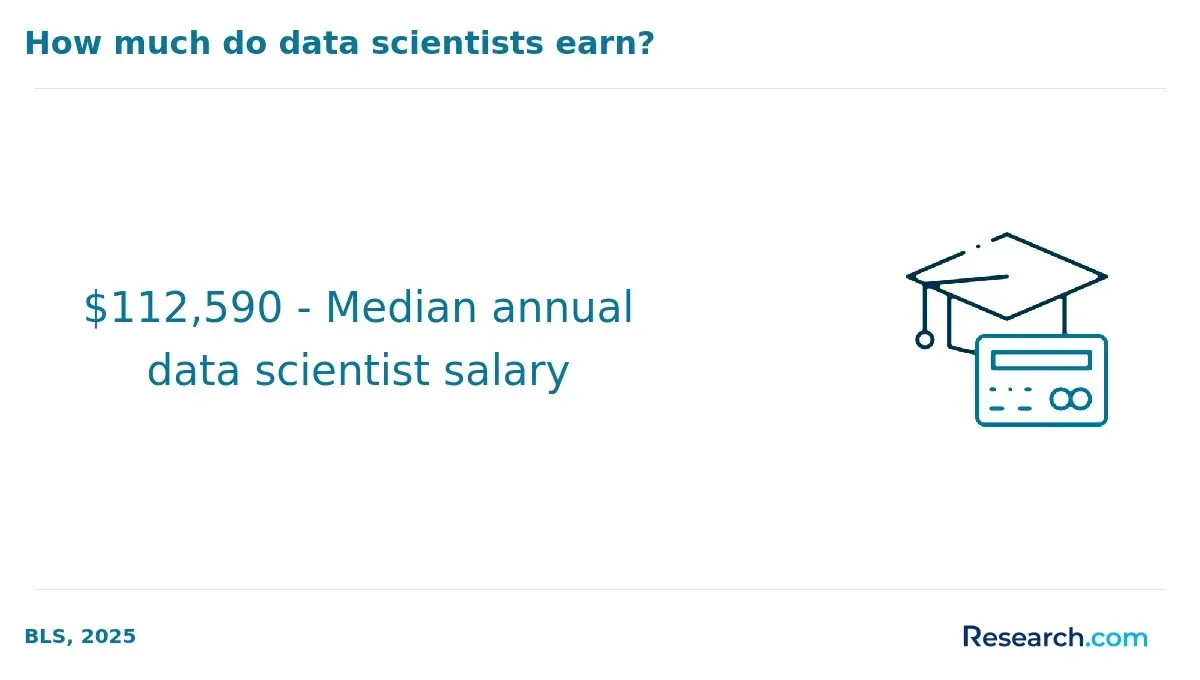
AI-skilled professionals in the United States earn salaries that vary widely by role, experience, and industry, generally ranging from $80,000 to $180,000 annually. Entry-level jobs such as AI analysts and machine learning engineers typically start at $80,000 to $100,000, while mid-level roles like AI specialists or data scientists earn between $110,000 and $140,000. Senior positions, including AI architects and research scientists, often command $160,000 to $180,000 or more, particularly in tech hubs like San Francisco and New York.
The job market outlook is robust, supported by data from the 2024 Work Trend Index by Microsoft and LinkedIn, which found that 75% of knowledge workers use AI tools at work, with 78% of those in non-technical roles. This widespread adoption signals that AI competency is increasingly important beyond traditional tech jobs.
Career opportunities now extend into marketing analysis, project management, and healthcare administration. Professionals who combine domain expertise with AI skills are in high demand and can expect competitive salaries. For example, healthcare administrators using AI-driven analytics to improve patient outcomes may see salary benefits comparable to traditional analysts but with stronger future growth.
Upskilling in AI, including learning programming languages like Python and mastering AI frameworks, enhances problem-solving and automation capabilities. Employers prioritize these skills, rewarding them with better job prospects and salaries across industries.
Which AI certifications and microcredentials are valued by U.S. employers, and how do courses prepare you?
U.S. employers highly value AI certifications and microcredentials that emphasize practical skills in machine learning, data analysis, and programming. Credentials from recognized providers like Google, Microsoft, and IBM, along with specialized microcredentials from platforms such as Coursera and edX, are frequently requested. These certifications demonstrate proficiency in critical areas such as natural language processing, computer vision, and AI ethics, which are increasingly important in professional roles.
Courses often include hands-on projects, case studies, and assessments that simulate real-world scenarios, enabling learners to apply AI concepts directly to workplace challenges. For example, a typical microcredential in machine learning incorporates end-to-end projects covering data preprocessing, model training, and evaluation, reflecting employer expectations for job readiness.
Continuous learning is essential due to the rapid evolution of AI technologies. According to Deloitte's 2024 Human Capital Trends report, the effective half-life of technical skills in AI and data is less than three years, requiring professionals to refresh their knowledge regularly. Courses typically incorporate the latest frameworks and tools to maintain relevancy.
Different course structures address diverse career needs: foundational AI literacy for non-technical roles, advanced algorithmic training for data scientists, and microcredentials in AI ethics and governance that respond to regulatory demands. While many professionals benefit from stackable credentials, employers increasingly prefer candidates who combine domain expertise with practical AI skills validated by recognized certifications.
Other Things You Should Know About Artificial Intelligence
Ethical concerns in artificial intelligence include bias in algorithms, privacy invasion, and accountability for automated decisions. There is a growing focus on ensuring transparency and fairness in AI models, especially when used in sensitive areas such as hiring, law enforcement, and healthcare.
Artificial intelligence systems often require large amounts of data, which raises privacy issues regarding the collection, storage, and use of personal information. Proper data protection measures and regulatory compliance are essential to prevent misuse or unauthorized access in AI applications.
While artificial intelligence automates many routine and data-driven tasks, it is unlikely to fully replace human jobs across all sectors. Instead, AI tends to augment human capabilities, creating new roles that focus on oversight, interpretation, and ethical management of AI systems.
Yes, online learning is a highly effective way to build AI capabilities in 2027, offering flexible and comprehensive courses from top institutions like MIT and Stanford, focusing on crucial skills such as machine learning, neural networks, and data analysis.
References
- qa.com | Top 10 Must Have AI Certifications in 2026 https://www.qa.com/browse/certifications/ai-certifications/
- AI Courses after 12th - Eligibility, Fees & Duration https://www.universalai.in/top-ai-courses-after-12th-your-guide-to-a-future-proof-career/
- Best AI Courses Online: Free and Paid Options Compared https://hakia.com/news/best-ai-courses-online/
- Become an AI Engineer in 3 Months | Turing College https://www.turingcollege.com/ai-engineering
- AI career paths: 2026 job guide https://www.pluralsight.com/resources/blog/ai-and-data/ai-career-guide-2025
- What are the technical requirements for the courses? https://www.elementsofai.lu/faq/what-are-the-technical-requirements-for-the-courses-1
- AI+ Quality Assurance | AI CERTs | Lumify Work https://www.lumifywork.com/en-au/courses/ai-quality-assurance/
- How to Become a Machine Learning Engineer, A.I. Engineer & Get Hired | Zero To Mastery https://zerotomastery.io/career-paths/become-a-machine-learning-engineer/
- How Much Does it Cost to Learn AI? https://blog.nobledesktop.com/learn/ai/ai-cost-to-learn
- B.Tech in AI Course: Eligibility, Fees, Admission & Career https://manavrachna.edu.in/blog/btech-ai-course-eligibility-fees-admission-career