2027 Best AI Courses for Demand Generation Teams Managing AI Adoption

Co-Founder and Chief Data Scientist
Demand generation teams face growing pressure to integrate artificial intelligence tools effectively amid rapidly evolving technology landscapes. Many professionals lack tailored training that bridges marketing expertise with AI capabilities, leading to inefficient adoption and missed opportunities. Companies struggle to upskill teams without disrupting ongoing campaigns or overhauling strategies abruptly. Selecting the right educational path proves challenging due to the abundance of courses varying widely in quality and focus.
This article highlights top courses designed specifically for demand generation professionals managing AI adoption, providing clear guidance to navigate this complex transition successfully.
Key Things You Should Know
- Demand generation teams increasingly require AI courses focused on practical adoption strategies, with 68% of marketers in 2025 reporting improved campaign ROI after specialized training.
- Top AI courses integrate data analytics, automation, and ethical AI use, addressing evolving organizational needs and compliance standards effectively.
- Online and hybrid learning formats dominate, providing flexible upskilling; market demand predicts a 24% growth in AI-related marketing roles by 2028.
Advance Your Career with AI Online Courses
Artificial Intelligence: Implications for Business Strategy
This program provides an introduction to Artificial Intelligence and their implications for business strategy. Earn an official digital certificate.

Oxford Artificial Intelligence Programme
Explore this Oxford Artificial Intelligence programme offered in a flexible learning environment and explore topics like machine learning, automation, and robotics.

Implementing Agentic AI: Building Your Organizational Playbook
This online MIT Agentic AI course offers a practical approach to deploying AI agents in your organization, including a custom playbook. 3 weeks, exclusive launch price.

AI Adoption: Driving Business Value and Impact
This online MIT AI Adoption: Driving Business Value and Impact offers practical frameworks to close the gap between AI potential and business reality.

Artificial Intelligence in Pharma and Biotech
Discover the applications and limitations of artificial intelligence in pharma and biotech with this MIT online short course.

What is demand generation in B2B marketing, and why does it need specialized AI courses?
Demand generation in B2B marketing involves creating and nurturing interest in products or services to build a strong sales pipeline. This process emphasizes targeted outreach, lead qualification, and engagement strategies designed to convert prospects into customers. Demand generation strategies using artificial intelligence enhance this by employing marketing automation, content marketing, data analytics, and customer insights to optimize the sales cycle.
Unlike general marketing, this approach requires precise tracking of buyer behavior and tailored communications through multiple decision-making stages.
Specialized AI training for B2B marketing teams is essential because generic AI courses do not provide skills tailored to the unique challenges of demand generation. A 2025 Gartner survey found that while 53% of CMOs have increased budgets for martech and AI, only 21% believe their teams have the skills to fully leverage these tools. This skills gap limits how effectively AI tools are used in marketing operations.
AI in demand generation focuses on:
- Predictive analytics to identify high-potential leads
- Automated content personalization for varied buyer personas
- Enhanced lead scoring models through machine learning
- Optimizing campaign budgets with real-time data
These capabilities call for hands-on training in AI-driven marketing platforms and data analysis methods suited to B2B contexts. For example, applying natural language processing (NLP) to assess prospect intent requires different expertise than general AI courses. Professionals aiming for such roles should explore applied artificial intelligence jobs to understand the practical applications of these skills and the benefits of targeted education.
Advance Your Career with AI Online Courses
Artificial Intelligence: Implications for Business Strategy
This program provides an introduction to Artificial Intelligence and their implications for business strategy. Earn an official digital certificate.
Oxford Artificial Intelligence Programme
Explore this Oxford Artificial Intelligence programme offered in a flexible learning environment and explore topics like machine learning, automation, and robotics.
Implementing Agentic AI: Building Your Organizational Playbook
This online MIT Agentic AI course offers a practical approach to deploying AI agents in your organization, including a custom playbook. 3 weeks, exclusive launch price.
Which types of AI skills are most critical for demand generation teams today?
Critical AI skills for demand generation teams in 2026 emphasize core AI literacy and data literacy. These essential AI competencies in marketing enable professionals to accurately interpret AI-driven insights and effectively use automation tools. According to PwC's 2024 Global AI Jobs Barometer, roles demanding AI and data literacy grew 73% faster in job postings between 2019 and 2023 than roles without these skills.
This highlights the necessity for marketers to develop a strong grasp of AI concepts and data analysis.
Marketers skilled in predictive analytics can identify high-potential leads and optimize campaigns through algorithmic targeting. Using AI-powered platforms personalizes audience engagement by leveraging natural language processing to automate customer interactions and analyzing customer journey data to refine segmentation and conversion strategies.
Technical proficiency with AI-driven CRM systems, campaign analytics dashboards, and basic machine learning concepts is vital. Understanding model accuracy, recognizing biases, and assessing AI outputs help marketers make informed decisions. Collaboration with data scientists benefits from familiarity with data wrangling and statistical interpretation, validating AI-generated insights.
Ethical AI use is also critical to ensure compliance with privacy regulations and maintain brand trust. Demand generation teams must evaluate AI tools for transparency and bias mitigation. Prospective students seeking to advance these AI skills for demand generation teams can explore programs like the best online masters in artificial intelligence to gain relevant expertise.
What are the best types of AI courses specifically designed for marketing and demand generation?
The best AI courses for marketing teams are designed to enhance skills in lead management, customer targeting, and revenue optimization using practical tools. They cover topics such as AI-driven lead scoring, predictive analytics, automated content generation, and revenue operations. These focus areas help marketers identify high-potential leads, personalize outreach, and streamline the sales process.
Courses specializing in lead scoring and routing equip learners with hands-on experience applying machine learning models to evaluate lead quality and prioritize sales. According to McKinsey's State of AI in Sales & Marketing report, companies using AI for these tasks saw a median 20% increase in marketing-qualified lead conversion and a 15% reduction in sales cycles.
AI training programs for demand generation professionals often include customer segmentation and predictive analytics, teaching data-driven approaches to forecast buying behavior and optimize campaign targeting, resulting in improved ROI. Advanced courses integrate AI with CRM and sales tools to build automated workflows, such as personalized email sequences or chatbot lead qualification.
Demand generation professionals should seek programs combining technical AI skills with marketing strategy, preferably offering real-world projects or simulations. Certifications in platforms like HubSpot, Salesforce Einstein, or Adobe Sensei enhance credentials. For those considering further study, exploring AI PhD programs can provide deeper expertise in this evolving field.
How do AI courses for demand generation differ across certificates, bootcamps, and degree programs?
AI courses for demand generation certification differences are evident in the scope, duration, and focus of various educational paths. Certificate programs target specific skills like mastering AI content generation or campaign automation tools. These are suited for professionals seeking fast, measurable results-for instance, learning how generative AI can boost campaign speed, as highlighted in Salesforce's report where 60% of high-performing teams achieved at least a 25% increase.
Comparing AI bootcamps and degree programs for demand teams reveals that bootcamps provide intensive, short-term training with practical projects. They emphasize applying AI for audience segmentation and predictive analytics, making them ideal for marketers expanding technical skills quickly. Degree programs, however, are comprehensive, covering AI theory, ethics, and data science over one to two years. They prepare students for leadership roles by exploring AI's long-term impact on marketing strategy.
Consider factors such as time availability, depth of knowledge required, immediate versus long-term goals, and budget when choosing a program. All paths leverage AI to enhance campaign speed and engagement, with 41% of teams seeing at least a 20% rise in engagement metrics after AI adoption.
Professionals interested in advancing AI knowledge and career opportunities can explore resources about AI trainers for further guidance.
- Time commitment available
- Depth of AI knowledge required
- Immediate applicability versus long-term career goals
- Budget constraints and return on investment
What should demand generation leaders look for in an accredited AI program or provider?
Demand generation leaders should prioritize accreditation and curriculum relevance when choosing an AI program or provider. Accreditation from recognized organizations guarantees adherence to rigorous academic and industry standards, minimizing the risk of outdated or superficial content. Programs aligned with current market needs, particularly those emphasizing practical applications such as AI-powered account-based marketing (ABM) and intent data analysis, offer greater value.
Hands-on training incorporating real-world tools and datasets is crucial. For instance, AI-enhanced ABM strategies have demonstrated significant impact; according to Forrester's research, B2B companies using AI-powered ABM with intent data experienced a 70% higher average deal size and 2.3 times higher win rates compared to traditional ABM approaches. Such findings underscore the effectiveness of applied learning focused on measurable business outcomes.
Look for programs offering advanced practitioner tracks that deepen expertise in machine learning integration, predictive analytics, and customer segmentation powered by AI. Case studies on sales and marketing alignment through AI tools provide practical insights into implementation challenges and best practices.
Flexible learning formats like blended or self-paced options accommodate busy professionals. Assess instructor credentials and industry experience to ensure expert guidance. Additionally, curricula should address ethics and data privacy, which are vital when adopting AI-driven marketing strategies.
Evaluate support services such as career advising, networking opportunities, and continuous learning resources to enhance long-term value. Prioritizing these factors will better prepare students and professionals for success in AI-focused marketing roles.
How do online, hybrid, and campus-based AI programs compare for working marketing professionals?
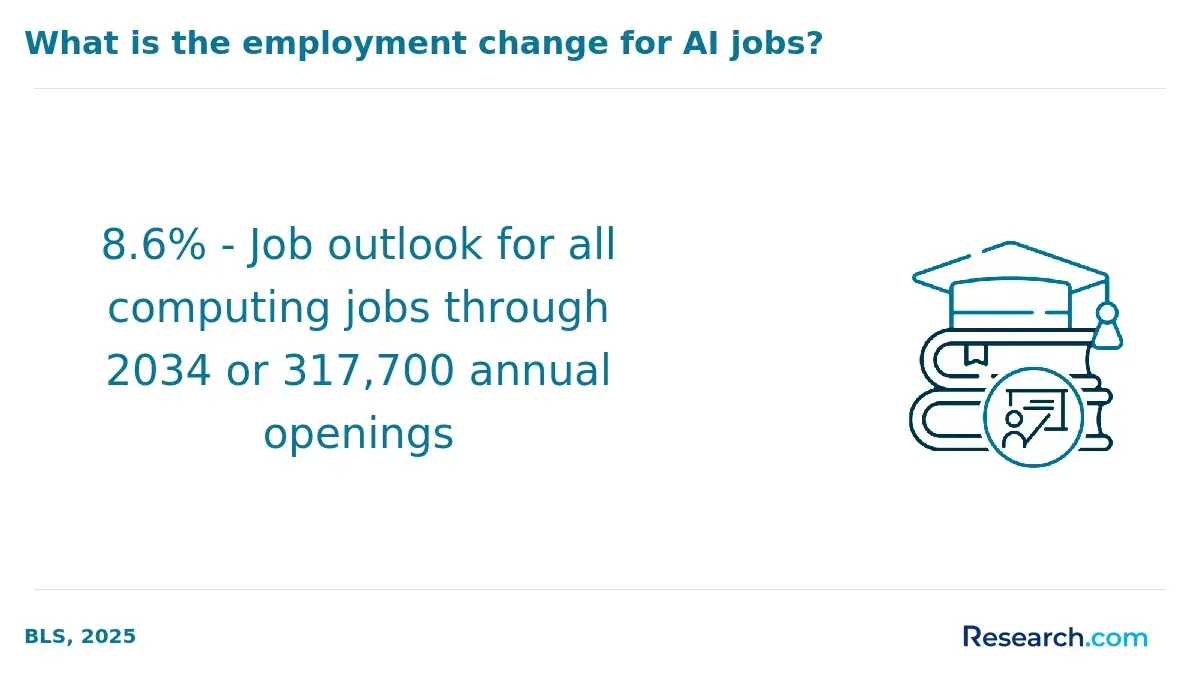
Online, hybrid, and campus-based AI programs offer unique advantages for marketing professionals balancing AI adoption in their careers. Online programs maximize flexibility, ideal for those managing full-time jobs and urgent deadlines, allowing self-paced study with immediate practical application. Hybrid models combine online learning with occasional in-person sessions, providing valuable networking and hands-on practice that enhances skill retention and collaboration.
Campus-based programs immerse students in environments rich with faculty expertise and peer interaction, often featuring labs and workshops simulating AI tools in marketing contexts. This approach builds deep practical skills but demands a greater time commitment, which may challenge busy professionals.
Choosing the right format depends on your learning style, schedule, and career objectives. For example, demand generation leaders seeking rapid ROI from AI can benefit from programs emphasizing structured change management. According to Accenture's 2024 Global AI Readiness report, organizations that invest in structured AI upskilling and change management for marketers are 3.1 times more likely to achieve expected AI investment returns than those that do not.
When evaluating programs, prioritize those focused on practical change management, access to current AI marketing tools, and opportunities for peer interaction. Balancing technical expertise with organizational skills is crucial for successful AI adoption in marketing roles.
What core curriculum should top AI courses include for managing AI adoption in demand generation?
Top AI courses for managing AI adoption in demand generation must combine technical skills, strategic use, and ethical considerations. Essential topics include machine learning models and natural language processing, helping learners understand how generative AI tools work and their limitations. Practical training focuses on integrating AI within marketing technology stacks to improve workflows like lead scoring, content personalization, and predictive analytics.
Training on compliance, privacy, and responsible AI use is critical. Cisco's "2024 Data Privacy Benchmark Study" reveals that 91% of organizations believe customers avoid brands without proper data protection, and 94% consider generative AI privacy and compliance risks very high. Thus, courses should cover legal frameworks such as GDPR and CCPA, data governance, bias mitigation, and transparency in AI-driven marketing.
Change management and cross-functional collaboration are also vital, as AI projects often fail due to human resistance or siloed communication. Case studies showcasing successful AI demand generation across industries offer practical insights. Hands-on labs with real data and AI marketing platforms further enhance learners' ability to responsibly apply AI, balancing innovation with ethics to meet market needs.
What are typical admission requirements, time commitments, and costs for AI programs in this area?
Admission requirements for AI programs tailored to demand generation teams typically include a bachelor's degree in business, marketing, computer science, or related fields. Many programs expect foundational knowledge in data analytics or basic programming. Advanced courses, especially executive or certificate programs designed for managers, may require prior experience with AI tools or digital marketing platforms. Practical project or case study experience is often preferred.
Time commitments differ significantly across program types:
- Short certificate programs or bootcamps usually last 4 to 12 weeks, requiring 5-10 hours weekly, ideal for working professionals.
- Executive education and university-affiliated programs can span 3 to 6 months with 10-15 hours per week.
- Part-time MBA options focusing on AI and data-driven marketing extend up to 18 months or 2 years with flexible schedules.
- Self-paced online courses provide more flexibility but demand strong self-discipline.
Costs vary widely:
- Certificate courses range from $2,000 to $7,000.
- Executive education programs can cost between $10,000 and $25,000.
- University degree programs focusing on AI and marketing often start at $20,000 and can exceed $60,000 depending on prestige and length.
IBM's 2024 Global AI Adoption Index highlights that organizations investing in formal AI training are 2.6 times more likely to realize significant cost savings and 2.4 times more likely to increase revenue by at least 10%. This demonstrates the strategic value of allocating resources to AI education for demand generation professionals.
What demand generation roles, salaries, and career paths can AI training help unlock?
AI training significantly enhances career prospects in demand generation roles such as demand generation managers, marketing operations analysts, data-driven content strategists, and customer lifecycle analysts. Professionals skilled in AI tools and automation typically earn higher salaries. For instance, demand generation managers with AI expertise report median base salaries between $95,000 and $130,000, compared to $75,000 to $100,000 for peers without AI skills. Marketing operations analysts leveraging AI for predictive analytics and customer segmentation often see salary boosts of 15-25%.
AI education also facilitates career progression from junior roles like marketing coordinators or campaign specialists into strategic positions, including marketing automation leads and AI-powered growth strategists. Success in these roles depends on mastering AI-driven insights to optimize demand funnels, personalize outreach, and improve conversion rates. Key competencies include understanding machine learning model interpretation, natural language processing for customer engagement, and automated reporting.
Continuously updating AI knowledge is crucial. Research shows that organizations excelling in AI adoption invest heavily in ongoing employee education and are more than twice as likely to outperform competitors in revenue growth. This underlines the importance of AI training not just for immediate skill gains but for aligning with industry leaders.
- AI skills increase salary potential and role diversity
- Career advancement toward leadership in data-driven demand strategies
- Continuous learning critical for staying competitive
How can teams evaluate and select AI courses that align with compliance, ethics, and data governance?
Courses that integrate compliance, ethics, and data governance into their curriculum provide essential training aligned with regulatory and organizational standards. Evaluating course quality involves checking if there are dedicated modules covering data privacy laws such as GDPR and CCPA, ethical AI frameworks, and governance best practices that promote transparency and accountability.
Demand generation teams should look for programs addressing real-world ethical dilemmas, bias mitigation, and responsible data handling through case studies or practical risk management strategies. Collaborations with legal, compliance, or governance experts in course development or instruction further ensure course reliability and relevance.
Accreditation is key. Courses offering recognized certifications, especially those endorsed by professional bodies, reflect a standardized approach to compliance training. Reports like Coursera's "Global Skills Report 2025" highlight that marketers completing professional AI or data analytics certificates can increase their salaries by 15-20% within a year, demonstrating the financial benefits of formal credentials.
Flexibility in course delivery enables tailoring to specific company policies or sector regulations, while access to updated resources and ongoing learner support ensures knowledge remains current amid evolving standards. Cross-functional involvement in course selection helps align training with broader organizational ethics and governance goals.
Other Things You Should Know About Artificial Intelligence
Artificial intelligence automates and optimizes many demand generation tasks, such as predicting customer behavior, personalizing outreach, and scoring leads. By analyzing large data sets, AI helps teams target prospects more precisely and efficiently, improving campaign performance and ROI.
Ethical considerations include transparency, data privacy, and avoiding bias in AI models. Marketing teams must ensure AI algorithms comply with regulations like GDPR and CCPA, use data responsibly, and avoid discriminatory practices that could harm brand reputation and customer trust.
The best AI courses for demand generation teams in 2027 focus on practical skills and industry-specific applications. Courses from platforms like Coursera, edX, and Udemy, led by experts from MIT and Stanford, offer deep dives into AI tools, machine learning, and analytics to enhance marketing strategies.
Continuous learning is crucial because AI technologies and best practices evolve rapidly. Demand generation teams must stay updated through ongoing training to effectively adopt new AI tools, adapt strategies, and maintain a competitive edge in the market.
References
- Build and Deploy AI Agents to Automate Your Go-to-Market Strategy by Ashley Gross on Maven https://maven.com/ai-workforce-alliance/ai-agents-to-automate-your-go-to-market-strategy
- The Complete Guide to B2B Demand Generation: Strategies, Content and Best Practices for Modern Marketers https://www.informatechtarget.com/essentials/b2b-demand-generation-guide/
- Bachelor in Management and Artificial Intelligence https://www.kozminski.edu.pl/en/programs/undergraduate-programs-bachelor/bachelor-management-and-artificial-intelligence
- Key Demand Generation Statistics & Trends for 2025 https://www.theinsightcollective.com/insights/b2b-demand-generation-stats
- Data Governance, Ethics, and AI Guidelines in Strategic Decision-Making https://www.ajmhss.com/article_232312.html
- Building a High-Impact Demand Gen Framework - The B2B Playbook https://theb2bplaybook.com/building-a-high-impact-demand-gen-framework
- What is Demand Generation? Strategies & Benefits https://www.salesforce.com/marketing/what-is-demand-generation-marketing/
- 4 Types of AI Skills for Business: Full Breakdown https://www.cambridgespark.com/blog/ai-skills-for-business
- AI Governance: Best Practices and Guide | Mirantis https://www.mirantis.com/blog/ai-governance-best-practices-and-guide/
- AI Agents Revolutionized B2B Marketing in 2025: From Automation to Strategy - Demand Gen Report https://www.demandgenreport.com/industry-news/feature/ai-agents-revolutionize-b2b-marketing-in-2025-from-automation-to-strategy/51106/
- George, K. (2025, October). CERP Pulse Survey: A Snapshot of 2025 Undergraduate Computing Enrollment Patterns. Center for Evaluating the Research Pipeline, Computing Research Association. https://cra.org/crn/2025/10/cerp-pulse-survey-a-snapshot-of-2025-undergraduate-computing-enrollment-patterns
- MastersInAI.org. (2025). 2025 AI Degree Report: The Landscape of AI Degrees in the United States. https://www.mastersinai.org/ai-degree-report