2027 Best AI Courses for Accounting Managers Using Generative AI

Co-Founder and Chief Data Scientist
Accounting managers face mounting pressure to integrate generative AI into financial reporting, risk assessment, and decision-making processes. Many struggle to find tailored education that bridges accounting expertise with practical AI applications. This gap slows digital transformation and limits the potential for automation and predictive insights in everyday tasks.
For professionals switching careers or enhancing skills, navigating course options can be overwhelming without clear guidance on relevance and quality. This article will explore the best AI courses designed specifically for accounting managers, highlighting flexible, accredited programs that equip learners to leverage generative AI effectively in finance and management contexts.
Key Things You Should Know
- Accounting managers are increasingly integrating generative AI skills, with 72% of finance professionals expecting AI-driven tools to enhance decision-making by 2026.
- Top AI courses focus on automating data analysis, predictive forecasting, and compliance, enabling managers to optimize financial workflows efficiently.
- By 2026, certifications in AI-powered accounting software are projected to increase job market competitiveness, with a 40% higher salary potential reported for qualified candidates.
Advance Your Career with AI Online Courses
Artificial Intelligence: Implications for Business Strategy
This program provides an introduction to Artificial Intelligence and their implications for business strategy. Earn an official digital certificate.

Oxford Artificial Intelligence Programme
Explore this Oxford Artificial Intelligence programme offered in a flexible learning environment and explore topics like machine learning, automation, and robotics.

Implementing Agentic AI: Building Your Organizational Playbook
This online MIT Agentic AI course offers a practical approach to deploying AI agents in your organization, including a custom playbook. 3 weeks, exclusive launch price.

AI Adoption: Driving Business Value and Impact
This online MIT AI Adoption: Driving Business Value and Impact offers practical frameworks to close the gap between AI potential and business reality.

Artificial Intelligence in Pharma and Biotech
Discover the applications and limitations of artificial intelligence in pharma and biotech with this MIT online short course.

What are the best AI courses for accounting managers using generative AI?
Top AI courses for accounting managers focusing on generative AI equip professionals with skills to optimize financial processes. Leading programs from platforms like Coursera, edX, and LinkedIn Learning offer specialized tracks covering generative AI applications in finance.
For instance, "AI For Everyone" by Andrew Ng introduces foundational AI concepts, while "Applied Data Science with Python" on Coursera trains managers to handle data-driven accounting tasks enhanced by AI models. These represent some of the best AI courses for accounting managers using generative AI available today.
More advanced courses from Harvard Business School Online and Wharton Executive Education emphasize natural language processing, automated reporting, and AI-driven forecasting. They prepare managers to implement AI for error detection and compliance automation in finance. Such top generative AI training for accounting professionals addresses both the technical and strategic sides of AI integration.
Accounting managers face challenges integrating AI tools with existing enterprise resource planning (ERP) software and navigating multiple AI platforms. The best courses include practical modules, case studies on regulatory compliance, and offer certification recognized by accounting bodies.
According to Gartner's 2024 research, 42% of finance tasks may be transformed by generative AI by 2028, but only 19% of finance teams have adequate AI skills. This gap highlights the urgency of adopting courses with hands-on generative AI applications instead of theory alone. For professionals seeking accelerated pathways in technology fields, the fastest computer science degree programs may also complement AI learning and upskilling efforts.
Recommended course features include:
- Practical modules on automating financial reporting using generative AI models
- Training on integrating AI with accounting software
- Case studies addressing regulatory compliance and risk management AI use-cases
- Opportunities for certification recognized by accounting professional bodies
Advance Your Career with AI Online Courses
Artificial Intelligence: Implications for Business Strategy
This program provides an introduction to Artificial Intelligence and their implications for business strategy. Earn an official digital certificate.
Oxford Artificial Intelligence Programme
Explore this Oxford Artificial Intelligence programme offered in a flexible learning environment and explore topics like machine learning, automation, and robotics.
Implementing Agentic AI: Building Your Organizational Playbook
This online MIT Agentic AI course offers a practical approach to deploying AI agents in your organization, including a custom playbook. 3 weeks, exclusive launch price.
What skills do accounting managers need for generative AI?
Accounting managers leveraging generative AI require a mix of technical, analytical, and strategic abilities. Mastery of data analysis and validation ensures AI-generated insights support financial accuracy. Familiarity with AI tools such as predictive analytics and natural language processing enhances automation of reporting and forecasting tasks. These are essential competencies for accounting managers using generative AI tools effectively.
Governance expertise is critical to maintain compliance with data privacy regulations and ethical AI use, preventing biased outcomes and safeguarding trust. Managers also need skills to design and oversee AI workflows for smooth integration with existing accounting systems.
Clear communication is vital for translating AI-driven results to stakeholders who may lack technical knowledge, thereby improving collaboration and business decisions. Practical programming knowledge, including Python and Robotic Process Automation (RPA), empowers managers to tailor AI solutions or work efficiently with technical teams. As finance increasingly moves to cloud platforms, understanding cloud-based AI environments is beneficial.
According to the PwC Global AI Jobs Barometer, finance professionals with advanced AI skills earn on average 27% more, underscoring the value of cultivating these abilities. For those seeking formal education, pursuing degrees in AI online can provide a comprehensive foundation.
Skills for accounting managers in generative AI applications include:
- Data analysis and validation techniques
- AI tool proficiency (automation, NLP, predictive analytics)
- Data privacy and ethical AI governance
- AI workflow integration and management
- Effective communication of AI insights to non-technical audiences
- Programming fundamentals and RPA knowledge
How do online and campus AI programs for accountants compare?
Online vs campus AI programs for accounting professionals mainly differ in flexibility, interaction, and hands-on experience. Online courses offer convenience, allowing accounting managers to learn on their own schedule without interrupting full-time work. This format suits those seeking immediate skill application without relocating. However, these programs may provide less direct exposure to advanced generative AI tools used in financial reporting.
Campus programs create immersive environments with access to on-site labs, in-person collaboration, and structured mentorship. These programs often include live demonstrations of generative AI applications in accounting workflows, helping deepen understanding and proficiency. For example, working with AI software that automates journal entries and speeds up the financial close process strengthens practical skills quickly.
A comparison of generative AI courses for accounting managers shows both formats focus on how AI reduces manual tasks. According to the Deloitte CFO Survey: AI in the Finance Function, organizations using AI in financial closes report a 30-40% cycle time reduction and a 35% decrease in manual journal entries. Good courses teach how to implement AI-enhanced solutions that yield these results.
Many students opt for hybrid programs combining remote lectures with occasional campus workshops to balance practical exposure and convenience. Prospective students should align choices with career goals-flexibility might favor online classes, while those seeking direct networking may prefer campus options. For those interested in advancing data expertise, exploring an online masters in data science can complement accounting skills effectively.
Which AI course topics matter most for accounting managers?
Courses emphasizing automating management reporting, variance analysis, and applied generative AI tools are essential for accounting managers. Training that integrates generative AI with existing financial systems can increase efficiency remarkably.
Finance teams that utilize generative AI for management reporting spend 60% less time preparing reports while reducing errors by 45% compared to traditional spreadsheet-based methods (EY Financial Reporting in the AI Era, 2024). These improvements highlight the critical role of mastering AI-driven process automation and error reduction techniques.
The best AI course topics for accounting managers often include:
- Generative AI models tailored to finance data analysis.
- Automation of financial reporting workflows.
- Variance analysis using predictive analytics powered by AI.
- Interpreting AI-generated insights for decision-making.
- Data governance and compliance when using AI tools.
Accounting managers also require practical skills in deploying AI tools such as natural language processing for extracting relevant financial information from large datasets. It's crucial to validate AI outputs to ensure accuracy and maintain auditing standards compliance.
Generative AI applications in accounting management call for training in AI ethics and risk management to identify biases or security vulnerabilities in AI systems. Neglecting this can allow errors in automated reports to go undetected.
Understanding how to integrate AI with common accounting software platforms enhances usability and adoption. Courses offering hands-on experience with popular platforms combined with AI modules are especially useful for professionals aiming to lead digital transformation efforts in their teams.
For those interested in expanding their technical skill set, exploring cyber security courses can provide complementary expertise critical for guarding AI-driven financial systems.
What admission requirements do AI programs usually require?
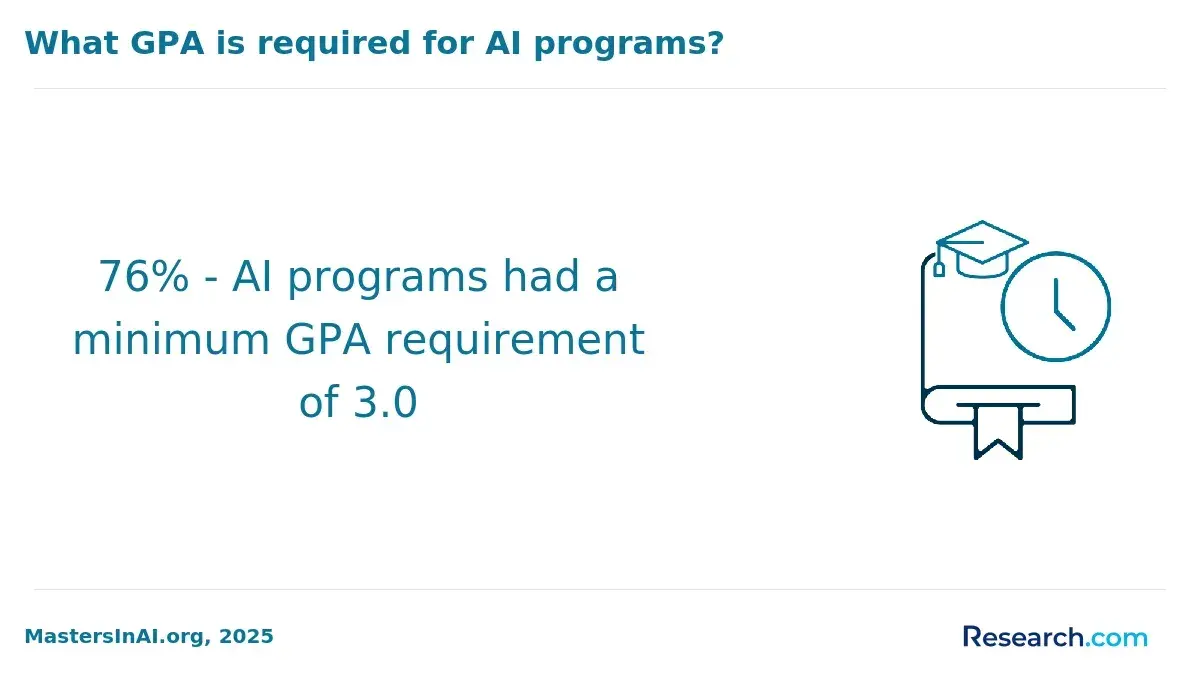
Admission requirements for AI programs targeting accounting managers typically include a bachelor's degree in accounting, finance, computer science, or related disciplines. Many programs expect applicants to demonstrate quantitative skills through relevant coursework or standardized test scores. Professional experience in accounting or finance is often required for advanced or executive-level programs, ensuring candidates can effectively apply generative AI within their industry.
Applicants usually need a foundational understanding of programming languages like Python or R or a willingness to complete prerequisite courses in data science and machine learning. Some programs request coding samples or online assessments to verify technical aptitude before acceptance.
Letters of recommendation and personal statements outlining career goals related to integrating generative AI in accounting are commonly required, helping admissions committees assess motivation and program alignment.
Proficiency in statistics and familiarity with business intelligence tools can further strengthen an application. This is important as enterprises using AI-driven budgeting and forecasting tools achieve approximately 20% higher forecast accuracy and are 1.5 times more likely to reforecast monthly or more frequently, according to the McKinsey Global Survey on AI in Finance, 2024.
Applicants without finance backgrounds should consider foundational courses or certifications in accounting or finance to meet entry standards. International students may additionally need to demonstrate English proficiency through exams like TOEFL or IELTS.
How long do accounting AI courses usually take?
Accounting AI courses vary widely in duration, from brief introductions to extensive programs spanning several weeks. Introductory classes typically require 4 to 8 hours, providing managers with foundational insights into generative AI applications in finance. More advanced courses, often lasting 20 to 40 hours, cover complex areas such as AI-driven internal controls, compliance automation, and audit readiness.
Specialized training on generative AI for internal controls and audit may demand 15 to 30 hours, focusing on practical skills like automating control monitoring and compliance testing. According to the KPMG Future of Internal Audit & AI report, firms using AI can reduce control testing efforts by up to 50% and detect over twice as many exceptions compared to traditional methods. These courses frequently include hands-on projects and case studies, enhancing practical readiness despite extended study times.
Working professionals often prefer modular, self-paced formats that span 4 to 12 weeks, balancing job responsibilities while deepening their knowledge of AI tools essential in accounting roles. When choosing a course, managers should clarify their objectives-whether gaining rapid overview knowledge, mastering compliance automation, or developing advanced audit expertise. Certificate programs may bundle multiple shorter courses, potentially exceeding 40 hours of study.
How much do AI courses for accounting managers cost?
AI courses for accounting managers vary significantly in cost based on course depth, provider, and format. Entry-level online options generally range from $200 to $800, offering foundational knowledge in generative AI applications tailored to accounting tasks.
More advanced certificate programs and professional development courses cost between $1,000 and $3,000, often including hands-on projects using AI-driven accounting software for automated invoice processing and cash flow analysis.
Corporate training for teams can exceed $5,000, delivering customized AI integration strategies and workflow automation adapted to specific finance systems. Specialized certifications from accredited institutions may charge from $3,000 up to $7,000.
Free workshops are available but tend to lack the depth or industry focus essential for accounting managers aiming to leverage AI tools effectively.
Subscription-based models also exist, typically costing $50 to $150 monthly, providing ongoing learning and updates on emerging AI accounting technologies.
Organizations adopting AI invoice processing report an average 80% straight-through processing rate and a 60% reduction in per-invoice costs, according to the Institute of Finance & Management's AP Automation Benchmark Report. Prospective participants should check if course fees cover software access or extra resources, as these affect total expenses.
Which certifications help accounting managers use generative AI?
Certifications that enhance accounting managers' skills in leveraging generative AI increasingly focus on practical expertise in AI integration, data governance, and ethical oversight. The Certified Management Accountant (CMA) credential now includes AI-related modules emphasizing data analytics and technology-driven decision-making, preparing managers to responsibly implement AI tools.
Similarly, the Chartered Global Management Accountant (CGMA) certification provides advanced training on digital transformation and AI-driven financial processes to help manage AI-related risks.
Specialized certifications such as the AI in Finance Certificate from the CFA Institute target the overlap of finance and AI. This program covers applications like generative AI in financial reporting, fraud detection, and risk management, highlighting best practices in data quality maintenance and human oversight.
Due to the low adoption of formal AI governance frameworks-only 24% of finance leaders have established such frameworks despite 78% prioritizing responsible AI governance-the Certificate in AI Ethics and Governance offers crucial training.
Institutions like the Institute of Chartered Accountants focus on mitigating AI risks and ensuring compliance, essential for those overseeing AI in accounting.
To complement these certifications, managers should consider short courses on machine learning basics and data privacy. Combining finance-specific AI credentials with governance education equips managers to lead AI adoption ethically and effectively within accounting settings.
What jobs can accounting managers get with AI training?
Accounting managers trained in AI are increasingly valuable for roles that blend automation, data analysis, and predictive modeling to improve financial operations. Key positions include AI-enabled financial analysts who create and interpret advanced forecasting models to enhance budget accuracy and risk management. Another vital role is AI audit specialists, who use AI tools to streamline compliance checks and detect fraud more effectively.
Finance transformation managers with expertise in generative AI lead projects that automate routine accounting tasks, cutting errors and costs. These professionals often manage the implementation of AI-driven ERP systems or workflow automation platforms. Additionally, accounting managers skilled in AI serve as strategic advisors by interpreting AI-generated insights to guide investment and cost-saving strategies.
Emerging opportunities also cover AI data governance officers who uphold ethical standards and ensure outputs comply with regulations, critical for maintaining data integrity in financial reporting. Those familiar with natural language processing (NLP) manage AI tools that extract and distill financial narratives from complex documents.
The Gartner CFO Survey: The AI-Ready Finance Workforce, 2024, reveals 81% of CFOs intend to boost investment in AI-related training for finance teams by 2027, while 64% foresee a shortage of AI-capable accountants soon. This highlights growing demand for accounting professionals who combine traditional finance expertise with AI proficiency.
What is the job outlook for accounting managers using AI?
The job outlook for accounting managers integrating artificial intelligence tools is increasingly favorable. Automation of routine tasks such as data entry, reconciliation, and report generation allows these professionals to focus on higher-level responsibilities, improving efficiency and decision-making. Employers value managers who blend financial expertise with AI literacy to manage complex analytics and ensure compliance.
According to the LinkedIn Workplace Learning Report, 2025, professionals with at least one recent AI course or certification are 1.7 times more likely to be promoted and 1.5 times more likely to move into higher-paying roles compared to those without AI education. This underscores the importance of AI learning in advancing careers in accounting management.
Accounting managers skilled in generative AI tools will increasingly take on roles centered on strategic analysis, risk assessment, and financial forecasting. AI-driven platforms such as automated financial consolidation and predictive modeling create competitive advantages by improving accuracy and reducing operational costs.
Key skills currently in demand include AI-based data interpretation, familiarity with machine learning models, and collaboration with data scientists. Candidates holding AI certifications often gain access to leadership development opportunities and better salary prospects. Pursuing targeted, practical AI courses is essential for career growth and adaptability in this dynamic field.
Other Things You Should Know About Artificial Intelligence
Artificial intelligence is automating routine accounting tasks such as data entry, invoice processing, and reconciliations, increasing accuracy and reducing manual errors. It also enables advanced data analysis and predictive forecasting, helping accounting managers make more informed decisions. These capabilities improve efficiency and allow professionals to focus on higher-level strategic activities.
Accounting managers must ensure AI systems are transparent, fair, and free from bias, especially when handling sensitive financial data. Maintaining data privacy and complying with regulations like GDPR and SOX is critical. Additionally, managers should monitor AI outputs carefully to prevent errors and unintended consequences affecting financial reporting.
In 2027, top courses for accounting managers looking to leverage generative AI include Coursera's AI for Accounting specialization, edX's Generative AI in Finance, and LinkedIn Learning's Advanced AI Techniques for Accountants. These courses focus on integrating AI tools to enhance financial analysis and decision-making processes.
Implementing AI requires significant investment in technology infrastructure and employee training. Data quality and integration issues can hinder AI effectiveness, and resistance to change among staff may slow adoption. Organizations must also address ongoing maintenance and ethical concerns to fully realize AI's benefits in accounting.
References
- AI for Management Accountants: A Practical Guide | Learnsignal https://www.learnsignal.com/blog/ai-for-management-accountants/
- Harnessing the Power of Generative AI for Accounting & Finance | Temasek Polytechnic https://www.tp.edu.sg/schools-and-courses/adult-learners/all-courses/short-courses/harnessing-the-power-of-generative-ai-for-accounting-and-finance.html
- Best AI Courses for Finance & Business Professionals (2026) https://www.wallstreetprep.com/knowledge/best-ai-courses-for-finance-business-professionals/
- What Skills Do Accountants Need in the AI Era? | Numeric https://www.numeric.io/blog/ai-accountant-skillset
- Generative AI in Accounting https://www.focuspeople.com/generative-ai-in-accounting/
- Generative AI for Accounts & Finance - Practical AI Training | PM-Partners https://www.pm-partners.com.au/course/generative-ai-for-accounts-finance/
- Accounting Specialist - Freelance AI Trainer Project http://job-boards.eu.greenhouse.io/agency/jobs/4589003101
- How generative AI is reshaping finance | CPA Australia https://www.cpaaustralia.com.au/tools-and-resources/podcasts/career-skills/how-generative-ai-reshaping-finance
- The five best AI software for finance and accounting | Trullion https://trullion.com/blog/the-five-best-ai-software-for-finance-and-accounting/
- How Artificial Intelligence (AI) Impacts Accounting | Campus https://campus.edu/blog/accounting/artificial-intelligence-accounting