2027 Best AI Ethics Courses Online

Co-Founder and Chief Data Scientist
As AI technologies advance rapidly, ethical dilemmas around privacy, bias, and accountability grow more complex. Professionals from unrelated fields face challenges navigating these issues without formal training. Missteps can lead to legal risks and societal harm, stressing the need for a grounded understanding of AI ethics. This article identifies top online courses designed to equip learners with the essential principles and frameworks needed to address ethical concerns in AI development and deployment. It aims to guide readers toward accredited, flexible programs that support a career pivot into AI with a strong ethical foundation.
Key Things You Should Know
- AI ethics courses in 2026 emphasize practical frameworks, addressing bias, transparency, and accountability critical for ethical AI deployment across industries.
- Over 45% of top-ranked programs include interdisciplinary approaches integrating law, philosophy, and technology to equip students with comprehensive ethical decision-making skills.
- Growing employer demand for ethics-trained AI professionals reflects a 35% increase in job postings requiring knowledge of ethical AI principles since 2024.
Advance Your Career with AI Online Courses
Artificial Intelligence: Implications for Business Strategy
This program provides an introduction to Artificial Intelligence and their implications for business strategy. Earn an official digital certificate.

Oxford Artificial Intelligence Programme
Explore this Oxford Artificial Intelligence programme offered in a flexible learning environment and explore topics like machine learning, automation, and robotics.

Implementing Agentic AI: Building Your Organizational Playbook
This online MIT Agentic AI course offers a practical approach to deploying AI agents in your organization, including a custom playbook. 3 weeks, exclusive launch price.

AI Adoption: Driving Business Value and Impact
This online MIT AI Adoption: Driving Business Value and Impact offers practical frameworks to close the gap between AI potential and business reality.

Artificial Intelligence in Pharma and Biotech
Discover the applications and limitations of artificial intelligence in pharma and biotech with this MIT online short course.

What are the best online AI ethics courses and who are they right for?
Top online AI ethics courses for professionals focus on practical governance frameworks, bias mitigation techniques, and navigating evolving regulatory compliance. Leading platforms include offerings from Stanford, MIT, and the IEEE, all tailored to different learner needs. Stanford's "Ethics, Public Policy, and AI" is designed for professionals developing AI tools with attention to impacts on marginalized groups. MIT's "AI Ethics and Governance" provides in-depth exploration of algorithmic fairness and legal standards, while IEEE's certificates target engineers tasked with integrating ethics into product design.
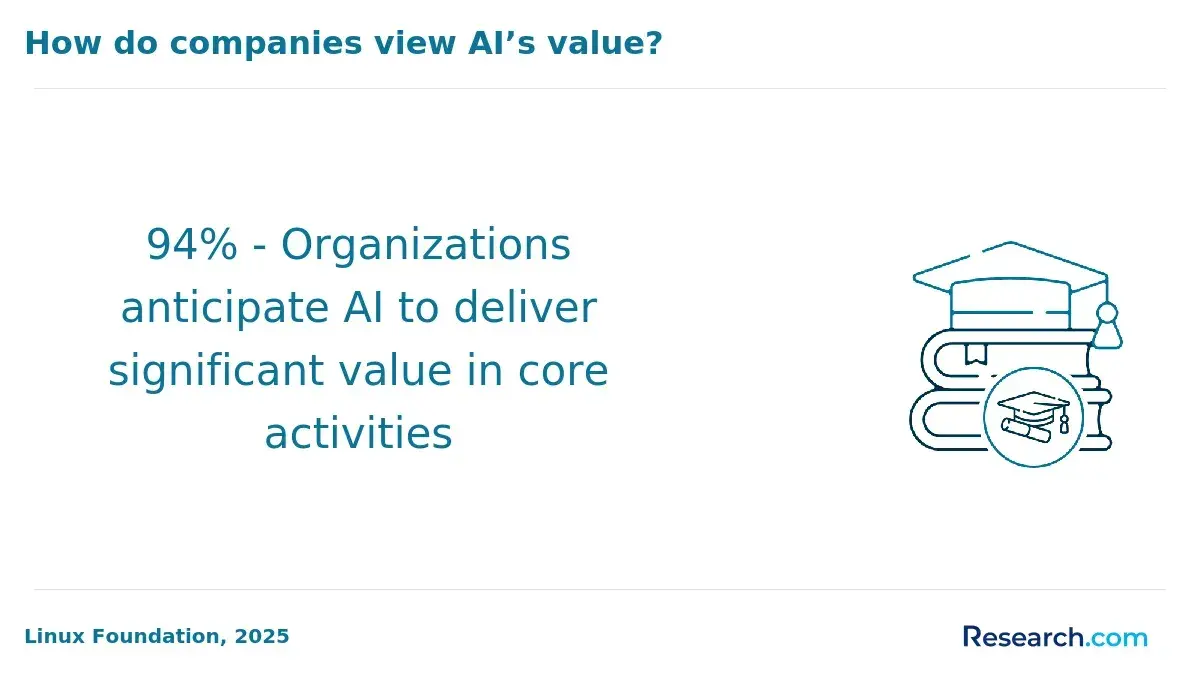
Institutional demand grows with the rising corporate adoption of generative AI-80% of enterprises are projected to adopt generative AI APIs by 2027, with 40% deploying applications-making expertise in ethical frameworks increasingly vital (Gartner). These courses address transparency, accountability, and social impact, essential in compliance roles, product management, and policy advising.
Individuals pursuing careers in AI development benefit from ethics certification that confirms understanding of AI's societal impact. Professionals aiming to upskill gain from targeted modules on bias detection and inclusive design. Those interested in public policy find value in courses merging legal analysis with the ethical dimensions of AI. Prospective learners can also explore career paths with an artificial intelligence major for guidance on practical outcomes in this evolving field.
Advance Your Career with AI Online Courses
Artificial Intelligence: Implications for Business Strategy
This program provides an introduction to Artificial Intelligence and their implications for business strategy. Earn an official digital certificate.
Oxford Artificial Intelligence Programme
Explore this Oxford Artificial Intelligence programme offered in a flexible learning environment and explore topics like machine learning, automation, and robotics.
Implementing Agentic AI: Building Your Organizational Playbook
This online MIT Agentic AI course offers a practical approach to deploying AI agents in your organization, including a custom playbook. 3 weeks, exclusive launch price.
How do online AI ethics courses compare with campus-based programs for flexibility and quality?
Online AI ethics courses offer superior flexibility compared to campus programs, accommodating working professionals and students with tight schedules. These online courses typically allow asynchronous study, enabling learners to manage coursework at their own pace. This flexibility addresses key concerns for those balancing jobs or family, contrasting with campus-based programs that require fixed schedules and physical attendance. Incorporating the keyword online AI ethics courses flexibility and quality comparison, this aspect is critical in decision-making.
In terms of quality, leading online programs now match traditional campus offerings by integrating live discussions, interactive case studies, and expert-led curricula. Some even include direct engagement with Responsible AI practitioners through webinars and project-based learning. However, campus-based versus online AI ethics program benefits extend beyond content; campus programs often provide richer networking opportunities and access to institutional resources like research labs and faculty mentorship, which benefits those pursuing specialized research or academic careers.
Students should align their choice with career goals: online programs are ideal for fast entry into AI ethics roles with industry-aligned content, while campus programs suit individuals targeting academic or policy positions requiring strong theoretical grounding and institutional prestige. Job postings for "responsible AI" and "AI ethics" roles increased by over 180% between 2019 and 2023, with median lead salaries exceeding $200,000 annually. For those exploring affordable pathways, the cheapest online masters in artificial intelligence can be a strategic option.
Which accredited universities and platforms offer reputable AI ethics courses online?
Several accredited universities offer ai ethics courses online that cater to diverse learners seeking quality education. Stanford University provides specialized ai ethics training via its online platform, while Harvard University emphasizes policy and societal impacts in its programs, suitable for those pursuing comprehensive academic rigor. These options highlight accredited universities offering ai ethics online courses with strong reputations.
The Massachusetts Institute of Technology (MIT) incorporates ai ethics into its broader computer science and ai curriculum, targeting professionals interested in technical and ethical dimensions. The University of California, Berkeley offers interdisciplinary coursework focused on fairness, accountability, and transparency, accessible to a wide audience. These programs reflect leading educational opportunities from top institutions.
Top online platforms for reputable ai ethics education include edX and Coursera, partnering with prominent universities to deliver recognized courses. For instance, the University of Toronto's "Ethics of AI and Big Data" on Coursera addresses practical ethical challenges in data science. Additionally, the Professional Certificate in AI Ethics from the University of Helsinki on the Helsinki Open Online platform presents an international perspective valuable for learners worldwide.
These programs commonly address algorithmic bias, data privacy, and regulatory compliance concerns and suit U.S. students and working professionals seeking certification or continuing education credits. Demand for skills in this area is growing rapidly; the IBM Global AI Adoption Index 2024 notes that 84% of enterprise AI adopters plan to increase investment in governance including ethics training. Prospective students can explore options such as an MS data science online to complement their ai ethics knowledge.
What topics and skills do AI ethics courses typically cover in their curriculum?
AI ethics courses in 2026 cover essential topics like bias detection and mitigation, privacy concerns, accountability frameworks, and transparency in algorithms. Students develop skills for assessing bias and fairness in artificial intelligence systems, learning how to evaluate AI for fairness and identify risks related to surveillance and regulatory compliance. Ethical frameworks and decision-making in artificial intelligence are central, helping students navigate moral dilemmas such as autonomous decision-making and consent in data collection.
Curricula often use case studies from healthcare, criminal justice, and finance to highlight ethical challenges. These courses blend philosophy, law, computer science, and social sciences to prepare students for creating responsible AI technologies. Practical skills include crafting ethical AI guidelines, conducting impact assessments, and applying fairness metrics in machine learning models.
Communication training is commonly integrated, enabling professionals to articulate ethical concerns to technical teams and policymakers. The growing demand for expertise in AI ethics is clear, with Class Central reporting enrollments up by over 60% from 2022 to 2024. This surge signals the importance of mastering these skills for responsible AI innovation. For those exploring related fields, consider the best cybersecurity courses, which often intersect with AI ethics.
What are the common admission requirements and prerequisites for AI ethics courses?
Admission to AI ethics courses often requires a bachelor's degree or equivalent in fields like computer science, philosophy, law, or social sciences. Foundational knowledge allows students to tackle both technical and ethical dimensions of AI. Some programs specifically ask for prior coursework in ethical reasoning, data privacy, or introductory AI concepts. Interdisciplinary courses may require understanding algorithmic design alongside social impact or ethics studies.
Proficiency in programming languages such as Python or R is commonly expected, as ethical analysis frequently involves evaluating automated decision-making systems. Those from non-technical backgrounds might need to complete preparatory modules to build these skills. Advanced graduate programs might also look for experience in policy analysis, law, or technology governance due to complex regulatory contexts.
Strong critical thinking and communication skills are emphasized, with many programs requiring essays or statements of purpose that outline applicants' ethical perspectives and motivations. Recommendations highlighting analytical ability and ethical commitment can strengthen applications.
The EU's AI Act is projected to affect over 10,000 companies in Europe, increasing demand for professionals versed in AI ethics, risk management, and compliance. U.S. students should consider gaining practical experience or internships focused on compliance and governance, as applied knowledge is highly valued in this evolving field.
How long do AI ethics courses take to complete and what do they cost online?
AI ethics courses online generally vary in duration from a few hours to several weeks. Introductory offerings often require 4 to 12 hours of study, ideal for busy professionals seeking foundational understanding. More extensive programs, such as professional certificates or university-level courses, usually span 6 to 12 weeks with 2 to 5 hours of weekly commitment. Many self-paced options provide added flexibility, enabling students to balance learning with work or other responsibilities.
Basic short courses on platforms like Coursera or edX typically range from $0 to $150, often allowing free auditing with fees for certificates. Mid-level academic or specialized training can cost between $200 and $1,000. University-affiliated certificate programs or microcredentials may exceed $1,500, reflecting greater academic rigor and assessment. This financial range highlights the importance of aligning course choice with career objectives, whether for general awareness or advanced governance and policy expertise.
A 2024 World Economic Forum survey reported that 73% of organizations using AI experienced at least one ethics, legal, or reputational incident recently. Those with structured AI ethics training were about 30% less likely to face such challenges, underscoring the practical impact of thorough ethics education.
What careers can AI ethics training lead to in tech, policy, and academia?
Careers in AI ethics training span technology, policy, and academia, preparing professionals to tackle the complex ethical issues that arise with AI systems. In technology, roles such as responsible AI engineer, fairness auditor, and AI compliance specialist focus on creating unbiased algorithms, auditing ethical risks, and ensuring legal compliance. For instance, responsible AI engineers design machine learning models to reduce discrimination in areas like hiring or lending.
In policy and regulatory sectors, careers include AI policy analyst, regulatory affairs advisor, and ethics compliance officer. These experts develop government and corporate guidelines that promote transparency and safety in AI applications while addressing data privacy and algorithmic accountability.
Academics contribute as AI ethics researchers, lecturers, or curriculum developers by exploring ethical frameworks, publishing research, and educating future professionals. They often integrate computer science with ethics and social justice topics to shape interdisciplinary learning.
According to McKinsey's 2024 research, companies that deploy AI at scale without strong fairness and ethics programs face a 2.5× higher risk of regulatory or reputational issues due to bias. This highlights growing demand for skilled ethics professionals to ensure responsible AI deployment and uphold organizational integrity.
What salary ranges and job titles are common for AI ethics and responsible AI roles?
Salaries in AI ethics and responsible AI roles vary widely based on experience, title, and organization size. Entry-level positions like AI ethics analysts or junior responsible AI specialists generally earn between $70,000 and $100,000 annually. Mid-career professionals, including AI ethics consultants and program managers, typically command salaries from $100,000 to $140,000. Senior leaders such as responsible AI leads, ethics officers, or directors often earn $140,000 to $200,000 or more, particularly within large tech firms or financial institutions.
The growing emphasis on AI ethics is reflected in corporate demand; 81% of global CEOs expect significant ethical and governance capabilities, and over 60% plan to upskill senior leadership accordingly, according to the 2024 KPMG CEO Outlook on Generative AI. This trend expands career opportunities, from ethics-focused R&D roles to leadership in AI governance committees.
Are there industry-recognized certifications or professional standards in AI ethics?
Industry-recognized certifications and professional standards in AI ethics continue to evolve amid growing demand. Leading universities such as Harvard University and the London School of Economics offer rigorous online certificate programs. These credentials focus on core areas like fairness, accountability, transparency, and ethical governance of AI systems, providing a strong foundation for professionals.
These certificates often serve as de facto standards, respected by employers looking for expertise in ethical AI development and deployment. Key topics include regulatory frameworks, practical ethical risk assessment, case studies, and bias mitigation strategies.
Compared to in-person postgraduate degrees that can exceed $20,000, online AI ethics education typically costs between $500 and $2,500. This pricing makes ethical AI training more accessible while maintaining depth and quality. Professional standards also arise from organizations like the IEEE and Partnership on AI, which define best practices that certified individuals are expected to understand and apply. Aligning coursework with these standards adds credibility to a candidate's qualifications.
Certification equips professionals to address critical issues such as data privacy, bias reduction, and compliance. For those pursuing careers at the intersection of ethics and AI, these programs are a strategic investment in demonstrated expertise.
How can students evaluate and choose a high-quality online AI ethics course?
Selecting a high-quality online ai ethics course means evaluating its curriculum for comprehensive coverage of bias mitigation, privacy, regulatory frameworks, and social impact. The most effective programs combine technical foundations with ethical theory and practical case studies to deliver a well-rounded education.
Instructor expertise is a key factor. Courses led by recognized academics, industry leaders, or ethicists with proven experience in ai governance carry greater credibility. It's also valuable to consider student feedback and course completion rates where available.
Flexible course formats enhance accessibility, especially those offering asynchronous content supplemented by live discussions or mentorship. Practical assignments like policy analysis and ethical audits reinforce skill development and career readiness.
Certification and continuing education credits add professional value, particularly when aligned with industry and governmental standards. The World Economic Forum projects a 40% growth in ai and ethics specialist roles between 2023 and 2027, making recognized credentials increasingly important.
Cost-effectiveness, support resources like forums and instructor access, and career services contribute to overall educational value. Prioritize programs that offer strong ethics content, qualified instructors, interactive learning, recognized certification, and alignment with evolving ai governance demands.
Other Things You Should Know About Artificial Intelligence
In 2027, several reputable online courses cover AI Ethics, such as "AI For Everyone" by Coursera, "Artificial Intelligence: Ethics and Societal Challenges" by edX, and "AI Ethics: Global Perspectives" offered by FutureLearn. These courses provide comprehensive insights into the ethical implications of AI.
Fairness in AI systems is ensured by developing algorithms that minimize bias and treating all user groups equitably. Techniques such as diverse training data, bias audits, and fairness metrics are applied during development. Ongoing monitoring and updates are essential to maintain fairness as AI systems evolve.
Transparency allows users and stakeholders to understand how AI systems operate and make decisions. It includes clear explanations of data sources, algorithms, and decision-making processes. Transparency fosters trust and accountability, both critical for ethical AI deployment.
Human oversight is crucial to ensure AI systems perform as intended and to intervene when errors or unintended consequences arise. It helps prevent harm by monitoring AI decisions and maintaining control over critical processes. Ethical AI requires that final judgments often remain with human operators or decision-makers.
References
- Understanding AI Ethics: Principles and Practices https://www.digitalcrestinstitute.com/blog/Understanding%20AI%20Ethics%20Principles%20and%20Practices
- LSE Ethics of AI Online Course https://www.getsmarter.com/products/lse-ethics-of-ai-online-course
- AI Governance Careers: 20 Roles, Salary & Path (2026) https://techjacksolutions.com/careers/ai-governance-careers/
- Best AI Ethics Certification Courses for Business Leaders in 2026 https://www.teamland.com/post/best-ai-ethics-certification-courses
- Oxethica - Training & Certification https://www.oxethica.com/training
- AI Policy Jobs: A Complete Career Guide https://www.peopleinai.com/blog/ai-policy-jobs-guide
- Best AI Compliance Certification Guide 2025: Compare AICP, ISO, IAPP & ISACA https://www.exin.com/article/best-ai-certification-guide-2025/
- AI Ethics: What is it, why it matters, and how to learn it online | edX https://www.edx.org/resources/ai-ethics
- Introduction to AI Ethics https://www.conversationdesigninstitute.com/courses/ai-ethics
- Top 7 artificial intelligence courses 2025: Comparison of the best online programs https://xd-i.com/en/data-en/ai-courses/