2027 Best AI Courses for QA Engineers With Certificates

Co-Founder and Chief Data Scientist
QA engineers face increasing pressure to integrate new technologies, especially artificial intelligence, into testing processes to improve efficiency and accuracy. Without formal training, adapting to AI tools and frameworks can be daunting, leading to skill gaps and stalled career growth. Many professionals seek flexible, credible courses that provide recognized certification and practical knowledge relevant to the evolving tech landscape.
This article highlights top AI courses designed for QA engineers, focusing on accessible learning paths that bridge existing expertise with advanced AI competencies, enabling a smooth transition into AI-driven quality assurance roles.
Key Things You Should Know
- Quality assurance engineers using AI significantly enhance defect detection efficiency, with top courses covering machine learning, test automation, and data analysis updated through 2025.
- Certified AI training boosts employability; 68% of employers prefer QA candidates holding recognized certificates from accredited online programs in 2024.
- Current AI courses for QA emphasize practical skills with hands-on projects, integrating Python, TensorFlow, and AI-powered testing tools to meet industry demands.
Advance Your Career with AI Online Courses
Artificial Intelligence: Implications for Business Strategy
This program provides an introduction to Artificial Intelligence and their implications for business strategy. Earn an official digital certificate.

Oxford Artificial Intelligence Programme
Explore this Oxford Artificial Intelligence programme offered in a flexible learning environment and explore topics like machine learning, automation, and robotics.

Implementing Agentic AI: Building Your Organizational Playbook
This online MIT Agentic AI course offers a practical approach to deploying AI agents in your organization, including a custom playbook. 3 weeks, exclusive launch price.

AI Adoption: Driving Business Value and Impact
This online MIT AI Adoption: Driving Business Value and Impact offers practical frameworks to close the gap between AI potential and business reality.

Artificial Intelligence in Pharma and Biotech
Discover the applications and limitations of artificial intelligence in pharma and biotech with this MIT online short course.

Which AI courses are best for QA engineers seeking industry-recognized certificates?
QA engineers aiming for industry-recognized AI certification courses for QA engineers should focus on programs that blend foundational AI concepts with practical machine learning applications relevant to software testing. Recommended options include Stanford University's "Machine Learning" course on Coursera, valued across many sectors, and IBM's "AI Engineering Professional Certificate," tailored for professionals incorporating AI into quality assurance workflows. These courses emphasize supervised learning, anomaly detection, and predictive modeling, essential for automating test design and defect prediction.
Top AI training programs with certificates for quality assurance often feature hands-on projects in AI-driven test automation, natural language processing for requirement analysis, and continuous AI model integration for real-time quality monitoring. Specialized courses like Udacity's "AI for Testing and Quality Assurance" provide role-specific skills that address challenges such as optimizing test coverage and reducing false positives in automated suites, enhancing credibility in AI-adapting workplaces.
With the World Economic Forum projecting a 30-35% rise in roles demanding AI and big-data skills by 2028, upskilling is essential, especially since up to 26 million tech jobs require AI knowledge. Those interested in advancing their careers may also consider pursuing a data science degree to supplement their AI expertise and meet evolving industry standards.
Advance Your Career with AI Online Courses
Artificial Intelligence: Implications for Business Strategy
This program provides an introduction to Artificial Intelligence and their implications for business strategy. Earn an official digital certificate.
Oxford Artificial Intelligence Programme
Explore this Oxford Artificial Intelligence programme offered in a flexible learning environment and explore topics like machine learning, automation, and robotics.
Implementing Agentic AI: Building Your Organizational Playbook
This online MIT Agentic AI course offers a practical approach to deploying AI agents in your organization, including a custom playbook. 3 weeks, exclusive launch price.
How do AI skills enhance the day-to-day work of QA engineers and testers?
AI skills significantly enhance the daily efficiency of QA engineers and testers by automating repetitive tasks, improving defect detection, and accelerating release cycles. A survey by the Capgemini Research Institute found that 62% of organizations use AI-powered QA testing tools for automation efficiency, leading to a 17% decrease in release-cycle time and a 20% increase in defect detection accuracy. This results in faster delivery of higher-quality software products.
QA professionals trained in artificial intelligence can develop and maintain machine learning models that highlight high-risk code areas, enabling more focused testing. AI-driven test scripts adapt dynamically to application changes, reducing manual maintenance. Additionally, AI analyzes large testing datasets to spot patterns missed by humans, enhancing test coverage and minimizing false positives.
These advancements allow QA engineers to concentrate on complex scenarios needing human judgment, such as usability and exploratory testing. AI also supports continuous testing in DevOps by offering real-time software quality feedback, facilitating rapid iteration and deployment. Mastering AI boosts problem-solving skills, helping testers interpret AI results and troubleshoot AI-related test failures.
Incorporating artificial intelligence skills prepares QA professionals to manage complex test environments and meet organizational demands for speed and accuracy throughout modern software lifecycles. For those seeking to build foundational knowledge, exploring the cheapest online engineering degree programs can be a strategic step.
What types of AI certificates are most valuable for QA engineering careers?
Certificates that focus on machine learning integration within test automation have become highly valuable AI certification programs for QA engineers. GitHub's 2024 State of the Octoverse report shows a 41% year-over-year growth in repositories tagged with "test-automation" and "machine-learning," highlighting the rising demand for skills combining software testing with AI concepts. Professionals holding certificates in AI-driven test automation frameworks clearly stand out in the job market.
Specialized certifications in AI-powered test frameworks such as TensorFlow Extended (TFX) for testing machine learning models, or Selenium with AI plugins, are practical choices. These certificates demonstrate the ability to design tests that adapt dynamically to AI behavior and detect issues like model drift or bias. Emphasizing data quality validation and model interpretability is crucial for ensuring reliable AI outputs.
Understanding AI algorithms and potential failure modes enhances QA engineers' ability to anticipate and troubleshoot early. Certificates covering supervised and unsupervised learning, reinforcement learning, and neural networks sharpen analytical skills essential for complex QA scenarios. The best ai certificates for quality assurance careers also include soft skills like designing explainable AI tests and automating AI workflows, preparing engineers for leadership roles in evolving test strategies.
Employers increasingly seek candidates who combine AI research insights with quality assurance processes, reflected in the tripling of contributors to AI-enhanced test frameworks. For those exploring further education, it's worth considering options among online colleges for game design, which often offer adaptable platforms for technical upskilling.
What prerequisites do QA engineers need before enrolling in AI courses with certificates?
QA engineers preparing for AI courses with certificates should have a strong foundation in software testing methodologies, including both manual and automated testing experience. Familiarity with programming languages like Python, Java, or JavaScript is often required since many AI frameworks depend on these for scripting and automation. Skills in basic data structures and algorithms are important, as they form the logic behind AI models and automation scripts. Knowledge of statistics and probability equips learners to understand machine learning principles and evaluate model performance effectively.
Before enrolling in ai certification for quality assurance, practical experience with databases, SQL queries, and test management tools strengthens the ability to integrate AI into QA workflows. Additional competencies that enhance readiness include understanding the software development lifecycle (SDLC), continuous integration/continuous deployment (CI/CD) pipelines, cloud platforms, and version control systems such as Git.
For manual testers transitioning to AI roles, beginner programming and data science tutorials are recommended. According to LinkedIn's Workplace Learning Report, professionals completing at least one beginner AI course were 39% more likely to advance into automation or AI-focused QA roles within a year compared with those who only took traditional courses. Understanding prerequisites for AI courses for qa engineers ensures smooth progression.
Those interested in expanding their skill set may also explore related fields, such as cybersecurity courses, which complement AI and QA knowledge effectively.
How do online AI courses for QA engineers compare with university and bootcamp options?
Online AI courses for QA engineers offer focused skill development and flexibility beyond traditional university degrees and bootcamps. Unlike broad computer science programs, these courses zero in on practical AI applications relevant to quality assurance, such as automation, machine learning libraries, and data processing.
Bootcamps emphasize rapid, immersive learning but sometimes lack depth. In comparison, many online courses provide tiered modules-from beginner to advanced-that build hands-on expertise with tools like Python integrated with TensorFlow or PyTorch, matching industry needs. This specialization contrasts with university curricula where AI topics are part of broader programs, often diluting QA-specific skills.
The Stack Overflow Developer Survey highlights that QA engineers skilled in Python, combined with at least one machine learning or AI library, report median salaries 18% higher worldwide. This demonstrates the market advantage of targeted AI proficiency for automation roles.
Challenges for learners include verifying updated content and employer recognition of certificates. Choosing programs with expert instructors, continual updates, and project-based learning is essential. Universities offer accreditation but can be slow to adapt, while bootcamps deliver fast training with quality varying widely.
Overall, online AI courses provide a practical, efficient means for QA engineers to enhance their technical proficiency and market value within shorter timeframes and specialized curricula compared to conventional education models.
What core topics and tools do AI courses for QA engineers typically cover?
AI courses for QA engineers combine traditional quality assurance principles with emerging AI technologies, focusing on machine learning fundamentals like supervised and unsupervised algorithms, neural networks, and natural language processing. Training includes AI model validation and testing to ensure accurate and reliable performance in practical settings.
Key tools often covered include AI frameworks such as TensorFlow and PyTorch for developing models, alongside automated testing platforms enhanced by AI capabilities like Test.ai and Applitools. These tools leverage computer vision and anomaly detection to improve test coverage. Proficiency in scripting languages, especially Python, is critical as it supports many AI testing workflows and automation scripts.
Courses also address test data management through dataset curation, labeling, and bias detection to minimize model errors. Specialized topics include challenges like explainability, continuous learning, and model drift, requiring tailored testing strategies. Knowledge of cloud AI services such as Azure AI and AWS SageMaker prepares engineers for deployment and ongoing monitoring in cloud environments.
Vendor and certification programs, including ISTQB AI and cloud-focused certifications, validate these competencies. Certification Magazine's Salary Survey reveals IT professionals with at least one AI-related certification earn 16.7% more on average and have a 24% higher likelihood of occupying leadership or architect roles. These trends highlight the increasing value of AI-aware QA engineers equipped with both foundational and advanced AI testing skills.
How long do AI certificate programs for QA engineers take, and what do they cost?
AI certificate programs for QA engineers typically range from 6 weeks to 6 months, depending on course depth and format. Short, bootcamp-style courses often last 6 to 12 weeks and focus on automated test creation using machine learning models. More extensive programs may span 4 to 6 months and include projects with generative AI for test data generation and scenario testing.
Costs vary widely, usually between $500 and $3,000. Self-paced, entry-level courses range from $500 to $1,000, while instructor-led or university-sponsored certificates can exceed $2,000. Employers increasingly invest in these programs, recognizing benefits noted by a 2024 GitLab DevSecOps report, which found 57% of organizations using generative AI in testing concentrate on test case generation and test data creation, resulting in a 25% average increase in test coverage for complex flows.
Choosing the right program depends on learning style and career goals:
- Rapid upskilling candidates may prefer 8- to 12-week bootcamps focused on practical AI tool application in QA workflows
- Professionals seeking deeper theoretical understanding might opt for longer certificates from accredited institutions
Financial options such as payment plans, employer reimbursements, and scholarships targeting tech professionals transitioning into AI roles can reduce upfront costs. Prospective students should carefully review syllabi to ensure courses include generative AI methods relevant to software testing practices.
How can QA engineers evaluate the accreditation and credibility of AI certificate programs?
QA engineers can ensure the value of AI certificate programs by verifying accreditation from recognized organizations like ABET or respected regional bodies. Accreditation confirms the program meets established academic and professional standards. It's also important to review instructor qualifications, affiliations with reputable universities or tech firms, and whether the syllabus covers essential AI topics for quality assurance, such as machine learning validation and automated testing techniques.
Feedback from former students offers practical insights. Positive testimonials, including reports of career advancement or salary increases, suggest strong program impact. For instance, a Coursera learner outcomes study showed that 77% of professionals completing AI or ML specializations gained career benefits within a year, with median salary bumps of 18%.
When selecting a certification, consider industry recognition by analyzing job listings and consulting professional QA associations. Programs with hands-on projects, mentorship, or industry collaboration tend to yield more valuable credentials.
- Check accreditation and instructor expertise
- Review alumni outcomes and testimonials
- Evaluate industry recognition and hands-on learning
- Align costs and time commitments with career goals
Focus on certificates offering clear, measurable returns such as networking and skill application rather than vague promises. Transparent outcomes backed by credible data help ensure a worthwhile investment.
What AI-focused career paths, roles, and salaries can QA engineers pursue after certification?
QA engineers certified in AI-focused courses are increasingly pursuing specialized roles that utilize advanced automation, data analysis, and machine learning skills. Key positions include AI test automation engineer, AI quality analyst, and AI software validation specialist. These roles focus on developing AI-driven testing frameworks, enhancing test coverage through predictive analytics, and validating the performance and fairness of machine learning models.
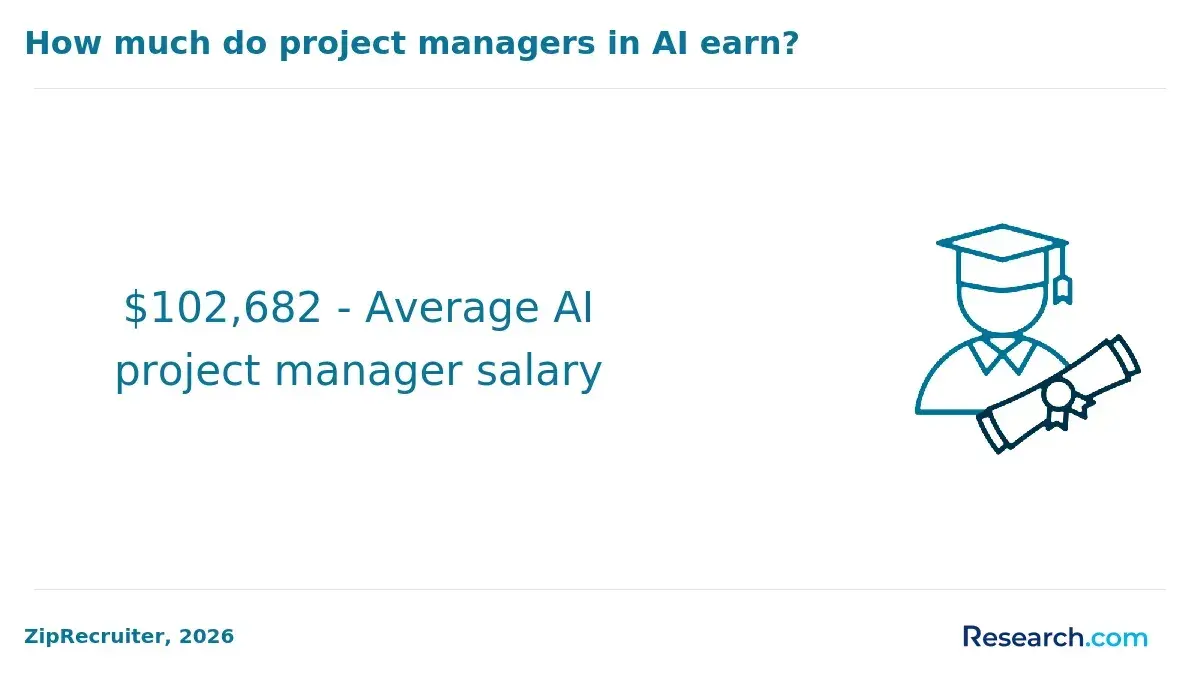
Salary ranges for these professionals typically surpass those of traditional QA engineers. For instance, AI test automation engineers in the U.S. earn between $95,000 and $140,000 annually, with senior roles or those combining AI and cloud-native expertise commanding $150,000 or more.
Teams integrating AI-driven test automation demonstrate significantly lower error rates. IBM's 2024 "State of Application Modernization" report highlights a 2.3× reduction in post-release defects compared to teams relying on manual or scripted testing. This confirms the impact of AI skills in improving QA outcomes.
Certified QA engineers often work in fields such as autonomous systems testing, natural language processing validation, and AI-powered security assessments. Practical knowledge of AI frameworks like TensorFlow, proficiency in languages such as Python, and an understanding of AI ethics are critical for career growth in this area.
Acquiring AI certification signals to employers a commitment to advancing software quality through innovative AI techniques and continuous skill development.
How should QA engineers choose the right AI course and plan a long-term learning roadmap?
QA engineers selecting AI courses should begin by evaluating their current expertise and career goals. Beginners benefit from foundational courses covering machine learning basics and data handling, while advanced learners should focus on specialized topics such as AI-driven test automation, predictive analytics, and natural language processing applied to quality assurance.
Choosing programs that include hands-on projects and real-world case studies enhances practical knowledge. Certifications from reputable platforms not only demonstrate competence but also boost career advancement opportunities. Since AI tools and frameworks evolve quickly, prioritizing courses updated regularly is crucial for staying relevant.
Building a long-term learning roadmap involves setting milestones aligned with professional objectives. Start with core AI principles, then move toward niche areas like AI model validation, anomaly detection, or algorithmic bias testing specific to QA. Continuous learning through micro-courses and workshops helps adapt to industry changes.
Tracking progress and applying skills in real projects reinforce learning and skill retention. According to the 2024 Pluralsight Tech Skills report, QA professionals following structured AI/ML learning paths logged 48% more upskilling hours and were twice as likely to advance into quality engineering roles over traditional QA positions.
Balancing theory and applied experience is key. Engagement in communities, contributing to open-source AI test projects, and leveraging employer-sponsored training or mentorship greatly accelerate technical growth and prepare engineers for leadership in quality-centric roles.
Other Things You Should Know About Artificial Intelligence
In 2027, top online AI courses for QA engineers include Coursera's "AI for Everyone" by Andrew Ng, edX's "AI for Testing" by the University of Minnesota, and Udacity's "AI Programming with Python". These courses offer certification on completion, enhancing your understanding and application of AI in QA engineering.
Artificial intelligence enhances accuracy by automating repetitive test case generation and detecting subtle defects that may be missed by manual testing. Efficiency improves as AI enables faster test execution, prioritizes test cases based on risk analysis, and supports continuous testing cycles. Together, these capabilities reduce time-to-market and improve software reliability.
QA engineers must consider issues such as data privacy, bias in training data, and accountability for AI-driven decisions. It is important to ensure the AI systems used in testing are fair, transparent, and comply with relevant regulations. Ethical awareness helps prevent harmful outcomes and promotes trust in AI-assisted quality assurance processes.
While AI can automate many testing tasks and improve efficiency, it cannot fully replace human testers. Human judgment remains essential for exploratory testing, understanding complex user scenarios, and interpreting ambiguous results. AI is best seen as a supportive tool that augments human expertise rather than a complete substitute.
References
- Best AI Certifications to Boost Your Career in 2026 – Dataquest https://www.dataquest.io/blog/best-ai-certifications/
- QA Engineer Certifications: Best Credentials to Advance Your Career | Teal https://www.tealhq.com/career-paths/qa-engineer-certifications
- Top 10 Director of QA Certifications and Training Courses Guide for 2026 - testRigor AI-Based Automated Testing Tool https://testrigor.com/blog/top-10-director-of-qa-certifications-and-training-courses-guide/
- What Topics are Covered in an Artificial Intelligence online Course? | H2K Infosys Blog https://www.h2kinfosys.com/blog/topics-covered-in-artificial-intelligence-course/
- How to become an AI engineer: Steps & skills | edX https://www.edx.org/become/how-to-become-an-ai-engineer
- 16 Artificial Intelligence Career Paths https://www.calmu.edu/news/artificial-intelligence-career-paths
- QA Engineer Learning Roadmap for GenAI Testing https://mindmapai.app/mind-mapping/qa-engineer-learning-roadmap-for-genai-testing
- AI Career Paths: What Jobs Are Available and How to Land One https://www.codingtemple.com/blog/ai-career-paths/
- Review of key AI tools for QA and for automated QA testing - Qubika https://qubika.com/blog/ai-tools-automated-testing/
- AI Certifications for Quality Engineers https://wearecommunity.io/communities/lvivqacommunity/articles/5569
- George, K. (2025, October). CERP Pulse Survey: A Snapshot of 2025 Undergraduate Computing Enrollment Patterns. Center for Evaluating the Research Pipeline, Computing Research Association. https://cra.org/crn/2025/10/cerp-pulse-survey-a-snapshot-of-2025-undergraduate-computing-enrollment-patterns
- MastersInAI.org. (2025). 2025 AI Degree Report: The Landscape of AI Degrees in the United States. https://www.mastersinai.org/ai-degree-report