2027 Best AI Business Value Courses for Business Leaders

Co-Founder and Chief Data Scientist
Business leaders often struggle to integrate artificial intelligence effectively into their organizations. Without a clear understanding of AI's practical applications, decision-makers risk costly investments that fail to deliver value. This gap can hinder digital transformation efforts and reduce competitive advantage in rapidly evolving markets.
Identifying courses that tailor AI concepts specifically for business strategy helps leaders bridge this knowledge gap efficiently. This article highlights top AI business value courses designed to equip leaders with actionable insights, ensuring they can drive innovation, optimize operations, and make informed decisions that align with organizational goals.
Key Things You Should Know
- AI business value courses in 2026 emphasize practical leadership skills, with 72% of programs integrating case studies from top industries to enhance decision-making abilities.
- Most courses now include ethics and regulatory frameworks, reflecting a 65% increase in demand for responsible AI knowledge among business leaders since 2024.
- Flexible online and hybrid formats dominate offerings, enabling 58% of working professionals to complete AI education without disrupting their careers.
Advance Your Career with AI Online Courses
Artificial Intelligence: Implications for Business Strategy
This program provides an introduction to Artificial Intelligence and their implications for business strategy. Earn an official digital certificate.

Oxford Artificial Intelligence Programme
Explore this Oxford Artificial Intelligence programme offered in a flexible learning environment and explore topics like machine learning, automation, and robotics.

Implementing Agentic AI: Building Your Organizational Playbook
This online MIT Agentic AI course offers a practical approach to deploying AI agents in your organization, including a custom playbook. 3 weeks, exclusive launch price.

AI Adoption: Driving Business Value and Impact
This online MIT AI Adoption: Driving Business Value and Impact offers practical frameworks to close the gap between AI potential and business reality.

Artificial Intelligence in Pharma and Biotech
Discover the applications and limitations of artificial intelligence in pharma and biotech with this MIT online short course.

What is an AI business value course for business leaders and who is it best for?
An AI business value course for business leaders equips executives and senior managers with the skills to strategically integrate artificial intelligence to generate measurable business outcomes. These courses focus on value creation, operational efficiency, customer experience, and gaining a competitive edge rather than on technical development. Participants learn to evaluate AI opportunities, oversee AI projects, and ensure alignment with company goals.
This training is ideal for product leaders, business strategists, and others seeking the best artificial intelligence training for executives, especially non-technical professionals responsible for AI investment decisions and transformation plans. For instance, a chief marketing officer aiming to use generative AI for personalized campaigns or a supply chain manager wanting to optimize logistics with AI algorithms will benefit greatly from this knowledge.
Key competencies covered include value-based AI assessment, risk and ethics management, AI-driven innovation frameworks, and cross-functional collaboration. Courses typically employ case studies, financial modeling, and scenario planning to help leaders quantify AI's potential benefits and challenges.
According to PwC's 2024 CEO Survey, 70% of global CEOs say generative AI will significantly change how their company creates, delivers, and captures value over the next three years. This highlights the urgency for leaders to develop AI business value acumen to stay competitive and future-ready.
Leaders uncertain about AI's ROI, integration complexity, or ethical aspects will find these courses address such challenges, preparing them to lead in AI-transformed environments. Those interested in pursuing formal education can explore an artificial intelligence degree to deepen their expertise.
Advance Your Career with AI Online Courses
Artificial Intelligence: Implications for Business Strategy
This program provides an introduction to Artificial Intelligence and their implications for business strategy. Earn an official digital certificate.
Oxford Artificial Intelligence Programme
Explore this Oxford Artificial Intelligence programme offered in a flexible learning environment and explore topics like machine learning, automation, and robotics.
Implementing Agentic AI: Building Your Organizational Playbook
This online MIT Agentic AI course offers a practical approach to deploying AI agents in your organization, including a custom playbook. 3 weeks, exclusive launch price.
How can AI business value courses help executives drive measurable impact and ROI?
AI business value training for executives prepares leaders to convert complex AI concepts into actionable strategies that align with organizational goals. These courses focus on identifying high-impact AI opportunities and prioritizing projects that drive revenue growth, cost savings, and operational efficiencies. Executives gain expertise in leading cross-functional teams to implement AI solutions tailored to address core business challenges and ensure investments yield measurable returns.
Driving measurable ROI with AI courses for business leaders involves mastering risk assessment, defining key performance indicators (KPIs), and managing organizational change to maximize adoption. Participants develop skills to interpret AI analytics for data-driven decision-making that enhances product development, customer engagement, and supply chain processes.
According to Boston Consulting Group's "AI & the C-Suite" report, companies with AI-literate leadership are 2.5 times more likely to report revenue growth of 10% or more from AI initiatives compared to less knowledgeable counterparts. This highlights the clear business impact of executive AI literacy.
Executives also learn to navigate AI's limitations, ethical concerns, and integration challenges by applying frameworks for risk management and compliance. These skills empower leaders to make strategic AI investments that deliver sustained ROI while mitigating potential risks.
For those interested in expanding their expertise in related technical fields, exploring the cheapest online mechanical engineering degree programs can provide complementary skills valuable in a technology-driven market.
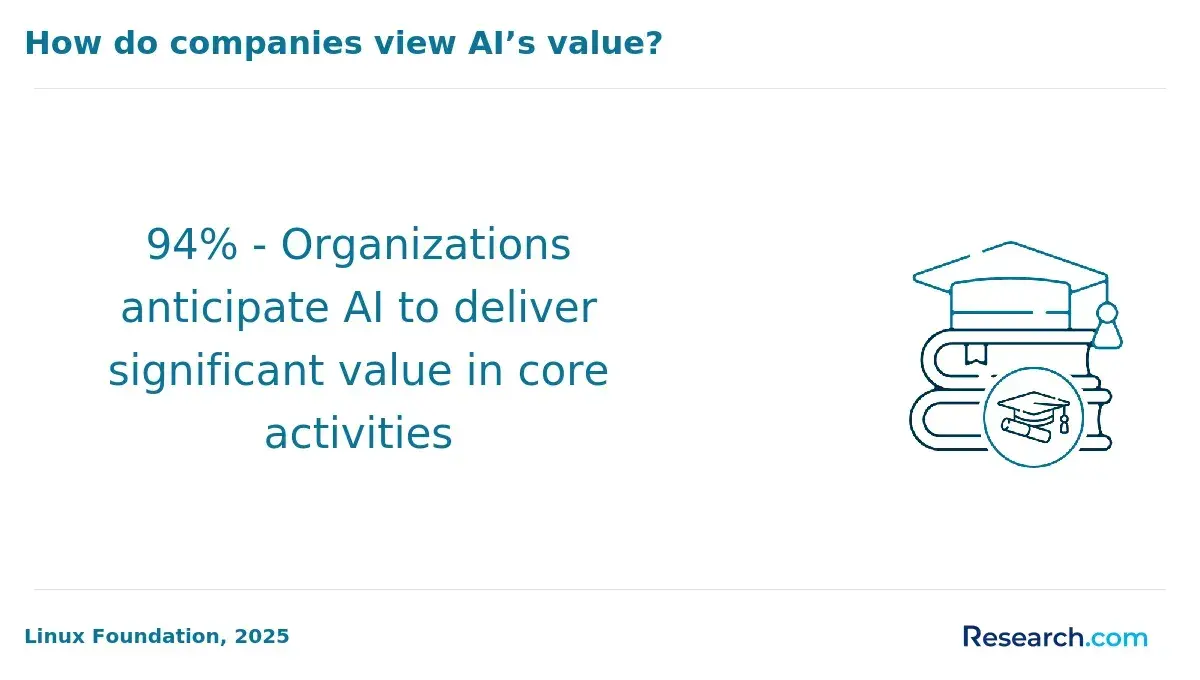
What key topics and skills do top AI business value programs teach non-technical leaders?
Top AI business value programs equip non-technical leaders with essential skills for non-technical leaders in AI implementation, enabling effective decision-making and strategic adoption of AI technologies. These programs teach core topics such as AI fundamentals, data literacy, and the economic impact of AI on business operations. Leaders learn to translate AI's capabilities into measurable business outcomes and accurately assess project feasibility and ROI.
Key competencies include interpreting AI-generated insights to enhance operations, managing teams that combine AI specialists with business units, and aligning AI initiatives with broader business strategy. Ethical considerations like bias and data privacy are also prioritized to ensure responsible AI use. Programs often highlight practical applications such as supply chain optimization, customer experience improvement, and predictive analytics for financial forecasting.
Leaders study real-world case studies showcasing AI's ability to automate routine tasks and increase efficiency, thus freeing up resources for higher-value activities. Change management skills are emphasized to navigate cultural shifts during AI adoption and to foster a continuous learning environment that supports ongoing AI upskilling-critical for maintaining a competitive edge.
A Deloitte study reveals organizations investing more than $500 per employee annually in AI and data literacy training achieve 24% higher ROI on AI projects compared to those investing under $100. For those seeking further education in related tech fields, an accelerated cyber security program can complement AI business strategy and value creation for business leaders.
How do online AI business value courses compare with campus and hybrid formats?
Online AI business value courses offer unmatched flexibility and outcomes compared to campus and hybrid programs, making them ideal for busy professionals. Unlike fixed-schedule campus programs, online courses allow learners to progress at their own pace, balancing education with work. This flexibility is essential as companies rapidly adopt AI skilling initiatives, with 79% of leaders planning formal programs by 2025 but only 39% having structured roadmaps currently.
Campus courses provide valuable in-person networking and immediate feedback but often lack the scalability and timely content updates found in online formats. Hybrid models try to merge both but can face logistical and scheduling conflicts, limiting continuous engagement. Online courses typically include diverse multimedia resources and global business case studies, enhancing practical skills across sectors like finance and healthcare that might be overlooked in campus syllabi.
For businesses developing internal AI expertise, online training supports broader employee access and easier digital workflow integration. Certificate-based online programs offer measurable progress tracking, a key advantage over many informal hybrid options. Prospective students interested in specialized fields may also explore related options like cybersecurity programs online for veterans, which demonstrate similar accessibility benefits.
How can business leaders evaluate accreditation and reputation of AI-focused programs?
Business leaders seeking quality ai-focused education should prioritize programs accredited by reputable bodies such as AACSB, ABET, or regional accreditors recognized by the U.S. Department of Education. Accreditation indicates that the curriculum meets high academic and industry standards and aligns with current ai business applications, focusing on strategic use rather than purely technical skills.
Assessing faculty qualifications is essential. Instructors with hands-on experience in leading ai initiatives or contributing to AI research enhance program relevance. Programs partnering with AI technology firms or including guest lectures from industry executives often provide valuable practical insights.
Program reputation can also be evaluated through alumni success and employer recommendations. Graduates holding senior roles managing ai projects demonstrate program effectiveness. For example, McKinsey's 2024 Global Survey on AI reveals that 65% of organizations now have senior leaders accountable for generative AI, up from 30% the previous year, emphasizing the importance of leadership education tied to real-world applications.
- Review published rankings or third-party evaluations focused on ai or data science education.
- Investigate programs' connections to industry consortia or innovation hubs specializing in AI.
- Confirm availability of hands-on projects or case studies reflecting recent generative ai advances.
Thoroughly verifying these factors helps business leaders select ai programs that effectively prepare them for today's strategic demands.
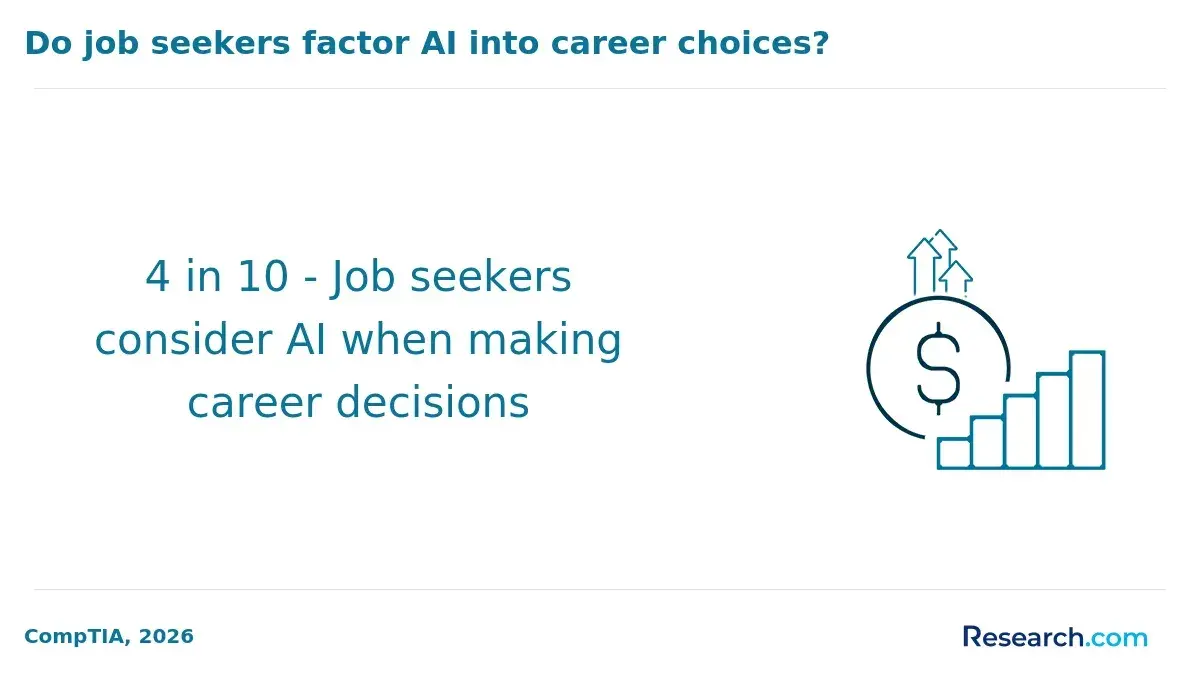
What are typical admission requirements and professional experience expectations for these courses?
Admission to AI business value courses often requires a bachelor's degree in business, technology, or related fields, though significant professional experience can sometimes substitute for formal education. Senior-level programs might ask for 3 to 5 years of leadership experience involving strategy, analytics, or technology adoption. Many applicants without prior AI knowledge are expected to complete preparatory modules or independently learn foundational concepts.
Professional experience is valued, especially practical involvement in digital transformation or data-driven decision-making. Preferred candidates typically have led or participated in AI projects, digital innovation efforts, or governance initiatives. Entry-level managers may need to provide evidence of project engagement or professional references that highlight analytical capabilities.
Understanding AI governance and risk management remains a critical admission factor. According to IBM's 2024 Global AI Readiness Report, 46% of executives say their leadership team lacks sufficient understanding of AI risks and governance to make informed strategic decisions. Programs often prioritize those demonstrating awareness or a strong commitment to developing expertise in these areas.
Applicants might be asked to complete case studies or share examples of addressing AI challenges in the workplace. Flexible admissions options exist but generally require clear motivation to incorporate AI in business strategy.
How long do AI business value programs take, and what do they typically cost?
AI business value programs vary significantly in duration and depth, ranging from brief workshops to comprehensive year-long courses. Executive short courses typically last 1 to 4 weeks and offer focused, practical insights for busy professionals. More extensive certificates or professional development options span 3 to 6 months, incorporating live sessions, case studies, and project work. University-affiliated programs can extend up to 12 months, providing deeper strategic learning and frameworks for AI implementation.
Costs depend on program length, institution prestige, and delivery format. Short workshops and boot camps generally cost between $1,000 and $4,000, while mid-length certificate programs range from $5,000 to $15,000, reflecting more personalized instruction and expert access. Longer executive education or blended programs may exceed $20,000. Leaders should align their course choice with their priorities, whether quick immersion or comprehensive mastery.
Goldman Sachs Research highlights that generative AI could raise global labor productivity by 1.5 percentage points annually over a decade, translating into an additional $7 trillion in global GDP. This underscores the urgency for business leaders to understand AI's potential and value metrics.
- Program durations: from 1 week to 12 months
- Price range: $1,000 for brief workshops up to $20,000+ for extensive programs
- Content emphasis: practical value capture, productivity, and strategic implementation
Choosing the right program depends on your leadership role, familiarity with AI, and the urgency to apply productivity-enhancing changes aligned with authoritative insights such as those from Goldman Sachs Research.
What career outcomes, roles, and advancement opportunities follow AI business value training?
Training focused on AI business value significantly boosts career prospects by preparing professionals to lead AI-driven transformations within organizations. Graduates often move into roles such as AI strategy consultant, business analytics manager, AI-focused product manager, or digital transformation leader. These positions require skills in spotting AI opportunities, integrating AI solutions effectively, and measuring AI's impact on business results.
Career growth frequently leads to executive roles like Chief AI Officer, Chief Data Officer, or VP of Innovation, where overseeing AI initiatives strategically is essential. This training helps business leaders bridge communication gaps between AI technical teams and business units, enabling faster decisions and better collaboration. Such skills are highly sought after across industries including finance, healthcare, and retail.
Cost and accessibility are important factors. According to the Graduate Management Admission Council, median tuition for short, non-degree AI-for-business executive programs at leading global business schools ranges from $2,000 to $4,000, making them affordable investments for mid-career professionals. This contrasts with a full-year specialized master's in analytics or AI, which often exceeds $60,000 and tends to focus more on technical expertise than business leadership.
Graduates gain a competitive edge in roles requiring AI fluency without the need for deep coding skills. For instance, AI-educated product managers can better evaluate vendor AI tools and oversee cross-functional AI projects. Leaders knowledgeable in AI business value deliver greater returns on AI investments, enhancing their organizational impact and advancing their careers.
What salary impact and earning potential can AI-skilled business leaders reasonably expect?
Business leaders with AI skills often experience salary increases between 15% and 30% compared to peers without such expertise. Mid-level managers leading AI projects typically earn between $110,000 and $140,000 annually, while senior executives with AI proficiency can surpass $180,000, influenced by industry and company size.
Incorporating AI strategies that drive business operations and revenue growth further boosts earning potential. Professionals who develop AI implementation roadmaps or manage AI transformation efforts are frequently rewarded with bonuses and equity, reflecting their critical role in organizational success.
Employee retention is another important factor. Reports show companies offering structured AI and data upskilling programs see 19% lower employee turnover within one year compared to organizations without such initiatives. This stability enhances negotiation power for salary improvements.
Business leaders should focus on gaining skills in AI strategy, data-driven decision-making, and ethical AI governance. These areas are in high demand across sectors like finance, healthcare, and technology, where AI investments continue to surge. Additionally, proficiency in AI tools that deliver customer insights and boost operational efficiencies can translate into measurable business results, strengthening leadership value.
- Salary increases of 15%-30% for AI-skilled professionals
- Mid-level managers earn $110,000-$140,000
- Senior leaders can exceed $180,000
- 19% decrease in employee turnover with AI upskilling
Which certifications or executive credentials in AI strategy are most valuable for leaders?
Top certifications and executive credentials in ai strategy focus on bridging technology expertise with business outcomes. Leading programs from prestigious business schools such as MIT Sloan's "Artificial Intelligence: Implications for Business Strategy" and Stanford Graduate School of Business' "Artificial Intelligence Strategy Program" emphasize practical applications. These programs enable leaders to align ai capabilities with core strategic priorities.
Programs combining ai technical foundations with leadership training are especially valuable. For instance, credentials from Northwestern's Kellogg School and Wharton include coursework on data-driven decision-making, ethical concerns, and scaling ai initiatives. These prepare executives to manage AI adoption risks and lead cross-functional teams effectively.
The World Economic Forum's Future of Jobs Report 2025 projects that by 2028, 75% of companies will require senior leaders to have "AI and big data" skills, up from 50% in 2023. This highlights the growing importance of credentials that merge technical knowledge with strategic foresight and innovation management.
Additional notable programs include the AI for Business Leaders certificate from the University of California, Berkeley, and AI Executive Education at INSEAD, which focus on real-world case studies and leadership frameworks. Flexible options like online MicroMasters or professional certificates in AI strategy from platforms such as edX and Coursera offer rigor and accessibility for many professionals.
These certifications equip leaders to harness AI's technical potential while driving competitive advantage, innovation, and responsible governance in a data-driven business environment.
Other Things You Should Know About Artificial Intelligence
Top AI business value courses for business leaders in 2027 include "AI Strategy and Leadership" by MIT Sloan, "AI For Business" by Wharton, "AI in Business" by Coursera, and "AI in Business Strategy" by INSEAD. These courses focus on integrating AI for strategic growth.
Artificial intelligence enhances decision-making by providing data-driven insights and automating routine analyses. It can identify patterns and trends that humans may overlook, enabling faster and more informed decisions. However, leaders should balance AI recommendations with human judgment to ensure nuanced and context-aware choices.
Common challenges include integrating AI with existing IT infrastructure, managing data quality and availability, and addressing workforce skill gaps. Additionally, organizational resistance and unclear strategic goals can impede AI adoption. Successful implementation requires clear planning, staff training, and ongoing evaluation of AI system performance.
Leaders can stay informed by engaging with academic research, attending industry conferences, and participating in professional networks focused on artificial intelligence. Subscribing to reputable AI journals and following updates from leading AI research institutions also helps. Continuous learning is essential as the AI field evolves rapidly.
References
- AI skills increase Business Analyst salaries https://elisto.org/blogs/ai-skills-increase-business-analyst-salaries/ai-skills-increase-business-analyst-salaries
- How Much Does AI Software Cost? https://www.zedrox.nl/en/blog/how-much-does-ai-software-cost/
- AI Development Cost Estimation: Pricing Structure, Implementation ROI https://www.coherentsolutions.com/insights/ai-development-cost-estimation-pricing-structure-roi
- Admission Requirements for Professional Year Bachelor of Education (Consecutive) https://www.lakeheadu.ca/studentcentral/applying/general-admission-requirements/admission-requirements-for-professional-year-bachelor-of-education-consecutive-
- The Business of AI: Strategies for Leaders- Online | London Business School https://www.london.edu/lbs-online/the-business-of-ai-strategies-for-leaders
- edX | Online Courses, Certificates & Degrees from Leading Institutions https://www.edx.org/
- Top In Demand AI Skills (2025) https://www.skillsoft.com/blog/essential-ai-skills-everyone-should-have
- AI Executive Certificate https://esmt.berlin/executive-education/analytics-ai/ai-executive-certificate
- Artificial Intelligence (AI) Business Impact https://www.mannheim-business-school.com/en/mba-master-and-courses/open-certificate-courses/analytics-and-artificial-intelligence/artificial-intelligence-ai-business-impact/
- Best AI courses for business leaders in 2025 https://www.ailabs.global/blog/best-ai-courses-for-business-leaders-in-2025