2027 Best AI Courses for Career Changers With Certificates

Co-Founder and Chief Data Scientist
Many career changers face difficulty finding flexible, credible education options that provide certificates recognized by employers in the artificial intelligence field. Traditional degree programs often demand years of study and a background in computer science, creating barriers for professionals with unrelated undergraduate degrees.
This gap slows their entry into a fast-growing industry demanding practical skills. The article explores the best courses designed specifically for career changers, emphasizing flexibility, accreditation, and certificate value. It aims to help readers identify programs that offer a clear pathway to reskilling and entering artificial intelligence roles efficiently and confidently.
Key Things You Should Know
Advance Your Career with AI Online Courses
Artificial Intelligence: Implications for Business Strategy
This program provides an introduction to Artificial Intelligence and their implications for business strategy. Earn an official digital certificate.

Oxford Artificial Intelligence Programme
Explore this Oxford Artificial Intelligence programme offered in a flexible learning environment and explore topics like machine learning, automation, and robotics.

Implementing Agentic AI: Building Your Organizational Playbook
This online MIT Agentic AI course offers a practical approach to deploying AI agents in your organization, including a custom playbook. 3 weeks, exclusive launch price.

AI Adoption: Driving Business Value and Impact
This online MIT AI Adoption: Driving Business Value and Impact offers practical frameworks to close the gap between AI potential and business reality.

Artificial Intelligence in Pharma and Biotech
Discover the applications and limitations of artificial intelligence in pharma and biotech with this MIT online short course.

What are the best AI courses with certificates for career changers in the U.S.?
The best AI courses with certificates in the U.S. for career changers combine practical skills, accessible content, and recognized credentials. Leading programs include Stanford University's Certificate in Artificial Intelligence and MIT's Professional Certificate in Machine Learning & Artificial Intelligence, both offering foundational knowledge and up-to-date industry techniques with certificates valued by employers.
Online platforms also serve professionals with targeted certificate courses. For example, Coursera's AI For Everyone by Andrew Ng is suited for non-technical career changers wanting to understand AI's business applications. Udacity's Artificial Intelligence Nanodegree features hands-on projects with Python, machine learning, and neural networks, ideal for those transitioning to technical roles.
Choosing the top US-certified AI programs for career transitions means seeking courses emphasizing real-world applications and tools. About 75% of knowledge workers now use AI at work, and 78% bring their own AI tools, per Microsoft and LinkedIn's 2024 Work Trend Index. Programs that teach TensorFlow, PyTorch, and AWS SageMaker help learners integrate AI efficiently.
Career changers should look for certificates including career services or networking with AI employers. IBM AI Engineering Professional Certificate, for instance, offers practical labs and job support, which benefit those rebuilding credentials. Flexible pacing is also important for working professionals balancing study and job demands.
Studying AI through well-structured programs can also be part of the fastest way to get a computer science degree, blending strong theoretical foundations with hands-on experience and recognized certification.
Advance Your Career with AI Online Courses
Artificial Intelligence: Implications for Business Strategy
This program provides an introduction to Artificial Intelligence and their implications for business strategy. Earn an official digital certificate.
Oxford Artificial Intelligence Programme
Explore this Oxford Artificial Intelligence programme offered in a flexible learning environment and explore topics like machine learning, automation, and robotics.
Implementing Agentic AI: Building Your Organizational Playbook
This online MIT Agentic AI course offers a practical approach to deploying AI agents in your organization, including a custom playbook. 3 weeks, exclusive launch price.
How do AI certificate programs differ from full AI degrees for career changers?
AI certificate programs focus on practical skills and relevant competencies for entry or mid-level positions. Typically lasting months to a year, these programs emphasize hands-on experience with tools, frameworks, and applied projects. They offer career changers a faster route to acquiring marketable abilities without the extensive coursework of traditional degrees.
In contrast, full AI degrees cover foundational theory, advanced mathematics, machine learning algorithms, ethics, and possibly research methodologies over two to four years. These degrees provide a comprehensive understanding suitable for highly technical or research-focused roles but require greater time and financial commitment.
AI certificate programs vs full AI degrees for career changers often come down to goals and timelines. Certificates are ideal for professionals seeking rapid reskilling aimed at roles like AI application developer or data analyst. Degrees are better suited for those targeting positions requiring deep expertise, such as data scientist or AI researcher.
Employers value certificates for their targeted skill sets. According to Lightcast's 2024 AI Skills and Jobs Report, AI-related jobs grew 21% year over year, with AI skills commanding a 23% wage premium.
Some certificate programs allow stacking credentials to transition into degrees later. Career changers should evaluate their schedules, financial resources, and desired job functions before deciding. For those considering advanced education paths, exploring degrees in AI can provide insight into affordable online degree options.
Differences between AI certification courses and degree programs for professionals highlight the balance between immediate workforce entry and long-term academic investment.
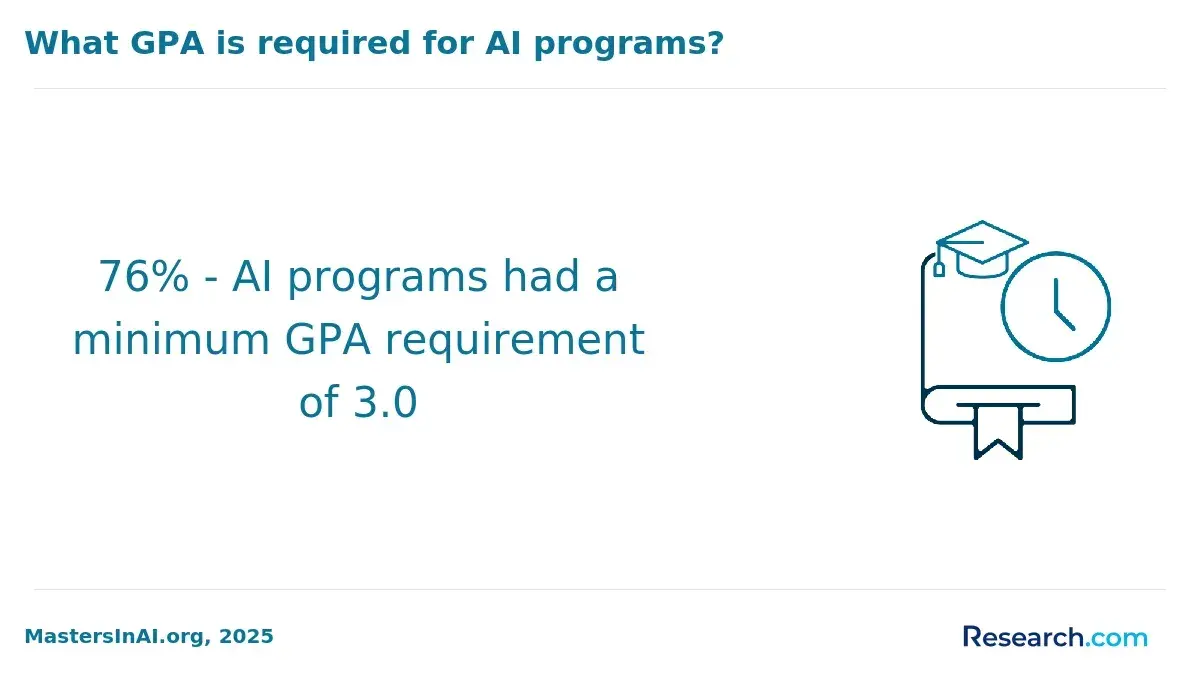
What types of AI certificates do employers respect most for entry-level roles?
Employers in entry-level ai roles place strong emphasis on certificates that prove practical skills in machine learning, data analysis, and applied AI tools. Certificates issued by reputed tech companies or established platforms tend to be the most valued by hiring managers.
For instance, Google's generative AI learning path is widely recognized as a top beginner ai certificate for quick entry into the workforce. Data from Stack Overflow's Developer Survey and Google Cloud's AI developer research supports this, showing that 74% of developers see AI as having an immediate impact on software development practices.
Certificates that gain employer recognition typically include:
- Hands-on projects using real datasets and AI model deployment.
- Training in programming languages like Python and frameworks such as TensorFlow or PyTorch.
- Comprehensive coverage of core AI concepts like supervised and unsupervised learning.
- Emphasis on AI ethics and responsible usage.
Some of the most valued AI certification programs for career changers come from partnerships between well-known institutions and industry leaders.
Examples are Coursera's AI for Everyone by Andrew Ng and IBM's Applied AI Professional Certificate. These programs offer a strong mix of theory and practical skills that align well with current job market demands.
Entry-level candidates should look for certificates aligned with roles like AI software engineering, data science, or machine learning operations (MLOps). It is important that the certificate reflects updated tools and methodologies and leads to real project experience and teamwork skills.
For those interested in related fields, pursuing a video game development degree can also complement AI expertise in certain tech sectors.
How can I evaluate accreditation and credibility of AI certificate programs?
Evaluating how to verify accreditation for AI certificate programs involves closely examining recognition by established agencies like the Accreditation Board for Engineering and Technology (ABET) or regional accreditors such as the Middle States Commission. Accreditation confirms the program adheres to educational quality standards and is essential for employer acceptance.
Assessing credibility of artificial intelligence certification courses also requires reviewing the institution offering the program. Established universities or technical schools with robust data science or computer science departments tend to provide more reliable credentials.
Additionally, check the instructors' qualifications; experienced professionals with PhDs or industry roles in AI or machine learning deliver more relevant and rigorous training.
The curriculum is another crucial factor. Top programs cover fundamentals like machine learning algorithms, data preprocessing, model evaluation, and programming languages such as Python.
Hands-on projects or capstone courses further enhance practical skills. This aligns with labor market needs, as the U.S. Bureau of Labor Statistics projects 36% employment growth for data scientists from 2023 to 2033.
Look for partnerships with respected companies or industry endorsements, which can bolster job placement prospects. Also, examine student reviews and graduate success rates for additional insight. For those interested in advanced education, consider exploring a data analytics master's degree for broader career opportunities.
Programs lacking transparent accreditation or detailed curriculum information should generally be avoided, as certificate credibility greatly affects career prospects in AI fields.
What should I look for in the curriculum of an AI course for beginners?
When selecting an AI course for beginners, focus on foundational topics such as machine learning algorithms, data processing, and programming languages like Python.
Courses offering hands-on projects with real-world datasets enhance practical skills and knowledge retention. Key areas to look for include large language models (LLMs) and prompt engineering, which are rapidly evolving fields essential for modern AI roles.
The Stanford 2025 AI Index highlights a significant reduction in GPT-3.5 inference costs-over 280 times lower between late 2022 and late 2024-emphasizing the importance of efficiency and practical deployment skills.
Ethical training covering bias, data privacy, and societal impacts is also crucial for responsible AI use. Beginners should also learn model evaluation and tuning to improve AI system performance.
Exposure to popular AI frameworks like TensorFlow and PyTorch is valuable since employers often expect these skills. Structured courses that progress gradually from concepts to application benefit career changers by reducing the learning curve. Certification recognized by industry or educational institutions can enhance job prospects.
Flexible learning options such as self-paced study and active community forums help accommodate various schedules while supporting peer learning, which is vital for grasping complex AI topics effectively.
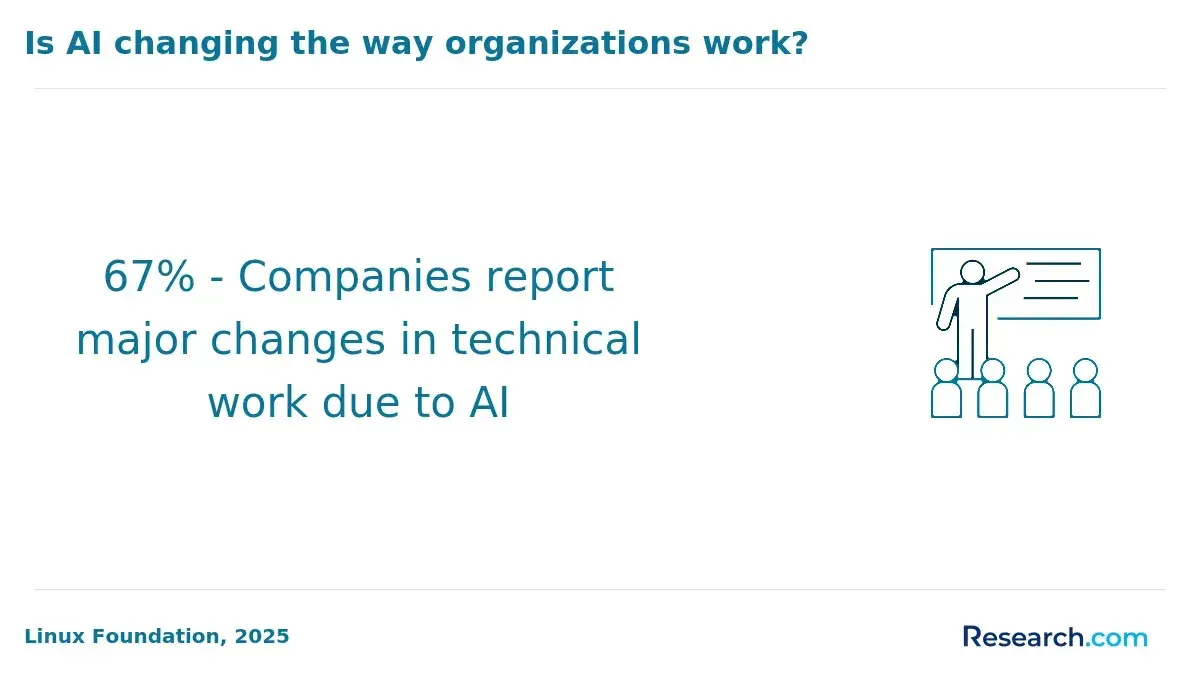
How do online AI certificate programs compare with campus options for flexibility and support?
Online AI certificate programs provide increased flexibility compared to traditional campus options, allowing career changers to balance studies with work and personal life.
Many online courses offer asynchronous learning, enabling students to complete lectures and assignments at their own pace-a benefit for professionals with irregular schedules or those living far from university hubs. In contrast, campus programs often require fixed class times and possible relocation, which can add time and expense.
Support systems vary: campus programs excel in face-to-face interaction and peer collaboration, fostering deeper understanding and networking. Online programs increasingly offer live sessions, discussion forums, and mentoring for personalized guidance, though they may lack immediate in-person support. Evaluating access to faculty and career services is important when choosing a program.
Hands-on skill development is crucial, especially in areas like cloud deployment aligned with AWS technologies. Studies from AWS customer case cases highlight that organizations using its AI services can reduce deployment time by up to 30%, illustrating the real-world value of cloud skills. Students should prioritize programs offering practical labs and projects regardless of format.
Financially, online certificates often cost less and eliminate housing and commuting expenses. Campus options may provide scholarships but usually require higher upfront costs. Carefully weighing total expenses against learning style and support features will help career changers select the right option.
What are typical admission requirements and time commitments for AI certificate programs?
Admission criteria for AI certificate programs generally include basic programming knowledge, often Python, and foundational mathematics such as linear algebra, calculus, and statistics. Some advanced programs require prior experience in machine learning or data science. Applicants without coding backgrounds might need to complete preliminary modules before enrolling fully.
Program durations vary widely based on format and intensity:
- Part-time, self-paced certificates typically span 3 to 6 months, requiring about 5-10 hours weekly.
- Full-time, immersive courses usually last 8 to 12 weeks with 20 to 40 hours of daily commitment.
- Hybrid and project-based options fall between these, emphasizing hands-on application alongside theory.
For those changing careers, project-based credentials prove particularly effective. Research indicates learners completing project-focused AI or machine learning certificates have more than double the chances of career advancement compared to those pursuing theory-only paths. This highlights the value of applied learning.
Common admission questions include whether a computer science degree is necessary or if one can join without prior programming skills. Many programs offer beginner-friendly tracks and recommend starting with foundational tutorials when needed.
Balancing study with work demands honest weekly time assessments. Choosing flexible, modular programs helps maintain steady progress without burnout, ensuring successful completion tailored for career transitions.
How much do AI certificate programs cost, and are there financial aid options?
AI certificate programs vary widely in cost, typically ranging from $300 to over $5,000. Shorter, bootcamp-style offerings usually fall between $1,000 and $3,000, while university-affiliated certificates often exceed $4,000.
These programs differ in delivery format-from self-paced courses to instructor-led classes-which impacts both price and time commitment. Payment options may include a single upfront fee or monthly subscriptions.
Financial aid is commonly available, but eligibility and benefits differ by provider. Options include scholarships, grants, income-based discounts, deferred tuition, and income share agreements, especially at coding bootcamps. Universities may also offer need-based aid or discounts for veterans, employees, and alumni. Contacting a program's financial aid office early can help clarify available support.
Additional funding sources include employer tuition reimbursement programs and nonprofit scholarships targeting career transitions into tech. Free or low-cost preparatory courses can reduce initial expenses before pursuing advanced certificates. Certificates from well-recognized, accredited organizations often carry greater industry value, enhancing job prospects.
According to data from the U.S. Bureau of Labor Statistics, median salaries for data scientists exceed $108,000 annually. Machine learning engineers in key metro areas earn upwards of $150,000, based on 2025 Levels.fyi and Glassdoor figures. This earning potential underscores the value of investing in quality AI certificates despite upfront costs.
What AI career paths, job titles, and industries can certificates help me enter?
Certificates in artificial intelligence unlock a variety of career paths across multiple industries, including technology, finance, healthcare, automotive, and retail. Professionals with these credentials qualify for roles such as data scientist, machine learning engineer, AI product manager, and AI research analyst.
These positions typically involve designing algorithms, managing AI projects, or analyzing AI-driven data for business insights.
Specific certifications can guide you toward niche roles. For example, machine learning certificates often lead to jobs in predictive modeling for finance or marketing analytics.
In healthcare, AI qualifications enable work in diagnostic imaging and drug discovery. The automotive sector demands AI expertise for autonomous vehicle technology, while retail businesses use AI professionals to optimize supply chains and enhance customer personalization.
Job titles vary depending on specialization; those with certificates in natural language processing may become AI chatbot developers or voice recognition engineers. Experts in computer vision often pursue careers as AI imaging specialists or robotics engineers. AI product managers leverage their certifications to bridge technical and business teams, ensuring successful AI solution deployments.
The growing demand for affordable AI education is evidenced by over 260 million visits to MIT OpenCourseWare's free AI materials, reflecting broad interest and accessibility. Such certificates provide graduates and working professionals with verifiable skills to advance careers without steep financial burdens.
What starting salaries and long-term job outlook can AI career changers expect?
AI career changers in the U.S. can expect starting salaries generally between $70,000 and $90,000 annually, depending on their prior experience and specific AI roles.
Entry-level positions such as AI analysts or machine learning engineers often begin near this range. For instance, data scientists with AI skills typically start around $85,000, while roles focused on AI development or research may start closer to $90,000 or higher.
The long-term job outlook for AI professionals remains strong. According to IBM's 2024 Global AI Adoption Index, 42% of enterprise-scale companies have implemented AI, increasing the demand for skilled workers who can apply AI techniques to solve business challenges. This trend is expected to boost median salaries for experienced AI specialists well beyond $150,000 within five to ten years.
Career changers should focus on acquiring skills that bridge AI and business needs, such as AI project management, ethical AI implementation, and domain-specific AI applications. These competencies can lead to senior roles like AI architects, product managers, or strategic consultants who command higher pay.
Geographical location, industry sector, and company size also greatly influence salaries. AI professionals working in tech hubs like San Francisco or New York may earn 15-25% more than the national average. Industries like finance, healthcare, and automotive usually offer higher wages compared to education or non-profit sectors.
Continuous upskilling and earning certifications aligned with market demands enhance both starting salaries and long-term career growth in AI fields.
Other Things You Should Know About Artificial Intelligence
The time to transition into an AI career varies depending on the depth of the certificate program and individual effort. Many certificate courses take between three to six months to complete and focus on core skills relevant to entry-level roles. However, gaining practical experience through projects or internships alongside coursework can significantly improve job readiness.
Recognition of artificial intelligence certificates varies by institution and region, but many well-known certificate programs are acknowledged globally, especially those offered by reputable universities or organizations. Certifications that emphasize hands-on skills and project portfolios often hold greater value with employers worldwide than those based solely on theoretical knowledge.
Career changers often face challenges such as mastering new technical skills, understanding complex mathematical concepts, and adapting to fast-paced industry changes. Additionally, building a professional network and gaining practical experience can be difficult without a traditional background in STEM. Structured certificate programs with mentorship and community support help mitigate these obstacles.
References
- Professional AI Training: How to Choose the Right Program https://www.strategicaileader.com/professional-ai-training-how-to-choose-the-right-program/
- Online AI Essentials Certificate Course | WSB Center for Professional & Executive Development https://courses.uwcped.org/ai-essentials
- Certification of AI systems https://verifywise.ai/lexicon/certification-of-ai-systems
- Best Artificial Intelligence Courses for Beginners https://agilefever.com/artificial-intelligence-courses-for-beginners/
- How will Artificial Intelligence Affect Jobs 2025-2030 | Nexford University https://www.nexford.edu/insights/how-will-ai-affect-jobs
- Digital Education Council | Certificate in AI for Higher Education https://www.digitaleducationcouncil.com/digital-education-council-certificate-in-ai-for-higher-education
- Top Online Courses for AI in 2026 https://www.atlantic.net/gpu-server-hosting/top-online-courses-for-ai/
- AI certifications: What employers actually want in 2026 - Spiceworks https://www.spiceworks.com/it-careers/ai-certifications-what-employers-actually-want-in-2026/
- What are the requirements for completing the Introduction to AI and Building AI courses? https://www.elementsofai.com/ie/faq/what-are-the-requirements-for-completing-the-introduction-to-ai-and-building-ai-courses
- Best Online AI Courses and Certifications in 2025 https://www.upskillist.com/blog/online-ai-courses-certifications/