2027 Best AI Strategy Courses for Ecommerce Operations Leaders

Co-Founder and Chief Data Scientist
Ecommerce operations leaders often struggle to leverage artificial intelligence effectively due to rapidly evolving technologies and limited strategic guidance tailored to their specific challenges. Without a clear AI strategy, businesses risk inefficient resource allocation, missed revenue opportunities, and customer dissatisfaction. The complexity of integrating AI tools into existing workflows adds another layer of difficulty for professionals transitioning from unrelated fields. This article examines the best AI strategy courses designed for ecommerce leaders seeking practical, flexible education paths. It aims to equip readers with knowledge to implement AI solutions confidently and enhance operational performance in competitive markets.
Key Things You Should Know
- Top AI strategy courses for ecommerce leaders emphasize practical applications such as inventory optimization, customer personalization, and predictive analytics for operational efficiency.
- By 2025, 72% of ecommerce firms expect AI-driven strategies to increase profitability, making mastery of relevant AI courses essential for competitive advantage.
- Leading programs incorporate real-world case studies and tools, ensuring professionals can implement AI solutions that address supply chain disruptions and dynamic consumer behavior.
Advance Your Career with AI Online Courses
Artificial Intelligence: Implications for Business Strategy
This program provides an introduction to Artificial Intelligence and their implications for business strategy. Earn an official digital certificate.

Oxford Artificial Intelligence Programme
Explore this Oxford Artificial Intelligence programme offered in a flexible learning environment and explore topics like machine learning, automation, and robotics.

Implementing Agentic AI: Building Your Organizational Playbook
This online MIT Agentic AI course offers a practical approach to deploying AI agents in your organization, including a custom playbook. 3 weeks, exclusive launch price.

AI Adoption: Driving Business Value and Impact
This online MIT AI Adoption: Driving Business Value and Impact offers practical frameworks to close the gap between AI potential and business reality.

Artificial Intelligence in Pharma and Biotech
Discover the applications and limitations of artificial intelligence in pharma and biotech with this MIT online short course.

What is an AI strategy course for ecommerce operations leaders and who should enroll?
An AI strategy course for ecommerce operations leaders equips professionals to integrate artificial intelligence tools into supply chain, inventory management, and customer service to enhance operational efficiency. Participants gain expertise in demand forecasting, automation, and real-time decision-making, driving competitive advantage across ecommerce platforms.
These programs are designed for ecommerce directors, supply chain managers, and senior operations executives who want to adopt AI-driven methods to reduce costs and improve service levels. A foundational understanding of supply chain workflows is recommended to maximize course benefits.
Core learning areas include predictive analytics to reduce inventory, automated warehouse management, and AI-powered customer support integration. For instance, machine learning models can optimize stock levels to prevent overstock and stockouts, improving cash flow and customer satisfaction.
According to McKinsey, companies leveraging AI in supply-chain and manufacturing saw 15-20% inventory reductions and 10-15% service level improvements, with 65% of AI leaders outperforming peers in EBITDA growth. Practical case studies and actionable frameworks help participants apply these strategies quickly in real-world scenarios.
Leaders struggling with inefficient inventory turnover, slow fulfillment, or inaccurate demand forecasting will find particular value. These courses also focus on scaling AI initiatives across multi-channel platforms and aligning efforts with business goals, reflecting best online AI training for ecommerce managers.
For those interested in advancing their skills, a 2 year computer science degree online provides a strong foundation in related technical knowledge to complement AI strategy expertise.
Advance Your Career with AI Online Courses
Artificial Intelligence: Implications for Business Strategy
This program provides an introduction to Artificial Intelligence and their implications for business strategy. Earn an official digital certificate.
Oxford Artificial Intelligence Programme
Explore this Oxford Artificial Intelligence programme offered in a flexible learning environment and explore topics like machine learning, automation, and robotics.
Implementing Agentic AI: Building Your Organizational Playbook
This online MIT Agentic AI course offers a practical approach to deploying AI agents in your organization, including a custom playbook. 3 weeks, exclusive launch price.
How can AI strategy training improve ecommerce operations, profitability, and customer experience?
AI strategy training for ecommerce profitability improvement equips leaders with essential skills to implement automation, optimize supply chains, and personalize customer interactions. Leveraging AI-driven analytics enables precise demand forecasting, which reduces inventory costs and minimizes stockouts, directly enhancing profitability by aligning stock with consumer trends and cutting waste.
Operational efficiency improves as AI automates routine tasks like order processing and customer service inquiries. This automation reduces errors and accelerates response times, lowering operational expenses. According to a World Economic Forum survey, companies investing in large-scale AI reskilling projects can expect a 30% boost in productivity and 25% cost reduction within five years.
Enhancing customer experience through AI strategy in ecommerce operations is achieved via personalized product recommendations, dynamic pricing, and 24/7 chatbot support. Leaders trained in AI strategy design these solutions to boost engagement and increase customer lifetime value by tailoring offers to individual preferences.
This training also helps leaders overcome challenges such as selecting appropriate AI tools, integrating AI with existing platforms, and managing workforce transitions. It fosters data-driven cultures that improve decision-making across marketing, logistics, and customer service.
For professionals seeking to deepen their knowledge, pursuing degrees in AI is a strong step toward effectively applying AI strategy training in ecommerce environments.
What types of AI strategy programs are available for ecommerce leaders, from short courses to degrees?
Ecommerce operations leaders can benefit greatly from a variety of AI strategy training programs for ecommerce leaders, ranging from short workshops to advanced degrees tailored to specific career goals and time commitments. Short courses focus on practical skills such as integrating AI tools into supply chain management or customer analytics, enabling quick upskilling over days or weeks.
Certificate programs provide a deeper exploration of AI strategy and data-driven decision-making over several months. These cover machine learning fundamentals, predictive analytics, and chatbot automation, ideal for managers wanting measurable improvements in ecommerce efficiency. Many certificates are available online to fit working professionals' schedules.
Graduate-level paths, including master's degrees in AI management or business analytics, offer comprehensive education that merges technical AI knowledge with strategic leadership skills. Such programs, typically completed within two years, prepare leaders for executive roles or complex project oversight.
Specialized AI strategy training programs for ecommerce leaders also exist, focusing on industry-specific challenges like demand forecasting, inventory optimization, and personalized marketing, often with real-world case studies and platform integration (e.g., Shopify, Magento).
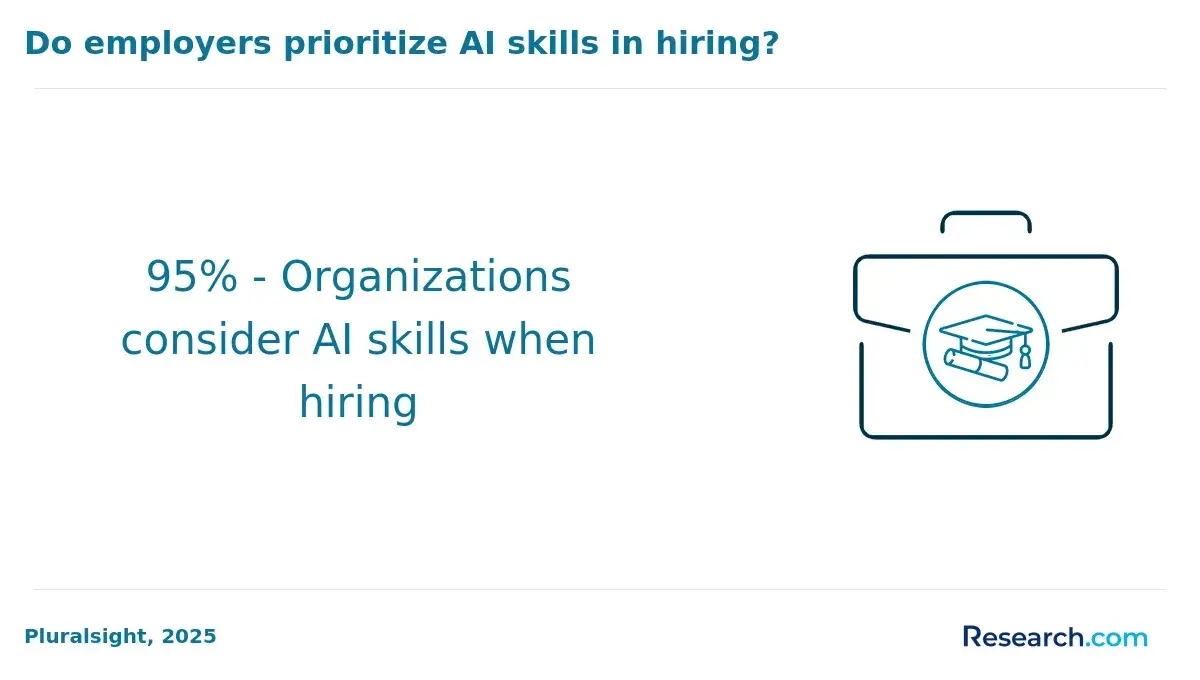
LinkedIn's Global Talent Trends data shows job postings requiring AI skills grew over 70% year-over-year, with AI and operations roles growing more than 2x faster than overall postings, highlighting the critical need for targeted education. Those interested may consider exploring options such as online masters in data science for advanced AI strategy courses for ecommerce operations.
How do online AI strategy courses for ecommerce compare with campus and hybrid options?
Online AI strategy courses for ecommerce operations leaders offer unmatched flexibility, enabling professionals to access current content without geographic or scheduling barriers. These programs often update curricula swiftly to keep pace with evolving AI trends, surpassing the speed at which campus programs can adapt.
Campus-based training, however, provides immersive experiences through direct networking and mentorship, which foster collaborative learning. Hybrid options blend these benefits but may challenge professionals working across multiple time zones.
In comparing campus versus online AI strategy training for ecommerce, online courses emphasize practical skills like inventory optimization and demand forecasting. This practical approach aligns with data from Deloitte's State of AI in the Enterprise, where 94% of high-performing AI organizations leverage AI operationally, contrasted with 45% of underperformers. Campus programs tend to focus more on theory and broader concepts but might lag in delivering the latest ecommerce-focused tools and cases.
Choosing the right format depends on individual goals, time availability, and the value placed on peer interaction. Those seeking fast, application-driven learning may prefer online courses, while others valuing face-to-face engagement might opt for campus or hybrid models. Prospective students should also explore military friendly online cybersecurity degree programs to understand broader online learning options available.
What should you look for in accreditation and institutional quality for AI strategy programs?
Accreditation and institutional quality remain essential when choosing AI strategy programs for ecommerce operations leaders. Accreditation from recognized regional or specialized bodies assures programs meet rigorous academic standards and offer value acknowledged by employers. Likewise, institutional reputation impacts program quality; leading universities and business schools often partner with industry experts to create curricula aligned with real-world ecommerce challenges.
Faculty expertise is key, especially instructors with research or consulting backgrounds in AI applications for retail and supply chains. This integration of practical insights and the latest advancements enhances learning relevance.
Programs highlighting measurable business outcomes stand out- for example, a Boston Consulting Group analysis found retailers using AI for pricing, assortment, and supply chain decisions achieved 2-5 percentage-point EBIT margin improvements and 10-20% demand-forecast accuracy gains.
Look for programs offering strong industry partnerships, such as ties with AI technology providers or ecommerce platforms, providing hands-on experience with widely used tools. Ongoing benefits like continuing education, certification, or career support services also contribute to sustained professional growth.
Choosing a program with accredited status, reputable faculty, proven data-backed outcomes, and solid industry connections equips students with theoretical knowledge and practical skills to drive successful AI-enhanced ecommerce strategies.
What core curriculum and skills do the best AI strategy courses for ecommerce include?
The core curriculum in top AI strategy courses for ecommerce operations leaders focuses on practical skills that produce tangible business results. Key modules cover data analytics and machine learning fundamentals, equipping leaders to interpret AI outputs and make informed, data-driven decisions.
Courses dive into AI applications within ecommerce platforms, including recommendation systems, inventory management, and demand forecasting to improve operational efficiency and enhance customer experience. Strategic AI implementation is emphasized, teaching alignment of AI projects with company objectives, cross-functional team leadership, and ROI assessment.
Ethical considerations and AI governance are central themes, helping leaders manage compliance and risks effectively. The curriculum also blends technical fluency with leadership skills, highlighting communication between AI specialists and business teams.
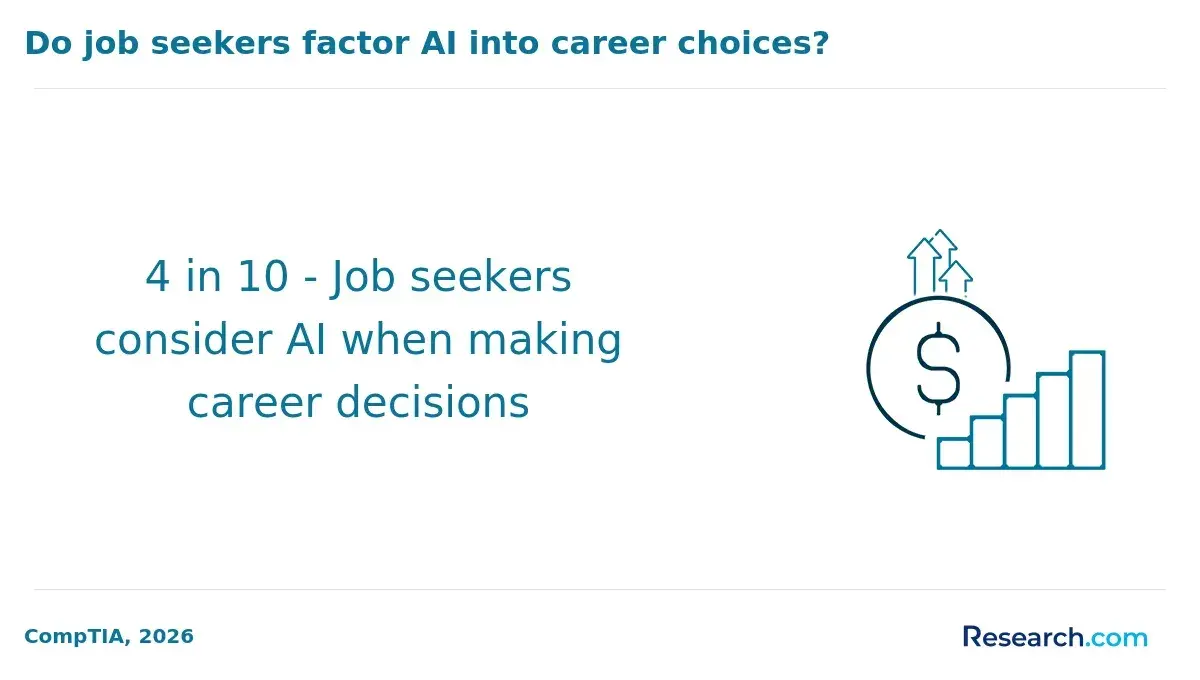
Hands-on labs and real-world case studies, such as automating supply chains and personalizing marketing campaigns, address the skills gap identified by the Microsoft 2024 Work Trend Index, which found 75% of leaders report a lack of AI capabilities and 79% of employees feel undertrained.
- AI-driven customer segmentation and experience improvement
- Advanced analytics for inventory and fulfillment optimization
- AI ethics, governance, and risk mitigation
- Project management methodologies for AI rollouts
- Interdisciplinary communication between AI experts and stakeholders
This comprehensive training prepares ecommerce operations leaders to bridge the AI skills gap, driving innovation and transformation in competitive markets.
What are typical admission requirements, timelines, and application materials for these programs?
Admission requirements for AI strategy courses designed for ecommerce operations leaders typically include a bachelor's degree in business, technology, data science, or related fields. Most programs expect candidates to have 2-3 years of professional experience in ecommerce, digital marketing, or supply chain management to ensure practical knowledge of industry challenges. Some advanced courses require prior programming or data analytics skills, while others offer beginner-friendly preparatory modules.
Applications usually include a completed form, a current resume highlighting relevant experience, and a statement of purpose outlining the applicant's goals. Letters of recommendation are occasionally requested for executive-level programs. GRE scores are rarely required but may apply to university-affiliated offerings.
Program durations vary widely. Certificate courses typically last 8 to 12 weeks with flexible quarterly or biannual start dates. Diploma or professional development options run 3 to 6 months and may incorporate capstone projects or internships. Degree-linked AI strategy programs focused on ecommerce often span 1 to 2 years with fixed academic calendars.
IBM's Global AI Adoption Index highlights that organizations using specialized AI solutions for retail and ecommerce are 35% more likely to achieve substantial revenue gains than those relying on general AI tools. This emphasizes the value of targeted education pathways featuring specific admission criteria and program timelines tailored for actionable expertise.
How long do AI strategy programs for ecommerce take, and what do they typically cost?
AI strategy programs for ecommerce vary significantly in duration and cost, typically spanning from 4 weeks to 6 months. Short, focused bootcamps or workshops usually last 1 to 2 months, concentrating on foundational AI concepts and fast implementation tactics. More extensive executive programs extend up to half a year, blending advanced strategy, operational transformation, and leadership development.
Costs broadly range between $2,000 and $15,000 depending on format and provider. Online certificate courses and shorter programs commonly cost $2,000 to $5,000. In contrast, in-person or cohort-based executive education at leading universities or specialized providers may exceed $10,000, reflecting deeper instructor engagement and valuable networking opportunities. Customized corporate packages are available at premium rates.
Prospective students should consider their time availability, curriculum depth, and networking benefits when choosing a program. For instance:
- An ecommerce professional seeking rapid skill enhancement might opt for a 4-week online course at about $3,000 to quickly implement operational changes.
- A vice president aiming for long-term, AI-driven transformation may invest in a 6-month executive program priced near $12,000.
According to a 2024 PwC survey, 54% of firms with executive AI programs saw measurable operational improvements within six months after training, with an average efficiency gain of 12%. This highlights the importance of selecting programs with actionable timelines and ecommerce-specific content.
Verifying that curricula include real-world case studies and practical projects can help maximize return on investment for those pursuing ecommerce-focused AI education.
What career paths, leadership roles, and advancement opportunities follow AI strategy training?
AI strategy training equips professionals for leadership roles in ecommerce operations such as AI program manager, chief data officer, and director of digital transformation. These positions require expertise in integrating AI tools to optimize supply chains, personalize customer experiences, and enhance inventory management.
Graduates also move into roles like AI business strategist or analytics lead, aligning AI initiatives with broader business objectives. This education helps transition from tactical tasks to strategic decision-making that drives ROI from AI investments.
Opportunities grow within companies prioritizing internal AI capabilities. However, Gartner's research highlights that enterprises spend 3-5 times more on external AI consulting than internal training. This gap indicates a competitive advantage for professionals committed to upskilling, as internal expertise offers better long-term value. Leaders skilled in AI strategy often influence vendor selection, budgeting, and deployment, increasing their role in executive planning.
AI strategy careers extend beyond large firms. In startups or SMEs, graduates might become heads of AI innovation, focusing on AI-driven marketing automation and customer retention. Consulting roles also appeal to those leveraging strategic insights to guide multiple clients without deep technical development skills.
Training includes essential topics such as data governance, ethical AI, and change management, building leadership credibility. Certifications and lifelong learning prepare professionals to manage cross-functional teams balancing technical feasibility, customer experience, and budget alignment.
What salary ranges and job outlook can ecommerce operations leaders expect with AI expertise?
Ecommerce operations leaders skilled in AI can expect annual salaries ranging from $90,000 to $160,000 in the United States, influenced by experience, company size, and region. Entry-level roles or positions in smaller firms typically offer between $90,000 and $110,000, while senior roles in large enterprises or specialized fields may exceed $150,000.
Combining operations management with AI-driven analytics and automation often leads to the highest compensation due to their direct impact on efficiency and profitability.
The job outlook remains strong, with the World Economic Forum projecting a 39% growth in roles requiring AI and machine learning skills by 2028. This growth is driven by expanding automation and data-driven decision-making in ecommerce logistics, inventory management, and customer experience optimization.
- Over 40% of workers will need at least six months of reskilling because of AI-driven changes.
- Certifications or courses in AI applications for ecommerce can improve candidates' job prospects and salary negotiations.
Employers seek leaders who can use AI to streamline supply chains, predict demand, and personalize marketing. For example, applying machine learning to forecast inventory or automating customer service with chatbots significantly enhances operational performance.
Ecommerce professionals integrating AI skills are positioned for better salary opportunities, job security, and career advancement in a rapidly evolving industry.
Other Things You Should Know About Artificial Intelligence
The biggest challenges include data quality and integration, as successful AI systems require large, well-structured data sets from multiple sources. Additionally, aligning AI tools with existing workflows and managing change among staff can be difficult. Privacy concerns and compliance with regulations such as GDPR also play a significant role in implementation hurdles.
Artificial intelligence enhances decision-making by providing predictive analytics and automated insights that help ecommerce leaders optimize inventory, pricing, and marketing strategies. It allows for faster, data-driven choices with reduced human bias, improving operational efficiency and customer satisfaction. However, leaders must still interpret AI outputs carefully and consider ethical implications.
AI can automate repetitive and data-intensive tasks such as demand forecasting, customer segmentation, and fraud detection. Nonetheless, it cannot fully replace human roles that require creativity, complex problem-solving, and emotional intelligence. Ecommerce operations leaders need to blend AI tools with human expertise rather than view them as complete substitutes.
In 2027, leading AI strategy courses for ecommerce operations leaders include programs from institutions like MIT, Stanford, and Coursera. These courses cover essentials like AI integration in supply chains, customer service automation, and data analytics, equipping leaders with the tools necessary to leverage AI effectively in their operations.
References
- The True Cost of Implementing AI in Business in 2026 - Riseup Labs https://riseuplabs.com/cost-of-implementing-ai-in-business/
- AI Development Cost Estimation: Pricing Structure, Implementation ROI https://www.coherentsolutions.com/insights/ai-development-cost-estimation-pricing-structure-roi
- 10 Online AI Courses for Spring/Summer 2026 - Future Product Days Blog https://www.futureproductdays.com/blog/5-online-ai-courses-that-you-might-want-to-check-out
- Master in Management of AI in E-commerce and Retail Marketing - UBI Business School - QS Top 20 worldwide https://ubi.edu/master-in-management-ai-in-e-commerce-and-retail-marketing/
- Leading AI Strategy and Execution | Short Course | IMI https://www.imi.ie/programme/leading-ai-strategy-and-execution/
- AI for Ecommerce: How It’s Transforming the Future https://www.bloomreach.com/en/blog/why-ai-is-the-future-of-e-commerce
- AI in higher education: 8 strategies for institutional leaders https://feedbackfruits.com/blog/ai-in-higher-education-8-key-strategies-for-institutional-leaders
- AI Governance in Higher Education: A Practical Framework for Institutions in 2026 | Guides | LearnWise https://www.learnwise.ai/guides/ai-governance-in-higher-education
- Knowledge Hub https://ipsrsolutions.com/academix/naac-accreditation-document-guide/
- $99 or $99,000: How much does AI implementation really cost? https://itsg-global.com/99-or-99000-how-much-does-ai-implementation-really-cost/