2027 Best AI Courses for SQL Professionals

Co-Founder and Chief Data Scientist
SQL professionals often encounter challenges when trying to transition into the artificial intelligence field, facing steep learning curves and a lack of tailored educational resources. The evolving demand for AI skills requires an understanding beyond database management, including machine learning concepts and data modeling. Without structured guidance, advancing in AI can seem overwhelming and inefficient.
This article identifies the best AI courses designed specifically for SQL professionals aiming to bridge their technical expertise with AI applications. It highlights flexible, accredited programs that facilitate career pivots while addressing practical skill gaps in the artificial intelligence domain.
Key Things You Should Know
- AI proficiency combined with SQL expertise boosts data analysis efficiency by up to 40%, enhancing predictive analytics and automation in business intelligence roles.
- Leading 2026 AI courses for SQL professionals emphasize machine learning integration, enabling deeper insights into large datasets through advanced query optimization.
- Over 65% of companies surveyed in 2025 prefer candidates skilled in both SQL and AI tools, reflecting strong market demand for hybrid tech competencies.
Advance Your Career with AI Online Courses
Artificial Intelligence: Implications for Business Strategy
This program provides an introduction to Artificial Intelligence and their implications for business strategy. Earn an official digital certificate.

Oxford Artificial Intelligence Programme
Explore this Oxford Artificial Intelligence programme offered in a flexible learning environment and explore topics like machine learning, automation, and robotics.

Implementing Agentic AI: Building Your Organizational Playbook
This online MIT Agentic AI course offers a practical approach to deploying AI agents in your organization, including a custom playbook. 3 weeks, exclusive launch price.

AI Adoption: Driving Business Value and Impact
This online MIT AI Adoption: Driving Business Value and Impact offers practical frameworks to close the gap between AI potential and business reality.

Artificial Intelligence in Pharma and Biotech
Discover the applications and limitations of artificial intelligence in pharma and biotech with this MIT online short course.

What are the best AI courses for SQL professionals and who are they for?
Top AI courses for SQL professionals emphasize blending machine learning and data science techniques directly with SQL databases. Renowned offerings come from institutions such as Stanford University, Coursera partners, and specialized platforms like DataCamp and Udacity. These best ai courses for sql professionals cater to SQL developers who want to enhance querying skills with predictive analytics, automate database management, or create AI-driven applications.
Key courses include "Machine Learning for SQL Developers," which teaches embedding Python-based AI models into SQL workflows, and "AI for Data Professionals," focusing on practical AI frameworks like TensorFlow and PyTorch in data environments. The "Deep Learning with SQL Integration" class targets professionals aiming to analyze large datasets using neural networks without leaving SQL platforms.
Such ai training programs for sql developers are suitable for mid-level SQL analysts, database administrators, and data engineers looking to add AI capabilities to conventional SQL tasks. They also benefit computer science or data analytics graduates wanting to specialize in AI-enhanced data management. Many courses offer hands-on projects involving SQL querying on AI-enhanced datasets that prepare students for real-world challenges.
Industry research indicates that 92% of data and analytics leaders view generative AI as highly significant or game-changing within a few years. This urgency highlights the need for SQL professionals to acquire AI skills to stay competitive. Comprehensive AI courses often teach Python and R integration with SQL for model development and offer advanced training on automating query optimization using natural language processing and AI-driven agents.
- Comprehensive AI courses teach Python and R integration with SQL for model development.
- Advanced courses focus on automating query optimization using natural language processing and AI-driven agents.
- Practical workshops help develop AI pipelines that process and analyze SQL data efficiently.
Prospective students may also want to explore the cheapest data science masters in USA to complement their AI training with affordable advanced degrees.
Advance Your Career with AI Online Courses
Artificial Intelligence: Implications for Business Strategy
This program provides an introduction to Artificial Intelligence and their implications for business strategy. Earn an official digital certificate.
Oxford Artificial Intelligence Programme
Explore this Oxford Artificial Intelligence programme offered in a flexible learning environment and explore topics like machine learning, automation, and robotics.
Implementing Agentic AI: Building Your Organizational Playbook
This online MIT Agentic AI course offers a practical approach to deploying AI agents in your organization, including a custom playbook. 3 weeks, exclusive launch price.
How can AI skills enhance a SQL professional's career path and earning potential?
AI skills significantly enhance a SQL professional's career growth and earning potential by enabling them to handle complex data and automate routine tasks efficiently. The rapid rise of generative AI technologies combined with SQL expertise allows professionals to design advanced query systems, optimize database management, and build predictive data models. This synergy boosts productivity and opens opportunities in data engineering, machine learning pipelines, and AI-enhanced analytics. Such AI-driven data analysis boosts SQL career growth by increasing the scope and impact of their roles.
Job postings referencing both "SQL" and "generative AI" surged by 1,450% globally between January 2023 and December 2024, highlighting strong industry demand for these combined skills. SQL experts with AI proficiency contribute to AI-driven visualization tools, automate data cleansing, and develop adaptive databases that adjust to evolving inputs. Increasing earning potential with AI skills for SQL professionals is evident, with surveys showing those knowledgeable in AI earn about 20-30% more than peers without such expertise.
Practically, SQL professionals with AI skills can:
- Lead integration of SQL databases with AI platforms to improve decision-making speed and accuracy
- Automate complex data processing tasks, reducing errors and manual workload
- Develop predictive models for database performance and user behavior, offering strategic insights
- Collaborate effectively within AI-focused teams, enhancing their strategic value
For those interested in expanding their technical education, programs like the cheapest mechanical engineering degree online provide accessible options to build foundational STEM skills that complement AI knowledge.
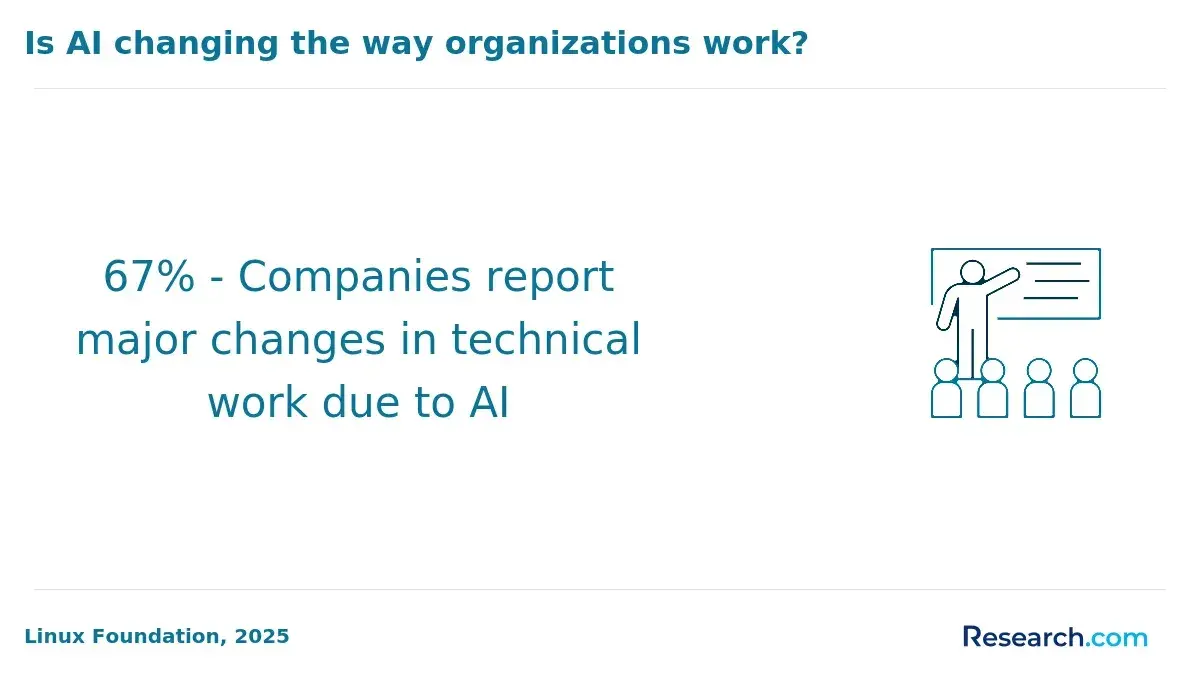
What types of AI programs should SQL professionals consider: certificates, bootcamps, or degrees?
SQL professionals often find certificate programs ideal for acquiring ai skills quickly. These certificates offer concise training focused on practical applications like machine learning model integration, data pipeline automation, and natural language processing within SQL databases. Typically completed in weeks to months, certificates provide immediate skill validation essential for rapid career advancement. Specialized certifications such as machine learning with SQL on cloud platforms or AI for database management cater well to this group.
For those seeking hands-on experience, artificial intelligence bootcamps for database experts provide immersive, project-based training over a few months to half a year. These bootcamps include real-world scenarios like optimizing SQL queries with AI-driven analytics or building predictive models using historical data. They serve professionals shifting careers or enhancing portfolios without the longer commitment of a degree.
Degrees, including a master's in data science or computer science with AI concentration, deliver comprehensive theory, algorithms, and system design foundations. Degrees demand years of study and often delay direct workforce re-entry but are well suited for leadership roles or research positions requiring deep AI expertise. Prospective students can explore options like the best online data science masters for flexible earning paths.
According to the Dice Tech Salary Report, SQL professionals with AI expertise earn about 21% more than peers without these skills, highlighting the impact of targeted AI education.
- Certificates suit professionals needing rapid skill acquisition and credentialing.
- Bootcamps offer immersive training with practical projects over moderate time frames.
- Degrees deliver broad theoretical knowledge ideal for research and leadership roles.
Which AI skills and tools are most important for SQL specialists to learn now?
SQL professionals must master AI-driven data analysis techniques for SQL professionals such as machine learning integration, natural language processing, and automated data pipeline creation. Machine learning models enhance predictive analytics by working directly with structured SQL datasets, allowing more advanced insights beyond traditional querying. Familiarity with Python and R is essential to embed machine learning workflows alongside SQL effectively.
Natural language processing (NLP) tools enable specialists to handle unstructured data and user-generated queries more intuitively. Platforms like OpenAI's GPT and other generative AI models are revolutionizing how queries convert into database commands, speeding up report generation and analysis. Automating ETL (extract, transform, load) processes using AI-powered tools such as dbt, combined with anomaly detection, improves data quality and reduces human errors.
Essential machine learning tools for SQL specialists also include AI-enabled cloud services like AWS, Azure, and Google Cloud. These platforms offer scalable analytics with built-in AI for pattern recognition and forecasting, crucial for modern enterprise environments. SQL specialists should also develop skills in AI-driven visualization tools like Power BI or Tableau with AI extensions to communicate complex insights effectively.
Understanding data governance and ethical AI use is vital to preventing bias and ensuring compliance as AI becomes more integrated with database management. By late 2024, 63% of enterprises adopted generative AI to enhance data analytics workflows, up from 21% in 2023, highlighting the growing demand. Exploring roles such as what does an AI trainer do can provide further career insights in this evolving field.
How do online AI courses for SQL professionals compare to campus-based programs?
Online ai courses tailored for SQL professionals deliver rapid skill updates and practical training unmatched by campus-based programs. These courses adapt quickly to evolving AI tools essential for SQL tasks and include hands-on projects using platforms like GitHub Copilot. In contrast, campus curricula tend to update slowly, focusing more on theoretical foundations than immediate workplace application.
Studies reported by Microsoft Research reveal that teams using AI-assisted coding in SQL increase task completion speed by 35-45%. Online courses emphasize measurable productivity gains, making them ideal for working professionals balancing jobs and study. They typically involve lower costs and shorter durations. Campus programs require longer commitments, higher fees, and on-site attendance but offer structured mentorship and networking, beneficial for early-career professionals or recent graduates.
Choosing between online and campus AI education hinges on your career stage, time availability, and learning goals. Seasoned SQL experts looking to upgrade AI skills often find targeted online training more efficient, while those seeking a comprehensive education and connections may prefer campus settings.
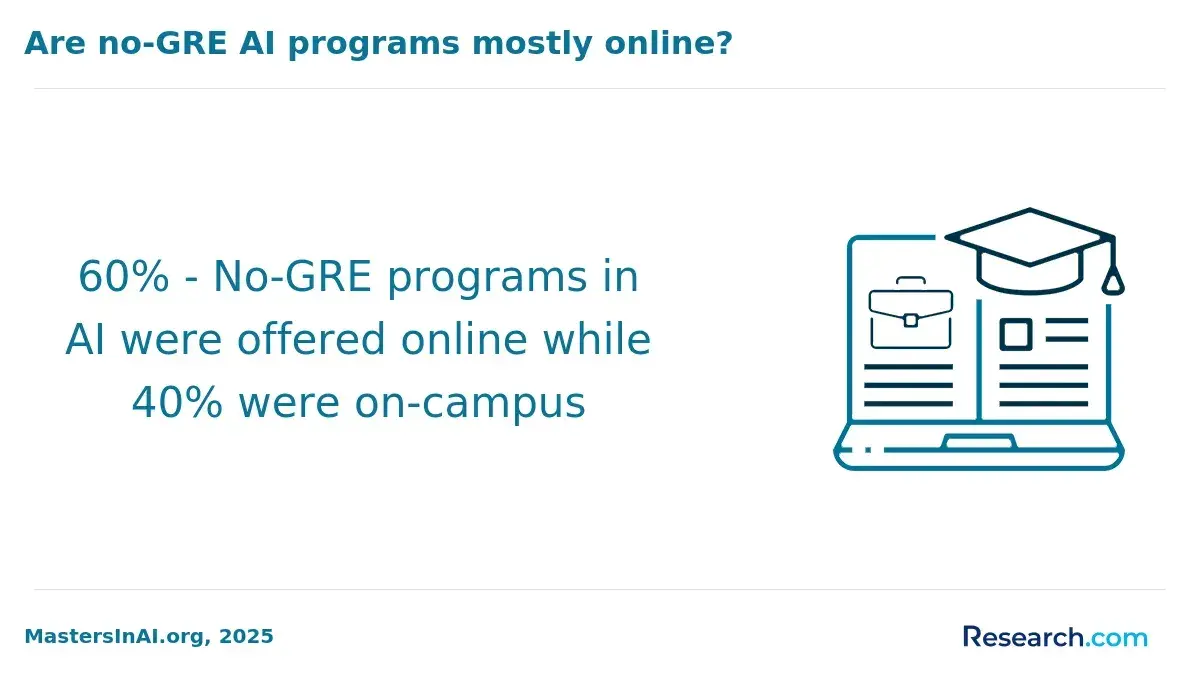
What should SQL professionals look for in an AI curriculum and course projects?
SQL professionals should focus on AI curricula emphasizing the integration of artificial intelligence with data querying and database management. Essential course topics include machine learning fundamentals tailored for structured data, natural language processing to convert human queries into SQL commands, and algorithmic methods for automating query optimization. Notably, 38% of cloud data platform RFPs now require AI-assisted query generation or natural language to SQL features, up from 9% in 2023, according to Gartner.
Look for courses featuring projects that mimic real-world applications, such as building AI-powered query generators or chatbots that translate natural language into SQL. Training models on large datasets to predict query performance or recommend indexes provides valuable hands-on experience. Familiarity with platforms like Snowflake, Google BigQuery, or Microsoft Azure Synapse-which incorporate AI-driven functionalities-prepares students for current market trends.
Courses should also cover data governance and ethical AI use in querying to address privacy and security in enterprises. Students benefit from learning to evaluate AI model accuracy and troubleshoot AI-generated results to protect data integrity.
Strong technical skills alone are insufficient; understanding how AI reshapes SQL workflows is crucial. Programs offering case studies on AI implementation in cloud databases or collaborative projects combining SQL and AI API integration provide comprehensive preparation for evolving SQL roles.
Choosing courses focused on AI-SQL integration theory, practical projects, and platform-specific AI features aligns with increasing industry adoption of AI-enhanced SQL tools and the expectations of data-driven businesses.
How can SQL professionals evaluate accreditation and reputation of AI programs in the U.S.?
When considering AI programs in the U.S., start by confirming institutional accreditation. Regional accreditation recognized by the U.S. Department of Education or the Council for Higher Education Accreditation ensures educational quality. Universities accredited by bodies such as the Middle States Commission on Higher Education carry notable credibility compared to non-accredited providers.
Focus on curriculum relevance, especially for AI in data management and SQL contexts. Programs offering specialized courses in machine learning, natural language processing, and data analytics tailored for database professionals provide greater value. Enrollment growth data shows a 62% increase in AI-focused data training courses versus 18% in general data and SQL courses, highlighting a market shift toward specialization (Coursera Global Skills Report 2024).
Evaluate faculty expertise and industry partnerships. Faculty involved in AI research or practical applications contribute to program strength. Collaborations with tech firms or AI labs often indicate updated, industry-aligned training.
- Check graduate outcomes like job placement in AI-related roles
- Review alumni testimonials emphasizing skill gains
- Look for third-party rankings and reviews from trusted educational and AI organizations
What are typical admission requirements for AI programs tailored to working data or SQL professionals?
Admission to AI programs aimed at working data or SQL professionals generally requires proven technical expertise and relevant experience. Most programs expect at least two years of professional experience with SQL-based systems or data warehouses. Applicants often need to submit resumes, project portfolios, or employer recommendations as evidence of their background. Some programs may also ask for prior coursework or certifications in data science, programming languages such as Python or R, and foundational AI or machine learning knowledge.
Academic requirements typically include a bachelor's degree in computer science, information technology, engineering, or a related field. However, many programs designed for working professionals prioritize industry experience over formal education. Proficiency in mathematics-especially linear algebra, probability, and statistics-is often essential for mastering AI algorithms.
Some admission processes include coding challenges or interviews to gauge technical skills and problem-solving abilities, focusing on SQL, Python, data structures, or AI fundamentals. Organizations integrating AI with SQL-based analytics have been shown to achieve significantly higher revenue growth, emphasizing the value of specialized AI education within data-driven roles.
Prioritizing applicants ready to apply AI tools practically on the job reflects the growing emphasis on real-world impact rather than theory alone. This practical outlook is key for professionals seeking to leverage AI effectively in their current career paths.
How long do AI courses for SQL professionals take, and what do they usually cost?
AI courses designed for SQL professionals vary in length, typically from 6 weeks to 6 months based on format and depth. Intensive bootcamps last 6 to 12 weeks and focus on practical skills such as integrating machine learning models with SQL databases. More comprehensive certificate programs, including part-time options, extend over 3 to 6 months and cover foundational AI concepts alongside advanced data engineering techniques. Self-paced online courses offer flexibility but generally require 2 to 6 months to complete thoroughly.
Costs also differ widely depending on the program type. Bootcamps usually range from $1,000 to $4,000 and emphasize hands-on experience plus career support. University or professional development certificate programs typically cost between $2,000 and $8,000. Free or low-cost introductory courses exist but might lack the depth needed for specialized roles that combine SQL and AI expertise.
When selecting a course, ensure it addresses AI applications relevant to database professionals-such as automated query optimization, predictive analytics using SQL, or AI-powered data cleansing. Certifications demonstrating proficiency in both AI and SQL are increasingly valued by employers. Careers blending AI with SQL are projected to grow 2.3 times faster than average tech jobs through 2030, according to the World Economic Forum.
For working professionals, evening or weekend classes spanning 3 to 6 months may offer better work-life balance, while those seeking quick entry into AI-enhanced SQL roles might choose shorter, intensive bootcamps prioritizing applied skills and industry tools.
Which AI-focused roles can SQL professionals move into, and what is the job outlook?
SQL professionals can expand their careers by moving into AI-focused roles that utilize their strong data management backgrounds. Common career paths include machine learning engineer, data scientist, AI analyst, and AI product manager. These positions demand skills in AI model development, data preparation, and deploying AI solutions, often built on complex SQL queries and database management.
Machine learning engineers apply advanced algorithms to structured data typically stored in SQL databases, ensuring efficient model training and validation. Data scientists blend SQL expertise with AI techniques to generate insights, create predictive models, and automate decisions. AI analysts evaluate AI-driven data trends to guide business strategies, while AI product managers oversee AI projects that integrate data and AI technology.
- Strong demand exists for professionals who bridge databases and AI tools across data-intensive industries.
- The 2024 Learner Outcomes Report by edX & Open edX found 78% of graduates from applied AI courses used AI skills at work within six months, versus 49% for theoretical courses.
- Project-based learning and real-world AI applications improve job readiness and career advancement.
- Enhancing SQL skills with Python, machine learning frameworks, and AI algorithms increases employability in AI-related roles.
SQL professionals preparing for AI careers should focus on gaining hands-on AI experience and mastering complementary technologies that connect data management with AI innovation.
Other Things You Should Know About Artificial Intelligence
SQL professionals diving into AI need foundational knowledge in programming languages like Python, an understanding of machine learning concepts, and the ability to analyze large datasets efficiently. Familiarity with statistical modeling and data visualization tools further enhances their ability to apply AI effectively in database environments.
AI is unlikely to fully replace SQL professionals but will change how they work. Many AI tools automate routine database management and data analysis tasks, allowing SQL professionals to focus on more complex problem-solving and strategic work. Professionals who integrate AI knowledge into their skillset will remain valuable and in demand.
Ethical concerns in AI include bias in algorithms, data privacy, transparency, and accountability. Ensuring that AI systems operate fairly and do not reinforce existing discrimination is critical. SQL professionals working in AI-related roles should be aware of these issues to contribute to responsible AI development and deployment.
Programming skills are essential for working effectively with AI, especially for data manipulation, model building, and deployment. Languages like Python and SQL are commonly used in AI projects. For SQL professionals, building on their existing database querying skills by learning programming fundamentals can significantly enhance their ability to work with AI technologies.
References
- (25) Top AI IT Software Jobs - Updated for 2026 | Murray Resources https://murrayresources.com/25-top-ai-it-software-jobs/
- Let’s connect! https://bitspilani-digital.edu.in/msc-in-data-science-and-artificial-intelligence
- Top 7 artificial intelligence courses 2025: Comparison of the best online programs https://xd-i.com/en/data-en/ai-courses/
- Learn How to Use AI for SQL | Codecademy https://www.codecademy.com/learn/learn-ai-for-sql
- The 9 Best SQL Courses to Learn Online in 2026 (Free & Paid) - Mimo https://mimo.org/blog/best-sql-courses
- How Long Does it Take to Learn SQL for a Job? https://training.certstaff.com/News/389/How-Long-Does-it-Take-to-Learn-SQL
- 10 best AI engineering courses for developers (I reviewed 50 so you don’t have to) https://dev.to/dev_tips/10-best-ai-engineering-courses-for-developers-i-reviewed-50-so-you-dont-have-to-76n
- AI skills to boost your tech career - Intuit Blog https://www.intuit.com/blog/innovative-thinking/ai-skills-to-boost-your-tech-career/
- AI & Machine Learning Course Fees in 2026: Complete Guide https://www.almabetter.com/bytes/articles/ai-and-ml-course-fees-2026
- The 11 Best Masters in AI for Working Professionals in 2026 - AI Degree Center https://aidegreecenter.org/masters/working-professionals/