2027 Best AI Governance Courses for Email Marketing Teams

Co-Founder and Chief Data Scientist
Marketing teams increasingly rely on artificial intelligence tools to optimize campaigns, yet many struggle to manage ethical concerns, data privacy, and algorithmic transparency. This gap often leads to misaligned strategies, legal risks, and damaged customer trust. Email marketing professionals need governance skills to ensure responsible AI use that respects user consent and complies with regulations. Without proper training, organizations face operational inefficiencies and reputational harm.
This article explores the best ai governance courses designed specifically for email marketing teams, offering practical guidance to build expertise and implement effective oversight in their ai-driven marketing efforts.
Key Things You Should Know
- AI governance courses for email marketing teams focus on ethical data handling, boosting compliance with regulations like GDPR and CCPA, impacting 85% of U.S. marketers by 2025.
- These programs emphasize transparency and accountability in AI-driven campaigns, reducing bias and improving customer trust, crucial as 70% of buyers prefer personalized, privacy-respecting emails.
- Courses increasingly incorporate hands-on tools for monitoring AI model decisions, aligning with industry trends where 60% of firms prioritize explainable AI to enhance marketing efficiency.
Advance Your Career with AI Online Courses
Artificial Intelligence: Implications for Business Strategy
This program provides an introduction to Artificial Intelligence and their implications for business strategy. Earn an official digital certificate.

Oxford Artificial Intelligence Programme
Explore this Oxford Artificial Intelligence programme offered in a flexible learning environment and explore topics like machine learning, automation, and robotics.

Implementing Agentic AI: Building Your Organizational Playbook
This online MIT Agentic AI course offers a practical approach to deploying AI agents in your organization, including a custom playbook. 3 weeks, exclusive launch price.

AI Adoption: Driving Business Value and Impact
This online MIT AI Adoption: Driving Business Value and Impact offers practical frameworks to close the gap between AI potential and business reality.

Artificial Intelligence in Pharma and Biotech
Discover the applications and limitations of artificial intelligence in pharma and biotech with this MIT online short course.

What are AI governance courses for email marketing teams?
AI governance training for email marketing teams emphasizes frameworks and policies to manage artificial intelligence tools responsibly within marketing workflows. These courses cover essential ethical guidelines to ensure AI-generated content adheres to legal standards, protects data privacy, and maintains brand integrity. With the growing use of generative AI, this training helps reduce risks such as biased messaging, regulatory violations, and loss of customer trust.
Email marketing AI compliance courses often address topics like data security in AI models, transparency in automated campaigns, and adherence to regulations such as GDPR and CCPA. For instance, marketers learn to audit AI-created content to spot harmful biases or misinformation before distribution. They also focus on monitoring AI behavior to preserve a consistent tone aligned with the brand's voice.
According to Salesforce's 2026 State of Marketing report, 73% of marketing leaders expect to use generative AI soon, yet only 30% have formal policies overseeing its use. These courses aim to close this gap by teaching risk assessment, defining responsible AI use cases, and establishing internal oversight. Teams also gain access to practical governance document templates and real scenarios showing the consequences of inadequate AI oversight.
By participating in AI governance training for email marketing teams, professionals learn to balance automation advantages with ethical considerations effectively. For those interested in expanding their expertise in data-driven fields, exploring the best universities for data science undergraduate programs can provide a valuable foundation.
Advance Your Career with AI Online Courses
Artificial Intelligence: Implications for Business Strategy
This program provides an introduction to Artificial Intelligence and their implications for business strategy. Earn an official digital certificate.
Oxford Artificial Intelligence Programme
Explore this Oxford Artificial Intelligence programme offered in a flexible learning environment and explore topics like machine learning, automation, and robotics.
Implementing Agentic AI: Building Your Organizational Playbook
This online MIT Agentic AI course offers a practical approach to deploying AI agents in your organization, including a custom playbook. 3 weeks, exclusive launch price.
Which skills do email marketers need from AI governance training?
Email marketers need a focused set of ai governance skills for email marketing professionals, ranging from understanding regulatory compliance to mastering ethical standards when using AI tools. Core competencies include respecting privacy and consent guidelines alongside transparency, which is highly valued by consumers. Salesforce's State of the Connected Customer report shows 79% of global consumers prefer brands that clearly explain their AI and data practices, with 92% expecting openness about AI usage.
Marketers must critically evaluate AI algorithms behind personalization and segmentation to spot biases that could harm customer relationships or fairness. Essential skills from ai governance training for email marketing teams help them implement explainable AI systems, clarifying how AI decisions impact content targeting. For example, understanding how AI selects recipients based on engagement data supports transparent communication with customers.
Technical knowledge combined with ethical awareness enables compliance with regulations like GDPR and CCPA. Monitoring and auditing AI outputs prevent issues such as misinformation or discriminatory targeting. Training also covers risk assessment and mitigation for AI-driven campaigns, preparing marketers to handle conflicts between AI recommendations and brand integrity or legal requirements.
Effective communication skills are necessary to translate complex AI governance principles to internal teams and consumers, addressing concerns proactively to sustain credibility. Professionals interested in enhancing these competencies might explore options like engineering degrees online that offer relevant technical foundations.
How do online and in-person AI governance courses compare?
Online and in-person ai governance training for email marketing teams each bring unique benefits. Online courses offer flexibility, letting busy professionals learn at their own pace while integrating training into their workflow. These courses commonly feature interactive case studies with current AI-generated email scenarios, enhancing comprehension of risks such as bias and hallucinations. However, they might lack real-time feedback and networking that in-person formats provide.
In contrast, in-person courses foster direct interaction with instructors and peers, which is vital for tackling complex issues like model accountability and brand safety. Group discussions and live workshops enable teams to practice identifying and mitigating risks more thoroughly. For instance, participants might simulate crisis scenarios involving hallucinated content and receive immediate expert advice, improving their response to reputational threats. Benefits of in-person and online AI governance courses are increasingly recognized as enterprises adopt stronger oversight measures. Gartner projects that by 2026, 80% of enterprises will have deployed AI- or model-governance tools, up from under 20% in 2023.
Choosing the right course depends on a team's needs. Online options suit individuals seeking convenience and ongoing learning, while in-person training supports those who need hands-on collaboration and immediate support to embed governance best practices. Some teams consider hybrid approaches to leverage online flexibility alongside in-person engagement.
Professionals exploring training paths may also investigate related programs, such as a game design online degree, which can offer relevant technical insights for AI-related marketing roles.
What topics are covered in AI governance coursework?
AI governance coursework addresses essential topics that equip email marketing teams to manage AI-driven personalization ethically, legally, and effectively. Key areas include data privacy and risk management in AI governance, covering regulations such as GDPR and CCPA to ensure compliance and protect customer trust. Understanding how to identify and mitigate biases in AI algorithms helps prevent unfair targeting or exclusion of specific demographics.
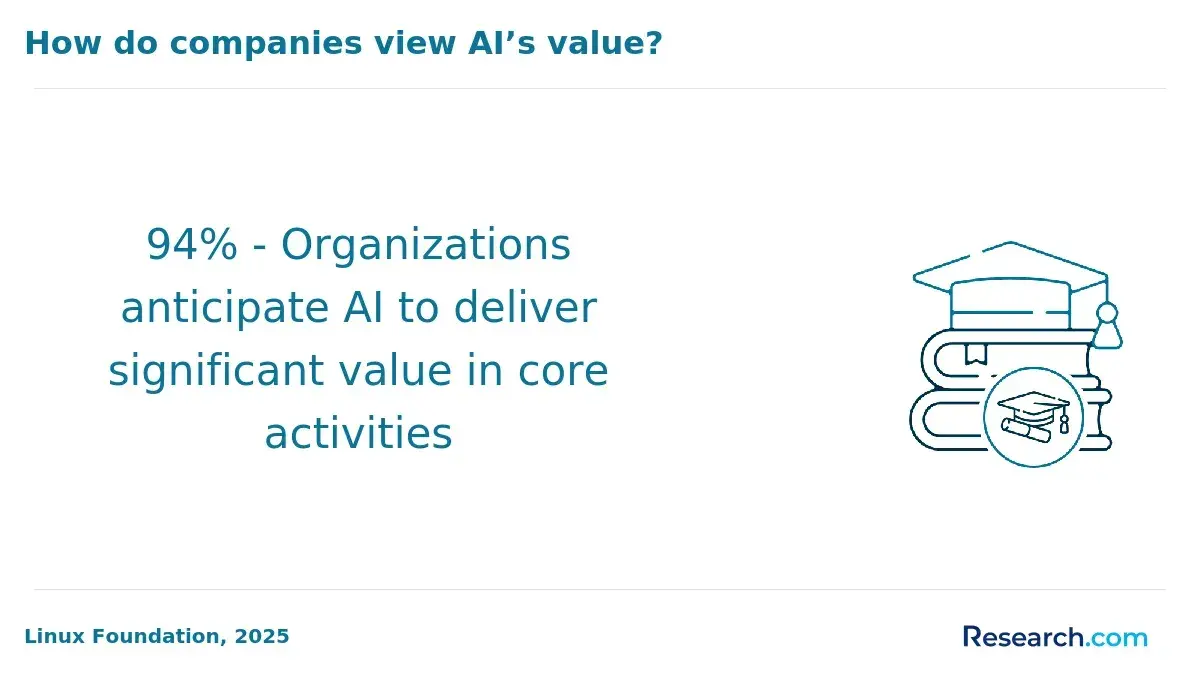
The curriculum emphasizes transparency and explainability, helping marketers communicate how AI models impact customer experiences. Ethical training guides balancing business objectives with customer rights to avoid manipulative or deceptive tactics. Robust security measures for data protection are also covered, as 94% of organizations recognize customers will not buy without proper data protection, while 74% report that privacy investments foster greater trust and loyalty.
Students learn encryption, secure storage, and access controls tailored for AI systems handling sensitive information. Policy creation and auditing techniques ensure ongoing accountability for AI use. Advanced topics explore AI-generated content governance and automation in segmentation and targeting. Practical case studies solidify these principles in real marketing contexts.
Prospective students interested in combining AI ethics and compliance training for email marketing with strong cybersecurity foundations may consider the best online cybersecurity degree programs for veterans, offering pathways to careers integrating AI governance, privacy, and security expertise.
What are the admission requirements for AI governance programs?
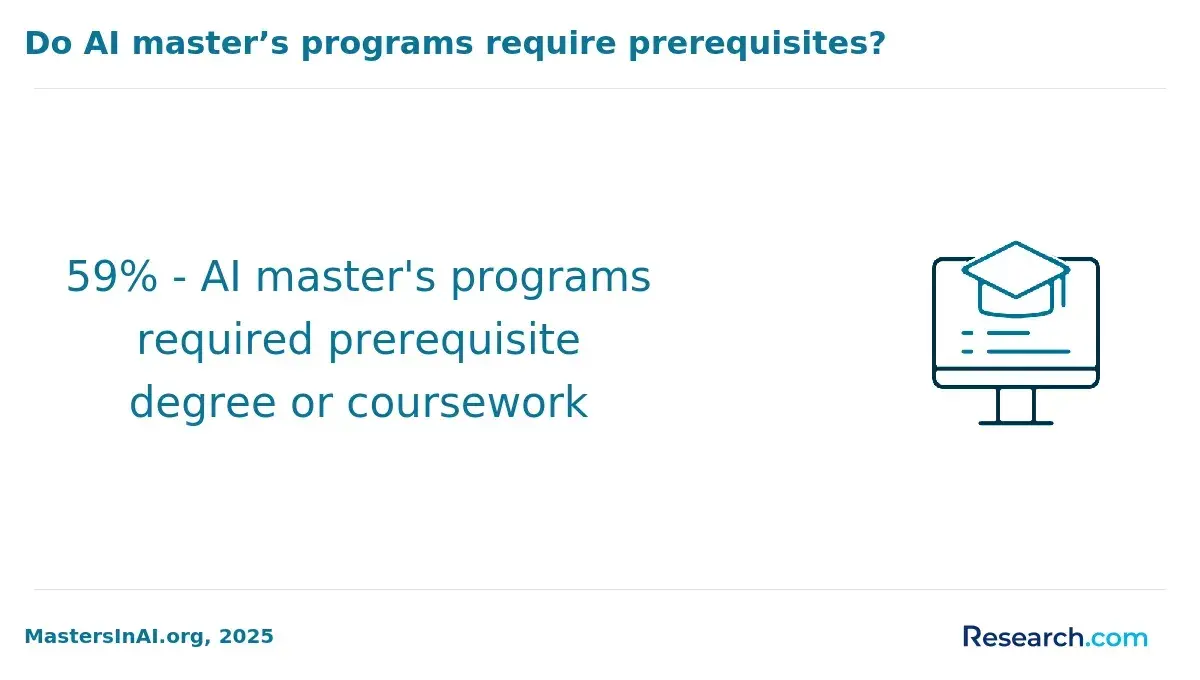
Admission criteria for AI governance programs vary but generally require a bachelor's degree in fields like computer science, information technology, business administration, or law. Candidates with professional experience in technology management, cybersecurity, or compliance often have an advantage. Advanced certifications in data privacy, risk management, or ethical AI also strengthen applications. Graduate courses typically expect foundational knowledge from prior programming, statistics, or data analysis coursework.
Standardized test scores such as the GRE may be requested but are increasingly optional. Applicants should submit transcripts, letters of recommendation, and a personal statement outlining career goals related to AI governance. Online and part-time programs often emphasize work experience over formal education, offering more flexible prerequisites.
Programs emphasizing regulatory or policy aspects may require familiarity with legal frameworks like GDPR or HIPAA, while technical tracks look for skills in machine learning or automation tools. Leadership roles in areas like email marketing stress experience managing data privacy and AI-driven campaign tools due to regulatory complexities.
The business case for AI governance training is clear. According to IBM's 2024 Cost of a Data Breach report, the average breach cost reached $4.88 million. Organizations using extensive security AI and automation reduced these costs by up to $2.26 million compared to those that did not. This highlights why knowledge in AI governance is crucial for candidates prepared to address real-world challenges related to data security and compliance.
How long do AI governance courses usually take?
Courses on AI governance for email marketing teams typically range from 4 to 12 weeks, depending on the program's format and depth. Short workshops may last only one week, focusing on essential topics like ethical AI use and compliance, while more extensive courses-often provided by universities or specialized vendors-cover algorithmic bias, data privacy, and regulatory frameworks over 8 to 12 weeks.
Time commitments vary by delivery mode. Part-time online options allow professionals to learn while working, usually requiring 3 to 6 hours weekly. Full-time immersive programs demand around 20 or more hours per week over several weeks. Self-paced courses offer flexibility but might lack interactive instructor feedback, which is crucial for mastering complex governance issues.
The World Economic Forum's 2025 Future of Jobs report highlights that 44% of workers' core skills will be disrupted in the next five years, yet only 33% of organizations effectively upskill employees in AI and data analytics-skills vital for email marketing governance. Teams need targeted training to use AI-driven personalization tools responsibly and ensure compliance with laws like CAN-SPAM and GDPR.
When selecting programs, learners should consider:
- Course length and time requirements
- Relevance of content to practical email marketing challenges
- Use of case studies and interactive assignments
- Coverage of current policy frameworks
How much do AI governance courses cost?
AI governance courses for email marketing professionals vary widely in cost and depth, from free beginner classes to advanced certifications priced up to $2,500. Entry-level options, frequently available through online platforms or universities, cost less than $200 and focus on fundamentals like bias mitigation, ethical data practices, and compliance frameworks. More comprehensive programs aimed at those seeking specialized expertise often charge between $800 and $2,500 and include live sessions, case studies, and assessments tailored to marketing applications.
Subscription-based models offer continual education at monthly rates between $50 and $150, providing updates on evolving AI governance regulations and technologies. These subscriptions can be more affordable for teams requiring ongoing training. Corporate training packages, customized to a company's specific AI marketing tools and policies, typically start at $5,000 and deliver tailored content alongside internal support resources.
Companies should balance cost with the program's focus. According to a Deloitte survey, 62% of organizations cited a lack of internal AI governance expertise as a critical hurdle for responsible AI use in marketing. Investing in structured training increases the likelihood of significant AI-driven business benefits by 1.6 times.
Which certifications help email marketing teams with AI governance?
Email marketing teams aiming to excel in AI governance benefit greatly from certifications that integrate data ethics, privacy laws, and governance frameworks with hands-on AI applications. Three prominent certifications include:
- Certified Artificial Intelligence Ethics Professional (CAIEP) - Covers ethical AI deployment, data privacy compliance, and governance strategies to manage algorithmic bias and transparency in campaigns.
- Data Governance and Stewardship Professional (DGSP) - Focuses on data management principles, policy enforcement, and regulatory requirements for AI-driven marketing personalization.
- AI For Marketing Certification by the Digital Marketing Institute - Merges AI technical expertise with compliance training, helping marketers use AI responsibly while safeguarding customer trust and data integrity.
These certifications address key challenges faced by email teams, such as maintaining compliance with data protection laws like GDPR and CCPA while leveraging AI models to optimize targeting. Salesforce data reveals that marketing teams adopting rigorous AI governance can achieve up to a 41% increase in email click-through rates compared to traditional segmentation methods.
Choosing the right certification depends on technical skill levels and AI integration complexity. DGSP suits those focused on data policy and management. CAIEP fits professionals overseeing ethical AI use. Often, combining certifications offers email marketers comprehensive governance expertise to uphold transparency and accountability in AI-powered strategies.
What jobs can AI governance training support in email marketing?
AI governance training plays a vital role in email marketing teams by promoting responsible and ethical use of AI tools. AI strategists benefit by designing campaigns aligned with compliance and ethical standards, implementing policies that reduce risks like biased content or data misuse.
Data analysts and scientists rely on governance knowledge to audit machine learning models for segmentation and personalization, ensuring AI outputs boost customer trust while protecting privacy. Marketing managers use governance frameworks to balance automation efficiency with transparency and regulatory compliance.
Legal and compliance officers apply AI governance training to ensure adherence to laws such as GDPR and the CAN-SPAM Act, developing protocols to avoid violations or reputational harm. Campaign specialists refine AI-generated content based on governance principles to maintain message quality and ethical standards, preventing misinformation or inappropriate messaging.
A recent Forrester study found organizations with mature AI governance were 53% more likely to surpass revenue goals and 2.4x more likely to improve customer trust compared to those without structured governance.
How do you choose a reputable AI governance program?
When selecting a reputable AI governance program tailored for email marketing professionals, focus on curricula covering regulatory compliance, ethical AI deployment, data privacy, and risk management. These subjects shape strategies using AI-driven customer insights and automation. Accreditation by respected educational or professional bodies boosts credibility, especially if tied to regulatory agencies or academic institutions.
Instructors with hands-on experience in AI governance within marketing or customer-facing roles add practical value. Flexibility in course format is vital for working professionals; online or hybrid options featuring case studies or simulations facilitate applied learning. Programs addressing evolving AI regulations are crucial, as oversight roles in marketing are projected to grow significantly.
- Review graduate outcomes such as job placement rates in AI governance within marketing teams
- Consider student testimonials for practical benefits
- Compare pricing and financial aid to align with your budget
PwC's 2024 AI Jobs Barometer highlights that AI governance positions will expand 3.5 times faster than overall job growth in marketing-related functions, emphasizing the urgency for training aligned with current market demands. Selecting programs that integrate these factors can better prepare candidates to thrive in AI governance careers within marketing.
Other Things You Should Know About Artificial Intelligence
Artificial intelligence can significantly enhance data privacy by automating compliance checks and identifying sensitive information in email marketing datasets. However, it also raises concerns about data misuse if algorithms process personal data without proper safeguards. Effective AI governance ensures that privacy regulations like GDPR or CCPA are strictly followed during data collection, storage, and email campaign execution.
AI governance courses in 2027 provide email marketing teams with a framework to address ethical concerns like data privacy, bias, and transparency. They equip teams with strategies to ensure AI is used responsibly, keeping consumer trust and compliance as top priorities.
Yes, artificial intelligence excels at analyzing large volumes of customer data to identify meaningful segments based on behavior, preferences, and engagement patterns. AI-powered segmentation enables more targeted and relevant emails, leading to higher open and conversion rates. This capability is a key reason email marketers seek AI governance training to manage these processes ethically and effectively.
Implementing AI in email marketing involves challenges such as integrating new tools with existing platforms, ensuring data quality, and managing algorithm transparency. Teams must also address potential biases in AI models and continuously monitor performance to align with legal and ethical standards. Strong governance frameworks help navigate these challenges by defining clear policies and accountability.
References
- Artificial Intelligence https://www.cgi.org.uk/resources/subject-resource-hub/artificial-intelligence/
- AI Governance Professional Training - Swiss Cyber Institute https://swisscyberinstitute.com/ai-governance-professional-training/
- An AI governance certification will boost your career | The Corporate Governance Institute https://www.thecorporategovernanceinstitute.com/insights/guides/an-ai-governance-certification-will-boost-your-career/
- AI Governance Best Practices: How to Build Responsible and Effective AI Programs https://www.databricks.com/blog/ai-governance-best-practices-how-build-responsible-and-effective-ai-programs
- How to Approach AI Marketing Training https://www.agilesherpas.com/blog/ai-marketing-training-guide
- AI Governance Course — Free · EU AI Act & NIST | Ethicalogic https://ethicalogic.com/ai-governance-course/
- AI governance | IAPP https://iapp.org/ai-governance
- AI Governance Professional Certification | CertiProf https://certiprof.com/products/ai-governance-certification-iso-42001
- AI Training for Marketers (2026) — Content, Campaigns & AI Ads https://iternal.ai/ai-training-for-marketing-teams
- AIGP training: AI GOVERNANCE PROFESSIONAL https://www.heliossalinger.com.au/training/iapp-certifications/aigp/