2027 Best AI Adoption Courses for Healthcare AI Policy Teams

Co-Founder and Chief Data Scientist
Healthcare AI policy teams often face challenges integrating advanced technologies into complex regulatory frameworks. Misaligned expertise can lead to ineffective policies that stall innovation or compromise patient safety. Professionals transitioning from unrelated fields may struggle to grasp the nuances of healthcare-specific AI applications and governance. This knowledge gap creates a barrier to informed decision-making and strategic leadership in healthcare organizations.
This article explores top AI adoption courses designed to equip healthcare policy teams with essential skills, offering practical guidance on selecting programs that enhance expertise and drive effective implementation of AI within healthcare regulations.
Key Things You Should Know
- Healthcare AI policy teams require specialized courses that combine ethics, regulatory frameworks, and data governance to address rising AI integration in patient care, projected to grow 38% by 2027.
- Interdisciplinary programs emphasize practical skills in AI algorithm assessment and compliance with U.S. FDA guidelines to ensure safe healthcare deployment.
- Top courses in 2026 include updated content on AI bias mitigation and interoperability challenges, reflecting 2025's advancements in health data privacy laws.
Advance Your Career with AI Online Courses
Artificial Intelligence: Implications for Business Strategy
This program provides an introduction to Artificial Intelligence and their implications for business strategy. Earn an official digital certificate.

Oxford Artificial Intelligence Programme
Explore this Oxford Artificial Intelligence programme offered in a flexible learning environment and explore topics like machine learning, automation, and robotics.

Implementing Agentic AI: Building Your Organizational Playbook
This online MIT Agentic AI course offers a practical approach to deploying AI agents in your organization, including a custom playbook. 3 weeks, exclusive launch price.

AI Adoption: Driving Business Value and Impact
This online MIT AI Adoption: Driving Business Value and Impact offers practical frameworks to close the gap between AI potential and business reality.

Artificial Intelligence in Pharma and Biotech
Discover the applications and limitations of artificial intelligence in pharma and biotech with this MIT online short course.

What are AI adoption courses for healthcare policy teams?
AI adoption training for healthcare policy teams equips professionals with the skills to integrate artificial intelligence technologies effectively into healthcare regulation and strategy. These courses cover ethical, legal, operational, and clinical impacts of AI, teaching frameworks to evaluate AI tools and develop policies that prioritize patient safety, privacy, and equity.
Healthcare policy courses on artificial intelligence integration typically include modules on regulatory standards, risk management, AI-driven clinical decision support, and stakeholder engagement strategies. Practical skills are emphasized, such as interpreting AI analytics and overseeing pilot implementations. For instance, courses may guide teams in validating AI algorithms used for diagnostics and managing biases in datasets.
These programs help professionals navigate compliance with evolving federal regulations like FDA guidelines for medical AI devices and HIPAA data privacy standards. They also address workforce transformations, highlighting how AI reshapes roles within healthcare systems and policy frameworks. Case studies often illustrate real-world applications, including hospital AI integration and national health reporting systems.
Globally, 84% of healthcare leaders reported using or planning to use AI in clinical or operational workflows, a rise from 72%, demonstrating urgent need for informed governance. Healthcare policy professionals can select courses tailored to governmental, health system, or private sector compliance roles, some offering certifications that enhance career paths in AI governance and strategic planning.
For those pursuing deeper technical expertise alongside policy skills, a computer science accelerated degree can complement AI adoption training and strengthen understanding of the underlying technologies.
Advance Your Career with AI Online Courses
Artificial Intelligence: Implications for Business Strategy
This program provides an introduction to Artificial Intelligence and their implications for business strategy. Earn an official digital certificate.
Oxford Artificial Intelligence Programme
Explore this Oxford Artificial Intelligence programme offered in a flexible learning environment and explore topics like machine learning, automation, and robotics.
Implementing Agentic AI: Building Your Organizational Playbook
This online MIT Agentic AI course offers a practical approach to deploying AI agents in your organization, including a custom playbook. 3 weeks, exclusive launch price.
Which skills do healthcare AI policy teams need most?
Healthcare AI policy teams must blend technical, regulatory, and ethical skills to guide AI adoption effectively in medical environments. A key competency for healthcare AI policy professionals is a thorough understanding of data privacy laws, especially HIPAA compliance. For instance, many U.S. hospitals expressed concern over AI tools potentially exposing protected health information (PHI), causing delays in AI implementation due to these risks.
Risk assessment expertise is critical; teams need to evaluate AI algorithms for biases, potential harms, and unintended consequences. Addressing disparities in training data to prevent discriminatory outcomes is essential. Ongoing audit protocols and continuous monitoring help maintain oversight after deployment.
Strong interdisciplinary communication skills enable teams to translate complex AI concepts into actionable policies while collaborating with data scientists, clinicians, and compliance officers. This cross-functional approach ensures policies remain both practical and medically relevant. Mastery of AI model interpretability is also important for evaluating vendor transparency claims.
Cybersecurity awareness is indispensable to protect AI infrastructures, including securing data pipelines and access controls. Staying informed about evolving AI regulations, such as FDA guidelines and state legislation, helps anticipate compliance challenges. Effective healthcare AI policy team skills development integrates legal knowledge, risk management, ethical considerations, and communication.
Professionals seeking to enhance these competencies might explore related educational paths such as an online mechanical engineer degree to strengthen their technical foundation.
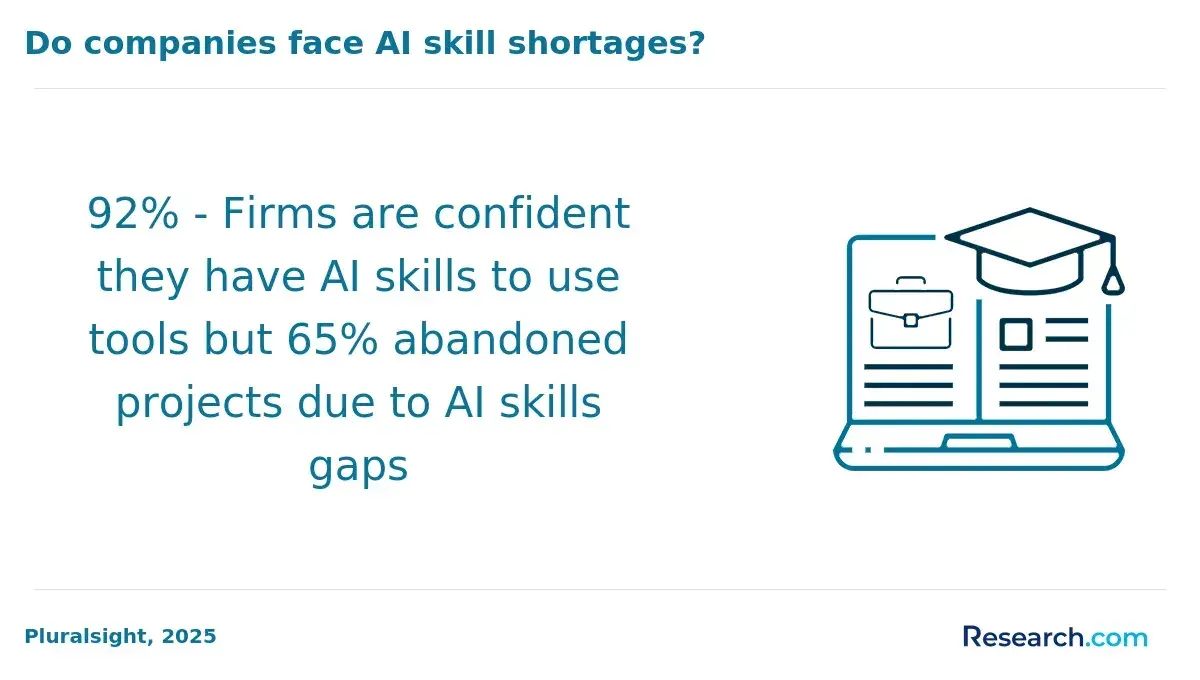
What accreditation should a healthcare AI program have?
Healthcare artificial intelligence program accreditation standards in the United States play a crucial role in validating curriculum quality and clinical relevance. Accreditation from reputable organizations such as the Commission on Accreditation of Healthcare Management Education (CAHME) or endorsement by the American Medical Association (AMA) indicates alignment with healthcare industry ethics and standards. Programs recognized by the Healthcare Information and Management Systems Society (HIMSS) emphasize practical skills in health informatics and AI tool integration.
Certified healthcare AI policy training programs accreditation often include pathways endorsed by the National Institute of Standards and Technology (NIST), which assesses AI algorithm safety and reliability. Equally important are certifications ensuring compliance with the Health Insurance Portability and Accountability Act (HIPAA), focusing on privacy and data security embedded within the curriculum.
Interdisciplinary accreditation options combining AI, ethics, and healthcare policy are growing, addressing a critical gap: a recent study showed only 35% of clinicians felt confident interpreting AI-generated outputs despite over 70% regularly using AI tools. Programs with this approach better prepare students to integrate clinical, technical, and policy perspectives.
Prospective students should also verify that accreditation supports hands-on AI experience in clinical environments and involves industry partnerships to keep pace with regulatory changes. For those exploring alternative fields, a game design online degree may offer different career opportunities.
What curriculum should a strong healthcare AI course include?
A comprehensive healthcare AI policy training curriculum must cover technical, ethical, and regulatory skills essential for effective healthcare AI deployment. Key topics include foundations of AI and machine learning algorithms designed for clinical data analysis, helping learners grasp model development and limitations.
- Healthcare data management emphasizing privacy, interoperability, and quality focused on electronic health records and medical imaging.
- Validation and evaluation methods tailored to clinical applications, highlighting external validation, which is critical since only 6% of clinical AI models have undergone such real-world testing.
- Bias detection and mitigation strategies aimed at reducing disparities across patient groups, promoting equitable care.
- Regulatory frameworks including FDA guidelines and HIPAA compliance to ensure legal and ethical AI use.
- Implementation science and change management to support sustainable integration of AI in healthcare workflows.
- Case studies that analyze the success and failure of AI deployments in practice.
Incorporating policy design exercises, simulated negotiations, and interdisciplinary collaboration enhances the practical skills necessary for policy professionals. These approaches align well with essential topics for healthcare AI courses by focusing on external validation and bias reduction. For individuals exploring ways to enter this dynamic field, considering the fastest way to get a cybersecurity degree online can also provide a valuable foundation in data security, complementing healthcare AI expertise.
Are online healthcare AI courses better than campus programs?
Online healthcare ai courses provide flexible learning tailored for busy professionals and policy teams. Unlike campus programs with fixed schedules, online courses allow students to learn asynchronously, fitting education around work commitments. This model supports healthcare ai teams needing both independence and interactive opportunities through occasional live sessions.
These courses often incorporate the latest technologies and real-world applications by partnering with industry leaders. For instance, a 2024 hospital study showed ai-driven clinical decision support systems cut sepsis-related mortality by 17% and reduced hospital stays by 12%, highlighting the urgency of mastering current healthcare ai tools.
Campus programs focus more on theoretical knowledge and offer direct access to faculty and classmates, which benefits those valuing in-person mentorship. However, they generally lack the flexibility and up-to-date practical components found in advanced online programs, which frequently include interactive simulations and project-based learning.
Students should weigh their goals and learning preferences:
- Hands-on experience with evolving ai tools and policy relevance favors online courses.
- In-person mentorship and immersive academic settings lean toward campus programs.
- Hybrid models combine online learning with occasional on-site sessions, ideal for collaborative policy teams.
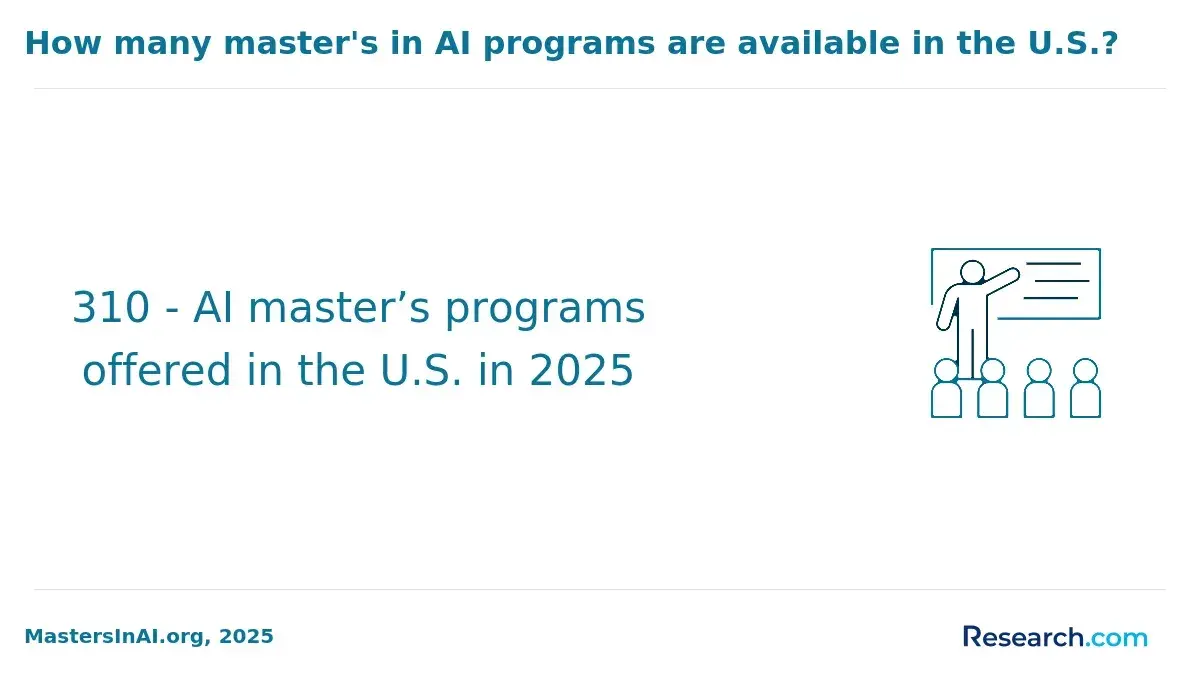
What admissions requirements do these programs usually have?
Admissions for healthcare AI policy courses generally require a bachelor's degree in fields like healthcare, public policy, computer science, or data analytics. Programs expect applicants to have foundational knowledge of healthcare systems or technology, enabling them to engage with AI applications in clinical settings. Professional experience in health services, policy-making, or clinical roles is often preferred, usually between one and three years, to provide practical insight into AI integration challenges.
Applicants may need to submit a statement of purpose detailing their motivation to advance healthcare AI policy and alignment with career goals. Letters of recommendation from supervisors or academic mentors are commonly requested to validate readiness for graduate-level study. Those without a formal healthcare background might have to complete prerequisite courses in healthcare fundamentals or statistics.
Technical proficiency typically includes familiarity with data management or basic programming, reflecting AI policy's interdisciplinary nature. Courses such as those offered by Iternal AI Academy emphasize interpreting AI outputs and understanding clinical documentation workflows. Their 2025 program data suggests training clinicians in AI tools can lead to up to 40% faster completion of progress notes, discharge summaries, and referral letters.
Applicants should be prepared for standardized tests like the GRE if pursuing academic degrees; however, many professional certificates waive this requirement based on experience. Clear documentation of technical skills and healthcare insights remains essential for admission to leading courses focused on AI adoption in healthcare policy.
How long do healthcare AI adoption courses take, and what do they cost?
Healthcare AI adoption courses vary widely in duration, from a few hours to several months, depending on the level of specialization and focus. Introductory programs and certificate workshops typically range from 8 to 40 hours, covering essential topics such as AI ethics, data governance, and integration challenges. More extensive certifications can last 3 to 6 months and often include case studies, policy frameworks, and risk management techniques.
Costs range significantly based on format, institution, and credentialing type. Short online courses generally cost between $300 and $1,000, offering flexible options for professionals with limited time. More comprehensive or university-affiliated programs can cost from $2,000 to $7,000, reflecting content depth and personalized instruction. Many employers sponsor enrollment to meet the growing demand for AI skills in healthcare.
A recent HIMSS survey found that 59% of healthcare providers experienced at least one AI-related cybersecurity or data governance incident in the prior 12 months, underscoring the critical need for trained professionals in these areas. When choosing a course, prioritize those that offer practical experiences like simulations or policy exercises to build applicable expertise.
Consider course length, cost, accreditation, and post-training support to align with your career objectives and schedule. Those aiming to address AI-related cybersecurity risks, for example, should select programs emphasizing compliance and data protection.
Which certifications help healthcare AI policy professionals?
Certifications critical for healthcare AI policy professionals bridge healthcare knowledge, AI technology, and regulatory frameworks. Key credentials include the Certified Health Data Analyst (CHDA) and Healthcare Compliance Certificate, which train professionals in data governance and compliance specific to health AI projects. The Artificial Intelligence in Healthcare Specialization from top academic providers delivers foundational insights into AI technologies and their policy impacts. For advanced technical expertise, the Professional Certificate in Machine Learning and AI from leading universities enhances skills in AI model development and validation relevant to healthcare.
These certifications equip policy teams to develop evidence-based guidelines promoting safe AI deployment while addressing privacy, ethical, and regulatory concerns such as HIPAA compliance. Professionals prepared in healthcare, AI ethics, and data analytics are better able to evaluate AI risks and benefits, ensuring alignment with healthcare regulations for operational improvements.
Bessemer Venture Partners' 2024 Healthcare AI Adoption Index highlights that health systems in the top quartile of AI usage experienced a 5-10% reduction in operating costs and a 2-3 percentage-point improvement in EBITDA margins over peers. This underscores the value of skilled, certified healthcare AI policy teams who drive adoption strategies that yield financial and clinical gains.
Combining healthcare regulations, AI ethics, and technical credentials ensures policy professionals remain at the forefront of the fast-evolving healthcare AI landscape.
What jobs can healthcare AI policy training lead to?
Training in healthcare AI policy prepares professionals for specialized roles that integrate AI technologies within healthcare systems while ensuring compliance with ethical and regulatory standards. Graduates often secure positions such as AI policy analysts, healthcare compliance officers, and regulatory affairs specialists, shaping institutional policies on AI use. Other roles include clinical informaticists and health data governance managers, who ensure AI applications align with patient privacy laws and data security requirements.
Experts in this field also work as risk management consultants, helping healthcare organizations address AI-related ethical challenges and liabilities. Collaboration with legal teams to develop frameworks targeting algorithmic bias, transparency, and AI-driven decision support is common. Emerging positions like AI ethics advisors and patient advocacy coordinators focus on protecting patient rights and promoting equitable care in AI implementations.
Healthcare organizations increasingly rely on trainers and educators to create workforce programs preparing clinical staff for AI-enhanced workflows. A recent cross-sectional study found that over 60% of healthcare workers expect AI to significantly change their job tasks within three years, yet fewer than 25% have received formal AI-related training. This highlights an urgent demand for professionals skilled in navigating the complex intersection of technology, ethics, and operations.
Prospective students should consider roles combining technical expertise with regulatory insight, including:
- AI policy analyst
- Healthcare compliance officer
- Regulatory affairs specialist
- Clinical informaticist
- Health data governance manager
- Risk management consultant
- AI ethics advisor
- Patient advocacy coordinator
- Workforce AI trainer
What salary and job outlook apply to healthcare AI roles?
Healthcare AI roles offer competitive salaries and strong job growth fueled by the increasing adoption of AI technologies in the healthcare sector. Entry-level jobs such as AI analysts or data specialists typically earn between $75,000 and $90,000 annually. Mid-career professionals responsible for developing or managing AI systems can make from $110,000 to $140,000, while senior roles, including AI policy specialists or project leads, often exceed $160,000 depending on experience and location.
The U.S. Bureau of Labor Statistics forecasts a 21% growth in employment for computer and information research scientists, which encompasses AI experts, from 2022 to 2032-much faster than the average for all fields. This growth is strongest in healthcare, driven by AI-powered diagnostic tools, personalized medicine, and evolving regulatory needs.
Support for AI skills in healthcare is evident with LinkedIn's 2025 learning data showing a 160% year-over-year rise in enrollments by healthcare and life sciences professionals, making AI the fastest-growing skill category in this area.
- Expertise in AI regulations, ethics, and generative AI models is highly valued.
- Combining data science, healthcare policy, and AI ethics enhances employability.
- Specialized AI certifications tailored to healthcare and regulatory frameworks are recommended.
Familiarity with government guidelines on AI healthcare applications further boosts salary potential and career opportunities.
Other Things You Should Know About Artificial Intelligence
Recommended courses in 2027 for healthcare AI policy teams include Stanford's "AI for Healthcare Policy," MIT's "Ethical AI in Policy Frameworks," and Coursera's "AI Strategies for Healthcare Leaders," covering key areas in ethics, implementation, and strategic planning.
Key ethical concerns include patient privacy, data security, algorithmic bias, and transparency. Healthcare AI systems must ensure equitable treatment across diverse populations and avoid perpetuating existing disparities. Policymakers play a critical role in establishing guidelines to address these ethical challenges.
Yes, artificial intelligence can enhance healthcare outcomes by providing insights from large datasets that may be too complex for traditional analysis. It supports early detection of disease outbreaks and resource prioritization. Effective policy integration of AI-driven tools leads to more timely and accurate public health responses.
Healthcare AI policy teams often confront issues such as data interoperability, regulatory uncertainty, and stakeholder resistance. They must balance innovation with patient safety and ethical standards. Navigating these challenges requires interdisciplinary knowledge and clear frameworks to govern AI adoption.
References
- AI accreditation is coming to healthcare http://www.modernhealthcare.com/digital-health/ai-accreditation-guidelines-urac-ncqa/
- Top 10 AI Courses for Clinicians https://litfl.com/top-artificial-intelligence-courses-for-doctors/
- Best AI Healthcare Certification Synergogy https://synergogy.com/best-ai-healthcare-certification/
- AI In Healthcare Free Course With Certificate [2026] https://www.mygreatlearning.com/academy/learn-for-free/courses/ai-in-healthcare
- Why Healthcare Teams Need Practical AI Skills - Hospitalogy https://hospitalogy.com/articles/2025-08-25/why-healthcare-teams-need-practical-ai-skills/
- Admission to the Doctor of Osteopathic Medicine (DO) Program https://www.marian.edu/osteopathic-medical-school/admissions/admission-to-the-doctor-of-osteopathic-medicine-program.php
- AI for Healthcare professionals https://savinglivesacademy.com/ai-for-healthcare-professionals/
- Best AI Training for Healthcare Teams (2026) — HIPAA Safe https://iternal.ai/ai-training-for-healthcare
- [AI in Medical Education: Curriculum, Competency, and the Future Physician]{.chapter-title} https://physicianaihandbook.com/future/medical-education.html
- How Can Healthcare Teams Be Trained to Adopt AI Technologies? - John Snow Labs https://www.johnsnowlabs.com/how-can-healthcare-teams-be-trained-to-adopt-ai-technologies/