2027 Best AI Courses for Program Managers Using Generative AI

Co-Founder and Chief Data Scientist
Program managers face increasing pressure to integrate generative AI solutions into project workflows without deep technical backgrounds. Navigating complex AI concepts and applying them effectively can stall innovation and decision-making. Many professionals struggle to find educational programs that balance technical depth with managerial relevance while offering flexible formats suitable for busy schedules.
This article reviews top courses designed to equip program managers with practical generative AI skills. It guides readers through accredited, flexible options that enhance strategic understanding and operational execution in AI-driven projects, enabling effective leadership in today's technology-driven environments.
Key Things You Should Know
- By 2026, over 70% of program managers integrating generative AI report improved project delivery times, highlighting the growing impact of AI courses focused on practical applications.
- Courses emphasize ethical AI use and data privacy, addressing a 45% increase in AI-related compliance regulations since 2024, essential for responsible program management.
- Certified AI training boosts career prospects, with 60% of graduates securing roles that involve planning and executing AI-driven initiatives within 12 months.
Advance Your Career with AI Online Courses
Artificial Intelligence: Implications for Business Strategy
This program provides an introduction to Artificial Intelligence and their implications for business strategy. Earn an official digital certificate.

Oxford Artificial Intelligence Programme
Explore this Oxford Artificial Intelligence programme offered in a flexible learning environment and explore topics like machine learning, automation, and robotics.

Implementing Agentic AI: Building Your Organizational Playbook
This online MIT Agentic AI course offers a practical approach to deploying AI agents in your organization, including a custom playbook. 3 weeks, exclusive launch price.

AI Adoption: Driving Business Value and Impact
This online MIT AI Adoption: Driving Business Value and Impact offers practical frameworks to close the gap between AI potential and business reality.

Artificial Intelligence in Pharma and Biotech
Discover the applications and limitations of artificial intelligence in pharma and biotech with this MIT online short course.

What are the best generative AI courses specifically designed for program managers today?
The best generative AI courses for program managers focus on integrating AI tools into project workflows and strategic decision-making. Top generative AI training programs for program management professionals emphasize practical applications like AI-driven risk management, resource allocation, and process automation.
Harvard's "AI for Project Managers" combines case studies with hands-on tool training, while Coursera's "Generative AI in Business" is tailored for leadership roles requiring AI literacy.
With 75% of knowledge workers using generative AI daily and 79% of leaders expecting AI skills, the demand for specialized education is growing. However, only 39% of companies provide formal training, highlighting a critical gap.
Courses designed for program managers prioritize operational integration of AI rather than technical coding, equipping learners to effectively manage AI-enhanced workflows.
Effective programs cover key areas such as:
- Understanding generative AI capabilities and limitations relevant to program delivery.
- Managing AI-enhanced cross-functional teams and workflows.
- Ethical and compliance aspects connected to AI-driven decisions.
- Using AI tools for data analysis in progress reporting and forecasting.
Stanford's AI in Management course, for example, offers simulations and live projects demonstrating AI's impact on timelines and budgets, including automating status updates and stakeholder communication. Program managers seeking practical outcomes benefit most from such hands-on experiences.
For those exploring the career possibilities this education opens, reviewing applied AI degree jobs can offer valuable insight into the evolving landscape.
Advance Your Career with AI Online Courses
Artificial Intelligence: Implications for Business Strategy
This program provides an introduction to Artificial Intelligence and their implications for business strategy. Earn an official digital certificate.
Oxford Artificial Intelligence Programme
Explore this Oxford Artificial Intelligence programme offered in a flexible learning environment and explore topics like machine learning, automation, and robotics.
Implementing Agentic AI: Building Your Organizational Playbook
This online MIT Agentic AI course offers a practical approach to deploying AI agents in your organization, including a custom playbook. 3 weeks, exclusive launch price.
How can generative AI skills enhance a program manager's responsibilities and career path?
Generative AI skills for program management success directly boost efficiency by automating routine tasks, enhancing decision-making, and enabling data-driven project planning.
Program managers who master AI tools can generate predictive analytics, optimize resource allocation, and produce dynamic project documentation swiftly. For example, generative AI can synthesize progress reports or risk assessments rapidly, saving time for strategic focus.
These skills also improve stakeholder communication through tailored summaries and scenario modeling, minimizing misunderstandings and speeding approvals. Managers benefit from simulating project outcomes under varying assumptions, aiding contingency planning and risk reduction.
The impact of generative AI on program manager career growth is significant. According to LinkedIn's 2024 Future of Work report, job listings requiring AI skills in program and project management rose by 17% year-over-year worldwide. Candidates with AI competencies are 2.5 times likelier to engage recruiter interest, reflecting high demand.
Program managers can apply generative AI to:
- Automate meeting agenda creation and follow-up task generation.
- Analyze large data sets for identifying trends and bottlenecks.
- Generate clear, customized communications for diverse audience groups.
Develop adaptive schedules that respond to real-time project changesInvesting in AI education allows program managers to transition from administrative roles to strategic leadership, critical in complex, fast-moving environments.
For those considering further education, sources offering a cheapest online civil engineering degree may provide a valuable gateway to technical skills supporting AI integration.
What types of AI credentials can program managers earn (degrees, certificates, bootcamps)?
Program managers looking to build expertise in generative AI can consider several credential paths, including degrees, certificates, and bootcamps. Bachelor's and master's degrees in data science, machine learning, or related AI fields provide deep theoretical knowledge and foundational skills, ideal for those pursuing comprehensive training or technical career shifts.
Professional certificates offer focused, practical knowledge on generative AI tools and applications. These programs, often shorter and available via universities or online platforms, include options like AI project management or large language model (LLM) integration.
Such credentials allow program managers to quickly develop relevant skills without committing to a full degree. Many programs also feature online AI bootcamps with certificates for program managers, which deliver fast-paced, intensive training on specific competencies such as prompt engineering and ethical AI use.
Bootcamps typically last weeks or months and emphasize hands-on projects simulating real-world challenges, making them ideal for working professionals seeking rapid upskilling. Choosing between these options depends on your career goals, time constraints, and existing AI experience.
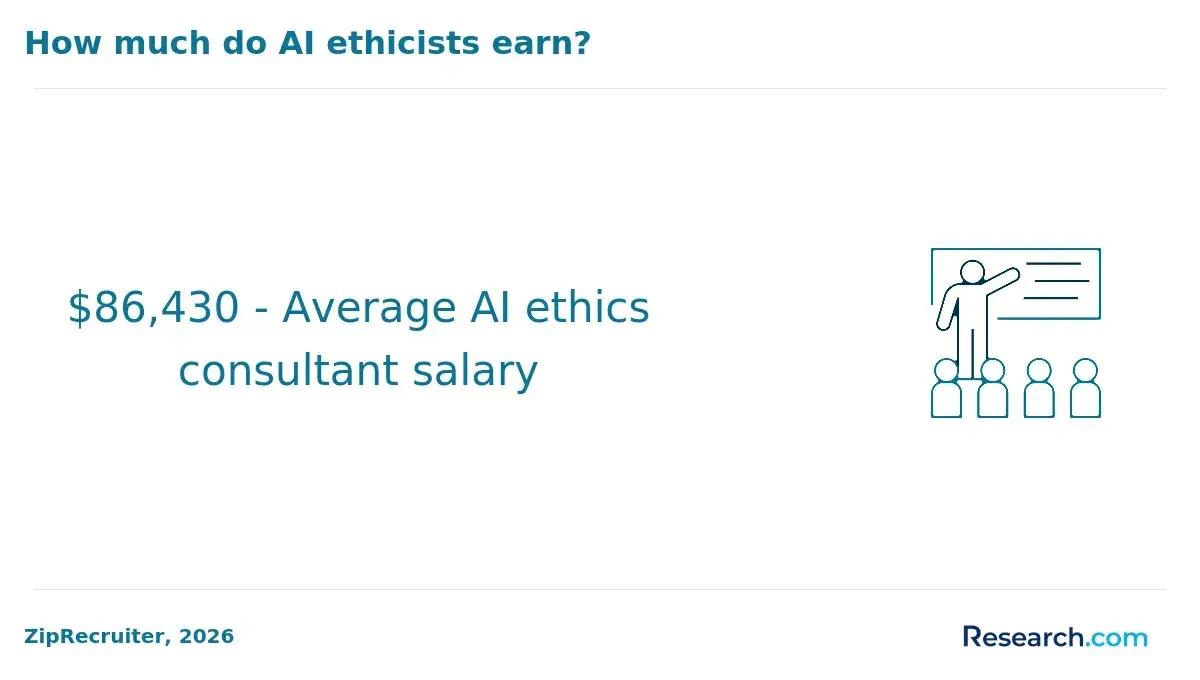
A 2024 ZipRecruiter report highlights that U.S. project and program management roles requiring generative AI or LLM skills command salaries 18-25% higher than roles without such demands.
This wage premium illustrates why pursuing relevant AI certification programs for program managers is increasingly important. For broader educational choices, explore affordable cybersecurity programs which often complement AI-related skill sets.
How do online, hybrid, and campus-based AI programs compare for working program managers?
Online, hybrid, and campus-based artificial intelligence courses for program managers each present unique benefits and challenges for working professionals integrating generative AI into their workflows.
Online programs provide the most flexibility, allowing managers to study asynchronously while balancing complex schedules or frequent travel. Such formats tend to emphasize practical tools for AI-driven project automation and data analysis, reflecting Gartner's findings that 63% of large enterprises deploy generative AI for these tasks.
Hybrid artificial intelligence training programs benefits for working program managers include a balance of online learning and in-person sessions. This structure offers hands-on experiences, networking opportunities, and real-time collaboration on AI projects, which enhances skills transfer back to the workplace. It suits those seeking both flexibility and structured peer interaction.
Campus-based programs deliver immersive environments with access to advanced labs and mentorship, preparing graduates for leadership roles focused on AI adoption.
However, fixed schedules and location requirements can restrict access for full-time professionals. These programs often provide comprehensive coverage of AI models and management techniques.
Choosing the best format depends on time availability, learning style, and career objectives. Professionals aiming for rapid upskilling might prefer online options, while those targeting advanced roles could benefit from hybrid or campus settings.
For those exploring foundational studies, a computer science bachelor degree online can also complement AI expertise in program management.
What core generative AI topics and tools should program managers look for in the curriculum?
Program managers looking to enhance their skills with generative AI should seek courses that blend foundational AI concepts with practical applications driving project efficiency.
Key subjects include natural language processing (NLP) techniques to generate and summarize text for smoother communication and prompt engineering skills to craft precise AI inputs for better output quality in documentation and planning.
Integrating generative AI into project management tools is vital for automating status updates, risk assessments, and stakeholder communication. Learning to use AI collaboration platforms helps support real-time idea generation and informed decision-making.
Ethics and governance remain critical, ensuring responsible AI use that meets compliance and transparency standards. Hands-on experience with leading models like GPT variants, Google's Bard, or open-source frameworks builds practical expertise with current AI capabilities.
Studies, including McKinsey's 2024 generative AI productivity report, reveal AI can automate or accelerate 20-30% of project managers' tasks, with documentation time reduced by up to 60%. Courses demonstrating these productivity gains via case studies or simulations prepare managers to champion AI adoption confidently.
Strong curricula offer diverse AI application scenarios-such as agile sprint planning and cross-functional reporting-to support adaptability across industries. Mastering AI-driven communication, automated data synthesis, and ethical insights equips program managers to lead transformative projects effectively.
Which U.S. universities and platforms offer accredited or industry-recognized AI programs for managers?
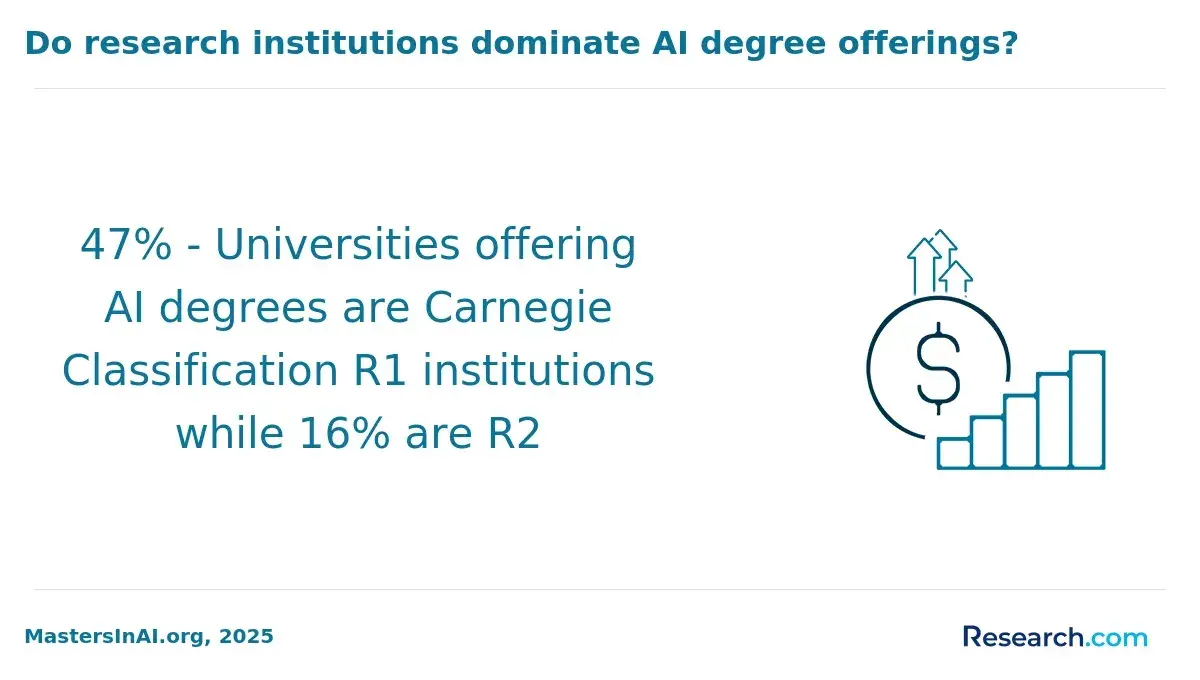
Several U.S. universities and online platforms offer accredited AI programs tailored for program managers aiming to enhance their expertise in generative AI. Leading institutions include Stanford University, Massachusetts Institute of Technology (MIT), and Carnegie Mellon University.
Stanford's Graduate Certificate in AI highlights leadership applications with a focus on governance and risk mitigation. MIT's Professional Education program blends AI technology with management skills, while Carnegie Mellon provides an executive program centered on AI integration within project portfolios.
Online platforms like Coursera, edX, and Udacity collaborate with these universities to provide accessible AI programs. Coursera features the University of Washington's "AI for Everyone" and Wharton's "AI in Business" specialization, both delivering industry-recognized certification. Udacity offers an "AI Product Manager Nanodegree" that combines technical training with AI project oversight to prepare managers for practical, AI-driven initiatives.
Governance remains a key concern as executives increasingly recognize AI risks. According to PwC's 2024 Global AI Business Survey, 72% of executives list inadequate governance in AI-assisted decision-making as a top risk, yet only 30% have formal AI oversight frameworks. Consequently, accredited courses emphasize governance frameworks, audit methods, and ethical AI use.
Program managers should prioritize curricula featuring applied governance modules, risk assessment tools, and cross-functional leadership training. Accreditation by regional bodies and recognition from professional associations such as PMI further strengthen the value of these programs.
What are typical admission requirements for AI courses and certificates aimed at program managers?
Admission requirements for AI courses and certificates aimed at program managers blend professional experience with foundational knowledge rather than advanced technical skills. Most candidates hold a bachelor's degree in business, engineering, computer science, or related fields, though some programs accept equivalent managerial experience in technology or project oversight.
Applicants typically demonstrate familiarity with data analytics basics and project management methodologies such as Agile frameworks, change management, or business process optimization.
Technical prerequisites vary: some programs expect introductory programming knowledge in Python or data handling languages, while others focus on AI strategy and governance, assuming limited coding experience. Candidates lacking a technical background are often encouraged to complete preparatory modules or bootcamps.
Work experience requirements generally range from 2 to 5 years in project or program management roles. This experience emphasizes leadership of cross-functional teams or involvement in product development cycles. Some certificates also request case studies or project summaries that highlight managerial challenges resolved through innovative technologies.
IBM's The State of AI Skills report shows that organizations investing in AI training for managers achieve 15% higher project delivery efficiency and 21% faster time-to-market compared to those that do not, spotlighting the career impact of meeting these admission standards.
How long do AI programs for program managers take, and what do they typically cost?
AI programs for program managers vary from 4 weeks to 6 months depending on course depth and format. Short programs of 4 to 8 weeks emphasize foundational generative AI concepts and their practical use in project management, ideal for busy professionals seeking quick skill upgrades.
Longer programs, lasting 3 to 6 months, offer advanced strategies, hands-on labs, and leadership training to manage AI-driven initiatives at scale.
Costs range broadly. Entry-level courses on platforms like Coursera and edX typically cost between $300 and $1,200, while professional certifications or university-led programs designed for program managers may range from $1,500 to over $5,000.
Price differences reflect curriculum detail, instructor quality, and included materials. Tiered pricing and corporate discounts are common.
Enrollment in generative AI courses among project management professionals increased by 82%, according to the Coursera 2024 GenAI Benchmark Report, indicating stronger demand for skills focused on AI applications in project environments.
What AI-related job titles, salaries, and advancement opportunities exist for program managers?
Program managers in AI roles commonly hold titles such as AI program manager, AI project manager, AI transformation lead, or AI product manager. These professionals oversee the development, deployment, and scaling of generative AI projects within organizations. Salaries in the U.S. typically range from $110,000 to $160,000 annually, with senior or specialized roles in tech and finance often exceeding $180,000.
Career advancement often leads to director or VP positions managing multiple AI projects or global AI strategies. Program managers may also move into AI operations leadership or Chief AI Officer roles, blending technical expertise with strategic vision.
Key skills for growth include proficiency in generative AI tools, AI ethics, model governance, and the ability to translate AI capabilities into business value. A recent Project Management Institute survey highlights a skills gap: 82% of project professionals expect generative AI to transform project management soon, yet only 20% rate their AI skills highly.
To stay competitive, candidates should develop competencies in AI lifecycle management, data literacy, and cross-functional teamwork. Pursuing AI-specific certifications or courses enhances employability and promotion potential. Employers now seek program managers who combine traditional project oversight with strong AI fluency to lead innovation successfully.
How should program managers evaluate the quality, accreditation, and ROI of AI training options?
Evaluating ai training programs involves focusing on quality, accreditation, and return on investment (ROI). Quality is measured by how well the curriculum aligns with current industry needs and the practical use of generative ai tools in program management.
Courses incorporating real-world scenarios and case studies are essential, especially considering Gartner's forecast that by 2030, 80% of project management tasks will be handled by AI copilots and autonomous agents, highlighting the need for strategic oversight skills.
Accreditation assures course credibility. Look for programs validated by reputable organizations like PMI, IEEE, or universities with strong AI research departments. These accreditations confirm the content meets high academic and professional standards, preparing managers for evolving AI-centric roles.
ROI assessment should include potential career growth, salary increases, and recognition. Certifications linked to AI-driven project methods or endorsements from leading tech companies can significantly enhance job prospects and justify tuition fees.
Additional factors to consider:
- Instructor expertise in AI and program management integration.
- Access to updated content reflecting rapid AI advances.
- Program flexibility with both live and self-paced modules.
Reviewing student feedback and outcome data is vital. Programs that show measurable improvements in graduates' ability to leverage AI for strategic decisions offer the best ROI, ensuring meaningful education investments that support the shift to AI-first management environments.
Other Things You Should Know About Artificial Intelligence
Artificial intelligence systems can introduce risks such as bias in decision-making, data privacy concerns, and over-reliance on automated outputs. Program managers should ensure proper oversight, validate AI-generated insights, and maintain human judgment to mitigate these risks effectively.
AI tools can enhance team collaboration by automating routine tasks, providing real-time data analytics, and facilitating communication through intelligent assistants. However, it requires careful integration to ensure it supports rather than disrupts existing workflows and team dynamics.
In 2027, courses like "Generative AI in Decision-Making for Program Managers" on platforms such as Coursera and edX focus on leveraging AI tools to enhance decision-making processes, offering experiential learning through case studies and practical applications. These courses are tailored for program managers aiming to integrate AI insights into their strategies effectively.
Program managers should develop skills in data literacy, AI tool evaluation, and change management. Understanding the basics of machine learning, ethical AI use, and how to interpret AI outputs helps them leverage technology while maintaining control over project outcomes.
References
- Why Investing in an AI Bootcamp is Worth It for Product Managers https://www.utsa.edu/pace/news/why-investing-in-an-ai-bootcamp-is-worth-it-for-product-managers.html
- Learn job-ready skills with Google Career Certificates https://grow.google/certificates/project-management/
- Best Online AI MBA Courses https://www.upskillist.com/blog/best-online-ai-mba-courses/
- The Top U.S. & European MBA Programs With AI Concentrations https://poetsandquantsforexecs.com/news/the-top-u-s-european-mba-programs-with-ai-concentrations/
- Professional AI Training: How to Choose the Right Program https://www.strategicaileader.com/professional-ai-training-how-to-choose-the-right-program/
- Top 10 AI certifications and courses for 2025 https://www.techtarget.com/whatis/feature/10-top-artificial-intelligence-certifications-and-courses
- Coursera - Research https://www.coursera.com/research
- Generative AI in Project Management: Beyond Automation to Intelligent Planning https://www.icertglobal.com/blog/gen-ai-in-project-management-beyond-automation
- Using Artificial Intelligence for Project Management https://www.planview.com/resources/articles/using-artificial-intelligence-for-project-management/
- Ultimate Guide: How to Choose the Right AI Training Course to Boost Your Career - ONLC https://www.onlc.com/blog/how-to-choose-ai-training-courses/