2027 Best AI Governance Courses for Brand Teams

Co-Founder and Chief Data Scientist
Brand teams face growing challenges managing ethical risks, bias, and compliance as AI tools become central to marketing strategies. Without a clear understanding of AI governance principles, these teams risk reputational damage and legal setbacks. Navigating complex regulatory landscapes and integrating responsible AI practices requires specialized knowledge beyond general tech skills. This article examines top AI governance courses designed for brand professionals seeking flexible, accredited programs. It aims to help readers identify relevant courses that enhance their expertise in responsible AI deployment, ensuring they lead brand initiatives with accountability and strategic foresight.
Key Things You Should Know
- AI governance courses in 2026 emphasize ethical frameworks, compliance standards, and risk management to prepare brand teams for responsible AI deployment.
- Recent studies show 67% of companies integrate AI governance education to mitigate legal risks and enhance consumer trust.
- Top courses combine interdisciplinary approaches, including law, technology, and business strategy, reflecting growing demand for skilled AI governance professionals.
Advance Your Career with AI Online Courses
Artificial Intelligence: Implications for Business Strategy
This program provides an introduction to Artificial Intelligence and their implications for business strategy. Earn an official digital certificate.

Oxford Artificial Intelligence Programme
Explore this Oxford Artificial Intelligence programme offered in a flexible learning environment and explore topics like machine learning, automation, and robotics.

Implementing Agentic AI: Building Your Organizational Playbook
This online MIT Agentic AI course offers a practical approach to deploying AI agents in your organization, including a custom playbook. 3 weeks, exclusive launch price.

AI Adoption: Driving Business Value and Impact
This online MIT AI Adoption: Driving Business Value and Impact offers practical frameworks to close the gap between AI potential and business reality.

Artificial Intelligence in Pharma and Biotech
Discover the applications and limitations of artificial intelligence in pharma and biotech with this MIT online short course.

What are AI governance courses for brand teams?
AI governance training for brand management teams helps marketing professionals address the ethical, legal, and operational challenges involved in deploying AI technologies within their organizations. These corporate AI governance courses for marketing professionals provide frameworks that ensure AI tools align with a company's values, meet regulatory standards, and maintain customer trust. Brand teams are taught to identify risks like algorithmic bias, data privacy issues, and transparency concerns-essential for effective oversight.
IBM's Global AI Adoption Index reports that nearly 75% of organizations already use or are testing generative AI, yet only 10% have a comprehensive AI governance framework in place, underscoring the critical need for governance education to protect brand reputation and legal compliance.
Courses typically cover:
- Ethical AI design principles and techniques to reduce bias
- Compliance with data protection laws relevant to AI marketing
- Risk assessment models for AI-powered content and personalization
- Defining AI accountability roles within brand teams
- Collaboration methods between AI technical experts and brand managers
Brand teams learn to audit AI-driven campaign tools to detect bias in customer segmentation or inappropriate content. Many programs emphasize creating a governance playbook that integrates AI standards into brand strategy, empowering teams to deploy AI responsibly.
Professionals interested in expanding their AI knowledge may consider pursuing an accelerated bachelor's degree computer science online to deepen their technical skills and leadership potential in AI governance.
Advance Your Career with AI Online Courses
Artificial Intelligence: Implications for Business Strategy
This program provides an introduction to Artificial Intelligence and their implications for business strategy. Earn an official digital certificate.
Oxford Artificial Intelligence Programme
Explore this Oxford Artificial Intelligence programme offered in a flexible learning environment and explore topics like machine learning, automation, and robotics.
Implementing Agentic AI: Building Your Organizational Playbook
This online MIT Agentic AI course offers a practical approach to deploying AI agents in your organization, including a custom playbook. 3 weeks, exclusive launch price.
Which AI governance skills do brand teams need?
Brand teams require advanced AI ethics and compliance skills to manage risks, ensure ethical deployment, and align AI efforts with legal and regulatory frameworks. Essential competencies include knowledge of data privacy laws like GDPR and CCPA, alongside the ability to detect and mitigate AI biases that could damage brand reputation or exclude customer segments. Teams must also develop clear AI usage policies and communicate these openly within the company and to consumers.
Proficiency in data governance and risk management in AI for marketing is critical. Brand managers need to identify vulnerabilities such as data breaches or algorithmic errors and establish controls to minimize negative outcomes. Cross-functional collaboration skills are crucial, given that AI governance involves working closely with legal, IT, and product teams.
Auditing AI models for fairness and accountability helps maintain customer trust-for example, by testing AI-driven marketing tools to prevent deceptive personalization. Effective AI project management supports brand teams in steering AI adoption in line with company values and societal expectations. Job postings mentioning "AI governance" grew by over 250% globally between 2022 and 2024, with median advertised salaries exceeding $150,000 in North America, highlighting the strong demand for these skills.
For those interested in gaining formal education to build such expertise, exploring degrees in AI online can be a practical step to equip themselves with the necessary qualifications for this evolving field.
How do you choose the best AI governance course?
Choosing how to select the best AI governance training for brand teams involves aligning course content with professional needs and the regulatory environment. Prioritize programs that thoroughly cover critical frameworks like the EU AI Act and FTC guidelines. Over 40% of companies operating in the EU are impacted by the EU AI Act, underscoring the importance of compliance-focused training. Large organizations may invest between €300,000 and €1 million in compliance preparation within the first three years, which makes cost-effective governance knowledge vital.
Look for courses that feature practical elements such as case studies, regulatory updates, and scenario planning to connect theory with real-world application. Training should address audit processes and governance systems tailored to marketing professionals, emphasizing AI's effects on customer trust, data privacy, and ethical marketing practices. These factors are among the top criteria for evaluating AI governance courses for marketing professionals.
Instructor expertise matters; programs led by professionals with ties to regulatory bodies or direct governance experience provide valuable, current insights. Ensure course curricula stay up to date with evolving legislation. Time commitment and pricing are key considerations given the financial stakes involved.
Certification recognized by industry or legal standards enhances credibility. Support for implementation challenges unique to brand teams, such as integrating AI governance with corporate social responsibility and multinational compliance, should be verified.
For those exploring broader cybersecurity knowledge alongside AI governance, consider reviewing cybersecurity programs that complement this expertise.
Are online or campus AI governance courses better?
Online AI governance courses offer greater flexibility and faster access to up-to-date content, making them ideal for brand teams needing immediate, practical knowledge. Digital formats help professionals balance learning alongside ongoing projects, essential in environments demanding quick decisions about AI ethics and compliance. This responsiveness is crucial given evolving regulations and risks, such as those identified in a KPMG survey, where 62% of consumers would stop using brands involved in unethical AI use. For those searching for the best AI governance courses for brand teams online, modular, scenario-based studies provide quick implementation options.
Campus courses create structured settings with direct faculty and peer access, benefiting deep theoretical understanding and networking. However, they are less agile amid rapid industry shifts and can require significant time away from work. This trade-off affects brand teams handling AI risks who need a timely governance application. Comparing campus versus online AI governance training advantages highlights these key differences.
Hybrid models integrate on-site workshops with online content, supporting both collaboration and flexibility. Both formats emphasize transparency and accountability, reflecting consumer expectations that 87% want clear disclosure when brands use AI. Preparing brand teams with content focused on compliance safeguards reputation amid changing regulations.
Professionals interested in expanding their skills might also consider related fields; for example, veterans seeking technical careers can explore a veteran friendly online electrical engineering degree for complementary expertise in technology governance.
What topics do AI governance courses cover?
AI governance courses equip brand teams with essential knowledge to manage AI tools responsibly. Key topics include ethical frameworks to ensure fair, transparent AI use, focusing on bias mitigation, data privacy, and accountability. Risk management strategies teach how to identify, assess, and reduce AI-related risks like model errors or unintended impacts.
Technical governance topics cover data quality standards, model validation, and ongoing system monitoring to maintain AI reliability. Regulatory compliance is a crucial element, with discussions around laws such as the EU AI Act and U.S. data protection regulations, helping teams navigate the legal landscape of AI deployment.
Strategic modules show how to align AI initiatives with business objectives while measuring effects on brand reputation and customer trust. Collaboration frameworks foster teamwork across departments like legal, technical, and marketing for holistic AI oversight. Practical case studies enhance problem-solving and decision-making skills by illustrating real-world challenges and solutions.
According to McKinsey's 2024 Global Survey on AI, organizations with a formal AI governance program were 2.6 times more likely to report high value from AI investments. Such courses also teach effective stakeholder communication to translate complex AI governance into actionable policies that protect companies and customers alike.
What are the admission requirements for these courses?
Admission requirements for AI governance courses typically expect applicants to hold a bachelor's degree in fields such as business, computer science, law, or ethics. Executive programs may waive degree prerequisites for candidates with relevant professional experience, especially in technology management or compliance.
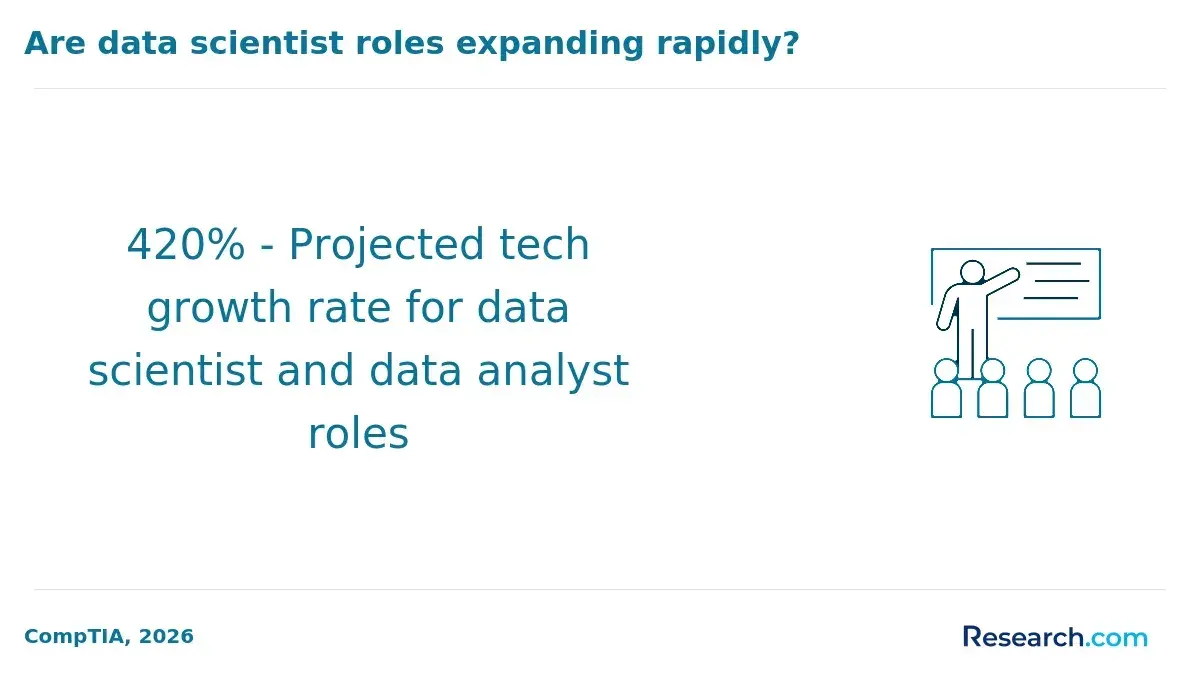
Applicants usually need foundational knowledge of AI concepts or governance frameworks, demonstrated through prior coursework or certifications. Backgrounds in data privacy laws, risk management, or ethical AI design enhance applications. While entrance exams are uncommon, some competitive programs request GRE or GMAT scores.
Work experience ranging from 1 to 5 years in technology, policy, or regulatory roles is often required. This ensures a practical understanding of governance principles within organizations. Letters of recommendation emphasizing leadership and analytical skills are common, along with personal statements that assess commitment to ethical AI governance.
Online and part-time courses offer more flexible admissions, often focusing on professional motivation rather than formal credentials. Hybrid formats may require occasional on-site attendance, which can affect eligibility for international candidates.
Professionals completing a non-degree AI certificate at a business school reported an average 18-25% salary increase within 12 months, outperforming the 9-12% rise seen with general business certificates, according to a Graduate Management Admission Council (GMAC) survey. This underscores the career benefits of meeting stringent admissions standards and completing specialized AI governance programs.
How long do AI governance courses usually take?
AI governance courses vary in length from a few hours to several weeks, depending on program depth and format. Introductory sessions for brand teams typically last 4 to 8 hours over one or two days, focusing on ethical AI use and compliance basics. More in-depth certificate programs extend from 20 to 40 hours, spread across multiple weeks to cover risk management, regulatory frameworks, and practical strategies. Accelerated bootcamps offer intensive schedules lasting 2 to 5 days, while university-affiliated programs can span an entire semester with comprehensive project work.
Choosing the right course depends on your team's goals: shorter courses serve those needing quick compliance updates, whereas longer programs suit teams aiming for responsible AI tool operation at scale. Many programs combine live instruction with self-paced online learning, providing flexibility to fit busy schedules.
The benefits of AI governance training are significant. According to Accenture's study, companies investing in AI training for business users saw a 30% drop in compliance incidents alongside a 3-5 percentage point lift in marketing ROI, demonstrating clear value in well-structured programs.
When selecting a course, consider the balance of duration and content depth appropriate to your team's expertise. Structured modules with assessments help ensure better knowledge retention and practical application.
How much do AI governance courses cost?
AI governance course costs vary significantly based on the provider, course length, and content depth. Short online modules typically cost under $200, while comprehensive certification programs can exceed $3,000. Platforms like Coursera and edX offer self-paced courses ranging from $100 to $500, ideal for beginners or professionals seeking a quick overview of governance concepts.
More extensive programs from top universities or specialized vendors often range between $1,000 and $3,500. These courses tackle advanced subjects such as regulatory compliance, risk management, and ethical AI design, including practical case studies and expert guidance. For example, a 12-week professional certification might cost around $2,500 and is designed to address specific industry challenges.
Companies need to drive course selection and influence pricing:
- B2C firms face higher reputational risks from AI errors and often require training focused on public trust and content integrity.
- B2B companies encounter twice the regulatory and contractual risks, benefiting from compliance-centric programs.
Employers frequently subsidize or reimburse these costs, recognizing the value of governance expertise. Free introductory webinars and workshops are useful low-commitment options to explore before committing to pricier certifications.
What jobs can AI governance training lead to?
Training in AI governance opens career paths in critical roles focused on ethical, legal, and operational aspects of artificial intelligence. Graduates often find opportunities as AI ethics officers, ensuring AI systems adhere to organizational standards and ethical practices. Compliance analysts monitor AI applications across sectors to align with regulations and governance frameworks.
Risk management specialists use AI governance expertise to identify algorithmic vulnerabilities and reduce biases, protecting companies and consumers. Product managers incorporating AI governance steer the development of responsible AI products by embedding ethical considerations early in the design process.
Regulatory affairs consultants guide firms through evolving AI laws, helping navigate compliance in regulated industries like healthcare, finance, and telecommunications. Data privacy officers safeguard personal data used by AI, promoting transparency and accountability.
Academics and policy advisors influence AI governance through research and policy development at institutional and governmental levels. Hands-on, scenario-based training and live case studies have proven 40-50% more effective than lectures alone at fostering lasting behavior change, according to a 2024 evaluation by the World Economic Forum and Boston Consulting Group.
Professionals in this field must address challenges such as mitigating bias, balancing innovation with ethics, and ensuring AI decision explainability. Specialized training equips them with critical analytical and decision-making skills to navigate complex organizational environments effectively.
Which certifications support AI governance careers?
Certifications in AI governance emphasize ethical frameworks, risk management, compliance, and policy development related to AI systems. Among the most recognized qualifications is the Certified AI Governance Professional (CAIGP), which trains professionals to develop governance protocols and manage AI risks within enterprises. Another key credential is the AI Ethics and Governance Certificate offered by various universities, focusing on regulatory standards, ethical design principles, and accountability mechanisms. Additionally, the Certified Data Privacy Solutions Engineer (CDPSE) certification connects closely to AI governance by highlighting privacy and security in AI implementation.
These certifications help professionals create AI strategies that align with business objectives, legal requirements, and social responsibility. For brand teams, earning such credentials helps ensure AI tools meet compliance and ethical standards, protecting company reputation and customer trust.
Evidence from the MIT Sloan Management Review-BCG "State of AI in Business" report shows that companies investing just 1-2% of their AI budget on governance and training were 3.5 times more likely to achieve transformational financial outcomes. This underscores the value of governance expertise in successful AI adoption.
When selecting programs, focus on those including case studies on bias mitigation, transparency, and legal compliance, along with cross-disciplinary training involving law, ethics, and IT security. Roles benefiting from these certifications include AI compliance officer, ethics advisor, policy analyst, and risk manager, with employers increasingly valuing verified governance competence.
Other Things You Should Know About Artificial Intelligence
Among the top AI governance courses for brand teams in 2027 are: "AI Ethics and Governance" by MIT Sloan, "AI Governance for Business Leaders" offered by Coursera, and "AI and Society" from Stanford Online. These courses focus on responsible AI development and practical implementation strategies.
Effective ai governance helps protect brand reputation by minimizing risks related to misuse or failure of ai applications. Poorly governed ai can lead to scandals, loss of consumer trust, and legal penalties. Brands with strong governance practices are viewed as responsible and trustworthy by customers and stakeholders.
Data quality is crucial in ai governance because ai models depend on accurate, representative data to make reliable decisions. Low-quality or biased data can produce incorrect or harmful results. Brand teams must implement rigorous data management practices to ensure integrity throughout the ai lifecycle.
Regulatory frameworks for ai governance are rapidly evolving worldwide, focusing on transparency, accountability, and user protection. New guidelines require companies to document ai decision-making processes and perform impact assessments. Staying informed on these changes is essential for brand teams managing ai responsibly.
References
- AI Governance Recruitment: A 2025 Career Guide https://www.peopleinai.com/blog/ai-governance-recruitment-guide
- An AI governance certification will boost your career | The Corporate Governance Institute https://www.thecorporategovernanceinstitute.com/insights/guides/an-ai-governance-certification-will-boost-your-career/
- New Jobs & Roles Emerging Due to AI in 2026 | Mercor https://www.mercor.com/resources/experts/new-artificial-intelligence-job-opportunities/
- A Guide To Demanding AI Governance Certifications In 2026 https://dumpsgate.com/ai-governance-certification/
- AI Governance Certification 2026: Top Options + Alternative https://blog.exceeds.ai/best-ai-governance-certifications-2026/
- Content Quality Control and Brand Governance with AI https://www.typeface.ai/blog/content-quality-control-in-ai-marketing-enterprise-governance-and-best-practices
- AIGP: Artificial Intelligence Governance Professional | IAPP https://iapp.org/certify/aigp
- Admission Requirements | Undergraduate Admissions + Programs https://www.ualberta.ca/en/admissions/how-to-apply/admission-requirements/index.html
- How to Get Your First AI Governance Job: A Career Guide https://governance.aicareer.pro/blog/landing-your-first-job-in-ai-governance
- AI Governance Best Practices: How to Build Responsible and Effective AI Programs https://www.databricks.com/blog/ai-governance-best-practices-how-build-responsible-and-effective-ai-programs