2027 Best AI Strategy Courses for SOC Analysts

Co-Founder and Chief Data Scientist
Security operation center analysts face increasing pressure to quickly detect and respond to cyber threats using complex tools and massive data streams. Many struggle to integrate AI effectively into their workflows, limiting their ability to identify sophisticated attacks. Without targeted training, analysts may fall behind emerging technologies and miss critical signals. This article explores the best AI strategy courses designed specifically for SOC analysts seeking to enhance their skills and advance their careers. It aims to guide readers toward practical, accredited programs that bridge the gap between cybersecurity expertise and artificial intelligence proficiency.
Key Things You Should Know
- AI strategy courses for SOC analysts emphasize threat detection, response automation, and risk management, aligning with a 35% industry growth in SOC roles expected by 2026.
- Curricula increasingly integrate practical training with real-world SOC tools and machine learning models to ensure job-ready skills for cybersecurity professionals.
- Certification from recognized institutions boosts employment prospects, with 78% of hiring managers prioritizing candidates with AI-enhanced SOC analysis credentials.
Advance Your Career with AI Online Courses
Artificial Intelligence: Implications for Business Strategy
This program provides an introduction to Artificial Intelligence and their implications for business strategy. Earn an official digital certificate.

Oxford Artificial Intelligence Programme
Explore this Oxford Artificial Intelligence programme offered in a flexible learning environment and explore topics like machine learning, automation, and robotics.

Implementing Agentic AI: Building Your Organizational Playbook
This online MIT Agentic AI course offers a practical approach to deploying AI agents in your organization, including a custom playbook. 3 weeks, exclusive launch price.

AI Adoption: Driving Business Value and Impact
This online MIT AI Adoption: Driving Business Value and Impact offers practical frameworks to close the gap between AI potential and business reality.

Artificial Intelligence in Pharma and Biotech
Discover the applications and limitations of artificial intelligence in pharma and biotech with this MIT online short course.

What is an AI strategy course for SOC analysts and who should consider taking it?
An AI strategy course for SOC analysts equips security operations center professionals with skills to integrate and manage artificial intelligence tools within cybersecurity defenses. These courses cover AI-driven threat detection, machine learning models for anomaly identification, and automation of routine security tasks. Analysts also learn to interpret AI outputs to make informed decisions and design adaptive response strategies. Training emphasizes both technical proficiency and strategic planning for AI adoption in SOC environments.
Professionals seeking the best artificial intelligence courses for cybersecurity professionals should consider these programs to address growing threats effectively. Entry-level analysts aiming for career advancement, mid-level staff focused on operational efficiency, and SOC managers responsible for technology integration all benefit. Cybersecurity graduates specializing in AI-enhanced defenses will find this training valuable. The (ISC)² 2024 Cybersecurity Workforce Study shows that 75% of organizations will use AI or machine learning in security operations by 2025, yet 54% report a significant skills gap in their staff.
Courses often include practical exercises with real-world datasets, hands-on labs for AI tool configuration, and modules on ethical considerations of automated systems. Variants may focus on specific platforms or open-source frameworks. Candidates should review content to match their technical level and future roles, including AI threat hunting, incident response automation, or AI governance within cybersecurity policies. Professionals with an artificial intelligence major can also enhance their career outlook by integrating AI strategy training for SOC analysts into their skill set.
Advance Your Career with AI Online Courses
Artificial Intelligence: Implications for Business Strategy
This program provides an introduction to Artificial Intelligence and their implications for business strategy. Earn an official digital certificate.
Oxford Artificial Intelligence Programme
Explore this Oxford Artificial Intelligence programme offered in a flexible learning environment and explore topics like machine learning, automation, and robotics.
Implementing Agentic AI: Building Your Organizational Playbook
This online MIT Agentic AI course offers a practical approach to deploying AI agents in your organization, including a custom playbook. 3 weeks, exclusive launch price.
How can AI strategy training enhance the day-to-day work of SOC analysts?
AI strategy training significantly boosts the effectiveness of SOC analysts by enabling them to harness automation and machine learning for quicker threat detection and response. Analysts skilled in AI strategy courses for SOC analysts can analyze vast security datasets more efficiently, cutting down time wasted on false positives and prioritizing urgent threats. This training supports the use of sophisticated algorithms that detect patterns in network traffic often missed by traditional methods, improving both accuracy and speed in cybersecurity operations.
The impact of AI strategy training on cybersecurity operations is evident in practical tasks such as automated log analysis and alert triage. AI-driven tools free analysts from routine data processing so they can concentrate on more complex investigations. For instance, familiarity with natural language processing enhances the interpretation of threat intelligence reports and the correlation of alerts.
Moreover, AI strategy knowledge allows SOC analysts to tailor machine learning models to their organization's specific security needs instead of relying only on default settings. This customization improves detection of emerging threats and lessens dependence on signature-based approaches.
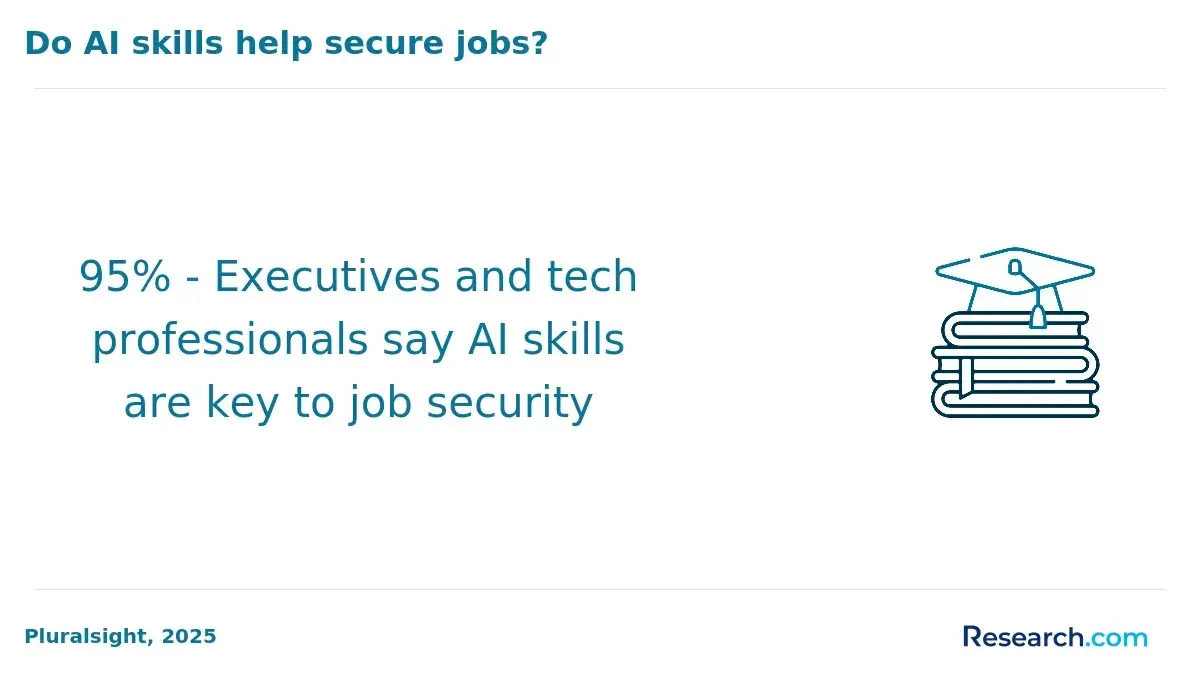
The Dropzone.ai SOC Analyst Career Path & Salary Guide (2026) highlights a 230% increase in job postings for SOC roles requiring AI or automation skills between 2023 and 2025, far exceeding the 54% growth seen in all SOC roles. This shift underscores the rising importance of AI expertise in cybersecurity careers.
For those considering advanced education, pursuing an AI masters degree can provide a strong foundation in these technologies and strategies.
What types of AI strategy courses are best for current or aspiring SOC analysts?
AI strategy training for SOC analysts typically focuses on integrating security operations with advanced AI techniques to boost threat detection and response. Best AI courses for cybersecurity and SOC professionals often include applied machine learning for cybersecurity, AI-driven threat intelligence, and automated incident response. These programs emphasize practical skills like deploying AI models for anomaly detection, phishing identification, and behavioral analytics within security information and event management (SIEM) platforms.
Specialized certification programs such as the Certified AI Security Practitioner (CAISP) offer targeted learning by combining AI concepts with established cybersecurity frameworks. CAISP covers real-world AI applications in SOC environments, including adversarial machine learning defense and ethical considerations, which are essential given today's complex cyber threat landscape.
Courses with hands-on labs using Python, TensorFlow, or other AI toolkits provide crucial experience in developing and tuning AI models tailored to SOC needs. Building custom AI classifiers to flag suspicious activities or automate routine SOC tasks significantly enhances operational efficiency.
According to Practical DevSecOps, SOC analysts with AI security certifications like CAISP may earn a 15-20% salary premium over peers with general cybersecurity credentials such as CISSP. Prospective students should prioritize programs emphasizing AI integration with existing SOC infrastructure, real-time analytics, and continuous updating on emerging threats. Many find value exploring a cybersecurity online degree as part of their career path.
What core skills and topics do AI strategy courses for SOC analysts usually cover?
AI strategy implementation techniques for SOC analysts emphasize skills in automation, machine learning, and optimizing threat detection. Core cybersecurity and artificial intelligence topics for SOC training include AI-driven threat intelligence, anomaly detection algorithms, and data correlation methods that improve security event analysis. Analysts learn to design AI models that reduce noise in alerts, addressing alert fatigue-a key challenge in SOC operations. Training covers supervised and unsupervised learning to identify threats and prioritize incidents efficiently.
Integration of AI with Security Information and Event Management (SIEM) systems is critical, with a focus on real-time incident response and risk reduction. Essential skills include coding for AI tools, interpreting AI dashboards, and tuning algorithms to minimize false positives. Modules on AI ethics and privacy ensure awareness of biases and automated decision-making impacts within cybersecurity frameworks.
Practical labs use case studies to demonstrate how AI accelerates detection times. Data from Stellar Cyber shows that AI-assisted detection can reduce alert volume by up to 90% and cut mean time to detect (MTTD) by 50-70%, highlighting the operational benefits of actionable AI implementations. Additional training covers threat hunting, predictive analytics, and adaptive response techniques to counter evolving threats.
Hands-on simulations prepare analysts to apply AI strategies for swift incident containment. Professionals interested in advancing their knowledge might explore options such as a data science PhD online to deepen expertise in these areas.
Are reputable AI strategy courses for SOC analysts accredited or aligned to industry standards?
Reputable AI strategy courses for SOC analysts increasingly follow industry standards and are often accredited by recognized bodies. This ensures training covers essential skills like threat detection models, automation in incident response, and ethical AI use. Programs from organizations such as the SANS Institute or (ISC)² typically incorporate frameworks like the NIST AI Risk Management Framework and the Cybersecurity Workforce Framework, which align with employer expectations. However, formal university accreditation for every AI course is not always guaranteed, as many providers prioritize curriculum agility to keep pace with advances in AI and evolving cyber threats.
A 2025 SANS "AI in Cybersecurity" survey revealed that only 18% of security operations professionals consider themselves proficient with AI tools, while 71% report management expects AI use daily. This skills gap highlights why alignment with industry frameworks and certifications-such as CISSP or GIAC enhanced with AI modules-is critical. Practical labs featuring real-world AI tools in SOC environments further validate course relevance beyond formal accreditation.
Prospective students should seek programs referencing standards like NIST, MITRE ATT&CK, and leading AI ethical guidelines. Employers prefer candidates holding certifications recognized in cybersecurity, supplemented with AI-specific expertise, to meet growing workforce demands.
How do online AI strategy programs for SOC analysts compare with campus-based options?
Online ai strategy programs for SOC analysts provide greater flexibility and faster access to the latest content compared to traditional campus-based courses. They frequently update curricula to keep pace with evolving ai-driven threat landscapes, allowing professionals to learn cutting-edge methodologies without interrupting their work schedules. Campus courses offer structured settings and direct faculty interaction but often feature slower curriculum updates and fixed class times that may not accommodate mid-career students.
These online programs typically include specialized modules on ai's role in threat detection, automation, and incident response. Features such as hands-on virtual labs and real-time simulations of ai-powered SOC environments enhance practical learning but are less common in classroom settings limited by physical resources. In contrast, campus offerings may focus more on foundational cybersecurity theories and lag behind in integrating new ai applications vital for rapid SOC evolution.
Cost is another important factor, as online courses often eliminate expenses for transportation, housing, and time off work, making them more accessible. Data from Practical DevSecOps' 2025 training outcomes shows that mid-career professionals with ai security certifications secured an average 32% salary increase or promotion within 12 months, versus 14% for those with traditional security credentials.
Students should consider accreditation, industry partnerships, and curriculum relevance when choosing a program. Hybrid options blending online convenience with occasional campus sessions can offer networking benefits without sacrificing flexibility. Ultimately, online ai strategy courses provide scalable, up-to-date education aligned with the dynamic demands of SOC analysts.
What are the typical admission requirements and prerequisites for AI strategy courses?
Admission to ai strategy courses designed for SOC analysts typically requires a bachelor's degree in a STEM or cybersecurity-related field such as computer science, information technology, or data science. Some programs may accept equivalent professional experience, usually 3-5 years in cybersecurity or IT roles, as a substitute for formal education. Foundational knowledge of cybersecurity principles and familiarity with network security, intrusion detection, and incident response are essential for success.
Basic programming or scripting skills, especially in Python, are often prerequisites since many courses include practical automation and analysis exercises. Advanced courses might demand prior exposure to AI fundamentals, machine learning, or data analytics through certifications or previous coursework.
For professionals without traditional degrees, prerequisite assessments or interviews frequently determine eligibility. Technical evaluations testing proficiency with SOC tools and ai applications in cybersecurity help ensure candidates are ready to engage with evolving threat landscapes, including the growing prevalence of AI-supported attacks reported in industry research.
Key requirements commonly include:
- Bachelor's degree in a STEM or cybersecurity-related field
- Understanding of network security and incident response
- Basic programming or scripting skills
- Prior AI or machine learning knowledge for advanced courses
- Relevant cybersecurity professional experience (3-5 years) may substitute formal education
- Technical assessments on SOC and AI tool proficiency
Meeting these criteria prepares candidates to effectively design and implement AI-driven security strategies within SOC environments.
How long do AI strategy programs for SOC analysts take and what do they cost?
AI strategy programs for SOC analysts typically last from 4 weeks to 6 months, depending on the course depth and format. Short, bootcamp-style courses often run 4 to 8 weeks, focusing on foundational AI concepts, threat detection, and practical applications. More extensive certificate programs span 3 to 6 months and cover advanced AI techniques, integration into SOC environments, and strategy development tailored to organizational needs.
Costs vary widely based on program length, provider, and specialization. Basic courses start around $1,200 to $3,000, ideal for entry-level analysts or those seeking focused skill upgrades. Advanced certificate programs range from $5,000 up to $15,000 and typically include hands-on labs, instructor access, and sometimes post-course support. Industry-endorsed or university-affiliated programs usually fall near the higher end of this range.
Only about 27% of SOC buyers have documented AI adoption strategies, making AI strategy training a critical advantage for analysts. Employers increasingly seek candidates who understand AI implementation in SOC stacks, which have seen a threefold increase in available AI platforms between 2022 and 2025.
When choosing a course, analysts should consider program content alignment with their SOC role, budget, and expertise goals. For example, mid-level analysts aiming to lead AI integration benefit from strategic planning and vendor evaluation training, while beginners may prioritize hands-on AI tool familiarity within shorter timeframes and lower costs.
What cybersecurity roles, career paths, and certifications can these AI strategy courses support?
AI strategy courses for SOC analysts are crucial for roles such as SOC analyst, threat hunter, incident responder, and security engineer. These courses develop essential skills like leveraging machine learning models, automating threat detection, and analyzing behavioral analytics. According to the 2026 SOC skills guide by CyberDefenders, over 60% of SOC analyst job listings in 2025 required AI, ML, or automation expertise, a significant rise from under 20% in 2022, showing how quickly these technologies are reshaping cybersecurity operations.
Typical career progression includes moving from entry-level analyst roles to specialized positions such as AI security architect or cybersecurity data scientist. Gaining proficiency in AI-driven SIEM platforms enables faster, automation-focused incident response, while expertise in AI algorithms for threat intelligence improves predictive security capabilities.
Certifications that align well with AI strategy coursework include:
- GIAC Certified Cyber Threat Intelligence Analyst (GCTI), blending AI analysis techniques
- Certified Information Systems Security Professional (CISSP), with coverage of emerging AI risks
- CompTIA Cybersecurity Analyst (CySA+), focusing on behavioral analytics and automation
- Specialized AI and machine learning certificates from recognized institutions targeting cybersecurity
Holding these certifications validates practical AI knowledge vital for modern SOC teams adapting to new AI-enabled tools. Professionals focused on increasing threat detection accuracy and accelerating response times will find AI strategy courses indispensable for maintaining relevance and advancing their cybersecurity careers.
What salary ranges and job outlook can SOC analysts expect after AI strategy training?
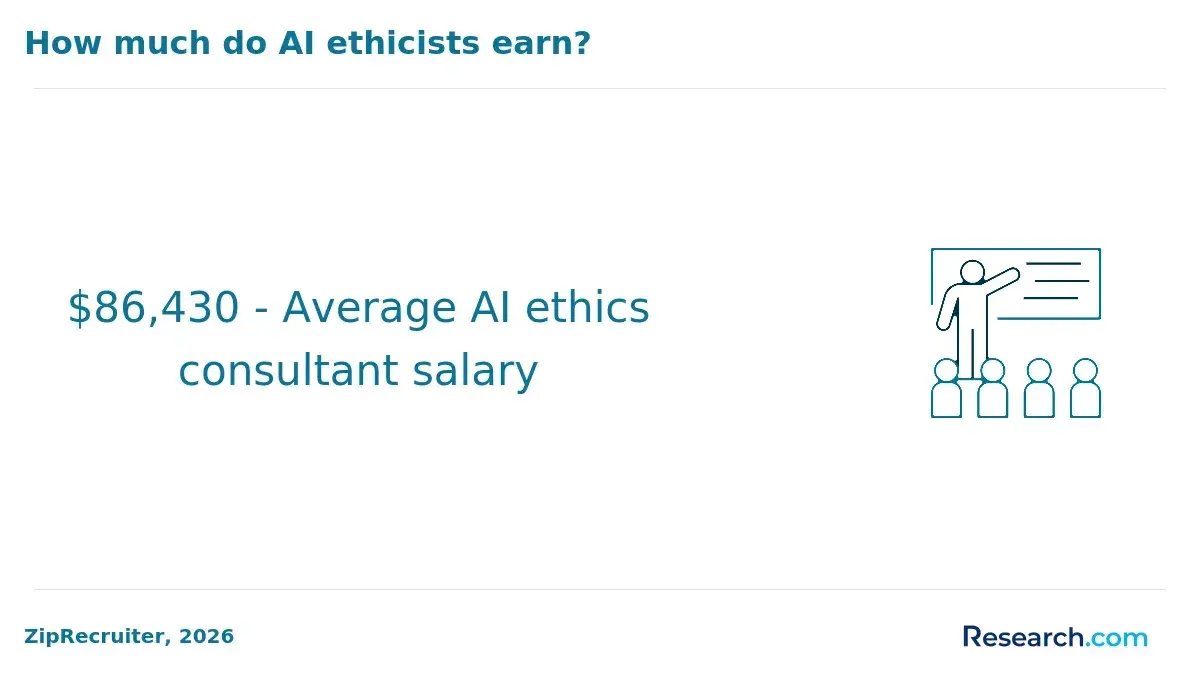
SOC analysts skilled in AI strategy see significant salary growth and stronger job security as AI integration expands in security operations centers. The Dropzone.ai 2026 AI-Powered SOC career guide highlights that median salaries for U.S. SOC analysts range from $70,000 to $110,000 annually. Analysts who master AI-driven workflows can expect salary boosts of 10% to 25%, with top roles earning around $130,000 or more.
By 2028, 40% of Tier 2+ SOC analyst positions are projected to demand experience in managing AI-enhanced security workflows, up from 8% in 2024. This trend underscores the increasing value of AI orchestration skills to remain relevant in a rapidly evolving job market.
Employers favor analysts who can integrate AI tools that improve incident analysis and reduce false positives. Key skills include configuring AI alert systems and creating adaptive response protocols. Such expertise is particularly sought after in finance, healthcare, and government sectors. Many AI strategy-trained analysts move into advanced roles like AI security architects or threat intelligence leads, which offer higher compensation.
To advance, prospective SOC analysts should pursue training combining traditional security fundamentals with AI workflow management. This blend offers tangible returns on investment and helps future-proof careers amid growing automation and machine learning demands in SOC environments.
Other Things You Should Know About Artificial Intelligence
SOC analysts must be aware of ethical issues such as bias in AI algorithms, data privacy concerns, and transparency in automated decision-making. Ensuring that AI tools do not unfairly target specific groups and that sensitive data is protected is crucial. Analysts should advocate for responsible AI usage that aligns with legal and organizational policies.
Artificial intelligence enhances threat detection accuracy by processing vast amounts of data faster than humans and identifying subtle patterns indicative of cyber threats. It reduces false positives and enables quicker response times. However, AI systems require continuous tuning and human oversight to maintain effectiveness.
AI strategy courses are vital for SOC analysts as they cover essential aspects like understanding AI capabilities, ensuring seamless integration into existing workflows, and tackling common challenges. These courses equip analysts with the skills and knowledge needed to effectively leverage AI in security operations.
Common challenges include the high cost of implementation, a lack of skilled personnel to manage AI tools, data quality issues, and resistance to change within security teams. Additionally, integrating AI solutions with existing infrastructure can be complex and may require ongoing adjustments to align with evolving threats.
References
- 5 ways AI will transform Security Operations Centers | RL Blog https://www.reversinglabs.com/blog/5-ways-ai-will-transform-the-soc
- Top 10 Cybersecurity Certification Courses For Professionals In 2025 https://sisa.ai/resource/blog/top-10-cybersecurity-certification-courses-for-professionals-in-2025
- SOC Analyst: Salary, Skills, and Career Outlook https://abnormal.ai/blog/soc-analyst
- What is an Agentic AI SOC Analyst? A Comprehensive Guide | Prophet Security https://www.prophetsecurity.ai/blog/ai-soc-analyst-a-comprehensive-guide
- Best AI and Cybersecurity Job Training for Freshers in India | Cambridge Infotech https://cambridgeinfotech.io/best-ai-and-cybersecurity-job-training/
- 10 Best AI SOC Platforms For 2026 https://stellarcyber.ai/learn/best-ai-soc-platforms/
- AI in Cybersecurity Training Resources | SANS Institute https://www.sans.org/artificial-intelligence
- The Growing Importance of Certified AI Managers https://www.issi-inc.com/the-growing-importance-of-certified-ai-managers
- Top AI SOC Platforms Comparison Guide 2026 https://www.exaforce.com/learning-center/top-ai-soc-platforms
- AI SOC Training: How Junior Analysts Learn with Automation | Dropzone AI https://www.dropzone.ai/blog/ai-soc-training-junior-analysts