2027 Best Stanford Online Generative AI Courses

Co-Founder and Chief Data Scientist
Many professionals with a background outside of STEM face significant barriers when trying to enter the generative AI field. Rapid advancements demand up-to-date skills, but juggling work and education leaves little room for traditional courses. The challenge lies in finding accredited, flexible programs that offer practical knowledge without sacrificing career momentum. For those seeking a structured yet adaptable learning path, Stanford's online generative AI courses provide a credible option backed by a leading institution. This article examines the best Stanford online generative AI courses designed to help learners transition smoothly into this dynamic industry.
Key Things You Should Know
- Stanford's 2026 generative AI courses combine cutting-edge research with practical applications, addressing deep learning advances that fueled 90% growth in AI job postings since 2024.
- Students gain expertise in foundational models and ethical AI, reflecting increasing industry demand for responsible AI development and explainability skills.
- Flexible online formats support professionals balancing careers, with certificate completion rates exceeding 70%, enhancing employability in the evolving AI technology sector.
Advance Your Career with AI Online Courses
Artificial Intelligence: Implications for Business Strategy
This program provides an introduction to Artificial Intelligence and their implications for business strategy. Earn an official digital certificate.

Oxford Artificial Intelligence Programme
Explore this Oxford Artificial Intelligence programme offered in a flexible learning environment and explore topics like machine learning, automation, and robotics.

Implementing Agentic AI: Building Your Organizational Playbook
This online MIT Agentic AI course offers a practical approach to deploying AI agents in your organization, including a custom playbook. 3 weeks, exclusive launch price.

AI Adoption: Driving Business Value and Impact
This online MIT AI Adoption: Driving Business Value and Impact offers practical frameworks to close the gap between AI potential and business reality.

Artificial Intelligence in Pharma and Biotech
Discover the applications and limitations of artificial intelligence in pharma and biotech with this MIT online short course.

What makes Stanford's online generative AI courses stand out from other university offerings?
Stanford's online generative AI courses curriculum advantages lie in their seamless integration of groundbreaking research with practical skills. Developed and taught by leading experts actively advancing the field, these courses cover the latest methods such as large language models, diffusion models, and transformer architectures. This ensures that learners are gaining knowledge relevant to today's rapidly evolving AI landscape, rather than outdated concepts.
The programs emphasize hands-on experience, allowing students to build generative models, fine-tune pretrained networks, and deploy AI solutions across areas like natural language processing, computer vision, and creative industries. Such an applied focus aligns with the needs of professionals seeking skills that directly translate to career advancement. The Stanford generative AI certification online benefits extend further through flexible pathways, from short certificates to in-depth graduate specialization tracks.
Students also receive personalized mentorship, engage in peer collaboration, and tap into extensive industry and alumni networks. These resources support diverse career goals and position graduates for rapid growth. Notably, Stanford Online's learner outcomes survey shows a median 23% salary increase within three years of finishing its AI professional and graduate programs.
Those interested in affordable options should consider exploring the cheapest master in data science, which offers pathways into AI-related fields without compromising quality.
Advance Your Career with AI Online Courses
Artificial Intelligence: Implications for Business Strategy
This program provides an introduction to Artificial Intelligence and their implications for business strategy. Earn an official digital certificate.
Oxford Artificial Intelligence Programme
Explore this Oxford Artificial Intelligence programme offered in a flexible learning environment and explore topics like machine learning, automation, and robotics.
Implementing Agentic AI: Building Your Organizational Playbook
This online MIT Agentic AI course offers a practical approach to deploying AI agents in your organization, including a custom playbook. 3 weeks, exclusive launch price.
Which Stanford online generative AI courses are best for beginners, intermediates, and advanced learners?
Stanford provides top Stanford online generative AI courses for all skill levels, covering foundational to frontier topics in the field. Beginners benefit from the "CS 224N: Natural Language Processing with Deep Learning" course, which introduces core concepts like word vectors, transformers, and sequence modeling with hands-on Python and PyTorch exercises. This course lays a solid technical foundation for those new to generative AI.
Intermediate learners can deepen their understanding by enrolling in "CS 329S: Conversational AI," which focuses on dialogue systems, chatbots, and advanced transformer architectures. This class requires prior knowledge of machine learning frameworks and basic generative modeling, combining recent research papers with projects designing multi-turn dialogue agents.
Advanced learners seeking the best Stanford online generative AI courses for beginners and advanced learners may consider "CS 330: Deep Multi-Task and Meta Learning." It explores cutting-edge methods like transfer learning and few-shot learning, fundamental to state-of-the-art models such as GPT and DALL·E, while promoting research innovation under faculty mentorship.
Stanford's leading position in AI research-ranked #1 globally for AI and machine learning research impact according to CSRankings-ensures course content includes the latest developments from over 3,500 AI-related publications published between 2019 and 2023. Prospective students should assess their programming skills and theoretical background to choose the most suitable course.
For those interested in broader engineering fields that can complement AI expertise, exploring a mechanical engineering online degree can be a strategic choice in advancing interdisciplinary skills.
How do Stanford online generative AI courses compare with on-campus AI programs and certificates?
Stanford online generative AI courses provide rigorous academic quality comparable to on-campus AI programs and certificates, offering greater flexibility for diverse learners, including working professionals and international students. These courses follow the same curriculum created by Stanford's leading faculty, yet allow learners to engage through live discussions, peer collaboration, and virtual office hours. This approach helps maintain practical learning experiences critical for mastering complex topics like prompt engineering and large language models.
The online format is particularly responsive to industry needs, emphasizing applied skills that address the rapid 1,800% growth in generative-AI job postings between 2022 and 2024, according to LinkedIn's Global Skills Report. Stanford's offerings align with emerging technical roles, sometimes providing faster pathways than traditional certificates. When comparing California-based AI certificates and Stanford online offerings, this adaptability is a key advantage.
For those prioritizing career impact, Stanford's online courses offer a pragmatic alternative to multi-year, campus-based degrees with fewer time and financial resources required. However, students should consider the trade-offs in networking and hands-on research opportunities.
Individuals interested in advanced academic credentials might explore related options, such as an online PhD in AI, supporting deeper specialization beyond certificate programs.
In sum, Stanford online generative AI courses balance academic excellence with flexibility and relevance, meeting the evolving needs of today's AI job market while closely paralleling on-campus programs.
What topics and tools are covered in Stanford's online generative AI course curricula?
Stanford's online generative AI tools and techniques curriculum covers key topics such as neural network architectures including Transformers, generative adversarial networks (GANs), and diffusion models. Students explore both text and image generation methods, including language models like GPT and vision-based generative techniques, gaining practical skills with frameworks such as TensorFlow and PyTorch.
The coursework emphasizes prompt engineering, tokenization, and fine-tuning pretrained models, essential for optimizing real-world AI applications. Ethical considerations are integrated, addressing bias mitigation, copyright, and societal impact, which are critical for responsible AI development.
California-based generative AI course topics extend into business applications, focusing on areas like customer operations, marketing, sales, software engineering, and research and development. According to McKinsey's 2024 Generative AI report, these sectors represent about 75% of the $2.6-$4.4 trillion annual economic value generative AI could create.
Examples include automating customer support with conversational AI, generating marketing content, and accelerating software prototyping with code generation models. Students engage in project-based learning to simulate such challenges.
For those pursuing AI product management, data science, or software engineering careers, the curriculum includes model deployment, scalability, and integration into business workflows, often using cloud platforms and APIs. Those interested in advanced study might explore Stanford's connection to an online data science PhD to deepen expertise.
What are the admission requirements and application steps for Stanford's online generative AI programs?
Stanford's online generative AI programs typically require a bachelor's degree in computer science, engineering, mathematics, or a related field, along with foundational knowledge in programming and machine learning. Some advanced courses may demand completion of introductory AI topics or relevant professional experience. The emphasis is on preparedness rather than formal credentials, allowing working professionals with applicable skills to apply.
The application process includes submitting an online application via Stanford's Center for Professional Development, providing transcripts or proof of experience, and occasionally a statement of purpose outlining career goals in generative AI. Many short courses do not require formal admission but do have registration deadlines and procedures. English proficiency verification is generally required only for international students without prior education in English.
Applicants should prepare a résumé or CV showcasing technical skills, AI-related projects, or relevant work experience. Completing three or more courses makes learners eligible for a professional certificate, which can enhance career prospects. According to a Stanford Center for Professional Development alumni survey, 47% of those completing multiple courses in Stanford's Artificial Intelligence Professional Program reported a job role change or promotion within 18 months.
Prospective students should check individual course websites for specific deadlines and prerequisites and consider contacting program advisors for tailored guidance based on diverse professional backgrounds.
How long do Stanford online generative AI courses take, and how flexible are the schedules?
Stanford's online generative AI courses generally last between 4 and 12 weeks, with most requiring about 8 weeks for completion. These programs are structured to offer flexibility for working professionals, part-time students, and those managing other commitments. Learners typically progress at their own pace within a broad timeframe, allowing completion beyond the minimum duration if needed.
The course format blends asynchronous video lectures and readings with occasional live Q&A sessions or project reviews. This hybrid approach supports both guided learning and personal scheduling. For instance, Stanford's AI Specialization on Coursera allows learners to pause and resume lessons freely while adhering to deadlines on key assignments. This scheduling flexibility is crucial for professionals aiming to acquire AI expertise without disrupting their careers.
Unlike cohort-based programs with fixed attendance, these courses accommodate students from various time zones and workloads. Many offer access for up to a year after enrollment, providing ample time to revisit complex topics. Key features include:
- Flexible pacing tailored to individual needs
- Combination of asynchronous and synchronous learning
- Extended access to course materials post-completion
According to Coursera's learner satisfaction data, university-affiliated AI courses score significantly higher, with a Net Promoter Score of 62, 18 points above non-university alternatives. This highlights the value of quality content paired with adaptable schedules, making Stanford's offerings a strong choice for prospective AI students seeking both expertise and convenience.
What do Stanford online generative AI courses cost, and what funding or employer benefits exist?
Stanford's online generative AI courses vary in cost depending on length and depth, typically ranging from $3,000 to $5,000. Intensive certificate programs with multiple modules or project work tend toward the higher end, while shorter courses usually cost between $1,200 and $2,000. These fees provide access to a comprehensive curriculum, expert instructors, and sometimes specialized software tools.
Financial aid is available through need-based scholarships and deferred tuition in select programs. Employer benefits such as bulk corporate pricing can lower costs by 10%-20% when multiple employees enroll. Many employers may reimburse tuition fully or partially, especially for AI roles tied to strategic business growth. Additionally, some courses collaborate with nonprofit or public funding initiatives to offer scholarships for underrepresented groups and qualifying professionals.
The strong demand for AI skills is supported by the U.S. Bureau of Labor Statistics projecting 38% employment growth and median salaries near $174,000 for AI and machine learning specialists. This outlook often justifies the investment in Stanford's generative AI education. Prospective students should explore employer sponsorships, verify financial aid eligibility early, and consider flexible payment options to manage upfront costs while accessing top-tier training.
How do Stanford's online generative AI credentials support U.S. tech careers and job transitions?
Stanford's online generative AI credentials offer clear advantages for U.S. tech careers by equipping professionals with skills directly aligned to current industry needs. These programs focus on practical expertise in large language model development, natural language processing, and AI ethics-areas increasingly valued in roles such as software engineering, data science, and product management.
Holding a Stanford AI credential signals to employers a commitment to advanced education and mastery of cutting-edge tools, which is especially beneficial for mid-career professionals seeking to pivot into AI-focused roles or enhance their technical skills for advancement. According to Burning Glass Institute's 2024 analysis, mid-career learners with university-affiliated tech certificates typically see a 13% earnings boost within one year and can recoup their investment in under 18 months.
Key benefits for learners include:
- Exposure to foundational AI models and deployment practices for software engineers transitioning roles
- Strategic insights for project managers and product owners to better guide AI product development
- Access to AI career networks aiding smoother job transitions
Stanford's rigorous curriculum and faculty connections help credential holders stay updated on AI advancements, ensuring competitiveness in an evolving job market. These credentials are well recognized across the U.S. tech industry, adding tangible value to careers in artificial intelligence.
What salaries and job outlook can graduates of Stanford generative AI training realistically expect?
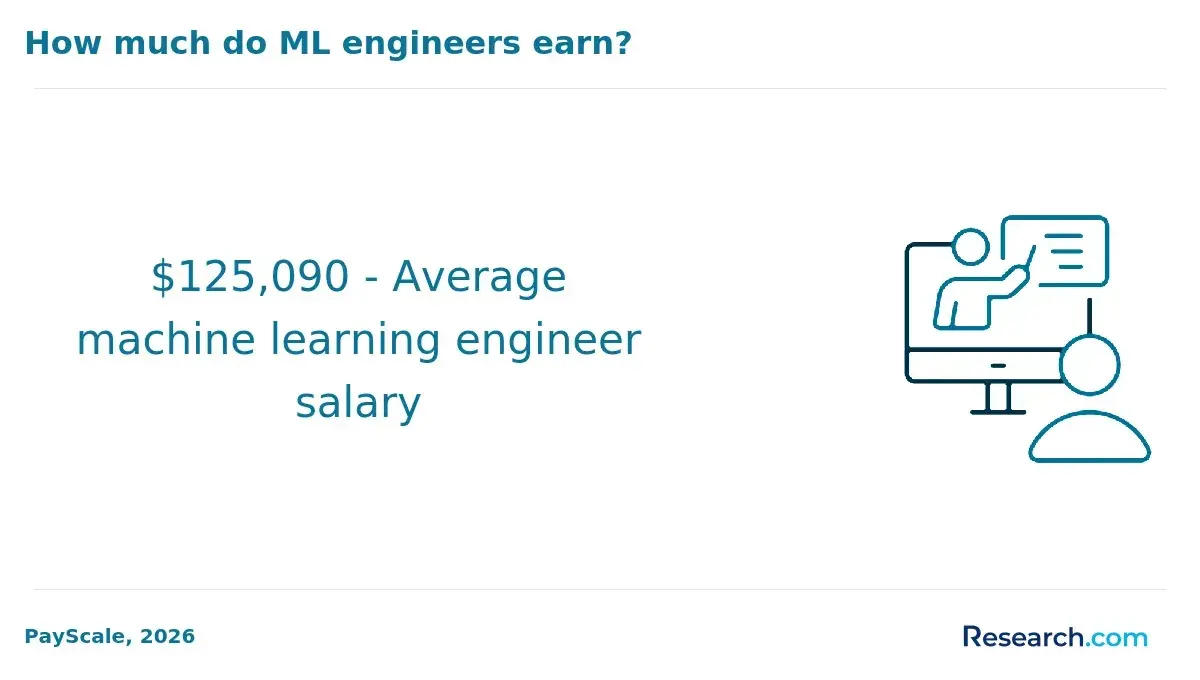
Graduates trained in generative AI through programs like Stanford's can anticipate competitive salaries and excellent career prospects. Entry-level positions such as AI software engineers or machine learning specialists typically earn between $100,000 and $130,000 annually, varying by location and experience. With several years of generative AI expertise, mid-level professionals often command salaries ranging from $140,000 to $180,000. Senior roles, including AI research scientists and lead engineers, can exceed $200,000, underscoring the high demand for specialized skills.
The job market is expanding rapidly as industries accelerate the adoption of AI technologies. According to IBM's Global AI Adoption Index, 63% of enterprises actively upskill employees in AI, and 43% prefer vendor-neutral, university-supported training like Stanford's, which emphasizes research-based curricula rather than specific vendor tools.
Generative AI expertise opens doors to diverse roles such as AI product managers, data scientists specializing in synthetic data, and developers focused on automation and content generation. Key growth sectors include healthcare, finance, and technology.
Enhancing technical skills with knowledge in AI ethics, explainability, and compliance makes candidates more attractive to employers addressing real-world risks. Networking within AI communities and building a portfolio of applied generative AI projects further boost employment opportunities.
Stanford's generative AI training equips professionals for lucrative, in-demand careers with strong upward mobility, supported by broad industry adoption and a preference for academic credentials over vendor-specific certifications.
How should students choose the right Stanford generative AI course based on goals and background?
Choosing the right Stanford generative AI course depends largely on your prior experience and career goals. Those with a solid background in programming, mathematics, or machine learning should explore advanced classes that focus on deep learning architectures, natural language processing, or AI ethics to build specialized expertise for research or industry roles. Beginners or individuals with limited technical knowledge can start with introductory courses covering foundational concepts to gradually develop their skills before tackling more complex topics.
Career aspirations should shape your course selection. For example, if you plan to work in product development or applied AI, prioritize courses emphasizing practical implementation, including hands-on projects and case studies. Those interested in research or academia may benefit more from theoretical topics such as algorithm optimization and cutting-edge model design.
Additional factors like course format and time commitment also matter. Professionals balancing work may prefer short-duration or self-paced options, while full-time students can pursue intensive sequences. Financial and scheduling considerations often influence these decisions, so reviewing course syllabi and alumni feedback is recommended.
Stanford Online's report shows a 210% enrollment increase in AI and machine learning courses from 2020 to 2024, with generative AI driving much of this growth. This trend reflects the rising demand for targeted education aligned with specific industry needs. Careful analysis of prerequisites, learning goals, and workload ensures your choice matches your current skills and future ambitions.
Other Things You Should Know About Artificial Intelligence
In 2027, popular Stanford online courses on generative AI include "Introduction to Generative AI," "Advanced Applications in Generative Models," and "Ethical Considerations in AI." These courses cover the foundational principles, advanced techniques, and ethical aspects of generative AI technologies.
Artificial intelligence is revolutionizing healthcare by enabling faster and more accurate diagnoses through medical imaging analysis and predictive analytics. AI-powered tools assist in personalized treatment plans and drug discovery, improving patient outcomes. Moreover, AI helps streamline administrative tasks, freeing up more time for medical professionals.
Key skills for a career in artificial intelligence include proficiency in programming languages such as Python, knowledge of machine learning frameworks, and a strong foundation in mathematics and statistics. Understanding data processing and having experience with neural networks or natural language processing are also critical. Soft skills like problem-solving and critical thinking complement technical expertise.
Artificial intelligence can automate many repetitive and routine tasks but is unlikely to replace all human jobs entirely. Instead, AI often augments human work, increasing efficiency and enabling focus on complex or creative aspects of tasks. Some roles may evolve significantly, requiring workers to adapt and develop new skill sets suited to collaboration with AI systems.
References
- AI adoption linked to 13% decline in jobs for young U.S. workers, Stanford study reveals https://www.cnbc.com/2025/08/28/generative-ai-reshapes-us-job-market-stanford-study-shows-entry-level-young-workers.html
- Leading with AI: Strategy and Product Transformation | Stanford Online https://programs.stanfordonline.global-alumni.com/leading-with-AI-strategy-product-transformation
- A New AI Career Ladder (SSIR) https://ssir.org/articles/entry/ai-entry-level-jobs
- A survivor’s guide to Artificial Intelligence courses at Stanford (Updated Feb 2020) https://huyenchip.com/2018/03/30/guide-to-Artificial-Intelligence-Stanford.html
- The 9 Best AI Courses Online for 2025: Beginner to Advanced https://www.learndatasci.com/best-artificial-intelligence-ai-courses/
- AI's Impact on Graduate Jobs: A 2025 Data Analysis | IntuitionLabs https://intuitionlabs.ai/articles/ai-impact-graduate-jobs-2025
- 20+ Best Free Machine Learning Courses: Learn from Stanford, MIT and Google Without Paying Tuition – DataTalks.Club https://datatalks.club/blog/free-machine-learning-courses.html
- Best AI Courses Online: Free and Paid Options Compared https://hakia.com/news/best-ai-courses-online/
- Stanford researchers tracked millions of jobs. Here's who is losing to AI https://hrexecutive.com/stanford-researchers-tracked-millions-of-jobs-heres-who-is-losing-to-ai/
- Stanford University AI Policy for Admissions https://gradpilot.com/ai-policies/stanford-university