2027 Best AI Courses for Product Marketing Managers Using Generative AI

Co-Founder and Chief Data Scientist
Product marketing managers face growing pressure to integrate generative AI into campaign strategies without a clear roadmap. The rapid evolution of AI tools challenges professionals who lack technical expertise, creating a gap between marketing goals and AI capabilities. Navigating course options can be overwhelming, especially for those transitioning from unrelated fields.
This article examines the best AI courses tailored specifically for product marketing managers aiming to harness generative AI effectively. It offers guidance on flexible, accredited programs that build relevant skills and enable seamless adoption of AI-driven marketing tactics.
Key Things You Should Know
- Over 65% of product marketing managers in the U.S. integrate generative AI skills to enhance campaign personalization and customer engagement as of 2025.
- Top AI courses for 2026 emphasize hands-on training with platforms like GPT-4 and DALL·E, focusing on practical applications in market analysis and content generation.
- Certification in generative AI tools correlates with a 20% average salary increase for marketing managers, reflecting industry demand for AI-driven expertise.
Advance Your Career with AI Online Courses
Artificial Intelligence: Implications for Business Strategy
This program provides an introduction to Artificial Intelligence and their implications for business strategy. Earn an official digital certificate.

Oxford Artificial Intelligence Programme
Explore this Oxford Artificial Intelligence programme offered in a flexible learning environment and explore topics like machine learning, automation, and robotics.

Implementing Agentic AI: Building Your Organizational Playbook
This online MIT Agentic AI course offers a practical approach to deploying AI agents in your organization, including a custom playbook. 3 weeks, exclusive launch price.

AI Adoption: Driving Business Value and Impact
This online MIT AI Adoption: Driving Business Value and Impact offers practical frameworks to close the gap between AI potential and business reality.

Artificial Intelligence in Pharma and Biotech
Discover the applications and limitations of artificial intelligence in pharma and biotech with this MIT online short course.

What is generative AI in product marketing, and why should managers study it now?
Generative AI applications in product marketing management are revolutionizing how marketing campaigns are designed and executed. These AI systems create original content, personalized messages, product descriptions, and visual advertisements, enabling managers to optimize their marketing efforts efficiently.
The technology automates repetitive tasks and fuels data-driven creativity, allowing marketers to quickly generate multiple ad variants tailored to specific audience segments for precise A/B testing.
Product marketing managers must learn generative AI now because it directly improves campaign effectiveness by offering deeper customer insights and faster content creation. AI-powered sentiment analysis highlights customer preferences early, helping to shape targeted product launches and messaging strategies.
Market trends underscore this urgency: job postings requiring generative AI skills gain 17% more applications and command 8-12% higher salaries than those without such requirements.
Key skills for managers include integrating AI tools into marketing workflows, interpreting AI-generated insights, and maintaining ethical standards in content use.
Developing these competencies enables managers to lead teams effectively in a competitive digital marketplace. Prospective students and professionals interested in boosting their expertise can explore AI graduate programs to gain a strong foundation in these transformative technologies.
Advance Your Career with AI Online Courses
Artificial Intelligence: Implications for Business Strategy
This program provides an introduction to Artificial Intelligence and their implications for business strategy. Earn an official digital certificate.
Oxford Artificial Intelligence Programme
Explore this Oxford Artificial Intelligence programme offered in a flexible learning environment and explore topics like machine learning, automation, and robotics.
Implementing Agentic AI: Building Your Organizational Playbook
This online MIT Agentic AI course offers a practical approach to deploying AI agents in your organization, including a custom playbook. 3 weeks, exclusive launch price.
What types of AI courses are best for current and aspiring product marketing managers?
AI courses best suited for current and aspiring product marketing managers focus on the practical application of generative AI tools to enhance marketing strategy, customer segmentation, and content creation. These courses emphasize skills such as prompt engineering, data-driven decision-making, and automation integration, aligning with the growing demand for AI literacy in marketing.
For example, mastering natural language generation platforms for campaign copy or using machine learning algorithms for predictive analytics can help managers improve performance effectively.
Generative AI training programs for product marketing professionals that combine foundational AI concepts with hands-on experience provide the greatest benefit. Key modules often cover AI ethics and compliance, critical due to privacy concerns and regulatory risks.
Understanding AI model limitations also helps managers set realistic expectations and communicate capabilities clearly across teams.
Popular course structures typically include focused tracks such as:
- AI for marketing strategy and customer insights.
- Generative AI tools for automated content creation.
- AI-driven campaign optimization and analytics.
- Ethical considerations and responsible AI use in marketing.
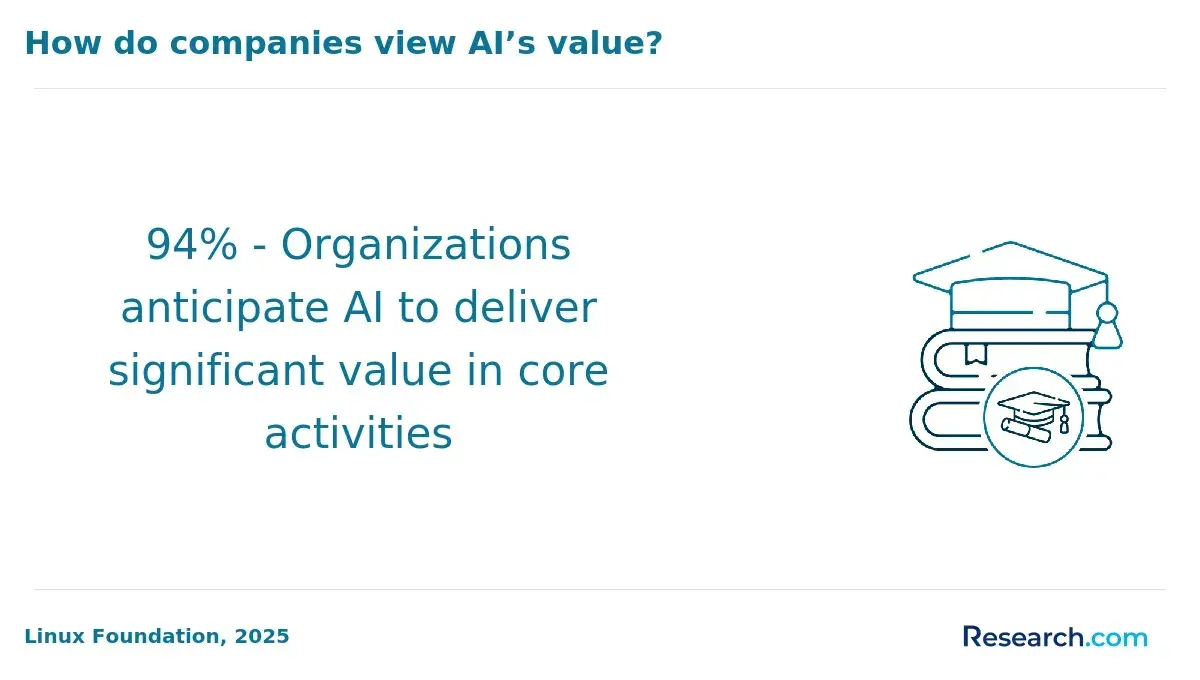
The Salesforce State of Marketing report highlights that 92% of marketing leaders see AI literacy as essential within three years, up from 59% two years prior. This shift makes acquiring dual skills in conceptual AI knowledge and generative AI tools vital for product marketing managers to drive innovation while maintaining strategic control and ethical standards.
For those exploring additional technical education complementing AI skills, consider a mechanical engineer degree, which offers rigorous training applicable in numerous tech-driven industries.
How do AI courses for product marketers differ from general AI and data science programs?
AI courses tailored for product marketing managers focus specifically on generative AI techniques that enhance customer engagement, campaign design, and revenue growth.
Unlike general data science programs, these courses emphasize practical marketing applications such as prompt engineering for content creation, AI-driven market segmentation, and predictive analytics aimed at product positioning.
Key differences include:
- Focus on marketing-specific generative AI tools rather than broad AI frameworks.
- Training to interpret AI outputs to improve product messaging and personalization.
- Case studies demonstrating real-world marketing campaign success and ROI measurement.
- Guidance on ethical AI use in marketing, addressing bias and transparency to build customer trust.
This specialization is supported by data from the Marketing AI Institute's State of Marketing & AI Report, showing marketers with formal AI training were 3.1× more likely to achieve significant revenue impact compared to self-taught peers.
Prospective marketers should seek courses integrating AI tools into marketing workflows with measurable outcomes instead of purely theoretical foundations.
Those looking for broader foundational knowledge might explore programs like ms data science online, but product marketing AI courses distinctly cater to practical marketing tasks such as competitive analysis and dynamic pricing models, requiring contextual expertise beyond standard data science training.
What curriculum topics should the best generative AI courses for product marketing include?
Generative AI courses for product marketing managers must balance technical foundations with practical marketing applications. Key curriculum topics for generative AI in marketing management include natural language processing (NLP) and machine learning models that explain how generative AI crafts content and personalized customer experiences.
Marketing-focused modules cover AI-driven content creation techniques such as data-informed product descriptions, automated copywriting, and dynamic email campaigns.
Courses also emphasize ethical considerations and data privacy, preparing managers to handle AI bias, transparency, and accountability for responsible marketing strategies. Integration of generative AI platforms like GPT models or DALL·E with CRM and marketing automation tools enhances targeting and segmentation efficiency.
Hands-on training is essential, teaching critical evaluation of AI-generated content to maintain brand alignment and quality. Analytics modules guide learners on measuring campaign performance through AI-enhanced tools, supporting data-driven decisions.
Real-world case studies demonstrate AI's impact on market segmentation and product positioning, addressing challenges like audience engagement and content scalability.
Professionals completing short online AI specializations (≤3 months) experienced a median 9% pay increase within a year, highlighting the career value of mastering these topics. For those exploring further education, a computer science bachelor degree online provides a strong foundation for advanced understanding of AI technologies and their marketing applications.
How do online, hybrid, and campus-based AI programs compare for working product marketers?
Online AI programs offer flexibility for product marketers balancing study with work, typically featuring modular content focused on generative AI applications relevant to marketing. While convenient, they may lack the collaborative experiences essential for mastering team-driven strategies.
Hybrid programs blend online learning with in-person sessions, providing both flexibility and direct interaction. This format is ideal for marketers seeking mentorship and networking. Workshops often enhance skills in customer segmentation and AI-powered content generation, combining virtual modules with hands-on intensives.
Campus-based AI programs immerse students in experiential learning and peer collaboration. These are suited for marketers aiming to pivot careers or build foundational expertise through labs and group projects simulating real-world marketing scenarios using AI tools. This approach supports mastering complex frameworks and cross-functional communication.
Employers increasingly value formal AI credentials for senior marketing roles; 41% of employers give extra weight to candidates with AI or data certifications, according to the Emeritus-Ipsos Global Workplace Skills Study. Choosing the right program depends on time availability, career goals, and desired depth of mastery:
- Online for continuous learners needing flexibility.
- Hybrid for those desiring mentorship and networking.
- Campus for full immersion or career change.
Which accreditation and institutional quality signals matter for AI programs in marketing?
Regional accreditation is essential when choosing AI programs for marketing professionals, as it ensures institutions meet strict academic and administrative standards approved by the U.S. Department of Education. Selecting courses from fully accredited universities guarantees a curriculum aligned with industry needs and academic rigor.
Specialized accreditation or endorsements linked to marketing technology and AI enhance a program's value. Partnerships with renowned AI research centers or marketing firms often bring advanced content and applied learning opportunities.
Certifications from recognized entities like the Digital Marketing Institute or credentials in areas such as prompt engineering further validate course quality.
Employer recognition plays a key role; programs connected to industry with active AI marketing practitioners on faculty frequently provide practical skills. According to IBM's Global AI Adoption Index, 2024, marketers trained in advanced AI skills are 2.6 times more likely to lead AI projects than those without such training. This highlights the advantage of programs focused on leadership and applied expertise.
Consider also graduate success and alumni outcomes as indicators of a program's effectiveness in preparing marketing managers for AI-centric roles. Together, these factors ensure that education translates into practical, career-enhancing abilities.
What are typical admission requirements for AI-focused programs for product marketing managers?
Admission to AI-focused programs for product marketing managers typically requires a bachelor's degree in business, marketing, computer science, or related fields. Equivalent professional experience, particularly in digital marketing or data analysis, may be accepted for mid-career professionals.
Applicants usually submit a resume detailing relevant roles such as product management or marketing analytics and a personal statement about applying generative AI to marketing challenges.
Foundational knowledge in marketing principles and familiarity with data tools like Excel, SQL, or basic programming languages like Python is often expected. Some programs recommend prior exposure to machine learning or analytics frameworks. Advanced certificate and graduate programs may have prerequisite coursework in statistics, probability, or computer science.
Admissions committees assess candidates' motivation, problem-solving skills, and AI understanding through interviews or essays. Standardized tests like the GRE are rare for certificates but might be required for some master's degrees.
Practical experience with AI-driven marketing platforms-such as customer segmentation, AI-powered A/B testing, or automated content generation-strengthens applications. Evidence of ongoing learning, like completing introductory AI courses, is valued.
According to the World Economic Forum & PwC, marketing and product professionals with intermediate or higher AI skills earn about 22% more than peers without AI expertise. This highlights the importance of admissions criteria that enable students to quickly apply AI knowledge to advance their careers.
How long do AI courses for product marketers take, and what do they typically cost?
AI courses for product marketing managers vary widely in duration and depth. Foundational courses usually take 4 to 6 weeks of part-time study, typically requiring 3 to 5 hours weekly. More comprehensive programs, including those with certification or specialization in generative AI, span 8 to 12 weeks with a greater time commitment. Executive-level bootcamps often last from a few days up to a month, designed for fast skill acquisition.
Costs depend on course type and provider. Entry-level online courses generally range from $300 to $800. Advanced certifications or professional diplomas with hands-on projects and mentorship can cost between $1,200 and $3,500. Custom corporate training for marketing teams usually starts around $5,000, varying by scope.
According to Deloitte's Global Human Capital Trends report, 68% of companies have increased budgets for AI-related training, and 54% are likely to reimburse employees for role-relevant AI courses. This indicates potential employer support for meaningful AI education in marketing roles.
When choosing a course, consider your experience, goals, and available time. Shorter options suit quick introductions, while longer programs help master generative AI tools and data-driven strategies. Also, check if your employer offers tuition reimbursement or professional development funds to help manage costs.
What career outcomes, roles, and responsibilities can AI-trained product marketing managers expect?
Product marketing managers trained in AI increasingly focus on integrating generative AI tools to enhance market research, campaign creation, and customer segmentation. Their expanded roles involve developing AI-driven strategies that personalize customer experiences and automate routine tasks such as content creation and ad targeting.
They also leverage AI-generated insights to refine product positioning and pricing with greater accuracy. Emerging roles in this field include AI marketing strategist, generative AI content specialist, and customer journey analyst using predictive AI models.
However, a skills gap persists. Only 27% of marketing leaders believe their teams' AI training fully prepares staff for everyday application, highlighting the need for candidates to blend technical skills with business insight. Challenges include interpreting AI outputs and managing ethical concerns like data privacy and content authenticity.
Valuable skills encompass prompt engineering, selecting AI tools, and integrating these into customer relationship management systems.
Professionals with such expertise often lead AI-driven marketing initiatives, working closely with data scientists and IT to implement scalable solutions. Key career benefits include improved campaign efficiency, data-informed decision-making, and leadership in cross-functional AI adoption.
Gaining practical experience through real-world AI projects and ongoing learning is essential to stay competitive as generative AI reshapes product marketing workflows.
What are the salary outlook and long-term demand for product marketing managers using generative AI?
Product marketing managers with expertise in generative AI tend to earn significantly higher salaries, with annual pay often ranging from $85,000 to $130,000 in the U.S.
Those skilled in AI tools and data analysis can earn upwards of $150,000, especially in major tech regions. This salary premium of 15-25% reflects the specialized knowledge required to create AI-driven marketing strategies and content.
Demand for professionals mastering generative AI continues to rise, fueled by increased corporate investment in AI education and training. Global spending on AI skills is expected to exceed $24 billion by 2028, growing at a 32% compound annual rate, which highlights the emphasis on equipping marketers with AI capabilities.
Marketing decisions are shifting toward AI-powered consumer insights, content automation, and advanced segmentation.
Those pursuing this path should expect ongoing learning to keep pace with evolving AI models and ethical standards. Expertise in generative AI can open opportunities beyond marketing, including roles in AI product stewardship and strategy consulting.
Key actions to develop proficiency include:
- Enrolling in courses focused on generative AI algorithms and marketing applications.
- Networking with AI and marketing professionals to stay informed about industry trends.
- Gaining hands-on experience with AI content generation and analytics platforms.
Leveraging generative AI technologies enhances both earning potential and career stability in a competitive market where AI-savvy talent is increasingly valued.
Other Things You Should Know About Artificial Intelligence
In 2027, leading courses such as "AI for Business Leaders" by Coursera and "Generative AI in Marketing" by LinkedIn Learning integrate both AI technology and ethics. They provide comprehensive modules on responsible AI use and decision-making frameworks tailored to product marketing contexts.
In addition to AI knowledge, product marketing managers should develop strong analytical thinking, data literacy, and strategic communication skills. Understanding customer psychology and storytelling remains important for translating AI insights into effective marketing messages. Collaboration with technical teams and continuous learning are also essential to keep pace with AI advancements.
Artificial intelligence is a powerful tool that enhances decision-making and automates routine tasks but cannot fully replace human product marketing managers. AI lacks the creativity, empathy, and strategic intuition necessary for nuanced marketing decisions. Instead, AI serves as an augmentation that allows managers to focus on higher-level functions and innovation.
Major challenges include data quality issues, understanding complex AI models, and managing change within marketing teams. Product marketing managers must also navigate limited AI literacy and potential resistance from stakeholders. Ensuring seamless integration with existing marketing systems and maintaining ethical standards can further complicate the adoption process.
References
- Who is an AI Product Manager? Key Roles and Responsibility https://datamites.com/blog/who-is-an-ai-product-manager-key-roles-and-responsibility/
- AI Product Manager: Role, Salary, Skills & Career Path Guide https://www.simpliaxis.com/resources/ai-product-manager-guide
- AI for Product Marketers | Pragmatic Institute https://www.pragmaticinstitute.com/product/course/ai-for-product-marketers/
- Marketing Salary & Skills Report 2025: AI Roles, Top Jobs, Pay Data https://www.glozo.com/reports/marketing-salary-skills-report-2025
- Institutional vs Program Accreditation: What You Should Look For | Articles | Unimy https://www.unimy.com/article/institutional-vs-program-accreditation-what-you-should-look-for
- AI Marketing Manager, Job Description https://newsletter.aroundthebonfire.com/p/ai-marketing-manager-job-description
- Generative AI for Marketing: Tools, Examples, and Case Studies | M1-Project https://www.m1-project.com/blog/generative-ai-for-marketing-tools-examples-and-case-studies
- AI Use by ACAHM-Accredited Institutions and Programs — Accreditation Commission for Acupuncture and Herbal Medicine https://www.acahm.org/blog/ai-use
- AI in Product Management: Understanding the Skills and Tools Needed for the Future - Egon Zehnder https://www.egonzehnder.com/functions/technology-officers/insights/how-ai-is-redefining-the-product-managers-role