2027 Best AI Courses for Nonprofit Teams With Certificates

Co-Founder and Chief Data Scientist
Nonprofit teams often face challenges integrating new technologies due to limited time and resources. Staying current with artificial intelligence skills is essential for optimizing operations and amplifying impact. However, finding flexible, accredited courses that offer certificates can be difficult, especially for professionals without a technical background. This gap hinders nonprofits from fully leveraging AI's potential in fundraising, data analysis, and program delivery.
This article presents the best AI courses designed specifically for nonprofit teams, highlighting programs that provide recognized certification and accommodate varying levels of prior experience to support effective technology adoption and team development.
Key Things You Should Know
- Top AI courses for nonprofit teams in 2026 emphasize practical skills and ethical applications, crucial for maximizing social impact and resource efficiency in nonprofit operations.
- Over 65% of nonprofit professionals completing AI courses in 2024 reported improved data-driven decision-making, highlighting the sector's growing reliance on artificial intelligence technologies.
- Most recognized programs offer certificates that enhance credibility, providing nonprofits with trusted qualifications to secure funding and partnerships in increasingly competitive environments.
Advance Your Career with AI Online Courses
Artificial Intelligence: Implications for Business Strategy
This program provides an introduction to Artificial Intelligence and their implications for business strategy. Earn an official digital certificate.

Oxford Artificial Intelligence Programme
Explore this Oxford Artificial Intelligence programme offered in a flexible learning environment and explore topics like machine learning, automation, and robotics.

Implementing Agentic AI: Building Your Organizational Playbook
This online MIT Agentic AI course offers a practical approach to deploying AI agents in your organization, including a custom playbook. 3 weeks, exclusive launch price.

AI Adoption: Driving Business Value and Impact
This online MIT AI Adoption: Driving Business Value and Impact offers practical frameworks to close the gap between AI potential and business reality.

Artificial Intelligence in Pharma and Biotech
Discover the applications and limitations of artificial intelligence in pharma and biotech with this MIT online short course.

What are the best AI courses with certificates tailored specifically for nonprofit teams?
The best AI courses with certificates for nonprofit professionals emphasize practical skills in data analysis, donor engagement, and program optimization. Key programs, including offerings from Microsoft and Coursera, provide nonprofit-specific case studies and tools, helping teams apply AI in fundraising, volunteer management, and impact measurement.
Microsoft's AI for Good initiative presents a comprehensive course combining AI fundamentals with nonprofit applications. It covers predictive analytics for improved donor targeting and chatbots to enhance volunteer coordination, ending with a certificate recognized by both nonprofit and tech industries. Coursera's "AI for Social Good" is a project-focused course developed with nonprofit partners, offering team certificates and practical toolkits to address real-world challenges effectively. These represent some of the top certified artificial intelligence training for nonprofit teams.
Training in natural language processing for analyzing donor communications and AI-driven data visualization for grant reporting are among the critical skills nonprofits seek. Ethical AI instruction tailored to nonprofit values supports responsible AI adoption without compromising mission integrity. According to Salesforce's Nonprofit Trends Report 2024, 59% of nonprofit leaders see AI as a vital organizational opportunity, underscoring demand for affordable, specialized AI education with verified certification.
Nonprofit organizations aiming to build AI capacity should explore relevant data science programs that combine technical expertise with strategic insights to maximize AI's impact.
Advance Your Career with AI Online Courses
Artificial Intelligence: Implications for Business Strategy
This program provides an introduction to Artificial Intelligence and their implications for business strategy. Earn an official digital certificate.
Oxford Artificial Intelligence Programme
Explore this Oxford Artificial Intelligence programme offered in a flexible learning environment and explore topics like machine learning, automation, and robotics.
Implementing Agentic AI: Building Your Organizational Playbook
This online MIT Agentic AI course offers a practical approach to deploying AI agents in your organization, including a custom playbook. 3 weeks, exclusive launch price.
How can nonprofit professionals choose the right AI course for their team's goals?
Nonprofit professionals selecting the best artificial intelligence training for their teams should align courses with strategic goals and organizational capacity. Define clear objectives such as improving donor engagement, automating reporting, or enhancing program evaluation. Focus on nonprofit-specific applications rather than generic AI theory-for example, fundraising teams might choose courses on predictive analytics for donor behavior, while program staff benefit from modules on AI-powered data visualization tools.
Evaluate course content for relevance, depth, and delivery format. Prioritize those offering hands-on projects, real-world case studies, and certificates from recognized institutions, as these can boost your team's credibility applying AI solutions. Consider existing expertise: beginner courses suit newcomers, while advanced content works better for technically skilled staff.
The AI adoption gap in nonprofits underscores the urgency-only 16% have implemented AI, while 48% are still exploring solutions, highlighting the need for tailored courses to move beyond exploration to practical use. Additional factors include course length, cost, and instructor expertise. Flexible online programs are ideal when team availability is limited.
Access to ongoing support and learning communities is valuable for troubleshooting and knowledge sharing. When choosing courses, consider how they fit your nonprofit's specific needs and capacity. For those interested in related educational opportunities, a mechanical engineering program online can complement technical skills.
Key factors for choosing AI courses tailored to nonprofit team goals include goal alignment, course relevance, certification value, skill level, and accessibility, enabling professionals to select training that accelerates impact efficiently.
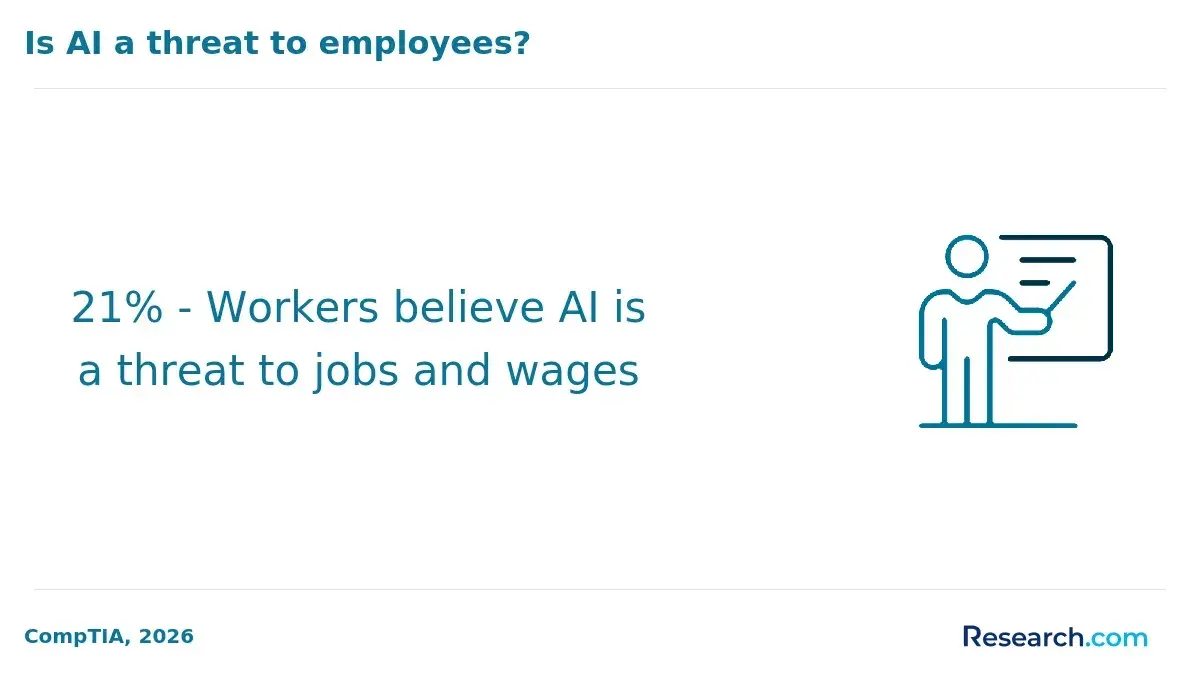
What types of AI certificates are most valuable in the nonprofit sector?
The most valuable AI certification programs for nonprofit professionals emphasize practical skills in data analysis, ethical AI use, and automation tailored to social impact. Certifications that combine technical proficiency with an understanding of nonprofit challenges offer the greatest return on investment by enhancing staff abilities in data-driven decision making to improve program evaluation and donor engagement.
Key certificates valuable artificial intelligence certificates for nonprofit organizations typically include:
- Data Science and Machine Learning certificates focused on nonprofit datasets and predictive analytics.
- Ethical AI and Responsible AI certifications covering bias reduction and transparency, essential for building trust.
- AI Automation and Workflow Integration credentials, which help automate repetitive tasks like grant processing and volunteer coordination.
- Natural Language Processing (NLP) certificates designed to enhance communication via AI-powered content creation and sentiment analysis.
Research from Stanford HAI and Stanford Graduate School of Business reveals that workers using generative AI saved an average of 5.4% of their work hours, roughly 2.2 hours per 40-hour week, highlighting how these skills drive productivity, especially for nonprofits with limited resources. Certifications enabling staff to deploy generative AI for report automation or community outreach amplify impact.
Choosing programs offering hands-on projects and platform-specific training, such as Microsoft Azure AI or Google AI, increases adaptability. Nonprofits benefit most from certificates that blend data literacy, ethical frameworks, and practical automation skills.
Those interested in expanding their education in related fields might also explore an online cyber security degree to strengthen their technological expertise.
How do online AI courses for nonprofits compare with in-person or campus-based options?
Online AI courses versus in-person nonprofit training present distinct advantages and challenges for nonprofit teams. Online programs offer flexibility and accessibility, accommodating diverse schedules and eliminating travel costs. This format allows staff from different locations to engage in training, expanding organizational reach. However, online courses may lack immediate peer interaction and hands-on collaboration, which campus-based programs excel at providing.
Campus-based AI programs for nonprofit teams generally foster a structured learning environment with direct mentorship, group projects, and valuable networking opportunities. These benefits can accelerate team cohesion and strategic AI adoption but often require more time and funding, potentially limiting participation for smaller or rural nonprofits. Online courses frequently provide modular certificates, helping teams validate AI skills both internally and externally.
According to the Center for Effective Philanthropy's State of Nonprofits 2024 report, only 21% of nonprofit organizations had formal AI policies, highlighting a critical need for accessible and relevant AI training focused on practical applications and ethical use. When deciding between formats, nonprofits should evaluate:
- Their current technical capacity and demand for guided support.
- Funding availability for tuition and travel.
- Whether individual certification or team-based learning better aligns with their AI goals.
For those exploring advanced study, options include a PhD data science online to deepen expertise.
What core AI skills and topics should nonprofit-focused courses and curricula cover?
Nonprofit AI courses should equip teams with both technical skills and ethical awareness tailored to their unique field. Core subjects include machine learning principles, data preprocessing, and model evaluation to build a strong foundation. Emphasizing data ethics and bias mitigation is essential due to the sensitive nature of nonprofit work and its social implications.
Many nonprofit organizations manage extensive textual data such as grant applications and community feedback. Skills in natural language processing (NLP), sentiment analysis, and topic modeling enhance communication strategies and program effectiveness. Training in data visualization supports clear interpretation and reporting of AI insights for stakeholders.
Technical knowledge must extend to AI integration with nonprofit systems, including cloud computing platforms and resource-efficient open-source tools. Scenario-based exercises covering fundraising optimization, volunteer coordination, and impact measurement demonstrate practical applications.
With a 21% year-over-year increase in AI-related job postings noted in LinkedIn's Work Change Report 2024, nonprofit professionals also need agile project management and cross-disciplinary collaboration skills to implement and scale solutions successfully.
- Machine learning principles and data ethics
- Natural language processing and text analytics
- Data visualization and impact reporting
- Cloud computing and resource-efficient tools
- Project management aligned with AI integration
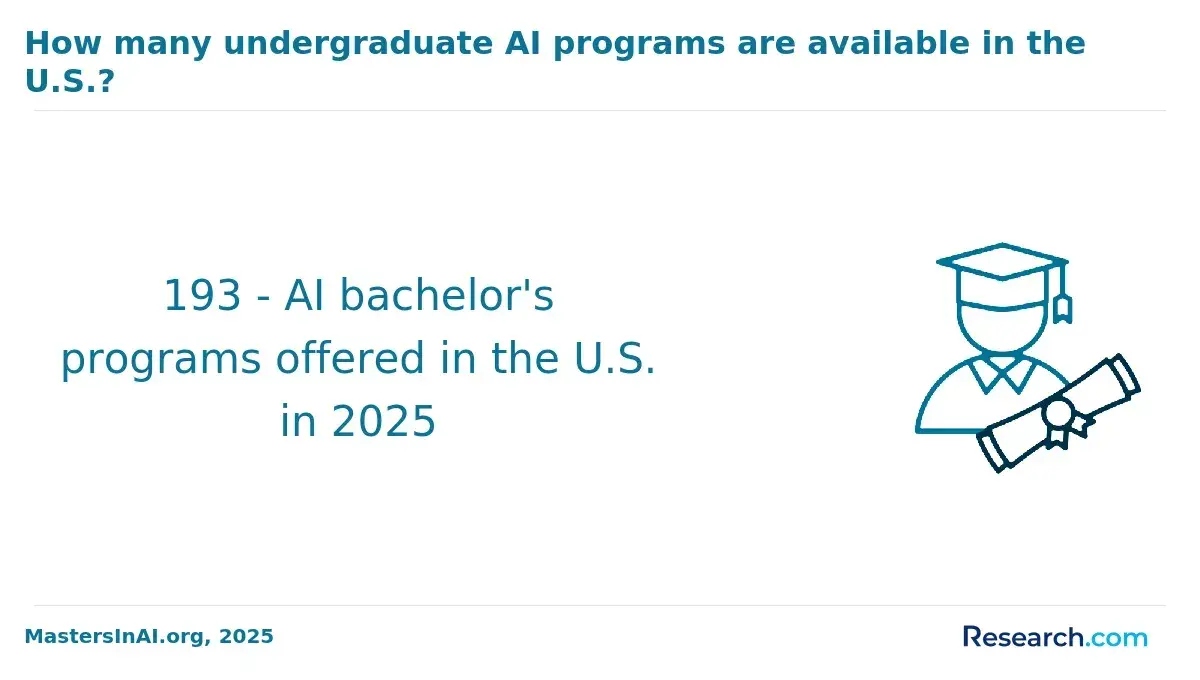
Which accredited universities and training providers offer reputable AI programs for nonprofits?
Several accredited universities and training providers offer reputable artificial intelligence programs designed for nonprofit teams. Leading institutions such as Stanford University and Massachusetts Institute of Technology (MIT) offer specialized courses emphasizing ethical applications and social impact, closely aligning with nonprofit missions. These programs develop practical skills including data analysis, machine learning algorithms, and AI-driven decision-making frameworks.
Online platforms affiliated with top universities, like Coursera's AI for Everyone from the University of Toronto and edX's AI MicroMasters from Columbia University, provide certificates that nonprofit professionals can use to boost credibility and career growth. These certificates are widely recognized by employers and support skill integration in real-world nonprofit contexts.
Industry-focused programs such as the Data Science for Social Good (DSSG) fellowship at the University of Chicago offer hands-on projects to help nonprofit teams address societal challenges using artificial intelligence. Combining academic rigor with practical experience, these programs ensure teams apply AI effectively in impactful ways.
Employers increasingly value AI competencies, with AI-skilled workers earning a 56% wage premium, according to the PwC Global AI Jobs Barometer 2025. For nonprofits, investing in accredited artificial intelligence education enhances operational efficiency and fundraising through data-driven insights. When choosing programs, verify institutional accreditation, course relevance to nonprofit goals, and accessibility for working professionals.
How long do nonprofit-oriented AI certificate programs typically take and what do they cost?
Nonprofit-oriented artificial intelligence certificate programs typically last between 4 and 12 weeks, with formats varying from intensive bootcamps to self-paced courses. Short-term options, often around one month, focus on specific skills such as data analysis or AI ethics. More comprehensive programs covering broader curricula and hands-on projects usually extend from 8 to 12 weeks. Self-paced models offer flexibility for working professionals but may take longer to complete.
Costs generally range from $500 to $3,000. Lower-priced courses are usually offered by nonprofits or universities providing subsidized fees, while higher-priced programs may include personalized mentorship and career support. Many providers offer scholarships or discounted group rates to address nonprofit budget limitations.
Typical examples include an 8-week online course costing about $1,200 with certification or a $600 self-paced course designed around practical nonprofit AI applications. For organizations training multiple employees, institutional discounts or partnerships can lower per-person expenses significantly.
The value of investing in AI capability-building is highlighted by research from McKinsey's State of AI 2024, showing that organizations with strong AI adoption achieve 3.7 times greater productivity gains than those that apply AI sporadically. This makes certificate programs a strategic asset for nonprofits seeking to enhance operational efficiency and impact.
What are the common admission requirements for AI courses designed for nonprofit staff?
Admission to AI courses designed for nonprofit staff often emphasizes practical experience and foundational knowledge rather than advanced academic credentials. Most programs require at least a high school diploma or equivalent, and many prefer some background in data analysis, statistics, or basic programming. Familiarity with nonprofit operations or fundraising methodologies is advantageous, as it enhances learning tailored to sector-specific challenges.
Courses may include assessments to evaluate understanding of data-driven decision-making or previous technology adoption. Applicants might also submit statements outlining how they plan to use AI tools within their nonprofit roles, enabling instructors to customize content for areas such as fundraising, community outreach, or program evaluation.
Technical prerequisites vary widely: beginner courses often require no coding skills, while intermediate or advanced classes may expect knowledge of Python, SQL, or AI frameworks. Non-technical applicants frequently can join by completing preparatory modules or workshops. Some programs prioritize nonprofit employees from financially under-resourced organizations and offer scholarships or special certificates to encourage participation.
Notably, nonprofits that use data and AI-driven fundraising experience about a 29% higher donor retention rate, according to the Association of Fundraising Professionals' Fundraising Effectiveness Project. This trend underscores the importance of practical application and measurable impact in these courses. Applicants should be prepared to demonstrate how AI skills will support their organization's fundraising or service delivery goals.
How can AI training impact nonprofit career paths, roles, and promotion opportunities?
AI training enhances nonprofit career trajectories by equipping professionals with skills crucial for evolving organizational demands. With 86% of employers anticipating AI as a mainstream skill within three years, earning AI certificates boosts a candidate's competitiveness for roles involving data analysis, program evaluation, and impact measurement. This opens new career opportunities beyond traditional fundraising or outreach.
Professionals skilled in AI can move into specialized positions such as AI project coordinators, data strategists, or technology advisors. These roles expand responsibilities, allowing staff to leverage machine learning to analyze donor behavior or optimize resources, thereby improving operational efficiency and demonstrating measurable impact. This expertise also increases prospects for promotions and leadership roles.
AI skills support upward mobility by meeting the growing nonprofit demand for tech-savvy employees who use data strategically. Those proficient in AI can lead digital transformation initiatives-priorities for grant applications and stakeholder reporting-and automate routine tasks, freeing time for innovation and strategic focus.
AI training designed for nonprofits emphasizes practical tools without requiring advanced programming knowledge. Certificates serve as concrete proof of expertise, facilitating career progression. Targeting courses focused on applied AI in data-driven decision making and nonprofit operations maximizes role enhancement and relevance.
What is the job outlook and salary potential for nonprofit professionals with AI expertise?
Nonprofit professionals with AI expertise are increasingly in demand as organizations seek to adopt automated solutions, data analysis, and digital fundraising tools. According to the Nonprofit HR 2024 Nonprofit Talent Survey, 54% of nonprofit employees noted that building skills, including earning certificates, enhanced their ability to adapt to technological changes. This growing trend shows how vital AI proficiency is to improving organizational impact and efficiency.
Salary ranges vary widely based on role and experience. Entry-level nonprofit positions with AI skills typically earn between $50,000 and $65,000 annually, while mid- and senior-level roles in data management, program analytics, or AI integration often command $75,000 to over $100,000. Specialized roles like AI project managers and data scientists frequently earn higher salaries, especially in larger organizations or urban areas.
Certificates in AI-related fields serve as proof of competence that many nonprofit employers value when justifying wage increases or promotions. Skills such as machine learning for donor segmentation and natural language processing for social impact analysis can create opportunities in consulting or grant-funded roles.
For nonprofit professionals, earning formal AI credentials is a strategic step that aligns with employer expectations in technology-driven operations. It helps address measurable skills needs and increases competitiveness in the evolving nonprofit job market.
Other Things You Should Know About Artificial Intelligence
In 2027, recommended AI courses for nonprofit teams that offer certificates include "AI for Social Good" from Coursera, focusing on ethical application and practical skills. Harvard's online "AI in the Nonprofit Sector" emphasizes strategic integration, and Udacity's "AI Programming with Python" caters to hands-on coding for those new to AI technologies.
Artificial intelligence enhances decision-making by providing data-driven insights and predictive analytics that help nonprofits identify trends, allocate resources efficiently, and tailor programs to beneficiary needs. AI tools can analyze large datasets quickly, enabling leaders to make informed choices based on real-time evidence rather than intuition alone.
Yes, many AI courses are designed specifically for learners with minimal technical backgrounds, focusing on practical applications and user-friendly tools. With structured learning paths and hands-on projects, nonprofit staff can acquire essential AI skills to improve their daily work and contribute to broader organizational goals.
Nonprofit teams must consider transparency, fairness, and accountability when deploying artificial intelligence solutions. It is crucial to ensure that AI systems do not perpetuate bias or discrimination and that data collection and usage comply with privacy laws and ethical guidelines. These practices help maintain public trust and support responsible innovation.
References
- AI Skills for Nonprofits - data.org https://data.org/resources/ai-skills-for-nonprofits/
- AI Resources for Nonprofits https://www.nptechforgood.com/ai-for-nonprofits/resources/
- The 2024 Nonprofit AI Quick-Start Guide and Tips for Success https://www.bwf.com/nonprofit-ai-quick-start-guide/
- How AI is Reshaping Career Pathways https://resources.twc.edu/articles/how-ai-is-reshaping-career-pathways
- AI Literacy for All: Adjustable Interdisciplinary Socio-technical Curriculum https://arxiv.org/html/2409.10552v1
- AI for Nonprofit Staff & Fundraisers Course - Workplace AI Institute https://workplaceaiinstitute.com/courses/ai-for-nonprofit-staff-fundraisers/
- Kaya https://kayaconnect.org/course/view.php
- Applied AI certificate for social good — PoliSync https://www.polisync.org/ai-certificate
- Top Ten AI Usage Policy Considerations for Nonprofits < The Nonprofit Alliance https://tnpa.org/top-ten-ai-usage-policy-considerations-for-nonprofits/
- AI for Nonprofits Professional Certificate | NTEN https://www.nten.org/learn/professional-certificates/ai-for-nonprofits