2027 Best AI Courses for Accounting Managers With Certificates

Co-Founder and Chief Data Scientist
Accounting managers face increasing pressure to integrate ai tools that streamline financial processes and enhance data accuracy. Many struggle to find flexible, accredited courses that also offer certificates to verify their new skills. This gap can delay career advancement and reduce competitiveness in a tech-driven market. Professionals need accessible learning paths that fit busy schedules while providing practical, relevant knowledge. This article reviews top ai courses designed specifically for accounting managers, focusing on programs that combine quality instruction with certification, helping readers confidently transition into ai-enhanced accounting roles and future-proof their careers.
Key Things You Should Know
- Accounting managers benefit from AI courses offering specialized skills in automation, fraud detection, and data analytics, essential for modern financial oversight and decision-making.
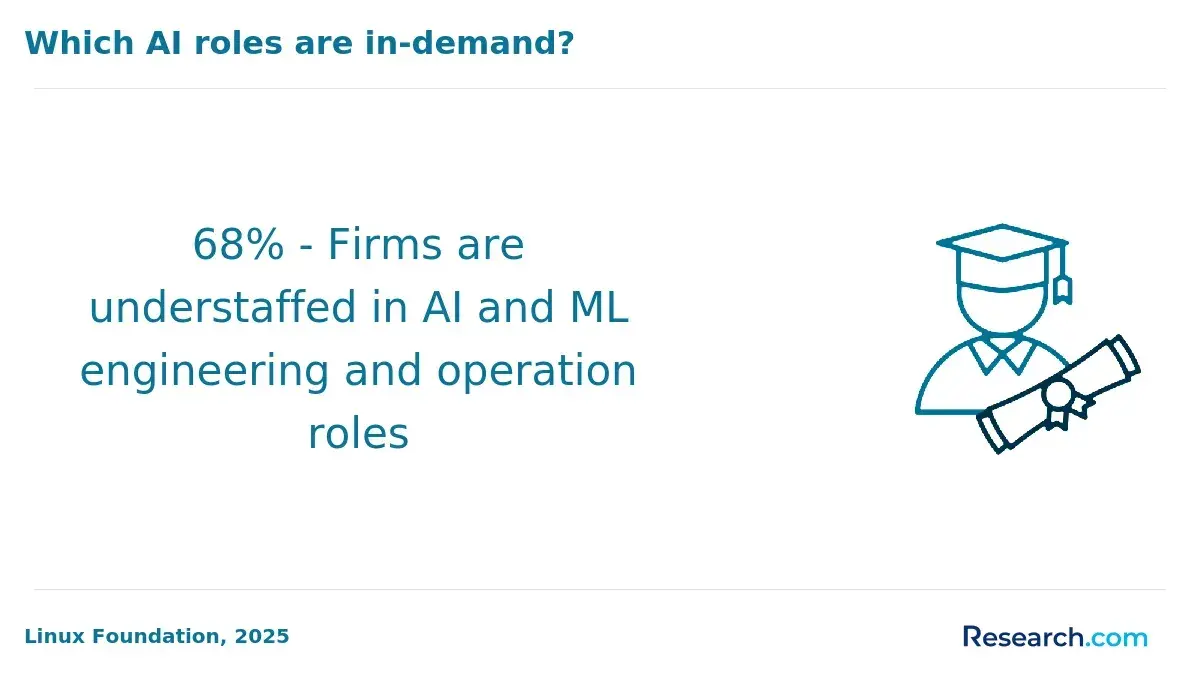
- Certified AI programs from accredited institutions increase employability, with 68% of graduates reporting salary growth within one year of completion as of 2025.
- Top courses combine practical software training with theoretical knowledge, reflecting rapid AI integration in accounting workflows and compliance requirements.
Advance Your Career with AI Online Courses
Artificial Intelligence: Implications for Business Strategy
This program provides an introduction to Artificial Intelligence and their implications for business strategy. Earn an official digital certificate.

Oxford Artificial Intelligence Programme
Explore this Oxford Artificial Intelligence programme offered in a flexible learning environment and explore topics like machine learning, automation, and robotics.

Implementing Agentic AI: Building Your Organizational Playbook
This online MIT Agentic AI course offers a practical approach to deploying AI agents in your organization, including a custom playbook. 3 weeks, exclusive launch price.

AI Adoption: Driving Business Value and Impact
This online MIT AI Adoption: Driving Business Value and Impact offers practical frameworks to close the gap between AI potential and business reality.

Artificial Intelligence in Pharma and Biotech
Discover the applications and limitations of artificial intelligence in pharma and biotech with this MIT online short course.

What is an AI course for accounting managers, and who should consider these programs?
An AI course for accounting managers with certification is a specialized program that trains finance professionals to apply artificial intelligence in accounting functions. These training programs cover essential topics such as machine learning models for fraud detection, automation of financial reporting, predictive analytics for budgeting, and AI-driven tools like robotic process automation (RPA).
By completing these courses, accounting managers can analyze AI outputs, incorporate AI into workflows, and enhance data-driven decision-making.
Accounting managers who benefit most from the best accounting AI training programs for managers include mid-level professionals aiming to advance their analytical skills and stay competitive. Those managing audit accuracy, compliance monitoring, or financial forecasting find AI knowledge especially valuable for reducing manual errors and improving efficiency.
Similarly, professionals overseeing ERP or cloud-based accounting systems gain better control through AI proficiency. These courses are also ideal for individuals preparing to transition into roles such as AI implementation consultants or financial data strategists.
A 2025 Deloitte survey found that 82% of finance leaders expect AI and automation skills among the top requirements for mid-level accounting and finance managers within two years. This highlights the importance for accounting managers to acquire AI expertise to maintain relevance and prepare for evolving responsibilities.
Many prospective students complement their training with a one year computer science degree to deepen their technical foundation.
Advance Your Career with AI Online Courses
Artificial Intelligence: Implications for Business Strategy
This program provides an introduction to Artificial Intelligence and their implications for business strategy. Earn an official digital certificate.
Oxford Artificial Intelligence Programme
Explore this Oxford Artificial Intelligence programme offered in a flexible learning environment and explore topics like machine learning, automation, and robotics.
Implementing Agentic AI: Building Your Organizational Playbook
This online MIT Agentic AI course offers a practical approach to deploying AI agents in your organization, including a custom playbook. 3 weeks, exclusive launch price.
How can AI certificates help accounting managers advance their careers and responsibilities?
AI certificates enable accounting managers to expand their career opportunities by validating essential skills in data analytics and AI tools critical for modern financial decision-making. According to ACCA's "Digital Accountant" report, 73% of employers require literacy in these competencies for promotion into accounting manager roles. This certification signals to employers that candidates possess the technical expertise needed to leverage AI for automating routine tasks, detecting anomalies, and enhancing forecasting accuracy.
Accounting managers with AI certificates can effectively lead digital transformation initiatives by integrating AI-driven software into accounting workflows. For example, proficiency in machine learning models helps improve fraud detection, while knowledge of natural language processing supports automated report generation.
These skills reduce time spent on manual data entry and increase the reliability of financial insights. Career advancement through artificial intelligence credentials often involves gaining supervisory roles overseeing AI-enabled teams or projects.
Furthermore, AI certification enhances strategic responsibilities by enabling accounting managers to interpret AI-generated analytics and communicate actionable insights to executive leadership. This shifts their role from traditional bookkeeping to a more consultative function, influencing investment decisions and risk management.
Practical applications include automating month-end closing processes, optimizing audit procedures through intelligent data sorting, and managing compliance via AI-powered regulatory tracking. For professionals facing challenges in adapting to rapidly evolving tech landscapes, AI certification benefits for accounting managers provide a structured pathway to acquire up-to-date knowledge and maintain competitive relevance.
By mastering AI competencies, many professionals pursue advanced education opportunities, such as affordable online programs in specialties like engineering degrees, to reinforce their technical expertise and career growth.
What types of AI courses and certificates are best suited for accounting managers?
Many of the best AI courses with certificates for accounting managers emphasize the integration of AI knowledge with real-world financial leadership skills. A key insight from PwC's Global CEO Survey reveals that 57% of CEOs see the main obstacle to unlocking AI's value as a lack of business-savvy AI skills in finance roles rather than a shortage of technical data scientists. This highlights the importance of AI training programs designed for accounting professionals.
These programs typically focus on AI-driven financial analysis, risk assessment, and process automation, avoiding deep coding or machine learning modeling. Practical training on AI tools for auditing, fraud detection, and predictive analytics equips accounting managers with actionable insights without requiring advanced programming expertise.
The best AI training programs for accounting professionals also include modules on ethical AI use, data privacy, and regulatory compliance to help navigate emerging risks and AI governance frameworks.
Core topics often cover:
- Fundamentals of AI concepts relevant to finance
- Application of AI to budgeting and forecasting
- AI tools for streamlining financial operations
- Strategic management of AI-driven projects in accounting
Programs with recognized certificates affirm a manager's competency in overseeing AI initiatives aligned with organizational goals. For those interested in expanding their knowledge further, pairing these courses with an online cyber security degree can provide valuable complementary skills in safeguarding AI-driven financial systems.
What curriculum topics should AI courses for accounting managers cover?
AI courses for accounting managers provide essential training to leverage emerging technologies that enhance accounting processes. Key accounting skills enhanced by artificial intelligence courses include understanding machine learning fundamentals for analyzing financial data, predicting trends, and identifying anomalies.
Knowledge of natural language processing (NLP) assists in automating document reviews such as invoices and contracts, reducing manual errors.
Robotic process automation (RPA) is central to streamlining routine tasks like accounts payable, payroll, and reconciliations. Courses also emphasize data governance and ethical issues related to AI implementation in finance, ensuring compliance and safeguarding sensitive financial data. Skills in data visualization help translate AI outputs into actionable insights for better strategic decisions.
Advanced topics often cover AI-driven risk assessment, fraud detection, and forecasting models tailored for accounting scenarios. Familiarity with widely used AI tools and platforms-including automated auditing software-enhances operational efficiency. Incorporating case studies and hands-on projects simulates real-world environments, enabling managers to confidently lead AI adoption initiatives and optimize workflows.
According to Coursera's learner outcomes survey, 71% of students completing university-issued AI certificates in business or finance saw positive career advancement.
Those interested in expanding their technical expertise may also consider a cyber security course to complement their skillset. AI integration in accounting processes for managers continues to grow, making targeted education increasingly valuable.
How do online, hybrid, and campus AI programs compare for working accounting managers?
Online, hybrid, and campus formats each offer distinct advantages for accounting managers seeking Artificial Intelligence education based on their career goals, schedules, and learning preferences. Online programs are highly flexible, ideal for those balancing work with skill development.
They typically feature short courses under 40 hours, which AICPA & CIMA's 2024 member insights link to a 1.6x greater likelihood of moving into strategic finance or advisory roles within a year. These courses frequently update content to keep pace with AI innovations and often include interactive tools for practical application.
Hybrid programs combine online learning with on-campus sessions, balancing flexibility with opportunities for face-to-face networking and collaboration. This approach supports managers who want hands-on experiences and deeper understanding of complex AI applications through live discussions and group work-advantages less accessible in purely online formats.
Campus-based programs provide immersive settings with structured schedules and direct access to faculty expertise. Best suited for professionals able to take extended leave, these programs offer thorough theoretical foundations and real-time mentorship, fostering rich networking opportunities.
Choosing the right format depends on individual time constraints, learning styles, and career objectives. Online short-format courses geared toward CPAs and controllers can accelerate career advancement, while hybrid and campus options benefit those aiming for in-depth AI mastery in collaborative environments.
Which accreditation, school quality signals, and certificate issuers should accounting managers prioritize?
Accreditation by respected bodies such as AACSB, EQUIS, or ACBSP is essential when choosing AI courses in accounting. These accreditations guarantee that programs meet strict academic and industry criteria, ensuring quality and credit transferability. Strong indicators of program value include faculty with dual expertise in accounting and AI, involvement in AI-driven accounting research, and collaborations with industry leaders.
Certificates should come from reputable issuers recognized in the finance and accounting job markets. Organizations like the American Institute of CPAs (AICPA) and platforms such as Coursera, edX, and LinkedIn Learning issue certificates that align with employer expectations.
LinkedIn Learning's Workplace Learning Report highlights that 69% of professionals with AI-related certificates displayed them on their profiles, and 37% reported these credentials helped secure interviews.
Practical application enhances employability. Prioritize programs offering hands-on labs, integration with popular accounting software, and AI tools like robotic process automation (RPA) or predictive analytics. Additional benefits include post-course job placement support and networking opportunities. Transparency through clear course outcomes and third-party reviews further helps assess course effectiveness.
What are the typical admission requirements and prerequisites for AI courses in accounting?
Admission requirements for AI courses in accounting typically include a bachelor's degree in accounting, finance, business, or a related field. Programs often expect foundational knowledge in statistics, data analysis, or computer science due to the technical focus on AI applications in auditing and risk management.
Many professionals need to show relevant experience in audit, risk, or internal controls, reflecting findings from KPMG's 2024 "Future of Internal Audit" study, which highlights a growing investment in AI but a skills gap among audit teams.
Applicants may also need proficiency in basic programming languages such as Python or R, especially since many courses cover AI model implementation and data automation. Preparation might include introductory machine learning or AI concept classes, along with quantitative methods or accounting software integration for those without technical backgrounds.
Some programs require candidates to demonstrate practical application skills through case studies or projects, and may conduct pre-course tests or interviews to assess readiness. Holding a financial accounting certification or CPA designation can strengthen an application by confirming a solid accounting foundation.
Overall, admission criteria balance accounting expertise with technical aptitude in AI. Prospective students should prepare through a combination of relevant education, work experience, and programming skills to succeed in integrating artificial intelligence into accounting roles.
How long do AI certificate programs for accounting managers take, and what do they cost?
AI certificate programs for accounting managers typically last between 3 and 12 months, depending on the course depth and delivery format. Shorter programs, around 3 to 6 months, concentrate on foundational AI concepts, data analytics, and automation tools tailored to accounting workflows.
Longer, more comprehensive courses include advanced topics such as machine learning applications, compliance automation, and AI-driven financial reporting. These courses often offer flexible, part-time schedules suited for working professionals, frequently available online.
Costs vary significantly by provider and program scope. Entry-level certificates usually range from $1,000 to $3,500. Specialized programs targeting industry-specific AI applications in corporate, public, or government accounting may cost between $4,000 and $8,000, reflecting the specialized curriculum and real-world case studies. Employer-sponsored or subsidized options are sometimes available.
Key considerations for prospective students include:
- Integration of regulatory compliance and financial reporting automation
- Certificate recognition and industry relevance
- Access to hands-on labs and current AI accounting software
- Alignment with professional goals within a 3-year market adoption timeline, as highlighted by EY's Global FAAS survey showing 61% of corporate finance leaders plan to deploy AI solutions
These factors enhance the practical value of AI certificates, ensuring immediate workplace applicability and improved competitiveness in the evolving finance sector.
What AI-related job roles, promotions, and salary outcomes can accounting managers expect?
Accounting managers who develop AI-related skills can unlock significant career advancement, including new roles, promotions, and higher salaries. According to IBM's Global AI Skills Study, professionals with AI certifications earn on average 21% more total compensation than those without. This compelling data underscores the value of pursuing formal training in AI for accounting managers.
Career paths often evolve toward positions such as AI financial analysts, automation leads, and data compliance specialists. These roles involve managing AI-driven financial reporting, automating accounting tasks, and ensuring regulatory compliance in data management. For example, managers skilled in AI can spearhead projects using machine learning models to detect fraud or forecast financial risks, increasing their strategic importance.
Promotions frequently lead to senior analytics manager or finance transformation leader roles, where expertise in both finance and AI drives cross-functional teams and project execution. These positions require interpreting AI insights and overseeing AI system implementations, typically supported by certificates demonstrating proficiency.
Salary increases tied to AI skills typically range from 15% to 30%, with employers in finance, consulting, and technology sectors offering premium packages. Accounting managers can also negotiate bonuses based on efficiency gains or cost reductions enabled by AI applications.
- New job roles: AI financial analyst, automation lead, data compliance specialist
- Promotion paths: Senior analytics manager, finance transformation leader
- Salary increase range: 15%-30%
To enhance career prospects, accounting professionals should pursue AI certificates focusing on financial applications, such as fraud detection and AI-powered budgeting tools. These credentials strengthen qualifications and justify salary enhancements linked to measurable AI contributions.
How should accounting managers evaluate and choose among competing AI certificate programs?
Accounting managers should select AI certificate programs that align closely with their specific roles and career goals. Prioritizing courses focused on finance and accounting applications-such as financial forecasting, risk analysis, and automated auditing-ensures relevant, practical skill development rather than generalized AI theories.
Verifying program credibility is crucial. This includes examining accreditation, instructor expertise, and partnerships with reputable industry bodies. Certifications supported by established institutions or accounting organizations tend to hold greater value in the job market.
Hands-on experience is a key factor. Programs offering project-based learning, case studies, or simulations involving real financial data better equip professionals to integrate AI tools effectively. Training on AI-driven ERP software or automated compliance monitoring exemplifies skills transferable to daily work.
Choosing certificates that fit within a structured learning pathway enhances long-term benefits. For instance, McKinsey's "State of AI in Finance" report highlights that organizations with role-based AI learning roadmaps are 3.5 times more likely to achieve significant cost savings than those relying on ad-hoc training. It is essential to select programs that build progressively on existing knowledge.
Additional considerations include program duration, flexibility for working professionals, cost relative to content depth, and alumni outcomes. Employer recognition and measurable market value further indicate a certificate's effectiveness and return on investment.
Other Things You Should Know About Artificial Intelligence
AI certifications enhance an accounting manager's qualifications but do not guarantee employment. They demonstrate proficiency and commitment to staying current with technology, which can improve job prospects and open doors to more advanced roles. Job offers still depend on experience, interview performance, and market conditions.
Ethics and data privacy are critical components in AI, especially in accounting where sensitive financial data is handled. Accounting managers must understand how to apply ethical guidelines and comply with regulations to avoid misuse of AI tools. This knowledge helps maintain transparency, security, and legal compliance in AI-driven processes.
No, prior programming experience is generally not necessary to succeed in AI courses for accounting managers. Many courses are designed to accommodate beginners, focusing on AI concepts relevant to accounting without requiring a technical programming background. This accessibility makes these courses ideal for professionals in the field aiming to integrate AI into their work.
References
- Best AI Courses for Finance & Business Professionals (2026) https://www.wallstreetprep.com/knowledge/best-ai-courses-for-finance-business-professionals/
- The five best AI software for finance and accounting | Trullion https://trullion.com/blog/the-five-best-ai-software-for-finance-and-accounting/
- AI for Accounting online CPD Course https://www.oxfordhomestudy.com/courses/accounting-courses-online/ai-for-accounting
- Artificial Intelligence in Finance: 9 AI Courses to Build Your Skills https://xledger.com/blog/artificial-intelligence-in-finance-9-ai-courses-to-build-your-skills/
- The Complete Guide to AI in Finance: What Every Accountant Needs to Know | Learnsignal https://www.learnsignal.com/blog/complete-guide-ai-finance-accountants/
- Certified Artificial Intelligence (AI) for Accountants Training Course https://www.oakwoodinternational.com/courses/accounting-courses/certified-artificial-intelligence-ai-for-accountants-training
- AI Accounting & Auditing Certificate Training https://www.becker.com/cpe/ai-for-accounting-audit-certificate
- AI in Accounting: The Complete 2026 Guide https://www.dualentry.com/blog/ai-in-accounting
- How Artificial Intelligence (AI) Impacts Accounting | Campus https://campus.edu/blog/accounting/artificial-intelligence-accounting
- What Certifications and Rankings Are Important for an Accounting Major? https://www.stonehill.edu/programs/accounting/what-certifications-and-rankings-are-important-for-an-accounting-major/