2027 Best AI Agent Courses for CIOs

Co-Founder and Chief Data Scientist
Many CIOs face a growing challenge: integrating AI agents into existing business infrastructures without formal training in artificial intelligence. Rapid technological advancements demand expertise to guide strategic adoption, optimize operations, and manage risks effectively. However, finding flexible, accredited courses tailored to experienced professionals from unrelated fields remains difficult.
This gap often results in missed opportunities and inefficient implementations. This article reviews top AI agent courses designed specifically for CIOs, highlighting flexible, reputable programs that enable career pivots and equip leaders to harness AI's potential confidently and decisively in their organizations.
Key Things You Should Know
- Top AI agent courses for CIOs in 2026 emphasize strategic implementation, with 67% of programs integrating real-world enterprise AI applications to enhance decision-making skills.
- Many courses now include modules on ethical AI governance, reflecting growing demand for CIOs to manage responsible AI use, with 54% coverage in leading curricula as of 2025.
- Data from 2024 shows a 42% increase in certifications focusing on emerging AI automation tools, highlighting the shift toward operational efficiency in CIO roles.
Advance Your Career with AI Online Courses
Artificial Intelligence: Implications for Business Strategy
This program provides an introduction to Artificial Intelligence and their implications for business strategy. Earn an official digital certificate.

Oxford Artificial Intelligence Programme
Explore this Oxford Artificial Intelligence programme offered in a flexible learning environment and explore topics like machine learning, automation, and robotics.

Implementing Agentic AI: Building Your Organizational Playbook
This online MIT Agentic AI course offers a practical approach to deploying AI agents in your organization, including a custom playbook. 3 weeks, exclusive launch price.

AI Adoption: Driving Business Value and Impact
This online MIT AI Adoption: Driving Business Value and Impact offers practical frameworks to close the gap between AI potential and business reality.

Artificial Intelligence in Pharma and Biotech
Discover the applications and limitations of artificial intelligence in pharma and biotech with this MIT online short course.

What are AI agent courses for CIOs?
AI agent training programs for CIO leadership prepare chief information officers to implement and manage autonomous AI systems that drive efficiency and innovation within organizations. These executive courses on artificial intelligence agents for CIO strategy emphasize both the technical aspects-like machine learning, natural language processing, and real-time decision algorithms-and the strategic leadership skills needed to align AI initiatives with business goals.
Course content often includes frameworks for deploying AI-driven customer service agents, using autonomous systems in supply chain management, and developing governance policies to ensure compliance and transparency. These programs tailor expertise to various industries, from finance to healthcare and manufacturing, meeting sector-specific demands.
A 2024 Gartner survey reports that 80% of CIOs plan to increase investments in agentic or autonomous AI capabilities by at least 25% over the next two years, highlighting the critical need for such specialized training. By completing these courses, CIOs gain actionable insights on risk mitigation, AI governance, and effective integration strategies essential for maintaining competitive advantage.
For professionals exploring how AI education can expand career opportunities, resources like what can you do with an applied artificial intelligence degree offer valuable guidance on AI-related career paths and skill development.
Advance Your Career with AI Online Courses
Artificial Intelligence: Implications for Business Strategy
This program provides an introduction to Artificial Intelligence and their implications for business strategy. Earn an official digital certificate.
Oxford Artificial Intelligence Programme
Explore this Oxford Artificial Intelligence programme offered in a flexible learning environment and explore topics like machine learning, automation, and robotics.
Implementing Agentic AI: Building Your Organizational Playbook
This online MIT Agentic AI course offers a practical approach to deploying AI agents in your organization, including a custom playbook. 3 weeks, exclusive launch price.
Which AI agent skills do CIOs need most?
CIOs focusing on AI agent leadership skills for CIOs must cultivate diverse competencies to drive digital transformation effectively. Strategic AI agent implementation capabilities increase the likelihood of EBIT margin improvements by 1.4 times when applied across multiple workflows, highlighting the need to scale AI use beyond pilot projects. Identifying key business processes that gain the most from agentic AI deployment is essential.
Data literacy is crucial for interpreting AI outputs and supporting informed decision-making. Proficiency in AI model evaluation, bias awareness, and governance frameworks ensures ethical and reliable implementations. Similarly, knowledge of automation and orchestration platforms is vital for seamless integration of AI agents, minimizing manual inefficiencies.
Technical expertise in machine learning workflows, natural language processing, and reinforcement learning helps CIOs collaborate effectively with data scientists to customize AI solutions. Change management skills support overcoming resistance and aligning stakeholders, fostering a culture of continuous AI innovation.
Risk management, especially regarding data privacy, cybersecurity, and regulatory compliance, is a major leadership requirement. CIOs must also excel in vendor evaluation and procurement to maximize scalability and return on investment. Training programs focused on applied AI strategy, ethical governance, and cross-functional teamwork strengthen these skills.
Enhancing these capabilities can drive full-scale adoption of AI agents and tangible financial improvements. Professionals interested in advancing their careers in technology might consider pursuing a mechanical engineer degree as a strong foundation toward understanding and leading A.I.-driven initiatives.
How do you choose the best AI agent course?
CIOs focusing on the best AI agent courses for CIOs in North America should prioritize programs that close critical skill gaps in designing, governing, and scaling AI agents. According to Gartner's IT skills survey, 73% of CIOs indicate a shortage of in-house expertise in these areas, underscoring the need for targeted training.
Key factors to consider include:
- Curriculum depth: Coverage of agent architectures, machine learning integration, data governance, and ethics in AI deployment.
- Hands-on projects: Practical scenarios or simulations that hone deployment and troubleshooting skills.
- Faculty expertise: Instructors with industry experience or published research provide cutting-edge insights.
- Adaptability: Courses that update regularly to reflect AI advances, regulations, and challenges.
- Interdisciplinary approach: Integration of AI with IT management, cybersecurity, and compliance.
Course format and duration are also important. Executive-level, modular options with flexible online access can help busy professionals complete training without compromising rigor. Additionally, certification or continuing education credits enhance career credentials in a rapidly evolving AI landscape. For those exploring pathways into related fields, consider programs such as an online masters data science that complement AI skills.
Professionals seeking the top online AI agent training programs for executives should assess how well these courses blend deep technical content with governance frameworks and practical application to meet enterprise-wide needs.
Are online AI agent courses better than campus options?
Online AI agent courses offer greater flexibility for CIOs by allowing professionals to learn at their own pace while balancing demanding schedules. This flexibility, combined with rapid curriculum updates, makes online programs the best online AI agent courses for CIOs seeking current expertise. IDC's 2024 forecast predicts a 48% compound annual growth rate in spending on AI agent and orchestration platforms through 2028, emphasizing the need for continuously refreshed knowledge in this fast-evolving field.
Campus vs online AI agent course advantages include hands-on labs and networking, where campus courses traditionally excel. However, many online options now feature interactive simulations, virtual labs, and forums that closely replicate these benefits. Online courses often provide access to instructors with extensive industry experience, sometimes surpassing what campus programs can offer.
- Time constraints: Online courses fit around professional commitments.
- Curriculum relevance: Online providers frequently update material to reflect new AI agent tools.
- Cost efficiency: Online learning reduces commuting, relocation, and facility expenses.
- Networking: Campus may offer stronger in-person collaboration, but online courses increasingly use virtual communities.
Given the rapid expansion of AI agent technology, CIOs must focus on programs offering up-to-date insights with flexible delivery options. For those deciding their next steps, understanding what does an AI trainer do can also clarify career paths supported by these courses.
What curriculum should an AI agent course include?
An AI agent course designed for CIOs should balance technical knowledge with strategic leadership skills to drive effective integration of artificial intelligence into business operations. Key topics include fundamentals like machine learning, natural language processing, and generative AI, with a focus on practical applications in enterprise settings.
Data governance is critical, covering ethical AI use, privacy compliance, and risk management. CIOs need to oversee AI-driven decisions to maintain transparency and fairness. Developing AI strategy is essential for aligning initiatives with organizational goals, managing budgets, and measuring ROI.
Leadership-focused content complements technical literacy, addressing change management, team-building for AI projects, and cross-functional collaboration. Real-world case studies highlight challenges such as model bias and integration failures, along with scalable AI innovation successes.
Hands-on labs or workshops often feature popular AI platforms and tools, helping CIOs critically assess vendor solutions. Topics like AI security and generative AI's impact on enterprise productivity remain important course components.
According to a 2024 LinkedIn global talent report, executives with an AI or gen-AI certification are 2.3× more likely to be promoted into C-suite or expanded P&L roles within 24 months than peers without such credentials, emphasizing the value of executive-level AI education.
What admissions requirements do AI agent programs have?
Admission to AI agent programs typically requires a solid foundation in computer science, data analytics, or related technical fields. Most candidates hold at least a bachelor's degree in STEM disciplines such as computer science, engineering, or mathematics. Graduate programs often expect prior coursework or hands-on experience in machine learning, programming languages like Python, and data management.
Professional experience plays a significant role as well. Many programs prefer applicants with industry experience in software development, data science, or systems architecture. For senior professionals and CIOs, executive education options may accept leadership experience in managing technology teams even if technical coding skills are limited.
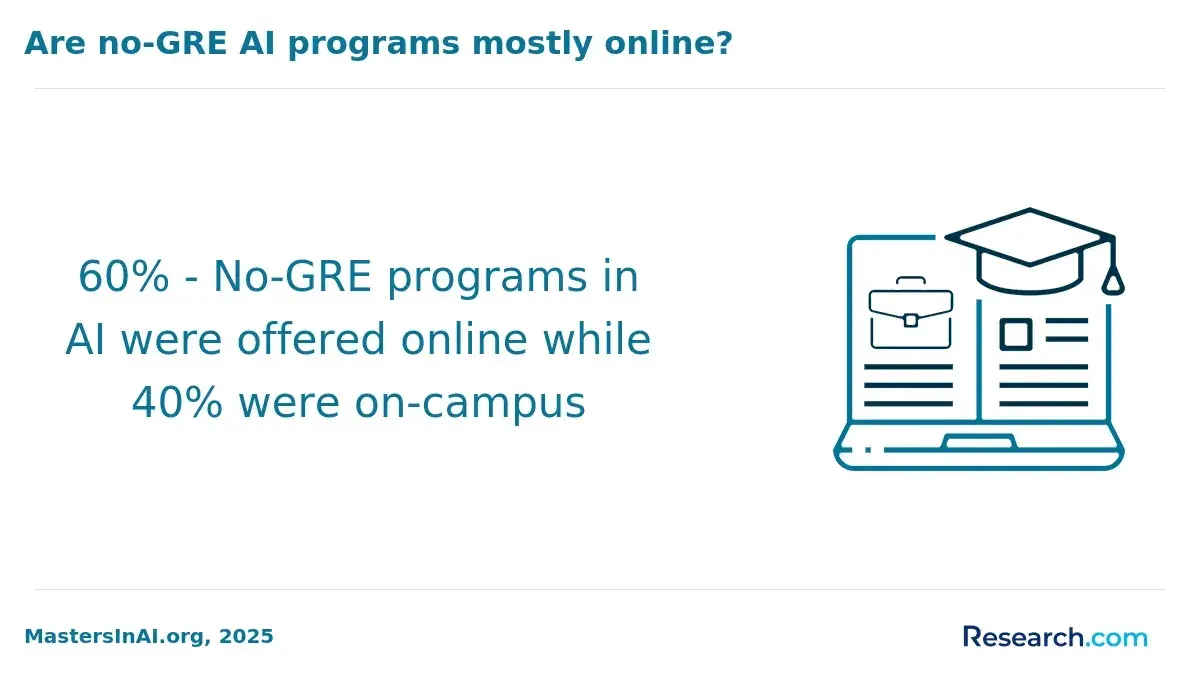
Standardized tests like the GRE are less commonly required for AI courses targeting working professionals but remain necessary for some academic degrees. Admissions committees also request letters of recommendation and personal statements highlighting motivation for deepening knowledge in AI governance and operations.
Applicants must show awareness of regulatory and compliance issues surrounding agentic AI. Deloitte's 2024 global risk survey found that 59% of large enterprises anticipate regulatory or compliance reviews on AI agents by 2026, yet only 21% have formal governance frameworks today. This highlights the need for risk management skills, which many programs evaluate during admissions to ensure candidates are prepared for AI governance challenges.
How long do AI agent courses take to finish?
AI agent courses for CIOs typically span from four weeks to six months, varying by depth, format, and learner expertise. Programs range from intensive bootcamps focusing on foundational concepts to longer certificate tracks that cover technical architectures, deployment strategies, and management challenges. Many executive programs offer flexible pacing, such as self-paced online formats completed in a month or instructor-led and blended courses extending up to 24 weeks to include workshops and peer interaction.
BCG's 2024 gen-AI adoption study highlights that enterprises progressing from pilot to production-level AI agent use usually realize measurable productivity improvements within 6-9 months, reducing knowledge-worker task times by 30-50%. This emphasizes the importance of courses that blend AI concepts with practical deployment and change management skills.
CIOs selecting courses should consider factors like:
- Course duration suited to their urgency and capacity
- Real-world AI agent use cases relevant to their field
- Hands-on exercises simulating deployment challenges
- Post-course support for continuous learning
How much do AI agent courses cost for CIOs?
AI agent courses for CIOs typically cost between $1,500 and $7,000 per participant, depending on factors like the provider, depth of content, and delivery format. Executive programs from top business schools or specialized institutes usually charge $5,000 to $7,000 for multi-week, immersive experiences. Short workshops focused on specific skills may cost $1,500 to $3,000, while more affordable online self-paced options generally fall below $1,500 but often lack the leadership focus needed for strategic implementation.
Higher-priced courses often include personalized coaching, real-world case studies about agentic AI, and networking opportunities with peers. Internal corporate training through vendor partnerships or consultants may reduce costs but tends to vary in effectiveness. Ultimately, the investment depends on the organization's goals and budget.
A recent Computerworld/IDC survey found CIOs now dedicate 11-15% of their overall AI budget to executive and leadership training, up from 6% previously. Agentic AI ranks as the top new priority, reflecting the growing importance of executive mastery in driving strategic decisions and successful implementation.
Practical budgeting tips include:
- Assessing organizational AI maturity to choose between foundational or advanced courses
- Factoring in ongoing coaching or follow-up workshops to sustain skills
- Exploring bundled programs that integrate AI agent concepts with leadership and change management
Viewing course expenses as strategic investments aligns them with AI transformation roadmaps and expected ROI from agentic AI adoption.
What certifications help CIOs with AI agent leadership?
CIOs advancing leadership in AI agent strategy benefit from specialized executive programs focused on practical and strategic deployment. Notable offerings include Stanford's Graduate School of Business Executive AI Program, MIT Sloan's Artificial Intelligence: Implications for Business Strategy, and the Wharton AI For Business program. These certifications emphasize AI agent orchestration, ethical governance, and modular architecture design.
Such programs deepen CIOs' ability to evaluate AI agent capabilities and integration challenges. They learn to balance proprietary end-to-end platforms with modular "build-and-orchestrate" approaches that enable more customization, agility, and interoperability across vendors.
Research from the 2024 enterprise AI decision-maker study by MIT Sloan Management Review shows CIOs completing at least one advanced AI or generative AI executive program are 37% more likely to choose modular architectures over single-vendor solutions. This highlights a direct link between targeted certification and innovative AI agent strategies at the leadership level.
Core skills developed include:
- Advanced evaluation and selection of AI agent architectures
- Strategic integration of multiple AI components to meet enterprise goals
- Managing risks such as bias and compliance in AI deployments
- Leading cross-functional teams on generative AI initiatives
CIOs gain practical benefits like improved decision accuracy, accelerated digital transformation, and stronger alignment of AI with business objectives. Executive certifications provide frameworks and case studies essential to navigating the complexity of AI agent strategy and governance.
What jobs and salaries follow AI agent training for CIOs?
One study predicts that, by 2030, 70% of CIO job descriptions in large enterprises will require direct experience with deploying or managing AI agents and autonomous workflows. CIOs with AI agent training become crucial for roles involving digital transformation, intelligent automation, and AI governance.
This expertise allows CIOs to lead AI integration across business processes, oversee AI risk and compliance, and spearhead innovation strategies. Emerging roles include AI Governance Officer, Chief Automation Officer, and Digital Transformation Lead. Salaries for CIOs with advanced AI skills typically range from $180,000 to $300,000 annually, depending on company size and industry sector.
Key responsibilities enabled by AI agent training include:
- Designing AI-driven workflows to enhance efficiency
- Leading teams that integrate AI agents into IT systems
- Creating policies for ethical AI use and data privacy
- Assessing AI vendor solutions within evolving markets
For professionals aiming to strengthen their strategic leadership in AI adoption, mastering AI agent technology is increasingly vital. It equips CIOs to tackle challenges like AI system transparency and workforce reskilling, offering a competitive edge. These insights align with Gartner's research and current salary trends in the technology sector.
Other Things You Should Know About Artificial Intelligence
Ethical concerns in artificial intelligence include bias in algorithms, lack of transparency, and potential job displacement. There is also debate about accountability when AI systems make decisions that negatively impact people. CIOs must consider these issues to implement AI responsibly within their organizations.
Artificial intelligence improves decision-making by providing data-driven insights and automating routine analyses. It enables faster, more accurate predictions, but CIOs should ensure that human judgment remains central, particularly in complex or sensitive decisions. AI tools augment rather than replace leadership expertise.
CIOs face challenges such as ensuring compatibility with legacy systems, managing data privacy concerns, and aligning AI capabilities with business objectives. Overcoming these hurdles requires strategic planning, skilled personnel, and possibly restructuring IT frameworks to support new AI technologies efficiently.
References
- Best AI Agent Courses for C-Level Leaders (2026 Guide) https://aiagentsacademy.ai/blog/best-ai-agent-courses-c-level-leaders-2026
- Four critical skills for next-generation CIOs https://www.nintex.com/blog/four-critical-skills-for-next-generation-cios/
- AI Agents in Education: Transforming Admission Processes https://exei.ai/blog/ai-agents-in-education-how-ai-agents-are-transforming-admission-process/
- AI Agents in Admissions: Streamlining Application Completion and Scoring https://element451.com/blog/ai-agents-in-admissions-streamlining-review
- AI Skills for IT Teams | What is needed? https://www.centranum.com/resources/capability-and-competency/ai-skills-for-it-teams/
- Best AI courses in 2026 https://www.pluralsight.com/resources/blog/ai-and-data/best-ai-courses
- Can agentic AI build your entire online course? https://www.futureofbeinghuman.com/p/ai-agent-creates-online-course-in-minutes
- AI Agent System Requirements & Onboarding Concept https://www.prodyna.com/service-offerings/ai-agent-system
- State of IT jobs: AI sparks rapidly changing market for skills https://www.cio.com/article/4134254/state-of-it-jobs-ai-sparks-rapidly-changing-market-for-skills.html
- How Much Does It Actually Cost to Run an AI Agent 24/7 in 2026? I Tracked Every Dollar for Three Months https://dev.to/helen_mireille_47b02db70c/how-much-does-it-actually-cost-to-run-an-ai-agent-247-in-2026-i-tracked-every-dollar-for-three-3k4i
- MastersInAI.org. (2025). 2025 AI Degree Report: The Landscape of AI Degrees in the United States. https://www.mastersinai.org/ai-degree-report