2027 Best Machine Learning Courses for Working Professionals

Co-Founder and Chief Data Scientist
Many working professionals struggle to break into the artificial intelligence field due to time constraints and a lack of targeted educational resources. Balancing a current job with the need to acquire new technical skills poses a significant challenge. Additionally, finding accredited programs that provide practical knowledge without requiring full-time commitment adds complexity to this career transition. This section addresses these common obstacles faced by career switchers.
This article highlights the best machine learning courses designed specifically for working professionals, focusing on flexible, accredited options that facilitate a successful pivot into the artificial intelligence industry.
Key Things You Should Know
- Over 65% of working professionals reported upskilling in machine learning in 2025 to stay competitive amid rapid AI-driven job market changes.
- Top courses emphasize practical applications, offering hands-on projects with Python, TensorFlow, and cloud platforms to enhance job readiness.
- Flexible online programs from accredited U.S. institutions dominate the market, enabling learners to balance work and study efficiently while earning recognized certificates.
Advance Your Career with AI Online Courses
Artificial Intelligence: Implications for Business Strategy
This program provides an introduction to Artificial Intelligence and their implications for business strategy. Earn an official digital certificate.

Oxford Artificial Intelligence Programme
Explore this Oxford Artificial Intelligence programme offered in a flexible learning environment and explore topics like machine learning, automation, and robotics.

Implementing Agentic AI: Building Your Organizational Playbook
This online MIT Agentic AI course offers a practical approach to deploying AI agents in your organization, including a custom playbook. 3 weeks, exclusive launch price.

AI Adoption: Driving Business Value and Impact
This online MIT AI Adoption: Driving Business Value and Impact offers practical frameworks to close the gap between AI potential and business reality.

Artificial Intelligence in Pharma and Biotech
Discover the applications and limitations of artificial intelligence in pharma and biotech with this MIT online short course.

What are the best machine learning courses for working professionals in the United States?
For working professionals seeking the best machine learning certification programs for working professionals in the United States, flexibility and industry relevance are key. Coursera's Machine Learning by Stanford University is ideal for those balancing work and study, offering a strong foundation in real-world applications. Similarly, the Professional Certificate in Machine Learning and Artificial Intelligence from MIT provides advanced technical training aligned with current industry needs.
Certifications like the Google Professional Machine Learning Engineer Certification validate practical skills highly sought after by tech employers. For those needing a blend of MBA-level strategy and technical depth, Northwestern University's Master of Science in Artificial Intelligence integrates leadership with hands-on machine learning expertise.
Given the rapid evolution of AI, with 40% of core job skills expected to change by 2025 and 50% of employees needing reskilling according to the World Economic Forum's Future of Jobs 2025 analysis, updated curricula are vital. Courses offering projects using Python, TensorFlow, and cloud tools build transferable skills across finance, healthcare, and manufacturing.
When choosing top machine learning courses for US professionals balancing work and study, consider time commitments, mentorship access, and industry ties. Short modular courses quickly fill gaps, while accredited comprehensive degrees enhance career growth. Explore applied artificial intelligence pathways to see how these programs align with evolving career opportunities.
Advance Your Career with AI Online Courses
Artificial Intelligence: Implications for Business Strategy
This program provides an introduction to Artificial Intelligence and their implications for business strategy. Earn an official digital certificate.
Oxford Artificial Intelligence Programme
Explore this Oxford Artificial Intelligence programme offered in a flexible learning environment and explore topics like machine learning, automation, and robotics.
Implementing Agentic AI: Building Your Organizational Playbook
This online MIT Agentic AI course offers a practical approach to deploying AI agents in your organization, including a custom playbook. 3 weeks, exclusive launch price.
How do online machine learning programs compare to campus-based options for busy adults?
Online machine learning courses for working adults offer unmatched flexibility, allowing learners to balance study with full-time jobs and personal commitments. These programs often feature self-paced modules, asynchronous classes, and recorded lectures, enabling participation across varying time zones and schedules. This flexibility contrasts with campus programs, which generally follow fixed schedules and may require relocation or commuting, limiting accessibility for busy professionals.
Flexible machine learning training compared to campus programs also includes interactive forums, live virtual sessions, and project-based learning that mimic in-person experiences. While campus programs may provide more immediate access to faculty and hands-on lab work, they often demand more time and expenses, such as housing and transportation.
Cost differences are notable, with online options typically offering lower tuition and fewer added expenses, making them financially viable for career advancement without interruptions. Employers increasingly recognize certifications from credible online platforms, which supports immediate skill acquisition and practical application.
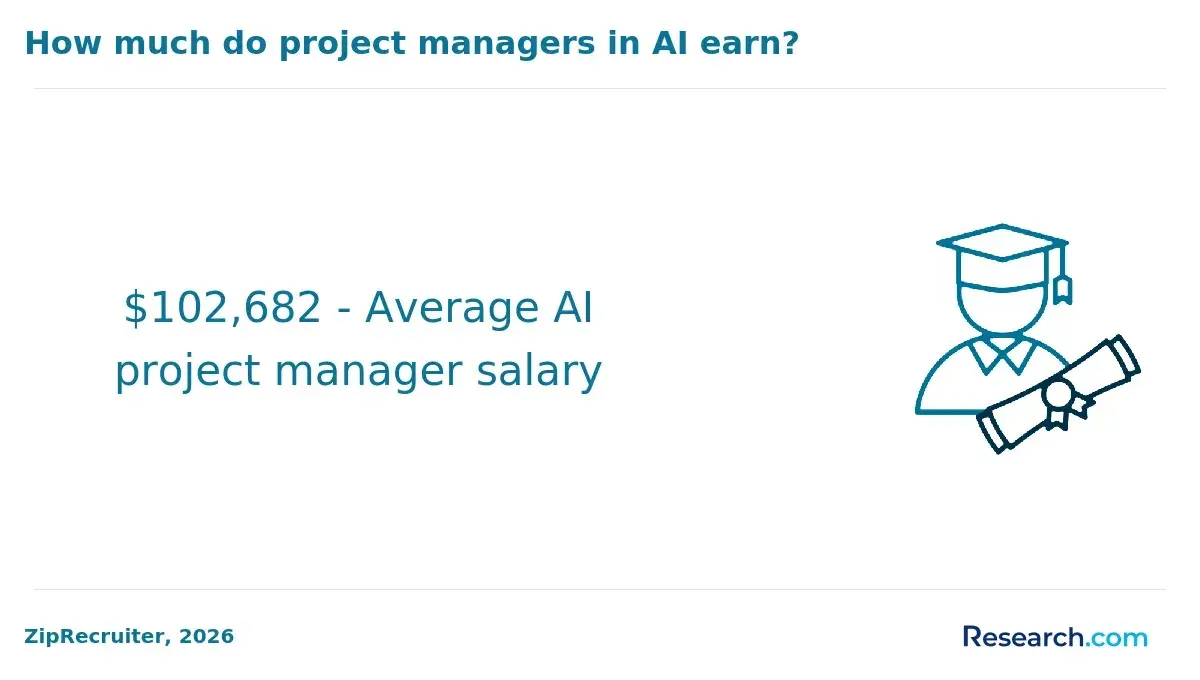
The 2024 AI Index Report from Stanford's Human-Centered AI Institute highlights that U.S. AI and ML jobs advertise median salaries of $146,000, 43% higher than other occupations at $102,000, emphasizing the importance of timely training.
Prospective students interested in accessible education might explore degrees in AI that combine affordability and flexibility, helping to advance careers efficiently while accommodating individual learning preferences.
What prerequisites and technical skills do you need before starting a machine learning course?
Machine learning course prerequisites for working professionals typically include solid technical skills and foundational knowledge before starting a machine learning program. Proficiency in Python is essential, as it dominates most machine learning frameworks, along with familiarity with libraries like NumPy, Pandas, and Scikit-learn, which streamline data manipulation and modeling.
Mathematics skills are crucial, especially in areas such as linear algebra, probability, statistics, and calculus. This mathematical grounding helps learners grasp the theory behind machine learning algorithms, including how neural networks process information through matrix operations.
Basic data handling abilities, including experience with databases and SQL, are important for managing real-world datasets. Exploratory data analysis and preprocessing techniques are commonly expected to prepare data effectively before building models.
Some courses require prior exposure to machine learning concepts or artificial intelligence principles, covering supervised and unsupervised learning. However, many programs offer introductory modules designed for those with programming and math backgrounds to address gaps.
Working professionals should carefully review the course syllabus or introductory materials to assess their skills and consider preparatory courses in coding or statistics to improve readiness. Meeting these technical skills required before starting a machine learning program can maximize career benefits.
According to the Coursera Workforce Skills Report, professionals completing machine learning and data certificates can expect a 20-25% salary increase and a 30% rise in transitions to data or AI roles within a year.
For those interested in advancing further, exploring an online PhD artificial intelligence can be a valuable step in deepening expertise and career opportunities.
How can you tell if a machine learning program is accredited and industry-recognized?
Verify the accreditation of machine learning certification programs through recognized educational bodies. Regional accreditors in the U.S., such as the Middle States Commission on Higher Education or the Western Association of Schools and Colleges, validate entire institutions. Programs from these schools typically hold formal accreditation. Additionally, industry-recognized machine learning training courses often carry endorsements from respected organizations like IEEE or the Association for Computing Machinery (ACM), ensuring alignment with professional standards.
Industry relevance is also shown by partnerships with major technology companies. Courses developed with input from Google, Microsoft, or IBM indicate strong employer recognition and up-to-date curricula. Evidence of alumni success, including job placement rates or certifications tied to widely used machine learning technologies, further supports a program's reputation.
Consider the balance between program costs and career outcomes. Research by Gallup and Google reveals that 75% of U.S. adults completing short online tech certificates report positive career impacts within six months. These certificates usually have median out-of-pocket costs under $1,000, which is significantly less than typical master's programs, exceeding $20,000. This demonstrates that accredited, industry-recognized certificates offer affordable and efficient routes into careers in machine learning.
For those seeking specialized options, veterans may explore online electrical engineering degrees for veterans that can complement machine learning skills and accelerate career growth.
What types of machine learning credentials can working professionals pursue (certificates, degrees, bootcamps)?
Working professionals looking to enhance their machine learning skills have three main educational options, each tailored to varying career goals and time commitments.
Certificates typically require 3 to 6 months of part-time study and focus on practical skills such as data preprocessing, model building, and deployment. Offered by universities, professional organizations, and platforms like Coursera and edX, these programs provide targeted training suitable for skill enhancement.
Master's degree programs offer a deeper, more theoretical foundation, usually taking 1 to 2 years full-time or longer part-time. These degrees cover foundational mathematics, algorithms, ethics, and hands-on projects, preparing students for advanced roles and research careers.
Bootcamps deliver intensive training over 8 to 16 weeks, emphasizing coding skills and real-world projects to boost immediate employability. Ideal for professionals seeking quick career pivots or technical upgrades, they lack the academic depth of degrees.
Choosing the right path depends on your experience, time availability, and career ambitions. Certificates reinforce specific skills, degrees build comprehensive expertise, and bootcamps offer immersive learning.
McKinsey's 2024 State of AI report states that 72% of high-performing companies have adopted at least one machine-learning use case at scale, compared with only 24% of lagging companies, highlighting the growing demand for validated machine learning credentials. Employers often prefer candidates with a combination of applied skills and theoretical knowledge, making recognized certificates and degrees especially valuable.
What core topics and tools are typically covered in top machine learning curricula?
Top machine learning curricula focus on foundational topics, including supervised and unsupervised learning with algorithms like linear regression, decision trees, clustering, and neural networks. Core statistical concepts, probability, and data preprocessing techniques are emphasized to ensure data quality. Students master model evaluation methods such as cross-validation and performance metrics like accuracy, precision, recall, and F1 score, which are critical for assessing model reliability.
Programming skills, particularly in Python, are essential, given its robust ML libraries such as Scikit-learn, TensorFlow, and PyTorch. Practical experience with data manipulation tools like Pandas and NumPy prepares learners for real-world challenges. Many curricula also cover advanced topics including deep learning architectures, natural language processing, and reinforcement learning.
Cloud platforms including AWS, Google Cloud, and Azure are introduced to help students train, deploy, and scale machine learning models in professional settings. Project-based learning and capstone assignments simulate workplace scenarios, reinforcing applied skills.
According to IBM's 2024 SkillsBuild data, learners completing 150-200 hours of structured coursework in data and machine learning are 2.5 times more likely to secure entry-level AI/ML roles compared to those with fewer than 50 hours. This highlights the value of comprehensive, hands-on training in both core and advanced topics.
How long do machine learning courses take to complete and what schedules suit working adults?
Machine learning courses usually last between 8 weeks and 6 months, varying by content depth and part-time or full-time format. For working professionals, part-time options requiring 5 to 10 hours per week offer flexibility to juggle work and study. Many courses provide asynchronous learning, enabling access to lectures and assignments on individual schedules.
Evening and weekend classes help those unavailable during standard work hours. Bootcamp-style courses condense content into intensive 4 to 12-week sessions but often require full-time dedication, which may not suit employed adults. Modular course structures let learners advance through units at their own pace.
Employers and professionals favor recognized certifications that can be completed within 3 to 4 months, matching industry demand for quick skill application. Short, focused courses on topics like generative AI or data preprocessing often finish within weeks. Given the rapid evolution in the job market, PwC's Global AI Jobs Barometer 2024 shows job postings requiring generative AI skills surged over 450% since 2022, with median wages approximately 25% higher than comparable roles without generative AI expertise.
Professionals benefit most from practical, project-based learning with flexible deadlines to maintain steady progress without interrupting careers. Employers increasingly prioritize proven skills over traditional academic timelines, making adaptability and timely course completion essential considerations.
How much do machine learning programs cost and what funding options exist for professionals?
Machine learning program costs for working professionals vary significantly, typically ranging from $500 for brief online certifications to over $20,000 for advanced university-affiliated bootcamps or part-time master's degrees. Entry-level courses and micro-credentials usually cost between $1,000 and $5,000. Comprehensive professional certificates from well-known platforms like Coursera, edX, or Udacity average between $2,000 and $10,000 based on program duration and provider reputation.
Funding options include employer tuition reimbursement, scholarships, income-share agreements (ISAs), and government or nonprofit grants. Many employers actively support continuing education through tuition assistance. Some bootcamps and online platforms offer ISAs, letting students defer payment until after employment, reducing upfront financial barriers. Scholarships targeting underrepresented groups in technology may also be available.
Federal financial aid and student loans generally apply to accredited degree programs, not standalone certificates or bootcamps. Prospective students should verify program accreditation if they seek these options. Additionally, some companies partner with educational platforms to provide discounted or free access for employees.
The World Economic Forum's Future of Jobs 2025 report indicates AI and machine learning specialists rank among the top three fastest-growing roles globally, with a projected 30% net increase in demand by 2025, even amid broader tech layoffs. This growth underscores a strong return on investment for enrolling in machine learning programs and highlights the importance of exploring available financial aid and employer support.
What careers, job titles, and industries can machine learning training prepare you for?
Machine learning training prepares professionals for diverse careers such as machine learning engineer, data scientist, AI researcher, and data analyst. These roles focus on designing algorithms, building predictive models, and extracting insights from complex datasets. Other related positions, including AI product manager and AI consultant, blend strong domain knowledge with machine learning expertise.
Industries benefiting from machine learning include finance, healthcare, technology, retail, and manufacturing. For instance, healthcare uses ML for diagnostic tools and personalized treatments, while financial firms apply it to fraud detection and trading optimization. Technology companies innovate with natural language processing, computer vision, and recommendation systems. Retailers enhance supply chains and customer experiences using ML, and manufacturers employ it for predictive maintenance and automation.
Emerging fields like autonomous vehicles, cybersecurity, and robotics also rely heavily on machine learning. Job roles span research, development, deployment, and production monitoring. Professionals may work as software engineers focused on ML frameworks or specialists integrating ML with cloud platforms.
Stanford's 2024 AI Index reports that over 60% of U.S. AI and ML jobs offer remote-friendly or hybrid work options, greatly expanding geographic accessibility. This flexibility supports career advancement without relocation. Training covers essential skills including data preprocessing, feature engineering, model tuning, and ethical AI use, opening pathways in entrepreneurship and established firms alike.
What salary ranges and job outlook can machine learning professionals expect in the U.S.?
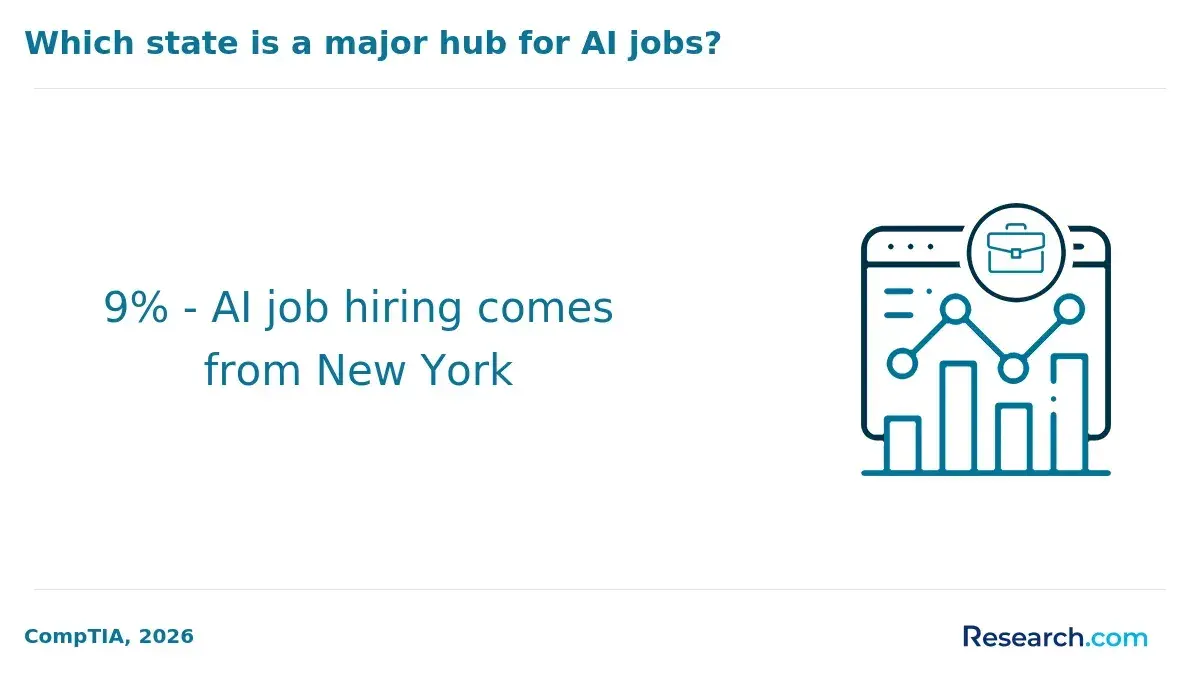
Machine learning professionals in the U.S. earn between $90,000 and $160,000 annually, influenced by experience, location, and job role. Entry-level roles start near $90,000, while seasoned engineers, data scientists, and deep learning specialists can earn more than $150,000. Major tech hubs such as San Francisco and New York often offer salaries exceeding $160,000. High demand exists for positions including machine learning engineers, AI researchers, and data scientists across sectors like technology, healthcare, finance, and automotive.
Employment growth in machine learning-related fields is expected to exceed 20% through 2030, according to the U.S. Bureau of Labor Statistics. This surge is fueled by automation, expanding AI applications, and a rising need for intelligent data analysis.
- Technical skills in AI and machine learning now have a half-life of less than three years, demanding continuous education.
- Countries with greater AI/ML course enrollments report 40% higher rates of workers engaging in online upskilling annually.
- Professionals should pursue project diversity, certifications, and advanced courses to stay competitive.
- Hands-on experience with cloud platforms, model deployment, and programming frameworks enhances employability and salary growth.
Other Things You Should Know About Artificial Intelligence
In 2027, top machine learning courses for working professionals include Coursera's "AI For Everyone" by Andrew Ng, Udacity's "Machine Learning Engineer Nanodegree," and MIT's "Machine Learning for Business Professionals." These programs offer flexible schedules and focus on practical skills.
Artificial intelligence can automate specific repetitive and data-driven tasks, which may lead to job displacement in certain sectors. However, it also creates new roles requiring AI management, development, and oversight. The technology often complements human work by handling routine processes while humans focus on creativity and complex decision-making.
Ethical concerns in artificial intelligence include issues like bias, privacy, transparency, and accountability. Many organizations and researchers are developing frameworks to ensure AI systems are fair, explainable, and respect user rights. Responsible AI practices emphasize human oversight and adherence to legal standards to mitigate potential harms.
Common challenges in adopting artificial intelligence include data quality and availability, lack of skilled professionals, high implementation costs, and resistance to change within organizations. Additionally, integrating AI with existing systems and addressing ethical concerns can slow down deployment. Overcoming these hurdles requires strategic planning and investment in training.
References
- Best Machine Learning Software: 8 Open-Source Tools for 2025 | Anaconda https://www.anaconda.com/guides/machine-learning-software
- Unlock Your Future: AI & Machine Learning Career Paths Explained https://matchtocollege.com/blog/ai-machine-learning-careers-guide
- How an Online Master’s in AI Can Prepare You for the Future of Tech https://www.ucumberlands.edu/blog/how-online-masters-ai-can-prepare-you-future-tech
- 10 Best Data Science Courses With Guaranteed Career Growth https://skillifysolutions.com/blogs/data-science/best-data-science-courses/
- Machine Learning - EU Grants Funding https://eufundingportal.eu/machine-learning/
- Machine Learning Prerequisites: What to Learn Before Machine Learning https://blog.nobledesktop.com/learn/machine-learning/machine-learning-prerequisites
- Top 10 Online AI & ML Courses for Career Growth & Skill Development https://prepzee.com/blog/top-10-ai-machine-learning-online-courses/
- AI Development Cost Estimation: Pricing Structure, Implementation ROI https://www.coherentsolutions.com/insights/ai-development-cost-estimation-pricing-structure-roi
- Machine Learning Prerequisites [2025] - Things to Learn Before Machine Learning - GeeksforGeeks https://www.geeksforgeeks.org/machine-learning/machine-learning-prerequisites/
- Machine Learning Engineer Salary Benchmarks - US Market (2025-2026) | Signify Technology https://www.signifytechnology.com/news/machine-learning-engineer-salary-benchmarks-us-market-2025-2026/