2027 Best Agentic AI Courses for Chief Marketing Officers

Co-Founder and Chief Data Scientist
Chief marketing officers face mounting pressure to integrate agentic AI tools into strategies, yet often lack targeted educational pathways that align with their managerial roles and diverse backgrounds. This gap hampers swift adoption of technology critical for competitive edge and data-driven decision-making. Traditional programs may overwhelm with technical depth unsuitable for marketing experts pivoting into AI applications.
Selecting the right course demands clarity on flexible formats, industry relevance, and accreditation. This article evaluates top agentic AI courses designed for marketing leaders, highlighting how each addresses practical learning needs and career flexibility, helping readers confidently advance in this evolving field.
Key Things You Should Know
- Agentic AI courses for CMOs emphasize strategic decision-making using autonomous systems, with 67% of CMOs reporting improved campaign performance post-training in 2025.
- Top courses integrate hands-on experience with ethical AI application, reflecting a 45% regional rise in marketing ROI linked to responsible AI use.
- Curricula increasingly focus on cross-disciplinary skills, combining AI knowledge with leadership, as 58% of marketing leaders pursue such blended education for career advancement.
Advance Your Career with AI Online Courses
Artificial Intelligence: Implications for Business Strategy
This program provides an introduction to Artificial Intelligence and their implications for business strategy. Earn an official digital certificate.

Oxford Artificial Intelligence Programme
Explore this Oxford Artificial Intelligence programme offered in a flexible learning environment and explore topics like machine learning, automation, and robotics.

Implementing Agentic AI: Building Your Organizational Playbook
This online MIT Agentic AI course offers a practical approach to deploying AI agents in your organization, including a custom playbook. 3 weeks, exclusive launch price.

AI Adoption: Driving Business Value and Impact
This online MIT AI Adoption: Driving Business Value and Impact offers practical frameworks to close the gap between AI potential and business reality.

Artificial Intelligence in Pharma and Biotech
Discover the applications and limitations of artificial intelligence in pharma and biotech with this MIT online short course.

What is agentic AI and why does it matter for today's chief marketing officers?
Agentic AI applications for chief marketing officers transform how marketing leadership approaches strategy by enabling autonomous decision-making and real-time campaign execution. These systems optimize customer targeting, personalize content, and adjust marketing tactics dynamically, allowing CMOs to shift from reactive management to proactive leadership. The impact of agentic AI on marketing leadership includes automating workflows like lead scoring and ad bidding, improving efficiency, and enhancing the speed and precision of campaign adjustments.
Data from Deloitte's 2024 Global Marketing Trends report reveals that CMOs who actively adopt AI tools are 2.3× more likely to significantly exceed business goals. This underscores the competitive advantage agentic AI provides in navigating complex data and fast-moving market conditions.
Key integration points for CMOs include deploying AI agents for real-time optimization, leveraging AI-driven predictive analytics for customer segmentation, integrating conversational AI for improved engagement, and automating routine marketing tasks to boost efficiency.
Professionals interested in mastering these capabilities might consider pursuing education that supports rapid advancement, such as a fast track computer science degree. Building expertise in AI technologies positions marketers to harness agentic AI effectively and drive business success.
Advance Your Career with AI Online Courses
Artificial Intelligence: Implications for Business Strategy
This program provides an introduction to Artificial Intelligence and their implications for business strategy. Earn an official digital certificate.
Oxford Artificial Intelligence Programme
Explore this Oxford Artificial Intelligence programme offered in a flexible learning environment and explore topics like machine learning, automation, and robotics.
Implementing Agentic AI: Building Your Organizational Playbook
This online MIT Agentic AI course offers a practical approach to deploying AI agents in your organization, including a custom playbook. 3 weeks, exclusive launch price.
How can agentic AI courses help CMOs drive marketing strategy, growth, and ROI?
Agentic AI courses for marketing strategy optimization equip chief marketing officers (CMOs) with the skills to integrate autonomous AI systems into daily operations, boosting growth and ROI. These programs empower CMOs to use AI-driven decision-making for customer segmentation, campaign personalization at scale, and automation of routine tasks, allowing teams to concentrate on strategic initiatives. Practical application enables CMOs to transition from reactive to proactive marketing by leveraging predictive analytics and real-time data.
How agentic AI training improves CMO growth and ROI is evident through enhanced targeting precision and reduced ad spend. Using autonomous AI in content creation and A/B testing accelerates campaign optimization, increasing conversion rates. Ethical AI usage is emphasized to maintain data privacy and customer trust.
According to McKinsey's 2024 State of AI report, companies adopting generative AI in marketing and sales have seen revenue increases of 3-15% and marketing ROI improvements of 10-20%. CMOs benefit by measuring AI-driven ROI accurately, justifying AI investments, and communicating value effectively across executive teams.
Agentic AI courses also tackle common challenges such as integrating AI with legacy CRM systems and enhancing collaboration between marketing, sales, and IT. These programs offer frameworks for embedding AI in enterprise workflows to sustain growth and competitive advantage through data-driven decisions. For those seeking advancement, exploring a cheapest online civil engineering degree may also provide valuable interdisciplinary technical knowledge.
What are the key features of the best agentic AI courses specifically designed for CMOs?
Agentic AI training programs for CMOs deliver advanced strategic and practical skills essential for leading data-informed marketing strategies autonomously. These courses emphasize AI-driven decision-making, reflecting that by 2026, 70% of marketing operations are expected to embed AI, according to Gartner's CMO Leadership Vision research. Key components of agentic AI training programs for CMOs include machine learning applications for customer segmentation, predictive analytics for campaign optimization, and natural language processing for content personalization.
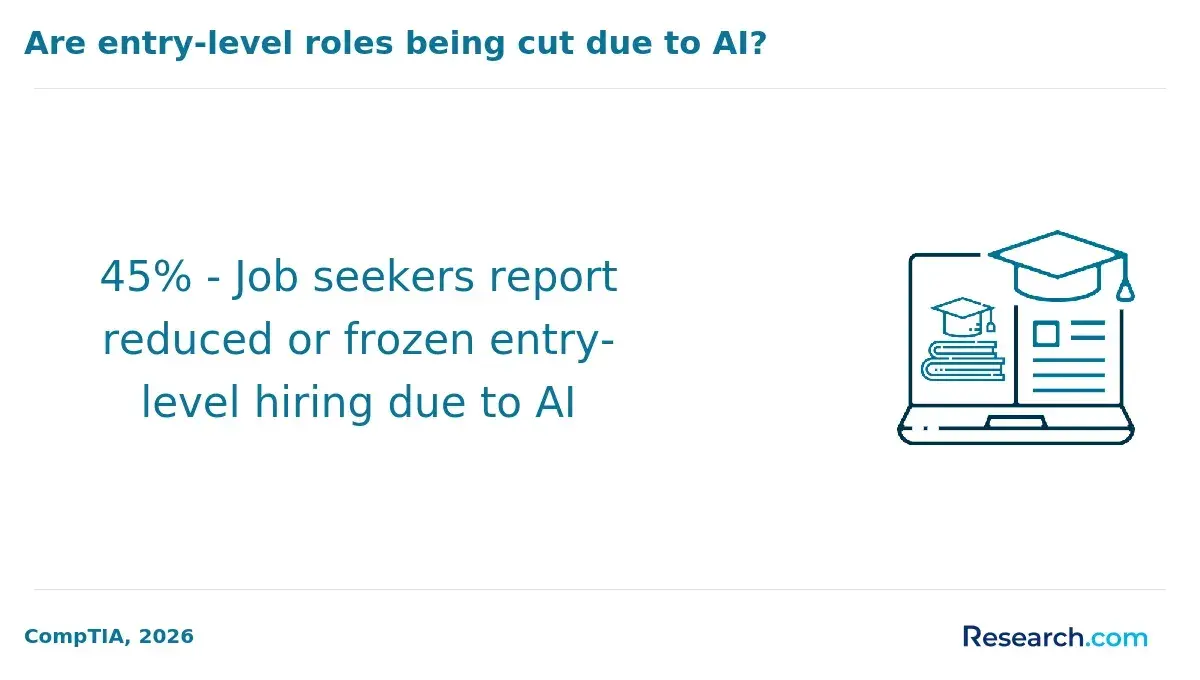
Hands-on case studies demonstrate AI's impact on ROI and customer engagement, helping translate AI insights into actionable business outcomes. Effective programs also tackle organizational challenges, such as managing AI adoption and upskilling marketing teams, since only 10% currently have advanced or expert AI skills. Leadership modules focus on fostering cross-functional collaboration between marketers, data scientists, and technology experts.
Ethics and compliance are integral, ensuring responsible AI deployment aligned with brand values and regulations. Many courses provide real-time learning with industry software platforms, offering practical fluency beyond theory. For CMOs seeking the best agentic AI course features, combining technical expertise, strategic foresight, and people management is critical to future-proof marketing leadership.
Prospective students interested in expanding their expertise often explore related fields; for instance, cybersecurity programs provide complementary skills for protecting AI-driven marketing infrastructures.
Which types of agentic AI programs should CMOs consider: short courses, certificates, or degrees?
CMOs should choose agentic AI short courses for chief marketing officers based on their career goals, schedule flexibility, and required depth of knowledge. Short courses offer targeted, actionable skills in AI-driven marketing tools and automation. They typically last from a few days to several weeks, focusing on practical applications like AI-powered customer segmentation or campaign optimization. These programs suit CMOs looking to quickly enhance their skills without disrupting their professional responsibilities.
For a more structured approach, certified agentic AI programs and degree options for CMOs provide comprehensive learning. Certificates usually take several months and cover foundational AI concepts alongside marketing-specific use cases, enhancing strategic insights and technical literacy. This route is ideal for mid-career marketers who want formal recognition and credentials to bolster their leadership in AI integration.
Degree programs, such as master's degrees in marketing analytics or data science, require a substantial time investment, often one to two years. They deliver extensive theoretical and practical knowledge, fitting those CMOs planning long-term career shifts into senior roles that demand deep expertise. Executives deploying AI effectively report up to a 56% salary uplift compared to peers, highlighting the importance of the right educational path.
Combining short courses and certificates offers flexibility and validated skills, while degrees provide a solid foundation when time permits. Those interested can also explore a cyber security course as part of broadening their technical acumen in related fields.
How do online, hybrid, and on-campus agentic AI programs compare for busy marketing leaders?
Online, hybrid, and on-campus agentic AI programs offer unique advantages tailored to the demanding schedules of marketing leaders. Online courses provide maximum flexibility, enabling CMOs to balance professional responsibilities while developing agentic AI skills that boost productivity. HubSpot's 2024 State of AI in Marketing reports marketers save an average of 5 hours weekly using generative and agentic AI tools, with 30% saving over 10 hours. This highlights the appeal of self-paced, remote learning formats.
Hybrid programs blend online theory with occasional in-person sessions, delivering both practical experience and networking opportunities without requiring full campus presence. This option suits CMOs seeking mentorship and direct application of AI concepts to marketing strategies, offering immediate feedback and real-world relevance.
On-campus formats provide immersive collaboration and access to extensive institutional resources but demand significant time, which may challenge senior executives with busy workloads. Programs featuring intensive short-term residencies or executive designs can help balance depth with schedule constraints for these leaders.
Choosing the ideal format depends on time availability, interaction preference, and learning style. Those focused on immediate application and professional connections may lean toward hybrid or on-campus options, while marketers needing efficiency benefit from well-structured online learning.
What core curriculum topics do top agentic AI courses for CMOs typically cover?
Top agentic AI courses designed for chief marketing officers emphasize strategic uses of AI technologies in marketing leadership roles. Key curriculum topics include:
- Fundamentals of agentic AI, focusing on autonomous decision-making systems affecting marketing workflows.
- Data analytics and machine learning techniques to enhance customer insights and market segmentation.
- Generative AI for content creation, personalization, and optimizing campaigns.
- Ethical frameworks and governance for responsible AI adoption.
- Automation workflows integrating AI tools to boost marketing efficiency and scalability.
- Measuring performance with AI-driven metrics and predictive models.
- Change management strategies to lead AI adoption across teams effectively.
Practical case studies show how generative AI improves customer experience and increases ROI, such as deploying AI-powered chatbots that accelerate engagement and reduce response times. Modules on strategic forecasting help CMOs prioritize resource allocation as AI reshapes marketing landscapes.
According to a survey by Deloitte and the CMO Council, CMOs are expected to assign 14.2% of their total marketing budget to generative AI and automation by 2025, up from 7.5% previously. This highlights the growing importance of mastering both AI capabilities and leadership skills to navigate emerging technologies. Combining technical knowledge with managerial expertise enables CMOs to align AI innovations with business goals and customer expectations.
How can CMOs evaluate accreditation, instructor expertise, and program credibility in agentic AI?
Chief marketing officers pursuing agentic AI courses should focus on accreditation, instructor expertise, and program credibility to gain relevant, practical skills. Verify accreditation by recognized educational or industry bodies to ensure quality and alignment with marketing and AI standards.
Assess instructors' backgrounds, especially their experience with generative AI in marketing, published research, and real-world insight. Instructors active in thought leadership, such as writing white papers or delivering keynotes, provide up-to-date expertise.
Program credibility often comes from partnerships with reputable companies or endorsements by marketing associations. Review curricula for coverage of AI governance, ethical considerations, and brand risk management. The KPMG 2024 Generative AI Governance Survey shows only 35% of organizations have marketing teams consistently following AI-use policies, while 81% of CMOs are concerned about brand and legal risks. This highlights the importance of training on responsible AI use.
Also consider alumni success, program reviews, and whether post-course certification has industry value. Key questions include:
- Does the curriculum cover compliance with legal and ethical AI frameworks?
- Are real-world marketing case studies involving agentic AI included?
- Is ongoing support or certification provided after completion?
What admission requirements, time commitment, and tuition costs should CMOs expect?
Chief marketing officers aiming to enhance their expertise with agentic AI courses should prepare for specific admission standards and varying time commitments. Most programs require a bachelor's degree in marketing, business, or a related discipline. Additionally, 3 to 5 years of senior marketing experience and a solid understanding of basic AI concepts or introductory machine learning courses are commonly expected.
Course lengths vary widely, from intensive 4-8 week bootcamps to comprehensive certificate programs lasting 3-6 months. Executive courses tailored for CMOs often offer part-time, asynchronous formats, allowing integration with busy schedules. Typically, participants commit 6-10 hours weekly, with some hybrid models including live interactive sessions for networking and practical skills.
Tuition costs reflect program scope and prestige. Shorter workshops or bootcamps range from $1,200 to $3,500, while extended executive certificate programs can cost between $5,000 and $15,000. Employer sponsorship is increasingly common, reflecting the growing importance of AI adoption in marketing strategies. Gartner's forecast highlights that by 2026, 80% of marketing organizations will integrate generative AI into core functions, underscoring the urgency of upskilling in this area.
What career outcomes, new responsibilities, and leadership paths can agentic AI unlock for CMOs?
Agentic AI empowers chief marketing officers (CMOs) to expand their strategic and leadership roles, shifting from traditional campaign management toward AI-driven business growth. With agentic AI, CMOs take on responsibilities such as integrating autonomous systems that optimize customer segmentation, personalize experiences, and automate decisions. This evolution often leads to roles like chief growth officer or chief digital officer, where oversight of cross-functional AI initiatives and innovation is paramount.
In practice, CMOs leveraging agentic AI lead teams that use AI-powered predictive analytics to forecast market trends and customer behaviors. This enables precision targeting and smarter budget allocation. They also coordinate AI collaborations across sales, product development, and IT, crafting efficient, unified marketing ecosystems. These roles demand expertise in AI governance, ethical applications, and vendor management.
Among executives enrolling in AI and analytics courses, 62% prefer short, cohort-based online programs for faster return on investment and practical skills over traditional degrees, as noted in the Emeritus-GII Executive Education Trends report. This trend reflects a growing emphasis on accelerated learning paths tailored for immediate leadership challenges involving agentic AI.
CMOs must tackle challenges such as transparency, bias mitigation, and team upskilling while balancing technological fluency with strategic vision. Proficiency in selecting adaptive AI tools aligned with customer privacy laws is essential. Agentic AI positions CMOs as catalysts for innovation, driving market disruption and customer-centric transformation along measurable leadership trajectories.
How should CMOs choose the right agentic AI course based on company size and industry?
CMOs selecting agentic AI courses should focus on programs tailored to their company's size and industry for maximum impact. Small businesses benefit from courses centered on scalable AI tools, automation, and cost efficiency, enabling them to compete effectively with limited resources. Large enterprises need courses addressing complex AI ecosystems, data integration, and cross-departmental strategies, including governance and compliance for large-scale personalization.
Industry relevance plays a critical role. For example, retail CMOs gain from courses emphasizing AI-driven customer segmentation, inventory forecasting, and omnichannel marketing. Technology sector leaders should seek courses focused on AI-powered product innovation and real-time data analytics, while financial services professionals require strong training in AI risk management, fraud detection, and regulatory compliance.
Balancing technical depth with strategic insights is vital. Courses designed for marketing leaders typically avoid heavy coding, highlighting decision-making, vendor evaluation, team leadership, and change management. According to LinkedIn's 2024 Future of Work Report, jobs requiring AI skills in marketing and advertising offer a median salary premium of 25%. This underscores the importance of choosing updated curricula that include relevant case studies.
Other Things You Should Know About Artificial Intelligence
In 2027, top agentic AI courses for Chief Marketing Officers include the "AI for Marketing" program at Stanford, MIT Sloan's "AI and Business Strategy," and Wharton's "AI for CMO's." These courses focus on integrating AI into marketing strategies, covering topics like AI ethics, customer data management, and technology adoption.
Agentic AI improves customer segmentation by analyzing large datasets to identify nuanced consumer behaviors and preferences. This enables highly personalized targeting with real-time adjustments, enhancing campaign effectiveness. CMOs leveraging these capabilities can optimize resource allocation and increase customer engagement.
Key challenges include integrating agentic AI with existing marketing systems, ensuring staff are trained to use AI tools effectively, and managing data quality for reliable AI outputs. CMOs must also navigate organizational resistance to change and balance automation with human creativity to maximize results.
Measuring ROI involves tracking performance metrics such as customer acquisition cost reduction, conversion rate improvements, and enhanced customer lifetime value attributable to AI-driven campaigns. Setting clear benchmarks before deployment and using analytics platforms to monitor those metrics helps CMOs evaluate the financial impact of agentic AI investments.
References
- NVIDIA Agentic AI LLMs Certification https://www.nvidia.com/en-us/learn/certification/agentic-ai-professional/
- Agentic AI in Marketing https://www.pluralsight.com/courses/agentic-ai-marketing
- Nearly 70% of marketing leaders agree agentic AI will be transformative, yet effectiveness remains elusive https://www.capgemini.com/news/press-releases/nearly-70-of-marketing-leaders-agree-agentic-ai-will-be-transformative-yet-effectiveness-remains-elusive/
- How Agentic AI Transforms Marketing Execution for CMOs https://everworker.ai/blog/agentic_ai_marketing_execution_cmo
- Build and Deploy AI Agents to Automate Your Go-to-Market Strategy by Ashley Gross on Maven https://maven.com/ai-workforce-alliance/ai-agents-to-automate-your-go-to-market-strategy
- Understanding Opportunity Cost of Attending College | University of Phoenix https://www.phoenix.edu/blog/understanding-opportunity-cost-of-attending-college.html
- The New Agentic AI Job Roles IT Leaders Need https://nexthink.com/blog/the-new-agentic-ai-job-roles-it-leaders-need
- BlueOcean | What Are AI Agents for Marketing? A Practical Guide for Modern Marketers https://www.blueocean.ai/blog/what-are-ai-agents-for-marketing-a-practical-guide-for-modern-marketers
- AI for Business Transformation: Generative AI, Agentic AI and Beyond https://www.imperial.ac.uk/lifelong-learning/courses/ai-for-business-transformation/
- Production AI Agents Course: Learn Agent Engineering https://academy.towardsai.net/courses/agent-engineering