2027 Best AI Courses for Public Communications Teams Using Generative AI

Co-Founder and Chief Data Scientist
Public communications teams today face escalating demands to create engaging, personalized content rapidly. Traditional methods struggle to keep pace with the volume and complexity of communication needed across diverse platforms.
Incorporating generative AI offers a powerful solution to automate content creation, improve messaging precision, and enhance audience engagement. However, many professionals lack the specialized training to leverage these technologies effectively. This article reviews top AI courses tailored for communications teams, focusing on practical skills and flexible learning options.
It aims to guide readers in selecting programs that enable them to harness generative AI confidently and transform public communications strategies.
Key Things You Should Know
- In 2026, over 60% of public communications teams are integrating generative AI courses to enhance content creation, reflecting a 25% rise from 2024.
- Top programs emphasize ethical AI use, data privacy, and transparency, crucial for maintaining public trust in automated communication tools.
- Skills in prompt engineering and AI-driven media analytics are now essential, with 72% of employers seeking candidates trained in these areas.
Advance Your Career with AI Online Courses
Artificial Intelligence: Implications for Business Strategy
This program provides an introduction to Artificial Intelligence and their implications for business strategy. Earn an official digital certificate.

Oxford Artificial Intelligence Programme
Explore this Oxford Artificial Intelligence programme offered in a flexible learning environment and explore topics like machine learning, automation, and robotics.

Implementing Agentic AI: Building Your Organizational Playbook
This online MIT Agentic AI course offers a practical approach to deploying AI agents in your organization, including a custom playbook. 3 weeks, exclusive launch price.

AI Adoption: Driving Business Value and Impact
This online MIT AI Adoption: Driving Business Value and Impact offers practical frameworks to close the gap between AI potential and business reality.

Artificial Intelligence in Pharma and Biotech
Discover the applications and limitations of artificial intelligence in pharma and biotech with this MIT online short course.

What are the best generative AI courses tailored specifically to public communications teams?
Public relations teams seeking the best generative AI courses benefit from programs focused on marketing, content creation, and stakeholder engagement. Platforms like Coursera and edX offer targeted courses such as Andrew Ng's "AI For Everyone" on Coursera, providing foundational AI knowledge, and "Generative AI for Marketers" on edX, which enhances skills in branding and audience analysis. These are among the top generative AI training programs for communications professionals.
Specialized workshops by organizations like the Public Relations Society of America (PRSA) integrate generative AI into media strategy and crisis management. They demonstrate how AI can personalize messaging and analyze public sentiment through natural language processing.
With Gartner forecasting that 70% of CMOs will boost investment in generative AI tools by 2027, corporate training programs from Adobe and HubSpot focus on AI-powered content workflows and automation, crucial for upskilling communication teams.
Key learning outcomes include AI-driven content generation, ethical AI use in messaging, data analysis for audience insights, and automation of routine tasks. Hands-on labs using popular tools such as OpenAI's GPT models allow experimentation with chatbots and personalized content creation.
Choosing courses featuring case studies relevant to communication challenges and tools integration ensures practical benefits. Evaluating curricula for ROI and effectiveness measurement is essential for adopting AI in communications. Professionals interested in AI careers can explore applied artificial intelligence jobs to understand relevant opportunities.
Advance Your Career with AI Online Courses
Artificial Intelligence: Implications for Business Strategy
This program provides an introduction to Artificial Intelligence and their implications for business strategy. Earn an official digital certificate.
Oxford Artificial Intelligence Programme
Explore this Oxford Artificial Intelligence programme offered in a flexible learning environment and explore topics like machine learning, automation, and robotics.
Implementing Agentic AI: Building Your Organizational Playbook
This online MIT Agentic AI course offers a practical approach to deploying AI agents in your organization, including a custom playbook. 3 weeks, exclusive launch price.
How can generative AI training improve PR, media relations, and public information workflows?
Generative AI training enhances PR and media relations teams by accelerating content creation and improving accuracy. Trainees learn to automate press releases, social media posts, and media kits, reducing manual work and speeding up turnaround times.
AI tools can generate multiple headline options and optimize messaging using audience insights, allowing tailored communications that resonate more effectively. This approach improves public information workflows with generative AI courses that help public information officers summarize complex data into clear, accessible bullet points for diverse audiences.
Crisis communication is strengthened as AI enables rapid generation of fact-based, well-structured responses aligned with organizational messaging, minimizing risks of misinformation. Ethical use and accuracy are emphasized in training to prevent bias and factual errors in AI-generated content. Professionals develop critical evaluation skills essential for maintaining quality control in automated outputs.
The demand for agile, skill-focused learning is rising. Enrollment in online non-degree programs grew 27% year-over-year, while master's programs in traditional communications saw minimal growth. Public communications teams favor concise AI courses for immediate, actionable skills to optimize strategies, enhance engagement, and ensure transparency.
Generative AI training for PR and media relations teams covers targeted content creation, performance analytics, and streamlining approval workflows. Those interested in expanding their technical skills may also explore online mechanical engineering degrees, illustrating the breadth of accessible AI-related education today.
What types of AI programs exist for communications professionals (certificates, bootcamps, degrees)?
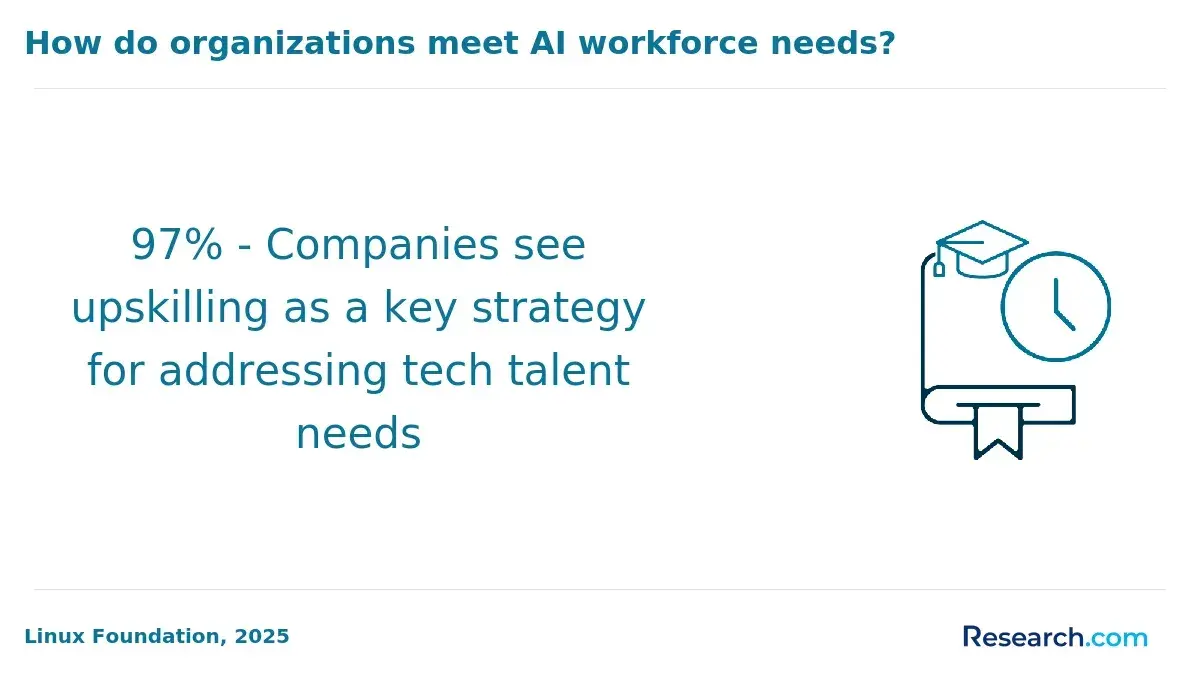
AI courses for communications professionals are available in certificates, bootcamps, and degree programs, each tailored to different career goals and time commitments. Certificate programs are the most accessible, typically lasting a few weeks to several months, focusing on practical skills such as content generation, sentiment analysis, and media monitoring without a broad academic curriculum.
Bootcamps provide intensive, short-term training over 8 to 12 weeks, emphasizing hands-on experience with generative AI tools. These certified generative AI training programs for communicators are designed for professionals seeking rapid upskilling to apply AI-driven workflows immediately, often using real-world communication scenarios to build proficiency.
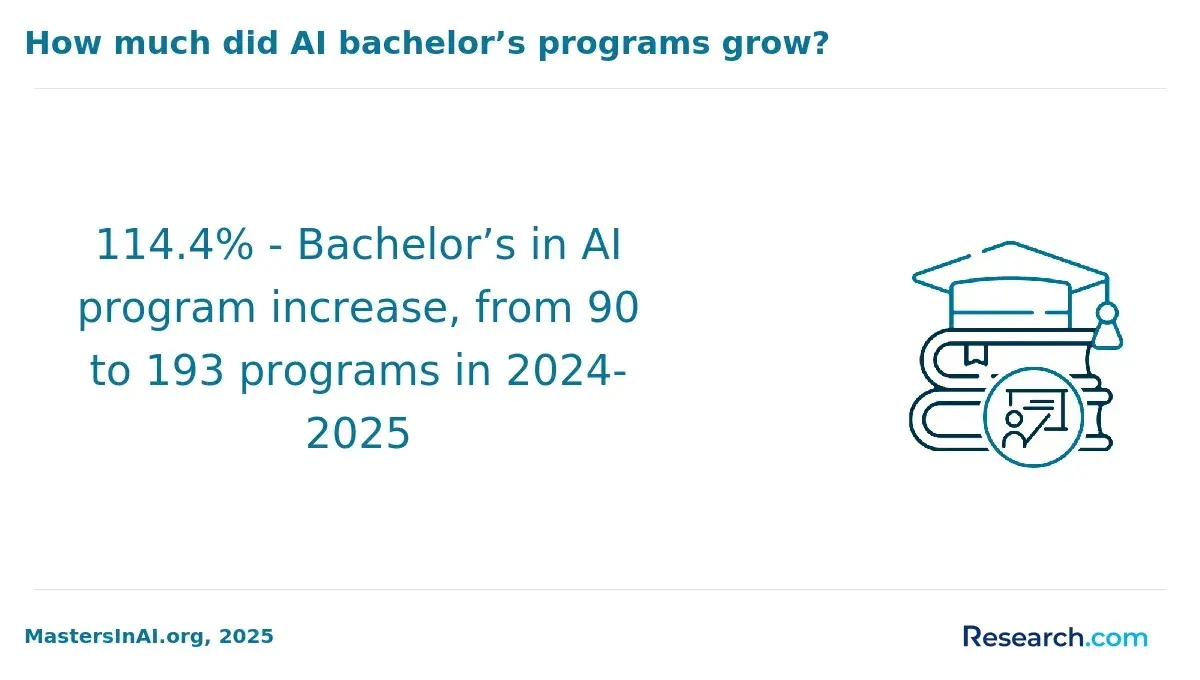
Degree programs, including bachelor's and master's degrees in communication technology or data analytics with an AI focus, deliver comprehensive theoretical and technical training. They suit those aiming for leadership or research roles by integrating AI with communication strategies at a strategic level. For those interested in more advanced study, an online PhD in AI offers further opportunities for expertise and innovation.
Data shows 87% of marketing and communications professionals who completed an introductory AI course adopted at least one AI tool in their weekly workflow within three months, highlighting the effectiveness of targeted learning paths in driving AI integration into communications roles.
Choosing the right option depends on your current skills, time availability, and career aspirations-from quick certificate programs to immersive bootcamps or comprehensive degree paths offering long-term strategic insights.
How do online AI courses for communications compare with on-campus and employer-led training?
Online ai courses versus on-campus training for communications professionals offer distinct advantages. Online programs provide greater flexibility, allowing learners to study anytime and anywhere, which suits full-time professionals.
Conversely, on-campus courses require fixed schedules and locations, making them less adaptable. Employer-led training benefits for public communications teams using generative ai often focus on company-specific workflows but may not cover broader ai applications valuable for communications roles.
Many online courses regularly update their content to reflect fast-evolving generative ai advancements. These courses emphasize practical skills, including crafting campaign content, media pitches, and social media strategies enhanced by ai tools. According to the Muck Rack State of AI in PR, 73% of PR professionals report notable improvement in these areas, yet only 31% have formal ai training, indicating a significant gap online programs can address.
Professionals seeking rapid upskilling should prioritize courses offering hands-on experience, case studies, and measurable outcomes tailored to communication challenges.
On-campus programs offer deeper theoretical foundations and networking opportunities but may lack immediate practical applications for specific communications roles. Employer-led sessions provide real-world context but often miss advanced generative ai techniques and wider industry perspectives. A blended approach, combining online learning with employer-led practice, can provide a comprehensive mastery path.
For those exploring specialized education paths, alternatives like the online electrical engineering degree for military veterans demonstrate how flexible, targeted online programs can meet diverse professional needs.
What core skills and tools do top AI courses teach for content and message development?
Top AI courses for public communications teams focus on essential skills such as content creation, strategic messaging, and data-driven audience analysis. Students gain expertise in using generative AI tools to draft clear, targeted communications for formats including press releases, social media, speeches, and internal messaging.
Instruction often covers prompt engineering to optimize AI outputs, as well as fluency with platforms like GPT-based text generators and AI-powered media monitoring software, enabling efficient, scalable content production.
Ethical considerations are integral, emphasizing transparency and bias mitigation in AI-generated messaging. Practical training incorporates sentiment analysis and real-time social listening tools, crucial for tracking public perception and adapting messages during crises. For example, 61% of corporate communications leaders now use AI-powered media monitoring in reputation-risk scenarios, up from 41% previously (Weber Shandwick & KRC Research, 2024).
Technical skills include natural language processing fundamentals, data visualization for reporting, and integrating AI insights into routine workflows. Courses cover a wide array of tools, from basic ideation to sophisticated AI analytics platforms, enabling public relations professionals to identify trending topics and tailor responses quickly to maintain brand resilience.
This blend of theory and case studies prepares communicators to anticipate challenges and leverage AI for precise, broad messaging impact in dynamic digital environments.
How can public-sector and nonprofit communications teams evaluate accredited AI programs and providers?
Public-sector and nonprofit communications teams assessing accredited ai programs should focus on curriculum relevance, provider credibility, and outcome measurability. Ensure the curriculum addresses generative ai applications relevant to public communications, such as content creation, social media strategies, and thought leadership. Courses featuring case studies or modules on ethics and bias mitigation are crucial in government and nonprofit contexts.
Verify accreditation through recognized organizations like ABET or regional agencies, and confirm provider affiliations with reputable universities or industry experts. Programs offering hands-on projects and measurable skill assessments allow teams to track real improvements, reflecting generative ai's impact on workflows.
For instance, Salesforce's State of Marketing reports that teams using generative ai produce 2.6 times more assets per campaign while reducing production time by 40%, setting a useful benchmark.
Flexibility is key; public-sector learners benefit from hybrid or asynchronous formats. Look for mentorship opportunities and access to development tools compatible with government security standards. Transparency about tuition, completion rates, and alumni outcomes strengthens the decision process.
Questions to ask providers include:
- How does the curriculum address AI ethics and accountability in public communications?
- What measurable outcomes have previous learners in public or nonprofit sectors achieved?
- Are there partnerships with government or nonprofit organizations?
Comparing programs by accreditation, curriculum scope, faculty expertise, and learner support helps select an accredited ai program aligned with strategic communications goals and sector-specific requirements.
What prerequisites and admissions requirements do AI courses for communications typically expect?
Many AI courses designed for public communications professionals require applicants to have a bachelor's degree in communications, marketing, journalism, or related fields. Advanced programs may also expect prior experience in digital marketing, content strategy, or data analysis. Technical skills like proficiency in Excel, Google Analytics, and introductory knowledge of natural language processing or machine learning are often necessary.
Some courses include preparatory modules to support candidates without a strong technical background, ensuring accessibility for communications experts moving into ai-driven roles. Admissions commonly ask for a professional portfolio showcasing relevant campaign or data project experience.
Graduate programs might require GRE scores and letters of recommendation highlighting digital and analytical skills. Certifications in digital marketing or analytics can strengthen applications but are not always mandatory.
Programs emphasizing analytics, measurement, and audience insights focus heavily on quantitative skills and data interpretation. These programs make marketing and communications organizations 1.5 times more likely to achieve at least 10% annual revenue growth, according to a survey. This highlights the value of combining communications expertise with solid analytic training.
Prospective students should review program prerequisites carefully and consider additional technical training if necessary. Hands-on experience with ai tools or analytics platforms can significantly boost success and career impact in this evolving field.
How long do these AI programs take, and what tuition and technology costs should teams expect?
AI education programs for public communications teams typically last between 4 and 12 weeks for certificate courses, with advanced professional development or graduate certificates extending from 3 to 6 months. Intensive bootcamps condense core skills into 2-4 week sessions, which are ideal for quick upskilling, while flexible self-paced courses may span 6 months or more to accommodate working professionals.
Tuition costs vary widely depending on the format and institution. Short courses usually range from $500 to $2,500, influenced by content depth and instructor expertise. More comprehensive graduate certificates or professional diplomas can cost between $3,000 and over $10,000. Public universities often provide more affordable options but may have longer timelines.
Technology expenses are generally low upfront, as many programs use cloud-based AI software. However, reliable hardware with at least 16GB RAM and modern processors is recommended. Specialized GPU access for intensive model training may add to the costs.
Ethics and governance training is increasingly essential yet underrepresented. The PwC Global Responsible AI Survey highlights that only 20% of companies using generative AI in external communications have formal governance policies, while 68% of executives cite reputation damage as a key AI risk. Courses that cover these topics tend to be longer and more costly.
What career paths, job roles, and promotions can AI-trained communications professionals pursue?
AI-trained communications professionals can explore varied career paths that capitalize on expertise in generative AI. Common roles include AI communications strategist, content automation specialist, digital engagement analyst, and AI-powered public relations manager. These positions focus on leveraging AI tools to enhance messaging, streamline content creation, and improve audience targeting across digital platforms.
Career progression often leads to senior roles such as AI communications director, head of AI-driven content, or chief digital communication officer. These leadership positions involve managing AI integration strategies, directing cross-functional teams, and delivering measurable business results. For instance, an AI communications strategist might advance to lead a department focused on machine learning-enabled storytelling and real-time audience insights.
Companies that invest in structured AI upskilling for marketing and communications teams report productivity gains 3.5 times higher than those relying on informal learning methods (IBM Global AI Adoption Index, 2024). This underscores the value of formal AI education for preparing professionals for higher responsibilities.
Other promising opportunities include roles focused on AI ethics and governance to ensure responsible AI use in public messaging, as well as positions centered on data-driven decision-making using AI analytics. Freelance consulting and advisory roles are additional options for those with deep generative AI expertise.
Mastering AI fundamentals alongside strong communication skills helps professionals position themselves competitively in hybrid technology-communication environments, fostering innovation and organizational growth.
What ethical, legal, and policy standards should AI communications courses cover for public-facing work?
Courses on AI communications for public-facing roles must integrate ethics, legal standards, and policy guidance to promote responsible use of generative AI. Ethics training highlights transparency in content creation, prevents deceptive AI output, and addresses bias in training data to avoid reinforcing harmful stereotypes.
Legal education covers compliance with intellectual property laws, data privacy regulations such as GDPR and CCPA, and mandates on disclosing AI use to maintain public trust.
Policy instruction equips teams to navigate organizational frameworks and evolving government regulations on AI-generated communications. Emphasizing audit trails and documentation ensures accountability in cases of misuse or errors. Practical examples include clear labeling of AI-produced content and securing rights for AI-assisted materials, reducing legal risks.
- Scenario-based training prepares professionals to manage crisis communications with AI tools generating rapid responses.
- Users learn to verify accuracy before public dissemination, building audience trust in AI authenticity.
- Risk assessment techniques help identify AI-generated content that might unintentionally damage reputations or violate ethical norms.
Embedding these comprehensive standards yields operational benefits. The BCG & Google "AI in Marketing Effectiveness" study (2024) reports a 14-20% reduction in campaign execution costs within a year for marketing and communications employees trained in AI. This underscores that robust ethical and legal education not only enhances efficiency but also safeguards organizational integrity and public confidence.
Other Things You Should Know About Artificial Intelligence
In 2027, top AI courses for public communications teams include "Mastering AI for Communications" by Coursera, "Generative AI for Strategic Communications" at edX, and "AI-Driven Communication Strategies" from LinkedIn Learning. These courses focus on integrating generative AI tools to enhance communication strategies and public engagement.
AI is designed to assist rather than replace human communicators. While it can handle repetitive tasks and analyze large datasets quickly, strategic thinking, emotional intelligence, and ethical judgment remain uniquely human skills. AI tools should be viewed as enhancements that increase productivity and creativity.
AI applications require careful handling of sensitive data to prevent breaches and misuse. Privacy issues include unauthorized data collection, lack of transparency in AI decision-making, and potential biases. Communications teams must follow legal regulations and ethical standards to protect personal information.
Staying current involves continuous learning through workshops, industry conferences, and subscribing to specialized publications. Engaging with professional networks and participating in AI-focused forums helps teams understand emerging trends and best practices. Regular training ensures effective and responsible use of generative AI tools.
References
- Why Learning Artificial Intelligence Matters https://www.infotech.edu.sg/blog/learning-artificial-intelligence/
- The Impact of AI on Marketing, Communications & Digital Jobs https://www.wowrecruitment.com.au/the-impact-of-ai-on-marketing-communications-digital-jobs
- Step-by-step guide to upskill your team with AI | edX https://www.edx.org/resources/ai-upskilling-for-employees
- What Can Students Expect to Learn in AI Courses? | University of Bridgeport https://www.bridgeport.edu/news/ai-course-expectations/
- AI Development Cost Estimation: Pricing Structure, Implementation ROI https://www.coherentsolutions.com/insights/ai-development-cost-estimation-pricing-structure-roi
- Top Career Opportunities in AI Digital Marketing https://www.aipowereddigital.marketing/blog/top-career-opportunities-in-ai-digital-marketing
- Total cost of ownership of AI coding tools https://getdx.com/blog/ai-coding-tools-implementation-cost/
- Top 5 Generative AI Courses for Association Staffers https://sidecar.ai/blog/top-5-generative-ai-courses-for-association-staffers
- How to Introduce AI into Your PR Workflow: 5 Expert Tips https://www.cision.com/resources/articles/how-to-introduce-ai-pr-workflow-expert-tips/
- Generative AI for policy communicators https://castfromclay.co.uk/course/generative-ai/