2027 MIT Sloan AI Courses Compared by Cost and Duration

Co-Founder and Chief Data Scientist
Choosing the right MIT Sloan AI course can be daunting when balancing cost and time constraints, especially for professionals transitioning from unrelated fields. Many face the challenge of identifying programs that offer both credible accreditation and flexible schedules without excessive financial burden. This decision directly impacts career trajectory and skills acquisition in a competitive industry.
This article compares the latest MIT Sloan AI courses, focusing on their cost structures and duration, to provide clear insights that help prospective students make informed choices aligned with their professional goals and resources.
Key Things You Should Know
- MIT Sloan's AI courses in 2026 vary widely in duration from 6 weeks to 12 months, accommodating both full-time professionals and part-time learners seeking flexibility.
- Course costs range from $3,000 to over $15,000, reflecting options from short executive programs to comprehensive certificate tracks emphasizing practical AI applications.
- Most programs focus equally on technical skills and business strategy, with 65% including hands-on AI tools like machine learning and data analytics relevant to evolving industry demands.
Advance Your Career with AI Online Courses
Artificial Intelligence: Implications for Business Strategy
This program provides an introduction to Artificial Intelligence and their implications for business strategy. Earn an official digital certificate.

Oxford Artificial Intelligence Programme
Explore this Oxford Artificial Intelligence programme offered in a flexible learning environment and explore topics like machine learning, automation, and robotics.

Implementing Agentic AI: Building Your Organizational Playbook
This online MIT Agentic AI course offers a practical approach to deploying AI agents in your organization, including a custom playbook. 3 weeks, exclusive launch price.

AI Adoption: Driving Business Value and Impact
This online MIT AI Adoption: Driving Business Value and Impact offers practical frameworks to close the gap between AI potential and business reality.

Artificial Intelligence in Pharma and Biotech
Discover the applications and limitations of artificial intelligence in pharma and biotech with this MIT online short course.

How do MIT Sloan's AI courses differ in cost, length, and target student profile?
MIT Sloan's AI courses differ greatly in cost, duration, and target audience, catering to various professional needs. The flagship program "Leading the AI-Driven Organization" is a five-day, in-person executive education course priced at $12,500, ranking among the top three most expensive AI executive programs globally according to Poets&Quants for Execs. This intensive offering suits senior leaders and executives aiming to lead AI initiatives at scale.
Shorter online courses provide a more affordable alternative, focusing on foundational AI knowledge for mid-level managers and professionals. These programs range from a few hours to multiple weeks, accommodating busy professionals who require flexible learning options. Such variety reflects the need to align course length and depth with career stage and learning goals, which helps when comparing MIT Sloan AI course costs and duration comparison.
Curricula vary significantly by audience: executive programs emphasize strategic AI implementation, governance, and ethics, while courses for technical staff or recent graduates focus on AI methodologies, coding, and tools but often span longer periods at moderate prices.
Target students should consider:
- Budget constraints against expected ROI-senior leaders may justify higher fees for organizational impact.
- Time availability-executives may prefer concentrated in-person sessions, others flexible online formats.
- Professional background-technical roles need hands-on programming, business leaders benefit from management frameworks.
Prospective students seeking a well-rounded choice might explore related programs like an accelerated computer science degree online to complement AI skills.
Advance Your Career with AI Online Courses
Artificial Intelligence: Implications for Business Strategy
This program provides an introduction to Artificial Intelligence and their implications for business strategy. Earn an official digital certificate.
Oxford Artificial Intelligence Programme
Explore this Oxford Artificial Intelligence programme offered in a flexible learning environment and explore topics like machine learning, automation, and robotics.
Implementing Agentic AI: Building Your Organizational Playbook
This online MIT Agentic AI course offers a practical approach to deploying AI agents in your organization, including a custom playbook. 3 weeks, exclusive launch price.
What AI courses does MIT Sloan currently offer and how are they structured?
MIT Sloan offers a focused set of AI courses tailored for business leaders aiming to integrate artificial intelligence into corporate strategy. The flagship online course, "Artificial Intelligence: Implications for Business Strategy," runs six weeks and balances theory with application through case studies, practical frameworks, and interactive discussions.
This course highlights how AI transforms decision-making and competitive advantage, appealing especially to executives seeking strategic insights rather than technical training.
Compared to other top business schools, MIT Sloan's tuition ranges from $3,500 to $3,850, about 30-40% higher than programs like UC Berkeley Haas's $2,688 or London Business School's approximate equivalent of $2,385. This premium reflects the depth, prestige, and tailored curriculum of its executive education offerings. The cost and duration comparison of MIT Sloan artificial intelligence programs shows a commitment to providing a high-impact online experience designed for working professionals.
- Six weeks of online learning adaptable to professional schedules
- Case-based modules covering AI's implications in marketing, operations, and innovation strategy
- Direct access to MIT Sloan faculty and industry experts through virtual sessions
- Flexible pacing with synchronous and asynchronous activities
MIT Sloan's AI course structure and offerings in the United States are ideal for experienced managers needing actionable knowledge on AI governance and integration. This differs from more technical or data science-focused programs, making it a strategic choice for executives.
For those exploring broader options, a comprehensive list of online AI degree programs can provide valuable guidance.
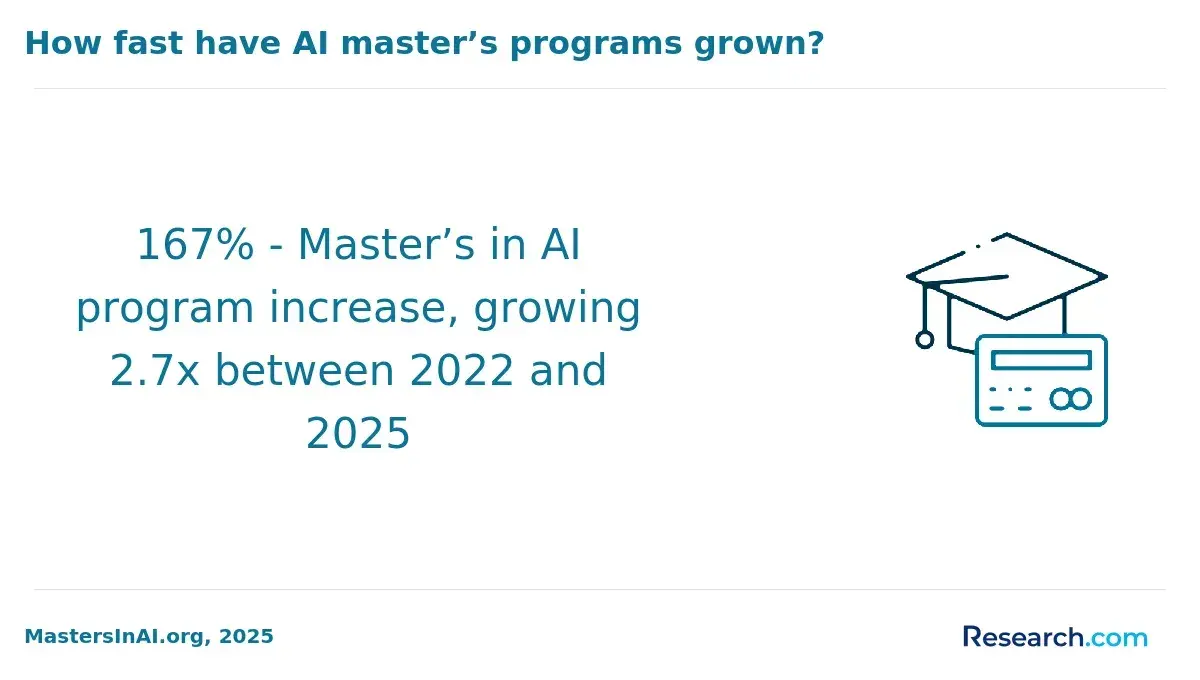
How do online MIT Sloan AI programs compare with on-campus or hybrid options?
Online MIT Sloan artificial intelligence programs provide considerable flexibility and accessibility, though they differ notably in cost and immersive experience compared to on-campus or hybrid alternatives. When weighing MIT Sloan online artificial intelligence programs vs on-campus alternatives cost comparison, hybrid and in-person formats typically offer richer networking, mentorship, and hands-on opportunities essential for mastering complex AI concepts.
For example, the 2024 in-person "Leading the AI-Driven Organization" program at MIT Sloan costs $12,500 for five days, averaging $2,500 daily. This premium pricing aligns with top-tier executive education benchmarks, comparing closely to Stanford GSB's $15,000 week-long program, as noted by Poets&Quants for Execs.
Participants should consider that online options reduce disruption to professional and personal schedules and often carry lower total fees, although the intensity and direct engagement are less than hybrid or in-person courses. Understanding duration and pricing differences in MIT Sloan hybrid artificial intelligence courses is crucial for assessing total time investment versus cost.
- Hybrid or on-campus programs better support those seeking personalized mentorship and professional networking.
- Online courses offer flexibility and cost control without sacrificing foundational AI knowledge.
- Price per day or credit may be less indicative of value than overall immersion and engagement.
Prospective students interested in flexible study paths may also explore related fields, such as a game design online degree, to expand their tech expertise alongside artificial intelligence skills.
What are the tuition, fees, and total cost of attendance for each MIT Sloan AI course?
The tuition and fees for MIT Sloan artificial intelligence courses place them among the higher-priced options globally. Leading AI programs generally range from $599 to $15,000 in tuition, with MIT Sloan courses typically costing between $11,000 and $14,500. This reflects MIT Sloan's premium value and comprehensive curriculum.
Specific MIT Sloan AI courses vary in duration and cost: shorter programs around 6 weeks cost nearly $11,000, while more extensive multi-month courses exceed $14,000. Additional mandatory fees for course materials and platform access usually add $500 to $1,000, increasing the total cost of attendance for MIT Sloan AI programs past tuition alone, sometimes reaching over $15,000.
For example, a 12-week program may have a $14,000 tuition with an added $700 fee, totaling about $14,700. This contrasts with more affordable options such as Wharton's $599 online course. However, MIT Sloan offers deeper technical insights and greater faculty engagement that often justify the higher price point.
Students should consider employer sponsorships or installment payment plans typically available at MIT Sloan when budgeting for these costs. Working professionals may also explore a fast track cyber security degree to complement their AI studies and career growth.
Aligning financial planning with career goals is important, and the total investment for MIT Sloan AI education reflects a rigorous learning experience at a top-tier institution.
How long does each MIT Sloan AI course take, and what is the weekly time commitment?
The MIT Sloan online AI strategy course spans 6 weeks, requiring about 6 to 8 hours per week, which amounts to a total tuition of approximately $3,850. This equates to roughly $640 per week, representing a premium investment in both time and money for professionals seeking a high-prestige credential.
In comparison, the Oxford Saïd online "Oxford Artificial Intelligence Programme" also runs for 6 weeks but costs £2,200 (around $2,760), with a weekly commitment of 5 to 7 hours. This lowers the weekly tuition to about $460, offering a balance between duration and cost.
The Wharton online course, "Artificial Intelligence for Business," is shorter, spanning 4 to 6 weeks. Its total cost of $599 translates to a weekly expense between $120 and $150, with a time commitment of 4 to 6 hours weekly-making it more suitable for those with limited budgets and tighter schedules.
Choosing among these programs involves weighing total duration, weekly hours, and cost. MIT Sloan's intensive format fits those prepared for a larger upfront commitment. Oxford's offering balances cost and duration, while Wharton's course prioritizes accessibility. This comparison, based on data from MIT Sloan Executive Education and Poets&Quants for Execs, highlights the necessity of considering both financial and time factors when selecting an AI course.
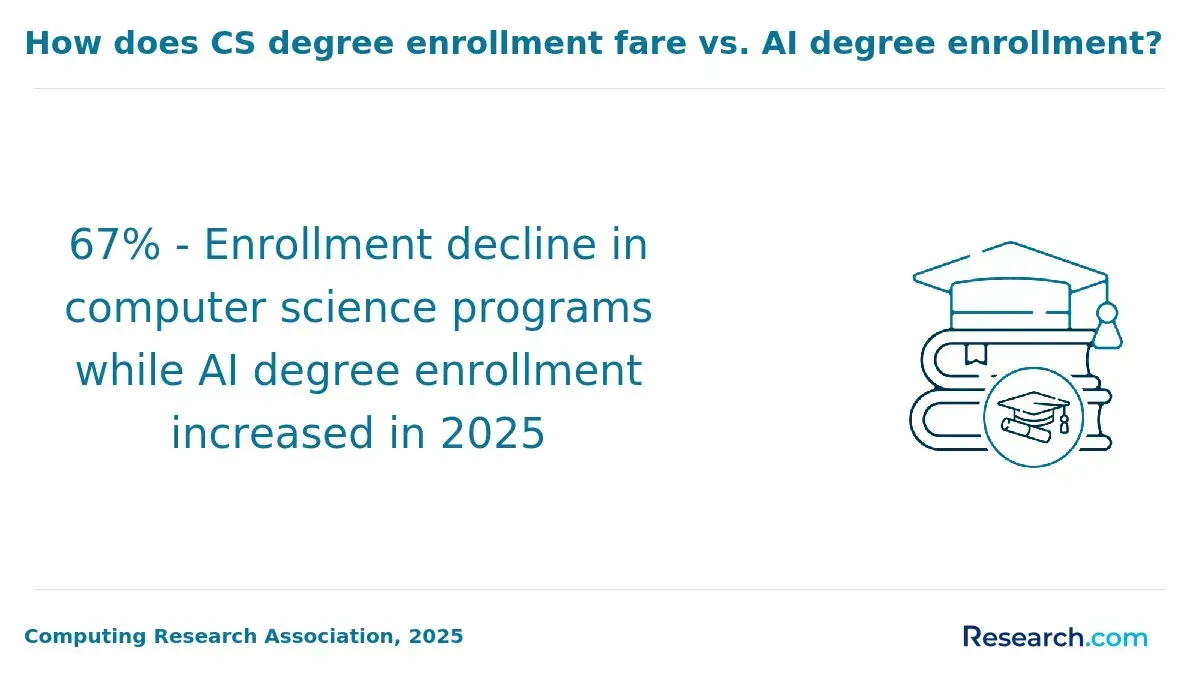
What are the admission requirements and application timelines for MIT Sloan AI programs?
Admission to MIT Sloan AI programs generally emphasizes strong academic records, relevant professional experience, and aptitude in quantitative fields. Executive and short courses mostly require a bachelor's degree and professional experience in technology, business, or analytics. Degree-linked options with AI elements typically expect a solid foundation in mathematics, statistics, or computer science.
Application deadlines vary by program type. Executive education and short AI courses often have rolling admissions with multiple start dates, providing flexibility for working professionals. Semester-based programs adhere to fixed deadlines, such as December or January for fall and September for spring admissions. Early applications are recommended due to limited seats in popular courses.
Applicants should prepare strong resumes, statements of purpose, and sometimes letters of recommendation. Standardized tests like the GRE or GMAT may be required but are increasingly waived for executive programs. Demonstrated knowledge of AI or data analytics can enhance applications, though it's not always mandatory.
According to the Graduate Management Admission Council, over half of business schools have seen rising demand for AI and data analytics education, especially in short courses. This trend reflects expanding opportunities and evolving criteria in admissions to meet diverse professional profiles pursuing AI education and careers.
How do MIT Sloan AI courses fit into broader degree, certificate, or executive pathways?
MIT Sloan's AI courses offer flexible learning pathways for professionals across various stages of their careers. These courses often function as stand-alone modules within certificate programs or as electives in master's degree tracks such as the MBA or Master of Science in Management Studies. They typically complement core subjects like data analytics and digital transformation, helping students develop expertise tailored to executive leadership roles.
For mid-career professionals, executive education programs frequently combine AI coursework with leadership and strategy topics. This blend supports executives balancing technical knowledge and business acumen, enabling them to lead AI initiatives effectively. Short-term certificate options also provide practical upskilling without the full commitment of a degree.
Workforce data reinforces the value of integrating AI skills with broader credentials. A Coursera-Ipsos survey found that 64% of business professionals who completed AI or data science upskilling received a pay raise, promotion, or new responsibilities within a year. This demonstrates the clear return on investment for executives leveraging these educational opportunities.
Prospective students should consider how these courses align with both their career goals and formal certification or degree requirements. MIT Sloan's modular approach allows for tailored learning paths that foster both leadership readiness and technical competence, advancing recognized professional credentials.
What AI skills, tools, and topics are covered across MIT Sloan's different AI curricula?
MIT Sloan's artificial intelligence courses provide a comprehensive curriculum designed to meet a wide array of professional goals, from executives seeking leadership skills to technical specialists aiming to deepen their expertise. The programs focus on foundational concepts such as machine learning algorithms, neural networks, and natural language processing, while offering practical experience using Python and TensorFlow to build and deploy AI models.
Key leadership modules address AI strategy, ethical challenges, data governance, and impact assessment, preparing participants to manage AI-driven transformations effectively. This includes tackling issues like bias in training data and explainable AI, ensuring learners can identify and mitigate risks in real-world applications.
On the technical side, advanced topics encompass reinforcement learning, computer vision, and deep learning. Courses often include case studies from sectors like finance, healthcare, and supply chain management to contextualize AI theory and skills for industry-specific use.
MIT Sloan also emphasizes the importance of integrating AI insights into business decision-making. Leadership training fosters AI literacy across organizations, enabling teams to adapt swiftly to emerging technologies.
- Hands-on learning with Python and TensorFlow
- Focus on AI ethics and governance
- Advanced topics including reinforcement learning and computer vision
- Industry-specific case studies in finance, healthcare, and supply chain
- Leadership skills for AI-driven business transformation
These offerings align with market trends, as more than half of CEOs plan to increase investment in workforce upskilling in AI and technology, highlighting the enduring value of MIT Sloan's artificial intelligence education.
What AI career outcomes, roles, and salary ranges can graduates realistically expect?
Graduates from AI programs at MIT Sloan often secure roles such as machine learning engineer, data scientist, AI product manager, and AI strategy consultant. Entry-level salaries typically start around $90,000, with mid-career professionals earning up to $180,000 annually. Senior specialists and leaders in tech or consulting may see salaries exceeding $200,000.
Career outcomes depend on the depth and focus of the AI coursework. Shorter executive education programs, priced between $3,500 and $12,500, tend to emphasize AI strategy and innovation, guiding learners toward managerial and consulting roles rather than purely technical jobs. In contrast, MIT's 10 free university-level AI courses on OpenCourseWare provide foundational skills suitable for entry-level technical positions or further academic study.
Professionals aiming to transition into AI-specific roles should consider programs heavy in applied machine learning, neural networks, and data engineering, which offer stronger technical prospects and higher salary ceilings compared to conceptual AI strategy courses.
Investing in higher-priced programs can deliver personalized industry connections and faster career advancement, while no-cost courses support foundational knowledge. Balancing technical training with business skills remains a common question among learners, highlighting the importance of reviewing curricula and alumni salary surveys for informed career decisions.
How should students choose the best MIT Sloan AI course based on goals and experience?
Choosing the right MIT Sloan AI course depends on aligning the curriculum, duration, and cost with your career objectives and experience. Beginners, especially those without strong data science or programming backgrounds, benefit from foundational courses that cover basic AI concepts and business applications. These programs usually last 6 to 8 weeks and offer moderate tuition, providing practical skills with manageable time and financial commitments.
Professionals with technical expertise or STEM backgrounds should consider advanced offerings focusing on machine learning algorithms, big data analytics, and AI deployment at scale. These courses often span 10 to 16 weeks and feature higher tuition fees but deliver in-depth technical knowledge and hands-on projects for career acceleration in AI strategy or development roles.
For those targeting leadership roles in AI, programs that blend technical content with leadership, ethics, and strategic decision-making are essential. Many include capstone projects or real client engagements, which enhance executive competence alongside technical skills.
The need for specialized AI education is urgent, as noted by the World Economic Forum's Future of Jobs Report 2024, which highlights that 75% of companies plan to implement big data, AI, and machine learning within five years, while 60% cite skill gaps as a key challenge.
- Identify your experience level: beginner, intermediate, or expert.
- Clarify your career goals: technical mastery, managerial insight, or applied innovation.
- Consider the balance of course length and cost with your available resources.
This method ensures you select the most suitable MIT Sloan AI course to meet your professional and educational needs.
Other Things You Should Know About Artificial Intelligence
In 2027, MIT Sloan's AI courses vary in cost and duration to cater to diverse student needs. For example, a comprehensive course might last 10 weeks and cost $4,500, while shorter workshops span 2-3 days at $1,200, offering flexibility for learners with different budgets and schedules.
Artificial intelligence is revolutionizing industries such as healthcare, finance, manufacturing, and retail by automating tasks, enhancing data analysis, and improving decision-making. In healthcare, AI supports diagnostics and personalized treatments, while in finance it assists in fraud detection and risk assessment. These transformations increase efficiency and enable innovations that were previously not possible.
Key skills for AI careers include proficiency in programming languages like Python, expertise in machine learning algorithms, and strong knowledge of data structures and statistics. Candidates also benefit from understanding neural networks, natural language processing, and AI ethics. Practical experience with real-world datasets and tools is highly valuable.
Artificial intelligence is expected to advance with improved natural language understanding, increased automation capabilities, and more autonomous decision-making systems. Progress in explainable AI will help clarify how models reach conclusions, fostering trust. Additionally, AI models will become more efficient, enabling broader adoption across various sectors.
References
- MIT Artificial Intelligence Implications for Business Strategy https://www.getsmarter.com/products/mit-sloan-artificial-intelligence-implications-for-business-strategy-online-program
- 16 Artificial Intelligence Career Paths https://www.calmu.edu/news/artificial-intelligence-career-paths
- What is the tuition fees of MBA at MIT? https://mentr-me.com/question/what-is-the-tuition-fees-of-mba-at-mit
- Home https://dsst.org/first-dry/MIT-Sloan-Executive-Education-Broadens-AI-Course-Offerings-Amid-Growing-Corporate-Demand-21-14130
- AI Careers - Top AI Jobs with Education Requirements and Pay https://aidegreeprograms.org/ai-careers/
- MIT Sloan Executive Education Expands Portfolio of AI Courses and Certifications https://finance.yahoo.com/sectors/technology/articles/mit-sloan-executive-education-expands-131500265.html
- MIT Sloan MBA: Total Cost and Funding Tips | F1GMAT MBA Admissions Consulting, Essay Editing and Interview Prep https://www.f1gmat.com/mit-sloan-mba-cost
- MIT Sloan School of Management: Artificial Intelligence: Implications for Business Strategy | edX https://www.edx.org/executive-education/massachusetts-institute-of-technology-artificial-intelligence-implications-for-business-strategy
- The AI Boom In Executive Education: What You Can Study Right Now At The World's Top B-Schools https://poetsandquantsforexecs.com/exec-ed/the-ai-boom-in-executive-education-what-you-can-study-right-now-at-the-worlds-top-b-schools/
- MIT Sloan Executive Education Broadens AI Course Offerings Amid Growing Corporate Demand - Trough Earnings Signal https://denuncias.uta.edu.ec/first-dry/MIT-Sloan-Executive-Education-Broadens-AI-Course-Offerings-Amid-Growing-Corporate-Demand-21-14130
- MastersInAI.org. (2025). 2025 AI Degree Report: The Landscape of AI Degrees in the United States. https://www.mastersinai.org/ai-degree-report