2027 Best AI Operating Models Courses for Executives

Co-Founder and Chief Data Scientist
Many executives face challenges in integrating AI operating models into their organizations due to rapid technological shifts and complex digital infrastructures. Limited understanding of AI strategies can lead to inefficient resource allocation and missed business opportunities. Traditional management training often lacks focus on the practical aspects of deploying AI at scale. This knowledge gap hinders leaders from making informed decisions that drive innovation and operational efficiency.
This article highlights top courses designed for executives to master AI operating models, enabling effective leadership in the evolving AI landscape and clear pathways for career advancement.
Key Things You Should Know
- Executive courses on AI operating models in 2026 emphasize practical integration of AI into business strategies, with 68% of programs offering hands-on case studies from top industries.
- Recent data shows a 40% increase in enrollment since 2024, reflecting executive demand for skills in AI governance, ethical frameworks, and cross-functional collaboration.
- Top courses blend technical AI concepts with leadership training, preparing executives to drive innovation while managing risks in increasingly automated environments.
Advance Your Career with AI Online Courses
Artificial Intelligence: Implications for Business Strategy
This program provides an introduction to Artificial Intelligence and their implications for business strategy. Earn an official digital certificate.

Oxford Artificial Intelligence Programme
Explore this Oxford Artificial Intelligence programme offered in a flexible learning environment and explore topics like machine learning, automation, and robotics.

Implementing Agentic AI: Building Your Organizational Playbook
This online MIT Agentic AI course offers a practical approach to deploying AI agents in your organization, including a custom playbook. 3 weeks, exclusive launch price.

AI Adoption: Driving Business Value and Impact
This online MIT AI Adoption: Driving Business Value and Impact offers practical frameworks to close the gap between AI potential and business reality.

Artificial Intelligence in Pharma and Biotech
Discover the applications and limitations of artificial intelligence in pharma and biotech with this MIT online short course.

What is an AI operating model and why should executives pursue specialized courses?
An AI operating model defines how organizations embed artificial intelligence into their core processes, governance structures, and technology infrastructure to deliver consistent value at scale. Executives benefit significantly from specialized AI courses for leadership, which equip them with frameworks to design, implement, and manage these models, ensuring efficiency, risk mitigation, and cultural adoption.
Leaders who pursue this education typically:
- Clarify roles and responsibilities within AI teams to prevent overlap and silos.
- Develop robust data governance and compliance strategies to address ethical and legal risks.
- Learn to measure AI's impact using key performance indicators and establish continuous improvement cycles.
- Promote cross-functional collaboration to integrate AI effectively into decision-making processes.
Accenture's "State of AI in Business" report shows companies that embed AI across their operating model achieve, on average, 1.7x higher revenue growth than those limited to isolated AI pilots. This underscores why executives need to move beyond experimental AI phases to scalable models.
For example, a CFO trained in AI operating models can better oversee AI-powered financial forecasting and ensure seamless integration with legacy systems. Meanwhile, a COO can restructure workflows to maximize AI-driven productivity gains. Without formal training, fragmented AI adoption risks stalling ROI and increasing vulnerabilities.
Prospective students interested in accelerating their AI knowledge may also explore the fastest computer science degree options available, which complement AI operating models for business executives seeking strong technical foundations.
Advance Your Career with AI Online Courses
Artificial Intelligence: Implications for Business Strategy
This program provides an introduction to Artificial Intelligence and their implications for business strategy. Earn an official digital certificate.
Oxford Artificial Intelligence Programme
Explore this Oxford Artificial Intelligence programme offered in a flexible learning environment and explore topics like machine learning, automation, and robotics.
Implementing Agentic AI: Building Your Organizational Playbook
This online MIT Agentic AI course offers a practical approach to deploying AI agents in your organization, including a custom playbook. 3 weeks, exclusive launch price.
What types of AI operating model courses are best suited for senior executives?
AI operating model courses tailored for senior executives emphasize strategic integration, leadership in AI-driven transformation, and governance frameworks. These programs teach how AI reshapes business models and decision-making, equipping leaders to align initiatives with corporate goals while managing cross-functional teams and ensuring compliance with ethical and regulatory standards.
Key course types include Strategic AI Leadership, focusing on prioritizing AI investments and managing organizational change; AI Governance and Risk Management, which addresses data privacy, bias, and accountability; AI-Enabled Business Model Innovation, teaching how to identify new AI-driven revenue streams; and Data-Driven Decision Making for Executives, helping leaders use AI analytics to guide strategies.
- Courses featuring real-world industry case studies in finance, healthcare, and manufacturing enhance understanding of AI transformation nuances.
- Interactive modules simulate AI project oversight to prepare executives for operational challenges.
With Gartner's survey indicating 55% of boards will alter business models by 2026 due to AI and 32% will add AI expertise at the executive level, executive training in AI-driven operating models is increasingly vital. Such programs balance technical foundations with business strategy, allowing leaders to engage effectively with AI specialists and broader stakeholders. Customized executive education offers the focused depth needed to make impactful decisions on AI deployment.
For professionals considering further education related to technology and engineering, exploring mechanical engineering degree online cost can provide insight into affordable program options that complement AI leadership skills.
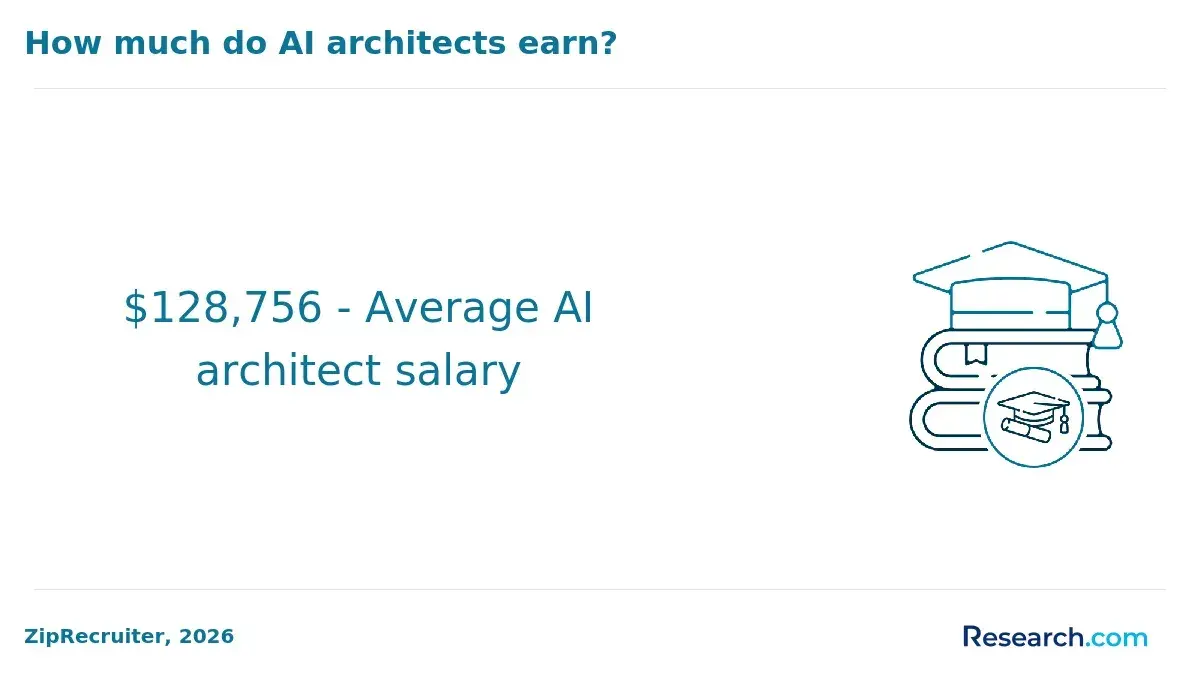
How do leading AI operating model programs for executives differ in curriculum and focus?
Leading executive AI operating model programs vary widely in curriculum and focus to address distinct strategic priorities and sector needs. Some emphasize foundational AI literacy, covering machine learning, natural language processing, and data ethics to build technical fluency. Others stress integrating AI into business strategies, covering topics such as digital transformation, change management, and aligning AI adoption with corporate goals. This executive AI operating model curriculum comparison reveals diverse approaches designed to equip leaders for different organizational challenges.
Courses focusing on operational execution often include modules on scaling AI capabilities, governance, and risk management. Elements like building AI Centers of Excellence and talent pipelines are common, alongside attention to organizational culture and cross-functional collaboration. Executives interested in measurable business impact may prefer offerings featuring hands-on case studies and scenario planning. Differences in AI operating model courses for executives also reflect sector-specific applications, tailoring content for industries such as healthcare, finance, and manufacturing, with emphasis on compliance, innovation, and efficiency, respectively.
A 2024 Emeritus-Oxford Saïd study found that senior leaders who completed advanced AI and digital strategy programs saw a 15-20% increase in total compensation within 18 months, driven by promotions and expanded responsibilities. Selecting programs that balance technical depth with business strategy and practical governance frameworks can optimize educational investment. Prospective students exploring these options can also compare with online AI PhD programs for broader academic pathways.
What should executives look for in the curriculum of an AI operating model course?
Executives selecting AI operating model courses should focus on curricula that thoroughly cover strategy, technology integration, and organizational change management. Effective programs emphasize aligning AI initiatives with business objectives and designing governance frameworks to ensure ethical use, risk mitigation, and regulatory compliance. Distinguishing operationalizing AI from pilot projects, these courses provide practical insights on deploying AI at scale, including infrastructure and data management.
Key components of an AI operating model curriculum for executives include:
- Strategic frameworks for AI adoption and maturity assessment
- Models for cross-functional collaboration between AI, IT, and business units
- Tech stacks and system architecture enabling AI integration into core processes
- Risk management approaches, including bias detection and cybersecurity considerations
- Change management methods to overcome resistance and build AI skills throughout the organization
- Case studies of successful AI operating models in various industries
The growing demand for AI expertise is evident, with Deloitte's Global Human Capital Trends report highlighting a 36% increase in spending on AI leadership and workforce development over the next two years. This rise, focused on executive education, stresses the value of acquiring actionable skills rather than just theoretical knowledge. Prospective students and professionals should also consider whether courses continuously update content to reflect evolving AI governance challenges and technology advancements.
For those interested in advancing their understanding of data-related fields complementary to AI, an MS in data analytics can provide valuable skills applicable across industries.
Essential topics in executive AI operating model courses enable leaders to sustain AI capabilities long term, equipping them to drive successful AI transformations within their organizations.
How do online, hybrid, and on-campus AI operating model programs compare for executives?
Online, hybrid, and on-campus AI operating model programs each cater to different executive needs with unique benefits. Online formats offer maximum flexibility with asynchronous modules, enabling learners to balance education and busy schedules, though they may have limited real-time interaction and networking opportunities.
Hybrid programs combine online coursework with occasional in-person sessions, providing flexibility while also facilitating face-to-face engagement. These typically include workshops or case studies during on-campus days that enhance hands-on learning, an essential component for mastering AI operating models effectively.
On-campus programs deliver immersive experiences with access to faculty and peers, ideal for executives focusing on deep learning and strategic networking. They often involve live labs and collaborative projects simulating real-world AI integration challenges, but require significant time and travel commitments.
Choosing the right format depends on career stage and availability: senior leaders with tight schedules often favor online or hybrid options, while those seeking rapid skill acquisition and extensive networking might opt for on-campus study.
According to the World Economic Forum's Future of Jobs Report 2025, 44% of workers will face skill disruptions by 2028, with "AI and big data" being the most critical skills for managers. This highlights the urgency for executives to select programs that provide practical, advanced training aligned with evolving leadership demands in the AI landscape.
Which accreditation and institutional credentials matter for AI operating model executive programs?
Choosing an AI operating model executive program requires careful attention to accreditation and institutional credentials. Programs accredited by respected organizations such as AACSB, EQUIS, or AMBA ensure high academic standards and alignment with industry demands. Partnerships with leading AI research centers or technology institutions further enhance program credibility by offering access to the latest developments in the field.
The reputation of the offering institution is equally important. Executive programs from top universities with established AI research and business analytics initiatives provide a blend of theoretical knowledge and practical application. Such programs equip students with frameworks to redesign workflows and operating models around generative AI-a strategy highlighted by McKinsey's research, which estimates potential labor productivity gains of 0.6-0.9 percentage points annually through 2040.
Prospective students should look for programs that incorporate current case studies, technology applications, and interdisciplinary approaches involving data science, organizational change, and leadership. Programs offering executive certificates or continuing education units recognized by industry leaders demonstrate a strong commitment to lifelong learning.
Key considerations when evaluating credentials include:
- Accreditation by recognized business and technology bodies ensuring quality and rigor
- Institutional partnerships with AI research labs or industry consortia
- Curriculum aligned with productivity-enhancing AI operating model strategies supported by authoritative research
- Faculty expertise in AI implementation and organizational transformation
What are the typical admission requirements and time commitments for AI operating model courses?
Admission requirements for AI operating model courses typically include a bachelor's degree in business, engineering, computer science, or related fields. Many programs also look for prior experience in management, analytics, or technology roles, reflecting an executive-level focus. Some advanced programs require proficiency in data analysis tools or programming languages such as Python. While standardized test scores are rarely necessary, applicants may need to submit professional resumes and letters of recommendation to demonstrate leadership skills and strategic insight.
Time commitments vary based on program format:
- Executive courses generally last 8 to 16 weeks, with weekly study times of 6 to 10 hours, balancing work and learning.
- Intensive boot camps or certificate programs often require full-time availability for 1 to 4 weeks.
- Part-time online courses offer flexibility, sometimes extending over several months to a year for working professionals.
Consistent practical assignments, case studies, and group projects are common, demanding time beyond video lectures. Although 89% of large enterprises have launched AI-driven process redesign initiatives, only 14% consider their AI operating model mature. This gap highlights the importance of thorough education and substantial time investment to develop practical competence.
Prospective students should evaluate their workload and learning preferences carefully, selecting courses that balance rigor with flexibility to maximize skill acquisition.
How much do AI operating model executive programs cost, and what financing options exist?
AI operating model executive programs usually cost between $5,000 and $25,000, depending on factors like the provider, length, and curriculum depth. Prestigious institutions and in-depth bootcamps tend to be at the higher price range, offering access to expert faculty and extensive resources. Meanwhile, shorter workshops or certificate programs are typically priced from $3,000 to $7,000 but cover less detail.
Financing options often include installment plans to spread out payments, easing upfront costs. Employer sponsorships are a popular way for professionals to access these programs, as companies seek to close the AI leadership skills gap. Scholarships and need-based financial aid may also be available through universities or nonprofit initiatives aimed at increasing AI literacy among executives.
Corporate partnerships sometimes help reduce program fees, particularly for sectors rapidly adopting AI solutions. Additionally, professionals can utilize professional development budgets or apply for vocational training tax credits, depending on employer policies and state regulations.
These financial options matter because 69% of CEOs in PwC's Global CEO Survey cite a lack of AI and data literacy in leadership as a key barrier to AI-driven transformation. Selecting the right funding approach can improve access to essential programs and boost leadership's ability to implement effective AI operating models.
What executive roles, industries, and career outcomes do AI operating model courses support?
AI operating model courses are designed for executive roles responsible for integrating AI strategies with overall business operations. Key positions include chief digital officers, chief technology officers, AI strategy leads, and transformation officers. These courses prepare leaders to manage cross-functional teams and align AI initiatives with company objectives, fostering innovation and competitive advantage.
Industries benefiting from these programs include technology, finance, healthcare, manufacturing, and retail. For example, healthcare executives learn to optimize patient data workflows using AI, while finance professionals use AI operating models for better risk management and compliance. Manufacturing leaders leverage these frameworks for predictive maintenance and supply chain automation, and retail executives improve customer personalization and inventory control.
Career outcomes from AI operating model education often involve advancement into AI governance, leadership in digital transformation, and specialized consulting roles. Graduates gain expertise in managing AI ethics, regulatory compliance, and cross-department collaboration, critical for overseeing complex AI ecosystems. Many progress to roles with greater strategic influence and AI accountability.
A 2024 Korn Ferry analysis revealed that executives handling AI operating models earn a 20-25% pay premium over peers without such duties, reflecting strong market demand. Mastering AI operating models is essential for securing influential leadership roles and commanding higher compensation in the evolving AI-driven business landscape.
How do AI operating model credentials impact executive compensation, ROI, and long-term prospects?
Executives with verified credentials in AI operating models significantly enhance their career prospects, compensation, and contribution to organizational success. Those skilled in designing and managing AI-driven operations are increasingly recognized for driving revenue growth and securing competitive advantages. According to IBM's Global AI Adoption Index, companies seen as "AI leaders"-embedding AI into key processes-are 2.5 times likelier to exceed industry revenue growth and 3 times likelier to increase market share over three years.
This elevated performance often translates to higher pay, with certified chief operating officers and chief digital officers earning 20-40% more than their uncertified peers. Boards reward leaders who deploy AI to cut costs, boost efficiency, and innovate service delivery.
Credentials emphasizing AI strategy alignment, governance, and cross-functional process redesign position executives as essential assets in digital transformation. They reduce operational risks and speed time-to-value, delivering stronger return on investment.
- Higher executive compensation linked to AI operating model expertise
- Greater ROI from reduced implementation failures
- Improved ability to integrate AI with legacy systems and anticipate disruption
Other Things You Should Know About Artificial Intelligence
Executives often encounter challenges such as aligning AI initiatives with business objectives, managing data quality and governance, and ensuring cross-functional collaboration. Resistance to change within organizations and the scarcity of skilled AI professionals also complicate successful implementation.
Executives often encounter challenges such as integrating AI with existing infrastructure, upskilling or reskilling the workforce, and ensuring data quality and governance. Addressing these issues requires strategic planning and collaboration across departments to successfully leverage AI in operations. ### New Question-Answer Pairs
Effective AI operating models incorporate flexibility and continuous learning to adapt to technological advances. Executives need to establish mechanisms for iterative updates and feedback loops that respond to new AI tools, algorithms, and industry trends.
Data strategy is foundational for AI operating models because AI systems require high-quality, well-governed data to operate effectively. Executives must focus on data integration, security, and accessibility to maximize AI performance and business impact.
References
- The AI Operating Model Decision You Already Made - Zen Ex Machina https://zenexmachina.com/ai-operating-model-decisions-made-by-default/
- Enterprise AI Operating Model: Hub-and-Spoke, Federated, or Centralized? | Assembly https://aiassemblylines.com/resources/ai-initiatives-operating-model
- AI Leadership Has Entered the Executive Pay Band https://bedfordgroup.com/news-insights/ai-leadership-has-entered-the-executive-pay-band/
- An Operating Model for the Age of AI | Bain & Company https://www.bain.com/insights/an-operating-model-for-the-age-of-ai/
- What is AI Operating Model? A Practical Guide to Their Applications | Tribe AI https://www.tribe.ai/applied-ai/ai-operating-models
- AI Leadership Compass: Succeeding as a Leader in the Age of Artificial Intelligence https://executiveacademy.at/en/knowledge/leadership/ai-leadership-compass
- The Rise of the AI Operating Model: How Leading Enterprises Are Moving Beyond Pilot Programs - AI Leaders Council https://aileaderscouncil.org/the-rise-of-the-ai-operating-model-how-leading-enterprises-are-moving-beyond-pilot-programs/
- Developing an AI target operating model: Organization & Scaling https://roover.de/en/services/target-operating-model-for-ai-organization/
- Best Hybrid AI Executive Programs in 2026 - Emeritus Online Courses https://emeritus.org/blog/best-hybrid-ai-executive-programs/
- From Friction to Flow: The Case for a Hybrid-by-Design Operating Model https://hakkoda.io/resources/hybrid-by-design-operating-model/