2027 Best AI Courses for Mobility Companies

Co-Founder and Chief Data Scientist
Mobility companies face increasing pressure to integrate advanced technologies to stay competitive and meet evolving consumer demands. Many professionals with unrelated academic backgrounds find it difficult to identify accessible, accredited pathways into the artificial intelligence field relevant to mobility applications. This gap hinders career transitions and workforce innovation within the sector. Addressing these challenges requires targeted educational solutions tailored for flexibility and practical relevance.
This article explores the best courses designed to equip individuals with the necessary artificial intelligence skills, helping them successfully pivot into mobility-focused roles and contribute to industry advancements.
Key Things You Should Know
- AI courses for mobility companies increasingly focus on autonomous vehicle algorithms, with 62% of programs updating curricula in 2025 to integrate real-world transportation datasets.
- Interdisciplinary training combining AI, data analytics, and mechanical engineering is essential; 48% of mobility firms report higher hiring rates for graduates with these combined skills.
- Flexible online courses with practical labs now dominate, with a 35% enrollment increase in 2025, reflecting industry demand for remote learning and hands-on AI application experience.
Advance Your Career with AI Online Courses
Artificial Intelligence: Implications for Business Strategy
This program provides an introduction to Artificial Intelligence and their implications for business strategy. Earn an official digital certificate.

Oxford Artificial Intelligence Programme
Explore this Oxford Artificial Intelligence programme offered in a flexible learning environment and explore topics like machine learning, automation, and robotics.

Implementing Agentic AI: Building Your Organizational Playbook
This online MIT Agentic AI course offers a practical approach to deploying AI agents in your organization, including a custom playbook. 3 weeks, exclusive launch price.

AI Adoption: Driving Business Value and Impact
This online MIT AI Adoption: Driving Business Value and Impact offers practical frameworks to close the gap between AI potential and business reality.

Artificial Intelligence in Pharma and Biotech
Discover the applications and limitations of artificial intelligence in pharma and biotech with this MIT online short course.

What are the best AI courses for mobility companies and who are they right for?
The best ai courses for mobility companies emphasize practical skills in machine learning, data analytics, and autonomous systems, tailored specifically for transportation challenges. Top programs from Stanford University, MIT, and Georgia Tech blend rigorous AI training with mobility-specific case studies, making them ideal for engineers, data scientists, and product managers focused on innovation in this sector.
Key skills include sensor data processing, route optimization, predictive maintenance, and autonomous vehicle algorithms. Courses like Stanford's "AI for Robotics" and Georgia Tech's "Machine Learning for Autonomous Systems" feature hands-on projects that build real-world expertise. For working professionals and recent graduates, platforms such as Coursera and edX offer flexible mobility AI tracks to accommodate varied schedules.
Executives benefit from programs with a strategic perspective, such as MIT Sloan's "Artificial Intelligence: Implications for Business Strategy," which connects technical insights with business value and ethics in transportation. The top ai training programs for mobility sector professionals are designed to suit different career stages and goals, balancing technical depth and managerial understanding.
AI investment in transportation is growing rapidly, projected to reach $12.5 billion by 2025. This growth propels demand for AI experts skilled in integrating AI within smart infrastructure, connected vehicles, and mobility-as-a-service platforms. Prior programming and data science knowledge enhance success in advanced courses.
Those considering foundational studies might explore a 2-year computer science degree online as a pathway into AI and mobility technology fields.
Advance Your Career with AI Online Courses
Artificial Intelligence: Implications for Business Strategy
This program provides an introduction to Artificial Intelligence and their implications for business strategy. Earn an official digital certificate.
Oxford Artificial Intelligence Programme
Explore this Oxford Artificial Intelligence programme offered in a flexible learning environment and explore topics like machine learning, automation, and robotics.
Implementing Agentic AI: Building Your Organizational Playbook
This online MIT Agentic AI course offers a practical approach to deploying AI agents in your organization, including a custom playbook. 3 weeks, exclusive launch price.
How do AI courses for mobility companies differ from general artificial intelligence programs?
AI courses tailored for mobility companies focus on specific industry challenges and applications, setting them apart from general artificial intelligence programs that emphasize broader foundational concepts and techniques. These specialized courses prioritize skills essential for autonomous driving, predictive maintenance, sensor fusion, and real-time decision-making systems. Such mobility-focused artificial intelligence education integrates domain knowledge like ADAS (Advanced Driver-Assistance Systems), vehicular network architectures, and data analytics unique to the automotive sector.
Key aspects include:
- Integration of AI with embedded automotive hardware and IoT devices.
- Training on processing data from LIDAR, radar, and camera sensors to enhance vehicle perception.
- Coverage of regulation and safety standards such as ISO 26262 for functional safety.
- Emphasis on real-time systems and latency-critical AI applications for autonomous navigation.
The mobility and automotive industry is projected to face a shortage of over 300,000 professionals with advanced software, data, and AI skills by 2025, underscoring the need for tailored AI training for mobility industry roles. Courses with hands-on projects involving vehicle simulators or partnerships with automotive companies help learners understand complex challenges in deploying AI in real-world mobility environments.
Specialized mobility AI programs prepare students for immediate industry demands like optimizing route planning, enhancing predictive safety features, and improving connected-vehicle user experiences. Prospective students should also consider factors like affordability when choosing programs, and resources such as the online engineering degree cost can guide financial decisions.
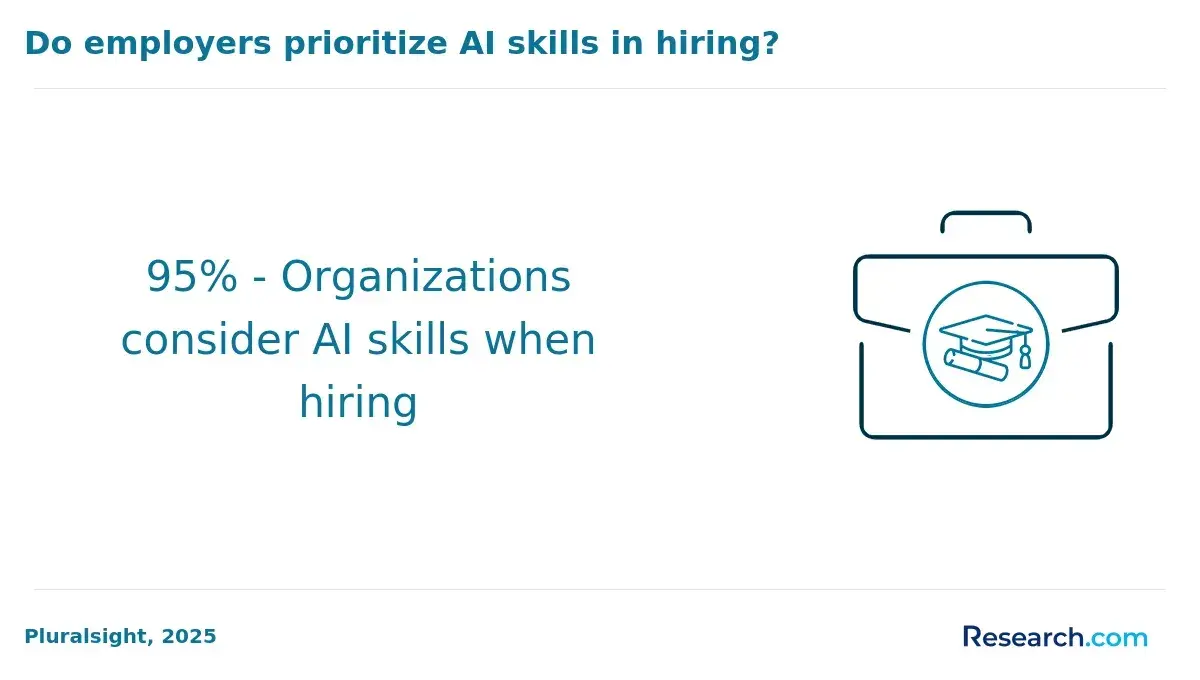
What skills and topics do top AI courses for mobility companies typically cover?
Top AI courses tailored for mobility companies emphasize specialized skills essential for advancing intelligent transportation systems. A core focus is AI strategy development designed for mobility contexts such as vehicle autonomy, intelligent traffic management, and predictive maintenance. Students gain expertise in machine learning techniques for transportation systems, honing their ability to apply algorithms in real-time decision-making within complex transportation networks.
Data engineering and analytics play a vital role in handling extensive sensor and telematics data, crucial for enhancing fleet safety and operational efficiency. These programs often combine technical training with ethical considerations, covering privacy, safety, and regulatory compliance-key topics given the public impact of mobility solutions.
Leadership development is woven into curricula, addressing barriers like lack of AI literacy among executives-a challenge highlighted by a 2024 Oliver Wyman survey where 76% of senior mobility leaders cited it as a roadblock to scaling AI beyond pilots. Hands-on projects commonly include creating prototype AI models for route optimization and autonomous navigation, alongside integrating AI with Internet of Things (IoT) devices to tackle connectivity and edge computing challenges.
Risk management and cybersecurity in AI applications prepare professionals for vulnerabilities specific to mobility platforms. Many aspiring specialists also explore a range of data science degrees to deepen their technical foundation in AI and analytics.
Which types of degrees, certificates, or bootcamps prepare you for AI roles in mobility?
Degrees, certificates, and bootcamps tailored for AI roles in mobility generally concentrate on computer science, data science, and engineering disciplines. Bachelor's or master's degrees in computer science specializing in machine learning, robotics, or embedded systems create a strong foundation for autonomous vehicle technologies. Specialized master's programs in artificial intelligence or data analytics also include courses on sensor fusion, control systems, and mobility data processing, aligning well with industry demands. For those interested in advanced research, data science PhD online options offer flexible paths.
Certificates provide focused training in essential AI tools and frameworks, covering deep learning, computer vision, and reinforcement learning. These programs, often run by universities or tech companies, allow professionals to enhance skills without the time commitment of degrees. Employers in mobility highly value certificates demonstrating hands-on experience with AI models used for perception, decision-making, and vehicle-to-everything (V2X) communication. This makes certificates a key part of AI certification programs for mobility industry roles.
Bootcamps offer intense, project-based training that suits career changers eager to enter AI quickly. Key topics include Python and C++, machine learning algorithms, and real-world autonomous driving datasets. Practical skills like model deployment and managing data pipelines are central, crucial for software and data services sectors expected to drive significant profit growth as autonomous vehicle markets expand.
Critical competencies include proficiency in AI frameworks such as TensorFlow and PyTorch, familiarity with sensor technologies like lidar and radar, and cloud computing experience. Programs featuring internships or capstone projects are especially valuable for bridging academic knowledge and job readiness. These elements are essential for degrees and bootcamps for AI careers in transportation.
How should you compare online vs on-campus AI programs focused on mobility industries?
Choosing between online and on-campus ai programs for mobility industries involves weighing factors like flexibility, practical experience, and networking opportunities. Online courses excel in offering flexible schedules, making them suitable for working professionals who need to balance learning with career demands. These programs often connect students with diverse instructors and peers globally, which is ideal for broadening perspectives without geographical limits.
On-campus programs provide immersive hands-on training that is vital for mastering complex ai applications in fleet optimization and logistics. Students gain direct access to specialized labs, simulators, and face-to-face collaboration with faculty and peers. This environment supports applying skills to real-world challenges such as dynamic routing algorithms proven to cut last-mile delivery costs by up to 25%, according to DHL and McKinsey.
Both formats emphasize curriculum relevance, but it's essential to ensure courses focus on cutting-edge topics like machine learning for fleet optimization, sensor data integration, and sustainable transport. Such focus aligns with industry priorities that have demonstrated up to 30% reductions in CO₂ emissions in logistics.
Prospective students seeking rapid career shifts may prefer the speed and access of online options. Those targeting research roles, strong local networking, or in-depth technical mastery often find on-campus programs more beneficial.
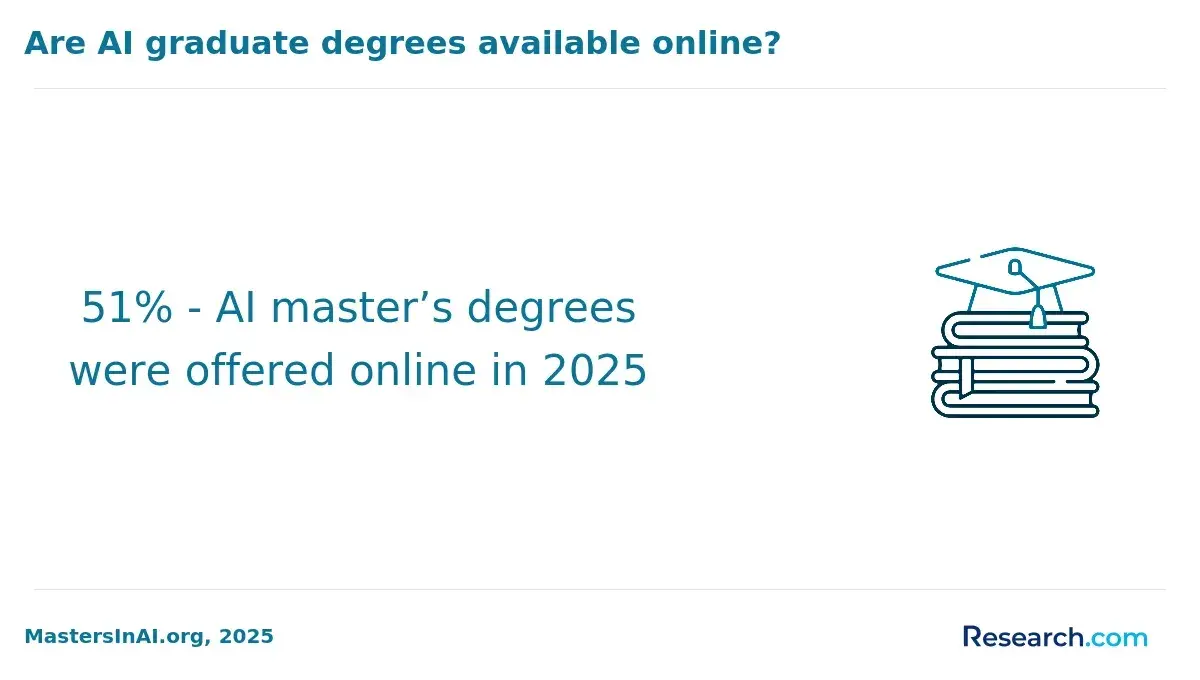
What accreditation and industry partnerships matter for AI programs serving mobility companies?
Accreditation and industry partnerships play a vital role in AI programs serving mobility companies, ensuring curricula meet rigorous academic standards while aligning with practical industry needs. Regional accreditors like ABET provide foundational validation, but specialized accreditation from mobility or transportation organizations adds sector-specific value. Collaborations with groups such as the International Association of Public Transport (UITP) or transit agencies offer students hands-on experiences with challenges like timetable optimization and demand prediction.
Strong industry connections give access to real-world data, case studies, and internships, all crucial for developing applicable AI skills. For instance, AI-based demand forecasting models highlighted by UITP are used by more than 40% of major European public transport agencies, reflecting the growing significance of AI in mobility. Programs that facilitate partnerships with transit authorities, urban mobility startups, or AI companies focused on transportation are particularly beneficial.
Certifications covering AI ethics, data privacy, and transportation safety standards enhance graduate credibility. Programs incorporating standards from organizations like IEEE or ISO, especially in automation and safety, better prepare students for industry compliance. Advisory boards with mobility sector leaders ensure curriculum relevance by integrating the latest AI trends and regulatory requirements.
Prospective students should seek programs balancing technical AI expertise with a thorough understanding of mobility operations. This combination prepares graduates to innovate in AI-driven urban transportation systems.
What are typical admission requirements and prerequisites for AI mobility-focused programs?
Admission to AI mobility-focused graduate programs typically requires a bachelor's degree in computer science, engineering, data science, mathematics, or related fields. Professional experience in software development, data analysis, or mobility technology sectors can enhance applications, especially for those pursuing professional master's tracks.
Key prerequisites often include programming proficiency in Python, Java, or C++, along with familiarity with machine learning frameworks such as TensorFlow or PyTorch. Foundational coursework usually covers linear algebra, calculus, probability, and statistics. Many programs also require or recommend classes in algorithms and data structures to prepare students for advanced AI topics.
Applicants without formal AI education might need to complete preparatory bootcamps or certificate programs. Some programs still ask for strong quantitative GRE scores, though this is increasingly optional. Non-technical candidates should showcase relevant projects or portfolios focused on AI applications in mobility.
International applicants must provide language proficiency proof via TOEFL or IELTS. Elite programs may value entrepreneurial or leadership experience in AI-native mobility startups, reflecting the field's emphasis on practical AI deployment skills. According to PitchBook data, AI-native mobility startups secured over 55% of early-stage funding recently, compared with roughly 30% several years ago, indicating growing demand for advanced AI expertise in mobility innovation.
How long do AI programs for mobility careers take, and what do they usually cost?
AI programs for mobility careers vary widely in length and depth, typically lasting from a few weeks up to a year. Shorter offerings like bootcamps and certificates usually run 8 to 12 weeks, emphasizing practical skills such as machine learning basics, data analysis, and AI applications in autonomous vehicles. More extensive courses, including associate degrees or professional certificates, often take 6 to 12 months and cover foundational theory, programming, and specialized AI tools like computer vision and sensor fusion used in mobility systems.
Costs depend on the provider and format. Online bootcamps usually charge between $2,000 and $8,000 for intensive programs, while university professional certificates or part-time master's degrees may range from $10,000 to over $30,000. Free or low-cost courses exist but might lack the practical, industry-relevant experience needed for mobility roles.
Many mobility companies now offer internal AI academies to provide ongoing, customized training. Data from Great Place to Work shows companies with internal AI learning programs are 2.2 times more likely to have "high organizational readiness" for AI adoption. This highlights the value of continuous, employer-aligned education compared to standalone courses.
When selecting a program, consider its focus on mobility technologies, duration, and cost. Look for options with hands-on projects using autonomous system datasets and opportunities to engage with industry experts. Employer subsidies can also reduce upfront training expenses, making internal academies or aligned programs a strategic choice for career advancement in AI-focused mobility fields.
What AI-related careers, job titles, and industries can these courses in mobility lead to?
AI-related courses in mobility open specialized career paths shaping the future of transportation. Key roles include AI engineer, data scientist, computer vision specialist, machine learning engineer, and autonomous vehicle software developer. These experts create algorithms for predictive maintenance, traffic optimization, and real-time decisions in self-driving cars, drones, and connected infrastructure.
Beyond automotive manufacturing, industries such as urban transit agencies use AI analysts to boost route efficiency and passenger safety. Logistics and supply chain companies hire AI operations managers and robotics specialists to improve fleet management and last-mile delivery. Electric vehicle (EV) firms rely on AI for battery management and energy forecasting.
Emerging sectors like smart city development and mobility-as-a-service (MaaS) platforms also demand AI-driven analytics for multi-modal data integration. Additionally, cybersecurity experts with AI skills safeguard connected vehicle networks from hacking and data breaches.
Return on investment data highlights the importance of AI expertise in mobility. Professionals with AI and machine learning skills earn a 22% salary premium and are promoted 39% faster internally over two years, according to LinkedIn and World Economic Forum research. This demonstrates AI education's value across diverse mobility-related roles and industries.
What salary ranges and job outlook can AI specialists in mobility companies expect?
AI specialists in mobility companies earn competitive salaries driven by high demand. Entry-level roles usually start around $80,000 per year, while experienced engineers and data scientists can make between $120,000 and $160,000. Senior positions, such as AI architects or lead machine learning engineers, often exceed $180,000. Salaries vary depending on location, company size, and area of expertise, with urban tech centers offering the highest wages.
Job growth for AI professionals in the mobility sector is strong. The World Economic Forum's 2024 Future of Jobs report projects a 35-45% increase in roles focused on AI and data in transportation by 2027, ranking among the industry's fastest-growing job categories.
Key areas driving demand include autonomous vehicles, predictive maintenance, route optimization, and real-time analytics. Companies seek experts in machine learning, deep learning, computer vision, and sensor fusion to create advanced mobility solutions, such as self-driving algorithms and fleet management systems.
Prospective students and graduates benefit from mastering AI frameworks like TensorFlow or PyTorch and gaining domain knowledge in mobility logistics or robotics. Networking and hands-on experience through internships or projects also significantly boost job prospects.
Other Things You Should Know About Artificial Intelligence
Ethical considerations in artificial intelligence for mobility include data privacy, algorithmic bias, and safety. Mobility companies must ensure AI systems respect user privacy and operate transparently to avoid unfair outcomes. Additionally, safety protocols are crucial to prevent accidents in autonomous vehicles or AI-driven traffic management.
AI is revolutionizing mobility by enabling autonomous driving, optimizing traffic flow, and improving maintenance through predictive analytics. It also supports real-time decision-making for ride-sharing and public transportation, enhancing efficiency and user experience. These advancements lead to safer, greener, and more accessible transportation systems.
In 2027, top AI courses for mobility companies include Introduction to AI for Mobility by Stanford University, MIT’s Applied AI in Transportation series, and Coursera’s AI and Machine Learning for Smart Transportation. These courses provide insights into AI applications and innovations in mobility industries.
Yes, AI contributes to sustainability by optimizing routes to reduce fuel consumption and emissions. It also enables better management of electric vehicle charging and supports the development of eco-friendly transportation networks. Through these applications, AI helps mobility companies minimize environmental impact.
References
- Internal Mobility Software | GoFIGR https://www.gofigr.ai/internal-mobility
- University Degree vs AI Bootcamp: Which is Best Career Path? https://agilefever.com/university-degree-vs-ai-bootcamp-which-is-best/
- Artificial Intelligence in Urban Mobility - EIT Campus https://eit-campus.eu/course/urban-mobility/artificial-intelligence-in-urban-mobility
- Internal Mobility 2026: AI Finds Your Hidden Talent https://www.thehirehub.ai/blog/internal-mobility-2026-ai-unlocking-hidden-talent
- Mobility, Data Decisions and AI https://www.teletracnavman.com/fleet-management-software/telematics/resources/mobility-data-decisions-and-ai
- Partnership on AI - Home - Partnership on AI https://partnershiponai.org/
- How Can Collaboration Between Governments, Industry, and Academia Be Promoted to Achieve Effective AI Governance? https://aign.global/ai-governance-insights/patrick-upmann/how-can-collaboration-between-governments-industry-and-academia-be-promoted-to-achieve-effective-ai-governance/
- Top B Tech AI Courses to Build a Future-Ready Career https://shooliniuniversity.com/blog/top-b-tech-ai-courses-to-build-a-future-ready-career/
- AI Prompting in Global Mobility by PMA Academy https://pma-academy.org/course/ai-prompting-in-global-mobility/
- Why AI Is A Massive Job-Creation Technology, Despite What You Think JOSH BERSIN https://joshbersin.com/2026/03/why-ai-is-a-massive-job-creation-technology-despite-what-you-think/