2027 Best AI Courses for Architectural Visualization Teams

Co-Founder and Chief Data Scientist
Architectural visualization teams often struggle to integrate advanced AI tools effectively, hindering innovation and project efficiency.
Rapidly evolving technology demands continuous upskilling, yet time constraints and diverse backgrounds limit access to relevant, high-quality education. Without targeted training, teams risk falling behind industry standards and missing opportunities for enhanced design workflows and client engagement.
This article identifies the best flexible and accredited AI courses designed specifically to bridge knowledge gaps in architectural visualization. It aims to guide professionals toward programs that equip them with practical skills and theoretical foundations to leverage AI in their creative and technical processes.
Key Things You Should Know
- AI courses for architectural visualization in 2026 emphasize practical skills in generative design and automated rendering, with 65% of leading programs integrating real-time project workflows.
- Emerging curricula prioritize cross-disciplinary knowledge combining AI, 3D modeling, and cloud computing, responding to a 40% job market growth in AI-driven architecture roles since 2024.
- Certification programs increasingly offer remote and hybrid learning options, expanding access for U.S. professionals, as 75% of enrollees in 2025 valued flexible course delivery formats.
Advance Your Career with AI Online Courses
Artificial Intelligence: Implications for Business Strategy
This program provides an introduction to Artificial Intelligence and their implications for business strategy. Earn an official digital certificate.

Oxford Artificial Intelligence Programme
Explore this Oxford Artificial Intelligence programme offered in a flexible learning environment and explore topics like machine learning, automation, and robotics.

Implementing Agentic AI: Building Your Organizational Playbook
This online MIT Agentic AI course offers a practical approach to deploying AI agents in your organization, including a custom playbook. 3 weeks, exclusive launch price.

AI Adoption: Driving Business Value and Impact
This online MIT AI Adoption: Driving Business Value and Impact offers practical frameworks to close the gap between AI potential and business reality.

Artificial Intelligence in Pharma and Biotech
Discover the applications and limitations of artificial intelligence in pharma and biotech with this MIT online short course.

What are the best AI courses for architectural visualization teams and how do they differ?
The best AI courses for architectural visualization teams integrate technical skill-building with practical applications specific to ArchViz workflows. These programs often focus on areas like 3D modeling automation, AI-enhanced rendering, and generative design.
Some courses emphasize mastering neural networks for procedural content creation, helping teams generate complex textures or models more efficiently. Others concentrate on integrating AI tools with popular visualization software such as Blender, Unreal Engine, or Autodesk 3ds Max to improve workflow automation and real-time rendering capabilities.
Top architectural visualization AI training programs vary in their approach to coding instruction. Some deliver in-depth Python-based machine learning modules for creating custom AI models, ideal for teams seeking to innovate proprietary solutions.
Others offer no-code or low-code training on leveraging existing AI platforms and APIs to optimize visualization tasks with minimal programming effort. Architectural visualization professionals gain the most from courses balancing AI theory with direct applications in modeling, texturing, lighting, and animation pipelines.
For instance, a program focused on AI-driven photorealistic rendering improvements differs distinctly from one specializing in automating BIM data interpretation. Both are valuable but cater to different project scopes and team needs.
AI skills ranked among the top 5 most in-demand hard skills for architects globally in 2024, with mentions of AI and machine learning in architecture job postings rising over 30% year-on-year. Architectural visualization teams should consider programs aligned with these trends, including pursuing an accelerated bachelor's degree computer science to deepen their AI expertise.
Advance Your Career with AI Online Courses
Artificial Intelligence: Implications for Business Strategy
This program provides an introduction to Artificial Intelligence and their implications for business strategy. Earn an official digital certificate.
Oxford Artificial Intelligence Programme
Explore this Oxford Artificial Intelligence programme offered in a flexible learning environment and explore topics like machine learning, automation, and robotics.
Implementing Agentic AI: Building Your Organizational Playbook
This online MIT Agentic AI course offers a practical approach to deploying AI agents in your organization, including a custom playbook. 3 weeks, exclusive launch price.
How can AI skills enhance workflows and outcomes in architectural visualization studios?
AI skills streamline workflows in architectural visualization studios by automating tasks such as rendering, scene optimization, and asset management. This design automation can reduce project turnaround times by up to 40%, enabling teams to concentrate more on creative aspects and client communication.
For instance, AI-powered real-time rendering tools provide immediate visual feedback, accelerating decision-making during client presentations and iterative design cycles. Integrating AI-driven procedural modeling quickly generates complex environments, particularly useful for large-scale urban visualization projects, minimizing manual labor and reducing errors.
Enhancing project efficiency with artificial intelligence tools also improves lighting and texture optimization, producing photorealistic results with less manual adjustment. Project management benefits as AI predicts resource needs and identifies bottlenecks, leading to a 25% improvement in deadline adherence reported by many studios.
Training in AI-powered software like neural rendering and machine learning for image enhancement ensures teams maximize these advantages while maintaining quality.
With the architectural visualization market set to grow from approximately $2.1 billion in 2023 to over $5 billion by 2030, mastery of AI tools is increasingly vital for competitiveness.
Those seeking to boost their AI design competencies may find programs like a mechanical engineering degree online helpful, as these often cover relevant computational and AI-driven design automation for architectural visualization skills.
What types of AI programs exist for architectural visualization, from certificates to degrees?
AI programs for architectural visualization offer a range of educational paths, from short certificate courses to comprehensive degree programs. Certificate programs typically last a few months and focus on practical skills such as generative AI tools integration, 3D modeling automation, and real-time rendering optimization.
These certificates are well suited for professionals seeking rapid upskilling or specialization without committing to a full academic degree. Technical institutes often provide certificates covering software like Unreal Engine's AI plugins and Adobe's AI-enhanced visualization tools.
Associate and bachelor's degrees incorporate AI as part of broader architectural or design curricula. These programs teach fundamental AI concepts, data-driven design methods, and tool usage for visualization alongside core architecture subjects.
Universities frequently embed AI modules addressing machine learning applications in urban planning and AI-assisted building simulations, helping students develop problem-solving and team collaboration skills.
Advanced degrees such as master's and PhDs focus on AI research and development specific to architectural visualization. Candidates dive into algorithm design, custom AI tool creation, and interdisciplinary applications across architecture, engineering, and construction, aiming to innovate workflows and improve design accuracy.
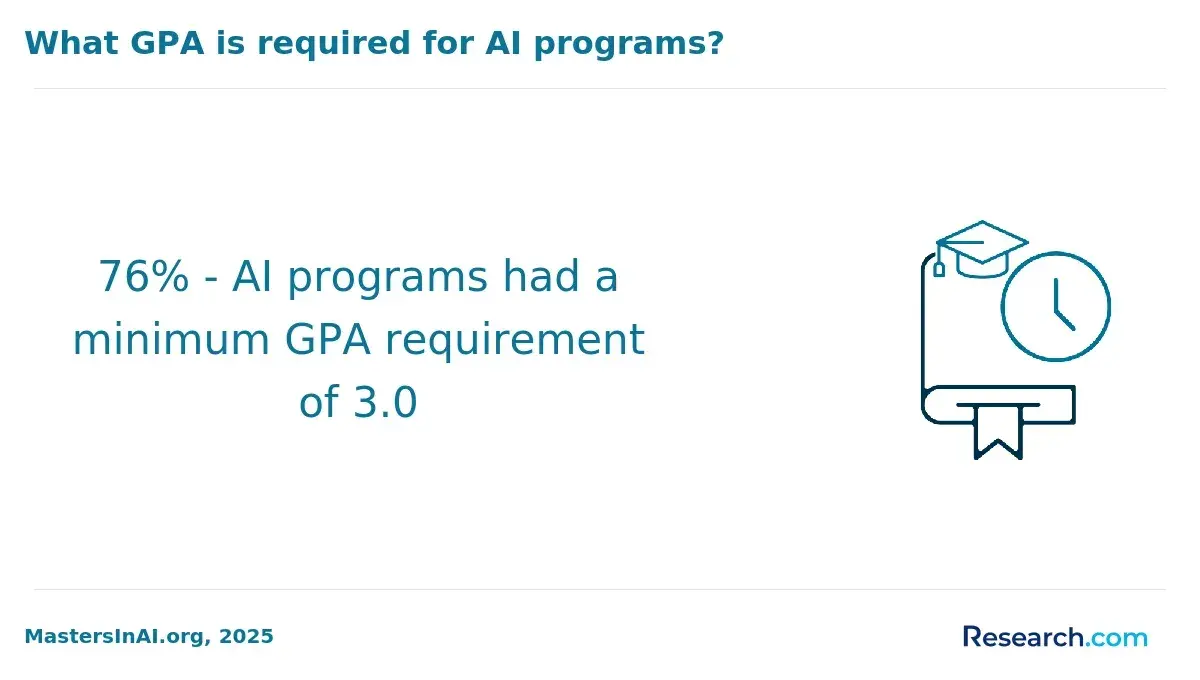
Generative AI dramatically reduces concept development and rendering times by 50-70% for architectural professionals, underscoring the growing need for AI literacy in design teams. For those exploring types of artificial intelligence courses for architectural visualization teams, weighing career goals against program focus is essential.
Prospective students may also explore complementary fields like game design online to expand their skill set.
What should architectural visualization teams look for in an AI course curriculum?
Architectural visualization teams benefit from AI course curricula centered on practical skills tailored to real-world design challenges. Effective programs cover the integration of AI tools with real-time rendering software, parametric design, and photorealistic visualization workflows.
Top courses emphasize hands-on projects using software like Unreal Engine, Blender, or Autodesk Revit enhanced by AI-driven plugins. This focus ensures immediate applicability for daily tasks, such as automating repetitive modeling, optimizing light simulations, and accelerating client revisions.
Key skills taught in AI programs for architectural visualization include understanding machine learning applications in design, training models for material and texture prediction, and automating complex scene generation. Courses that also teach AI for data-driven architectural analysis can significantly improve a team's ability to create efficient, sustainable designs. Ethical AI use and data privacy in architectural projects have become increasingly important topics within these programs.
Collaboration tools powered by AI further enhance teamwork among architects, designers, and clients. For example, some courses train students to implement natural language processing models that convert client briefs into 3D concepts, streamlining workflows.
US architects skilled in visualization, real-time rendering, and AI tools earn on average 10-15% higher salaries than peers lacking these skills, according to the American Institute of Architects (AIA).
Prospective students should ensure their chosen curriculum offers up-to-date content aligned with industry standards and provides certification recognized by professional organizations or employers. For those considering expanding their expertise, exploring related fields like cybersecurity courses online may also add valuable professional skills.
How do online AI courses for arch viz compare with campus and hybrid options?
Online AI courses designed for architectural visualization teams offer a more affordable and flexible option compared to traditional campus or hybrid programs. Programs like ELVTR's "AI for Architects" cost under $1,000, which is significantly less than the average annual tuition of over $12,000 for graduate architecture programs in the U.S., based on ELVTR pricing and National Center for Education Statistics data.
These courses focus directly on integrating AI into architectural workflows, allowing learners to acquire relevant skills without unnecessary academic requirements. They are especially suitable for professionals balancing work commitments, as they eliminate the need for relocation or fixed schedules associated with campus-based education.
Campus programs offer broad architectural curricula but often lack timely updates on AI technologies or deep integration of these tools. Hybrid models try to merge these benefits but usually still require significant on-site attendance, which can limit access for busy professionals.
Choosing online education reduces training expenses and delivers quicker returns on investment. These courses emphasize iterative learning, essential for keeping pace with evolving ai innovations. For those seeking to specialize in AI-driven architectural visualization, online programs offer a practical blend of cost-efficiency, relevance, and convenience.
Which accreditation and industry standards matter for AI education in architectural visualization?
Accreditation from recognized bodies such as ABET, WASC, or the Middle States Commission is essential when evaluating AI education programs tailored for architectural visualization teams. Such credentials guarantee a curriculum aligned with industry standards and rigorous academic quality.
Additional endorsements by organizations like the American Institute of Architects (AIA) or the Association for Computing Machinery (ACM) further enhance a program's credibility and relevance.
Core competencies emphasized in these programs include proficiency in AI-driven rendering engines, a deep understanding of data ethics, integration of computational design, and workflow automation. Alignment with standards from IEEE and ISO ensures that training covers technical, ethical, and software development best practices.
Practical exposure is vital. By early 2025, over 60% of large architecture firms reported using AI image generation and rendering tools from leading providers such as Chaos Group and Autodesk.
These elements collectively prepare students to meet interoperability standards and manage file format compliance necessary for diverse architectural pipelines.
Tech Employees' AI Usage

What are typical admission requirements and portfolios needed for AI-focused arch viz programs?
Admission to AI-focused architectural visualization programs typically requires a bachelor's degree in architecture, computer science, design, or a related area. Applicants often need experience with programming languages like Python or C++ and proficiency in 3D modeling software such as Autodesk 3ds Max, Blender, or Unreal Engine.
Portfolios must effectively combine architectural visualization projects with AI applications, demonstrating expertise in AI-assisted denoising, upscaling, or procedural content generation.
Strong portfolios highlight technical problem-solving and use of AI to automate repetitive tasks or create innovative interactive visualizations. Candidates are frequently evaluated on their ability to manage complex datasets and work with real-time rendering engines.
Integrating AI tools within real-time pipelines, such as Unreal Engine with AI denoising, can reduce render times by up to 80%, according to case studies from Chaos.
Applicants should be prepared to submit detailed project narratives that explain AI's role in their workflow along with coding samples and strong written communication. Some programs require or recommend prerequisite coursework in AI or machine learning.
Overall, successful candidates demonstrate a balance of creative architectural insight and technical proficiency with AI tools relevant to visualization.
How long do AI programs for architectural visualization take and what do they cost?
AI programs for architectural visualization vary in length and focus, typically lasting from 4 weeks to 6 months.
Shorter bootcamps emphasize practical skills like generative design and 3D rendering with AI, ideal for those seeking quick, applicable knowledge. Longer certificate programs dive deeper into theory and hands-on projects, suiting professionals aiming to lead AI-driven design teams.
Costs range widely, from around $500 for brief online workshops to $5,000 or more for comprehensive certification. Modular pricing options allow learners to pick specific courses, such as machine learning for design or AI-enhanced visualization, usually costing between $200 and $1,000. This flexibility helps students and working professionals balance time commitments and career goals.
Generative AI can speed up design iteration workflows significantly, enabling architectural teams to explore 10-15 times more options per project than traditional methods. This advantage, noted in the Transparent House's AI for Architectural Visualization report, highlights the value of gaining these advanced skills.
Prospective learners, including early-career students and mid-career professionals, should weigh program duration, depth, and cost to fit their ambitions. Intensive courses under $1,000 offer practical training, while extensive programs nearing $5,000 develop leadership capabilities within AI-driven architectural design.
What career paths, roles, and tools do AI-trained arch viz professionals commonly work with?
AI-trained architectural visualization professionals pursue specialized roles such as 3D artists focused on photorealistic rendering, visualization managers overseeing quality and deadlines, and AI integration specialists who enhance workflows through machine learning tools. These positions demand a blend of creative and technical expertise.
Key tools in the field mix traditional architecture visualization software with AI-powered platforms.
Commonly used programs include Autodesk 3ds Max and Blender, combined with AI-driven engines like NVIDIA Omniverse and Unreal Engine's AI plugins. These technologies optimize lighting, textures, and scenes, reducing manual effort while enhancing output quality.
AI also strengthens client communication. Firms adopting AI-generated photorealistic presentations saw proposal win rates increase by 15-20%, according to Transparent House's industry guide on AI for architectural visualization. This highlights how AI skills directly contribute to business growth and project success.
For prospective students and professionals, mastering AI-assisted visualization software and client-facing tools is essential. Such expertise boosts employability in a competitive market that values innovation, improved collaboration, and effective presentations.
What salaries and job outlook can AI-skilled architectural visualization specialists expect?
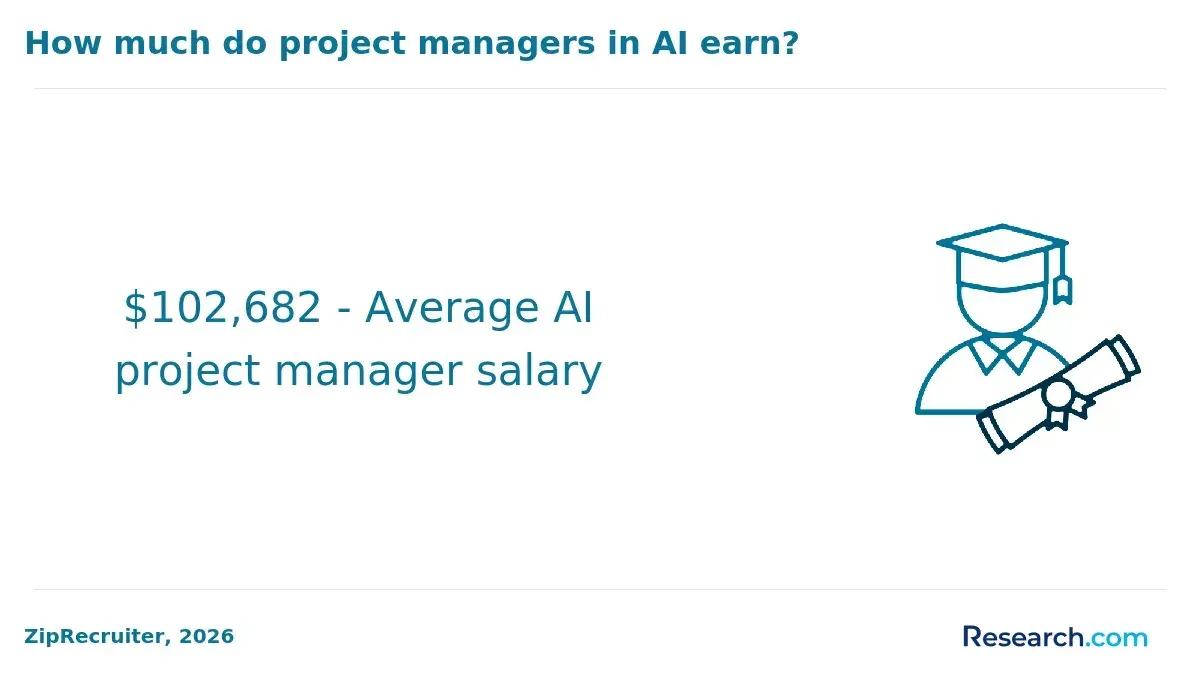
Architectural visualization specialists with skills in artificial intelligence enjoy strong job prospects and competitive salaries. Entry-level positions commonly start near $60,000 per year, while experienced professionals proficient in AI tools can earn $85,000 to $120,000 or more, depending on company size and location.
Expertise in AI-driven workflows-such as generative modeling, automated rendering, and real-time scene generation-often leads to higher pay due to improved efficiency and value.
A major industry analysis indicates firms automate up to 49% of architecture and engineering tasks, increasing demand for AI-competent visualization experts. Candidates fluent in AI tools that enhance design iterations and optimize project delivery are highly sought after.
Rather than replacing roles, artificial intelligence enhances architectural visualization by allowing specialists to focus on complex concepts, client presentations, and high-level design. Employers look for candidates who can:
- Develop custom AI models for photorealistic renderings
- Implement AI-assisted parametric design
- Integrate AI with BIM software for improved visualization
Certifications in AI-driven 3D modeling and machine learning applied to visualization increase both employability and salary potential. Mastery of AI software platforms can accelerate career growth by automating routine tasks and adding innovative capabilities.
Other Things You Should Know About Artificial Intelligence
One common challenge is the steep learning curve associated with mastering AI tools tailored for architectural visualization. Teams may also encounter compatibility issues between AI software and existing design platforms. Additionally, large data requirements and the need for high computational power can slow down workflows if not properly managed.
Artificial intelligence can enhance creativity by automating repetitive tasks and enabling rapid prototyping, which frees designers to focus on conceptual aspects. However, AI-generated outputs may sometimes lack the nuanced aesthetic judgment of human designers, requiring critical oversight to refine final visualizations. Thus, AI serves as a powerful tool but not a replacement for human creativity.
Ethical concerns include ensuring that AI models do not propagate biases present in training data, which could affect design inclusivity. Transparency about AI-assisted processes and respecting intellectual property rights are also crucial. Teams should adopt responsible AI practices to maintain integrity and trust in their visualization work.
In 2027, "AI for Architectural Visualization" from MIT and "Advanced Visualization with AI" from Harvard are top courses. These offer deep dives into AI tools and techniques, enabling teams to improve design automation and enhance visual presentation efficiency, staying at the forefront of architectural innovation.
References
- Types of Careers in Architecture 2026: Roles, Salaries, and Career Paths https://piaxis.ai/types-of-careers-in-architecture/
- AI for Architecture beyond visualization https://forums.sketchup.com/t/ai-for-architecture-beyond-visualization/310814
- AI Architect Salary 2026 | Artificial Intelligence Career https://passitexams.com/salaries/ai-architect-salary/
- Top 16 AI Tools for Architects in 2025 https://blog.chaos.com/ai-tools-for-architects
- AI Architecture Jobs: 3,487 Postings Analyzed https://axialsearch.com/insights/ai-architecture-jobs/
- The Top 12 Architectural Visualization Software Free for 2026 https://www.moldaspace.com/blog/architectural-visualization-software-free
- 15 Top AI Tools for Architects and Designers - Architizer Journal https://architizer.com/blog/practice/tools/top-ai-tools-for-architects-and-designers/