2027 Best AI Courses for Employee Experience Teams Managing AI Adoption

Co-Founder and Chief Data Scientist
Employee experience teams often face challenges when managing the fast-paced adoption of artificial intelligence technologies. Misaligned strategies, limited understanding of AI capabilities, and resistance to change can hinder successful integration. These issues impact productivity and employee satisfaction, creating urgent needs for targeted learning.
Identifying the right educational resources is critical for teams to lead AI initiatives confidently and effectively. This article explores top AI courses suited for employee experience professionals. It aims to guide readers toward accredited, flexible programs that empower them to navigate AI adoption challenges and drive meaningful organizational transformation.
Key Things You Should Know
- By 2026, over 60% of employee experience teams will require specialized AI courses to manage adoption, emphasizing practical skills in AI integration and ethics.
- Leading programs combine machine learning fundamentals with change management, helping professionals mitigate resistance and enhance user engagement during AI transitions.
- With AI-driven business processes growing annually by 35%, courses now prioritize real-world applications tailored to improving employee productivity and satisfaction.
Advance Your Career with AI Online Courses
Artificial Intelligence: Implications for Business Strategy
This program provides an introduction to Artificial Intelligence and their implications for business strategy. Earn an official digital certificate.

Oxford Artificial Intelligence Programme
Explore this Oxford Artificial Intelligence programme offered in a flexible learning environment and explore topics like machine learning, automation, and robotics.

Implementing Agentic AI: Building Your Organizational Playbook
This online MIT Agentic AI course offers a practical approach to deploying AI agents in your organization, including a custom playbook. 3 weeks, exclusive launch price.

AI Adoption: Driving Business Value and Impact
This online MIT AI Adoption: Driving Business Value and Impact offers practical frameworks to close the gap between AI potential and business reality.

Artificial Intelligence in Pharma and Biotech
Discover the applications and limitations of artificial intelligence in pharma and biotech with this MIT online short course.

What is an AI course for employee experience teams and why does it matter for AI adoption?
AI courses for employee experience teams equip professionals with essential skills to manage AI adoption effectively within their organizations. These programs typically cover AI fundamentals, ethical considerations, change management, and practical applications tailored to improving employee engagement and productivity. Training employee experience teams in AI adoption helps them design strategies that boost workplace efficiency and staff satisfaction.
Employee experience teams play a crucial role in introducing AI and other new technologies that influence productivity and morale. Without proper AI literacy, teams may struggle to address employee concerns or make full use of AI solutions. For instance, such courses teach how to interpret AI-driven analytics to enhance feedback systems and automate routine HR tasks, freeing time for strategic activities.
Microsoft's 2024 Work Trend Index reveals that 75% of knowledge workers feel they lack sufficient time and energy to complete tasks, yet 78% already use personal AI tools at work without formal guidance. This gap underlines the urgent need for organized AI adoption led by employee experience teams to prevent fragmented or risky use. AI training often includes compliance, data privacy, and cross-department collaboration modules to prepare teams to manage AI responsibly while fostering trust.
Different courses adapt to various industries and company sizes, and professionals gain skills to educate peers and troubleshoot AI challenges. For those interested in cost-effective education, an affordable data science degree can complement AI proficiency.
Advance Your Career with AI Online Courses
Artificial Intelligence: Implications for Business Strategy
This program provides an introduction to Artificial Intelligence and their implications for business strategy. Earn an official digital certificate.
Oxford Artificial Intelligence Programme
Explore this Oxford Artificial Intelligence programme offered in a flexible learning environment and explore topics like machine learning, automation, and robotics.
Implementing Agentic AI: Building Your Organizational Playbook
This online MIT Agentic AI course offers a practical approach to deploying AI agents in your organization, including a custom playbook. 3 weeks, exclusive launch price.
Which AI skills do employee experience and HR teams need to manage workplace AI adoption?
Employee experience and HR teams managing workplace AI adoption need a robust set of skills to lead transformation successfully. Foundational AI literacy is crucial, enabling teams to grasp concepts like machine learning, natural language processing, and data privacy. This knowledge fosters clear communication between technical experts and non-technical staff. Workplace AI adoption competencies for employee experience professionals also include strong data literacy to interpret AI-generated analytics, assess employee engagement, and address biases in algorithms for fair recruitment and evaluations.
Change management expertise supports designing strategies that help employees embrace AI tools, while training delivery skills empower teams to create effective upskilling programs tailored to diverse comfort levels. For instance, tailored workshops or e-learning modules improve adoption rates. According to a 2024 LinkedIn Workplace Learning report, organizations offering company-wide AI basics training for non-technical staff see employees are 2.1 times more likely to view their company as ahead on AI and 1.7 times more likely to be satisfied with development opportunities.
Ethical governance and compliance skills are important to navigate legal concerns related to data protection. Problem-solving abilities help resolve technical glitches and employee concerns swiftly. To build these capabilities, professionals can consider pursuing an affordable online engineering degree that supports advanced AI knowledge and application.
What types of AI courses best support employee experience teams (degrees, certificates, bootcamps)?
For employee experience teams managing AI adoption, certificate programs and bootcamps offer targeted, practical learning tailored to real-world applications. Certificates focused on AI application in human resources or organizational development provide specialized training to redesign workflows and enhance employee engagement through AI tools. These programs usually span a few weeks to several months, enabling faster upskilling that fits around work commitments. Bootcamps emphasize hands-on projects and scenarios that accelerate proficiency in automation, data analysis, and AI ethics related to people operations. This approach aligns well with the needs of those pursuing AI certification programs for employee experience teams.
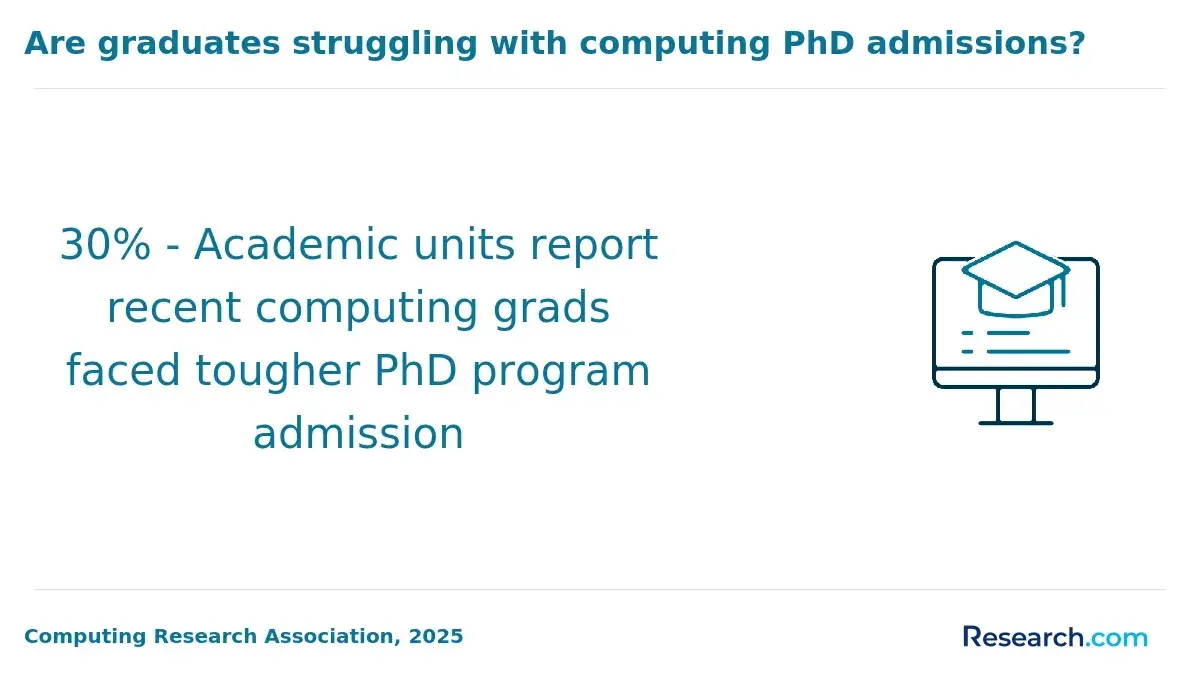
While degree programs in AI or data science provide deep technical knowledge, they may be less efficient for immediate workplace use within employee experience teams. These longer-term options are better suited for individuals aiming for leadership roles demanding broad AI fluency or foundational skills in machine learning and algorithm development. For a comprehensive overview of advanced academic paths, professionals can explore AI PhD programs.
Deloitte's Global Human Capital Trends report revealed that 76% of HR and business leaders see AI-driven work redesign as critical within the next two years, yet only 24% believe their organizations are very ready. This gap highlights the urgency of role-specific upskilling focused on workflow transformation and ethical AI usage.
Key learning areas effective AI courses for employee experience teams should cover include:
- Understanding AI capabilities and limitations within HR contexts.
- Data-driven decision-making and employee sentiment analysis.
- Designing AI-enhanced workflows to improve employee well-being and productivity.
- Regulatory compliance and ethical considerations in AI adoption.
Short-term certificates and intensive bootcamps that concentrate on these core competencies offer practical, role-relevant skills while accommodating the diverse backgrounds common among employee experience practitioners. These options often represent the best AI degrees and bootcamps for managing adoption efficiently in dynamic workplace environments.
How do online AI programs compare with on-campus options for working employee experience professionals?
Online AI courses for employee experience professionals offer the flexibility needed to balance work and education. These programs allow learners to progress at their own pace without geographic limits. They typically feature modular courses focusing on practical skills such as AI analytics, talent intelligence, and personalization, which can be immediately applied on the job. Many include real-world case studies and AI tools that enhance employee engagement and reduce turnover, consistent with findings from Workday's Global Survey showing organizations using AI-driven talent intelligence achieve a 37% higher engagement score and 32% lower voluntary turnover.
A comparison of campus and online AI programs for working professionals highlights that on-campus courses provide immersive learning experiences, direct faculty access, peer collaboration, and structured schedules. Institutions with dedicated AI labs or industry partnerships offer hands-on opportunities and networking benefits often absent in online formats. However, on-campus study may require time off work or relocation, which is a significant consideration.
Hybrid or part-time models combining online and in-person learning can balance convenience with rigor. Working professionals aiming for deeper theoretical knowledge and networking may prefer these options. Those interested in advancing their expertise might explore an online data science doctorate to develop advanced skills applicable to AI and HR fields.
How can you evaluate accreditation and program quality for AI courses focused on employee experience?
When selecting AI courses focused on employee experience, prioritize programs accredited by recognized bodies like ABET, AACSB, or regional agencies widely accepted in the U.S. Accreditation ensures the institution meets high educational standards. It's vital that the curriculum addresses practical skills in change management, communication, and employee enablement, which are essential for successful AI integration in the workplace.
Investigate instructors' expertise; programs led by industry professionals experienced in AI adoption and workforce transformation tend to deliver superior education. Look for courses featuring scenario-based learning, case studies, and tools that enhance employee communication, especially since PwC's 2024 Voice of the Employee survey shows clear communication about AI's impact improves positive employee sentiment by 51%.
Consider outcomes such as the value of certification, alumni achievements, and collaboration with employers or AI firms. Certifications from credible AI organizations increase program credibility. Flexible delivery options like hybrid or online formats can offer a balanced approach without sacrificing depth, covering topics such as ethical AI use and AI change enablement strategies.
Before enrolling, ask:
- Does the course explore AI's impact on employee roles and communication strategies?
- Is there an emphasis on real-world AI adoption challenges across diverse workplaces?
- Is the curriculum current with fast-paced AI advancements?
These questions help identify programs that equip professionals to manage AI adoption effectively with measurable positive outcomes.
What core topics and hands-on projects should AI courses include for employee experience roles?
AI courses for employee experience teams focusing on AI adoption need to cover essential topics like AI fundamentals, data privacy, ethics, and governance. Team members should grasp machine learning basics and natural language processing to communicate clearly with technical staff and interpret AI outputs effectively. Emphasizing responsible AI practices is critical, especially as a 2024 Cisco Data Privacy Benchmark study revealed that 91% of organizations see building customer trust as a key reason for investing in privacy and responsible AI.
Hands-on projects can involve designing AI workflows with integrated privacy controls, performing risk assessments on AI-driven employee data, and developing communication plans for transparent AI adoption. Examples include evaluating AI-powered HR tools for fairness or drafting governance policies aligned with organizational standards. These exercises build skills to protect employee rights and improve overall experience.
Additional focus areas include change management strategies and AI literacy tailored for non-technical employees. This helps teams lead training and address workforce concerns about AI. Case studies showcasing successful AI adoption highlight cultural and ethical challenges beyond technology, preparing learners for real workplace situations. Organizations with mature privacy programs report 32% higher AI investment benefits, underscoring the value of governance skills for employee experience professionals.
What are typical admission requirements, program length, and costs for these AI courses?
Admission criteria for AI courses focused on employee experience (EX) teams differ by program. Generally, a bachelor's degree in fields like business, computer science, or human resources is required. Some advanced courses may also require prior knowledge in data analytics or introductory AI topics. Certificate programs aimed at professionals often accept candidates with relevant work experience, especially when familiarity with AI tools or employee management systems is evident.
Course durations vary widely. Options include brief workshops lasting one to two weeks, comprehensive programs running three to six months, and full-time immersive courses of 8 to 12 weeks. Part-time or self-paced formats can extend beyond six months, allowing working professionals to balance learning with job responsibilities. For example, some professional certificates are structured as 4-month part-time courses with weekly sessions that enable immediate application of skills in workplace settings.
Costs are equally diverse, depending on course length and provider reputation. Short workshops typically cost between $500 and $1,200, while certificate and specialization programs can range from $3,000 to $8,000. Executive education from top-tier universities may exceed $10,000. Many employers subsidize these trainings because studies show investing in structured AI education increases the chance of realizing significant cost savings from AI implementations by 36%.
When choosing a program, consider:
- Format flexibility to fit your schedule.
- Instructor expertise and industry experience.
- Relevance to your team's specific AI adoption challenges.
- Practical projects or case studies with a focus on EX contexts.
Which job roles and career paths do AI-trained employee experience professionals commonly pursue?
AI-trained employee experience professionals often hold roles that blend technology with human resources and organizational development. Typical positions include AI Integration Specialist, Employee Experience Manager, L&D Analyst focused on AI tools, and AI-driven Change Management Consultant. These roles concentrate on deploying AI solutions to enhance workforce engagement, streamline HR workflows, and improve training effectiveness.
Advancement frequently leads to senior roles like AI Strategy Consultant or Director of Employee Experience Technology, requiring expertise in aligning AI with company goals, managing adoption strategies, and leading cross-functional teams.
Specialized career paths may include AI Ethics Officer, ensuring responsible AI use that respects privacy and transparency, or data analytics positions leveraging AI insights for workforce decision-making. Such diversity illustrates AI's broad impact on recruitment, performance evaluation, employee satisfaction, and retention.
With corporate enrollment in AI and ChatGPT courses soaring by over 1,000% and many L&D leaders increasing AI budgets, organizations are actively developing hybrid roles combining AI literacy with people-centered approaches. Candidates who master AI tools that personalize employee experiences, automate tasks, and analyze sentiment data will stand out in the competitive job market.
Successful professionals navigate these evolving fields by balancing technical AI knowledge with a deep understanding of organizational culture and employee needs, making this a dynamic and promising career path.
What salary ranges and job outlook can employee experience teams expect after AI upskilling?
Employee experience teams with AI upskilling can expect significant salary gains as demand for specialized skills grows. Entry-level AI-enabled roles typically offer salaries between $70,000 and $85,000 annually. Mid-level professionals with AI project management or data analysis expertise earn between $90,000 and $120,000, while senior roles in AI strategy and adoption leadership reach from $130,000 to $180,000 or more, depending on company size and industry.
The job market is expanding rapidly due to companies focusing on digital transformation. According to the World Economic Forum's "Future of Jobs Report 2025," organizations implementing structured AI training see a 15% productivity increase within three years compared to those adopting AI without formal upskilling. This productivity boost drives sustained demand for AI-proficient employee experience professionals.
Practical skills with AI tools and data analytics platforms greatly enhance employability. Roles now require applying AI-driven insights to improve onboarding, engagement, and performance management. Professionals who combine HR knowledge with AI fluency occupy a growing niche, making their profiles highly competitive across the U.S. labor market.
Investing in evidence-based AI courses focused on integration and workforce data interpretation boosts both salary potential and career stability. Without such upskilling, employee experience teams risk becoming outdated as AI reshapes workflows and decisions.
Are there industry-recognized AI certifications useful for HR and employee experience practitioners?
Industry-recognized AI certifications offer significant value to HR and employee experience professionals overseeing AI adoption. These credentials build foundational knowledge of AI principles, ethical considerations, and practical applications specific to HR technology and workforce management.
The AI for HR Professionals certification from the HR Certification Institute (HRCI) focuses on applying AI in talent acquisition, employee engagement, and performance management. It prepares practitioners to critically assess AI-driven HR solutions. Another key credential, the Certified Artificial Intelligence Practitioner (CAIP) by the Global Association for Digital Transformation, covers machine learning, AI strategies, and change management-important for aligning AI initiatives with organizational goals.
A Gartner survey revealed that more than 60% of HR leaders expect a majority of their HR systems to be AI-augmented soon, while 70% see ongoing AI skill updates as essential. Continuous learning is vital as AI technologies evolve rapidly. Platforms like Coursera and edX provide specialized AI courses tailored for HR professionals, complementing formal certifications and supporting continual skill development.
Certification benefits include:
- Developing expertise in AI implementation within HR workflows.
- Ensuring ethical and compliant use of AI in people analytics.
- Enhancing the ability to evaluate AI vendors and technologies.
- Maintaining up-to-date skills amid fast-evolving AI capabilities.
These certifications empower HR teams to lead AI adoption strategically and confidently in diverse organizational environments.
Other Things You Should Know About Artificial Intelligence
Ethical considerations include data privacy, bias mitigation, and transparency in AI decision-making processes. Employee experience teams must ensure that AI systems do not reinforce existing workplace inequalities and that employee data is handled securely and with consent. Clear communication about how AI is used helps maintain trust and aligns technology with organizational values.
Yes, artificial intelligence can improve employee retention by analyzing patterns in employee engagement and turnover risks. AI-driven insights enable proactive measures such as personalized career development and timely interventions. By identifying factors contributing to dissatisfaction, organizations can tailor strategies to increase retention effectively.
Common challenges include managing change resistance, ensuring adequate AI literacy among staff, and aligning AI tools with organizational culture. Additionally, teams must address data quality issues and maintain consistent monitoring of AI system performance. Successful integration requires careful planning and ongoing support to overcome these hurdles.
References
- AI & Machine Learning Course Fees in 2026: Complete Guide https://www.almabetter.com/bytes/articles/ai-and-ml-course-fees-2026
- Exploring the Role of AI in Measuring and Analyzing the Employee Experience https://decisionwise.com/resources/white-papers/exploring-the-role-of-ai-in-measuring-and-analyzing-the-employee-experience/
- The role of AI and automation in enhancing the employee experience https://www.aspect.com/resources/the-role-of-ai-enhancing-employee-experience
- Benefits of AI for Certified HR Professionals | UTSA PaCE https://www.utsa.edu/pace/news/benefits-of-ai-for-certified-hr-professionals.html
- AI Training for Employees: How HR Can Build AI Skills at Work https://www.aihr.com/blog/ai-training-for-employees/
- 6 AI skills everyone should know for the workplace and how to learn them https://lucid.co/blog/ai-skills-for-the-workplace
- How the 100 Best Companies Are Training Their Workforce for AI https://www.greatplacetowork.com/resources/blog/100-best-training-workforce-ai
- Corporate AI Training for Employees, Corporate Clients & Agencies | Graduate School USA https://www.graduateschool.edu/group-training/ai
- The Impact of AI on Job Roles, Workforce, and Employment: What You Need to Know | Innopharma Education https://www.innopharmaeducation.com/blog/the-impact-of-ai-on-job-roles-workforce-and-employment-what-you-need-to-know
- Generative AI in HR Courses | Innovate HR with AI https://www.chrmp.com/generative-ai-in-hr-certification/