2027 Best Generative AI Courses for Chief Product Officers

Co-Founder and Chief Data Scientist
Chief product officers (CPOs) face mounting pressure to integrate advanced capabilities like generative AI into product strategies while managing tight timelines and skill gaps. Many lack the technical background to evaluate or implement AI-powered features effectively, risking missed innovation opportunities and competitive disadvantage.
Traditional education paths often require lengthy commitments that do not align with demanding roles. This article surveys the best generative AI courses designed to provide CPOs with flexible, accredited learning options that bridge knowledge gaps efficiently and empower them to lead AI-driven product development with confidence.
Key Things You Should Know
- Generative AI courses for Chief Product Officers (CPOs) emphasize strategic integration, with over 68% of programs in 2025 focusing on product innovation and user-centric design powered by AI models.
- Recent curricula prioritize AI ethics and governance, reflecting the growing regulatory landscape impacting product decisions and risk management in tech industries.
- Enrollment in generative AI leadership courses has surged by 35% since 2024, highlighting increasing demand for AI fluency at executive levels to drive competitive advantage.
Advance Your Career with AI Online Courses
Artificial Intelligence: Implications for Business Strategy
This program provides an introduction to Artificial Intelligence and their implications for business strategy. Earn an official digital certificate.

Oxford Artificial Intelligence Programme
Explore this Oxford Artificial Intelligence programme offered in a flexible learning environment and explore topics like machine learning, automation, and robotics.

Implementing Agentic AI: Building Your Organizational Playbook
This online MIT Agentic AI course offers a practical approach to deploying AI agents in your organization, including a custom playbook. 3 weeks, exclusive launch price.

AI Adoption: Driving Business Value and Impact
This online MIT AI Adoption: Driving Business Value and Impact offers practical frameworks to close the gap between AI potential and business reality.

Artificial Intelligence in Pharma and Biotech
Discover the applications and limitations of artificial intelligence in pharma and biotech with this MIT online short course.

What makes a generative AI course valuable specifically for current and aspiring Chief Product Officers?
Effective generative AI training for chief product officers (CPOs) must deliver strategic leadership skills aligned with actionable technology integration. Such courses focus on identifying high-impact AI use cases tailored to business objectives and customer needs while emphasizing practical knowledge in AI-driven product ideation, prototyping, and iterative development.
CPOs need expertise to evaluate generative AI tools accurately, enabling informed decisions on product roadmaps and investments.
Key skills in generative AI courses for product leadership include mastering data-driven decision-making and interpreting AI-generated insights to enhance user experience and market fit. By 2025, 75% of product management leaders consider AI and analytics critical for senior roles, up from 55% in recent years. Ethical considerations and risk management must also be integrated, guiding CPOs to navigate regulatory compliance and maintain public trust when deploying AI-powered products.
Leadership in cross-functional teams-spanning engineering, data science, and design-is essential to translate AI potential into scalable strategies. Hands-on case studies or real-world simulations significantly boost practical learning for future-ready product leaders. Programs blending AI technical literacy with strategic business and user-centric perspectives offer the highest return on investment by enabling sustained competitive advantage and growth.
For professionals exploring career paths, exploring opportunities like applied AI degree jobs can provide insights into advancing in this evolving field.
Advance Your Career with AI Online Courses
Artificial Intelligence: Implications for Business Strategy
This program provides an introduction to Artificial Intelligence and their implications for business strategy. Earn an official digital certificate.
Oxford Artificial Intelligence Programme
Explore this Oxford Artificial Intelligence programme offered in a flexible learning environment and explore topics like machine learning, automation, and robotics.
Implementing Agentic AI: Building Your Organizational Playbook
This online MIT Agentic AI course offers a practical approach to deploying AI agents in your organization, including a custom playbook. 3 weeks, exclusive launch price.
Which types of generative AI programs best fit a Chief Product Officer career path?
Generative AI training programs for chief product officers emphasize strategic application and leadership in AI-driven product development. These programs often include key topics such as AI ethics, user-centered AI design, and the technical foundations of machine learning and natural language processing, enabling CPOs to collaborate effectively with engineering teams and assess AI feasibility in products.
Many of the best generative AI courses tailored to chief product officer roles blend business strategy with AI capabilities, covering AI-powered product strategy and market analysis. These prepare CPOs to identify competitive AI advantages and optimize investment decisions while addressing governance, risk management, and regulatory compliance challenges faced by product leaders.
Programs that substantially increase strategic impact typically cover:
- Generative AI for product innovation and roadmap development
- Cross-functional leadership in AI-enabled teams
- Data-driven customer insights via AI analytics
- Ethical AI deployment and regulatory compliance
- AI trend forecasting and competitive advantage evaluation
LinkedIn's Emerging Jobs report highlights a 211% global growth in job postings mentioning generative AI for Chief Product Officer and VP Product roles between Q1 2023 and Q1 2024. This signals a strong demand for CPOs skilled in AI leadership and technical literacy combined. Those exploring career advancement should also consider factors like the online engineering degree cost when selecting programs to ensure they align with budget and goals.
How can Chief Product Officers evaluate online vs campus generative AI courses and executive programs?
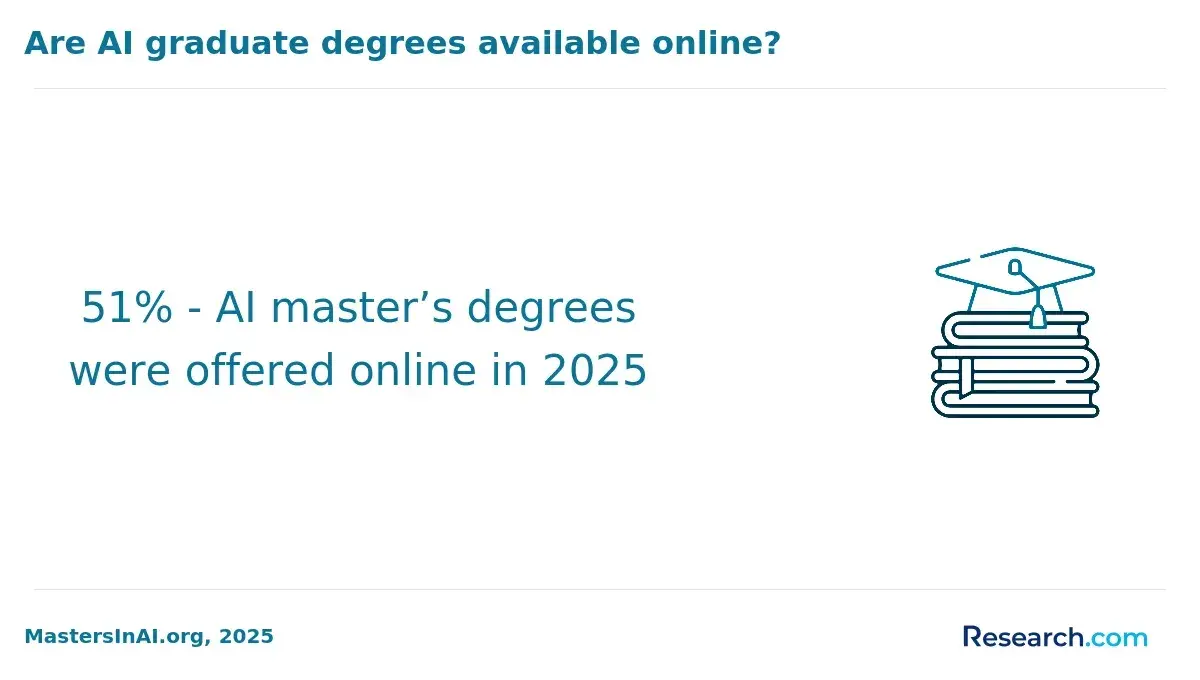
Chief Product Officers considering generative AI courses face a choice between online versus campus executive programs in generative AI, each with distinct benefits.
Online courses provide flexibility, allowing CPOs to balance leadership duties while accessing global peers and diverse instructors, essential for broadening perspectives on AI applications. Campus programs offer immersive experiences with direct faculty interaction and richer in-person networking, which can be critical for leadership growth.
Key considerations include curriculum relevance, faculty expertise, and opportunities for practical application. It's important to check whether courses integrate case studies and projects focused on product leadership challenges in AI. CPOs should evaluate if the program emphasizes strategic decision-making in AI deployment and includes mentorship or coaching components.
Effective generative AI education often blends synchronous learning and hands-on labs. While many executive programs deliver this on campus, top-tier online offerings increasingly meet this standard. Executives with AI skills typically earn 27% higher total compensation than peers without, highlighting the tangible benefits of advanced AI training.
Evaluating alumni outcomes, course length, tuition, and time commitments will help CPOs make informed choices. For those exploring related fields, reviewing game design schools online can offer insight into affordable, flexible education models applicable across tech disciplines.
What core generative AI skills and product-focused topics should CPOs look for in the curriculum?
Chief Product Officers need core generative AI skills for product management that support strategic vision and execution in AI-driven marketplaces. Essential competencies include understanding large language models, natural language processing basics, and prompt engineering. Mastery of these areas enables CPOs to design AI features that improve user experience and automate workflows.
Product innovation strategies with generative AI must address AI ethics and governance to manage risks like bias and data privacy. CPOs should study the AI product lifecycle, focusing on iterative development through AI-driven insights. Knowledge of responsible AI frameworks is vital to maintain compliance and build brand trust.
Data strategy and AI-powered user research are key, teaching how to use generative AI tools for customer segmentation, behavior prediction, and personalized recommendations. Evaluating model performance with proper metrics ensures AI aligns with broader business objectives.
AI change management is also critical, preparing CPOs to lead cross-functional collaboration among data scientists, engineers, and designers in deploying AI solutions. According to a McKinsey survey, 62% of product-led companies increased AI training budgets by at least 20%, reflecting this growing need.
Programs incorporating practical case studies and hands-on projects help CPOs confront real-world challenges like scaling AI in production and aligning initiatives with business KPIs. Prospective students might explore options such as an online cybersecurity bachelor degree for veterans to build a strong foundation in related tech fields.
How do accreditation, institutional reputation, and instructor expertise impact the quality of AI programs?
Accreditation ensures generative AI programs adhere to established academic and industry standards, offering rigorous curriculum design, valid assessments, and recognized credentials.
Without it, program quality can vary significantly, potentially leaving chief product officers (CPOs) with outdated or insufficient knowledge. Regional or national accreditation bodies review institutions to maintain consistent learning outcomes, which is essential for applying ai effectively in product strategy and development.
Institutional reputation also plays a crucial role. Leading universities and specialized ai institutes often provide access to advanced tools, case studies, and partnerships with technology companies. This helps CPOs understand practical ai challenges and innovations. A respected institution signals to employers and stakeholders that a candidate is well-prepared to lead ai-driven product initiatives.
Instructor expertise directly influences learning quality by delivering deep insights into generative ai technologies. Instructors with industry experience or strong research backgrounds connect theory with practice, explaining how algorithms fit into product lifecycle management, design, and user experience. Those lacking relevant expertise may struggle to address real-world complexities CPOs face.
Research shows companies where senior product leaders report high ai literacy are 2.5 times more likely to launch ai-enabled products that meet or exceed revenue goals, according to Deloitte's 2024 State of AI in the Enterprise report. This highlights how accreditation, reputable institutions, and expert instructors translate into successful business outcomes.
What are the typical admission requirements for advanced or executive-level generative AI programs?
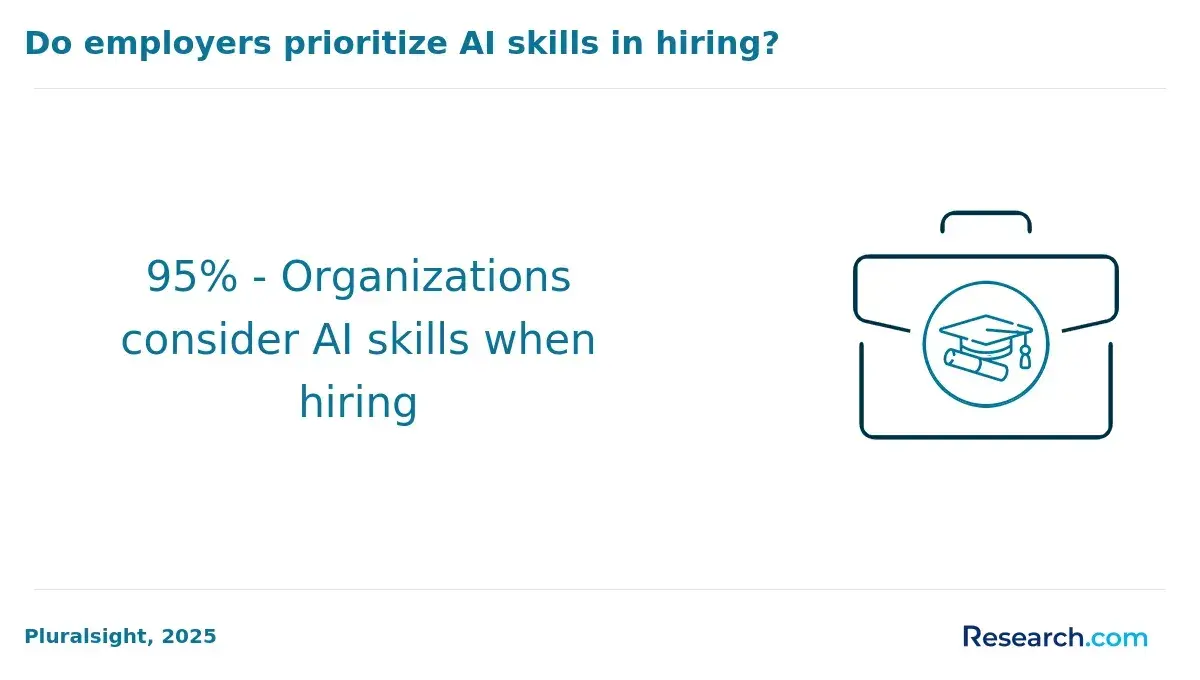
Advanced generative AI programs typically require candidates to have 5 to 10 years of leadership experience, often in technology, product management, or strategic roles. A bachelor's degree is usually the minimum educational qualification, with a preference for advanced degrees such as an MBA, MS, or a master's in data science or computer science.
Many programs expect applicants to demonstrate a solid understanding of AI concepts or prior involvement in AI-driven projects to ensure readiness for high-level strategic engagement.
Admission materials commonly include detailed resumes highlighting leadership in innovation and digital transformation, recommendations from senior management, and essays or statements of purpose describing candidates' AI goals and organizational impact.
Technical prerequisites vary: some programs require coding skills or knowledge of machine learning frameworks, while others emphasize strategic decision-making and accept non-technical executives. Flexible admission options may be available for exceptional candidates with demonstrated achievements in AI initiatives.
According to executive AI programs, 68% of organizations see measurable productivity or revenue gains within a year, compared to 29% without such training. This highlights the value of these programs for professionals seeking to lead AI transformation effectively.
Prospective students should be prepared to showcase both leadership abilities and relevant AI knowledge to secure admission and maximize the benefits of generative AI education.
How long do generative AI courses for product leaders usually take, and what do they cost?
Generative AI courses designed for product leaders generally last from 6 weeks to 6 months, with shorter bootcamp-style programs running 4 to 8 weeks and focusing on core strategic concepts and practical skills. More intensive executive programs often span 3 to 6 months, including hands-on workshops, case studies, and leadership modules to support working professionals managing ongoing responsibilities.
Course costs vary significantly. Executive-level programs typically range between $4,000 and $15,000, while lighter online-only options with pre-recorded content are more affordable. Premium offerings affiliated with prestigious business schools or technology institutes can exceed $20,000, often featuring live instruction, personalized coaching, and networking benefits.
Korn Ferry's 2024 analysis of AI transformation programs reveals companies with C-suite executives trained in formal AI and data-strategy programs achieved a median 3.5× return on investment (ROI) on AI product investments over three years, compared to 1.8× for those without such training. This highlights the financial impact of high-quality education for product leaders.
When selecting a course, consider your learning goals, time availability, and budget. Options that include real-world product leadership challenges, API integration workshops, or cross-functional AI team management can offer valuable experience. Cohort-based programs often foster peer collaboration, justifying higher fees, and verify if post-completion support or alumni networks are provided.
What career outcomes, leadership opportunities, and new responsibilities can CPOs expect after AI upskilling?
Chief product officers (CPOs) who complete AI upskilling programs significantly broaden their career opportunities by mastering leadership roles focused on data-driven innovation. These leaders become essential in shaping product strategies that leverage generative AI to establish competitive advantages. After upskilling, CPOs lead the integration of AI throughout product development, accelerating iteration and delivering personalized user experiences.
Advanced leadership roles include managing cross-functional teams dedicated to AI adoption and ensuring the ethical use of generative AI in products. CPOs also focus on mitigating AI bias risks, maintaining regulatory compliance, and promoting transparency. This positions them as key players in enterprise-wide AI governance, extending their influence beyond traditional product management.
Post-upskilling responsibilities for CPOs include:
- Collaborating with data scientists and AI engineers to turn technical capabilities into viable product features.
- Driving AI literacy and change management across organizations to promote successful AI initiatives.
- Adjusting product roadmaps to integrate AI capabilities that align with shifting customer needs and market trends.
According to The Conference Board's Corporate Learning Benchmarking Report 2024, the average annual investment in AI and data-related executive education per leader in large enterprises is USD 8,300, a 46% increase since 2022. This growing expenditure highlights the strategic focus on AI leadership development. For professionals seeking to enhance their AI expertise and leadership skills, programs aligned with trusted sources offer valuable insights and opportunities.
What salary impact and ROI can Chief Product Officers gain from specialized generative AI training?
Generative AI training greatly boosts the salary potential and ROI for Chief Product Officers (CPOs). A Korn Ferry survey reveals only 18% of senior product leaders feel "very prepared" to lead generative AI product strategy, despite 71% expecting AI to transform their portfolios by 2026. This highlights the significant advantage targeted AI education provides to CPOs competing in today's market.
Advanced AI skills empower CPOs to drive innovation, improve product-market fit, and accelerate development cycles. Those with generative AI expertise typically earn 20-30% higher salaries than peers without this knowledge. Employers value CPOs who can lead AI integration to create new monetization models and reduce reliance on costly external consultants.
The return on investment includes faster career advancement, bigger bonuses, and stronger negotiation positions. Mastery of generative AI workflows allows CPOs to lead cross-functional teams deploying adaptive user experiences and automated feature updates, directly contributing to product success and revenue growth.
Prospective CPOs should focus on training covering AI strategy, ethical considerations, and technical feasibility to tackle challenges like aligning AI projects with business goals and minimizing risks such as model bias. The growing demand for AI-proficient CPOs ensures that such education delivers measurable career and financial benefits.
Which industry-recognized AI certifications and microcredentials are most relevant for Chief Product Officers?
Chief Product Officers looking to excel in AI-driven product leadership should focus on certifications that blend technical expertise with strategic product management. The AI Product Manager Certification by the Product School is highly recommended for its practical frameworks on integrating generative AI into product roadmaps tailored to leadership roles.
For hands-on experience, the Artificial Intelligence Engineer Nanodegree by Udacity equips professionals with skills in AI model deployment and data strategy-critical for managing AI-powered products. Similarly, the Certified AI Practitioner (CAIP) by the AI Institute offers advanced training that prepares CPOs to lead generative AI initiatives across organizational teams.
Microcredentials such as the Generative AI and Product Innovation MicroMasters from MIT provide deep insights into scalable AI applications, aligning with Gartner's forecast that predicts AI-embedded features will be in 60% of new enterprise software by 2027.
Effective AI certifications emphasize real-world use cases, ethics, and change management. Programs focusing on AI product lifecycle management, data governance, integration challenges, and AI-driven UX design enhance strategic agility and help overcome development bottlenecks while ensuring compliance.
Other Things You Should Know About Artificial Intelligence
The primary challenges include data privacy concerns, integration complexity, and alignment with business goals. Product managers often struggle to source quality data and ensure AI-driven features comply with ethical standards. Additionally, deploying AI solutions demands cross-functional coordination and continuous monitoring to maintain relevance and accuracy.
Artificial intelligence enhances decision-making by providing data-driven insights and predictive analytics. It enables CPOs to anticipate customer needs, optimize product roadmaps, and reduce risks associated with market uncertainty. However, interpretation of AI outputs still requires human judgment to balance innovation with strategic priorities.
Besides technical expertise, strong communication and change management skills are vital. CPOs must translate AI-driven insights into actionable strategies and foster collaboration among data scientists, engineers, and stakeholders. Understanding ethical implications and regulatory requirements also plays a key role in responsible AI adoption.
Top generative AI courses for Chief Product Officers in 2027 include Stanford's "AI in Product Management," MIT's "Generative AI for Product Leaders," and Coursera's "Generative Design in Business." These programs offer extensive insights into AI integration and strategic decision-making.
References
- Best Generative AI Courses and Certifications in 2026 https://ryantronier.com/resources/generative-ai-courses/
- Executive Program in Artificial Intelligence | ISDI https://www.isdi.education/en/programs/artificial-intelligence
- AI for Product Owners - Scrum Alliance Microcredential Course https://www.scrumalliance.org/microcredentials/ai-for-product-owners
- "Chief Product Officer (CPO) Job Description Template - Complete 2026 Hiring Guide" https://resources.rework.com/libraries/job-description-templates/chief-product-officer-cpo
- A CPO’s Guide to Using Generative AI Within the Enterprise https://clear.ml/blog/a-chief-product-officers-guide-to-using-generative-ai-within-the-enterprise
- Micro-Credentials: The Future of Professional Education. https://certiprof.com/blogs/news/micro-credentials-a-smart-decision-for-your-future
- AI Product Manager: Role, Salary, Skills & Career Path Guide https://www.simpliaxis.com/resources/ai-product-manager-guide
- Generative AI Careers: Roles, Skills & Opportunities in 2026 https://online.iitkgp.ac.in/blog/generative-ai-careers
- The Sound of Silence: When a Lack of Customer Feedback Derails Your Strategy https://scaledagile.com/blog/ai-certifications-product-managers/
- The end of the graduate career ladder? How AI is reshaping early-career talent - LACE Partners https://www.lacepartners.com/the-end-of-the-graduate-career-ladder-how-ai-is-reshaping-early-career-talent/