2027 How To Choose an Agentic AI Course Online

Co-Founder and Chief Data Scientist
Choosing an agentic AI course online can be overwhelming for professionals shifting careers without a background in AI. The vast range of programs, varied accreditation standards, and differences in curriculum quality often leave prospective students uncertain about which course will provide practical skills and recognized credentials. This uncertainty risks wasted time and resources on programs that lack industry relevance or flexibility.
This article clarifies key factors to consider when selecting an agentic AI course, focusing on accreditation, curriculum content, delivery methods, and career outcomes to help readers make an informed decision aligned with their goals.
Key Things You Should Know
- Agentic AI courses prioritize teaching decision-making frameworks, enabling students to design systems that act autonomously and adaptively in complex environments.
- Top programs in 2026 integrate practical projects with ethics, reflecting a 35% rise in industry demand for AI professionals skilled in responsible agent design since 2024.
- Accreditation and instructor expertise remain critical; 72% of surveyed employers prefer graduates from courses emphasizing reinforcement learning and multi-agent systems.
Advance Your Career with AI Online Courses
Artificial Intelligence: Implications for Business Strategy
This program provides an introduction to Artificial Intelligence and their implications for business strategy. Earn an official digital certificate.

Oxford Artificial Intelligence Programme
Explore this Oxford Artificial Intelligence programme offered in a flexible learning environment and explore topics like machine learning, automation, and robotics.

Implementing Agentic AI: Building Your Organizational Playbook
This online MIT Agentic AI course offers a practical approach to deploying AI agents in your organization, including a custom playbook. 3 weeks, exclusive launch price.

AI Adoption: Driving Business Value and Impact
This online MIT AI Adoption: Driving Business Value and Impact offers practical frameworks to close the gap between AI potential and business reality.

Artificial Intelligence in Pharma and Biotech
Discover the applications and limitations of artificial intelligence in pharma and biotech with this MIT online short course.

What is an agentic AI course online?
Agentic AI online learning programs teach students to design and deploy autonomous AI systems that make independent decisions and interact dynamically with their environment. These AI agents incorporate goal-oriented behavior, adaptive learning, and real-time problem solving. Key topics often include multi-agent systems, reinforcement learning, decision theory, and natural language interaction. Students gain practical skills in programming and managing AI agents in varied and changing conditions.
By 2026, 79% of enterprises report adopting AI agents in some form, but only 11% have them running in production, revealing a 68-point deployment gap. This underscores a strong industry demand for expertise in agentic AI capable of delivering real business value, a core focus of the best agentic artificial intelligence courses. Understanding this gap is crucial when selecting a program that prepares students for immediate impact.
Courses differ between theoretical and application-focused approaches. Some emphasize algorithms and research foundations, while others prioritize hands-on projects with tools like Python frameworks, simulation environments, and cloud deployment platforms. Common projects include building autonomous chatbots or automated trading agents. Students should evaluate courses offering:
- Practical assignments with real-world agentic AI tools
- Coverage of ethical and safety challenges in autonomous systems
- Updated curriculum aligned with industry standards
- Access to experienced instructors from the field
For those seeking career guidance in AI fields, exploring options in applied artificial intelligence can provide broader context and opportunities beyond agentic AI alone.
Advance Your Career with AI Online Courses
Artificial Intelligence: Implications for Business Strategy
This program provides an introduction to Artificial Intelligence and their implications for business strategy. Earn an official digital certificate.
Oxford Artificial Intelligence Programme
Explore this Oxford Artificial Intelligence programme offered in a flexible learning environment and explore topics like machine learning, automation, and robotics.
Implementing Agentic AI: Building Your Organizational Playbook
This online MIT Agentic AI course offers a practical approach to deploying AI agents in your organization, including a custom playbook. 3 weeks, exclusive launch price.
How do you choose a reputable agentic AI program?
Choosing the best online agentic AI courses involves evaluating curriculum content, faculty expertise, and industry connections. A reputable program covers autonomous decision-making, machine learning systems for agentic AI, ethics, and case studies, offering hands-on projects that build essential skills in this fast-growing field.
Faculty credentials are critical; look for instructors with published research or active roles in commercial agentic AI applications. Affiliations with recognized research institutions or tech companies ensure more relevant and current material. Industry collaboration further boosts value through internships, mentorships, or guest lectures, linking students to the $7.6 billion global agentic AI market projected to grow 31 times by 2034 with a CAGR above 40%.
Assessing student outcomes such as job placement, alumni career trajectories, and project involvement helps measure program success. Reviews and accreditation from AI-specific or technical education boards add to credibility. Practical considerations should include format, duration, cost, and interactive online resources with community support.
Before enrolling, ask whether the curriculum aligns with industry needs, if faculty have relevant experience, whether learning is project-based, and the professional outcomes for graduates. Some programs may also specialize in niches like robotics or autonomous agents, fitting specific career goals.
For prospective students comparing options, exploring mechanical engineering programs online can offer insights into structure and affordability, which parallels considerations for agentic AI studies.
Which accreditation matters for online AI courses?
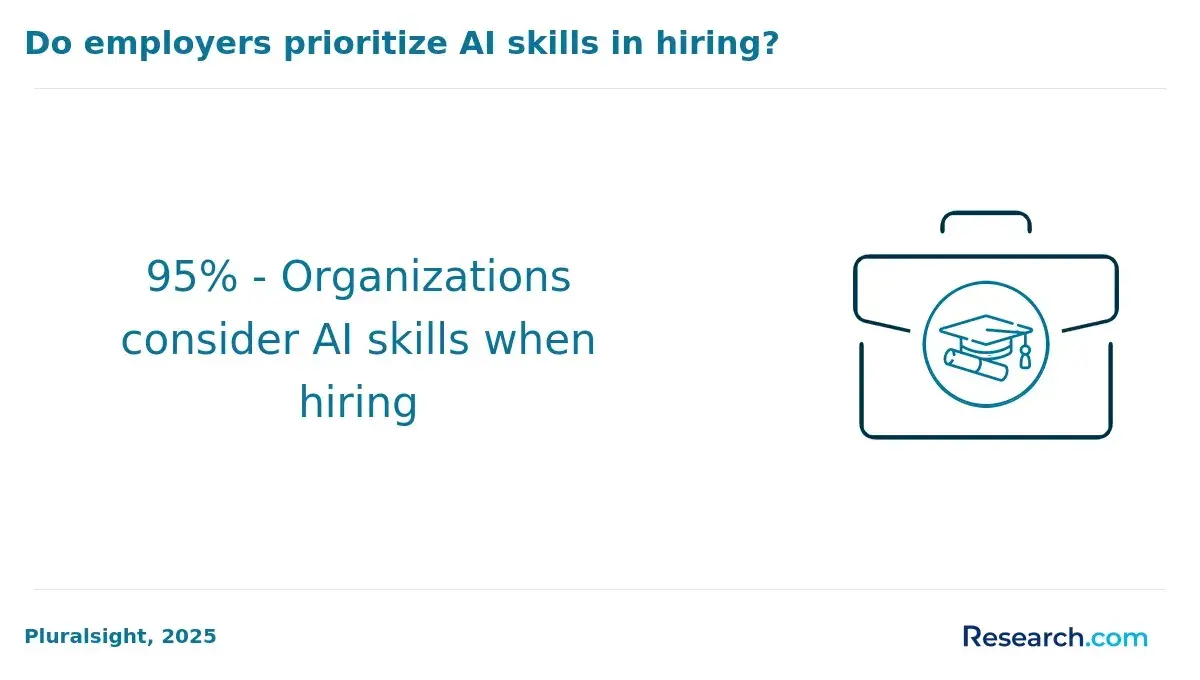
Accreditation standards for online agentic AI courses are crucial, especially for U.S. students and professionals seeking quality education. Look for recognition from established bodies such as the Accreditation Board for Engineering and Technology (ABET) or regional accreditors like the Middle States Commission on Higher Education (MSCHE). These ensure that the curriculum, faculty expertise, and institutional resources adhere to rigorous academic and industry standards.
Employers often prefer credentials from accredited programs because they verify the learner's knowledge and skills, enhancing career prospects. Non-accredited courses might offer useful content but lack the validation needed for career advancement or professional certifications.
Recognized certification for agentic AI programs adds further value. Certifications aligned with organizations like the Association for the Advancement of Artificial Intelligence (AAAI) or key industry leaders indicate curricula that stay current and practical. Transparency in learning outcomes, curriculum design, and instructor expertise, plus third-party reviews, contribute to a program's credibility. Practical projects reflecting real-world agentic AI applications improve skill acquisition relevant to the job market.
Across enterprises successfully deploying AI agents, these technologies generate a 171% ROI globally and 192% ROI in the U.S. (DigitalApplied, "Agentic AI Statistics 2026"). This underscores the economic impact of quality training and validates the focus on accreditation. Prospective students may also consider options like an accelerated cyber security degree online to complement their AI expertise.
What curriculum should an agentic AI course cover?
An agentic AI course curriculum essentials must balance foundational theories with practical skills to prepare students for impactful roles. Key topics covered in agentic AI training include autonomous decision-making frameworks, reinforcement learning, natural language processing, and ethics specific to agentic AI systems. Students gain expertise in designing architectures that enable independent perception, decision, and action, along with learning about multi-agent systems and human-agent collaboration.
Modeling uncertainty and risk mitigation are emphasized, critical for deploying reliable agentic AI in enterprise settings. Hands-on experience with current tools for agent simulation, deployment, and monitoring is integral. Case studies from industries such as finance, healthcare, and supply chain management demonstrate diverse practical challenges. For instance, analyzing how autonomous agents optimize logistics highlights real cost-saving strategies.
Data analysis and feedback loops teach how agents improve through interaction data, while courses address regulatory compliance and security for transparent, safe operations. Given that Fortune 500 firms using agentic AI report each deployed agent generates a median annual cost saving of $340,000 (DigitalApplied, "Agentic AI Statistics 2026"), programs stress measuring economic impact and ROI.
Prospective students interested in related STEM fields may also explore options like an electrical engineering degree online for veterans to broaden their technical foundation.
Online or campus: which learning format fits better?
Choosing between online and campus formats for an agentic AI course depends on your learning style, schedule flexibility, and practical needs. Online courses offer the advantage of flexibility, ideal for working professionals and students managing multiple commitments. These programs often include recorded lectures and interactive assignments, allowing you to revisit complex topics such as workflow orchestration at your own pace.
Campus-based courses excel in providing face-to-face interactions, immediate access to instructors, and collaboration with peers. This setting supports hands-on skills essential for agentic AI, like tool integration and real-time problem-solving. Many campuses also offer dedicated labs and hardware that enhance learning through complex AI tools and group projects.
Both formats must emphasize practical training. Automation with AI agents results in an average 37% reduction in time per task for processes they handle (DigitalApplied, "Agentic AI Statistics 2026"), making hands-on experience with workflows critical. Without applied practice, theoretical agentic AI knowledge risks remaining abstract.
Factors to consider include:
- Availability of hands-on labs or virtual simulation tools
- Instructor accessibility
- Opportunities for peer collaboration
- Your self-motivation and learning discipline
Students who thrive in self-directed, tech-enabled environments often succeed with online courses, while those needing structured settings and immediate feedback benefit from campus programs. The best choice centers on gaining direct experience with automation and integration challenges to reduce task completion time by over one-third, reflecting real-world impacts of agentic AI education.
What admission requirements do online AI courses typically require?
Applicants to online artificial intelligence courses generally need a solid foundation in computer science or related fields. Most programs expect a bachelor's degree in computer science, engineering, mathematics, or a similar discipline. Practical coding skills in languages like Python, Java, or R are often required for hands-on projects. Familiarity with data structures, algorithms, and basic statistics is also common.
Admission usually involves submitting transcripts, resumes, and sometimes portfolios showcasing prior work in AI or data science. Graduate courses frequently require letters of recommendation and statements of purpose to clarify career goals in AI or machine learning. These materials help evaluate a candidate's preparedness for complex AI topics.
Professional experience requirements vary, with some courses aimed at working professionals needing 1 to 3 years in relevant industries. This is especially true for agentic AI programs focusing on deployment challenges, where industry experience is crucial given that 88% of AI agent initiatives in early-adopter enterprises fail in production (DigitalApplied, "Agentic AI Statistics 2026").
Many platforms offer preparatory modules or modular learning tracks for candidates lacking prerequisites, enabling gradual skill building. Prospective students should carefully review admission criteria to tailor their preparation and increase their chances of success.
How long do agentic AI courses take and what do they cost?
Agentic AI courses typically last between 8 and 24 weeks, varying by program depth and format. Intensive part-time certificate programs can be completed in about two months, while more comprehensive options with project-based learning or capstone experiences may extend up to six months. Many online programs offer flexible pacing, allowing students balancing work and study to finish courses over several months to a year.
Course costs vary widely depending on the institution, curriculum, and credentials awarded. Entry-level certificates generally range from $1,000 to $3,500. Advanced or university-backed programs with specialized content or career services often cost between $5,000 and $10,000 or more. Short workshops or boot camps might be under $1,000 but usually lack depth or academic credit.
When choosing an agentic AI course, consider whether it offers hands-on projects related to automated university or enterprise functions like finance, compliance, or procurement analysis. Factors such as time commitment and career services can significantly impact the value of your investment.
Prospective students should ask:
- Does the course include projects mirroring real-world automation in finance or compliance?
- What are the expectations for module completion and assessments?
- Are career resources provided to assist with job placement?
Programs aligned with real-world applications and robust portfolios can enhance employability in growing agentic AI roles across industries.
Which jobs can an agentic AI course prepare you for?
Agentic AI courses prepare learners for varied roles that reflect the technology's broad impact across industries. Graduates often pursue careers such as AI product manager, overseeing AI integration; data scientist or AI engineer, designing and deploying agentic AI systems; and business analyst or AI transformation consultant, focusing on AI-driven strategies for finance, HR, and operations.
Beyond technical positions, agentic AI expertise suits roles like project managers who coordinate multi-team AI deployments, AI ethicists and policy advisors ensuring responsible AI use, and operations analysts applying AI to optimize supply chains.
According to DigitalApplied's Agentic AI Statistics 2026, successful agentic AI initiatives boost productivity across departments, emphasizing the importance of courses that teach managing AI projects involving multiple stakeholders and organizational dynamics.
Prospective students with technical skills can target development or engineering positions, while those with business or management backgrounds might pursue cross-functional integrative roles. Understanding agentic AI's simultaneous deployment in various departments helps position candidates strategically in the labor market.
Common job titles include:
- AI product manager
- Data scientist / AI engineer
- Business analyst / AI transformation consultant
- Project manager for AI deployments
- AI ethicist / policy advisor
- Operations or supply chain analyst with AI focus
What salary and job outlook do AI careers offer?
Agentic AI is set to transform the job market, with a projected market growth from $7.6 billion in 2026 to $47.1 billion by 2030, according to DigitalApplied's analysis citing IDC. This surge creates strong demand for professionals skilled in autonomous decision-making systems, fueling competitive salaries and abundant job opportunities.
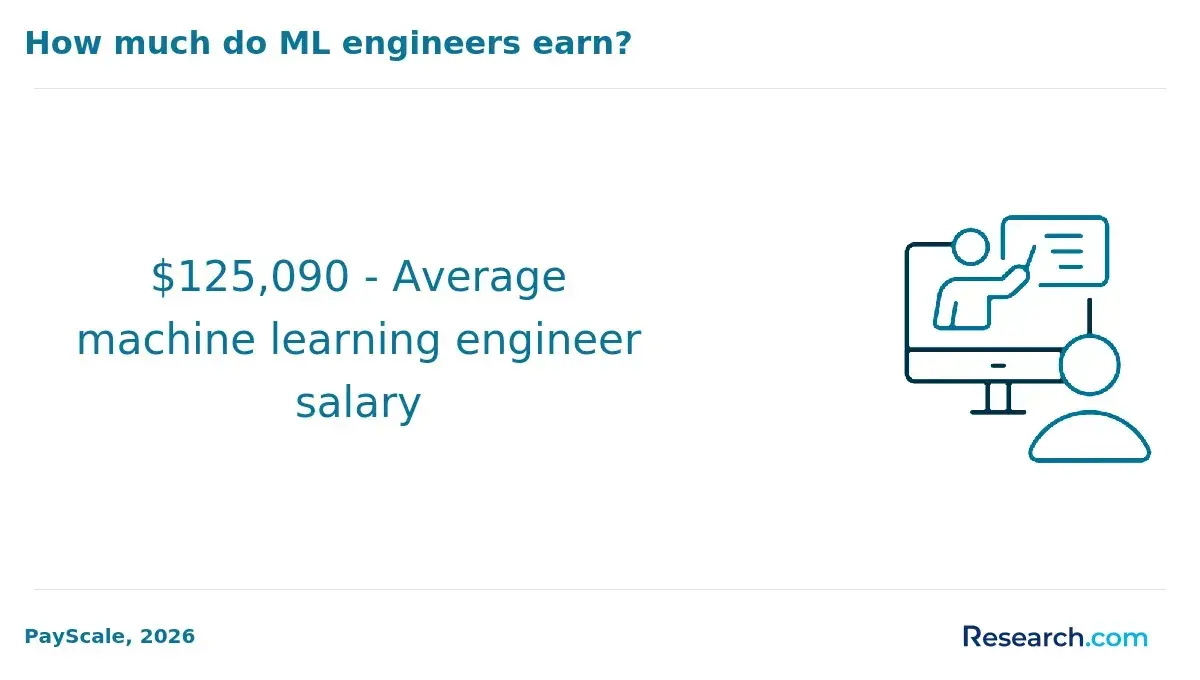
U.S. entry-level AI specialists can expect salaries between $90,000 and $120,000 annually. Mid-career AI engineers and data scientists typically earn $140,000 to $180,000, while senior roles such as AI architects or lead researchers command salaries exceeding $200,000. Specializing in agentic AI often results in premium compensation because of the role's strategic complexity.
The job outlook is robust:
- The Bureau of Labor Statistics forecasts a 22% growth for computer and information research scientists from 2022 to 2032, much faster than average.
- Demand for agentic AI expertise is expected to exceed that of general AI roles, driven by robotics, autonomous systems, and advanced analytics.
Students seeking careers in AI should focus on hands-on experience with autonomous agents and decision algorithms. Employers value candidates with a solid foundation in AI combined with agentic system design expertise, enhancing employability and earning potential. Pursuing education and training in this fast-growing field offers a pathway to lucrative, future-proof careers supported by significant market expansion.
Which certifications strengthen an agentic AI credential?
Certifications centered on the Model Context Protocol (MCP) are increasingly important for professionals working with agentic AI. This protocol, with over 97 million downloads and more than 1,000 server implementations, establishes core standards for system interoperability and contextual awareness. Employers highly value MCP-aligned credentials because they demonstrate expertise in these foundational areas.
Key certification focuses include:
- MCP implementation and architecture, showcasing skills to deploy interoperable agentic AI models.
- Ethical autonomous decision-making, emphasizing accountability and fail-safe mechanisms.
- Coordination of multi-agent systems, including adaptive learning and complex behavior modeling.
- AI safety and robustness to address growing concerns in autonomous agent interaction.
Top credential programs are offered by recognized technology consortiums and standards organizations, often requiring practical labs simulating distributed AI environments. Professionals with backgrounds in machine learning or data science benefit from supplementing their knowledge with these agent-specific certifications that stress dynamic environment negotiation and context modeling.
Additional certifications in cloud-native AI deployment and edge computing further enhance the professional's competitiveness, reflecting the distributed nature of agent ecosystems. Mastery across these domains signals comprehensive expertise in the agentic AI technology stack.
Other Things You Should Know About Artificial Intelligence
Strong foundations in mathematics, especially linear algebra, calculus, and statistics, are crucial for understanding AI algorithms. Programming skills in languages like Python or R are also essential for practical implementation. Additionally, critical thinking and problem-solving abilities help students design and optimize AI models effectively.
In 2027, students of agentic AI courses online should expect hands-on projects focusing on real-world applications of AI. This might include designing AI models that make autonomous decisions, engaging in simulations, and working with agent-based systems. Practical experience is often emphasized to build problem-solving skills.
Yes, many agentic AI courses incorporate ethics to address biases, accountability, and the impact of autonomous systems on society. Discussions often cover fairness, transparency, and responsible AI development to ensure technologies align with legal and moral standards. This prepares students to build AI responsibly.
Students typically engage in coding assignments, model training, and simulation projects that involve creating and testing agentic AI applications. Real-world problem-solving, such as robotics or natural language processing tasks, is common. Hands-on experience is vital for gaining practical skills beyond theoretical knowledge.
References
- How to Pick the Right Generative AI or Agentic AI Program Without Overpaying or Wasting Money https://dev.to/rahul_saxena_09/how-to-pick-the-right-generative-ai-or-agentic-ai-program-without-overpaying-or-wasting-money-20g1
- Finding Your Pace in College: What Learning Format is Right for You? https://www.onlinecolleges.me/resources/learning-formats/
- NVIDIA Agentic AI LLMs Certification https://www.nvidia.com/en-us/learn/certification/agentic-ai-professional/
- AI Engineer Salary and Career Outlook https://teach.com/online-ed/short-courses/online-ai-professional-certificate/ai-engineer-salary-career-outlook/
- Blog https://admissiongoals.com/post/ai-machine-learning-programs-europe-admission-guide-international-students
- Agentic AI Hands-on https://cognitiveclass.ai/learn/agentic-ai-hands-on
- Top AI Courses After 12th to Kickstart Your Tech Career https://www.msruas.ac.in/blog/lead-the-future-of-artificial-intelligence-with-top-ai-courses-after-12th
- Use of Gen AI in Accreditation https://a3stepaccreditation.org/f/use-of-gen-ai-in-accreditation
- Agentic AI Course with Advanced Training and Certification https://www.edureka.co/agentic-ai-training-course
- Cost Guide: Agentic AI Deployment – Pricing and Planning https://www.gravitee.io/blog/cost-guide-agentic-ai-deployment-pricing-and-planning