2027 Best AI Workflow Governance Courses Online

Co-Founder and Chief Data Scientist
Professionals transitioning into artificial intelligence often face challenges in managing complex AI workflows while ensuring regulatory compliance and ethical standards. Without proper governance training, projects can suffer from inefficiency, bias, or data mishandling, impeding successful deployment. Courses focusing on AI workflow governance equip learners with practical skills to oversee AI pipeline development, monitor model performance, and implement transparent decision-making processes. This article explores top online courses designed to help prospective students and working professionals gain accredited, flexible training in AI workflow governance, enabling them to confidently navigate and lead in this evolving field.
Key Things You Should Know
- Top AI workflow governance courses in 2026 emphasize model risk management, ethical frameworks, and compliance with evolving federal guidelines to meet increasing industry demands.
- Enrollment in AI governance programs rose by 35% in 2025, reflecting growing corporate reliance on professionals skilled in transparent and auditable AI processes.
- Leading courses integrate hands-on tools for bias detection, algorithmic accountability, and data privacy, equipping students for roles in regulated sectors like finance and healthcare.
Advance Your Career with AI Online Courses
Artificial Intelligence: Implications for Business Strategy
This program provides an introduction to Artificial Intelligence and their implications for business strategy. Earn an official digital certificate.

Oxford Artificial Intelligence Programme
Explore this Oxford Artificial Intelligence programme offered in a flexible learning environment and explore topics like machine learning, automation, and robotics.

Implementing Agentic AI: Building Your Organizational Playbook
This online MIT Agentic AI course offers a practical approach to deploying AI agents in your organization, including a custom playbook. 3 weeks, exclusive launch price.

AI Adoption: Driving Business Value and Impact
This online MIT AI Adoption: Driving Business Value and Impact offers practical frameworks to close the gap between AI potential and business reality.

Artificial Intelligence in Pharma and Biotech
Discover the applications and limitations of artificial intelligence in pharma and biotech with this MIT online short course.

What is AI workflow governance and why do professionals take specialized online courses for it?
AI workflow governance involves managing processes, policies, and controls around the development, deployment, and monitoring of ai systems within organizations. It ensures compliance with legal, ethical, and security standards while maintaining operational efficiency. Specialized online courses for ai workflow management and compliance help professionals design and enforce frameworks to reduce risks associated with these technologies.
Key challenges such as data privacy, algorithmic bias, transparency, and accountability often stall projects. According to IBM's Global AI Adoption Index, 61% of enterprise organizations report that concerns about governance, ethics, or data security have delayed or halted at least one ai project. This underscores the growing need for trained experts in this area.
Online courses teach practical skills, including:
- Implementing industry-specific compliance frameworks, like those for finance and healthcare
- Establishing data handling protocols to prevent unauthorized access or misuse
- Developing audit and reporting methods to demonstrate ethical ai use
- Designing workflows that integrate legal, IT, and data science teams
These courses are valuable for both technical experts and managers overseeing ai initiatives without direct programming experience. Gaining expertise in AI workflow governance best practices for professionals improves project success, prevents delays, and builds trust among stakeholders. Many seeking advanced education find pursuing an accelerated bachelor's degree computer science a strategic step toward mastering these skills.
Advance Your Career with AI Online Courses
Artificial Intelligence: Implications for Business Strategy
This program provides an introduction to Artificial Intelligence and their implications for business strategy. Earn an official digital certificate.
Oxford Artificial Intelligence Programme
Explore this Oxford Artificial Intelligence programme offered in a flexible learning environment and explore topics like machine learning, automation, and robotics.
Implementing Agentic AI: Building Your Organizational Playbook
This online MIT Agentic AI course offers a practical approach to deploying AI agents in your organization, including a custom playbook. 3 weeks, exclusive launch price.
What types of AI workflow governance courses are available online, from short certificates to graduate programs?
AI workflow governance certificate programs online often range from brief, focused courses to advanced graduate degrees, catering to various professional needs. Short certificates concentrate on foundational topics like compliance frameworks, ethical AI, and risk mitigation. These programs help professionals quickly upskill to meet growing regulatory demands, covering areas such as AI risk assessments and bias detection.
More specialized professional certificates build on basic principles by including case studies and practical tools aimed at managing AI workflows. Emphasis is placed on operationalizing governance through practices like model auditing and documentation to reduce liability. This focus reflects concerns such as PwC's finding that 72% of executives identify inadequate AI governance as a major driver of compliance risks.
Graduate degrees in AI workflow management, including master's and doctoral programs, provide deep expertise in governance theory, law, and technical controls. These programs prepare students for leadership roles overseeing AI strategy and compliance, blending computer science, ethics, and legal studies. Such advanced education is vital since 54% of firms report at least one AI-related compliance incident annually.
Choosing the right path depends on career goals, with certificates preferred for immediate skill development by working professionals, while newcomers seeking strategic roles may opt for graduate degrees. For those exploring related fields, a mechanical engineering online degree can also offer valuable technical foundations for AI applications.
How can you choose the best online AI workflow governance course for your career goals?
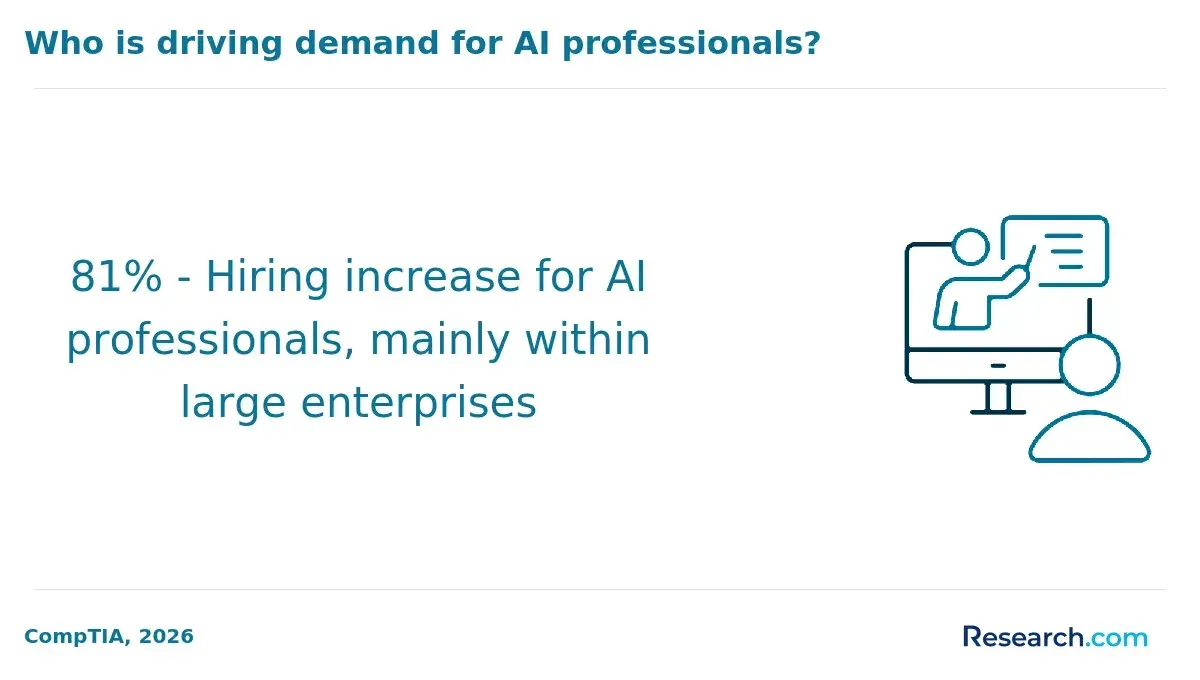
Choosing the best online AI workflow governance courses for career advancement involves focusing on programs that cover compliance frameworks, ethical AI development, risk assessment, and operational governance. Demand for these skills is surging; job postings mentioning "AI governance" or "AI risk" have increased by 384% globally, far exceeding average tech job growth.
Look for courses with practical elements such as case studies, simulations, or project work that provide hands-on experience with governance frameworks like ISO/IEC 42001. Specialization tracks in regulatory compliance or AI ethics can further refine your expertise for roles in finance, healthcare, or government sectors. These aspects are key when selecting top AI workflow governance certification programs for professionals.
Instructor credentials and institutional reputation are critical. Programs taught by recognized experts and affiliated with industry partnerships often offer superior content and networking. Certification recognized by professional bodies can also boost employability. Align your learning format with your preferences; self-paced courses offer flexibility, while cohort-based formats may provide collaborative learning and mentorship opportunities.
Consider career support services such as job placement or internship assistance as part of your program evaluation. Ensure the course outcomes align with your target roles-such as AI governance analyst, compliance officer, or risk strategist-to match emerging employer expectations. For a broader education in related fields, exploring a master of data science online can expand your foundation and career prospects.
What should you look for in accreditation and institutional quality for AI workflow governance programs?
Accreditation is essential for ensuring the quality of any AI workflow governance program. Prospective students should verify that the program has current accreditation from recognized regional or national agencies such as the Middle States Commission on Higher Education or the Higher Learning Commission. This confirms the program meets rigorous academic standards and improves credential recognition among employers and other institutions. Institutional quality indicators for AI workflow governance courses also include the reputation of the university or college, especially those with expertise in data governance, compliance, or risk management.
Faculty expertise plays a key role, with a preference for instructors who have practical industry experience or research backgrounds in AI governance. Look for programs offering comprehensive curricula that cover topics like ethical AI use, regulatory compliance, risk mitigation, and AI system auditing. Partnerships with government bodies or industry can provide valuable hands-on experience through internships or access to real-world datasets.
Employment outcomes further signal institutional quality. According to Payscale's compensation analysis, professionals with AI governance skills earn significantly higher salaries in data, risk, or compliance roles. Programs that transparently track graduates' career progression and maintain strong alumni networks add to their appeal.
When evaluating programs, ask whether accreditation is current, if the institution has developed AI governance frameworks, and if resources for hands-on AI auditing tools are provided. Veterans interested in related fields might explore options like the online cybersecurity bachelor degree for veterans, which can complement AI governance expertise.
What core topics and skills are covered in AI workflow governance curricula and syllabi?
AI workflow governance programs cover essential topics for managing artificial intelligence systems responsibly within organizations. Key subjects include data governance, model risk management, regulatory compliance, and ethical principles such as fairness, transparency, and accountability. Learners gain skills to create governance frameworks that ensure AI aligns with company policies and legal standards while addressing technical and operational challenges.
Training focuses on auditing AI models for bias and accuracy, using monitoring tools to identify performance issues, and establishing governance bodies to oversee AI systems. Programs also emphasize integrating AI governance with broader IT and risk management frameworks, preparing professionals to manage AI solutions throughout their entire lifecycle.
Students develop expertise in documentation standards including data lineage, model provenance, and decision traceability. Scenario-based exercises train them in crisis management for AI failures or unintended consequences. Additionally, understanding global and industry-specific AI regulations equips learners to maintain compliance across diverse environments.
According to Gartner's 2024 AI Governance Survey, 45% of large enterprises have implemented formal AI governance frameworks, up from 14% in 2021, with projections reaching 70% by 2026. This trend makes proficiency in evolving governance practices critical for professionals supporting responsible AI use and risk reduction.
How do online AI workflow governance courses compare with campus-based programs in format and flexibility?
Online AI workflow governance courses provide notable flexibility through asynchronous, self-paced modules that suit working professionals and busy students. Unlike campus-based programs, which require physical attendance and follow fixed schedules, online options enable learners to revisit materials and balance studies with work or personal commitments.
Interactive elements such as live webinars, virtual labs, and discussion forums simulate classroom engagement in online settings. Campus programs, meanwhile, offer structured environments with hands-on workshops, in-person networking, and immediate access to institutional resources, supporting immersive learning experiences.
Both approaches address critical AI workflow governance topics like policy development, compliance frameworks, and ethical AI deployment. Online courses tend to update content rapidly to reflect industry advancements, often through specialized micro-courses on issues such as bias mitigation and regulatory trust-building.
Deloitte's State of Responsible AI study shows organizations with mature AI governance are 1.6x more likely to see revenue growth exceeding 10% from AI initiatives and 2.4x more likely to earn high trust from regulators. This underscores the importance of robust governance training.
When choosing between formats, consider factors such as schedule flexibility, depth of hands-on training, and access to professional networks.
What are the typical admission requirements, time to completion, and tuition costs for these programs?
Admission to AI workflow governance courses usually requires a bachelor's degree in computer science, data science, business management, or related fields. Candidates with experience in AI, compliance, or risk management often have an advantage. Professional certificates in AI ethics or governance can also strengthen applications. Some programs accept working professionals with relevant skills or demonstrable knowledge, especially less rigorous options.
The duration of these courses varies: certificate or diploma programs typically last 3 to 6 months part-time, while intensive boot camps or executive courses run for 8 to 12 weeks. Advanced specializations or degree programs may take up to a year. Many online courses offer self-paced schedules, suiting working professionals' needs.
Tuition costs range widely based on course type and delivery method. Short-term courses often cost $1,200 to $4,000, while executive and professionally oriented programs can exceed $8,000 due to their depth and networking opportunities. Fully online options usually fall on the lower end, whereas hybrid or in-person courses may include additional fees. Financial aid or employer sponsorships may be available but check for all costs including materials and exam fees.
The EU Commission's 2024 impact assessment of the AI Act shows that 15-30% of firms deploying high-risk AI must significantly enhance their governance capabilities. Compliance training and tooling account for around 40% of initial expenses, highlighting the growing demand for qualified governance professionals. This trend underscores the value of investing in relevant education for career growth in AI governance.
What careers can AI workflow governance training lead to, and what do these roles involve day to day?
AI workflow governance training equips professionals to oversee, manage, and enhance the lifecycle of AI systems within organizations. Key roles include AI governance analyst, responsible AI officer, compliance specialist, and AI ethics consultant. These experts ensure AI applications comply with ethical standards, legal regulations, and organizational policies to reduce risks such as bias, privacy breaches, and lack of transparency.
Typical daily responsibilities include:
- Creating and implementing AI governance frameworks aligned with industry standards and regulations
- Auditing AI models for fairness, accountability, and transparency using bias detection and explainability tools
- Collaborating across teams-including data scientists, engineers, and legal experts-to embed ethical principles throughout AI workflows
- Monitoring AI systems after deployment to detect and resolve ethical or operational issues
- Reporting insights and recommendations to leadership and stakeholders for informed decision-making
Demand for AI governance skills is rapidly increasing; Coursera reports a 265% growth in enrollments in courses on AI governance, AI ethics, and responsible AI, driven by industry needs for specialized roles combining technical know-how with regulatory compliance. Beyond governance, this training supports careers in risk management, policy advisory, and AI product management, where understanding AI's societal impact and legal frameworks like GDPR is essential.
Proficiency in governance tools, standards such as ISO/IEC, and strong interdisciplinary collaboration skills are critical for success.
What salary ranges and job outlook can graduates of AI workflow governance programs expect?
Graduates completing AI workflow governance programs can expect starting salaries between $90,000 and $130,000 annually, influenced by prior experience and job location. Mid-level professionals often earn $130,000 to $180,000, while senior and specialized governance roles frequently exceed $200,000. Common job titles include AI Governance Analyst, Compliance Manager, and AI Policy Consultant.
The demand for experts in this field is growing, driven by stricter regulations and the need for ethical, transparent AI deployment across finance, healthcare, and technology sectors. Organizations increasingly seek professionals skilled in ensuring responsible AI use and adherence to emerging laws like GDPR and CCPA.
Many companies favor online upskilling programs for AI governance, with studies showing external online training reduces costs by 30-50% per employee and trains three times more staff than in-house programs. Certified professionals benefit from faster onboarding and stronger employer recognition, enhancing job placement chances.
Additional skills in AI ethics, cybersecurity certifications, and familiarity with regulatory frameworks boost career potential. These competencies open opportunities in related areas such as risk management, data ethics, and AI audit-fields experiencing rising demand.
Internships and supplemental certifications are recommended to maximize earning potential and competitiveness in hiring markets.
Are there industry certifications, frameworks, or compliance standards aligned with AI workflow governance training?
Industry certifications and frameworks play a crucial role in AI workflow governance training, helping professionals manage ethical, transparent, and compliant AI system deployment. Notable certifications include the Certified AI Governance Professional (CAIGP), focusing on risk management, data privacy, and algorithmic accountability, and the Certified Ethical Emerging Technologist (CEET), which highlights ethical aspects of AI implementation and monitoring.
Leading frameworks offer structured governance principles. For example, the AI Ethics Framework by the IEEE promotes fairness, transparency, and data stewardship. The NIST AI Risk Management Framework provides detailed controls to handle AI-related risks and ensures compliance with organizational governance standards.
Compliance standards also influence AI governance, especially in regulated sectors. The GDPR sets benchmarks for data protection and algorithmic transparency in the EU, while U.S. regulations like the Algorithmic Accountability Act address sector-specific requirements in finance, healthcare, and government.
Key challenges for professionals include validating AI model decisions, ensuring alignment with evolving regulations, and documenting governance to meet audits and regulatory demands.
Emerging trends suggest a fast-growing demand for AI governance expertise. The World Economic Forum forecasts that by 2027, over 75% of organizations using autonomous AI will have dedicated governance functions, up sharply from 20% recently. This growth emphasizes the value of recognized training that adheres to established standards.
Other Things You Should Know About Artificial Intelligence
Ethical issues are crucial for AI governance courses in 2027, emphasizing fairness, accountability, and transparency. These courses cover the ethical deployment and management of AI systems, addressing bias, privacy, and decision-making, equipping learners with the knowledge to implement responsible AI practices.
AI workflow governance plays a critical role in data security by establishing policies for data handling, access control, and compliance with legal regulations. Effective governance ensures that sensitive data used in AI models is protected against breaches and misuse, reducing organizational risk.
Yes, AI workflow governance frameworks are designed to be adaptable across various industries such as healthcare, finance, and manufacturing. While specific regulatory requirements may differ, core governance principles like transparency, risk management, and ethical standards are universally relevant.
Tools for AI workflow governance include automated audits, monitoring platforms, and risk assessment software that track model performance and compliance. These tools facilitate transparency and help identify issues such as drift or bias, enabling proactive management of AI systems.
References
- AI Governance Training & AI Act Compliance | FIT Academy https://fitacademy.fit/ai-governance-training-ai-act-compliance/
- Artificial Intelligence https://www.cgi.org.uk/resources/subject-resource-hub/artificial-intelligence/
- Admission Requirements & Application Process for Studying Abroad: Detailed Explanation https://blogs.tclglobal.co.uk/admission-requirements/
- How to Choose AI Courses for Professionals - The Case HQ Online https://thecasehq.com/how-to-choose-ai-courses-for-professionals/
- Certified AI Governance Professional (AIGP) Training Course https://www.nobleprog.at/en/cc/iappaigp
- AI Compliance Framework https://tetrate.io/learn/ai/ai-compliance-framework
- AIGP training: AI GOVERNANCE PROFESSIONAL https://www.heliossalinger.com.au/training/iapp-certifications/aigp/
- PhD in AI Online https://smceducation.com/phd-in-ai-online/
- Certification of AI systems https://verifywise.ai/lexicon/certification-of-ai-systems
- AI Governance Career Guide - EvalCommunity Academy https://academy.evalcommunity.com/ai-governance-career-guide/