2027 Best AI Courses for Sustainability Reporting Teams

Co-Founder and Chief Data Scientist
Companies face growing pressure to produce accurate, transparent sustainability reports amid evolving regulations and stakeholder demands. Many teams struggle with handling vast datasets, ensuring compliance, and extracting actionable insights efficiently. Traditional reporting methods often fall short in meeting these challenges at scale.
Equipping sustainability reporting teams with applied artificial intelligence skills can bridge this gap, enabling smarter data analysis and streamlined workflows. This article reviews top courses designed to build expertise in artificial intelligence tools tailored for sustainability reporting, helping professionals adopt effective, accredited learning paths for career advancement and organizational impact.
Key Things You Should Know
- AI courses for sustainability reporting focus on data analytics, automated reporting, and regulatory compliance, addressing a 30% increase in demand for tech-savvy sustainability professionals since 2024.
- By 2026, 65% of sustainability teams require proficiency in AI-driven tools to optimize environmental impact assessments and streamline ESG reporting processes.
- Innovative curricula integrate hands-on AI applications, preparing students to meet evolving U.S. sustainability standards and bridge gaps between data science and corporate responsibility.
Advance Your Career with AI Online Courses
Artificial Intelligence: Implications for Business Strategy
This program provides an introduction to Artificial Intelligence and their implications for business strategy. Earn an official digital certificate.

Oxford Artificial Intelligence Programme
Explore this Oxford Artificial Intelligence programme offered in a flexible learning environment and explore topics like machine learning, automation, and robotics.

Implementing Agentic AI: Building Your Organizational Playbook
This online MIT Agentic AI course offers a practical approach to deploying AI agents in your organization, including a custom playbook. 3 weeks, exclusive launch price.

AI Adoption: Driving Business Value and Impact
This online MIT AI Adoption: Driving Business Value and Impact offers practical frameworks to close the gap between AI potential and business reality.

Artificial Intelligence in Pharma and Biotech
Discover the applications and limitations of artificial intelligence in pharma and biotech with this MIT online short course.

What are the best AI courses for sustainability reporting teams and how do they work?
The best AI courses for sustainability reporting teams focus on building expertise in data analysis, natural language processing, and automation, all tailored to environmental, social, and governance (ESG) data. These courses teach how to handle large datasets, extract actionable insights, and create accurate, verifiable sustainability reports. Key topics often include machine learning for anomaly detection, AI-driven data validation, and predictive analytics to forecast sustainability trends.
Top programs combine practical skills like Python programming with libraries such as Pandas and TensorFlow alongside ESG-specific frameworks used by reporting professionals. For example, automated data extraction from various sources reduces manual effort, improving accuracy and efficiency. Many courses incorporate case studies on compliance with standards like GRI and SASB, ensuring skills align with reporting requirements.
To improve sustainability reporting skills, it's essential to address challenges like managing unstructured data and maintaining transparency in AI models for regulatory scrutiny. Courses emphasize operationalizing AI solutions within sustainability workflows, often featuring hands-on projects using real-world ESG datasets to illustrate complete use cases.
Given that 92% of S&P 500 companies published sustainability or ESG reports, professionals with AI expertise can manage growing data volumes and complexity, enhancing data integrity and decision-making. Those interested in advancing their careers may explore an accelerated computer science degree to deepen their knowledge and skills in this evolving field.
Advance Your Career with AI Online Courses
Artificial Intelligence: Implications for Business Strategy
This program provides an introduction to Artificial Intelligence and their implications for business strategy. Earn an official digital certificate.
Oxford Artificial Intelligence Programme
Explore this Oxford Artificial Intelligence programme offered in a flexible learning environment and explore topics like machine learning, automation, and robotics.
Implementing Agentic AI: Building Your Organizational Playbook
This online MIT Agentic AI course offers a practical approach to deploying AI agents in your organization, including a custom playbook. 3 weeks, exclusive launch price.
How can AI skills specifically improve ESG and sustainability reporting quality and efficiency?
AI skills are transforming ESG and sustainability reporting by automating data collection and analysis, which enhances both accuracy and speed. Teams leveraging AI-driven enhancements for ESG reporting accuracy can process extensive environmental, social, and governance data from multiple sources, minimizing human error and ensuring compliance with evolving regulations.
Techniques such as natural language processing extract vital information from company disclosures and news, while machine learning applications in sustainability report automation identify patterns and anomalies in emissions or social impact metrics.
This technology boosts efficiency by streamlining repetitive tasks like data validation, benchmark comparisons, and report drafting. Consequently, sustainability professionals can concentrate more on strategic decision-making. AI-powered dashboards and visualization tools generate clearer reports tailored to stakeholders, improving communication and transparency.
The job market reflects this shift, with global ESG reporting roles expected to increase by 33% between 2024 and 2027, far surpassing the 12% growth projected for general finance positions. This trend highlights the growing demand for AI-capable sustainability experts and the importance of formal training.
Mastering AI for ESG reporting also requires a solid grasp of data ethics and reducing algorithmic biases to maintain integrity. Individuals interested in advancing their expertise should consider programs that combine practical AI applications with regulatory frameworks and sustainability standards. For example, pursuing an online mechanical engineering degree can provide foundational skills beneficial for integrating AI in sustainability initiatives.
What types of AI training programs exist for sustainability reporting teams (certificates, bootcamps, degrees)?
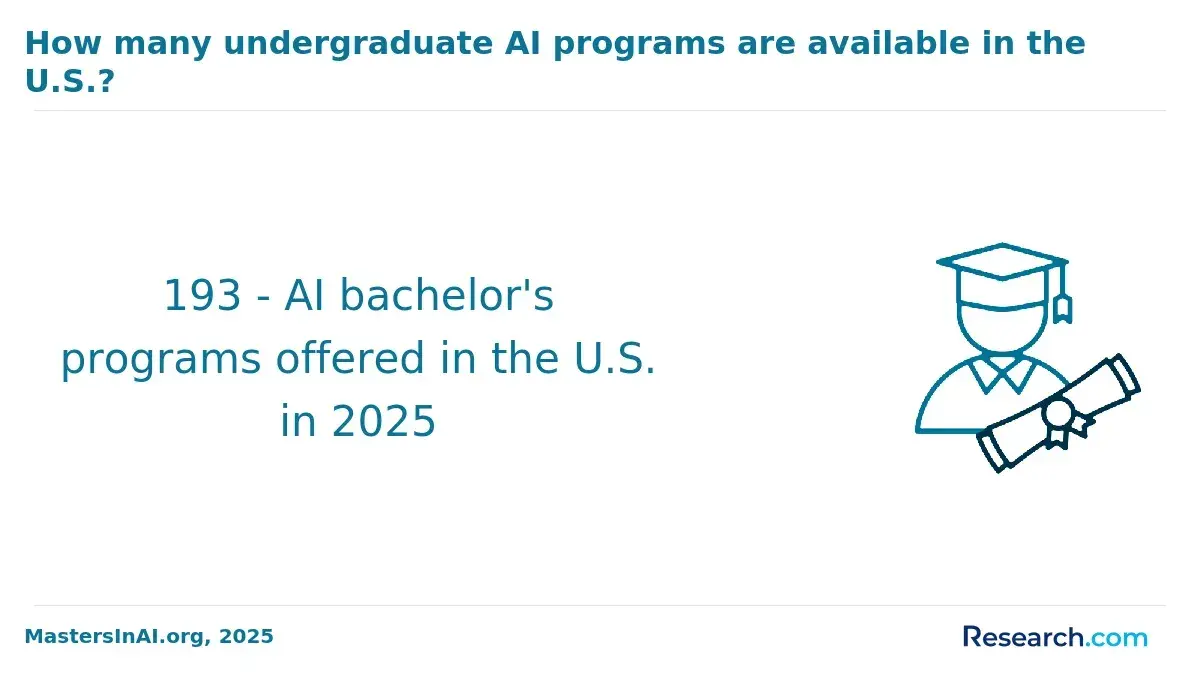
AI training programs tailored for sustainability reporting teams generally fall into three categories: certificates, bootcamps, and degree programs. Certificate courses are brief and skill-focused, designed to improve tasks such as data automation, benchmarking, and sustainability narrative creation.
These typically last weeks to months, appealing to professionals seeking targeted AI applications without a long-term commitment. Examples include AI certification programs for sustainability reporting teams like specialized credentials in environmental data analytics.
Bootcamps provide intensive, practical training combining foundational AI knowledge with sustainability reporting tools. Running from several days up to a few months, bootcamps emphasize coding, automation, and real-world projects, ideal for teams accelerating AI-driven workflows or upskilling quickly. This format is commonly recommended for those exploring bootcamps and degree options in AI for environmental reporting.
Degree programs, such as bachelor's and master's degrees focused on data science with sustainability specializations, offer a comprehensive curriculum covering advanced AI techniques, ethical challenges, and integration of sustainability metrics. Graduates possess the expertise needed to manage sophisticated AI implementations and stakeholder engagement. For the most advanced academic pursuit, consider a PhD in AI online from reputable institutions.
By 2026, Core AI Competencies predicts that 80% of sustainability reporting tasks, including data collection and narrative drafting, will be partially automated. Therefore, training should prioritize AI literacy alongside analytical and communication skills. Teams should select programs aligned with their current capabilities and future goals, whether fast-paced bootcamps or in-depth certificates and degrees for leadership roles.
Which U.S. universities and providers offer accredited AI programs relevant to sustainability reporting?
U.S. universities offering accredited artificial intelligence programs for sustainability reporting emphasize interdisciplinary studies that blend data science, environmental science, and corporate reporting standards. Leading institutions like Massachusetts Institute of Technology (MIT), Stanford University, and University of California, Berkeley provide specialized courses focused on ESG (environmental, social, governance) data analytics and AI applications within sustainability fields.
Stanford's "AI for Social Impact" program includes modules on data verification and ethical reporting, crucial for sustainability teams managing transparent disclosures. Berkeley's School of Information offers a certification in "Data and AI for Sustainability," aimed at professionals seeking improved data validation and reduced manual handling.
Top American providers of artificial intelligence certifications in sustainability reporting also include platforms like edX and Coursera, which collaborate with universities to offer accredited certificates and MicroMasters programs. These feature practical case studies on climate risk modeling and automated ESG data extraction skills, which are increasingly valuable in corporate sustainability offices.
According to the Sustainability Reporting Institute, professionals who completed these specialized "data and AI for sustainability" upskilling courses achieved a 23-30% reduction in time spent on ESG data preparation and validation within six months, demonstrating significant workflow efficiency gains.
Prospective students should confirm accreditation status through the U.S. Department of Education or regional bodies and consider flexible options such as part-time and online formats to accommodate working professionals. For those researching further educational opportunities, a resource on the best cybersecurity courses can also inform choices about technical certifications in related fields.
What core AI and data skills should sustainability reporting professionals learn in these courses?
Professionals focused on sustainability reporting need a strong blend of core AI and data competencies to effectively utilize advanced analytics in their work. Essential skills include data preprocessing techniques that clean, normalize, and validate extensive ESG datasets, ensuring reliable inputs for AI models. Familiarity with machine learning concepts such as supervised and unsupervised learning enables the detection of patterns and anomalies in sustainability metrics, which is critical for accurate reporting.
Expertise in natural language processing (NLP) plays a vital role in extracting valuable insights from unstructured sources like corporate policies and regulatory texts. Being adept with data visualization tools helps communicate AI-driven findings clearly to stakeholders. Moreover, understanding AI automation tools can significantly reduce repetitive tasks in data collection and analysis, boosting efficiency.
Additional practical abilities include applying predictive analytics for scenario analysis and risk assessments within environmental, social, and governance frameworks. Programming in languages such as Python or R allows for tailoring AI algorithms to specific organizational goals. It is equally important for professionals to critically interpret AI outputs to minimize bias and inaccuracies.
Studies from university and executive programs show that graduates of advanced AI-and-sustainability courses achieve an 18% faster ESG reporting cycle and a 15% increase in data accuracy. This demonstrates the tangible benefits these specialized skills offer in operational performance and reporting quality.
How do online AI courses for sustainability reporting compare with campus and hybrid options?
Online AI courses for sustainability reporting offer unmatched flexibility, allowing professionals to learn at their own pace without the need to commute or relocate. This is especially useful for sustainability teams focused on practical skills for ESG reporting workflows. Campus programs, meanwhile, provide immersive, hands-on experiences with in-person interaction, fostering collaboration and real-time feedback-beneficial for mastering complex AI tools.
Hybrid courses combine online learning with scheduled face-to-face sessions, offering a balance of flexibility and guided support. For example, a hybrid model might feature virtual AI modules paired with quarterly in-person workshops on data analytics tailored to sustainability metrics.
Organizations investing in AI and ESG reporting tooling have reported a 30-40% reduction in manual reporting hours and up to 25% cut in external consulting costs within two reporting cycles, according to ESG research firms. Courses emphasizing practical application-often found online or in hybrid formats-tend to improve reporting efficiency the most.
Prospective students should evaluate their learning preferences, team schedules, and course integration with real-world sustainability data projects. Online courses typically update faster to reflect new AI techniques, while campus options may offer superior networking with industry professionals. Selecting a program that aligns with specific reporting challenges and team dynamics maximizes learning outcomes.
What are the typical admissions requirements and prerequisites for AI programs focused on sustainability data?
Admissions for AI programs centered on sustainability data typically require a strong background in quantitative and analytical skills. Applicants usually need a bachelor's degree in computer science, environmental science, engineering, mathematics, or related STEM fields.
Some schools consider candidates with significant professional experience in sustainability reporting paired with technical expertise. Essential prerequisites often include coursework in data science, machine learning, statistics, and environmental systems, alongside proficiency in programming languages such as Python or R.
Advanced programs may also expect knowledge of database management and cloud computing to handle large sustainability datasets. Submission of a portfolio showcasing projects integrating AI with environmental or ESG (Environmental, Social, and Governance) metrics is often encouraged.
Sector-specific training is crucial, as sustainability data differs widely by industry. For example, financial institutions have experienced a sharp increase in ESG data per analyst, emphasizing the need for skills in financial modeling and ESG frameworks. Manufacturing and tech programs often prefer applicants with knowledge of supply chain impacts and energy consumption models.
Professional certifications in AI or sustainability analytics can enhance applications by demonstrating quantitative aptitude, sector knowledge, and programming skills. Practical experience with AI tools for real-time data analysis also strengthens candidacy.
How long do AI courses for sustainability reporting take, and what do they cost?
AI courses for sustainability reporting vary from short, intensive programs lasting 4 to 6 weeks to extensive certification tracks spanning 3 to 6 months. Shorter options focus on foundational skills like data analysis, ESG metrics, and AI tool applications, ideal for professionals seeking quick upskilling. Longer programs cover advanced topics such as machine learning models and sustainable data governance, designed for teams integrating AI into strategic sustainability reporting.
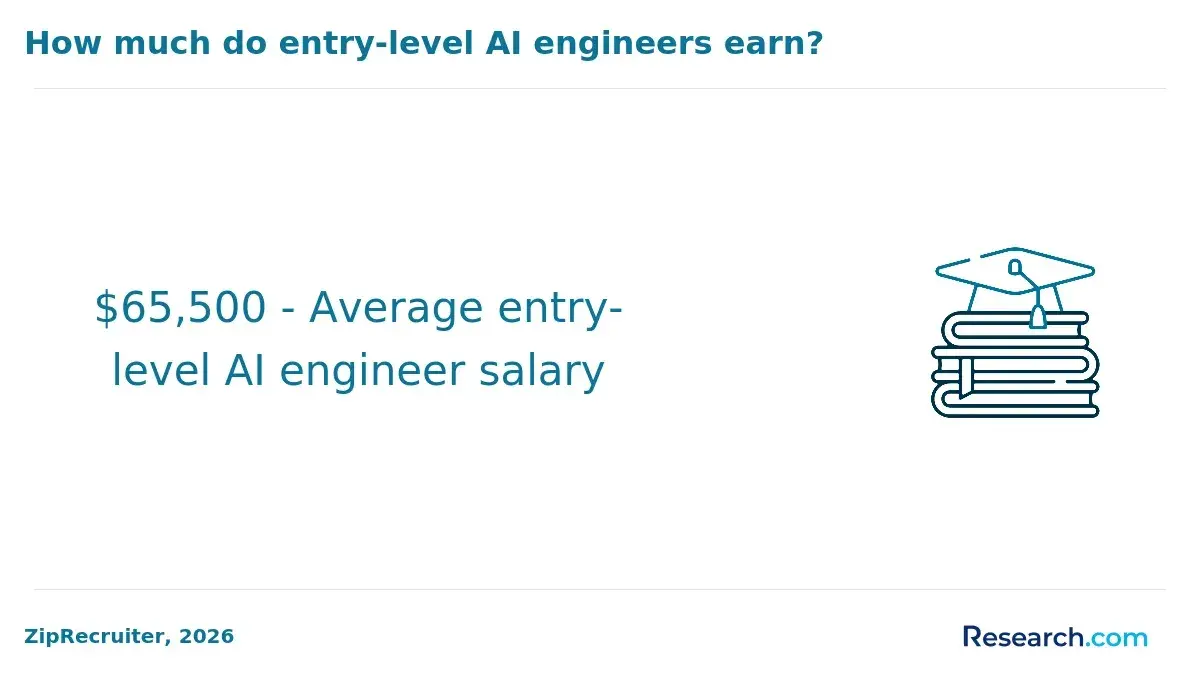
Course costs differ significantly depending on duration, provider prestige, and content depth. Beginner to intermediate online courses often range between $500 and $2,000, while advanced certifications or university-affiliated programs may cost from $3,000 to $8,000. Companies investing in comprehensive AI training for sustainability teams have been found to be 2.5 times more likely to meet or exceed climate and ESG reporting goals compared to those relying on sporadic upskilling.
- Fast-track courses suit individual contributors needing immediate skills.
- Multi-month certifications benefit managers and analysts handling long-term reporting.
- Custom enterprise training aligns team practices across departments.
Incorporating project-based learning boosts knowledge retention and practical application, helping address challenges such as inconsistent data quality and regulatory compliance. Students should weigh these factors carefully alongside time, budget, and organizational goals when selecting a course.
What careers, job titles, and industries can AI-trained sustainability reporting experts pursue?
AI-trained sustainability reporting experts hold diverse roles across industries emphasizing environmental, social, and governance (ESG) accountability. Key positions include Sustainability Analyst, ESG Data Scientist, AI Ethics Specialist, and Assurance Consultant. These professionals work primarily in finance, consulting, energy, manufacturing, and sustainability-focused non-profits.
Financial and investment firms increasingly value AI expertise to improve ESG disclosures and detect greenwashing risks. Studies indicate that 73% of institutional investors are concerned about misleading ESG claims, underscoring the need for experts skilled in AI ethics, data governance, and sustainability assurance to enhance transparency through AI-powered verification.
Consulting firms integrate AI tools to audit and model sustainability metrics, helping clients meet regulatory requirements. Meanwhile, energy and manufacturing sectors employ AI-literate officers to optimize resource use and track carbon footprints using advanced analytics. Non-profits and government agencies also apply AI-enabled systems for environmental policy development and monitoring.
The rise of regulatory compliance roles demands specialists who understand evolving frameworks and deploy AI solutions to maintain adherence. Professionals transitioning from traditional sustainability fields benefit from acquiring AI skills, opening pathways to tech-driven environmental innovation and risk management.
AI-trained experts are thus essential across multiple sectors, combining analytical, ethical, and assurance expertise to meet growing demands for ESG transparency and accountability.
Are there certifications or professional standards for AI use in ESG and sustainability reporting?
Certifications and professional standards are essential for applying artificial intelligence in ESG and sustainability reporting. They ensure transparency, fairness, and ethical use of AI tools in this field. Notable among these is the Responsible AI Certification, offered by groups like the IEEE and the Global Partnership on AI, which focus on governance and accountability tailored to ESG environments.
The Certificate in Sustainable AI combines AI ethics with sustainability reporting principles, helping professionals develop compliant algorithms for emission tracking and resource management. Industry frameworks such as the GRI (Global Reporting Initiative) and SASB (Sustainability Accounting Standards Board) also recommend AI tools that comply with data privacy and robust methodologies.
AI's growing economic influence is significant, with estimates suggesting it could add $5.4 trillion annually by 2030 through resource optimization and ESG analytics, according to the Future Skills for AI-Driven Sustainability Reporting report. Skilled professionals certified in AI and sustainability are crucial to ensure data quality and validate model outcomes in ESG disclosures.
Sustainability teams should pursue certifications that integrate AI competency with ESG standards to mitigate regulatory risks, improve audit readiness, and satisfy stakeholders. These credentials are available from recognized environmental agencies and professional learning platforms specializing in these intersecting domains.
Other Things You Should Know About Artificial Intelligence
In 2027, sustainability reporting teams face challenges like data privacy concerns, high cost of AI integration, and the need for upskilling. Balancing AI efficiency with transparency while maintaining regulatory compliance is crucial for successful implementation.
Artificial intelligence is automating repetitive data processing tasks, allowing data analysts to focus on interpreting insights and strategic decision-making. AI-powered analytics enhance the speed and accuracy of identifying sustainability trends and anomalies. Consequently, analysts now require skills in managing AI tools and validating their outputs for reporting accuracy.
Yes, AI technologies such as machine learning and predictive modeling enable organizations to forecast environmental and social risks based on historical and real-time data. These predictions support proactive risk management and opportunity identification in sustainability initiatives. However, predictive accuracy depends on the quality and diversity of input datasets.
Ethical concerns include ensuring AI systems do not perpetuate biases or exclude marginalized groups from data representation. Transparency in AI decision-making processes is crucial to uphold accountability in sustainability claims. Organizations must also safeguard sensitive data and comply with relevant regulations to maintain stakeholder trust.
References
- AI for ESG: How to Meet Your Sustainability Goals Faster https://www.salesforce.com/net-zero/ai-esg/
- Impact Bachelor of Science Tomorrow University https://www.tomorrow.university/impact-bachelor-of-science
- Corporate AI Training for Employees, Corporate Clients & Agencies | Graduate School USA https://www.graduateschool.edu/group-training/ai
- Educational Accreditation — The ESG Institute https://www.the-esg-institute.org/educational-accreditation
- AI in sustainability reporting: opportunities and challenges for SMEs https://www.fin-connect-nrw.de/en/studies/ai-in-sustainability-reporting-opportunities-and-challenges-for-smes
- AI Training and Workshops for Senior Sustainability Leaders https://climateandtech.com/en/ai-training/sustainability-leaders
- How AI Impacts Corporate Sustainability Data https://cse-net.org/how-ai-impacts-corporate-sustainability-data/
- The Hidden Environmental Cost of AI: Understanding and Reporting Scope 3 Emissions https://iscaccountify.sg/iscaccountify/home/course/the-hidden-environmental-cost-of-ai-understanding-and-reporting-scope-3-emissions/243
- Leveraging Data and AI in Sustainability https://www.terra.do/climate-change-courses/leveraging-data-and-ai-in-sustainability/
- Revolutionizing ESG Reporting with AI: Opportunities and Challenges https://ecoactivetech.com/revolutionizing-esg-reporting-with-ai-opportunities-and-challenges/