2027 Best Udemy AI Courses for AI Adoption

Co-Founder and Chief Data Scientist
Many professionals with diverse academic backgrounds seek to enter the artificial intelligence field but struggle to find accessible, flexible learning options that fit demanding schedules. Traditional degree programs often require long-term commitments and prior technical knowledge, creating barriers to entry. Online platforms have emerged as viable alternatives, yet navigating the myriad of course choices can be overwhelming. This article highlights top Udemy AI courses tailored for career changers and adult learners, emphasizing practical skills and accreditation. It aims to guide readers in selecting courses that facilitate a smooth transition into the AI industry with maximum efficiency and confidence.
Key Things You Should Know
- Udemy's AI courses in 2026 focus on practical skill-building with over 1,200 updated offerings tailored for beginners and professionals to meet evolving AI job market demands.
- Enrollment in AI-related courses grew by 45% from 2024 to 2025, reflecting increased industry adoption and student interest in machine learning and data science.
- Courses emphasize hands-on projects using Python and popular AI frameworks, with many offering certification aligned with industry standards to enhance employability.
Advance Your Career with AI Online Courses
Artificial Intelligence: Implications for Business Strategy
This program provides an introduction to Artificial Intelligence and their implications for business strategy. Earn an official digital certificate.

Oxford Artificial Intelligence Programme
Explore this Oxford Artificial Intelligence programme offered in a flexible learning environment and explore topics like machine learning, automation, and robotics.

Implementing Agentic AI: Building Your Organizational Playbook
This online MIT Agentic AI course offers a practical approach to deploying AI agents in your organization, including a custom playbook. 3 weeks, exclusive launch price.

AI Adoption: Driving Business Value and Impact
This online MIT AI Adoption: Driving Business Value and Impact offers practical frameworks to close the gap between AI potential and business reality.

Artificial Intelligence in Pharma and Biotech
Discover the applications and limitations of artificial intelligence in pharma and biotech with this MIT online short course.

What are the best Udemy AI courses for adopting AI at work?
Udemy's best courses for adopting artificial intelligence at work emphasize practical skills in machine learning, data analysis, and automation tools that fit seamlessly into business operations. For example, "Machine Learning A-Z™" offers a thorough dive into algorithms and real-world applications, empowering professionals to build predictive models that improve workflow efficiency. Meanwhile, "AI For Everyone" by Andrew Ng is tailored for non-technical managers, clarifying AI's strengths and limits for smarter decision-making during adoption stages.
Programming-focused courses like "Python for Data Science and Machine Learning Bootcamp" develop key skills to create automation scripts and data-driven solutions. This is increasingly relevant, as AI may automate approximately 30% of working hours across the U.S. economy by 2030, highlighting the importance of these competencies across departments from marketing to operations. Udemy also features courses such as "Robotic Process Automation - RPA Overview," designed for employees looking to automate repetitive tasks without extensive coding knowledge, supporting AI-driven efficiency gains.
When choosing top Udemy AI training programs for workplace adoption, consider your role: data scientists need deep algorithm expertise, business leaders require strategic AI awareness, and developers benefit from hands-on projects using frameworks like TensorFlow or PyTorch. Courses blending theory with practice prepare professionals well for transformations ahead.
Those interested in broader educational paths might also explore the data science major ranking for additional guidance on affordable, quality programs incorporating AI and data science curricula.
Advance Your Career with AI Online Courses
Artificial Intelligence: Implications for Business Strategy
This program provides an introduction to Artificial Intelligence and their implications for business strategy. Earn an official digital certificate.
Oxford Artificial Intelligence Programme
Explore this Oxford Artificial Intelligence programme offered in a flexible learning environment and explore topics like machine learning, automation, and robotics.
Implementing Agentic AI: Building Your Organizational Playbook
This online MIT Agentic AI course offers a practical approach to deploying AI agents in your organization, including a custom playbook. 3 weeks, exclusive launch price.
Which Udemy AI courses teach practical skills for beginners?
Udemy offers some of the best Udemy courses for practical ai skills designed specifically for beginners. For example, "AI For Beginners: Build Neural Networks in Python" focuses on hands-on coding exercises using Python libraries like TensorFlow and Keras, enabling students to create basic neural networks and grasp essential machine learning fundamentals through real-world applications.
Another popular course, "Introduction to Artificial Intelligence with Practical Examples," guides learners with step-by-step tutorials on AI algorithms for data analysis, natural language processing, and automation tasks. It uses business and technology case studies, helping students immediately apply AI theory to practical problems.
The "Machine Learning A-Z™: Hands-On Python & R In Data Science" course caters well to Udemy beginner ai courses for hands-on learning by teaching critical AI concepts such as regression, classification, and clustering. It includes detailed code walkthroughs and explanations of evaluation metrics, making complex content more accessible.
These courses emphasize practical competence by including coding labs, project work, and real datasets vital for building a career portfolio. Students and professionals transitioning careers will find that these beginner courses bridge foundational gaps with applied skills required in today's AI job market.
Many learners struggle with understanding algorithms and data preprocessing, but Udemy's approach blends theoretical knowledge with coding, focusing on practical problem-solving rather than abstract theory. Given the significant growth in AI adoption, acquiring these skills is increasingly important.
For those exploring educational options in related fields, such as engineering, it's also useful to compare options like mechanical engineer degree online programs that can complement an AI career path.
How do you choose a high-quality Udemy AI course?
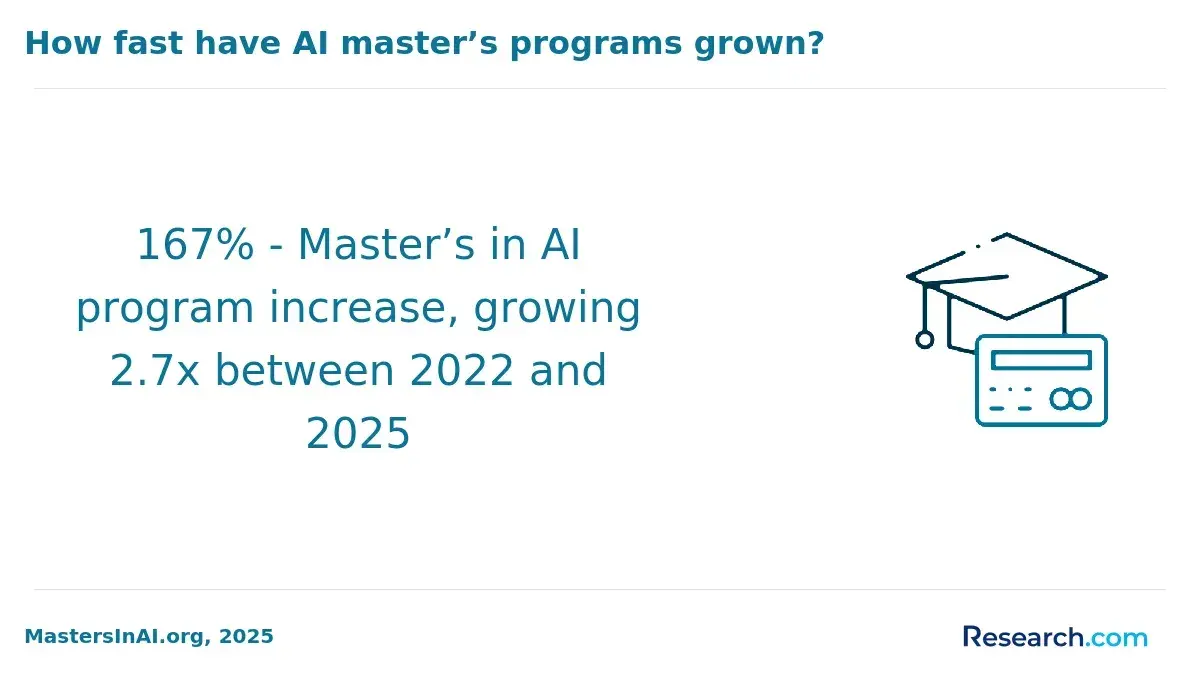
When selecting the best udemy courses for artificial intelligence adoption, focus on content relevance, instructor expertise, and skills development. AI and machine learning roles require 2.7 times more skills than average job postings, so choose courses covering key areas like Python, TensorFlow or PyTorch, data preprocessing, model evaluation, and deployment.
Top-rated udemy ai training programs for beginners should offer clear fundamentals with hands-on exercises. Advanced learners might pursue specialized topics such as reinforcement learning, natural language processing, or computer vision. Project-based learning is valuable for applying knowledge and building a portfolio.
Evaluate instructors by their industry experience and academic background. Courses led by professionals or academics usually deliver practical, updated insights. Student reviews highlighting clarity, technical depth, and career impact help gauge quality.
Check course duration and update frequency; AI evolves rapidly, so those refreshed recently provide the latest tools and research. Supplementary materials like downloadable code, quizzes, and access to community support enhance learning.
Pricing and certification credibility are important too. Paid courses often include verified certificates that aid career progress, but free options can still offer solid foundations. For additional career pathways in tech fields, consider exploring a cyber security degree.
What AI topics do top Udemy courses cover?
Top Udemy courses on artificial intelligence development cover essential topics such as machine learning algorithms, deep learning frameworks like TensorFlow and PyTorch, natural language processing (NLP), and computer vision techniques. These courses provide practical skills for building predictive models, chatbots, and image recognition systems, catering to diverse professional goals.
Instruction often includes data preprocessing, feature engineering, and model evaluation to guide learners through the full AI pipeline from raw data to deployment. Business-related applications frequently highlight AI's role in finance, healthcare, and marketing analytics, presenting real-world examples to enhance problem-solving with AI tools.
The best machine learning and deep learning topics on Udemy also emphasize ethics and AI governance. This involves bias mitigation, data privacy, and fairness, ensuring responsible and compliant AI use. Many courses incorporate hands-on projects to apply these principles practically.
These Udemy offerings appeal to all skill levels, ranging from introductory Python programming for beginners to advanced reinforcement learning for experts. This flexibility supports students aiming to build AI-powered applications or strengthen their data science credentials. U.S. workers skilled in AI earn a wage premium of about 25%, underscoring the career benefits of mastering these subjects.
For those interested in tech careers, exploring the fastest way to get a cybersecurity degree online can complement AI expertise and broaden job prospects.
How long do Udemy AI courses take to complete?
Udemy's AI courses offer a wide range of options from about 2 to 40 hours of video content, depending on the course's complexity. Beginner to intermediate courses typically require 10 to 15 hours, making them manageable for professionals balancing work and study. More advanced classes, which include hands-on projects and deeper material, often exceed 30 hours and suit those aiming for specialized expertise or career shifts into AI-related fields.
Completion times can vary based on your individual learning pace and goals. Some students quickly skim through a course within days, while others dive deeper into exercises and additional resources, which lengthen the duration. Udemy's self-paced model lets learners stop and start freely, adapting study schedules to personal commitments.
Career-focused learners might choose course bundles combining machine learning, data science, and AI fundamentals, often summing up to 50+ hours, for a more comprehensive skill set. Those wanting quick reskilling can opt for targeted short courses on tools like TensorFlow or Python for AI, which may only take 2 to 5 hours.
Research from PwC's Global AI Jobs Barometer shows companies with heavy AI use achieve nearly three times higher revenue growth per employee than those with low usage. Swift completion of relevant Udemy courses can accelerate your path into AI-driven roles, boosting employability and growth.
How much do Udemy AI courses cost?
Udemy offers a variety of ai courses catering to different experience levels and budgets. Many courses range from free introductory programs to paid options between $10 and $200. During frequent promotional sales, prices typically drop to between $20 and $50, making advanced ai education affordable for students and professionals seeking to enhance their skills.
Paid courses often provide comprehensive video lectures, downloadable resources, quizzes, and certificates of completion. Specialization tracks, such as those focused on machine learning or natural language processing, may cost around $40 on discount, compared to $150 without promotions. Free courses cover fundamental concepts but generally offer limited depth, serving as useful starting points for beginners.
Udemy's pricing model is well-suited for learners who want flexible investment options without long-term commitments. Unlike subscription platforms, Udemy grants permanent access after purchase, allowing students to learn at their own pace and revisit complex topics when needed.
With approximately 60% of jobs in advanced economies exposed to AI impacts-and about half poised to benefit from augmentation instead of replacement, according to the IMF-accessible education through platforms like Udemy is crucial for workforce adaptation.
What certificates do Udemy AI courses offer?
Udemy AI courses provide completion certificates that confirm learners have finished the course requirements, which can enhance resumes and LinkedIn profiles. These certificates serve as official recognition from Udemy, though they are not accredited degrees or professional certifications. They reflect practical skills gained through project-based learning, quizzes, and hands-on labs, covering essential topics like machine learning algorithms, neural networks, and data processing techniques.
Such certificates are helpful for individuals targeting careers in fast-growing fields like data analysis, cybersecurity, and automation. For instance, the U.S. is expected to have 3.8 million unfilled cybersecurity jobs in 2025, highlighting the growing demand for skills that blend AI and cybersecurity knowledge. Udemy's certificates offer a valuable step for career changers or professionals looking to upskill quickly.
However, these certificates do not replace established industry certifications such as CompTIA Security+ or vendor-specific AI credentials. Many Udemy instructors collaborate with accredited institutions to offer more specialized certifications or add assessments that boost credibility. Combining Udemy courses with formal certifications enhances employment prospects.
Ultimately, Udemy AI certificates act as digital proof of targeted skills development and are suitable for beginners or experienced professionals seeking affordable, focused credentialing.
Which Udemy AI courses help with career advancement?
Udemy offers a variety of AI courses designed to boost career growth by providing practical, in-demand skills. According to the World Economic Forum's Future of Jobs Report 2025, nearly half of global employers will prioritize AI knowledge in hiring and workforce strategies within five years. Courses such as "Machine Learning A-Z™: Hands-On Python & R In Data Science" deliver thorough instruction on machine learning algorithms, essential for data analyst and engineering roles.
For those targeting AI development careers, the "Deep Learning Specialization" covers neural networks and advanced concepts widely used in healthcare, finance, and autonomous systems. This course emphasizes coding and projects to strengthen job readiness and professional portfolios.
Professionals eyeing AI product management or strategy roles can benefit from "AI for Business Leaders," which focuses on practical uses of AI tools to enhance decision-making, a key advantage for mid- to senior-level transitions.
Specialized courses like "Natural Language Processing with Python" focus on skills like text analysis and chatbot creation, increasingly valuable in customer service, marketing, and software development sectors.
Key benefits across these Udemy courses include:
- Hands-on Python coding experience, highly relevant to AI programming
- Application-driven content aligned with industry demands
- Project-based assessments to build job-ready portfolios
- Regular course updates reflecting AI technological advances
Collectively, these offerings prepare learners to meet employer expectations and fast-track career progress in AI-focused roles.
What jobs can AI course learners pursue after training?
AI learners have access to a broad range of career opportunities across numerous industries as artificial intelligence technologies continue to integrate into daily business functions. High-demand roles include AI developer, machine learning engineer, data scientist, and AI research analyst. Emerging positions such as AI product manager and AI ethicist reflect the growing need for responsible AI implementation in organizations.
Specialized jobs like natural language processing engineer, computer vision specialist, and robotics engineer are also well supported by focused AI education. Beyond traditional tech fields, AI skills open doors in marketing and finance, with roles including AI marketing strategist and AI risk analyst, leveraging practical expertise in programming and data analysis.
According to LinkedIn's 2024 Workplace Learning Report, AI-related jobs are experiencing a 66% increase in demand for skills that can be quickly acquired, often in days or months rather than years. This highlights the advantage of concentrated AI courses that prepare learners for relevant roles without extended retraining.
Key career paths requiring applied AI knowledge are:
- AI developer roles focused on coding and algorithm creation;
- Data science positions utilizing AI for predictive analytics;
- Automation specialists optimizing workflows with AI;
- Business analysts applying AI in decision support;
- AI consultants driving strategic adoption in enterprises.
Hands-on experience through project-based courses enhances job readiness, especially in sectors like healthcare, automotive, finance, and technology. Prospective students should align course choices with career goals to maximize their employability potential.
How do Udemy AI courses compare with accredited AI programs?
Udemy AI courses provide flexible and focused training options that differ significantly from accredited AI programs offered by universities. Accredited programs deliver comprehensive curricula, including theory, mathematics, ethics, and practical projects, supported by formal assessments and recognized credentials. In contrast, Udemy courses often specialize in practical skills like machine learning applications, TensorFlow, or generative AI techniques without formal accreditation.
Professionals aiming to quickly gain skills in areas such as prompt engineering or generative AI models may find Udemy's targeted short courses more efficient. Those seeking foundational knowledge or planning careers in research and academia typically benefit from accredited degrees and certificates recognized by employers.
Udemy's affordability and diverse instructors allow learners to tailor their education to specific tools or industry needs. However, this comes with less standardization and quality assurance, so evaluating course reviews and instructor expertise is essential before enrolling.
With global enterprise spending on generative AI expected to surge to $151 billion by 2027, rapid upskilling through platforms like Udemy meets immediate market demands. Still, accredited degrees provide broader career opportunities and stronger validation in competitive job markets.
Udemy AI courses complement accredited programs by offering lower-cost, skill-specific options for learners prioritizing speed and flexibility over formal qualifications.
Other Things You Should Know About Artificial Intelligence
The best Udemy AI courses for AI adoption in 2027 include "AI for Everyone" by Andrew Ng, "Machine Learning A-Z" by Kirill Eremenko and Hadelin de Ponteves, "Deep Learning Specialization" by Andrew Ng, and "The Complete Machine Learning & Data Science Bootcamp" by Daniel Bourke. These courses provide comprehensive insights into AI technologies and their practical applications.
Artificial intelligence is revolutionizing industries by automating tasks, improving efficiency, and enabling data-driven decision making. In healthcare, AI assists in diagnostics and personalized treatment plans. In finance, it enhances fraud detection and risk assessment. Industries such as manufacturing, retail, and transportation also benefit from AI-driven optimization and predictive analytics.
Key skills for working with artificial intelligence include proficiency in programming languages like Python, understanding of machine learning algorithms, and familiarity with data analysis and statistics. Strong problem-solving abilities and knowledge of AI frameworks and libraries are also crucial. Soft skills such as critical thinking and adaptability help professionals navigate evolving AI technologies.
Implementing artificial intelligence in organizations faces challenges such as data quality and availability, integration with existing systems, and change management. Many organizations struggle with acquiring sufficient labeled data and ensuring data privacy. Additionally, workforce readiness and aligning AI initiatives with strategic goals are critical for successful adoption.
References
- Top 10 Careers in Artificial Intelligence and Machine Learning https://apollouniversity.edu.in/blog/building-a-high-flying-career-in-artificial-intelligence-and-machine-learning/
- What kind of jobs can I expect after completing an AI course with placement support? https://www.h2kinfosys.com/blog/what-kind-of-jobs-can-i-expect-after-completing-an-ai-course-with-placement-support/
- How to Complete a Udemy Course https://dev.to/jo/how-to-complete-a-udemy-course-461e
- AI Jobs With No Experience â 10+ Entry-Level Roles | Beginner Guide 2026 â Mindrift https://mindrift.ai/blog/ai-jobs-with-no-experience
- AI Courses That Can Fast-Track Your Tech Career https://ed11.com/blog/ai-courses-that-can-fast-track-your-tech-career
- Top 10 Best-Selling AI Courses on Udemy (2026) https://travis.media/blog/top-selling-ai-courses-udemy/
- Udemy Pricing in 2026: What Instructors Actually Earn | Ruzuku https://www.ruzuku.com/compare/udemy-pricing
- How long will the course take? https://www.elementsofai.com/faq/how-many-hours-will-the-course-take
- Top 5 AI courses on Udemy · AI Time Journal https://aitimejournal.com/top-5-ai-courses-on-udemy
- 16 Artificial Intelligence Career Paths https://www.calmu.edu/news/artificial-intelligence-career-paths