2027 Best AI Governance Courses for Ecommerce Operations Leaders

Co-Founder and Chief Data Scientist
Ecommerce operations leaders increasingly face challenges in managing the ethical and regulatory complexities surrounding artificial intelligence deployment. Risks such as biased algorithms, data privacy breaches, and lack of transparent AI decision-making can undermine customer trust and operational efficiency. Addressing these issues requires specialized knowledge in AI governance tailored to ecommerce contexts.
This article explores top AI governance courses designed to equip ecommerce professionals with the skills needed to implement responsible, compliant AI strategies. It aims to guide readers in selecting programs that enhance their ability to lead ethical AI integration and maintain competitive advantage in the evolving digital marketplace.
Key Things You Should Know
- AI governance courses for ecommerce leaders emphasize ethical deployment, risk management, and regulatory compliance, crucial as 72% of ecommerce firms implement AI-driven solutions by 2025.
- Curricula integrate practical training on data privacy, algorithmic transparency, and bias mitigation, aligning with increasing federal guidelines on AI accountability in retail.
- Leading programs offer interdisciplinary content combining AI fundamentals with ecommerce operations, addressing skill gaps and preparing leaders for AI-enhanced decision-making roles.
Advance Your Career with AI Online Courses
Artificial Intelligence: Implications for Business Strategy
This program provides an introduction to Artificial Intelligence and their implications for business strategy. Earn an official digital certificate.

Oxford Artificial Intelligence Programme
Explore this Oxford Artificial Intelligence programme offered in a flexible learning environment and explore topics like machine learning, automation, and robotics.

Implementing Agentic AI: Building Your Organizational Playbook
This online MIT Agentic AI course offers a practical approach to deploying AI agents in your organization, including a custom playbook. 3 weeks, exclusive launch price.

AI Adoption: Driving Business Value and Impact
This online MIT AI Adoption: Driving Business Value and Impact offers practical frameworks to close the gap between AI potential and business reality.

Artificial Intelligence in Pharma and Biotech
Discover the applications and limitations of artificial intelligence in pharma and biotech with this MIT online short course.

What is AI governance for ecommerce operations leaders, and why does it matter now?
AI governance frameworks for ecommerce operations leaders establish crucial policies and controls to ensure ethical, responsible, and effective use of artificial intelligence in business functions. These frameworks address data quality, algorithm transparency, regulatory compliance, bias mitigation, and AI-driven risk assessment. Their purpose is to align AI initiatives with company goals while safeguarding customer privacy and brand reputation.
The importance of AI governance in ecommerce business management grows as organizations rapidly adopt AI tools. Despite widespread AI implementation, only a small fraction have mature strategies to guide these efforts, leaving a gap that risks biased outputs, data privacy violations, or operational failures. AI governance helps ecommerce operations leaders oversee AI-powered inventory management, demand forecasting, and personalized marketing to function reliably and fairly.
Core elements include defining accountability for AI outcomes, continuous monitoring for model errors or drifts, ensuring transparency for customers and regulators, and aligning AI applications with ethical and legal standards. Leaders must develop skills in AI risk management, ethical AI use, and strategic alignment to navigate this landscape effectively.
For those interested in advancing expertise in this area, exploring the top data science master's programs in the US offers a strong educational foundation, preparing professionals to lead in AI governance for ecommerce operations.
Advance Your Career with AI Online Courses
Artificial Intelligence: Implications for Business Strategy
This program provides an introduction to Artificial Intelligence and their implications for business strategy. Earn an official digital certificate.
Oxford Artificial Intelligence Programme
Explore this Oxford Artificial Intelligence programme offered in a flexible learning environment and explore topics like machine learning, automation, and robotics.
Implementing Agentic AI: Building Your Organizational Playbook
This online MIT Agentic AI course offers a practical approach to deploying AI agents in your organization, including a custom playbook. 3 weeks, exclusive launch price.
What are the best AI governance courses tailored to ecommerce operations leaders today?
Leading ai governance courses for ecommerce leaders focus on managing compliance, ethical risks, and security challenges unique to digital commerce. With a 35% rise in AI-related cybersecurity incidents reported by organizations deploying such technologies in 2024, according to the IBM X-Force Threat Intelligence Index 2024, ecommerce operations must address prompt injection, data leakage, and vendor management risks within AI frameworks. These challenges are central to choosing the best ai governance courses for ecommerce leaders.
Recommended ai governance training programs for ecommerce operations cover regulatory frameworks, cybersecurity practices, and ethical AI implementation. Programs like MIT Sloan's AI Governance for Business Leaders emphasize governance structures aligning AI capabilities with operational oversight. They teach drafting AI risk policies and conducting impact assessments tailored to ecommerce workflows.
Practical modules include AI incident response and audit readiness with hands-on scenarios addressing common vulnerabilities such as customer data protection and automated decision-making transparency. Case studies on compliance failures and recovery strategies help ecommerce managers deepen their expertise.
Courses also offer updates on evolving state and federal AI regulations like FTC guidelines on AI-enabled commerce, promoting legal risk reduction through aligned compliance. Cross-functional governance training involving legal, IT, and operations teams supports comprehensive oversight. Scalable governance frameworks help integrate AI ethics with ecommerce growth initiatives. For those exploring broader educational options, the cheapest engineering degree pathways can complement AI governance knowledge with foundational technical skills.
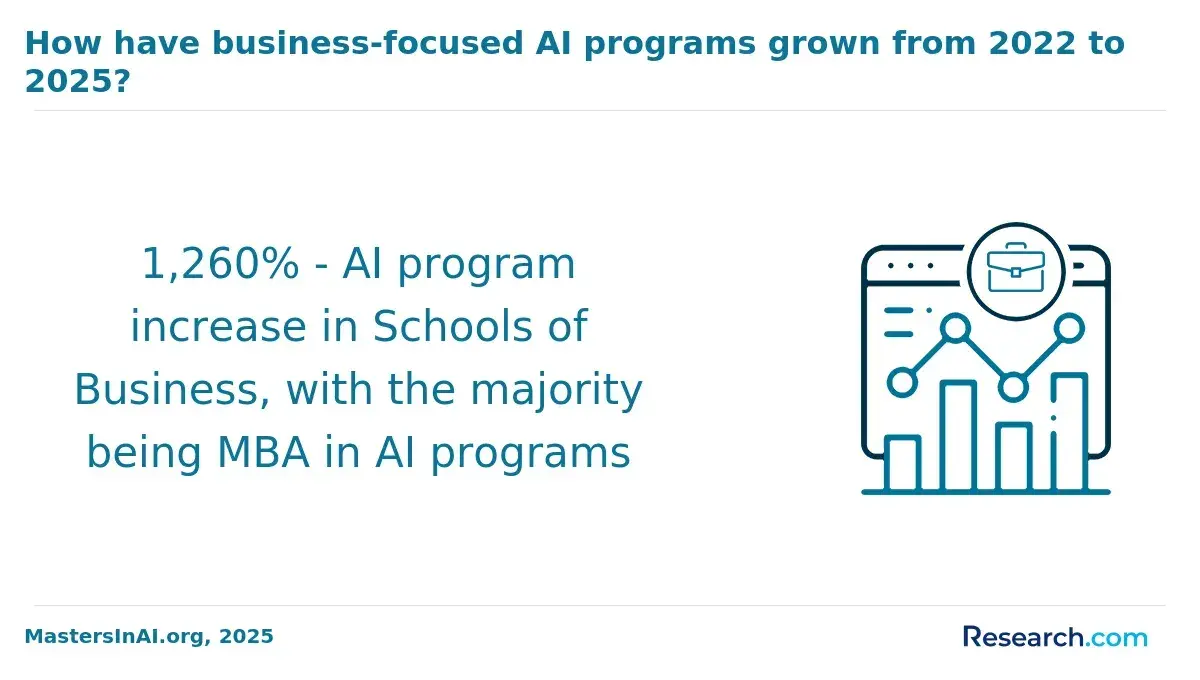
How do AI governance courses for ecommerce differ from general AI ethics or policy programs?
AI governance courses designed specifically for ecommerce operations leaders focus on the nuanced challenges of retail and digital commerce, differing significantly from general AI ethics or policy programs. Unlike the broader AI governance frameworks specific to ecommerce operations, which emphasize principles like fairness and transparency, these programs address practical concerns such as algorithmic pricing fairness, bias in customer personalization, and compliance with data privacy regulations.
These specialized courses delve into AI's impact on supply chain decisions, inventory management, fraud detection, and customer service automation-areas often overlooked by general programs. Ecommerce leaders gain skills to assess AI models that predict consumer behavior or automate recommendations while ensuring ethical standards for ecommerce AI management programs are met, particularly regarding regulations like the California Consumer Privacy Act (CCPA).
Training also emphasizes risk mitigation strategies to prevent automated decision errors that may harm brand reputation or violate consumer protection laws. Professionals learn to implement monitoring frameworks that track AI decision-making patterns and intervene when biased or inaccurate outcomes emerge.
The demand for expertise in ecommerce AI governance is rising sharply, with job postings mentioning "AI governance" growing by ~260% globally between January 2023 and December 2024. Ecommerce leaders benefit most from courses blending policy knowledge with operational insights tailored to marketplace dynamics and customer-facing AI applications. For those exploring related educational opportunities, the best online AI degree programs offer valuable pathways to advance in this evolving field.
What types of degrees, certificates, and short courses cover AI governance in ecommerce?
Degrees, certificates, and short courses in AI governance for ecommerce professionals focus on regulatory compliance, ethical frameworks, risk management, and technology assessment. Bachelor's and master's degrees in data science, information systems, or business analytics increasingly integrate dedicated modules on AI governance, preparing students to manage automated decision-making systems amid evolving legal landscapes. For advanced learners, options such as a PhD in data science online offer further specialization in data governance and analytics.
Professional certificates target working professionals seeking practical expertise. These programs emphasize compliance with regulations like the EU AI Act and cover transparency, accountability, and bias mitigation in ecommerce AI applications. Certificates in AI ethics or digital risk management aid leaders in implementing governance policies that minimize costly regulatory risks.
Short courses and workshops deliver intensive training on governance challenges specific to ecommerce. Curricula often highlight current compliance trends, audit practices, and deployment controls. The European Commission's 2024 Impact Assessment estimates compliance costs could average €220,000 annually per high-risk AI system by 2025, underscoring the importance of hands-on governance techniques aimed at cost control.
Targeted education in governance equips ecommerce leaders to implement proactive controls, audit AI behaviors, and avoid major penalties by aligning operations with stringent global standards and mitigating risks tied to high-stakes AI deployments.
How do online AI governance programs compare with campus-based options for working professionals?
Online AI governance programs provide significant flexibility for ecommerce operations leaders who need to balance work commitments. By offering asynchronous coursework, these programs allow learners to study at their own pace without geographic limitations. Campus-based courses, in contrast, require fixed schedules and physical attendance, which can be challenging for full-time professionals.
Online programs typically feature the latest AI governance frameworks and case studies, updated regularly to reflect changes in ecommerce ecosystems. They often include interactive simulations and live webinars with industry experts, enhancing practical knowledge of AI compliance, ethics, and risk management. Campus programs offer immersive experiences such as group projects and workshops that encourage peer collaboration but may lack flexibility for immediate workplace application.
Cost is a major consideration: online options generally have lower tuition and no commuting or relocation expenses, reducing overall financial burden. Campus programs, however, may provide added value through career services and alumni networks, which can benefit long-term career development.
Research shows companies with advanced AI governance practices are 3.5x more likely to achieve at least 10% revenue growth from AI initiatives over three years, according to McKinsey's "The State of AI in 2024" survey. This highlights the importance of up-to-date, practical education, increasingly delivered through well-structured online programs tailored to ecommerce leaders.
What core topics and skills do AI governance courses for ecommerce operations typically teach?
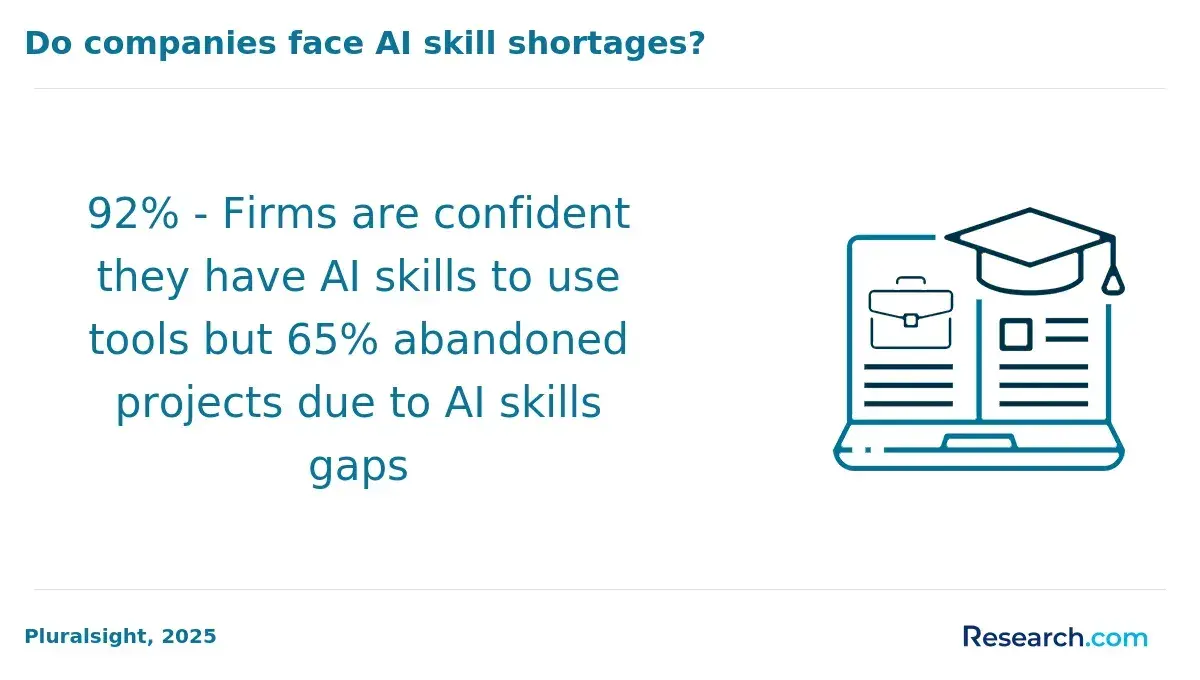
Courses in AI governance tailored for ecommerce operations leaders address critical areas necessary for responsible and effective management of AI within retail and consumer goods sectors. They focus on accountability frameworks, ethical AI usage, and risk assessment tools designed to detect bias, errors, or compliance issues in AI-driven tasks like demand forecasting, inventory control, and customer personalization. Despite AI's integration into over 61% of core business processes, only 23% of companies have clear documentation on AI decision accountability (McKinsey Global Survey on AI in Retail 2024).
Key competencies gained include interpreting AI model outputs in operational settings, establishing performance benchmarks tied to business goals, and creating protocols for continuous monitoring and auditing of AI systems. Leaders also learn how to translate governance policies into actionable workflows that emphasize data privacy, security, and transparency. Training often highlights how to integrate AI governance within existing risk management and regulatory frameworks, reducing both legal and reputational risks.
Practical examples feature resolving conflicts between AI recommendations and human judgment in supply chains and establishing escalation processes when AI outputs cause disruptions. Enhanced communication skills help leaders advocate AI governance strategies effectively to technical teams and executive boards, ensuring documented accountability and ethical stewardship of AI technology in retail operations.
What are the typical admission requirements and prerequisites for AI governance programs?
Admission requirements for AI governance programs differ by course type and duration but often share key elements. Executive and short-term options generally ask for a bachelor's degree in fields like business, technology, or data science, plus three to five years of relevant professional experience in ecommerce, operations, or technology roles. Some programs also prefer candidates with prior AI knowledge or programming skills, though introductory courses may be available for beginners.
Master's level AI governance programs impose more rigorous criteria. Candidates usually must hold an undergraduate degree with strong academic records, submit GRE or GMAT scores, letters of recommendation, and a statement of purpose. Prior studies in statistics, computer science, or ethics, alongside leadership or AI-related work experience, enhance admission prospects-especially for specialized tracks in governance and compliance.
Cost varies significantly, with non-degree executive courses ranging from US$3,000 to US$7,500 and master's programs averaging about US$39,000 per year (GMAC 2024 Application Trends & Executive Education). Many affordable programs balance admission standards with flexible policies to support working professionals seeking upskilling without enrolling in full degrees.
Flexibility through part-time and online options is increasingly common, accommodating ecommerce operations leaders and others aiming to advance their expertise in AI governance effectively.
How long do AI governance courses usually take, and what do they cost?
AI governance courses vary widely in duration, from short programs of 4 to 12 hours focusing on ethical frameworks, regulatory challenges, and risk management, to comprehensive professional certificates lasting 8 to 12 weeks. The longer courses often include live sessions, case studies, and assessments aimed at preparing leaders for practical implementation in ecommerce settings.
Prices depend on course complexity and provider. Entry-level online courses typically cost between $200 and $500, offering foundational knowledge. Mid-tier certifications with interactive features and instructor support range from $1,000 to $3,000, while advanced university-affiliated programs designed for strategic leadership can exceed $5,000, reflecting their depth and credential value.
For ecommerce leaders, prioritizing courses that emphasize compliance with evolving AI regulations and risk mitigation is essential. Flexible formats-such as self-paced digital modules or cohort-based live training-allow professionals to balance learning with work demands.
Internal upskilling through targeted, modular courses can be cost-effective and aligns with findings from the 2024 PwC Global CEO Survey, which reports that 79% of CEOs prefer enhancing current employees' skills over bringing in new hires, while only 38% support recruiting externally for AI roles. Assessing these time and cost factors helps professionals select AI governance education that fits budget and strategic goals.
What career paths, job roles, and salary ranges follow AI governance training in ecommerce?
AI governance training in ecommerce equips professionals with the skills needed to manage ethical AI deployment, risk mitigation, and compliance. Key roles include AI governance managers, compliance officers, data privacy analysts, and risk assessment specialists. These positions help ensure AI systems follow legal and company policies, reducing risks such as data breaches, biased algorithms, and regulatory fines.
In ecommerce organizations, AI governance leaders work closely with data scientists, product managers, and legal teams to establish transparent AI frameworks that balance innovation with accountability. Salaries in this field range from around $85,000 annually for entry-level compliance analysts to more than $160,000 for senior governance managers or directors, highlighting the increasing demand for these experts.
Certified AI governance professionals often progress into strategic roles such as AI ethics advisors or chief data officers, influencing company policies and ethical AI standards. Given AI's widespread use in ecommerce-from personalized shopping recommendations to fraud detection-these roles are essential for operational success and sustainability.
Research shows organizations with mature AI governance are 2.6x more likely to gain significant AI benefits and 47% less likely to face major AI-related issues like privacy violations, according to Deloitte's "State of AI in the Enterprise, 6th Edition." This evidence clearly links governance training with improved business outcomes and risk reduction.
How can ecommerce leaders evaluate accreditation, quality, and credibility of AI governance programs?
Ecommerce professionals can assess AI governance education programs by focusing on accreditation, faculty expertise, curriculum quality, and graduate outcomes. Start by confirming whether the program is accredited by recognized bodies such as ABET or regional agencies endorsed by the U.S. Department of Education. Accreditation guarantees adherence to rigorous educational standards and continuous quality checks.
Next, evaluate the instructors' practical experience in AI governance, compliance, and risk management. Programs led by industry or research veterans typically offer valuable, relevant insights. The curriculum should address essential areas including ethical AI frameworks, data privacy laws, bias mitigation techniques, and regulatory compliance models applied in ecommerce.
Look for programs that integrate current case studies or collaboration with ecommerce firms and AI governance organizations. This connection ensures up-to-date content aligned with real-world challenges. Hands-on projects, simulations, or capstone experiences add practical value.
Graduate outcomes are also key, highlighting placement rates in roles like AI compliance officer or digital transformation specialist relevant to ecommerce. These metrics demonstrate the effectiveness of the education in advancing careers.
Other Things You Should Know About Artificial Intelligence
Common challenges when implementing AI governance in ecommerce include ensuring data privacy compliance, integrating AI systems with existing infrastructure, maintaining transparency and trust in algorithms, and adapting to rapidly changing regulations. Leaders must be proactive in addressing these issues to effectively govern AI technologies in ecommerce.
Data privacy is a critical component of AI governance since ecommerce relies heavily on consumer data. Governance frameworks emphasize secure data handling, anonymization, and consent management to protect user information. Adhering to privacy regulations such as GDPR or CCPA is essential for responsible AI deployment in ecommerce.
Ecommerce leaders can stay current by following industry publications, government updates, and participating in AI governance forums or professional networks. Regular training and certification programs also provide updates on new laws and best practices, ensuring compliant and ethical AI use.
References
- Foundations of AI Governance | The Corporate Governance Institute https://www.thecorporategovernanceinstitute.com/webinar/foundations-of-ai-governance/
- Market Analysis of 146 AI Governance Job Postings https://axialsearch.com/insights/ai-governance-jobs/
- The Business of AI: Strategies for Leaders- Online | London Business School https://www.london.edu/lbs-online/the-business-of-ai-strategies-for-leaders
- AI Governance in Higher Education: A course design exploring regulatory, ethical and practical considerations https://arxiv.org/html/2509.06176v2
- AI Governance Frameworks: Global Standards, Regulations, and Best Practices - EvalCommunity Academy https://academy.evalcommunity.com/ai-governance-frameworks/
- AI Automation for Business Leaders and Operations Managers by Lena Shakurova on Maven https://maven.com/lena-shakurova/ai-automation-for-business-leaders-and-operations-managers
- AI Governance Professional Certification | CertiProf https://certiprof.com/products/ai-governance-certification-iso-42001
- AI Governance in Higher Education: Policies That Enable Innovation https://feedbackfruits.com/blog/ai-governance-higher-education
- AI Governance, Policy & Risk Management Certification Course (Online) - Bombay Chamber https://bombaychamber.com/event/ai-governance-policy-risk-management-certification-course-online/
- AI Governance Best Practices: How to Build Responsible and Effective AI Programs https://www.databricks.com/blog/ai-governance-best-practices-how-build-responsible-and-effective-ai-programs