2027 Best Stanford Online AI Courses for AI Strategy

Co-Founder and Chief Data Scientist
Many professionals with backgrounds outside of STEM fields struggle to enter the rapidly evolving AI industry without foundational strategic knowledge. They face challenges understanding how to integrate AI solutions into business contexts, which limits career mobility and leadership opportunities. Navigating the vast array of online options can be overwhelming, especially for those seeking credible and flexible programs from reputable institutions. This article examines top Stanford online AI courses designed to build strategic expertise efficiently and accessibly. It aims to guide readers in selecting programs that align with their career pivot goals and provide a robust foundation in AI strategy.
Key Things You Should Know
- Stanford's online AI strategy courses in 2026 emphasize integrating AI technologies with business goals, reflecting a 40% growth in AI-driven strategic roles since 2024.
- Courses combine technical and managerial skills, preparing students for leadership in AI adoption across industries like healthcare, finance, and technology.
- Stanford offers flexible, self-paced options with expert faculty, attracting over 15,000 enrolled learners globally in 2025, highlighting high demand for AI strategy education.
Advance Your Career with AI Online Courses
Artificial Intelligence: Implications for Business Strategy
This program provides an introduction to Artificial Intelligence and their implications for business strategy. Earn an official digital certificate.

Oxford Artificial Intelligence Programme
Explore this Oxford Artificial Intelligence programme offered in a flexible learning environment and explore topics like machine learning, automation, and robotics.

Implementing Agentic AI: Building Your Organizational Playbook
This online MIT Agentic AI course offers a practical approach to deploying AI agents in your organization, including a custom playbook. 3 weeks, exclusive launch price.

AI Adoption: Driving Business Value and Impact
This online MIT AI Adoption: Driving Business Value and Impact offers practical frameworks to close the gap between AI potential and business reality.

Artificial Intelligence in Pharma and Biotech
Discover the applications and limitations of artificial intelligence in pharma and biotech with this MIT online short course.

What are the best Stanford online AI courses for building AI strategy skills?
Stanford offers premier online courses designed to develop AI strategy skills vital for executives and professionals. Among the top Stanford online courses for AI strategy development is the "Artificial Intelligence Strategy" course, which blends technical foundations with strategic decision-making. It focuses on integrating AI into business models, risk assessment, and governance frameworks to help learners design AI initiatives that align with organizational objectives.
Another standout program is "AI in Business: From Strategy to Implementation," which addresses practical challenges such as scaling AI projects and measuring ROI. This course bridges the gap between technical teams and business leaders through real-world case studies, a key feature of the top AI strategy programs from Stanford online.
To build broad expertise, students should explore the "AI Product Management" course, covering AI system lifecycle management and ethical considerations for sustainable AI strategies. The "AI and Innovation" program offers insights into emerging AI technologies and market trends for strategic investment and partnership decisions.
According to a 2025 Gartner survey, firms with executives trained in AI strategy are 2.6 times more likely to gain significant financial benefits from AI initiatives. For those seeking to maximize value, focus on courses offering case studies and frameworks aligned with business priorities, and supplement learning with Stanford's executive seminars involving AI policy and ethics experts. Prospective students can learn more about career benefits from an AI degree.
Advance Your Career with AI Online Courses
Artificial Intelligence: Implications for Business Strategy
This program provides an introduction to Artificial Intelligence and their implications for business strategy. Earn an official digital certificate.
Oxford Artificial Intelligence Programme
Explore this Oxford Artificial Intelligence programme offered in a flexible learning environment and explore topics like machine learning, automation, and robotics.
Implementing Agentic AI: Building Your Organizational Playbook
This online MIT Agentic AI course offers a practical approach to deploying AI agents in your organization, including a custom playbook. 3 weeks, exclusive launch price.
How does Stanford's online AI learning compare with on-campus AI programs?
Stanford's online AI courses provide rigorous training closely matching the depth and foundational knowledge found in traditional on-campus programs. The emphasis on classical AI approaches-such as search algorithms, planning, and optimization-equips students with skills that remain crucial in operational settings. This focus aligns with findings from McKinsey's 2024 State of AI report, which highlights that organizations employing classical AI are 1.8 times more likely to achieve cost reductions of at least 10%, compared to those relying solely on generative AI.
The comparison of Stanford online and traditional AI learning reveals distinct advantages: online learners benefit from flexible schedules and a mix of synchronous and asynchronous instruction, allowing global access without geographic restrictions. In contrast, on-campus students gain hands-on experience with lab resources and face-to-face mentorship, which supports research-oriented pursuits.
Stanford's online offerings prioritize practical applications tailored for strategic decision-making, such as designing AI frameworks that optimize supply chains and resource allocation. This orientation is particularly suited for working professionals seeking measurable business impact.
Prospective students should evaluate their goals carefully. If operational efficiency and cost savings are priorities, the online AI programs deliver comparable skills with added flexibility. For those focused on lab access and networking, on-campus study remains appealing. Those researching the best online masters in artificial intelligence may find Stanford's online programs a compelling option within this context.
Who should take Stanford's online AI strategy courses, and what are the prerequisites?
Stanford online AI strategy course eligibility typically targets mid- to senior-level professionals such as product managers, technology strategists, and business analysts who lead AI initiatives and shape organizational strategies. Executives overseeing digital transformation also benefit by learning AI's practical applications and strategic potential. These courses focus on applying AI for business decision-making rather than developing AI technologies.
Prerequisites for AI strategy courses at Stanford generally include a strong foundation in quantitative reasoning and basic programming skills, often recommending proficiency in Python or a similar language. While deep technical expertise isn't required, familiarity with core AI concepts like supervised learning and algorithmic bias helps deepen understanding. Applicants new to machine learning can start with introductory programming or data science courses.
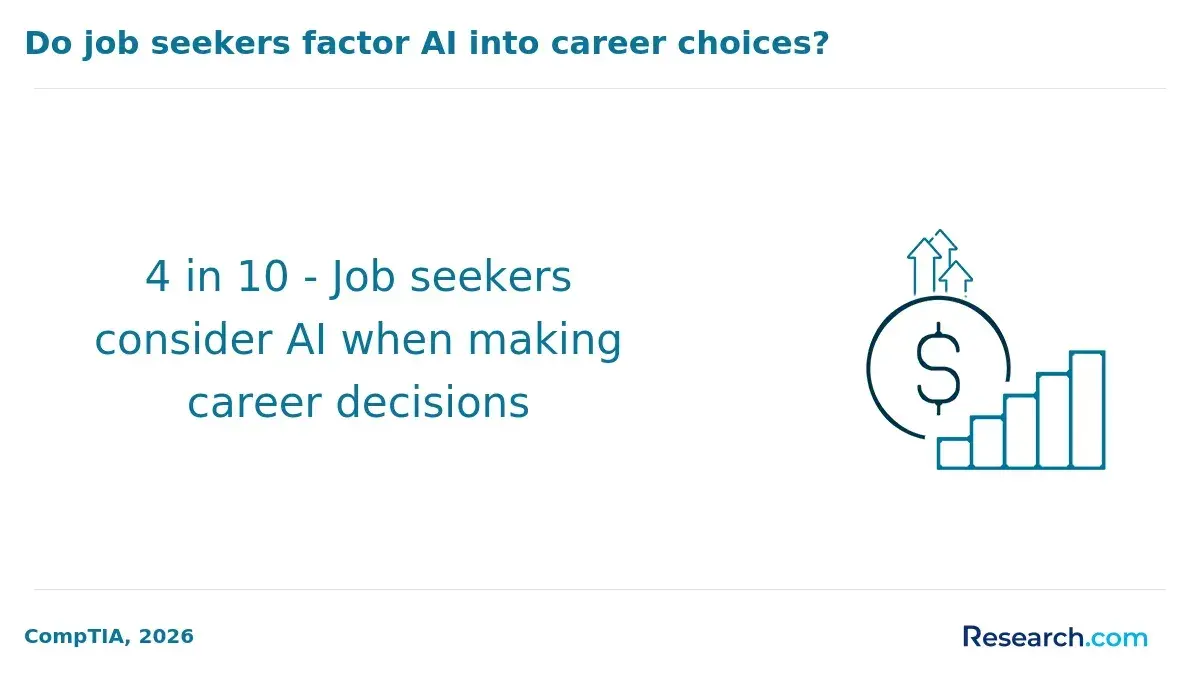
Course participants must be comfortable with data analysis and critical thinking, as many assignments involve examining real-world business cases. Those without a background in data analytics may want preparatory training to maximize results. LinkedIn's 2025 Jobs on the Rise report highlights a 28% yearly increase in roles explicitly requiring machine learning skills, emphasizing the importance of strategic leaders who can bridge technical advances with enterprise goals.
For professionals exploring AI education options, comparing programs such as game design degrees can provide insights into affordability and focus areas within tech and innovation fields.
What topics and tools do Stanford's online AI strategy courses typically cover?
Stanford California AI strategy courses focus on core subjects essential for applying AI in business environments. Key topics include machine learning fundamentals, deep learning architectures, and their roles in product innovation. Students learn to use practical tools such as neural networks, natural language processing (NLP), and computer vision, integrating these technologies strategically within organizations.
The curriculum covers AI-driven decision-making frameworks, data governance, and ethical considerations critical for enterprise deployment. Emphasis is placed on managing AI portfolios strategically to align initiatives with corporate goals, preparing leaders to tackle complex challenges.
Students analyze real-world applications, like leveraging computer vision for automated quality control or applying NLP to improve customer support systems. This hands-on approach provides insights into choosing appropriate AI models and scaling solutions across business units. Top tools and topics in Stanford AI strategy courses include Python-based machine learning libraries, TensorFlow, and cloud platforms supporting AI deployment, bridging the technical and business divide.
Addressing the industry skills gap highlighted by the World Economic Forum's Future of Jobs 2025 update-where 42% of companies plan to adopt deep learning for computer vision or NLP by 2028, but only 19% feel prepared-Stanford integrates both technical and strategic knowledge to build capable AI leaders. Courses also tackle practical challenges such as optimizing AI investments, workforce reskilling, and managing project risks.
For those interested in related technology degrees, exploring options like a fastest online cyber security degree can complement AI strategy education and broaden career prospects.
How long do Stanford's online AI courses take, and what is the time commitment?
Stanford's online AI courses generally span 8 to 16 weeks, requiring a weekly commitment of 5 to 10 hours based on the course's complexity. Foundational classes such as AI strategy or machine learning fundamentals typically ask for 5-7 hours weekly, fitting well into busy professionals' schedules. More advanced programs, including those focused on generative AI or ethical frameworks, may demand 8-10 hours per week due to the depth and project work involved.
These courses accommodate various learners-from executives seeking strategic insights to technical managers engaging in thorough study. Flexible pacing options allow students to accelerate or slow their progress within a semester's timeframe, generally around four months. This approach supports individual learning preferences and commitments.
The impact of structured AI strategy training is emphasized by Deloitte's 2025 Global Generative AI Survey, which shows that organizations with formally educated business leaders in GenAI are 3.3 times more likely to move beyond pilot projects to full-scale implementations within 12 months. This underscores how essential consistent time investment is for meaningful results.
Prospective students should realistically assess their availability since effective time management directly enhances the benefits gained from Stanford's rigorous curriculum. Allocating dedicated weekly hours enables professionals to confidently apply AI strategy and drive significant outcomes in their organizations.
What do Stanford online AI certificates mean for employers and career advancement?
Stanford online AI certificates hold considerable value for employers and enhance career advancement by verifying specialized expertise and practical skills in artificial intelligence. These credentials reflect a commitment to mastering advanced AI concepts relevant to roles in data science, machine learning, AI strategy, and leadership within technology sectors.
For mid-career professionals, earning a professional AI or ML certificate correlates with tangible career benefits. Data from Coursera's 2024 Learner Outcomes report shows that 43% of certificate holders received a pay raise or promotion within a year, with a median salary increase of 18%. This highlights how recognized AI proficiency can accelerate growth and unlock new job opportunities.
Stanford's AI certificates emphasize hands-on projects and real-world case studies, helping learners demonstrate practical experience with AI tools and lead AI-driven transformation. This is especially important for positions focused on strategic AI oversight rather than solely technical execution.
These credentials also support career changes into AI strategy or product management by providing frameworks to evaluate AI's impact on business models, risk, and ethics-skills valued by employers looking for professionals who can connect AI technology with business objectives.
Holding such a certificate signals readiness to contribute to innovation, influence AI adoption decisions, and meet evolving industry expectations, making graduates more competitive for leadership roles in tech-driven organizations.
How much do Stanford online AI strategy courses cost, and are there financial aid options?
Stanford's online ai strategy courses in 2026 typically range from $2,500 to $5,500 per course, depending on length and specialization. Executive programs targeting professionals often cost between $4,000 and $5,500, reflecting exclusive content and access to Stanford faculty expertise. Specialized certificate courses in ai governance and strategy tend to be at the higher price end.
Financial aid is available but limited, mainly through need-based assistance and partial scholarships aimed at graduate learners. Applicants submit detailed financial aid forms including income and educational goals. Some courses offer payment plans to help manage costs. Additionally, many employers in regulated fields such as banking and healthcare are investing heavily in AI workforce development, often covering course fees.
According to Accenture's 2025 report, 73% of banks and 68% of healthcare organizations increased ai compliance and governance budgets by over 20%, emphasizing their commitment to workforce education. Prospective students should explore multiple funding sources, including employer sponsorship, financial aid, and external scholarships targeting STEM professionals.
Combining these options can make Stanford's advanced ai strategy courses more accessible. The premium fees also reflect unique exposure to cutting-edge AI frameworks and strategic training essential for leadership roles in regulated industries.
What AI and leadership roles can these Stanford online AI courses help you pursue?
Stanford's online ai courses equip learners for leadership and technical roles essential to today's evolving landscape. Graduates can pursue careers such as ai product manager, overseeing ai-driven products from concept to market, or ai strategy consultant, helping organizations integrate ai for operational efficiency and innovation. These programs also prepare students for roles like machine learning engineer and data scientist, combining technical skills with strategic business insights.
For senior professionals, the curriculum supports advancement toward chief AI officer or director of AI initiatives, roles that require aligning projects with corporate goals. Stanford emphasizes a dual focus on ai technology and leadership through real-world projects, case studies, and executive-level instruction. Core competencies include ethical AI framework design, cross-functional team management, and AI risk assessment, critical for governance and compliance positions.
Online delivery provides significant advantages for working professionals, reducing total education costs by 35-60% versus in-person programs by lowering opportunity and time costs. This flexibility allows learners to gain advanced knowledge without compromising career momentum or income.
What salary ranges and job outlook can AI strategy-focused learners realistically expect?
AI strategy professionals command salaries ranging from $120,000 to $200,000 annually, influenced by experience, industry, and location. Entry-level roles, such as AI strategy analysts or junior consultants, start around $90,000 to $120,000, while senior strategists and directors can earn $180,000 to over $200,000. Specialized expertise in machine learning implementation, ethical AI, or data governance often results in higher pay.
The demand for AI strategy roles is projected to grow by roughly 35% over the next decade, reflecting the accelerating integration of AI into business operations and decision-making. Employers prioritize candidates with a blend of AI knowledge and strong business acumen, especially those skilled in translating complex AI models into actionable plans.
Prospective students aiming to boost employability should consider Stanford's online AI strategy courses, recognized for quality and industry relevance. Stanford contributes four of the top 15 most-enrolled AI and machine learning courses worldwide, according to Class Central's 2024 AI & Data Science ranking.
Common positions include AI strategy consultant, product manager focused on AI integration, and innovation strategist, with key sectors being finance, healthcare, and technology. Supporting skills such as data literacy, project management, and communication further enhance career prospects.
How should you choose between Stanford's AI strategy courses and other providers online?
Stanford's AI strategy courses provide access to leading faculty and incorporate the latest research, making them ideal for professionals targeting leadership roles in AI-driven industries. However, when choosing between Stanford and other providers, consider factors like availability, cost, curriculum focus, and practical experience opportunities.
The 2025 BCG survey reveals that employees receiving at least 100 hours of structured AI upskilling annually are 2.4 times more likely to achieve AI revenue and efficiency goals compared to those with fewer than 20 hours. This highlights the value of comprehensive course offerings, which some specialized programs deliver through modular formats.
Key considerations include:
- Curriculum relevance: Stanford emphasizes AI strategy through research and innovation, while other options may target industry-specific applications or emerging tools.
- Flexibility and pacing: Some providers offer asynchronous learning with lifetime access, whereas Stanford often requires commitment to live cohort sessions.
- Practical exposure: Hands-on projects, case studies, and collaboration aligned with your role are essential for skill application.
- Cost versus benefit: Stanford's premium tuition may reflect brand value, but smaller programs can offer competitive skills at lower prices.
- Certification and recognition: Stanford credentials hold high esteem, yet certifications from specialized platforms may be equally valued within certain industries.
Aligning course depth and time commitment with your career ambitions is crucial. Prioritizing programs that ensure consistent, structured learning aligns well with the latest industry insights and maximizes skill impact.
Other Things You Should Know About Artificial Intelligence
Stanford's Online AI courses in 2027 are designed with a strong focus on strategic applications, leveraging real-world case studies and expert insights. This curriculum enhances strategic thinking, providing professionals with the skills needed to effectively implement AI in business contexts.
AI enhances business strategy by providing data-driven insights, automating decision-making processes, and optimizing operational efficiency. Organizations leverage AI for customer segmentation, predictive analytics, supply chain management, and risk assessment. Integrating AI into strategy allows companies to respond more quickly to market changes and innovate in product and service offerings.
Ethical considerations in AI focus on ensuring transparency, fairness, and accountability in algorithmic decisions. Issues include bias in training data, privacy concerns, and the impact of automation on employment. Responsible AI development also involves creating safeguards against misuse and addressing the societal impacts of AI technologies.
Online AI courses can equip professionals with foundational knowledge and strategic frameworks necessary for leadership in AI initiatives. These programs often cover critical concepts such as AI ethics, governance, and deployment strategies that business leaders must understand. However, practical experience and cross-functional collaboration are also essential for effective leadership in AI strategy.
References
- Leading with AI: Strategy and Product Transformation | Stanford Online https://programs.stanfordonline.global-alumni.com/leading-with-AI-strategy-product-transformation
- The AI Strategy Job Market in 2026: Analysis of 1,859 Postings https://axialsearch.com/insights/ai-strategy-jobs/
- Online vs Campus Artificial Intelligence Degree Programs: Complete Comparison https://hakia.com/compare/artificial-intelligence-online-vs-campus/
- How to Choose an AI Strategy Course Online - The Case HQ Online https://thecasehq.com/how-to-choose-an-ai-strategy-course-online/
- A survivor’s guide to Artificial Intelligence courses at Stanford (Updated Feb 2020) https://huyenchip.com/2018/03/30/guide-to-Artificial-Intelligence-Stanford.html
- What Topics are Covered in an Artificial Intelligence online Course? | H2K Infosys Blog https://www.h2kinfosys.com/blog/topics-covered-in-artificial-intelligence-course/
- Why AI Is A Massive Job-Creation Technology, Despite What You Think JOSH BERSIN https://joshbersin.com/2026/03/why-ai-is-a-massive-job-creation-technology-despite-what-you-think/
- Online - Courses https://online.stanford.edu/courses