2027 Best AI Governance Courses for Demand Forecasting Teams

Co-Founder and Chief Data Scientist
Demand forecasting teams often struggle with integrating ethical frameworks and transparent decision-making into their AI systems, risking biased or unreliable predictions that affect business outcomes. These challenges are amplified by rapidly evolving regulatory expectations and the need to maintain stakeholder trust. Without proper guidance on AI governance, teams can inadvertently deploy models that lack accountability or fail compliance standards.
This article highlights the best AI governance courses specifically tailored for demand forecasting professionals. It aims to help readers identify flexible, accredited programs that enhance their ability to build responsible, transparent, and effective AI forecasting tools.
Key Things You Should Know
- Top AI governance courses in 2026 focus on ethical frameworks, bias mitigation, and regulatory compliance, essential for demand forecasting teams managing AI-driven predictions.
- Recent studies show 68% of organizations using AI in demand forecasting require specialized governance training to improve model accountability and risk management.
- Programs incorporate hands-on case studies from supply chain and retail sectors, reflecting a 45% growth in AI governance roles tied to demand forecasting since 2024.
Advance Your Career with AI Online Courses
Artificial Intelligence: Implications for Business Strategy
This program provides an introduction to Artificial Intelligence and their implications for business strategy. Earn an official digital certificate.

Oxford Artificial Intelligence Programme
Explore this Oxford Artificial Intelligence programme offered in a flexible learning environment and explore topics like machine learning, automation, and robotics.

Implementing Agentic AI: Building Your Organizational Playbook
This online MIT Agentic AI course offers a practical approach to deploying AI agents in your organization, including a custom playbook. 3 weeks, exclusive launch price.

AI Adoption: Driving Business Value and Impact
This online MIT AI Adoption: Driving Business Value and Impact offers practical frameworks to close the gap between AI potential and business reality.

Artificial Intelligence in Pharma and Biotech
Discover the applications and limitations of artificial intelligence in pharma and biotech with this MIT online short course.

What is AI governance and why does it matter for demand forecasting teams?
AI governance frameworks for demand forecasting play a vital role in ensuring that AI systems operate ethically and accurately. For demand forecasting teams, effective governance addresses challenges like data quality, model bias, and decision-making reliability, which directly affect business outcomes.
The importance of AI governance in demand forecasting teams lies in establishing accountability through consistent monitoring of forecast accuracy, validation of input data, and thorough documentation of model assumptions. These practices help minimize risks such as erroneous inventory management or flawed pricing strategies.
Governance also supports compliance with regulatory standards and internal policies, particularly when handling sensitive customer or supplier data. It often involves risk assessment protocols, audit trails, and human oversight mechanisms to detect and correct AI-related errors early.
Teams implementing AI governance commonly adopt practical steps like:
- Using bias detection tools to maintain fairness in demand predictions across regions.
- Setting up cross-functional review boards for model validation.
- Keeping detailed records of data sources and performance metrics.
- Establishing alert systems for unusual forecast deviations.
Organizations excelling in AI governance report up to 3× higher ROI on AI projects, reflecting enhanced trust and efficiency. For those pursuing careers in data science and AI, consulting data science rankings can help identify affordable educational opportunities that build expertise in these essential governance skills.
Advance Your Career with AI Online Courses
Artificial Intelligence: Implications for Business Strategy
This program provides an introduction to Artificial Intelligence and their implications for business strategy. Earn an official digital certificate.
Oxford Artificial Intelligence Programme
Explore this Oxford Artificial Intelligence programme offered in a flexible learning environment and explore topics like machine learning, automation, and robotics.
Implementing Agentic AI: Building Your Organizational Playbook
This online MIT Agentic AI course offers a practical approach to deploying AI agents in your organization, including a custom playbook. 3 weeks, exclusive launch price.
What makes an AI governance course valuable for professionals in demand forecasting roles?
Courses in AI governance that focus on demand forecasting teams emphasize regulatory frameworks, ethical considerations, and risk management specific to AI applications in supply chains. These courses provide essential skills for ensuring models comply with evolving legal standards and organizational policies, minimizing costly biases and operational failures. Practical training in auditing AI algorithms and mastering data governance protocols enables professionals to systematically validate model fairness and accuracy. This approach aligns well with AI governance best practices for demand forecasting teams.
Transparency and explainability form a critical part of effective curriculum elements in AI governance for forecasting professionals. Demand forecasting relies heavily on interpretable AI models to justify inventory and logistics decisions to stakeholders. Training often includes methods to explain AI outputs clearly, helping teams communicate across departments and reduce risks tied to opaque algorithms.
Maintaining forecast integrity involves continuous monitoring and updating of AI models to address concept drift and data quality issues. Governance courses teach frameworks for ongoing model evaluation, preparing professionals to maintain compliance and reliability in dynamic environments. Given the surge in demand for AI skills in supply chain roles-growing over 130% between 2022 and 2024-these credentials are increasingly vital.
Key course features include:
- Regulatory compliance education tailored for AI in supply chains
- Techniques for ensuring model transparency and accountability
- Risk management strategies for AI deployment
- Hands-on practice with AI audit tools
- Frameworks for ongoing model monitoring and governance
For prospective students seeking comprehensive AI governance education, exploring degrees in AI online offers accessible pathways to acquire these critical competencies.
Which types of AI governance programs are best for demand forecasting teams?
Effective AI governance frameworks for demand forecasting teams prioritize integrating operational needs, managing data quality, and upholding ethical AI use. These programs help ensure forecasting models remain transparent, auditable, and comply with organizational policies. Core elements include risk assessment protocols tailored to predictive models and continuous validation to sustain accuracy.
The best AI compliance programs tailored to demand forecasting emphasize cross-functional collaboration among data scientists, supply chain experts, and compliance officers. This approach helps identify bias, data drift, and model degradation early. Essential training covers algorithmic fairness and data provenance, reducing costly supply chain errors. Structured training that blends technical oversight with strategic decision-making fosters a culture where AI outputs are critically assessed.
Demand forecasting teams also gain from programs offering:
- Data security and privacy compliance training to safeguard sensitive information
- Explainability tools enabling clearer communication of model results to leadership
- Change management strategies for smooth integration of AI insights into workflows
Teams investing in comprehensive governance see improved operational outcomes. Companies adopting such programs are 1.8× more likely to achieve cost reductions above 10%, according to IBM.
For professionals aiming to advance their expertise in this field, pursuing the best online MS in data science can provide essential knowledge aligning with AI governance frameworks for demand forecasting teams.
How do online AI governance courses compare with campus programs for working analysts?
Online AI governance courses offer flexibility and accessibility, making them ideal for working analysts seeking updated governance skills without interrupting their job responsibilities. This flexibility is crucial given that 46% of organizations experienced at least one AI-related compliance or security incident, often caused by poor governance and lack of training (Capgemini Research Institute). Compared with campus programs, which provide immersive, structured settings and direct access to faculty, online courses offer modular content accessible anytime, allowing learners to balance study with work.
When choosing the best online AI governance courses for working analysts, practitioners should assess the program's depth and relevance. Many online options now include case studies, regulatory frameworks, and practical tools geared toward forecasting teams, enabling immediate application. Campus programs often present broader curricula covering ethics, compliance, and risk assessment, which support long-term career growth.
Cost is an important factor as well; online courses typically cost less and avoid relocation or commuting expenses, although campus credentials may carry more weight in some corporate or managerial contexts. Key questions include whether AI compliance specific to forecasting models is covered, if there are mentorship opportunities, and what certification or continuing education credits are provided.
For professionals exploring related fields, cyber security courses offer additional complementary skills. Ultimately, selecting programs aligned with practical governance challenges can help analysts effectively reduce organizational AI failures.
What core topics and skills do AI governance courses for demand forecasting usually cover?
AI governance courses designed for demand forecasting teams cover critical areas such as ethical frameworks, risk management, and data governance. These courses emphasize transparency, fairness, and compliance with regulations to ensure reliable demand forecasting models. Key skills include assessing bias in data and algorithms to uphold forecast accuracy.
Technical training is central, focusing on model interpretability, data lineage tracking, and continuous monitoring. Teams learn to implement automated alerts for model drift or performance issues, which are vital to avoiding costly errors in supply chains.
Integration skills are also taught to align AI governance policies with existing workflows and IT systems, making forecasts actionable and decision-ready. Real-world case studies highlight risks like inventory imbalances caused by poor AI governance.
Data governance topics include data quality management, secure handling of sensitive information, and adherence to privacy laws, all essential to building trustworthy demand forecasting models.
A global supply chain study by BCG reported that firms with formal AI governance for planning achieved forecast accuracy improvements of 20-30% and inventory reductions of 10-20%. These outcomes underscore the tangible impact of mastering AI governance in operational settings.
What admission requirements and prerequisites do AI governance programs typically have?
AI governance programs for demand forecasting teams typically require applicants to hold a bachelor's degree in fields such as data science, computer science, engineering, supply chain management, or business analytics. Candidates should have foundational knowledge in programming languages like Python or R and basic concepts in statistics and machine learning. Experience with data manipulation tools, forecasting models, or completion of introductory AI courses is often expected.
Advanced or executive-level programs favor applicants with professional experience in supply chain, demand planning, or analytics roles. These candidates benefit from demonstrating practical application of AI governance principles, risk management, and ethical considerations in real-world AI deployments. Some admissions committees request portfolios showcasing projects related to algorithmic decision making or AI policy design.
While few specialized AI governance courses require GRE or GMAT scores, letters of recommendation and personal statements highlighting leadership in technology governance or data ethics can improve admission prospects. Online and certificate programs usually have more flexible entry requirements, focusing on motivation and essential technical skills.
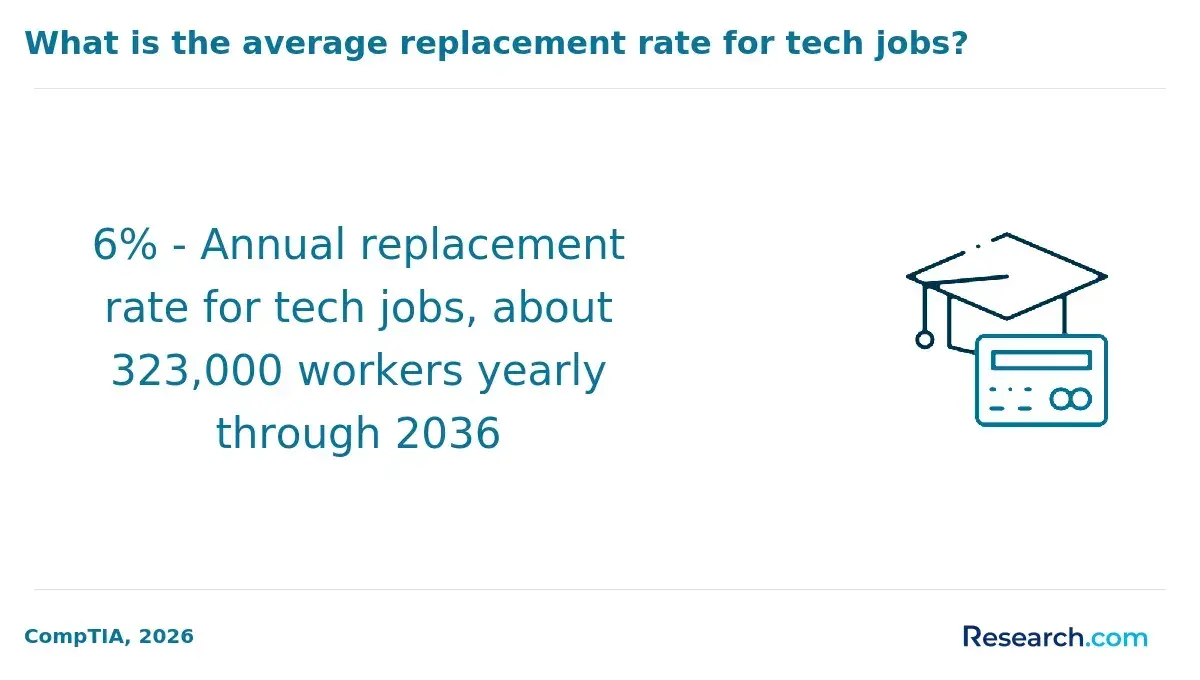
Supply chain and demand planning managers with AI and machine learning expertise earn on average 15-25% higher salaries than peers without these skills, reflecting the value of mastering both technical knowledge and governance insights before applying.
How long do AI governance courses take, and what do they cost in the U.S.?
AI governance courses for demand forecasting teams vary from intensive short programs of one to four weeks to part-time options lasting three to six months. Shorter courses prioritize ethical AI use, regulatory compliance, and bias mitigation, ideal for rapid skill development. Longer courses cover governance frameworks, risk assessment, and case studies, which benefit professionals in managerial roles.
Pricing depends on the program's depth and provider:
- Entry-level online courses commonly cost between $500 and $1,500.
- More advanced or university-affiliated courses range from $2,000 to $8,000.
- Specialized certifications with hands-on projects and expert mentoring usually fall between $4,000 and $10,000.
- Corporate training programs tailored for organizations can exceed $10,000 depending on customization.
With over 75% of large enterprises expected to implement AI-based demand forecasting tools by 2025, investing in governance education is urgent. Data scientists and analysts may prefer shorter, technical courses, while compliance officers and team leads benefit from comprehensive, strategic programs. Key factors include ensuring courses are up-to-date with evolving AI ethics and regulations, instructor expertise in supply chain AI, and flexible payment or employer reimbursement options to reduce upfront costs.
How can I verify accreditation and institutional quality for AI governance programs?
Accreditation by recognized bodies like ABET, AACSB, or regional agencies such as the Middle States Commission on Higher Education is essential when selecting AI governance programs. These organizations evaluate programs based on curriculum rigor, faculty credentials, and institutional resources, ensuring standardized educational quality needed for credible qualifications.
Curriculum alignment with industry standards is critical. Look for programs covering ethical frameworks, compliance standards, algorithmic transparency, and risk mitigation strategies. Affiliations with professional organizations such as IEEE or the AI Ethics Consortium often indicate up-to-date content that meets current governance challenges.
Faculty expertise significantly impacts program quality. Reviewing academic backgrounds, publications, and industry experience can reveal how well the program prepares students for practical AI governance roles. Programs offering case studies, simulations, or collaborations with technology companies enhance hands-on learning opportunities.
Graduate outcomes provide insight into a program's effectiveness. Consider employment rates in AI governance fields and participation in certifications from organizations like ISACA or the Open Compliance and Ethics Group. Alumni testimonials and networks also reflect the program's real-world relevance and reputation.
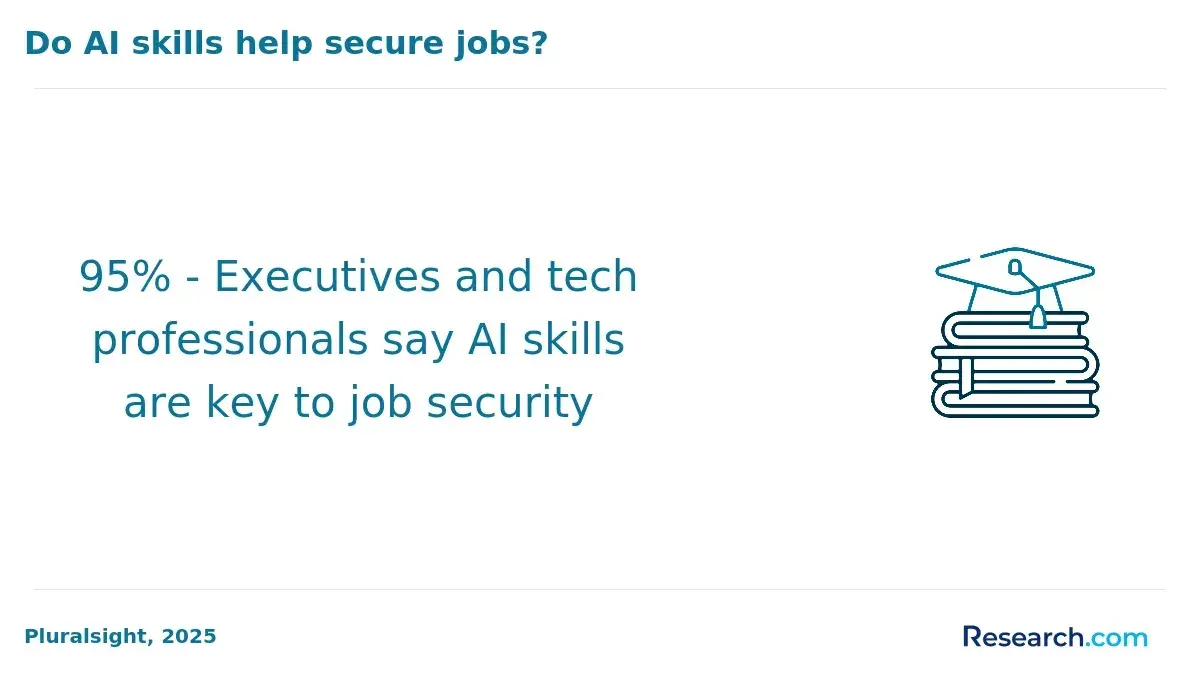
With nearly 70% of organizations reporting a skills gap in AI governance, choosing accredited programs with a proven curriculum is key to staying competitive and meeting sector demands.
What careers, job titles, and industries can AI governance training in forecasting lead to?
AI governance training in forecasting equips professionals with skills critical to industries such as finance, healthcare, supply chain, energy, and retail. Job titles often include AI governance analyst, risk manager, compliance officer, data ethics specialist, and forecasting strategy lead. These roles prioritize aligning forecasting models with regulatory frameworks and ethical standards to improve trust and decision-making reliability.
Organizations deploying AI in high-stakes forecasting need staff who can identify and mitigate risks from biased or inaccurate predictions. Training helps develop frameworks that ensure compliance with laws like GDPR and the EU AI Act, as well as sector-specific regulations. For instance, a compliance officer in finance validates credit risk forecasts against transparency laws, while supply chain managers implement governance practices to support sustainability and regulatory adherence.
A 2024 regulatory readiness survey by PwC indicates over 40% of companies under emerging AI rules plan to boost training budgets for teams handling high-risk AI systems, including forecasting. This creates strong career prospects for those skilled in AI governance.
Relevant roles frequently exist in corporate risk, AI ethics, and regulatory affairs teams. Experience balancing technical forecasting knowledge with governance protocols is vital. Candidates benefit by mastering compliance standards combined with expertise in forecasting algorithms and data integrity principles.
What salaries and job outlook can AI governance specialists in demand forecasting expect?
AI governance specialists in demand forecasting command competitive salaries due to their essential role in ensuring the ethical, transparent, and effective deployment of AI systems. Entry-level salaries start near $85,000 annually, with experienced professionals earning between $130,000 and $160,000. Senior or leadership roles in large companies may surpass $180,000, especially for those skilled in risk management, compliance, and cross-functional AI strategy.
The job outlook is strong as organizations increasingly prioritize responsible AI use in scaling forecasting processes. A 2024 enterprise AI readiness study by Accenture found that teams receiving targeted AI governance training were 2.4× more likely to deploy AI in mission-critical planning. Key skills include model auditing, impact assessments, and applying ethical AI frameworks to manage risks like bias and regulatory non-compliance.
Industries such as supply chain, retail, and manufacturing are top employers, alongside consulting firms and AI vendors supporting responsible AI adoption. Professionals who upskill in emerging regulations like the EU AI Act and understand organizational risk tolerance can access higher salaries and advance into leadership roles by 2026 and beyond.
Other Things You Should Know About Artificial Intelligence
Explainability refers to the ability to understand and interpret how an AI model makes its predictions or decisions. In demand forecasting, clear explainability is essential because it allows teams to trust the model's outputs, identify potential errors, and ensure the results align with business logic. Without explainability, forecasts may be difficult to validate or adjust, limiting practical use.
Common ethical concerns include bias in training data, lack of transparency, and potential misuse of sensitive information. These issues can lead to unfair or inaccurate forecasts that impact resource allocation and supply chain decisions. Proper governance ensures models are tested for fairness and compliance with relevant regulations.
Yes, AI governance frameworks provide structured guidelines for managing AI systems in compliance with industry regulations. For demand forecasting, this means adhering to standards related to data privacy, algorithm transparency, and accountability. Such frameworks help organizations mitigate legal risks and build stakeholder confidence.
References
- Artificial Intelligence Governance Essential Guide https://www.menaexecutivetraining.com/post/everything-you-need-to-know-about-artificial-intelligence-governance
- Certified Predictive Analytics and AI in Inventory Optimization, Demand Planning and Forecasting https://charteredcertifications.com/learning/courses/predictive-analytics-ai
- Artificial Intelligence in Governance and Policy Design https://govcentre.org/course/artificial-intelligence-in-governance-and-policy-design/
- 2026 AI demand forecasting playbook for supply chain teams https://invisibletech.ai/blog/ai-demand-forecasting-in-2026
- Frontier AI Governance Course | BlueDot Impact https://bluedot.org/courses/ai-governance
- AI Demand Forecasting: ROI and Executive Roadmaps https://groupbwt.com/blog/ai-demand-forecasting/
- An AI governance certification will boost your career | The Corporate Governance Institute https://www.thecorporategovernanceinstitute.com/insights/guides/an-ai-governance-certification-will-boost-your-career/
- AI Governance: The New Profession You Should Know https://governance.aicareer.pro/blog/the-new-profession-of-ai-governance
- AI Governance in Higher Education: A course design exploring regulatory, ethical and practical considerations https://arxiv.org/html/2509.06176v2
- AI Governance Careers: 20 Roles, Salary & Path (2026) https://techjacksolutions.com/careers/ai-governance-careers/