2027 Best AI Courses for Learning and Development Teams With Certificates

Co-Founder and Chief Data Scientist
Many learning and development teams struggle to identify credible, up-to-date AI courses that offer flexibility and recognized certification. This challenge often delays reskilling efforts, limiting workforce adaptability in fast-evolving industries. Professionals with unrelated undergraduate degrees face an added obstacle when seeking accessible paths to break into the AI field without committing to lengthy, traditional programs.
The article explores top AI courses designed for these teams, focusing on those that provide practical skills, accreditation, and flexible formats. It aims to guide readers toward efficient, trustworthy options to accelerate their transition into AI careers with valued certificates.
Key Things You Should Know
- In 2026, over 70% of learning and development teams prioritize AI courses offering certificates that validate practical skills in machine learning, NLP, and data analytics for workplace applications.
- Top-rated AI courses emphasize hands-on labs and real-world projects, boosting employee retention and performance by up to 40%, according to 2024 industry reports.
- The latest AI certifications are increasingly recognized by U.S. tech employers, enhancing career prospects with average salary increases of 15-25% post-completion.
Advance Your Career with AI Online Courses
Artificial Intelligence: Implications for Business Strategy
This program provides an introduction to Artificial Intelligence and their implications for business strategy. Earn an official digital certificate.

Oxford Artificial Intelligence Programme
Explore this Oxford Artificial Intelligence programme offered in a flexible learning environment and explore topics like machine learning, automation, and robotics.

Implementing Agentic AI: Building Your Organizational Playbook
This online MIT Agentic AI course offers a practical approach to deploying AI agents in your organization, including a custom playbook. 3 weeks, exclusive launch price.

AI Adoption: Driving Business Value and Impact
This online MIT AI Adoption: Driving Business Value and Impact offers practical frameworks to close the gap between AI potential and business reality.

Artificial Intelligence in Pharma and Biotech
Discover the applications and limitations of artificial intelligence in pharma and biotech with this MIT online short course.

What are AI courses for learning and development teams, and who are they best suited for?
AI courses for learning and development teams with certification equip professionals to integrate artificial intelligence into workforce training and organizational growth strategies. Topics include AI-based content creation, adaptive learning systems, data-driven performance analysis, and automation of administrative tasks. These programs are ideal for L&D professionals, instructional designers, HR specialists, and corporate trainers aiming to modernize training methods and enhance learning outcomes through technology.
Effective courses serve individuals responsible for developing and implementing training programs across industries. Talent management professionals use AI to create personalized learning pathways, while senior L&D managers apply AI tools for scalable upskilling. For example, learning strategists gain insights into skill gaps through AI-powered analytics, and instructional designers incorporate AI in content curation and delivery. Such approaches form part of the best ai training programs for corporate learning professionals.
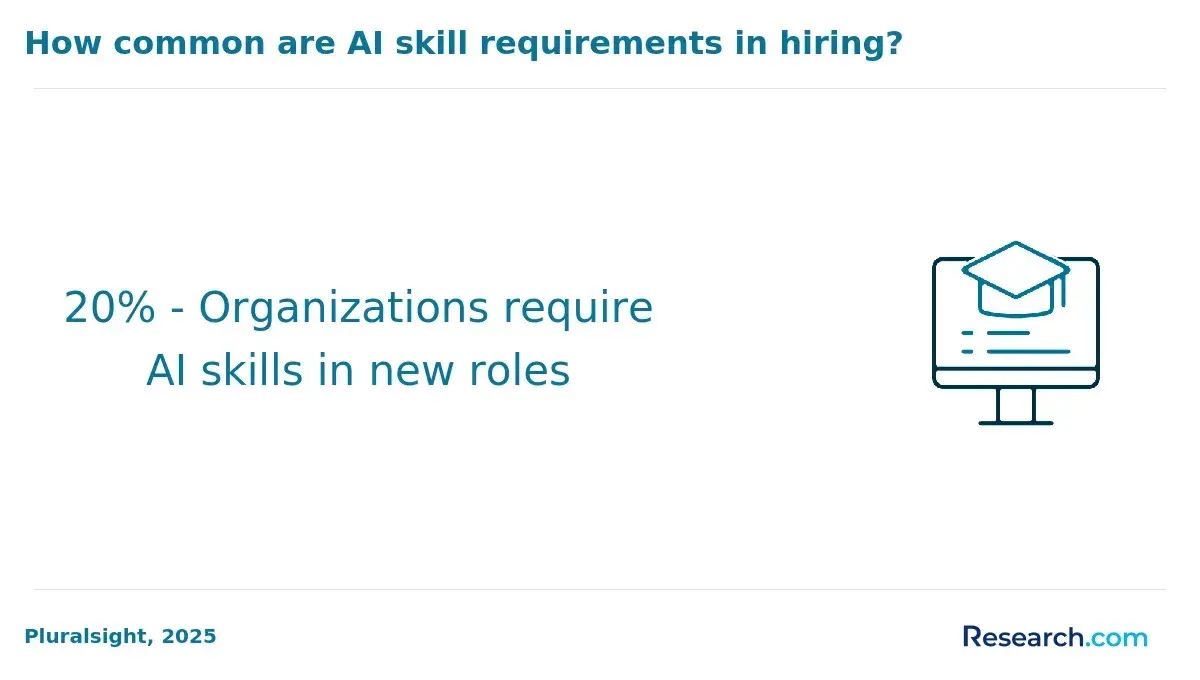
Core competencies taught include machine learning concepts, natural language processing for automated feedback, and AI-driven platforms that boost learner engagement and retention. This knowledge addresses the growing demand for data-informed decision-making and agile learning solutions in the workplace. According to the LinkedIn Workplace Learning Report, 90% of global learning leaders agree AI skills are essential, though only 27% of organizations provide structured AI upskilling.
Professionals seeking hands-on expertise can explore an accelerated bachelor's degree computer science online that offers practical AI applications relevant to learning and development teams.
Advance Your Career with AI Online Courses
Artificial Intelligence: Implications for Business Strategy
This program provides an introduction to Artificial Intelligence and their implications for business strategy. Earn an official digital certificate.
Oxford Artificial Intelligence Programme
Explore this Oxford Artificial Intelligence programme offered in a flexible learning environment and explore topics like machine learning, automation, and robotics.
Implementing Agentic AI: Building Your Organizational Playbook
This online MIT Agentic AI course offers a practical approach to deploying AI agents in your organization, including a custom playbook. 3 weeks, exclusive launch price.
How can AI training with certificates benefit corporate learning and development strategies?
AI training with certificates directly strengthens corporate learning and development (L&D) strategies by offering verifiable proof of skill acquisition. These certificates help organizations systematically track employee progress and align training initiatives with business objectives, such as enhancing automation capabilities or boosting data literacy. Such alignment effectively narrows skill gaps and promotes faster adoption of AI-driven processes.
The benefits of ai training with certificates for corporate learning include increased employee motivation and engagement. Credentials that validate expertise encourage ongoing, proactive learning and improve retention of complex AI concepts. For instance, a certified course in natural language processing equips teams to deploy chatbots more effectively, ensuring tangible returns on training investments.
Certified AI courses also impact employee development strategies by enabling employers to distinguish genuine skill development from hype-driven programs. A significant portion of organizations have reported challenges differentiating high-quality AI training from marketing noise, with many relying on third-party rankings and independent reviews. Certified courses from reputable institutions offer a trusted standard, fostering confidence in training quality.
Corporate L&D can further leverage certifications to establish internal performance benchmarks and support career advancement. Certified employees often become AI champions who mentor peers and cultivate sustained innovation. Certifications may also align with specific industry standards in healthcare, finance, and manufacturing, addressing sector-specific AI applications and regulations. Professionals interested in expanding their tech credentials can consider pursuing an online engineering degree to complement their AI expertise.
What types of AI certificates and microcredentials are available for learning and development professionals?
Learning and development professionals can enhance their skills through various AI certification programs for learning and development professionals that focus on both foundational concepts and practical applications. Foundational AI literacy certificates cover key ideas, ethical issues, and how to integrate AI tools into talent development strategies without requiring programming skills. These credentials are ideal for building confidence in using AI daily.
Specialized microcredentials in AI for corporate training teams target skills such as machine learning basics, AI-driven data analysis, and personalized learning experiences. These courses often blend theory with hands-on projects to enable immediate workplace application. For instance, a microcredential in AI-assisted content creation helps design adaptive learning materials more efficiently.
Short-term, non-technical certifications emphasize AI awareness and strategic applications, frequently offered by universities and professional organizations. In-demand credentials cover topics like AI ethics, automation impacts, and AI-powered HR analytics. According to ATD's research, those completing structured AI literacy courses are over twice as likely to feel confident in daily AI use compared to peers relying on informal methods.
When selecting a program, consider those offering digital badges or microcredentials linked to demonstrable skills and reputable support for career advancement. Also, prospective learners might explore options such as an online MS data science for deeper technical expertise.
How do online AI courses for learning and development compare with in-person or hybrid options?
Online ai courses offer unmatched flexibility and accessibility, making them ideal for working professionals and learning and development (L&D) teams with varied schedules. Participants can learn at their own pace and revisit complex topics, a key advantage over in-person and hybrid ai learning programs that often require fixed schedules and travel. However, in-person training allows for direct interaction with instructors and peers, providing immediate feedback and richer networking opportunities.
Hybrid ai learning programs combine these benefits, but can face logistical challenges in coordinating live sessions with online content. For development teams, online courses leveraging generative AI tools significantly boost efficiency. A Gartner survey highlighted a 35% reduction in course development time and a 21% increase in learner consumption when generative AI was used, demonstrating notable productivity gains.
Online formats also ensure content stays current with the latest AI advancements, while in-person curricula may lag due to slower revisions. Digital platforms support scalable training across numerous locations, a major benefit for enterprise L&D programs. Choosing the right format depends on priorities such as hands-on collaboration or cost efficiency.
Those interested in becoming an AI trainer will find that online options often provide greater content agility and scalability, essentials for effective training delivery.
What core topics and skills should the best AI courses for L&D teams cover?
Top ai courses for learning and development teams should cover a broad range of essential topics and skills for effective integration of ai into training programs. Key subjects include machine learning fundamentals, natural language processing, and data analytics, which help professionals understand how ai models function and evolve. Practical applications such as personalized learning paths, adaptive content delivery, and predictive analytics are crucial to enhancing learner outcomes.
Courses must also address ethical issues like bias, transparency, and data privacy to ensure responsible ai use. Hands-on training with ai tools in learning management systems, chatbot implementation for learner support, and automation of content updates and assessments offer valuable practical experience.
L&D professionals benefit from mastering ai-driven learning analytics, which provide deep insights into learner behavior and course effectiveness. Research shows organizations using these analytics see significantly higher course completion rates and learner satisfaction. Additionally, knowledge of integrating ai with HR and talent management software adds strategic value.
Case studies illustrating real-world ai applications help learners translate theory into practice, equipping them with the technical expertise and ethical awareness needed to improve training effectiveness and promote continuous learning within organizations.
How can organizations evaluate the quality, accreditation, and legitimacy of AI certificate programs?
Organizations assessing AI certificate programs should verify accreditation by recognized educational bodies or industry associations, such as the Higher Learning Commission, IEEE, or ACM. Accreditation guarantees adherence to quality standards in curriculum design, faculty expertise, and assessment methods.
Faculty qualifications and curriculum rigor are crucial. Programs led by instructors with advanced degrees and professional experience in AI development or research usually offer practical skills. Course content should include foundational AI concepts, ethical issues, and hands-on applications using widely adopted tools and platforms.
Authenticity of certificates must be confirmed through verifiable digital credentials, including blockchain-based badges or unique identifiers. This helps employers and partners reliably validate completion status.
Consider learner outcomes and testimonials, focusing on job placement rates, skills advancement, and participant satisfaction. According to Deloitte Human Capital Trends 2024, 68% of CHROs see a lack of AI-literate learning and development leadership as a barrier to scaling AI-enabled initiatives, while companies with AI-skilled leaders are 1.7 times more likely to achieve skills transformation goals. Regular content updates reflecting evolving AI technologies are essential for maintaining program relevance and compliance with legal and ethical standards.
What are typical admission requirements, time commitments, and costs for AI upskilling programs?
Admission to ai upskilling programs usually requires a basic understanding of programming, data analysis, or statistics. Some advanced courses expect prior experience with machine learning or Python. Many programs are open to non-technical professionals, provided they are willing to complete foundational coursework.
Course durations vary significantly. Boot camps and certificate courses typically range from 20 to 40 hours over a few weeks, while more extensive professional certificates and nanodegrees may demand 100 to 200 hours across 3 to 6 months. Self-paced courses offer flexibility but depend on disciplined time management.
Effective collaboration between learning and development teams and IT or data teams significantly improves ai project outcomes. A McKinsey Global Survey showed organizations with cross-departmental ai expertise had 43% higher success rates than those with isolated AI skills. This highlights the importance of choosing courses that build both foundational knowledge and promote cross-functional understanding.
Which U.S. universities, platforms, and vendors offer leading AI courses for learning and development teams?
Leading U.S. universities such as Stanford University, MIT, and Carnegie Mellon University offer specialized ai courses designed for learning and development teams. These programs focus on practical ai applications in education and workforce development, often culminating in certificates that verify relevant expertise. Online platforms like Coursera and edX provide access to a wide range of these courses remotely.
Vendor-led programs from companies like IBM and Google deliver industry-focused ai training with certification, tailored for function-specific teams including L&D professionals. For example, Stanford's AI in Education certificate emphasizes machine learning techniques to improve training outcomes, while MIT's AI and Business Strategy course helps teams integrate ai-driven analytics for workforce planning. Carnegie Mellon's Professional Certificate in Applied AI targets professionals aiming to implement ai tools in organizational training.
Corporate platforms such as LinkedIn Learning and Udemy supply flexible ai courses addressing compliance and regulatory requirements, critical for regulated industries. IBM's AI Engineering Professional Certificate covers ai ethics and governance, highly relevant for sectors like healthcare, finance, and government.
The IBM Global AI Adoption Index found 42% of enterprises in regulated industries boosted ai training for specific teams, up from 27% previously. This trend highlights the demand for courses featuring real-world ai case studies and credible certification, ensuring alignment with organizational and regulatory needs.
What career paths, roles, and salary outcomes can AI-trained L&D professionals expect?
Professionals trained in artificial intelligence within learning and development can advance into roles such as AI curriculum designers, learning experience architects, training specialists focused on AI tools, and talent development managers skilled in AI integration. These jobs involve designing and implementing AI-enhanced training programs, improving learner engagement through adaptive technologies, and managing organizational transformations driven by AI adoption.
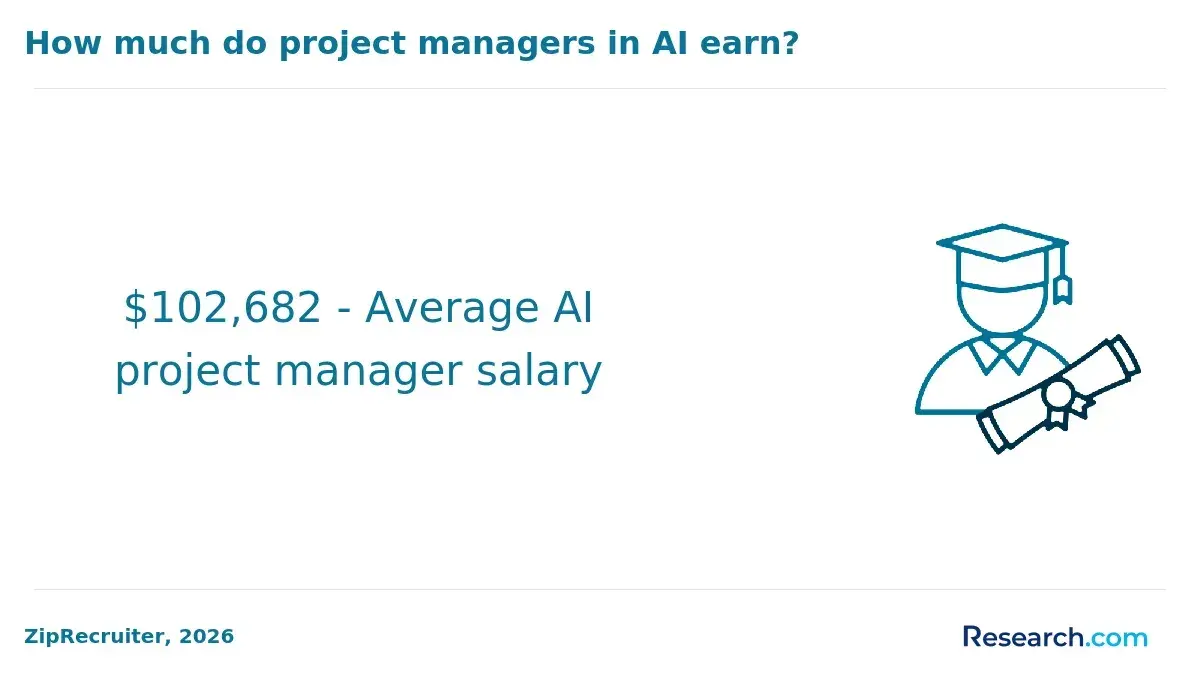
Salary ranges vary by role and experience. For instance, AI L&D specialists usually earn between $75,000 and $110,000 annually, while senior positions like AI learning strategists or L&D directors with AI expertise can exceed $130,000. According to data from LinkedIn Economic Graph, individuals in learning and HR roles holding at least one AI-related certificate saw a 37% increase in recruiter InMail messages within six months.
Career advancement options include transitioning into AI project management, AI change management consulting, and AI-driven talent analytics. Success in these areas requires blending AI knowledge with foundational L&D skills, focusing on data literacy and digital fluency. Keeping AI skills current is essential due to rapidly evolving tools and platforms shaping workplace learning.
Key competencies for AI-trained L&D experts involve mastering AI-powered content personalization, understanding ethical AI use in training, and developing implementation capabilities. This combined expertise not only affects organizational learning outcomes but also opens doors to leadership roles with competitive compensation.
How should HR and L&D leaders choose and implement AI training pathways for their teams?
HR and L&D leaders should create clear, role-based ai training pathways tailored to each team's specific needs, ensuring learning is relevant and immediately applicable. For example, data analysts may pursue advanced machine learning courses, while product managers focus on ai strategy and ethics. A PwC survey shows organizations with structured ai upskilling programs are 54% more likely to achieve positive ROI from ai investments compared to those relying on ad-hoc training.
Assessing existing skills through competency mapping helps identify gaps and prioritize training aligned with organizational goals and individual growth. Modular, scalable courses blending foundational theories with practical case studies work well. Combining self-paced online learning with instructor-led workshops caters to diverse learning preferences and reinforces knowledge retention.
Certification programs provide measurable proof of skill acquisition. Including recognized certificates from accredited providers enhances credibility and motivation. Tracking progress with KPIs linked to learning outcomes and business objectives is crucial for measuring impact.
Building internal champions fosters ongoing support and peer learning. Allowing teams to apply ai concepts in real projects helps consolidate knowledge and demonstrate ROI to stakeholders. Structured, role-specific, and continuously assessed learning journeys are best practices to embed ai capabilities effectively in L&D teams.
Other Things You Should Know About Artificial Intelligence
In 2027, some of the top AI courses for learning and development teams include "AI for Everyone" by Coursera, "Deep Learning Specialization" by Coursera, and "AI and Machine Learning for Business" by Udacity. These courses offer certifications and are designed to enhance the skill sets of L&D teams by providing practical knowledge and application.
A foundational understanding of mathematics, particularly linear algebra, calculus, probability, and statistics, is important for grasping artificial intelligence concepts. While some introductory courses minimize heavy math to build practical skills first, advanced AI studies and development require solid mathematical knowledge to design algorithms and interpret results accurately.
Artificial intelligence is transforming workplace learning by enabling personalized training experiences, automating routine tasks, and analyzing learner performance for targeted improvements. AI-powered tools help L&D teams efficiently design, deliver, and evaluate training, enhancing employee engagement and skill acquisition across industries.
Ethics in artificial intelligence education covers issues like bias in algorithms, data privacy, transparency, and the social impact of AI systems. Courses increasingly include modules on responsible AI development and deployment to prepare professionals to recognize and mitigate potential harms in real-world applications.
References
- Artificial Intelligence and Accreditation: Does It Really Help Us? https://nac-us.org/2025/11/25/artificial-intelligence-and-accreditation-does-it-really-help-us/
- AI Certifications | Compare Levels & Outcomes https://www.becomeaicertified.com/learning-solutions-for-individuals
- Top 10 AI Learning Platforms for 2026: Features, Benefits, and How to Choose https://www.docebo.com/learning-network/blog/ai-learning-platforms/
- Certificate in AI-Powered Learning & Development | Informa Connect Academy https://informaconnect.com/certificate-in-ai-powered-learning-development/
- CLO Skills: Drive Corporate Learning with AI & LMS https://www.techclass.com/resources/learning-and-development-articles/essential-skills-for-modern-clos-driving-corporate-training-with-ai-and-lms
- How AI Is Rewriting Career Growth for Learning Professionals https://www.digitallearninginstitute.com/blog/how-ai-is-rewriting-career-growth-for-learning-professionals
- AI - Artificial Intelligence | London Business School https://www.london.edu/executive-education/ai
- AI Upskilling Programs: Budget and Time Allocation Templates (The Planner's Playbook) https://skillseek.eu/answers/ai-upskilling-programs-budget-and-time-allocation-templates
- AI in HR Learning & Development: A Complete Guide https://www.candoriq.com/blog/ai-in-hr-learning-and-development
- Top 7 artificial intelligence courses 2025: Comparison of the best online programs https://xd-i.com/en/data-en/ai-courses/