2027 Best Agentic AI Learning Paths for Professionals

Co-Founder and Chief Data Scientist
Professionals with backgrounds unrelated to artificial intelligence often face steep learning curves when trying to enter the AI industry. Balancing work and study makes it challenging to find efficient, accredited programs tailored to their needs. Many feel overwhelmed by the sheer volume of technical skills required and uncertain about which learning paths offer the best return on investment.
This article examines agentic AI learning paths designed for flexible engagement and career transition. It highlights accredited options that prioritize practical skills, enabling professionals to pivot confidently into AI roles without the burden of lengthy or inaccessible programs.
Key Things You Should Know
- Agentic AI learning paths emphasize autonomy and decision-making skills, with 65% of professionals in 2025 choosing programs that integrate real-world problem solving alongside theoretical knowledge.
- Interdisciplinary training combining AI ethics, cognitive science, and software engineering is increasingly crucial, addressing the 42% projected growth in agentic AI roles by 2030.
- Certification from accredited institutions correlated with a 30% salary premium, highlighting the value of recognized credentials in evolving AI-driven job markets.
Advance Your Career with AI Online Courses
Artificial Intelligence: Implications for Business Strategy
This program provides an introduction to Artificial Intelligence and their implications for business strategy. Earn an official digital certificate.

Oxford Artificial Intelligence Programme
Explore this Oxford Artificial Intelligence programme offered in a flexible learning environment and explore topics like machine learning, automation, and robotics.

Implementing Agentic AI: Building Your Organizational Playbook
This online MIT Agentic AI course offers a practical approach to deploying AI agents in your organization, including a custom playbook. 3 weeks, exclusive launch price.

AI Adoption: Driving Business Value and Impact
This online MIT AI Adoption: Driving Business Value and Impact offers practical frameworks to close the gap between AI potential and business reality.

Artificial Intelligence in Pharma and Biotech
Discover the applications and limitations of artificial intelligence in pharma and biotech with this MIT online short course.

What is an agentic AI learning path for professionals and how does it work?
An agentic AI learning path for professionals in the US offers specialized training to develop, manage, and deploy AI systems that function autonomously with goal-driven behavior. These paths highlight how AI agents perceive environments, make independent decisions, and act effectively in dynamic contexts, emphasizing autonomy, adaptability, and continuous learning over general AI concepts.
This approach enhances professional learning and development by combining theoretical knowledge with practical skills in areas like reinforcement learning, multi-agent systems, and human-AI interaction. Professionals often engage in projects such as autonomous decision-making for supply chain optimization or customer service automation, where systems operate without constant human oversight.
Structured in stages, these learning paths begin with fundamentals like machine learning algorithms and data structures, progress to agent-environment modeling and simulation tools, and advance to deploying agentic AI in cloud platforms while monitoring and troubleshooting live systems. This progression ensures mastery of both concepts and applied techniques.
According to IBM's Gen AI Workforce study, 39% of companies worldwide have deployed AI, including agentic and generative systems, with 42% exploring these technologies, underscoring the demand for professionals skilled in autonomous AI implementation and operational integrity. For those considering a career in this field, exploring a data science major ranking can provide valuable insight into affordable and reputable programs that align with developing skills in agentic AI.
Advance Your Career with AI Online Courses
Artificial Intelligence: Implications for Business Strategy
This program provides an introduction to Artificial Intelligence and their implications for business strategy. Earn an official digital certificate.
Oxford Artificial Intelligence Programme
Explore this Oxford Artificial Intelligence programme offered in a flexible learning environment and explore topics like machine learning, automation, and robotics.
Implementing Agentic AI: Building Your Organizational Playbook
This online MIT Agentic AI course offers a practical approach to deploying AI agents in your organization, including a custom playbook. 3 weeks, exclusive launch price.
Which professionals benefit most from agentic AI upskilling, reskilling, or career transitions?
Professionals gaining the most from agentic AI career development for professionals include machine learning engineers, data scientists, software developers, and automation specialists. These roles engage deeply with AI systems and benefit from advancing beyond traditional AI models to agentic AI, which features autonomous decision-making and orchestration across complex workflows. For instance, ML engineers upskilling to deploy agentic AI solutions drive innovation in industries like finance, healthcare, and manufacturing.
Product managers and AI strategists find value in understanding agentic AI capabilities, helping them design and manage AI-driven services that continuously adapt without manual input. Business analysts and operations professionals involved in digital transformation also leverage agentic AI to streamline processes, achieving measurable efficiency gains.
High-demand hybrid roles, such as AI system integrators who combine software engineering with domain expertise, find agentic AI skills essential for building adaptable, end-to-end AI solutions. Transitioning into agentic AI often requires mastering automated orchestration tools and reinforcement learning frameworks, key components of systems that independently set and adjust goals. This highlights the upskilling and reskilling benefits with agentic AI for professionals aiming to expand their expertise.
According to McKinsey's 2024 State of AI report, organizations using advanced AI with agentic-style automation are 2.5 times more likely to report revenue gains over 10% than others, underscoring the ROI of developing agentic AI skills. For those interested in further education, pursuing an online masters in AI can be a strategic step to capitalize on this career momentum.
What types of agentic AI learning paths exist, from microcredentials to full degrees?
Agentic AI professional learning pathways in 2026 range from targeted microcredentials to comprehensive full degree programs, designed to meet different career ambitions and schedules. Microcredentials and certificate offerings focus on skills such as orchestration frameworks, tool-calling, and autonomous agent design. These programs suit professionals seeking rapid upskilling or career changes without a full-degree commitment.
Professional certificates often last weeks to months, emphasizing practical projects that apply agentic AI concepts directly to real-world scenarios. Examples include vendor-specific cloud certifications and intensive bootcamps centered on AI agent development.
Bachelor's and master's degrees in computer science, data science, or related fields increasingly feature specialized agentic AI tracks or electives. These programs deliver deeper theoretical insights, covering complex system design, ethics, and multi-agent coordination. Master's degrees typically incorporate research and industry collaborations to advance innovation in autonomous intelligence.
Doctoral programs remain the most thorough option for those focused on cutting-edge AI research or academic careers, concentrating on frameworks for agent reasoning, tool use, and scalable multi-agent systems. According to LinkedIn's analysis of AI job postings, openings highlighting orchestration frameworks, tool-calling, or "AI agents" increased over 70% year-over-year, outpacing overall AI job growth. This highlights the growing demand for specialized education in agentic AI.
For those exploring affordable education avenues in related fields, exploring cyber security schools online can provide insights into accessible program options supporting career advancement.
How do online agentic AI programs compare with campus and hybrid formats for working adults?
Online agentic AI learning programs offer working adults the flexibility to balance study and job responsibilities more effectively than campus and hybrid options. Asynchronous coursework allows learners to study on their own schedule, an essential feature for professionals with variable hours or frequent travel. This flexibility supports timely skill application in current projects.
Campus programs provide immersive, face-to-face interaction and networking but often have rigid schedules that can clash with full-time work. Hybrid models try to combine online convenience with some in-person engagement, yet fixed campus sessions may still pose challenges for those managing multiple priorities. For professionals balancing work and study, flexible agentic AI education formats tend to outperform hybrid and campus options in both scalability and time efficiency.
Enrollment data highlights this trend: Coursera's surge in courses tagged with "Generative AI" or "AI agents" grew over 1,500% from 2023 to 2024, reflecting a growing demand for accessible online AI education among professionals.
Practical benefits of online learning include:
- Immediate skill application to current jobs
- Lower commuting and relocation costs
- Access to diverse instructor expertise and global peer collaboration
- Challenges with building professional networks compared to in-person settings
For those interested in advancing AI expertise further, exploring an online data science PhD can provide deeper specialization and career growth opportunities.
What prerequisites and admission requirements do agentic AI certificates and degrees typically have?
Agentic AI certificates and degrees generally require a strong foundation in computer science, mathematics, and programming. Applicants are expected to have completed coursework in linear algebra, calculus, statistics, and data structures. A bachelor's degree in STEM fields, business analytics, or computer science is typically required, especially for graduate certificates and master's degrees. Some executive programs may accept professionals with relevant work experience complemented by demonstrated technical skills.
Admission criteria differ by program type:
- Certificate programs require proficiency in at least one programming language such as Python or R and a basic understanding of AI concepts.
- Master's programs often need GRE or GMAT scores, transcripts showing quantitative strength, and a statement of purpose outlining AI-related career goals.
- Executive education usually demands several years of managerial experience and evidence of involvement in digital transformation or AI projects.
Curricula increasingly blend business problem-solving with agentic AI, aligning with recruiter demands. According to the GMAC Corporate Recruiters Survey, 71% of recruiters hiring MBA and executive-education graduates expect proficiency in applying AI to business problems. Therefore, programs emphasize both technical expertise and leadership applications.
Prospective students should demonstrate hands-on experience with AI tools like TensorFlow or PyTorch and familiarity with generative AI platforms. Those lacking formal education in these areas are advised to pursue introductory MOOCs or bootcamps to strengthen their readiness for the quantitative and strategic challenges of agentic AI education.
What core skills, tools, and coursework are covered in agentic AI learning paths?
Agentic AI learning paths focus on core skills necessary for building and managing autonomous AI agents. Key competencies include programming, especially in Python, alongside foundational machine learning concepts like supervised and reinforcement learning. Typical coursework covers decision-making algorithms, natural language processing, multi-agent systems, and ethical considerations in AI implementation.
Training often involves tools such as TensorFlow, PyTorch, and agent-based simulation platforms. Notably, Gartner's 2024 emerging technology forecast highlights the growing importance of no-code and low-code platforms. By 2026, 75% of enterprise AI solutions are expected to be developed using these simplified tools or by integrating prebuilt AI components, making agentic AI more accessible for professionals without deep coding expertise.
Students also learn how to integrate AI agents with APIs, cloud services, and automation workflows. Coursework includes testing and validation to ensure agents function correctly in dynamic settings. Risk management and compliance modules cover bias mitigation and data privacy challenges.
Effective programs strike a balance between theory and hands-on practice, preparing learners to customize agent behaviors and resolve multi-agent conflicts. For non-technical users, no-code/low-code tracks provide an essential pathway to design AI agents without requiring extensive software engineering skills.
How can I evaluate accreditation and program quality for agentic AI education in the U.S.?
Confirm that any agentic AI education program holds accreditation from agencies recognized by the U.S. Department of Education or the Council for Higher Education Accreditation (CHEA). Programs without this accreditation often lack broad acceptance by employers or academic institutions, diminishing the value of their credentials.
High-quality curricula emphasize practical skills in multi-agent systems and end-to-end process automation, reflecting current industry standards. McKinsey's 2024 "One year of agentic AI" review highlights that multi-agent workflows can enhance productivity by 30-60%, underscoring the importance of mastering these capabilities.
Look for programs featuring project-based learning that help develop portfolios covering both single-agent and multi-agent implementations. Verify that courses incorporate widely used AI frameworks and tools and assess instructor expertise through faculty credentials and their contributions to agentic AI research or industry.
Graduate outcomes provide a key indicator of program quality. Investigate metrics such as placement rates, employer partnerships, and alumni success stories related to agentic AI roles. Transparency in these areas signals institutional dedication to career advancement.
What do agentic AI programs cost, and what financial aid or employer support is available?
Agentic AI education costs vary significantly based on program depth, specialization, and institution. Entry-level training generally costs between $1,000 and $5,000, providing foundational skills for AI agent development. Specialized certifications in fields like finance or healthcare often range from $8,000 to $25,000, reflecting the value of tailored expertise. These advanced programs equip professionals to leverage agentic AI where it generates substantial industry benefits.
Reports from McKinsey reveal domain-specific agentic AI can create enormous economic value: financial services potentially add $200-$340 billion annually, while healthcare and life sciences contribute $60-$110 billion. Such data highlight the career and financial advantages of focusing on specialized agentic AI education.
Financial aid options include merit-based scholarships, income-share agreements, and installment plans. Many providers partner with employers to offer tuition subsidies or reimbursements, especially in sectors proactively adopting AI solutions. Prospective students should explore whether their employers support AI skill development through professional development budgets or tuition assistance.
Cost-saving approaches involve employer-sponsored cohort learning, which lowers individual expenses while fostering team readiness. Online courses often deliver flexible pricing and lower fees compared to on-site programs. Evaluating program return on investment by projecting salary increases or improved roles post-certification is advised.
What careers, job titles, and industries can agentic AI training prepare professionals for?
Agentic AI training develops professionals skilled in autonomous decision-making and AI tool integration, opening diverse career opportunities such as AI engineer, AI product manager, machine learning engineer, and AI system architect. These roles focus on building and managing AI agents that orchestrate complex tasks across industries.
Key sectors benefiting from agentic AI expertise include technology, healthcare, finance, manufacturing, and logistics. In healthcare, AI professionals work on autonomous diagnostic and treatment planning tools, while finance experts develop AI agents for real-time risk and portfolio management. Manufacturing and logistics leverage AI architects to enhance automation workflows and predictive maintenance.
Job titles range beyond engineering to include AI research scientist, data scientist specializing in agentic AI, robotics engineer, AI strategist, and AI operations lead. These roles require skills in agent coordination and integrating autonomous AI within business processes to boost efficiency and innovation.
Emerging positions in AI ethics compliance and governance highlight the importance of responsible deployment of autonomous systems. This broad applicability addresses employer demand for talent combining AI expertise with practical business operations.
A Glassdoor analysis reports that AI engineers and product managers experienced with agents and orchestration earn 18-25% more than comparable senior software positions without AI specialization, underscoring the value of agentic AI skills for sustainable career growth.
What are the salary ranges and job outlook for professionals with agentic AI expertise?
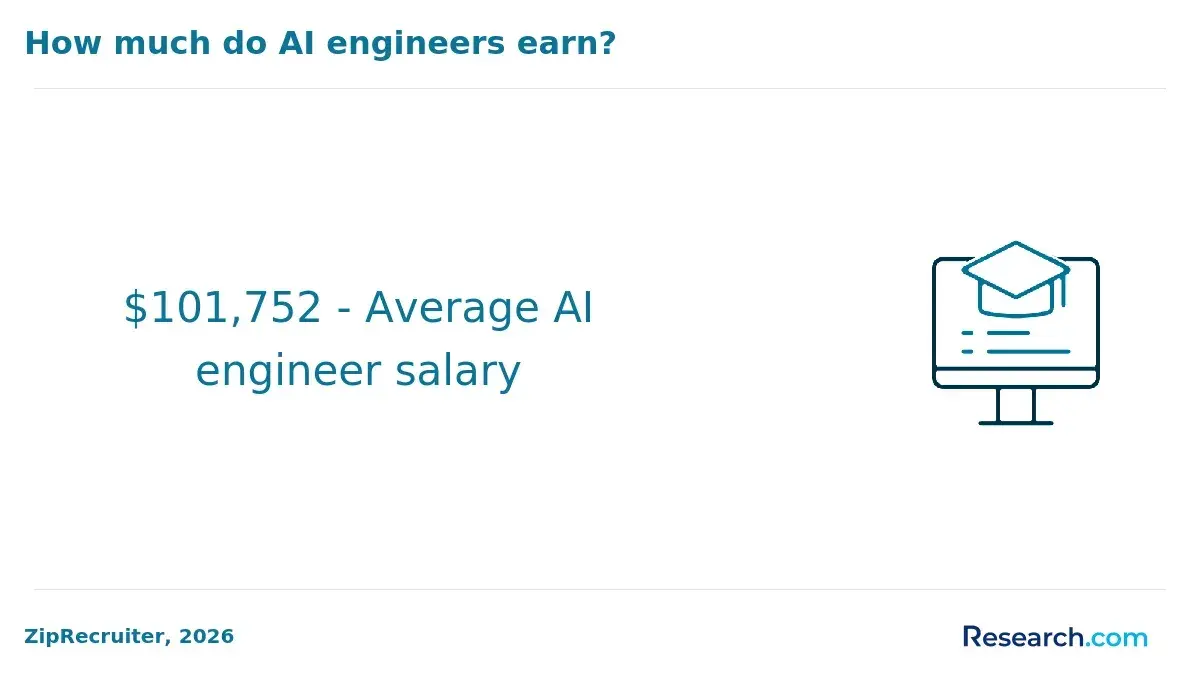
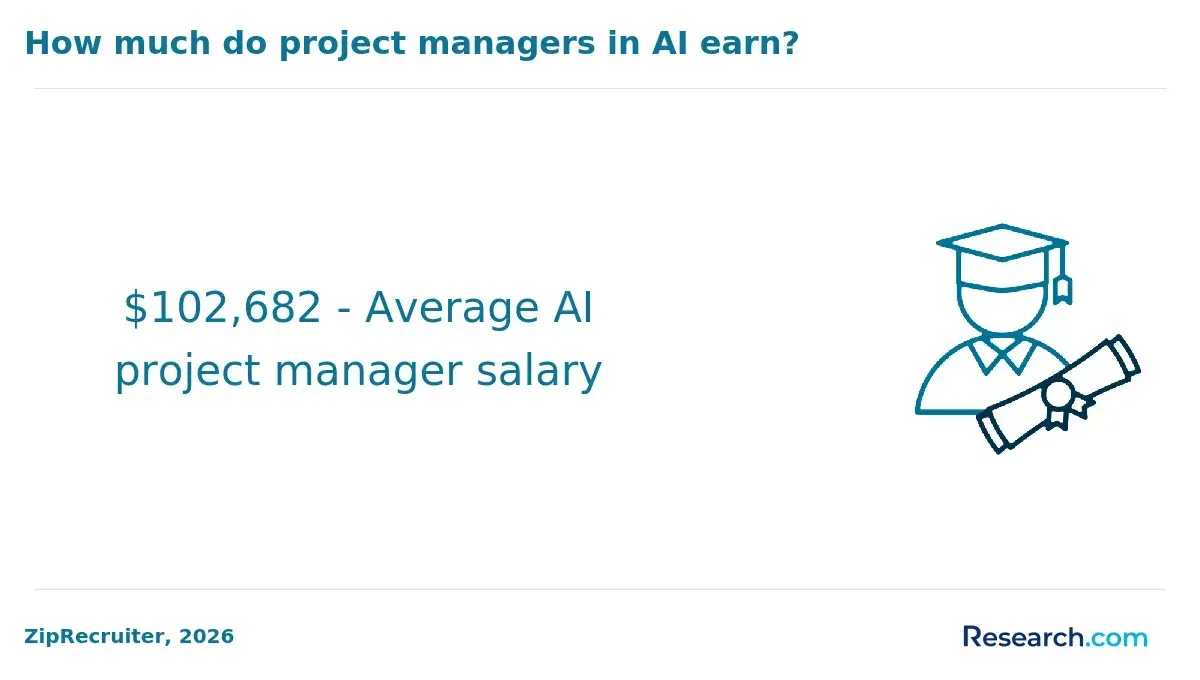
Agentic AI professionals in the U.S. can expect salaries ranging from $110,000 to $180,000 annually, varying by experience, role, and industry. Entry-level roles in AI development and data science typically start between $90,000 and $110,000. Mid-career positions such as AI system architects, machine learning engineers, and AI product managers earn from $130,000 to $160,000, while senior AI strategists and research scientists with specialized agentic AI expertise can exceed $180,000, especially in major tech hubs like San Francisco, New York, and Boston.
The demand for agentic AI talent continues to grow rapidly, driven by over 50 new agentic AI tools and orchestration platforms introduced in the last year, according to McKinsey's 2024 technology scan. This increase in technology adoption fuels a strong job market, prioritizing skills in autonomous system design, integration, and ethical AI practices.
Important roles consist of AI systems integrators who link agentic AI components with core business workflows and ethics specialists guiding responsible design. Staying current with toolkits and frameworks is essential to maintain competitiveness and command premium salaries.
Other Things You Should Know About Artificial Intelligence
Ethical considerations in artificial intelligence education include bias mitigation, transparency, data privacy, and accountability. Programs often incorporate coursework on responsible AI development and the societal impact of AI applications. Understanding these issues equips professionals to design and deploy AI systems that comply with legal standards and ethical norms.
Yes, studying artificial intelligence enhances problem-solving capabilities by teaching logical reasoning, algorithmic thinking, and data analysis. AI education fosters an analytical approach to tackling complex challenges across various industries. This skill set is valuable for professionals looking to innovate and optimize processes in their fields.
Programming knowledge is fundamental to most artificial intelligence learning paths, with languages like Python being commonly used. While some introductory courses require minimal coding, advanced study and practical application usually depend on strong programming skills. Mastery of programming enables learners to implement AI models, manipulate data, and customize solutions effectively.
References
- Upskilling & Reskilling With AI: A Strategic View https://beamery.com/resources/blogs/upskilling-reskilling-with-ai-a-strategic-view
- Agentic AI Jobs in 2026: Skills, Careers & Industry Demand https://online.iitkgp.ac.in/blog/agentic-ai-jobs
- What is Agentic AI? How does it help AP Automation? | Medius https://www.medius.com/glossary/what-is-agentic-ai/
- 9 essential benefits of agentic AI in financial services https://www.symphonyai.com/resources/blog/financial-services/benefits-agentic-ai/
- Agentic Replace Jobs for Business | Gaper.io - Gaper.io | AI Agents https://gaper.io/will-agentic-ai-replace-jobs/
- Upskilling for Agentic AI: Must-Have Skills for Employees https://gleematic.com/upskilling-employees-for-agentic-ai/
- Jobs in Agentic AI: Roles, Skills & Career Scope https://www.knowledgehut.com/blog/artificial-intelligence/jobs-in-agentic-ai
- 10 New Jobs Created by AI: Is One Right for You? https://www.salesforce.com/blog/ai-jobs/
- Agentic AI on Google Cloud | Google Skills https://www.skills.google/paths/3273
- Agentic AI Careers India 2026: Skills, Salaries & Jobs - Edzor https://www.edzor.com/blogs/agentic-ai-careers-india-2026-skills-salaries-jobs