2027 Best AI Courses for Pharma Commercial Leaders

Co-Founder and Chief Data Scientist
Pharma commercial leaders face increasing pressure to integrate ai tools into marketing, sales forecasting, and customer engagement to stay competitive. However, many lack formal training to leverage ai effectively and struggle to identify relevant courses that fit demanding schedules. This skills gap hampers decision-making and innovation, causing missed opportunities in a rapidly evolving industry.
Navigating the vast range of educational options can overwhelm professionals aiming for a strategic pivot. This article examines top ai courses tailored for pharma commercial leaders, focusing on accredited, flexible programs designed to build practical expertise and drive career growth.
Key Things You Should Know
- Leading AI courses for pharma commercial leaders focus on applications in drug marketing, sales forecasting, and personalized customer engagement, reflecting demands from 2024-2025 industry trends.
- By 2025, 68% of pharma companies report increased revenue from AI-driven commercial strategies, making AI expertise critical for leadership roles.
- Top programs blend data science, machine learning, and pharmaceutical business insights, often emphasizing real-world case studies and regulatory compliance in the U.S. market.
Advance Your Career with AI Online Courses
Artificial Intelligence: Implications for Business Strategy
This program provides an introduction to Artificial Intelligence and their implications for business strategy. Earn an official digital certificate.

Oxford Artificial Intelligence Programme
Explore this Oxford Artificial Intelligence programme offered in a flexible learning environment and explore topics like machine learning, automation, and robotics.

Implementing Agentic AI: Building Your Organizational Playbook
This online MIT Agentic AI course offers a practical approach to deploying AI agents in your organization, including a custom playbook. 3 weeks, exclusive launch price.

AI Adoption: Driving Business Value and Impact
This online MIT AI Adoption: Driving Business Value and Impact offers practical frameworks to close the gap between AI potential and business reality.

Artificial Intelligence in Pharma and Biotech
Discover the applications and limitations of artificial intelligence in pharma and biotech with this MIT online short course.

What are the best AI courses for pharma commercial leaders?
The best AI courses for pharma commercial leaders focus on practical applications of data analytics, machine learning, and AI-driven customer insights tailored to pharmaceutical markets. These programs combine domain-specific knowledge with advanced AI techniques, enabling commercial leaders to redesign go-to-market strategies effectively.
For instance, courses often include modules on predictive analytics for sales forecasting, real-world patient data interpretation, and AI-powered market segmentation, empowering leaders to leverage technology in decision-making. High-value offerings include case studies on AI's impact in pharma commercialization, covering digital sales force optimization and personalized marketing.
Executive education programs from esteemed institutions such as MIT Sloan and Stanford provide specialized certificates aligned with evolving industry needs, emphasizing AI ethics, regulatory considerations, and value-based healthcare models. Leaders seeking flexible options find comprehensive top online artificial intelligence training for pharmaceutical executives available through platforms partnering with universities.
These programs blend hands-on workshops with strategic frameworks to address challenges like data integration and technology adoption barriers effectively. According to Deloitte's 2024 Global Life Sciences Outlook, 79% of biopharma commercial leaders expect AI to reshape their go-to-market model within three years, yet only 24% consider their AI adoption advanced.
These courses help close this adoption gap by developing practical AI tool skills, strategic implementation tactics, and accelerating organizational AI maturity, ensuring commercial strategies remain competitive and future-ready. Prospective students can also explore related fields, such as a computer science degree online, which often incorporate valuable AI fundamentals useful for pharmaceutical executives.
Advance Your Career with AI Online Courses
Artificial Intelligence: Implications for Business Strategy
This program provides an introduction to Artificial Intelligence and their implications for business strategy. Earn an official digital certificate.
Oxford Artificial Intelligence Programme
Explore this Oxford Artificial Intelligence programme offered in a flexible learning environment and explore topics like machine learning, automation, and robotics.
Implementing Agentic AI: Building Your Organizational Playbook
This online MIT Agentic AI course offers a practical approach to deploying AI agents in your organization, including a custom playbook. 3 weeks, exclusive launch price.
Which AI skills matter most in pharmaceutical commercial roles?
Pharma commercial leaders increasingly require key AI skills for pharma commercial leaders to effectively utilize data analysis, machine learning, and AI-driven customer insights. Harnessing large datasets allows executives to identify market trends, predict prescribing behaviors, and tailor marketing strategies for better targeting. Predictive modeling enhances segmentation, driving success in promotional campaigns.
Proficiency in natural language processing (NLP) is a vital artificial intelligence capability in pharmaceutical sales, as it helps analyze unstructured data like physician feedback and social media conversations. This provides real-time insights on product perception and patient sentiment that shape commercial approaches. Knowledge of AI-powered automation tools also improves sales force deployment and territory management efficiency.
Strategic decision-making bolstered by AI distinguishes top-performing pharma commercial executives. Those skilled in interpreting AI output balance regulatory requirements, ethical marketing, and business objectives to optimize results. For instance, applying AI to forecast drug demand or refine pricing strategies demands a blend of technical understanding and industry expertise.
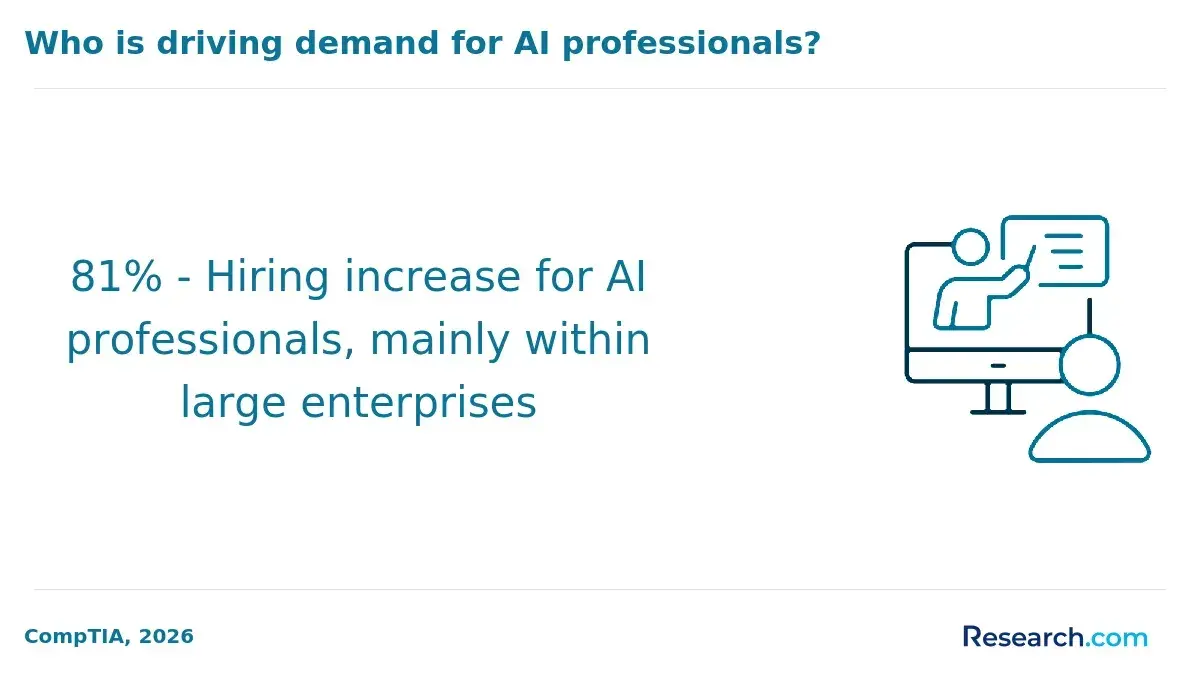
Strong interpersonal skills enable leaders to collaborate with AI specialists and turn complex data into actionable commercial strategies. Bridging the gap between AI technology and business functions accelerates innovation and adoption in the pharmaceutical sector. The growing market demand for AI-savvy pharma commercial executives increased 36% in 2024, far outpacing the 11% growth for non-AI roles, reflecting clear industry preference.
For those considering career advancement, combining pharmaceutical expertise with AI knowledge can be supported by pursuing relevant educational programs, such as a mechanical engineer degree, which often covers foundational analytical and computational skills valuable in AI applications.
Are online AI courses better than in-person programs for pharma leaders?
Online AI courses offer pharma commercial leaders crucial flexibility, allowing engagement with content at personalized paces despite demanding schedules. These programs frequently provide access to updated resources and global expert instructors, removing geographical limitations. Leaders benefit from specialized modules that integrate pharma commercial strategies with AI tools, enhancing practical relevance.
Data highlights a 7.2% uplift in brand revenue within 12 months for biopharma commercial leaders who complete external AI or data science executive programs, compared to 2.9% without such training. Such measurable impact underscores the value of focused executive education in AI.
Choosing between in-person vs online AI training programs for pharma executives depends on learning preferences and goals. In-person formats offer immersive networking and hands-on workshops, ideal for those seeking mentorship and cohort collaboration. Hybrid models can also provide balance by combining online flexibility with select in-person engagement.
For those aiming at rapid skill acquisition and continuous updates aligned with AI trends, online courses generally prove superior. Pharma leaders assessing options might explore data science degrees available online that cater to evolving industry needs. Overall, best online AI courses for pharma commercial leaders present greater accessibility, current content, and tangible business benefits suited to today's commercial environment.
What should a pharma AI course curriculum include?
A pharma commercial leaders AI course curriculum essentials should blend technical, strategic, and ethical content tailored for leadership roles. Core competencies for AI in pharmaceutical commercial strategy include foundational machine learning, natural language processing applied to biomedical information, and predictive analytics for customer targeting and market segmentation.
These core skills help leaders interpret AI outputs and align them with commercial goals effectively. Strategic modules often emphasize AI-driven decision frameworks, case studies on pharma marketing applications, and ROI measurement techniques. Practical exercises may simulate optimizing sales rep deployments and digital engagement strategies to help leaders transform data insights into actionable tactics.
Ethics and regulatory issues are also vital. Topics such as FDA compliance, patient data privacy, and mitigating algorithmic bias ensure responsible AI use. Understanding these risks helps maintain trust and legal adherence in commercial settings.
Soft skills like AI literacy, change management, and collaboration with data science teams strengthen leaders' capacity to sponsor and drive AI projects. For example, MIT Sloan's executive program on Artificial Intelligence in Pharma and Biotech reports that 68% of participants lead or sponsor new AI use cases within six months, achieving 20-30% reductions in project time-to-insight.
Emerging content on generative AI applications and real-world data integration further enriches programs. Structured mentoring or capstone projects help solidify learning by applying AI directly to commercial challenges. For those exploring roles in teaching AI, resources on AI trainer jobs provide valuable guidance.
What admissions requirements do AI courses for pharma leaders have?
AI courses designed for pharma commercial leaders typically require a blend of professional experience and academic qualifications to ensure participants can apply advanced techniques effectively. Applicants usually need a background in pharmaceutical sciences, healthcare, business, or data analytics, with most programs expecting three to five years of experience in commercial strategy, marketing, or related roles within pharmaceutical or biotech industries.
A bachelor's degree in a relevant field is generally mandatory. Top-tier programs, such as those linked to reputable institutions or Harvard Medical School's AI in Health Care initiative, may also ask for evidence of quantitative skills demonstrated through prior coursework or standardized test results. While not always compulsory, practical knowledge of programming languages or statistical software is highly recommended due to the technical demands of AI applications.
Admission processes often require a detailed statement of purpose outlining candidates' goals in applying AI to commercial leadership challenges. Letters of recommendation from industry supervisors or academic mentors improve application strength. Some courses include interviews or case study assessments to evaluate problem-solving and strategic thinking skills in pharma contexts.
Harvard Medical School's 2024 survey data shows 72% of commercial and strategy leaders launched at least one AI-enabled decision-support or personalization initiative within a year of completing such courses. This reflects the value of rigorous admissions criteria in preparing leaders to drive measurable AI integration.
How long do AI courses for pharma commercial leaders take?
AI courses designed for pharma commercial leaders vary widely in duration and depth, catering to different professional needs. Many programs fall between 4 and 12 weeks, offering a balance of comprehensive content and practical application for busy professionals seeking to quickly integrate AI concepts into their work.
Shorter courses, usually spanning 8 to 20 hours, focus on foundational AI topics like machine learning basics and data-driven decision-making. These are ideal for leaders aiming to rapidly upskill and incorporate generative AI tools into pharmaceutical marketing strategies. More intensive programs last 3 to 6 months, blending theoretical knowledge with hands-on projects and case studies.
Such courses deepen understanding of AI's role in healthcare professional engagement, predictive analytics, and customer targeting. For instance, modules on generative AI content creation directly relate to a documented 15-20% rise in HCP engagement, according to a study involving 25 global pharma companies.
When choosing a course, consider whether the goal is rapid adoption or strategic mastery. Flexible, part-time, self-paced courses suit those needing convenience, while cohort-based programs offer mentorship and peer collaboration over longer periods. This range of formats enables pharma commercial leaders to select AI education that fits their schedules and maximizes practical value in a competitive industry.
How much do AI courses for pharma leaders cost?
AI courses tailored for pharma commercial leaders vary significantly in cost, depending on provider, depth, and credential level. Entry-level options from platforms like Coursera, edX, and Datacamp typically range from $300 to $2,000 per specialization or certificate. For instance, a Coursera Professional Certificate in AI generally costs between $39 and $79 per month, with most learners completing it within 3 to 6 months.
More comprehensive executive education or university-led certificates often cost between $5,000 and $15,000+, offering extensive curricula and personalized coaching. For those seeking flexibility, part-time or modular courses allow payment by course or subscription. Short workshops, bootcamps, or webinars focusing on pharma-specific applications usually cost under $500, providing targeted upskilling without long-term commitment.
- Additional expenses may include software licenses, cloud fees, or time off work.
- Look for financial aid, employer sponsorship, or bundled courses to reduce costs.
- Prioritize programs featuring practical pharma AI applications, case studies, and networking opportunities.
According to Coursera's Global Skills Report 2024 - Health & Life Sciences, pharma professionals moving into AI-driven roles after course completion saw a median salary increase of 46%. This demonstrates the tangible career benefits of investing in AI education aligned with advancement goals.
Which certifications help pharma commercial leaders prove AI expertise?
Certifications that validate AI expertise for pharma commercial leaders focus on practical application in business strategy, data analytics, and regulatory compliance. Key certifications include Certified Artificial Intelligence Professional (CAIP), which centers on deploying AI in commercial operations and interpreting AI-driven market data.
Pharma Analytics and AI Certification, designed for pharmaceutical professionals covering AI in drug marketing, sales forecasting, and patient engagement; and AI for Business Leaders by renowned universities, offering a strategic view on AI adoption, ethical considerations, and scalability.
These certifications demonstrate the ability to integrate AI technologies with business goals, vital for leadership roles. Hands-on experience with AI tools is increasingly essential, especially as 61% of large pharma companies (over $10B revenue) launched or expanded internal AI academies or structured training programs for commercial teams, up from 34% previously, per the IQVIA Institute.
Leaders should seek certifications featuring advanced data analytics, AI-driven customer insights, and pharma regulatory compliance. Programs offering real-world case studies on AI in sales optimization and digital marketing provide added value. Additionally, certifications covering machine learning fundamentals alongside data privacy and ethical AI use better prepare professionals for evolving regulatory environments.
Consider programs granting continuing education credits or industry-recognized badges to show ongoing commitment. Certifications from institutions partnering with pharma companies enhance credibility and career relevance.
What jobs can pharma leaders pursue after AI training?
Pharma leaders proficient in artificial intelligence pursue roles that leverage data-driven insights to enhance commercial strategies. Common positions include AI strategy director, advanced analytics manager, and digital transformation leader within pharmaceutical companies, focusing on designing AI models to forecast market trends, personalize marketing, and improve customer engagement.
Other roles include product lifecycle managers who apply machine learning to predict product success and sales operations analysts who integrate AI to streamline workflows. Pharma commercial leaders often transition into consulting, guiding organizations on AI adoption and regulatory compliance.
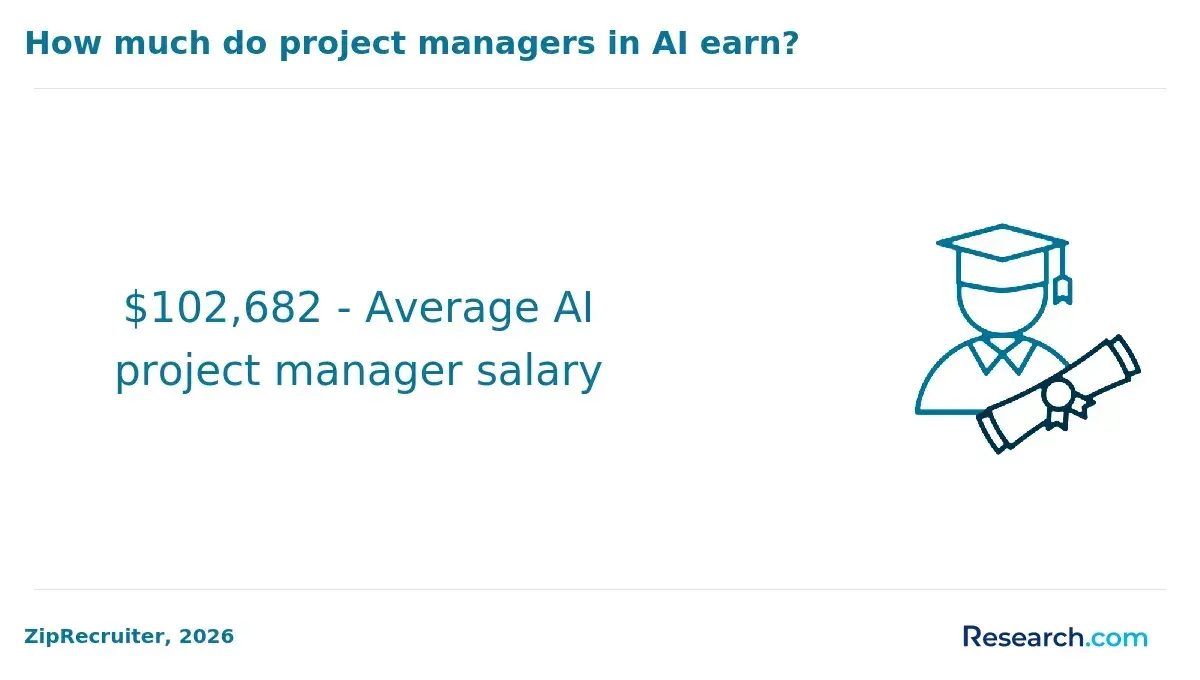
AI project managers oversee cross-functional teams to deploy solutions that boost sales force effectiveness and optimize payer negotiations. Their role is key in bridging data scientists and commercial teams to translate analytics into business value.
These roles command significant career benefits. In the US and Western Europe, commercial VP and director jobs requiring AI or advanced analytics expertise earn a 12-18% salary premium compared to roles without such requirements, according to Mercer's Global Pharmaceutical Commercial Compensation Survey 2024.
Mastering AI frameworks enables pharma leaders to drive innovation, improve targeting precision, utilize real-world data, and enhance digital engagement, making their expertise highly valuable in the evolving pharmaceutical market.
How do you choose a reputable AI course for pharma professionals?
Choosing an AI course tailored for pharma commercial leaders means selecting programs focused on industry-specific needs. Structured, role-aligned courses provide measurable results. According to a McKinsey survey, executives completing such targeted programs were 3.5 times more likely to experience notable financial benefits from AI compared to those using ad hoc learning methods. This highlights the advantage of specialized training.
When evaluating courses, consider:
- Industry relevance: The curriculum should apply AI to pharma commercial uses, like drug marketing optimization, real-world evidence, and sales forecasting.
- Instructor expertise: Seek instructors with proven experience in pharma AI projects or academic research connected to commercial innovation.
- Practical application: Prioritize offerings with hands-on exercises, case studies, or relevant capstone projects.
- Certification and recognition: Check for credentials valued by pharma employers or professional bodies.
- Program format and duration: Look for flexible options such as online modules or intensive workshops that fit your schedule.
Additional factors include mentorship and peer networking, which support skill retention and practical implementation. Review alumni success stories and employer endorsements to compare outcomes. Avoid generic AI programs without pharma context; targeted education maximizes return on investment.
Other Things You Should Know About Artificial Intelligence
Artificial intelligence is enabling pharmaceutical companies to analyze vast datasets quickly, improving customer segmentation and targeting. It enhances forecasting accuracy and optimizes marketing campaigns by predicting customer behavior and preferences. As a result, AI helps commercial leaders make data-driven decisions and increase sales effectiveness.
Ethical concerns include ensuring data privacy, avoiding algorithmic bias, and maintaining transparency with stakeholders. Pharma commercial leaders must comply with regulations on patient data protection and ensure AI models do not reinforce discrimination. Responsible AI use is critical to uphold trust and regulatory standards in the industry.
Top AI courses for 2027 pharma commercial leaders include MIT's Executive Program in AI, Coursera's AI in Healthcare specialization, and Stanford's course on AI in Pharmaceuticals. These programs focus on the strategic implementation of AI and are tailored for leaders seeking to revolutionize commercial strategies in the pharma sector.
Common challenges include data quality issues, resistance to change among staff, and the need for specialized technical skills. Integration requires alignment between AI tools and business objectives, as well as ongoing training for teams. Overcoming these barriers is vital to successfully adopt AI in commercial operations.
References
- In-Demand Pharma Roles: AI, Manufacturing & Clinical Jobs | IntuitionLabs https://intuitionlabs.ai/articles/in-demand-pharma-roles
- Future Careers And Best Courses in Pharma, AI & Engineering https://nobleuniversity.ac.in/pharma-ai-emerging-careers-2025/
- The AI for Pharma Market Access Course https://www.celforpharma.com/course/ai-pharma-market-access-course
- Fundamentals of AI & ML for (Bio)Pharma: A Masterclass Introduction https://informaconnect.com/ai-fundamentals/
- Artificial Intelligence | ISPE | International Society for Pharmaceutical Engineering https://ispe.org/topics/artificial-intelligence
- Navigating the pharma jobs market in the AI era - PharmaJobs https://pharmajobs.co.uk/career-advice/navigating-the-pharma-jobs-market-in-the-ai-era/
- Ai in pharmaceutical industry course online - pharmaconsulting.ai https://pharmaconsulting.ai/ai-in-pharmaceutical-industry-course-online/
- Top Pharma Soft Skills Needed in [year] https://pharmuni.com/2025/07/03/soft-skills-pharma-post-ai-era/
- In-Person vs. Online Training in the Age of AI: Finding the Right Balance https://trainingindustry.com/articles/artificial-intelligence/in-person-vs-online-training-in-the-age-of-ai-finding-the-right-balance/
- 11 Upskilling & Reskilling Areas for Future Pharma Jobs https://www.pharmanow.live/hr-in-pharma/upskilling-reskilling-future-pharma-jobs