2027 Best AI Courses for First-Time Managers With Certificates

Co-Founder and Chief Data Scientist
Many first-time managers face the challenge of quickly adapting to leadership roles without a technical background in artificial intelligence. This gap often hinders effective decision-making and team guidance in AI-driven projects. Professionals seeking career growth need accessible, credible training that combines management fundamentals with AI knowledge. Certifications that validate skills can improve employability and organizational impact.
This article explores the best AI courses designed for first-time managers, highlighting flexible programs with accredited certificates. It aims to help readers identify options that build both leadership and technical competence for a smooth transition into AI-related management roles.
Key Things You Should Know
- First-time managers benefit from AI courses offering certificates that enhance leadership in tech-driven environments, with over 60% of graduates reporting improved decision-making skills as of 2025.
- Popular courses focus on practical AI applications in management, including data-driven strategy and ethical AI use, reflecting a 45% growth in enrollment from 2024 to 2025.
- Flexible online programs from accredited U.S. institutions provide up-to-date curriculum aligned with industry demands, ensuring certified managers stay competitive in evolving tech markets.
Advance Your Career with AI Online Courses
Artificial Intelligence: Implications for Business Strategy
This program provides an introduction to Artificial Intelligence and their implications for business strategy. Earn an official digital certificate.

Oxford Artificial Intelligence Programme
Explore this Oxford Artificial Intelligence programme offered in a flexible learning environment and explore topics like machine learning, automation, and robotics.

Implementing Agentic AI: Building Your Organizational Playbook
This online MIT Agentic AI course offers a practical approach to deploying AI agents in your organization, including a custom playbook. 3 weeks, exclusive launch price.

AI Adoption: Driving Business Value and Impact
This online MIT AI Adoption: Driving Business Value and Impact offers practical frameworks to close the gap between AI potential and business reality.

Artificial Intelligence in Pharma and Biotech
Discover the applications and limitations of artificial intelligence in pharma and biotech with this MIT online short course.

What makes an AI course valuable for first-time managers, and who should take one?
Valuable AI courses for first-time managers emphasize practical skills that boost decision-making, team leadership, and strategic planning. These programs cover core AI concepts, ethical considerations, and tools, alongside real-world management applications. For instance, managers benefit from learning how to use AI-driven analytics for performance evaluation and customer insights, enhancing project and team guidance. Certification adds credibility by confirming skills and readiness to incorporate AI into managerial roles.
First-time managers across various sectors should consider taking an AI management course to close skill gaps and stay competitive. A survey of 3,000 managers by Oracle found 72% believe they risk falling behind peers within two years without AI expertise, though only 28% feel well-trained. This data underscores urgent demand for early acquisition of AI knowledge among new leaders.
Who should take an AI management course? Those moving from technical roles to management, new supervisors in data-centric industries, and leaders in finance, healthcare, and marketing-especially those overseeing AI projects-gain the most. Additionally, managers focused on fostering innovation and integrating AI with business strategy and change management will find such courses essential.
Effective AI programs also address managing AI-related risks like bias, data privacy, and workforce impact through case studies and simulations. This training equips first-time managers to make ethical, well-informed decisions in rapidly evolving organizational environments. Career seekers interested in applied artificial intelligence jobs can explore key opportunities by visiting applied artificial intelligence jobs.
Advance Your Career with AI Online Courses
Artificial Intelligence: Implications for Business Strategy
This program provides an introduction to Artificial Intelligence and their implications for business strategy. Earn an official digital certificate.
Oxford Artificial Intelligence Programme
Explore this Oxford Artificial Intelligence programme offered in a flexible learning environment and explore topics like machine learning, automation, and robotics.
Implementing Agentic AI: Building Your Organizational Playbook
This online MIT Agentic AI course offers a practical approach to deploying AI agents in your organization, including a custom playbook. 3 weeks, exclusive launch price.
Which AI skills do new managers need to lead technical and nontechnical teams?
New managers must develop essential artificial intelligence competencies for first-time managers to lead both technical and nontechnical teams effectively. This includes a foundational understanding of generative AI, machine learning, data analysis, and how to integrate AI technologies. According to industry reports, AI-related skills rank among the fastest-growing requirements in manager job postings worldwide.
Managers overseeing technical teams need a solid grasp of algorithms and model training to align project goals with AI capabilities. Knowing concepts like data preprocessing or overfitting helps managers evaluate progress and provide informed feedback. This technical literacy ensures accurate assessment of team output and realistic expectations.
Leading nontechnical teams involves translating complex AI ideas into accessible language. Strong communication skills around AI's business value and ethical concerns encourage strategic decision making across departments. Proficiency in AI leadership skills for managing technical and nontechnical teams also supports overseeing automation, data-driven marketing efforts, or customer service improvements without depending solely on specialists.
Critical data analysis abilities enable managers to interpret AI outputs, maintain data quality, and detect biases or errors that affect results. These skills foster data-driven performance management and strategic guidance.
Prospective managers looking to build such skills may explore academic opportunities at affordable institutions. For example, students can discover some of the cheapest engineering colleges that offer pathways into AI-related fields and leadership roles.
How do AI courses for managers differ from traditional AI or data science programs?
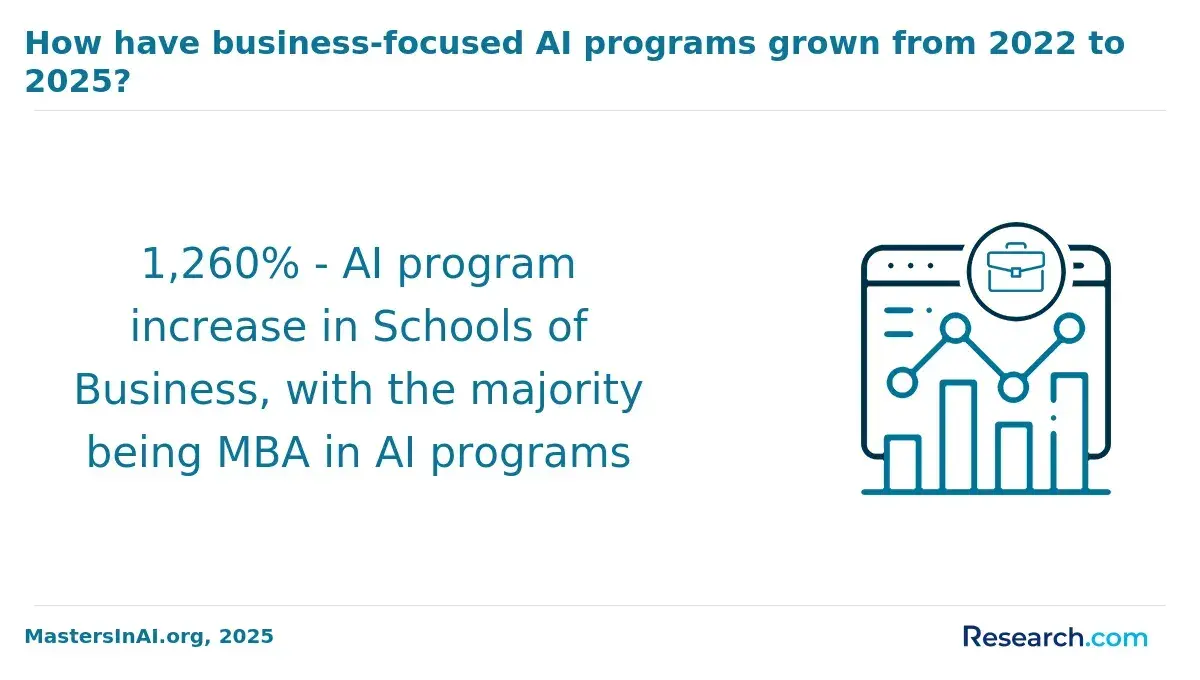
AI management courses tailored for first-time managers focus on strategic knowledge and practical applications rather than technical coding skills. These programs emphasize non-technical AI literacy, helping leaders interpret AI-driven insights, make informed decisions, and manage AI projects effectively alongside technical teams. This approach contrasts with traditional AI courses centered on programming, statistics, and building models.
Key differences between AI courses for managers and traditional data science programs include curriculum components such as ethical AI use, change management, and governance. Communication training is also a priority to ensure managers can explain AI's impact to stakeholders and align technology with organizational goals. For example, learners evaluate AI's role in optimizing workflows and mitigating risks rather than developing algorithms.
Many managerial AI courses offer short, flexible formats suited to busy professionals. According to Coursera's 2024 impact report, completing non-technical AI fundamentals correlates with a 32% increase in promotions or expanded roles within a year. Popular topics cover:
- AI concepts without technical jargon
- Business use case analysis
- Data interpretation frameworks
- Leadership in AI adoption and ethics
- Managing cross-functional AI teams
Those interested in expanding their skills may explore cyber security schools online as a complementary tech field to boost their career in AI-driven environments.
What types of AI courses with certificates are available for first-time managers?
First-time managers seeking AI courses with certificates can explore various targeted programs designed to build foundational knowledge and strategic leadership skills. Certified artificial intelligence training programs for new managers often include executive courses emphasizing practical AI applications in decision-making and organizational innovation. For instance, MIT Sloan's "Artificial Intelligence: Implications for Business Strategy" demonstrates success, with 82% of alumni leading new AI initiatives within a year, according to the MIT Sloan alumni survey.
Technical introduction courses provide essential knowledge on machine learning basics, natural language processing, and data analytics, enabling managers to collaborate effectively with technical teams. Many of these programs incorporate theory alongside case studies and simulations.
Specialized tracks address ethical concerns, AI governance, and risk management, helping managers mitigate bias and ensure compliance with industry standards. Industry-specific AI courses customize content for sectors like finance, healthcare, or marketing, helping managers optimize workflows and improve engagement.
Flexible formats are common, including online and hybrid models with live workshops and peer interaction. Credentials from reputable institutions enhance credibility in U.S. job markets. It's important for first-time managers to assess programs based on their career goals-whether seeking technical skills, ethical insights, or industry-specific knowledge.
Additionally, pursuing an affordable online computer science degree can complement AI training by strengthening broader technical expertise.
How do online, hybrid, and on-campus AI programs compare for working managers?
Online, hybrid, and on-campus AI programs each offer unique advantages and challenges for working managers. Online courses deliver the most flexibility, suitable for those who need self-paced study and broad access to AI topics like automation and data analytics. However, they demand strong self-discipline and may limit real-time interactions with instructors and peers.
Hybrid programs blend online coursework with occasional in-person sessions, striking a balance between flexibility and direct engagement. This mode supports networking, mentorship, and hands-on workshops, ideal for managers focused on practical AI applications such as robotic process automation (RPA) and low-code tools. According to Deloitte's 2024 Global Intelligent Automation survey, process-automation adoption has grown by 31%, with cost savings of 23%, underscoring the value of these skills.
On-campus programs provide immersive environments, fostering close faculty interaction, peer collaboration, and access to specialized AI labs. They fit managers who can dedicate significant time to deep technical learning but may be inconvenient for those juggling professional and geographic constraints.
When choosing, managers should weigh their learning preferences, time availability, and targeted AI competencies. Hybrid formats suit those aiming for quick implementation of AI-driven improvements, while on-campus options benefit leaders seeking in-depth AI strategy understanding.
How can I verify that an AI management course and its certificate are reputable?
Evaluating the reputation of an AI management course and its certificate relies heavily on the credibility of the issuing organization and recognition within the industry. Certificates from reputable providers like Google, Microsoft, or IBM are valuable due to their rigorous program vetting and alignment with market needs.
Trustworthy courses offer transparency by clearly outlining learning outcomes, instructor expertise, and practical skills relevant to managing AI projects. A strong curriculum often includes real-world case studies, leadership challenges, and strategic planning components.
Career impact metrics further validate certificate value. For instance, Google's Career Certificates report found that 75% of AI Essentials certificate holders in the U.S. secured positive career results such as promotions or raises within six months. This highlights strong employer acceptance.
Additional verification steps include:Confirming third-party accreditation to ensure the course meets educational standards.Checking if AI-related employers recognize the certificate in hiring or advancement decisions.Reviewing learner feedback on specialized education platforms for satisfaction and completion rates.
Reliable AI management certifications are distinguished by endorsements from industry leaders, proven career benefits, and transparent course design that equips managers with essential AI integration skills.
What core topics and projects are covered in the best AI courses for managers?
Top AI courses designed for first-time managers integrate technical knowledge with leadership skills, covering machine learning basics, data analysis, and algorithmic decision-making alongside change management, ethics, and communication. These programs teach managers how to critically evaluate AI outputs to align projects with business objectives and address workforce impacts effectively.
Course projects typically include case studies simulating AI implementation challenges, such as integrating AI tools into workflows without disrupting teams. Managers often design AI-driven process improvement plans that balance stakeholder communication with ethical oversight. These hands-on experiences enhance skills in managing cross-functional teams and overcoming resistance to change.
Risk assessment is a critical focus, addressing bias mitigation and compliance with data privacy regulations. Ethical AI use is emphasized, training managers to balance automation efficiency with human judgment. Communication modules equip managers to explain complex AI concepts clearly to non-technical stakeholders, supporting informed decision-making.
A PwC global survey highlights that companies investing in AI-related change-management and workforce upskilling are 36% more likely to achieve successful AI deployments than those fixated only on technology. This underscores the value of combining technical expertise with strong leadership and ethical frameworks.
Additional topics cover workforce transformation strategies, AI project lifecycle management, and fostering collaborative innovation, preparing managers to lead AI initiatives responsibly and promote employee engagement in AI-driven environments.
What are typical admission requirements, time commitments, and costs for these courses?
Admission requirements for artificial intelligence courses aimed at first-time managers tend to be flexible, often requiring only a high school diploma or equivalent. Some programs prefer candidates with a bachelor's degree or relevant experience, but advanced prerequisites are uncommon. Many courses allow open enrollment, avoiding entrance exams or interviews, which benefits professionals shifting into AI leadership roles.
Course durations vary from short boot camps lasting a few weeks to part-time certificate programs spanning several months. Weekly study times generally range from 5 to 10 hours, helping managers balance learning with work. Self-paced options provide greater flexibility but can extend the time needed to complete the coursework.
Costs also differ substantially. Subscription models and fixed fees typically range from $50 to $300, including access and certification. Free options without certificates exist but are less favored by those seeking formal credentials. Additional expenses like textbooks or tutoring may apply but often are subsidized by employers. It is wise to review refund policies and course pacing before enrolling to manage workload and expectations effectively.
- Flexible admission requirements support diverse backgrounds
- Time commitments vary: weeks to months
- Affordable pricing options encourage professional enrollment
- Additional costs may include materials and tutoring
What career outcomes, roles, and salary ranges can AI-trained managers expect?
AI-trained managers play vital roles that combine technical insight with strategic leadership. Typical positions include AI project manager, AI product manager, data science manager, and AI transformation lead. These roles focus on integrating AI into business processes, fostering collaboration across teams, and guiding effective AI tool use.
Annual salaries for AI-trained managers in the U.S. generally range from $95,000 to $160,000. Early-career professionals with AI certifications often earn between $95,000 and $110,000, while those with proven experience or internal training backgrounds may command salaries from $140,000 to $160,000. Technology, finance, and healthcare sectors especially reward AI expertise.
Employers increasingly prefer internal AI training academies over external certificates. According to the IBM Global AI Adoption Index 2024, organizations with internal AI academies are 2.1 times more likely to implement AI widely. This approach builds stronger skill application and boosts trust in certified managers, accelerating their career advancement.
Successful managers blend AI knowledge with strong communication and project management skills. They often face the challenge of leading technical teams despite not being deep coders themselves. Practical AI courses featuring hands-on projects and cross-functional case studies, along with employer-recognized certification, enhance job prospects and salary leverage.
How should first-time managers choose the right AI course to reach their career goals?
First-time managers should choose AI courses that directly support their career goals and leadership duties. Focus on courses offering practical applications tied to your industry, such as predictive analytics for supply chain management or natural language processing in customer service. Look for a combination of foundational AI knowledge and leadership modules that prepare you to manage AI-driven teams and projects.
Consider the certification's credibility by ensuring the course awards recognized credentials from reputable institutions or industry bodies. Research shows that roles requiring AI skills often command salaries around 18% higher, especially for first-line managers, making valued certificates crucial for your resume and performance evaluations.
Match course duration and format to your schedule and preferred learning style. Intensive, short-term programs with case studies or simulations provide hands-on experience more quickly than purely theoretical courses. Courses including real-world projects or mentorship can enhance both practical and leadership skills.
Review participant feedback to validate the course's impact on career growth. Also confirm the training covers ethical aspects and decision-making frameworks important for responsible leadership in emerging technologies. This approach equips managers with not only technical expertise but also strategic insight essential for their evolving roles.
Other Things You Should Know About Artificial Intelligence
In 2027, managers who complete an AI course can pursue ongoing learning opportunities such as advanced certifications in AI ethics, workshops on machine learning, and seminars on AI technology advancements. Online platforms like Coursera and LinkedIn Learning offer continuous learning modules tailored to evolving AI trends.
Yes, first-time managers without technical backgrounds can effectively lead AI projects by focusing on strategic oversight, communication between technical teams and stakeholders, and understanding AI's business impact. Strong soft skills paired with foundational AI knowledge are key to bridging gaps between technical and non-technical areas.
Artificial intelligence enhances decision-making by analyzing large datasets to identify patterns and predict outcomes with higher accuracy than traditional methods. This allows managers to make data-driven choices, optimize operations, and customize customer experiences more efficiently.
References
- 4 Types of AI Skills for Business: Full Breakdown https://www.cambridgespark.com/blog/ai-skills-for-business
- AI Product Manager: Role, Salary, Skills & Career Path Guide https://www.simpliaxis.com/resources/ai-product-manager-guide
- Best AI Courses to Take in 2026 https://applybuddy.co.uk/best-ai-courses-to-take-in-2026/
- 50 Exec Ed Courses To Get Smart About AI - USA & Canada - Bluesky Thinking https://bluesky-thinking.com/50-exec-ed-courses-to-get-smart-about-ai-usa-canada/
- Admissions Criteria https://ed.wum.edu.pl/pl/admissions-criteria
- Best Online AI MBA Courses https://www.upskillist.com/blog/best-online-ai-mba-courses/
- First-Time Managers Need Help. Is AI Coaching the Answer? https://www.reworked.co/learning-development/first-time-managers-need-help-is-ai-the-answer/
- Professional AI Training: How to Choose the Right Program https://www.strategicaileader.com/professional-ai-training-how-to-choose-the-right-program/