2027 Best AI Courses for Business Unit Leaders With Certificates

Co-Founder and Chief Data Scientist
Business unit leaders often struggle to integrate artificial intelligence into their teams effectively, hindered by limited technical knowledge and unclear credential value. This gap slows innovation and threatens competitive advantage, especially when leadership must make informed strategic decisions. Access to practical, accredited AI courses that offer certificates can bridge this divide, enabling leaders to gain relevant skills without leaving their roles.
This article explores top AI courses tailored for business unit leaders, focusing on flexibility, accreditation, and certificate recognition to help professionals confidently lead AI-driven initiatives and accelerate digital transformation within their organizations.
Key Things You Should Know
- Top courses for 2026 combine business strategy with AI technical skills, emphasizing leadership in AI-driven decision making and ethical deployment.
- Certified programs from leading universities and platforms show a 40% enrollment increase since 2024, reflecting rising industry demand for AI-literate managers.
- Most courses offer flexible, online formats with practical case studies, enabling working professionals to integrate AI expertise without career interruption.
Advance Your Career with AI Online Courses
Artificial Intelligence: Implications for Business Strategy
This program provides an introduction to Artificial Intelligence and their implications for business strategy. Earn an official digital certificate.

Oxford Artificial Intelligence Programme
Explore this Oxford Artificial Intelligence programme offered in a flexible learning environment and explore topics like machine learning, automation, and robotics.

Implementing Agentic AI: Building Your Organizational Playbook
This online MIT Agentic AI course offers a practical approach to deploying AI agents in your organization, including a custom playbook. 3 weeks, exclusive launch price.

AI Adoption: Driving Business Value and Impact
This online MIT AI Adoption: Driving Business Value and Impact offers practical frameworks to close the gap between AI potential and business reality.

Artificial Intelligence in Pharma and Biotech
Discover the applications and limitations of artificial intelligence in pharma and biotech with this MIT online short course.

What are the best AI courses for business unit leaders that include certificates?
The best ai courses with certificates for business leaders focus on combining technical knowledge with strategic leadership skills. These programs prepare leaders to integrate AI into operations, oversee AI-driven teams, and implement governance frameworks crucial for responsible AI use. Examples include the "AI for Business Leaders" certificate and the "Executive Program in Artificial Intelligence," which mix AI fundamentals with business strategy to help managers drive adoption in their units.
Effective education for top certified ai programs for business unit managers also tackles practical challenges such as creating AI policies, scaling projects, and aligning strategies with business goals. Many courses feature case studies and simulations emphasizing real-world decision-making and risk assessment. For instance, IBM's Global AI Adoption Index found that while 66% of global executives experimented with generative AI, only 24% had formal policies in place, underscoring the demand for AI governance training.
Leading programs offer flexible learning options, including part-time online modules and cohort-based formats tailored for busy professionals. Certificates from reputable institutions add credibility and demonstrate expertise in AI leadership, an important advantage in competitive markets. Prospective students interested in expanding their qualifications can explore degrees in AI to complement these specialized courses.
Advance Your Career with AI Online Courses
Artificial Intelligence: Implications for Business Strategy
This program provides an introduction to Artificial Intelligence and their implications for business strategy. Earn an official digital certificate.
Oxford Artificial Intelligence Programme
Explore this Oxford Artificial Intelligence programme offered in a flexible learning environment and explore topics like machine learning, automation, and robotics.
Implementing Agentic AI: Building Your Organizational Playbook
This online MIT Agentic AI course offers a practical approach to deploying AI agents in your organization, including a custom playbook. 3 weeks, exclusive launch price.
How can AI certificates help business leaders drive strategy and performance?
AI certificates empower business executives with a structured comprehension of ai technologies, enabling them to align AI initiatives strategically within their organizations. Leaders with formal certification develop skills to critically evaluate AI solutions, foresee challenges, and identify opportunities that enhance competitive advantage. This knowledge supports informed decision-making, driving innovation and operational efficiency.
Using AI certificates to enhance strategic performance allows certified leaders to bridge the gap between technical teams and business units. They can translate complex ai concepts into actionable objectives, assess vendor solutions, manage cross-functional teams, and measure project outcomes effectively. For instance, predictive analytics applied by ai-literate leaders can optimize supply chain management or improve customer segmentation, impacting revenue growth positively.
The practical expertise gained also enables leaders to prioritize AI projects with the highest returns on investment and address AI ethics and compliance more rigorously. This approach mitigates reputational and legal risks, promoting sustainable AI adoption within organizations. Evidence from Deloitte's State of AI in the Enterprise report shows organizations with AI-fluent leaders are 1.6 times more likely to achieve revenue growth of 10% or more from AI initiatives, underscoring the benefits of AI certification for business executives.
Business leaders should pursue certifications covering AI fundamentals, data strategy, and integration of AI into business models. Specialized training in AI ethics, governance, and innovation further strengthens their ability to lead projects toward measurable results. Those interested in related technical fields may also consider exploring options such as a mechanical engineering degree online to complement their AI expertise.
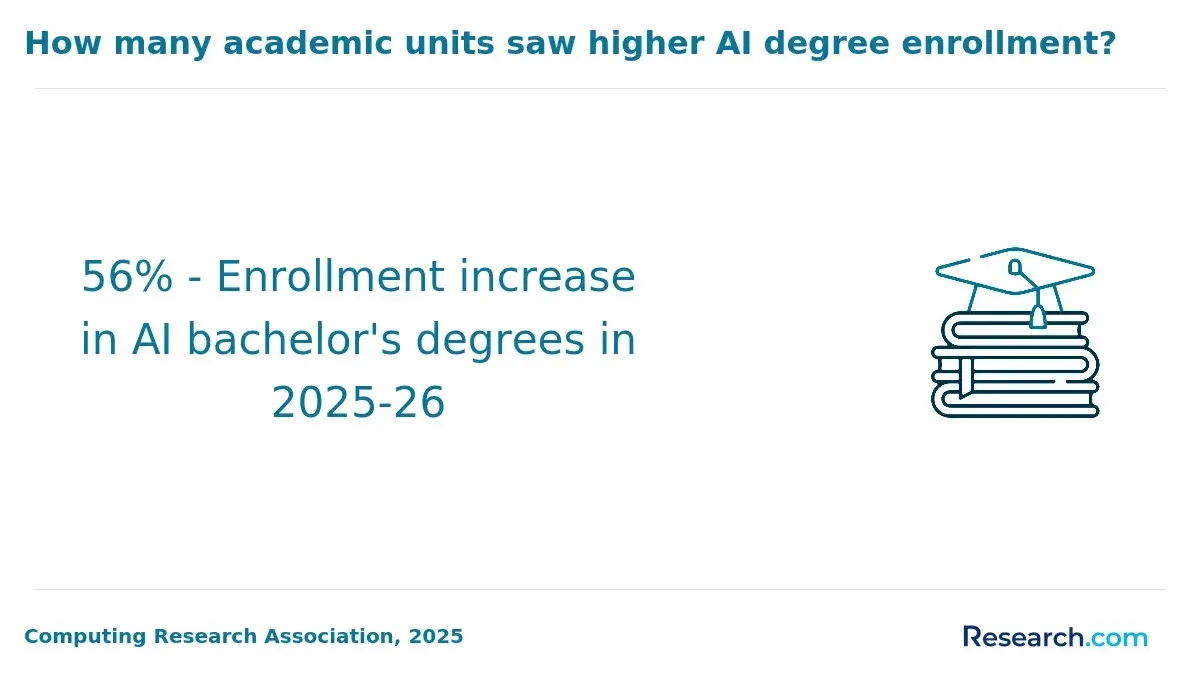
What should business leaders look for when choosing an AI course with a certificate?
Business leaders evaluating AI certification criteria for business leaders should focus on courses that align closely with strategic goals, emphasizing practical applications such as automation, data-driven strategies, and AI integration within business processes. Executive-focused curricula prioritizing leadership understanding over technical specialization deliver more relevant and efficient learning experiences.
Delivery methods vary: online courses offer flexibility, executive programs foster cohort interaction and networking, and hybrid formats blend the two. Enrollment growth in AI and automation training among senior leaders reflects rising demand for accessible and varied learning formats. The best features of AI courses with certificates for executives include accreditation by reputable institutions and assessments that validate competency through projects rather than mere participation.
Leaders must also consider courses that address ethical AI use, data privacy, and regulatory compliance to better manage business risks. Modular structures facilitating ongoing upskilling in emerging AI trends are preferred over static, one-time courses. Transparent course outcomes such as career impact and industry recognition aid in informed decision-making.
For those interested in expanding their technical knowledge alongside leadership skills, exploring game design online programs can offer complementary expertise in innovative technologies.
How do AI certificate programs for business leaders differ from technical AI programs?
AI certificate programs tailored for business leadership differ significantly from technical AI training in their approach and content. These business-oriented programs emphasize strategic decision-making and practical applications, focusing on how AI integrates with leadership, management, and organizational goals rather than deep technical skills like coding or algorithms.
Such programs often cover AI ethics, governance, risk management, and innovation strategies, equipping leaders to manage AI project teams and align initiatives with business functions like operations, finance, marketing, and human resources. In contrast, technical courses dive into machine learning models, neural networks, and programming languages such as Python.
Business leaders typically seek guidance on vendor evaluation, change management, and measuring the ROI of AI deployments. This practical focus addresses the needs of executives prioritizing AI's impact on business rather than algorithm development. A Bain & Company survey highlights that senior managers completing AI-focused executive education programs report an average 12% salary increase within 18 months, compared to 5% for peers without AI upskilling.
For professionals exploring AI education options, it is important to choose certificate programs emphasizing AI strategy, ethical implementation, and cross-functional integration to drive real-world results and career growth. Additionally, those interested in advancing their tech credentials might consider a fastest online cyber security degree as a complementary path to enhance their tech leadership capabilities.
What core topics and skills do AI courses for business unit leaders typically cover?
AI courses designed for business unit leaders concentrate on essential concepts like machine learning, natural language processing, and data analytics. These programs equip leaders with skills to interpret AI outputs, evaluate project feasibility, and manage ethical concerns such as bias and transparency. Practical application is a critical focus, helping leaders use AI tools to optimize processes, enhance customer experience, and foster innovation.
Leaders also learn AI-driven data visualization techniques to simplify complex information into actionable business insights. Effective communication tailored to cross-functional teams ensures that AI initiatives align with organizational goals.
Risk management topics in these courses cover data privacy, regulatory compliance, and cybersecurity. Change management principles are taught to help leaders guide their teams through cultural and structural adjustments during AI adoption. Financial literacy related to AI investments prepares leaders to analyze cost-benefit scenarios and anticipate ROI.
IBM's Global AI Adoption Index reports that organizations with well-trained leaders often see a median 3.5x return on investment within three years, emphasizing the value of skills that translate into measurable business outcomes. Courses incorporating case studies, real-world datasets, and certification are especially valuable for validating leadership capabilities in AI initiatives.
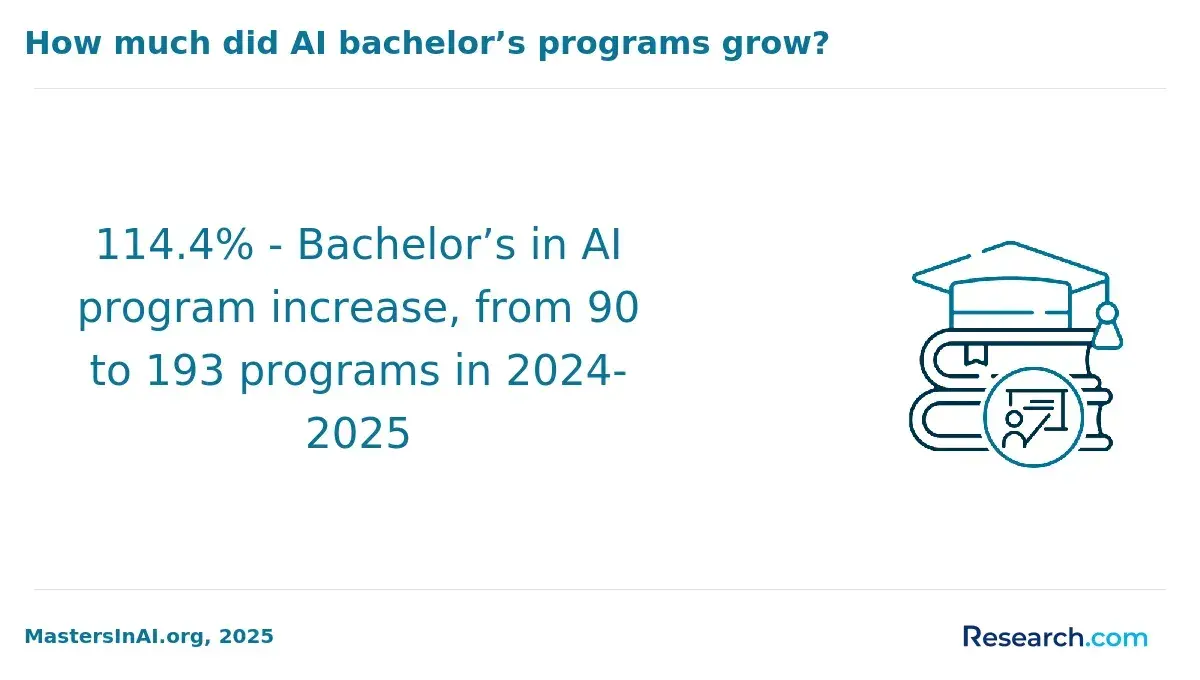
How do online, hybrid, and on-campus AI certificate options compare for executives?
AI certificate programs available online, hybrid, or on-campus each offer unique benefits for business leaders seeking credentials. Online programs allow maximum flexibility, providing self-paced or live virtual classes ideal for executives balancing work and study across time zones. Hybrid options mix online learning with occasional in-person sessions, delivering networking opportunities and practical experience while maintaining some flexibility. On-campus programs require physical attendance, which enhances engagement, mentorship, and access to campus resources but demands significant time and possible travel.
Employers highly value these certificates. According to Coursera's 2024 Global Skills Report, 88% of North American employers see candidates with recognized AI or data analytics credentials as more competitive, regardless of delivery method.
Key considerations include:
- Time availability: online suits packed schedules, on-campus requires dedicated blocks.
- Learning style: hybrid combines theory and practice better than fully online.
- Networking goals: on-campus offers the strongest peer and faculty interaction.
- Employer recognition: certificates from established providers hold equal value across formats.
It's important for executives to evaluate program relevance to business applications, accreditation, and alumni success. For instance, Harvard's on-campus AI program emphasizes rigorous case studies, whereas programs from institutions like MIT and Stanford focus on scalable business analytics via online formats. Ultimately, selecting between online, hybrid, or on-campus depends on professional demands and learning preferences.
Which types of institutions and accreditations matter for AI certificates in the U.S.?
The credibility of AI certificates for business leaders largely depends on the issuing institution and its accreditation. Certificates from regionally accredited universities or business schools, especially those accredited by AACSB (Association to Advance Collegiate Schools of Business), carry significant weight with employers due to their rigorous academic standards. While specialized AI or data science providers offer relevant certifications, verifying how well these align with accredited curricula is crucial to avoid limited recognition.
Professional organizations such as INFORMS and IEEE also offer value through certifications that focus on applied AI in business contexts. These credentials are particularly useful for leaders seeking targeted knowledge without pursuing full degree programs.
Industry-specific AI certificates are growing in importance, as AI applications differ widely across sectors. For instance, programs tailored to finance, manufacturing, retail, or healthcare provide practical tools and case studies relevant to those fields. McKinsey's Global AI Survey shows companies in financial services training business leaders on AI use cases are over twice as likely to reduce costs significantly compared to those focusing only on technical staff.
Prospective students should look for programs that include partnerships with businesses or hands-on capstone projects, which demonstrate applied skills highly valued by employers. Matching the certificate's focus-whether strategic leadership, implementation, or technical knowledge-with career goals maximizes return on investment.
How long do AI certificate programs for business leaders take, and what do they cost?
AI certificate programs for business leaders vary from brief boot camps lasting 20 to 40 hours to comprehensive courses requiring over 100 hours of study across 3 to 6 months. Many options offer part-time schedules that accommodate professional commitments, giving learners the flexibility to fit education around busy work lives.
Costs depend on the provider and course depth. Entry-level certificates typically range from $1,000 to $3,000, while advanced or specialized programs offered by leading business schools can reach $10,000 or more. Prospective students should weigh factors such as time availability, budget, and the desired level of strategic or technical expertise.
Effective AI training yields tangible business benefits. According to Boston Consulting Group's 2024 AI Maturity Index, organizations offering structured AI education to non-technical managers achieve a median 9-month reduction in the timeline from AI pilot to scaled deployment. This underscores the value of investing in quality programs.
When selecting a certificate, consider format flexibility, industry recognition, and the inclusion of applied projects or case studies to ensure practical business impact. Such features help translate learning into workplace success.
What career outcomes, roles, and promotions can AI-certified business leaders expect?
AI-certified business leaders are positioned for notable career growth, often moving into expanded leadership roles and data-driven decision-making positions. Certification provides the expertise to manage AI implementations, boost operational efficiency, and foster innovation. This makes certified leaders strong candidates for roles like AI strategy manager, chief data officer, or head of digital transformation, combining both AI technology knowledge and business insight.
Certification also enhances credibility and competitive advantage across industries. Marketing directors use AI-powered predictive analytics, while supply chain managers optimize logistics and cut costs with AI tools. These capabilities increase promotion potential within companies or improve candidacy for AI-focused organizations.
According to the World Economic Forum's 2024 Future of Jobs report, 54% of companies in North America plan to train business leaders in AI and big data by 2027, highlighting strong investment in AI literacy. In contrast, lower percentages in Latin America (37%) and Sub-Saharan Africa (33%) show regional differences in AI career opportunities.
The benefits of AI certification include improved strategic decision-making, higher salary prospects-often a 15-30% increase-and faster progression to C-suite roles. Certified leaders are also prepared to address ethical AI governance, risk management, and business alignment, skills highly valued in executive hiring and promotion.
How do AI certificates relate to other professional credentials in business and analytics?
AI certificates offer focused expertise in the latest ai technologies, directly addressing the practical needs of business leaders and analysts. Unlike broader credentials such as MBA or CPA, these certificates concentrate on data-driven decision-making, machine learning fundamentals, and integrating ai strategy into business leadership. Their shorter, agile formats keep pace with rapid developments impacting organizational operations.
For business unit leaders, demonstrating ai literacy through certification aligns with Gartner's prediction that by 2027, 80% of large firms will require at least a quarter of their leadership to have ai competency. This trend highlights the growing importance of ai credentials alongside traditional qualifications for career advancement in competitive markets.
Key distinctions include:
- Emphasis on emerging ai technologies rather than general business or analytics principles
- Practical ai implementation knowledge over broad management theories
- Ability to showcase ai fluency to employers seeking talent
While established certifications like CBAP or PMP represent recognized expertise, ai certificates address skills gaps these do not cover. Combining ai certifications with traditional credentials-such as Six Sigma or financial analytics certifications-enhances leadership potential in areas like process automation or market forecasting. This integrated approach delivers measurable value for business transformation driven by ai.
Other Things You Should Know About Artificial Intelligence
In 2027, top AI courses for business leaders focus on equipping them with skills to effectively manage AI-driven teams. These courses emphasize understanding AI technologies, change management, data literacy, and strategic decision-making, aiding leaders in leveraging AI to drive team success.
Artificial intelligence enhances decision-making by enabling data-driven insights and predictive analytics that would be difficult to achieve manually. It automates routine analysis and identifies trends and anomalies quickly, helping leaders make faster and more accurate decisions. However, human judgment remains essential to interpret AI outputs and consider contextual factors.
Yes, ethical considerations are vital when implementing artificial intelligence in business. Leaders must ensure transparency, fairness, and accountability in AI algorithms to avoid bias and discrimination. Protecting user privacy and complying with relevant regulations also play a central role in responsible AI adoption.
Business leaders often encounter challenges such as resistance to change, skill gaps among employees, and integrating AI systems with legacy technology. Managing data quality and ensuring AI solutions align with strategic goals also require careful planning. Successful integration depends on clear communication and ongoing support for the workforce.
References
- Best AI Certifications to Boost Your Career in 2026 – Dataquest https://www.dataquest.io/blog/best-ai-certifications/
- Learn AI Skills by Role & AI Training Courses for Business https://www.lumifywork.com/en-au/blog/ai-skills-by-role-customising-training-for-different-job-functions/
- AI for Business Leaders: Transforming Leadership with Artificial Intelligence https://www.infoprolearning.com/ai-for-business-leaders/
- AI in Marketing Career Path: Skills, Strategy & Roadmap to Future-Proof Growth https://cxl.com/b2b-marketing-career-guide/ai-in-marketing-career-guide/
- The Hidden Career Benefits of AI Certification - IABAC https://iabac.org/blog/the-hidden-career-benefits-of-ai-certification
- AI Executive Certificate https://esmt.berlin/executive-education/analytics-ai/ai-executive-certificate
- Should You Get an AI Leadership Certification? A Comprehensive Guide for Business Leaders - Service Quality Centre https://www.sqcentre.com/blog/should-you-get-an-ai-leadership-certification-a-comprehensive-guide-for-business-leaders/
- Ultimate Guide: How to Choose the Right AI Training Course to Boost Your Career - ONLC https://www.onlc.com/blog/how-to-choose-ai-training-courses/
- The AI Boom In Executive Education: What You Can Study Right Now At The World's Top B-Schools https://poetsandquantsforexecs.com/exec-ed/the-ai-boom-in-executive-education-what-you-can-study-right-now-at-the-worlds-top-b-schools/
- The Business of AI: Strategies for Leaders- Online | London Business School https://www.london.edu/lbs-online/the-business-of-ai-strategies-for-leaders