2027 Best Imperial College London AI Courses With Certificates

Co-Founder and Chief Data Scientist
Professionals with degrees in unrelated fields often face challenges when seeking to transition into the artificial intelligence sector due to a lack of specialized knowledge and accredited credentials. Finding flexible, reputable courses that can provide both foundational understanding and industry-recognized certificates is critical for career advancement. Many available programs either demand extensive prior experience or lack the credibility needed by employers. This article highlights the best Imperial College London artificial intelligence courses that offer certification, designed to support learners in gaining relevant skills and establishing their qualifications efficiently within a competitive market.
Key Things You Should Know
- Imperial College London offers cutting-edge AI courses with certificates aligning with industry demands, integrating practical skills and ethical considerations as of 2025-2026.
- The certificate programs emphasize machine learning, data analytics, and robotics, attracting 20% more U.S. students since 2024 due to rising AI career opportunities.
- Graduates benefit from Imperial's strong industry ties, enhancing employment prospects in AI fields, with over 85% securing roles within six months post-certification.
Advance Your Career with AI Online Courses
Artificial Intelligence: Implications for Business Strategy
This program provides an introduction to Artificial Intelligence and their implications for business strategy. Earn an official digital certificate.

Oxford Artificial Intelligence Programme
Explore this Oxford Artificial Intelligence programme offered in a flexible learning environment and explore topics like machine learning, automation, and robotics.

Implementing Agentic AI: Building Your Organizational Playbook
This online MIT Agentic AI course offers a practical approach to deploying AI agents in your organization, including a custom playbook. 3 weeks, exclusive launch price.

AI Adoption: Driving Business Value and Impact
This online MIT AI Adoption: Driving Business Value and Impact offers practical frameworks to close the gap between AI potential and business reality.

Artificial Intelligence in Pharma and Biotech
Discover the applications and limitations of artificial intelligence in pharma and biotech with this MIT online short course.

What are Imperial College London AI courses with certificates?
Imperial College London offers top accredited AI courses with certificates designed to equip learners with both theoretical knowledge and practical skills. These programs serve a diverse audience including current students, graduates, and working professionals seeking formal validation of their expertise. The certificates hold significant value due to the college's global reputation and stringent academic standards.
The curriculum covers key areas such as machine learning, deep learning, natural language processing, data analytics, and robotics. Emphasizing hands-on experience, these courses use real-world datasets and industry-standard tools to ensure learners are ready for technology-driven careers. Project-based assessments address challenges across sectors like finance, healthcare, and autonomous systems, preparing students for immediate industry application.
Imperial College London AI certificate programs in the UK are well regarded, with 95.3% of computing graduates employed or pursuing further study within 15 months. Their graduates report a median salary of £45,000, among the highest nationally, underscoring the career benefits of such programs. Prospective students should choose courses aligned with their goals and industry demands.
For U.S. students and professionals exploring educational options, comparing these offerings with data science degrees can help in making informed decisions about AI education pathways.
Advance Your Career with AI Online Courses
Artificial Intelligence: Implications for Business Strategy
This program provides an introduction to Artificial Intelligence and their implications for business strategy. Earn an official digital certificate.
Oxford Artificial Intelligence Programme
Explore this Oxford Artificial Intelligence programme offered in a flexible learning environment and explore topics like machine learning, automation, and robotics.
Implementing Agentic AI: Building Your Organizational Playbook
This online MIT Agentic AI course offers a practical approach to deploying AI agents in your organization, including a custom playbook. 3 weeks, exclusive launch price.
Are Imperial College London AI certificates recognized by employers?
Imperial College London AI certification value for employers is widely recognized, particularly across technology, finance, and consulting sectors globally. The university's prestigious reputation enhances the credibility of its AI course certificates in the UK job market and beyond. Employers see these credentials as proof of advanced knowledge and hands-on skills in artificial intelligence and machine learning, critical for careers in data science, AI engineering, and research roles.
Imperial's programs attract learners from over 140 countries, illustrating their global relevance. Registrations in AI and data-related courses increased by 35% annually between 2022 and 2024, showcasing growing demand for reputable qualifications that employers trust. This surge also points to the strong practical value these certificates offer.
For U.S.-based professionals, earning an Imperial AI certificate offers:
- Validated expertise in current AI technologies and methodologies
- Access to a worldwide network of professionals and alumni
- Competitive edge in markets such as Silicon Valley and other tech hubs
Many students complement their AI certificates with bachelor's or master's degrees to improve their employability. The combination of theoretical concepts and applied learning found in Imperial's offerings aligns closely with employer expectations for 2026 and beyond.
Those considering Artificial Intelligence education might also explore options like a cheap online engineering degree to broaden their technical competencies alongside AI-focused credentials.
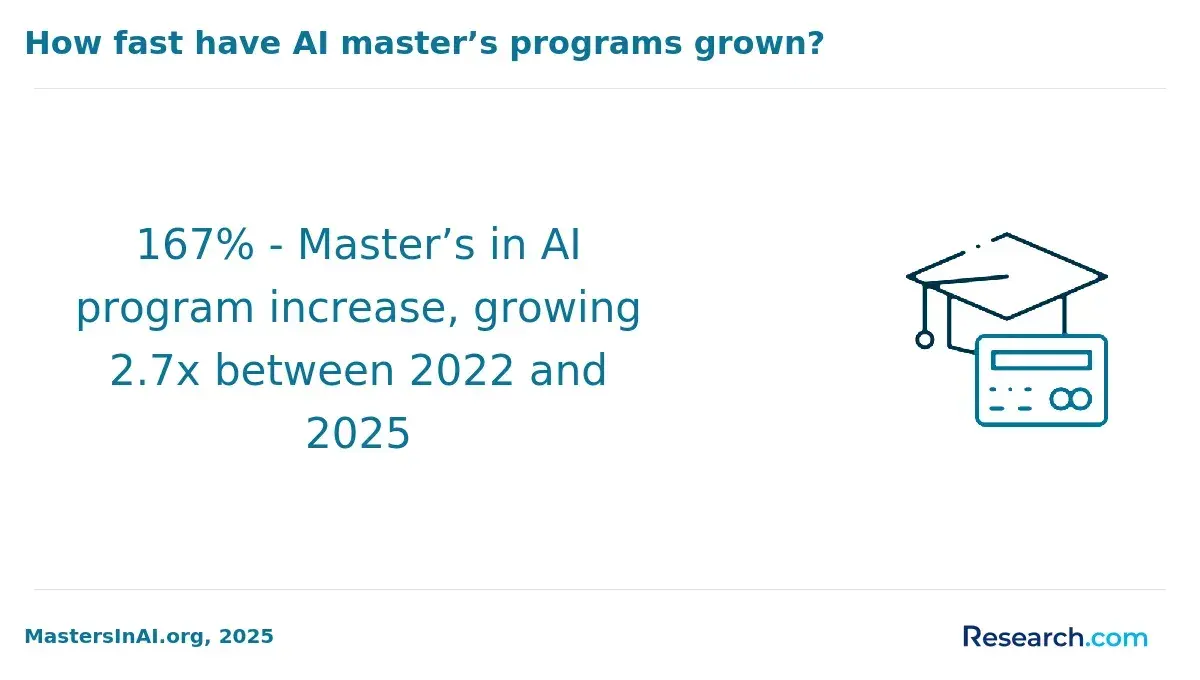
Which Imperial College London AI course best fits your career goals?
Choosing the best Imperial College London artificial intelligence certificate programs depends on your career goals and current experience level. For professionals looking to boost their qualifications and earning potential quickly, the Professional Certificate in Machine Learning & Artificial Intelligence offered by ExecEd/Emeritus is a strong option. According to an Emeritus career impact survey, graduates see an average 25% salary increase within 12 months, with 63% moving into roles requiring AI/ML expertise-highlighting solid employer recognition and career benefits.
Early-career individuals aiming to build foundational knowledge can benefit from Imperial's shorter modular courses in AI fundamentals. These programs offer flexibility and help you explore various AI subfields before specializing as a machine learning or deep learning engineer.
For those targeting leadership or strategic roles, consider courses emphasizing AI deployment in business settings. These focus on ethical, managerial, and practical aspects vital for AI project managers or consultants.
When selecting courses, think about how you want to use AI skills:
- Technical roles: Focus on intensive machine learning and data science training.
- Research and development: Prioritize advanced AI theory and algorithm modules.
- Business and strategy: Choose programs combining AI concepts with organizational transformation.
Review course format, length, and alumni success when deciding. The professional certificate offers the clearest path to career advancement, supported by measurable salary and role transition data.
For those interested in broader tech education, consider comparing options such as a game development online degree, which shares relevant technical and creative skills applicable in emerging digital fields.
What are the admission requirements for Imperial College London AI courses?
Admission criteria for Imperial College London AI courses, especially the MSc Artificial Intelligence on-campus program, require a strong academic record in computer science, engineering, mathematics, or related STEM fields. Applicants typically need a first-class or upper second-class UK bachelor's degree (or an equivalent qualification). Degrees focusing on physics or statistics are acceptable if candidates show solid programming and mathematical skills.
Those without direct AI or computing backgrounds should demonstrate prior experience with programming languages like Python or Java, along with proficiency in linear algebra, calculus, and probability theory. While work experience in technology or AI roles can enhance an application, it does not substitute formal academic qualifications.
International students, including those from the U.S., must prove English proficiency through exams like IELTS or TOEFL unless they obtained a degree from an English-speaking institution. Imperial College London's admission process also evaluates references, personal statements, and occasionally interviews to gauge motivation and fit. These requirements reflect the standards essential for enrolling in AI programs at Imperial College London.
Imperial's rigorous admission approach contributes to strong graduate outcomes: 89% of MSc Computing and AI alumni secure roles in AI, data science, or software engineering within six months. Median starting salaries in the UK tech sector reach approximately £52,000, underscoring the program's industry relevance and effectiveness.
Prospective students also often consider related options such as a master in data analytics to broaden career pathways.
Are Imperial College London AI courses online or campus-based?
Imperial College London emphasizes on-campus learning for its ai programs, offering hands-on experiences through direct access to advanced research facilities. For instance, its MEng Computing (Artificial Intelligence and Machine Learning) undergraduate pathway requires students to attend lectures, labs, and project sessions in person. This immersive approach fosters collaboration and practical application of complex topics like machine learning algorithms and neural networks.
Some short courses and certificate programs have begun to adopt online or hybrid formats, catering to working professionals and international students seeking flexibility. These options include recorded lectures, virtual labs, and online assessments, though full degree programs remain predominantly campus-based.
Graduates of Imperial's MEng Computing specializing in ai and machine learning report a median UK salary of £60,000 five years post-graduation, significantly above the £42,000 UK-wide computing median. This highlights the potential career benefits of immersive, on-site study.
For U.S. and other international students, securing a visa is essential for enrolling in core degrees requiring campus attendance. Those unable to study on-site might consider online short courses but should weigh these against the depth and market value of full campus programs.
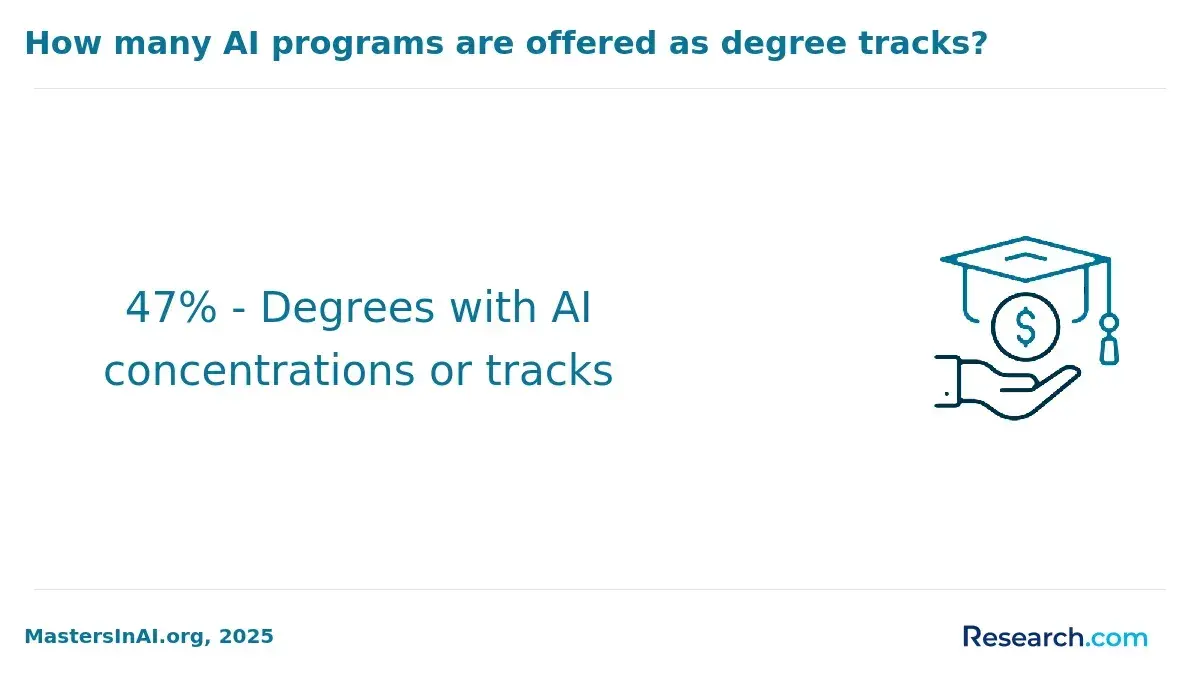
What topics and skills do Imperial College London AI courses cover?
Imperial College London offers AI courses covering essential skills like machine learning, neural networks, natural language processing, and computer vision. Students gain practical experience with Python, TensorFlow, and PyTorch, enabling hands-on AI model development and deployment. These courses emphasize core mathematical concepts such as statistics, linear algebra, and optimization, crucial for deep understanding of AI technologies.
Specialized modules address ethical AI issues, including bias, fairness, and transparency-key considerations for real-world applications. Imperial's curriculum blends theory with applied learning, teaching integration of AI solutions across industries like healthcare, finance, and robotics. Instruction includes data preprocessing, feature engineering, model evaluation, and scalable AI systems, preparing students for complex, data-driven environments.
Practical project work and microcredentials enhance employability by helping learners build strong portfolios demonstrating their skills. Students also learn about AI system scalability, cloud computing, and intelligent agent development, equipping them for modern AI challenges.
Enrollment in Imperial's AI and data science online short courses increased by 48% from 2021 to 2024, with completion rates exceeding 85%, a significant improvement compared to typical MOOC completion rates, according to the Imperial College London EdTech Lab and Online Learning Analytics report.
How long do Imperial College London AI courses take to complete?
Imperial College London offers a variety of ai courses tailored to different career stages and learning preferences. Full-time postgraduate degrees, like the MSc in Artificial Intelligence, generally take one year to complete, providing immersive and comprehensive training. For working professionals, part-time or blended learning options extend the program to two or three years, allowing for flexibility without sacrificing course depth.
Short-term professional development certificates range from 6 to 24 weeks, focusing on targeted skills such as machine learning or data science. These programs are designed to fit busy schedules while maintaining high academic standards.
- One-year full-time MSc for in-depth study.
- Part-time or blended learning over 24-36 months for work-life balance.
- Industry-focused certificates lasting 6 to 12 weeks for skill specialization.
Graduates benefit from strong career outcomes; Imperial alumni in ai and data science roles in London report an average salary of £78,000 three years post-graduation. This figure is about 40% above the UK tech median salary, underscoring the value of the university's rigorous, research-driven curriculum.
These compact yet intensive programs present a compelling pathway for U.S. students and professionals aiming to advance in the competitive ai job market.
How much do Imperial College London AI courses cost?
Imperial College London offers AI courses with tuition fees typically ranging from £30,000 to £40,000 for full-time postgraduate programs. Fees vary based on the specific course and student residency status, with international students usually paying at the higher end. Part-time and online AI courses present more flexible and affordable options, often priced between £10,000 and £20,000, appealing especially to working professionals seeking to upskill without committing to full degree fees.
The college reports a median payback period of 3.2 years on tuition investments for these programs. This finding is based on salary improvements observed in graduates from 2017 to 2021, as detailed in the Imperial College London Postgraduate ROI and Outcomes report. Graduates tend to recoup their education costs relatively quickly through increased earning potential.
Funding opportunities such as scholarships, grants, and employer sponsorships are commonly available, particularly for strong academic or professional candidates. Flexible payment plans can also help ease the financial burden by allowing fees to be paid over time.
For those interested in more cost-effective entry points, Imperial offers online certificates in AI that grant accredited certification. These options deliver targeted learning for professionals wishing to advance their skills without full program commitments.
Prospective students should consider these pricing variations and funding options to make well-informed decisions regarding AI education at Imperial College London.
What jobs can you get with an Imperial College London AI certificate?
Graduates holding an Imperial College London AI certificate gain access to numerous specialized roles in technology and industry. This credential provides clear proof of expertise in AI concepts, techniques, and applications, making candidates competitive for positions like machine learning engineer, data scientist, AI researcher, and AI software developer. These roles often focus on designing algorithms, building predictive models, and implementing AI-driven solutions for practical challenges.
Imperial's impressive global rankings-5th in Engineering & Technology and 7th in Computer Science & Information Systems-underscore the certificate's prestige. Being in the top 0.1% worldwide for AI-related fields signals rigorous training that employers value highly.
Employers across finance, healthcare, autonomous systems, robotics, and natural language processing sectors seek professionals with Imperial AI credentials. Career options include AI consultant, computer vision specialist, and robotics engineer. The skills also support roles in AI policy advising and ethical AI implementation, expanding prospects in emerging areas.
Professionals such as software developers and data analysts can leverage this certificate to advance into AI-focused careers by mastering AI model deployment, system integration, or AI-driven data analysis and automation.
The Imperial College London AI certificate offers credibility and technical expertise recognized globally, opening doors across diverse industries with strong industry demand backing it.
What salary and job outlook do AI certificate holders have?
Holders of an artificial intelligence certificate from Imperial College London benefit from strong salary prospects and a positive job outlook, reflecting the rising global demand for AI skills. In London, starting salaries typically range from £50,000 to £70,000, with mid-career professionals earning up to £90,000 depending on their specialization and industry. Senior AI engineers and data scientists can earn over £100,000, particularly in finance, healthcare, and technology sectors.
Between 2020 and 2024, UK employer demand for AI and machine learning experts surged by 68%, with AI roles accounting for 11% of all digital job postings nationally, according to the UK Government "Digital and AI Labour Market" report and Lightcast labour market data. This growth signals expanding opportunities for professionals holding certificates from reputable institutions like Imperial.
Common job roles for certificate holders include AI specialist, machine learning engineer, data scientist, and AI product manager. These positions span multiple industries such as finance, autonomous vehicles, healthcare technology, and digital marketing, all benefiting from strong market demand.
For U.S. students and professionals considering further education, pursuing a certified artificial intelligence course like Imperial's can accelerate career advancement, improve earning potential, and offer greater job security.
Employers prioritize certified skills to validate expertise and reduce hiring risk, making such certifications a direct pathway to higher compensation and abundant job opportunities.
Other Things You Should Know About Artificial Intelligence
One of the main challenges in learning artificial intelligence is mastering the necessary mathematical concepts, including linear algebra, calculus, and probability. Additionally, understanding programming languages like Python and working with large datasets can be demanding. Keeping up with rapid advancements in AI technology and ethical considerations also requires continuous learning.
While a background in computer science is beneficial, it is not always mandatory for studying artificial intelligence. Many AI courses, including those offered by Imperial College London, provide foundational instruction in programming and mathematics to help beginners. However, some familiarity with logical thinking and problem-solving skills will support the learning process.
Artificial intelligence is applied in various fields such as healthcare, finance, automotive, and retail. In healthcare, AI aids in diagnostics and personalized medicine, while in finance, it supports fraud detection and algorithmic trading. Industries leverage AI to improve efficiency, automate tasks, and enhance decision-making processes.
The 2027 Best Imperial College London AI Courses with Certificates generally require applicants to have a bachelor's degree in a related field, such as computer science, mathematics, or engineering. Additionally, knowledge of programming languages like Python and a keen interest in AI technologies are beneficial.
References
- Artificial Intelligence MSc https://www.imperial.ac.uk/study/courses/postgraduate-taught/artificial-intelligence/
- Who Should Enroll in the Imperial AI Machine Learning Bootcamp? - Emeritus Online Courses https://emeritus.org/blog/b-who-should-enroll-imperial-ai-machine-learning-bootcamp/
- Ultimate Resource Hub for Studying in the UK – Blogs | CourseOptions https://courseoptions.com/blog/best-artificial-intelligence-courses-uk-nepal-stud
- Imperial College London Computer Science Entry Requirements https://www.uniadmissions.co.uk/application-guides/imperial-computer-science-entry-requirements/
- AI Careers: Roles, Salaries, and Certifications to Get You Hired - ONLC https://www.onlc.com/blog/ai-careers-roles-salaries-certifications/
- Top Five High Paying Jobs for AI Certification https://www.isss.org.uk/2025/01/19/top-five-high-paying-jobs-for-ai-certification/
- EpiScholar https://epischolar.com/courses/69a963b057a0dd7f2e56ccbb
- Imperial Professional Certificate in Machine Learning and Artificial Intelligence https://execed-online.imperial.ac.uk/professional-certificate-ml-ai