2027 Best AI Governance Courses for Anti-Money Laundering Teams

Co-Founder and Chief Data Scientist
Anti-money laundering teams face increasing challenges as financial crimes evolve with sophisticated methods that traditional compliance systems struggle to detect. The rapid integration of artificial intelligence tools into regulatory frameworks demands a thorough understanding of AI governance to mitigate risks and ensure legal adherence. Without proper training, professionals may fail to leverage AI's potential or inadvertently expose institutions to compliance failures. This article explores the best AI governance courses designed specifically for anti-money laundering teams, aiming to equip readers with the knowledge needed to implement effective AI oversight and stay ahead in a dynamic regulatory environment.
Key Things You Should Know
- AI governance courses for AML teams prioritize regulatory compliance, ethical AI use, and risk management, reflecting a 28% increase in demand for specialized training since 2024.
- Top programs integrate machine learning interpretability with AML case studies, enhancing detection of financial crime patterns amid evolving AI technologies.
- Certification in AI governance for AML professionals can boost career prospects, with 65% of surveyed firms preferring candidates holding such credentials in 2025.
Advance Your Career with AI Online Courses
Artificial Intelligence: Implications for Business Strategy
This program provides an introduction to Artificial Intelligence and their implications for business strategy. Earn an official digital certificate.

Oxford Artificial Intelligence Programme
Explore this Oxford Artificial Intelligence programme offered in a flexible learning environment and explore topics like machine learning, automation, and robotics.

Implementing Agentic AI: Building Your Organizational Playbook
This online MIT Agentic AI course offers a practical approach to deploying AI agents in your organization, including a custom playbook. 3 weeks, exclusive launch price.

AI Adoption: Driving Business Value and Impact
This online MIT AI Adoption: Driving Business Value and Impact offers practical frameworks to close the gap between AI potential and business reality.

Artificial Intelligence in Pharma and Biotech
Discover the applications and limitations of artificial intelligence in pharma and biotech with this MIT online short course.

What is AI governance in anti-money laundering, and why are specialized courses important?
AI governance in anti-money laundering (AML) involves a structured framework of policies, controls, and oversight to ensure AI and machine learning (AI/ML) systems operate transparently, ethically, and comply with regulatory standards. Professionals working within these frameworks require specialized courses on AI risk management in anti-money laundering that extend beyond traditional AML knowledge, covering data quality, algorithmic bias, model validation, and compliance risk management.
These courses prepare AML experts to supervise AI tools that significantly enhance detection capabilities. A SAS financial crime survey reports banks using AI/ML in AML see 20-30% higher true positive detection rates and 30-50% fewer false positives. Yet, just 27% of institutions have formal AI governance frameworks, leaving operational, legal, and reputational exposures.
Specialized AI governance frameworks for anti-money laundering compliance address challenges such as:
- Setting standards for AI model approval and continuous monitoring to avoid drift and degradation.
- Creating explainability protocols so compliance teams and regulators can interpret AI outcomes.
- Reducing bias to prevent unfair treatment or missed illicit activities.
- Integrating these governance processes into existing AML risk management and audits.
Courses typically include AI case studies highlighting failures and successes, guiding learners to avoid pitfalls like overfitting or exclusion of high-risk groups. For prospective students seeking to advance in AI-related AML fields, exploring an accelerated computer science degree online offers a pathway to build expertise and leadership in this evolving domain.
Advance Your Career with AI Online Courses
Artificial Intelligence: Implications for Business Strategy
This program provides an introduction to Artificial Intelligence and their implications for business strategy. Earn an official digital certificate.
Oxford Artificial Intelligence Programme
Explore this Oxford Artificial Intelligence programme offered in a flexible learning environment and explore topics like machine learning, automation, and robotics.
Implementing Agentic AI: Building Your Organizational Playbook
This online MIT Agentic AI course offers a practical approach to deploying AI agents in your organization, including a custom playbook. 3 weeks, exclusive launch price.
What types of AI governance courses are most useful for AML and compliance teams?
Courses focusing on AI governance training for AML compliance teams specialize in frameworks designed for financial crime risk management. These programs highlight regulatory expectations, model risk management, and the ethical use of AI/ML in anti-money laundering efforts. According to a global survey by NICE Actimize, 79% of financial institutions face regulatory demands for governance controls such as documentation, explainability, and oversight of AI/ML models in AML.
Key course topics often include:
- Regulatory compliance requirements for AI in AML, including standards from the Financial Action Task Force (FATF) and the U.S. Treasury.
- Technical explainability for auditability by compliance officers and regulators.
- Documentation practices covering model development, training data provenance, and change management.
- Oversight and validation methods to monitor model performance and mitigate risks like false positives and drift.
- Integration of AI governance within enterprise risk management tailored to AML.
Advanced offerings combine legal, technical, and operational perspectives, enabling teams to identify bias or compliance gaps and emphasizing privacy and data governance critical to AML. Professionals seeking the best AI risk management courses for anti-money laundering will find programs emphasizing practical exercises and real-world applications.
Those pursuing relevant education may explore options such as the cheapest engineering degree online to build foundational skills supporting this specialized knowledge.
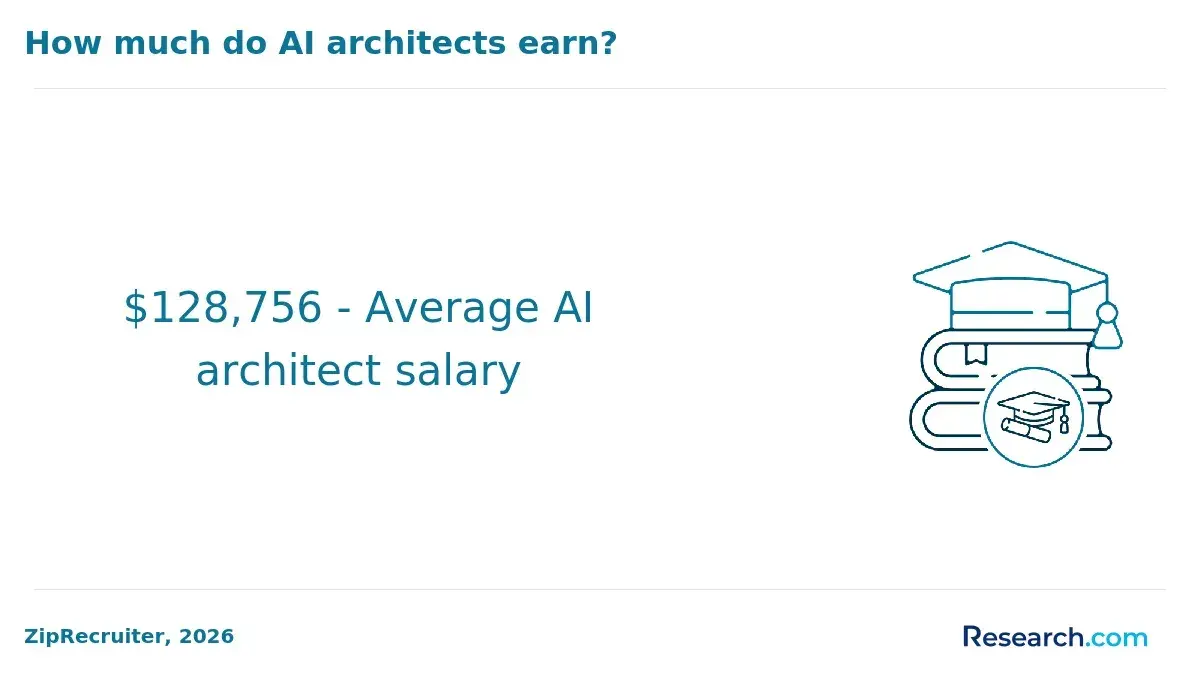
How do you choose the best AI governance course for an AML-focused career path?
Choosing the right AI governance training programs for anti-money laundering professionals means focusing on courses that blend regulatory compliance with AI risk management. AML teams must manage models that comply with strict legal standards while minimizing biases that could cause compliance breaches. Programs combining policy frameworks with technical governance prepare professionals to supervise AI systems effectively.
Quality AI governance courses for AML and financial crime teams balance theoretical knowledge with practical skills. Hands-on experience with AI audit tools, model validation, and scenario analysis-such as evaluating AI-based transaction monitoring or explainable AI in compliance-ensures job-ready capabilities.
Faculty expertise matters: instructors with AML and regulatory experience or ties to financial institutions provide valuable insights into evolving AML challenges and typologies of financial crime detected through AI. Such courses offer both legitimacy and networking advantages.
Considering ROI is key. Studies show advanced analytics and AI in financial crime compliance reduce costs by 20-30% and create significant value for banks. Target programs highlighting measurable compliance improvements and cost efficiencies to align your training with employer priorities.
For those exploring further education, affordable options like online masters in data science can complement AI governance skills with broader data expertise.
What should you look for in accreditation and institutional quality for AI governance programs?
Accreditation standards for AI governance programs in North America are crucial for ensuring curriculum quality and institutional credibility. Programs recognized by regional U.S. accrediting agencies or specialized institutions focused on AI ethics and cybersecurity offer the necessary industry and academic rigor. Institutional quality criteria for AI governance education in anti-money laundering (AML) emphasize expertise in compliance, financial regulation, and technology governance to provide practical insight.
Curricula should include current, in-depth coverage of challenges such as bias detection, model validation, and regulatory compliance. With over half of financial institutions using AI for AML reporting unintended model bias or drift, quality education must equip students with strategies to detect and mitigate these risks. Additionally, teaching how to recalibrate AI systems and manage governance failures is essential, reflecting challenges faced by 35% of institutions that suspended models.
Hands-on experiences through labs, case studies, or partnerships with financial organizations enhance employability and understanding. Programs often focus on data ethics, risk management, and interdisciplinary collaboration given the complexity of governance in AML AI systems. Aligning certifications with international AML frameworks or AI governance standards offers further advantage.
Faculty expertise in AI, regulatory policy, and financial crime prevention, combined with strong career support and alumni networks, signal program quality. Prospective students may also consider pursuing the fastest online cyber security degree as a foundation for governance roles in AML environments.
How do online AI governance courses for AML compare with campus and hybrid options?
Online ai governance courses targeting anti-money laundering (AML) teams provide flexibility and accessibility that traditional campus or hybrid options often lack. These programs allow professionals to enhance skills while maintaining full-time roles, a critical advantage as demand for AI-proficient AML experts grows significantly. Job market data shows a >40% increase in roles requiring AI, machine learning, or model governance expertise, paired with 10-25% higher salaries in major financial hubs.
Campus programs offer structured settings and networking opportunities, ideal for those seeking immersive experiences or direct mentorship. However, they usually require set schedules and possible relocation, which can be challenging for working professionals. Hybrid courses provide a middle ground with some in-person elements plus online flexibility but may still demand attendance commitments that limit full-time worker participation.
Online courses stay current with regulatory updates and model governance trends specific to AML compliance. Many deliver practical cases using ai in transaction monitoring, risk assessment, and reporting. Modular structures let learners concentrate on skills such as algorithmic bias and explainability within AML systems.
Consider your learning preferences, career goals, and time availability when selecting a course. Fast upskilling without a career break favors self-paced online options, while those seeking advanced credentials may find campus or hybrid paths better suited.
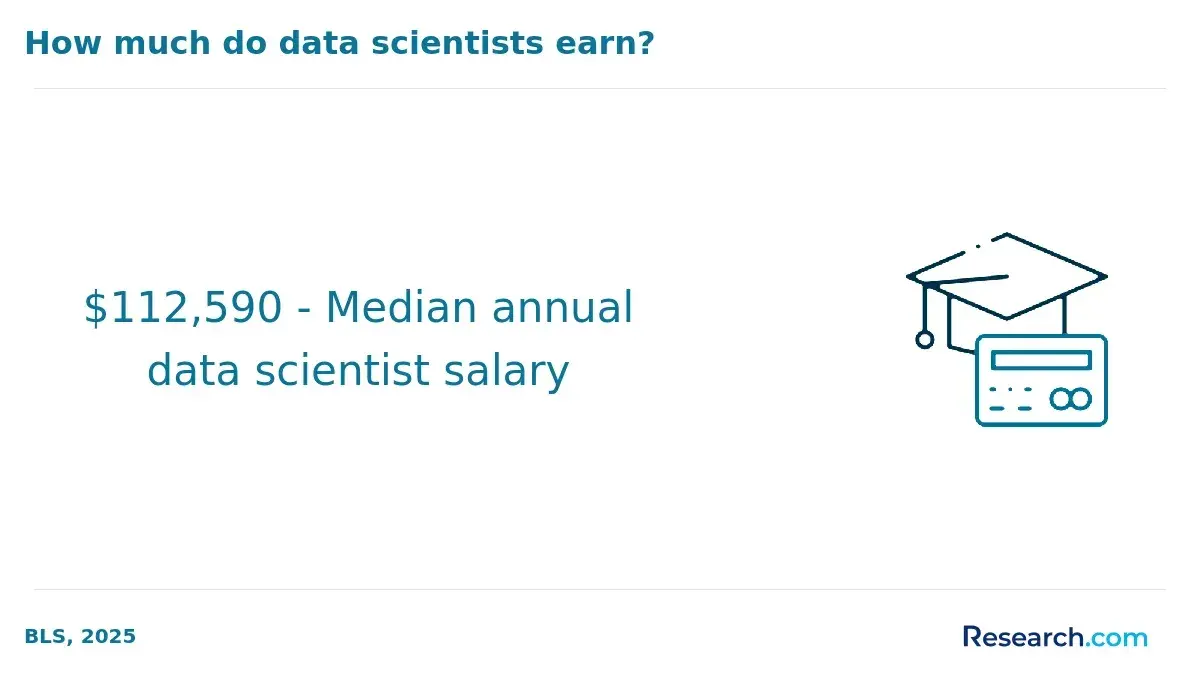
What core topics and skills do top AI governance courses for AML usually cover?
AI governance courses tailored for anti-money laundering (AML) teams emphasize core competencies crucial for overseeing AI-driven compliance systems. These programs focus on AI model risk management, teaching frameworks to identify, assess, and mitigate risks in machine learning models used in transaction monitoring and suspicious activity detection.
Students also study regulatory compliance aligned with AML laws like the Bank Secrecy Act, the USA PATRIOT Act, and FATF recommendations. This training ensures AI systems maintain transparency and auditability, critical for regulatory approval.
Key topics include data governance, with attention to data quality, privacy, and ethical AI use to minimize bias and ensure fairness in AML processes. Techniques for explainability and interpretability help compliance professionals justify AI-driven decisions to auditors and regulators.
Practical skills in AI lifecycle management cover ongoing model validation, performance monitoring, and detailed documentation. Hands-on exercises often focus on configuring AI tools to detect complex money laundering schemes while reducing false positives.
According to a 2024 ACAMS study, certified professionals in AI-related AML roles command an 18% median salary premium. Gaining expertise in program governance, risk assessment, and ethical AI use positions executives and AML specialists to strengthen regulatory compliance efficiently.
What are the typical admission requirements and time commitments for these courses and certificates?
Admission requirements for AI governance courses aimed at anti-money laundering (AML) professionals typically include a bachelor's degree in finance, computer science, information technology, or related fields. Many programs also prefer candidates with AML compliance or risk management experience. Foundational knowledge of machine learning or regulatory frameworks is often expected, especially for certificate programs requesting familiarity with transaction monitoring systems or previous coursework in AI ethics or compliance.
Time commitments vary widely depending on course type and format. Online certificates usually require 20 to 50 hours over 4 to 12 weeks, making them suitable for working professionals. More intensive certifications or university programs may span 3 to 6 months and include projects or exams. Hands-on labs teaching real-world AI governance scenarios are common in these longer courses, increasing time investment.
Course structure-self-paced versus cohort-based-is an important consideration. Cohort-based courses require fixed weekly attendance, while self-paced ones offer asynchronous learning flexibility. Many programs emphasize ongoing education due to the fast-changing nature of AI governance.
The Financial Action Task Force's 2024 benchmarking study revealed that institutions using AI/ML governed monitoring systems improved suspicious activity report productivity per analyst by 2-4 times over traditional rules-based approaches. This data reinforces the need for AML professionals to dedicate adequate time mastering AI governance concepts for career growth.
How much do AI governance and AML-focused courses cost, and what funding options exist?
Costs for AI governance and AML-focused education vary based on format, depth, and credentialing. Online certificates typically range from $500 to $3,000. More comprehensive university-affiliated programs that integrate AI ethics, regulatory frameworks, and AML applications often cost between $1,200 and $2,500. Intensive bootcamps or specialized workshops may charge $2,000 to $5,000 depending on length and instructor expertise.
Employer sponsorship is common as banks recognize the risks of poor AI governance. According to an IBM 2024 financial crime survey, 61% of banks believe inadequate AI oversight in AML increases regulatory enforcement risk, while 54% express concern over reputational damage caused by opaque AI systems. This drives prioritization of industry-specific training investments.
Funding options include employer tuition reimbursement, professional development budgets, and scholarships offered by institutions or industry groups. Grants from regulatory agencies and nonprofits exist but tend to be competitive. For solo learners or early-career professionals, monthly subscriptions from $50 to $150 provide flexible access to updated content and case studies.
Professional bodies such as the Association of Certified Anti-Money Laundering Specialists (ACAMS) often provide discounted member pricing, facilitating more affordable access. Verifying course accreditation and relevance is crucial to ensure educational investment aligns with career goals in this evolving field.
What careers, job titles, and sectors can AI governance training in AML prepare you for?
AI governance training linked to anti-money laundering (AML) equips professionals for roles in financial services, regulatory agencies, and compliance consulting. Key positions include AI governance officer, AML analyst, financial crime investigator, compliance officer, and risk manager. These roles require expertise in AML regulations alongside responsibility for using generative AI tools ethically in investigations and reporting.
Within banks and major financial institutions, specialists with AI governance skills develop policies addressing ethical, legal, and operational risks posed by new AI applications. Notably, 62% of large financial institutions are piloting or using generative AI in AML, but only 29% have updated governance frameworks, highlighting a growing need for knowledgeable professionals to bridge this gap.
Regulators and enforcement bodies increasingly need experts acquainted with AI governance frameworks tailored to fintech innovations and automated transaction monitoring. This expertise ensures alignment with evolving AML laws and supervision of AI-driven tools for identifying suspicious activities.
Consultants focused on AI governance assist firms by creating comprehensive AI use policies, auditing AI systems for bias or compliance risks, and delivering training on AI-related threats. Their impact spans banking, insurance, investment management, and fintech sectors.
Careers addressing AI ethics, data privacy, and technology risk management are strengthened by AML-focused AI governance knowledge, ensuring AI helps combat financial crime without compromising individual rights or increasing systemic vulnerabilities.
What salaries, job outlook, and certification opportunities exist for AI governance specialists in AML?
AI governance specialists in anti-money laundering (AML) command competitive salaries, with entry-level positions starting near $90,000 and experienced roles exceeding $140,000 annually, depending on location and firm. Demand for these experts is growing as regulatory scrutiny intensifies and AI adoption expands; a 2024 ACAMS poll found that 72% of organizations use or plan to use AI in AML, yet only 23% of professionals received formal training in AI governance or model risk management.
The job outlook is strong across banks, fintech companies, and regulatory agencies. Employers seek professionals skilled in data governance, model validation, and compliance frameworks to manage AI operational risks while adhering to financial crime regulations.
Certification plays a key role in career growth. The Certified Anti-Money Laundering Specialist (CAMS) credential now includes AI governance modules. Other valuable certifications cover AI ethics, risk management, and data privacy, offered by recognized bodies like the Global Association of Risk Professionals (GARP) and the International Association of Privacy Professionals (IAPP). Specialized training in AI audit frameworks and machine learning transparency further distinguishes candidates.
Hands-on experience with AI tools, combined with these credentials, is essential to navigating evolving AML regulatory environments and accessing lucrative roles in this competitive field.
Other Things You Should Know About Artificial Intelligence
Common challenges include data quality and availability, integration with existing compliance systems, and managing false positives. Additionally, ensuring AI models remain unbiased and up to date with evolving money laundering tactics requires ongoing monitoring and adjustment. Regulatory acceptance and clear documentation also pose significant hurdles.
AI governance establishes frameworks and controls to oversee the deployment and operation of AI tools within AML programs. This oversight mitigates risks such as model errors, ethical concerns, and regulatory non-compliance. Effective governance ensures that AI-driven risk assessments and alerts remain reliable and aligned with legal standards.
While specific AI regulations for AML are still evolving, financial institutions must comply with broader AML laws alongside data protection and technology guidelines. Organizations often follow best practices recommended by regulatory bodies and industry groups to structure AI use responsibly. Adhering to these standards helps maintain compliance and fosters trust in AI systems.
References
- Anti Money Laundering & KYC with AI - AML Compliance Courses https://amlcompliancecourses.com/anti-money-laundering-kyc-with-ai/
- Redefining "Proactive QA" in the AI Era: a student-driven policy model within international AI Governance frameworks https://www.eua.eu/publications/conference-papers/redefining-proactive-qa-in-the-ai-era-a-student-driven-policy-model-within-international-ai-governance-frameworks.html
- How hybrid AI is reshaping compliance and risk teams https://fintech.global/2025/12/16/how-hybrid-ai-is-reshaping-compliance-and-risk-teams/
- New Use of Artificial Intelligence Accreditation Policy and Procedures - Middle States Commission on Higher Education https://www.msche.org/2025/07/02/new-use-of-artificial-intelligence-accreditation-policy-and-procedures/
- Financial Stability in Focus: Artificial intelligence in the financial system https://www.bankofengland.co.uk/financial-stability-in-focus/2025/april-2025
- Artificial Intelligence in AML Training Course https://anderson.ae/courses/artificial-intelligence-in-aml
- Admission Requirements : RRC Polytech https://www.rrc.ca/future-students/admission-requirements/
- AI Governance Specialist Career Guide 2026 | Salary & Roadmap https://veriipro.com/blog/why-ai-governance-specialists-are-the-hottest-tech-job-in-2025/
- How AI is Transforming AML Compliance for the Future https://www.flagright.com/post/ai-and-the-future-of-aml-compliance
- Understanding Ethical Agentic AI in Compliance - Lucinity https://lucinity.com/blog/ethical-considerations-in-deploying-agentic-ai-for-aml-compliance