2027 Best AI Courses for Chief People Officers

Co-Founder and Chief Data Scientist
Chief People Officers face mounting pressure to integrate artificial intelligence tools that improve workforce management without disrupting company culture. Many leaders struggle to identify credible courses that balance technical knowledge with strategic HR applications. This gap limits their ability to leverage AI for talent acquisition, retention, and performance analytics effectively. Finding flexible, accredited programs designed for professionals transitioning from unrelated fields remains a challenge.
This article evaluates top courses that empower Chief People Officers to master artificial intelligence concepts and apply them within human capital strategies, facilitating seamless adoption and competitive advantage.
Key Things You Should Know
- Chief People Officers are increasingly adopting AI courses tailored to workforce analytics, with 68% reporting improved talent management outcomes by 2025.
- Top AI programs focus on ethical AI use, bias reduction, and strategic human-AI collaboration, essential for modern HR leadership.
- Flexible, online AI courses from accredited institutions offer essential skills, with enrollment in people analytics courses rising 42% since 2024.
Advance Your Career with AI Online Courses
Artificial Intelligence: Implications for Business Strategy
This program provides an introduction to Artificial Intelligence and their implications for business strategy. Earn an official digital certificate.

Oxford Artificial Intelligence Programme
Explore this Oxford Artificial Intelligence programme offered in a flexible learning environment and explore topics like machine learning, automation, and robotics.

Implementing Agentic AI: Building Your Organizational Playbook
This online MIT Agentic AI course offers a practical approach to deploying AI agents in your organization, including a custom playbook. 3 weeks, exclusive launch price.

AI Adoption: Driving Business Value and Impact
This online MIT AI Adoption: Driving Business Value and Impact offers practical frameworks to close the gap between AI potential and business reality.

Artificial Intelligence in Pharma and Biotech
Discover the applications and limitations of artificial intelligence in pharma and biotech with this MIT online short course.

What does a chief people officer need to learn about AI to stay competitive?
Chief people officers (CPOs) focusing on AI skill development must excel in several key areas to maintain organizational competitiveness. One critical domain is leveraging ai-driven data analytics to revolutionize talent acquisition and retention. Predictive analytics can identify high-potential candidates and forecast turnover risks, enabling strategic workforce planning.
Incorporating artificial intelligence strategies for HR leaders also means understanding the ethical challenges in AI applications. Addressing bias mitigation, privacy concerns, and transparency is vital; notably, only 28% of organizations feel ready to deploy AI responsibly in HR, according to a Deloitte survey.
Practical expertise with AI-powered tools for employee engagement and performance management is equally important. Chatbots reduce routine HR workloads while AI-based sentiment analysis monitors real-time workplace morale. Automation in compliance monitoring helps minimize legal risks and ensures labor law adherence.
Technical literacy in AI fundamentals allows CPOs to work effectively alongside data scientists and IT teams. Knowledge of machine learning concepts such as model training and validation enhances collaboration and integration of AI outputs into existing HR workflows.
Strategic foresight is necessary to align AI adoption with organizational goals, especially since 79% of global HR leaders consider AI critical within two years. Developing roadmaps that balance innovation with workforce readiness, training programs, and continuous impact assessment on culture and productivity is essential. For professionals interested in advancing their skills quickly, consider a fast track computer science degree to support AI competency growth.
Advance Your Career with AI Online Courses
Artificial Intelligence: Implications for Business Strategy
This program provides an introduction to Artificial Intelligence and their implications for business strategy. Earn an official digital certificate.
Oxford Artificial Intelligence Programme
Explore this Oxford Artificial Intelligence programme offered in a flexible learning environment and explore topics like machine learning, automation, and robotics.
Implementing Agentic AI: Building Your Organizational Playbook
This online MIT Agentic AI course offers a practical approach to deploying AI agents in your organization, including a custom playbook. 3 weeks, exclusive launch price.
Which AI courses best help chief people officers lead people analytics and HR strategy?
Chief People Officers aiming to lead people analytics and HR strategy need AI courses that combine technical knowledge with strategic insights. The best ai training for hr strategy leadership emphasizes core AI concepts designed for non-technical HR professionals. These courses typically cover machine learning basics, data interpretation, and ethical AI deployment, enabling CPOs to drive data-informed decisions in talent acquisition, employee engagement, and workforce planning.
LinkedIn Learning's Workplace Learning Report highlights a 160% surge in enrollments for "AI for non-technical professionals" among HR roles, reflecting the growing necessity of AI fluency in managing workforce dynamics and compliance.
Recommended programs include modular content on:
- Fundamental AI concepts and terminology promoting cross-department collaboration
- People analytics tools such as predictive modeling and sentiment analysis
- AI-driven HR platform integration and performance management strategies
- Bias detection and mitigation to maintain ethical AI use in hiring and promotions
Practical executive courses with cross-industry case studies help embed AI in HR strategy. Workshops that enhance interpreting AI outputs and communicating insights to leadership are crucial for CPOs to lead with confidence. Continuous AI literacy updates ensure adaptability to emerging regulations and innovations.
For professionals exploring related education options, resources like the cheapest engineering degree online programs can offer affordable pathways to build technical foundations complementing HR expertise. Chief people officers ai courses for people analytics are vital to mastering the strategic use of artificial intelligence in today's HR landscape.
How can chief people officers use AI courses to future-proof their HR careers?
Chief people officers ai courses for hr career growth provide essential skills in people analytics and workforce planning, which are crucial for advancing HR leadership. By leveraging artificial intelligence training to advance hr leadership, CPOs can improve talent acquisition, retention strategies, and employee performance evaluation. AI-driven predictive analytics enable identifying workforce trends, decreasing turnover, and optimizing training programs based on real data.
Organizations that adopt AI and people analytics make workforce decisions 5.4 times faster and outperform competitors 3.1 times in talent outcomes, according to McKinsey's State of AI in Organizations report. This highlights the urgent need for HR leaders to develop AI competency to succeed in data-driven environments. Additionally, AI education facilitates strategic workforce planning through scenario modeling and aligning staffing with business goals.
Courses also cover ethical AI use and bias mitigation, preparing HR leaders to manage responsible AI integration and navigate challenges like fairness and legal compliance. Practical AI skills help streamline recruitment processes, automate routine tasks, and enhance employee engagement with personalized experiences.
Developing expertise in AI-driven HR platforms distinguishes chief people officers as innovators who elevate workforce productivity and organizational agility. Prospective students interested in related fields can explore affordable options such as a game design online degree to complement their skill sets and boost career opportunities.
What types of AI programs are available for HR leaders, and who are they for?
AI programs for HR leaders generally fall into three categories: technical skill development, ethical governance, and strategic application. Technical courses help HR professionals learn machine learning tools for talent acquisition, workforce analytics, and performance management. These programs are ideal for HR practitioners who collaborate closely with AI platforms or data science teams.
Ethical governance programs focus on bias mitigation, compliance, and responsible AI use. They are especially relevant for senior HR leaders and Chief People Officers overseeing policy frameworks to ensure fair and transparent AI applications. According to the 2024 IBM AI Ethics in HR Report, 74% of HR leaders worry about AI-driven bias, though only 34% have formal auditing processes, highlighting a significant educational gap. This need explains why many seek the best artificial intelligence courses for Chief People Officers that emphasize governance.
Strategic application courses demonstrate how AI can transform workforce planning and employee experience. These programs target executives wanting to integrate AI into organizational strategies and often include case studies on leadership and change management. HR leaders with no technical background benefit from foundational courses, while those with expertise pursue advanced AI governance frameworks.
Program formats range widely from short certificates to master's degrees combining data science and human capital management. Selecting the right program depends on role, technical familiarity, and organizational demands. For those interested in related fields, a fast cyber security degree might complement AI skills effectively.
How do online, hybrid, and campus AI programs for HR executives compare?
Online artificial intelligence programs offer HR executives flexibility and easy access, ideal for chief people officers juggling busy schedules. These courses cover foundational AI concepts as well as specialized topics like generative AI in recruiting. However, such programs may lack the immersive networking and hands-on experiences found in hybrid and campus formats.
Hybrid programs combine online learning with in-person sessions, allowing participants to engage directly with AI tools and peers. This format suits HR leaders who want both convenience and practical application, especially when workshops focus on AI-driven talent analytics or ethics in AI.
Campus-based programs provide an intensive environment, featuring direct faculty interaction and collaborative projects. They often include lab work on AI-driven workforce planning or simulations replicating real corporate challenges, offering deep insights into AI's role in strategic HR decisions. These programs typically require more time and financial investment, which can be a barrier for busy professionals.
A 2025 Josh Bersin Company study reports that companies using generative AI in recruiting reduce their time-to-hire by 35% and cost-per-hire by 23%. This highlights the value of up-to-date, application-oriented training that enhances HR's operational efficiency and strategic impact.
Which AI and data analytics courses are offered by accredited U.S. universities?
Several leading U.S. universities offer specialized courses in artificial intelligence and data analytics designed for Chief People Officers looking to integrate technology into talent management. The Massachusetts Institute of Technology (MIT) provides an advanced certificate in Artificial Intelligence: Implications for Business Strategy, emphasizing AI-driven decision-making aligned with HR strategy. Stanford University features a Data Science for Business program focused on predictive analytics and workforce optimization, equipping leaders to analyze employee performance trends with AI tools.
Carnegie Mellon University's Heinz College offers a Master of Science in Information Technology with a concentration in AI and data analytics, covering ethical AI practices in managing human capital. The University of California, Berkeley provides an online Professional Certificate in Data Science and Analytics, including modules on machine learning applications in hiring and employee engagement.
Programs like these help address challenges such as reducing bias in recruitment algorithms and improving internal mobility. Gartner's Future of Work and Talent Report highlights a 47% rise in internal mobility and a 20% drop in regretted attrition in companies using AI-powered skills platforms, demonstrating the strategic value of AI education.
Prospective students should prioritize curricula emphasizing practical AI workforce analytics, ethical data use, and human-centered AI design to support the transformation of HR functions in complex organizations.
What AI curriculum topics matter most for chief people officers and CHROs?
For chief people officers (CPOs) and CHROs, AI curriculum topics should emphasize strategic leadership, change management, and data literacy aligned with human capital outcomes. Practical knowledge of AI's role in workforce transformation empowers HR leaders to design AI-powered talent analytics, employee engagement tools, and performance management systems effectively.
A 2024 PwC AI Business Impact Survey highlights that AI initiatives combined with structured change management and leadership training are 2.6 times more likely to exceed business goals. This underscores the need for HR leaders to blend technical AI expertise with organizational leadership capabilities.
Real-world scenarios, such as managing AI-driven recruitment tools, require understanding algorithmic fairness and data privacy. Likewise, implementing AI-enabled employee wellness programs demands ethical vigilance and regulatory compliance. A comprehensive curriculum prepares HR professionals to tackle these challenges and harness AI to build inclusive, high-performing workplaces.
What are the typical admissions requirements and time commitment for executive AI programs?
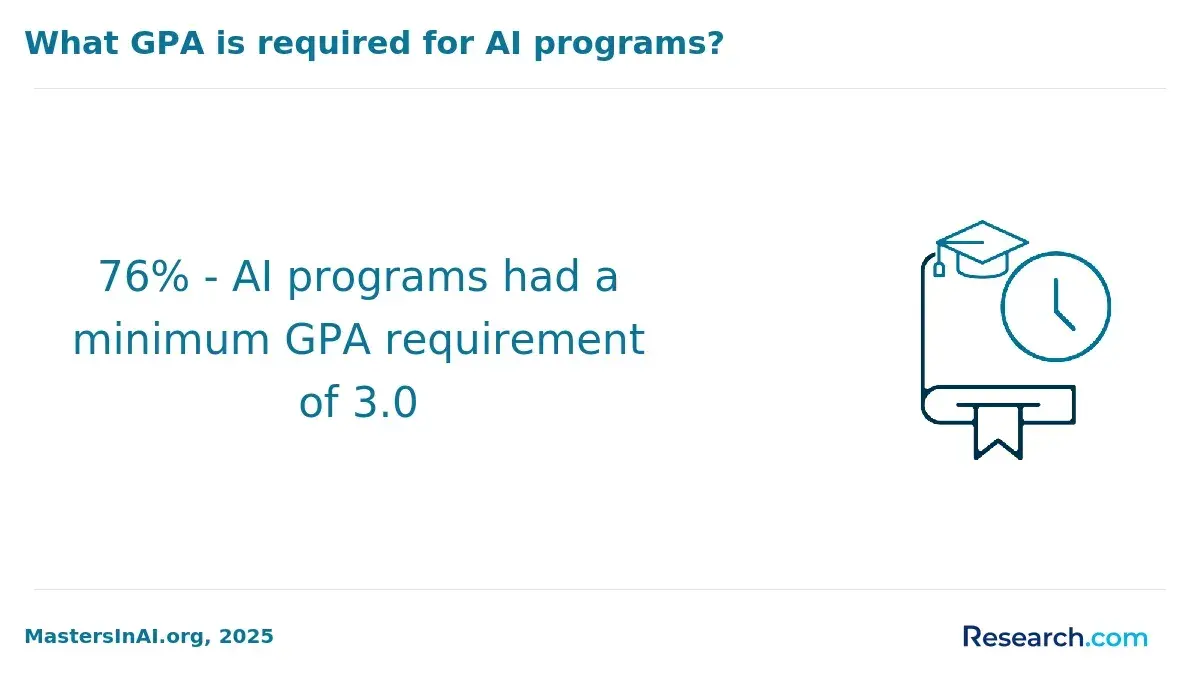
Executive ai programs usually require applicants to have 5 to 10 years of leadership experience, especially in human resources, organizational development, or technology fields. Candidates are expected to hold at least a bachelor's degree, with many programs favoring MBA holders or those with equivalent advanced degrees to handle strategic concepts effectively. Some select programs ask for letters of recommendation, a detailed professional resume, and a personal statement demonstrating goals related to ai integration in people management.
Time commitments often range from 6 weeks to 6 months, with part-time or modular schedules designed for working professionals. Typically, students allocate 8 to 12 hours per week, combining asynchronous coursework with live sessions for flexibility. Alternatively, immersive boot camps condense learning into full-time, multi-day formats, ideal for those able to take brief career breaks.
Many programs include real-world projects requiring an additional 5 to 10 hours weekly to apply ai tools in workforce challenges. This practical work helps executives align ai insights with human-centered strategies. According to Accenture, companies using ai-driven employee experience tools have achieved a 21% boost in employee engagement and a 16% reduction in burnout versus peers.
A strong foundation in data analytics and organizational psychology enhances success, along with time management skills critical for balancing professional duties and study. These programs demand rigor in both quantitative and qualitative learning, preparing leaders for the evolving ai landscape in workforce management.
How much do AI courses for senior HR leaders cost, and what are funding options?
The cost of ai courses for senior HR leaders ranges widely, typically from $1,000 to over $5,000 depending on the program's length, depth, and provider reputation. Executive-focused programs often charge premium tuition due to specialized content and access to top industry experts. For instance, comprehensive AI leadership certificates can cost between $3,000 and $7,000, while shorter workshops or online modules may be priced from $1,000 to $2,500.
Funding options can significantly ease these expenses. Many organizations allocate budgets for ai and digital skills training within their learning and development initiatives, recognizing direct benefits on HR performance metrics. Additional support often comes from third-party scholarships, employer tuition reimbursement programs, and professional development stipends.
Tax incentives and grants are increasingly important. Federal and state programs, such as the Workforce Innovation and Opportunity Act (WIOA), help subsidize workforce training in emerging technologies like AI. Collaborations with educational institutions may also provide discounts or cohort pricing.
Choosing ai courses with proven business impact is advisable. The IBM Institute for Business Value's 2025 AI Skills and ROI Report found that organizations investing in ai upskilling for HR leaders experienced a median 3.5x return on investment through improved productivity and reduced external hiring costs. Prioritizing funding for high-quality training supports stronger outcomes compared to less tailored, lower-cost alternatives.
How does AI expertise affect chief people officer salaries and job outlook?
Chief people officers (CPOs) with artificial intelligence expertise are commanding significantly higher salaries and better job prospects. The integration of AI in human resources is reshaping the skills landscape, with the World Economic Forum's 2024 Future of Jobs Survey revealing that 42% of skills for typical HR roles will evolve by 2028. AI proficiency, particularly in data literacy and analytics, stands out as a crucial advantage.
AI capabilities allow CPOs to implement predictive hiring models, automate routine processes, and boost employee engagement through sentiment analysis. These improvements translate into operational cost reductions and stronger strategic decision-making. For example, companies using AI-driven workforce models report up to 20% higher retention rates, encouraging higher compensation for AI-skilled CPOs.
Salary data confirms that CPOs with AI skills earn 10% to 25% more than those without, as employers prioritize expertise in machine learning applications for talent acquisition, performance management, and diversity initiatives. This demand underscores the growing AI skills gap highlighted by the World Economic Forum.
Prospective students and HR professionals should pursue AI courses focused on practical data analytics, ethical AI usage, and the integration of HR technology to stay competitive and increase earning potential in evolving roles.
Other Things You Should Know About Artificial Intelligence
In 2027, top AI courses for chief people officers include MIT Sloan's "Artificial Intelligence in Business: Strategy & Applications," Stanford's "AI for Management and Business," and Coursera's "AI in HR: Strategies for Future Work." These courses focus on practical applications of AI in HR, strategic implementation, and AI governance.
AI enhances talent acquisition by enabling automated resume screening, predictive analytics for candidate success, and chatbots that engage candidates promptly. These technologies reduce human bias and accelerate hiring timelines while improving candidate experience through personalized communication. AI also helps identify skill gaps and match candidates to roles with greater precision.
Integration challenges include data quality issues, resistance from employees due to fear of job displacement, and the complexity of merging AI tools with existing HR platforms. Chief people officers must also ensure staff are adequately trained to interpret AI outputs and maintain a human-centered approach alongside automated processes. Strategic planning and change management are critical.
AI systems assist but do not replace human judgment in HR. While AI can analyze large datasets objectively and identify patterns humans might miss, final decisions on hiring, promotion, and employee relations require contextual understanding and empathy. Chief people officers should use AI outputs as supportive insights rather than definitive answers.
References
- 12 Best Generative AI for HR Courses To Take in 2026 https://www.aihr.com/blog/generative-ai-for-hr-courses/
- The chief people officer’s quick guide to generative artificial intelligence https://www.mercer.com/en-ie/insights/people-strategy/future-of-work/chief-people-officers-quick-guide-to-generative-artificial-intelligence/
- How HR Can Lead the AI Shift in 2026 — HR Leaders https://hrleaders.co/podcast/how-hr-can-lead-the-ai-shift-in-2026
- 10 Best AI Courses for HR Professionals 2025 | Recruiters LineUp https://www.recruiterslineup.com/best-ai-courses-for-hr-professionals/
- Chief AI Officer Jobs Are Multiplying Fast https://axialsearch.com/insights/chief-ai-officer-jobs/
- What Is a Chief AI Officer? Role, Salary & How to Hire https://www.searchsvc.com/2026/05/29/what-is-a-chief-ai-officer/
- Best AI Agent Courses for C-Level Leaders (2026 Guide) https://aiagentsacademy.ai/blog/best-ai-agent-courses-c-level-leaders-2026
- The AI Boom In Executive Education: What You Can Study Right Now At The World's Top B-Schools https://poetsandquantsforexecs.com/exec-ed/the-ai-boom-in-executive-education-what-you-can-study-right-now-at-the-worlds-top-b-schools/
- The AI upskilling guide for executives https://www.bvp.com/atlas/the-ai-upskilling-guide-for-executives
- AI in HR | Galileo Learn https://getgalileo.ai/learn/courses/ai-in-hr