2027 Best AI Ethics Courses for Full-Stack Developers

Co-Founder and Chief Data Scientist
Full-stack developers increasingly face ethical dilemmas when integrating AI technologies into applications. Issues like bias in algorithms, data privacy breaches, and unintended consequences can damage user trust and lead to legal repercussions. These challenges require more than technical skills; they demand a solid understanding of AI ethics principles.
Without this knowledge, developers risk deploying harmful or unfair systems that affect diverse user groups. With this, this article examines the best AI ethics courses tailored for full-stack developers, aiming to equip professionals with the frameworks and tools needed to navigate ethical concerns effectively in their projects.
Key Things You Should Know
- AI ethics courses for full-stack developers emphasize integrating fairness, transparency, and accountability into software design to address biases and enhance user trust.
- By 2025, over 65% of top tech companies require developers to complete ethics training, reflecting rising industry standards and regulatory expectations.
- Course content now includes real-world case studies, legal frameworks like GDPR, and practical tools for ethical decision-making in AI-driven applications.
Advance Your Career with AI Online Courses
Artificial Intelligence: Implications for Business Strategy
This program provides an introduction to Artificial Intelligence and their implications for business strategy. Earn an official digital certificate.

Oxford Artificial Intelligence Programme
Explore this Oxford Artificial Intelligence programme offered in a flexible learning environment and explore topics like machine learning, automation, and robotics.

Implementing Agentic AI: Building Your Organizational Playbook
This online MIT Agentic AI course offers a practical approach to deploying AI agents in your organization, including a custom playbook. 3 weeks, exclusive launch price.

AI Adoption: Driving Business Value and Impact
This online MIT AI Adoption: Driving Business Value and Impact offers practical frameworks to close the gap between AI potential and business reality.

Artificial Intelligence in Pharma and Biotech
Discover the applications and limitations of artificial intelligence in pharma and biotech with this MIT online short course.

What are the best AI ethics courses for full-stack developers in the United States?
Leading AI ethics courses tailored for full-stack developers in the United States blend rigorous computer science knowledge with practical ethical frameworks. Programs like Stanford University's "Ethics, Public Policy, and Technological Change" equip developers to critically assess AI features in real-world software projects.
Meanwhile, the University of California, Berkeley offers "AI Ethics and Fairness," which emphasizes reducing bias and promoting transparency in AI models built into full-stack systems. These courses represent some of the best AI ethics courses for full-stack developers in the United States, addressing critical challenges in this evolving field.
Professionals frequently turn to online platforms such as Coursera and edX, featuring courses like Andrew Ng's "AI For Everyone," that cover social impacts of artificial intelligence, privacy concerns, and algorithmic fairness. The top AI ethics training programs for full-stack developers across the US typically focus on practical techniques to embed ethical considerations throughout the development lifecycle.
A 2024 GitHub survey found that 92% of U.S.-based software developers already use AI coding tools inside and outside of work, often without formal ethics policies, which increases the risk of unintended consequences in deployed applications.
Recommended programs usually cover:
- Bias detection and mitigation in AI models
- Data privacy laws relevant to software developers
- Explainability techniques for AI components
- Impact assessment methodologies for AI tools
Full-stack developers should prioritize courses offering hands-on projects simulating real software environments to apply ethics principles directly within coding practices.
For those looking for accelerated education routes in computer science to support this expertise, the fastest way to get a computer science degree can be a strategic option to advance their careers more quickly.
Advance Your Career with AI Online Courses
Artificial Intelligence: Implications for Business Strategy
This program provides an introduction to Artificial Intelligence and their implications for business strategy. Earn an official digital certificate.
Oxford Artificial Intelligence Programme
Explore this Oxford Artificial Intelligence programme offered in a flexible learning environment and explore topics like machine learning, automation, and robotics.
Implementing Agentic AI: Building Your Organizational Playbook
This online MIT Agentic AI course offers a practical approach to deploying AI agents in your organization, including a custom playbook. 3 weeks, exclusive launch price.
How do AI ethics courses fit into a full-stack developer's career path?
AI ethics courses are critical for full-stack developers managing both front-end user experiences and back-end logic. By integrating AI ethics training into a developer's career growth, professionals gain the ability to responsibly design and deploy AI-driven applications that address bias mitigation, transparency, privacy, and accountability. These ethical considerations in AI development for full-stack developers help minimize risks such as discriminatory algorithms and violations of privacy laws.
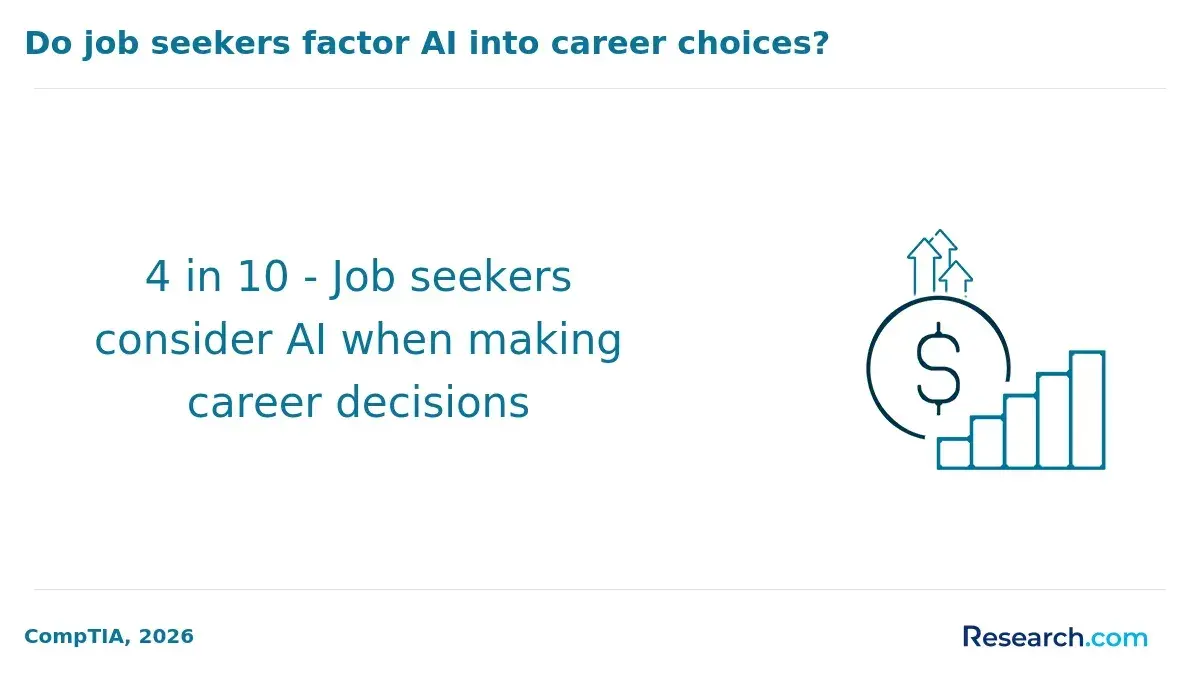
Developers trained in AI ethics can better audit AI models for fairness, enhance collaboration with data scientists and compliance teams, and secure a competitive advantage in job markets prioritizing responsible AI. The World Economic Forum's Future of Jobs Report 2025 notes a 39% growth in AI and machine learning roles from 2025 to 2030, underscoring the demand for developers who combine technical skills with ethical literacy.
Practical benefits include:
- Enhanced ability to audit AI models for fairness
- Improved collaboration with data scientists and compliance teams
- Competitive advantage in job markets emphasizing responsible AI
For those pursuing an educational path, an online engineering degree can incorporate these crucial aspects into the curriculum, preparing candidates for evolving expectations in AI roles.
What should full-stack developers look for in an AI ethics curriculum?
Full-stack developers focusing on ethical considerations in AI development must engage with curricula that blend technical, legal, and societal viewpoints. Key topics include bias mitigation techniques, transparent model design, and data privacy safeguards embedded in coding practices. Practical skills such as testing for disparate impact help identify and correct algorithmic bias effectively.
Regulatory knowledge is essential as AI-related laws are evolving rapidly. Stanford's AI Index Report highlights a 56.3% rise in global AI regulations between 2022 and 2023.
Understanding compliance frameworks like the EU's AI Act and U.S. proposed standards enables developers to align technical designs with legal mandates and documentation requirements, an important aspect of a comprehensive AI ethics curriculum's criteria for full-stack engineers.
Effective programs incorporate real-world case studies addressing ethical dilemmas, including facial recognition and autonomous decision-making. Hands-on experiences like code labs for model fairness audits and privacy impact assessments reinforce learning while emphasizing the social consequences of AI, such as inequality amplification and user autonomy erosion.
Multidisciplinary instruction that links computer science with philosophy, policy, and human rights ensures ongoing ethical evaluation throughout the software lifecycle. For those interested in related fields, exploring online colleges for game design can offer additional perspectives on responsible software development.
Ultimately, ethical considerations in AI development for full-stack developers prepare them to build transparent, equitable, and legally compliant AI systems across all development stages.
Are online AI ethics courses as valuable as campus-based options for developers?
Online AI ethics courses provide full-stack developers with flexible, rigorous learning that can rival campus-based offerings. These programs often emphasize practical case studies and scenario-based learning, allowing developers to integrate ethical principles alongside coding skills seamlessly. The value of online AI ethics courses for developers lies in their adaptability and often global perspective, which enhances ethical reasoning beyond traditional classroom settings.
Campus versus online AI ethics training for software developers presents complementary benefits. Campus courses may offer direct mentorship and networking opportunities, while online formats increasingly mimic these advantages through virtual classrooms and discussion forums. When choosing a program, consider curriculum alignment with industry standards, governance frameworks, and practical experience.
Employers emphasize ethics capability as a critical factor for success in trustworthy AI initiatives. Deloitte's State of Trustworthy AI 2024 reports that 73% of leading AI adopters link ethical competence with financial performance. Developers should also evaluate credential recognition and exposure to current regulations when selecting training.
Many aspiring professionals weigh the return on investment carefully; exploring career paths such as an AI trainer salary underscores the benefit of practical ethics education. Well-designed online programs can equip learners for industry demands without career disruption.
Which accredited universities and platforms offer reputable AI ethics programs?
Leading universities and platforms offer reputable AI ethics programs vital for full-stack developers. Stanford University's "Ethics, Society, and Technology" course highlights real-world applications, while Harvard's online program focuses on policy frameworks regulating AI. MIT's "AI: Ethics and Societal Impact" course addresses both technical and societal challenges, making it especially relevant for ethical AI implementation.
Online platforms like Coursera and edX collaborate with top institutions to provide specialized tracks. Coursera's "AI For Everyone" by deeplearning.ai briefly covers ethics, whereas the University of Leeds' "AI Ethics and Impact" specialization offers a comprehensive foundation for responsible AI design. edX features Microsoft's "Data Science: Ethics," emphasizing ethical data management closely tied to AI systems.
Certifications from these programs enhance professionals' ability to manage AI risks. According to IBM Security's Cost of a Data Breach Report 2024, AI-driven organizations reduce the data breach lifecycle by 108 days and cut average breach costs by about $2 million. This highlights the importance of AI ethics education in building secure software.
For full-stack developers, mastering AI ethics is essential to design systems that are not only functional but also responsible and secure in today's data-sensitive environment.
What prerequisites and admission requirements do AI ethics courses typically have?
Most AI ethics courses require applicants to have a solid foundation in computer science, programming, and basic machine learning concepts. Full-stack developers generally meet these requirements through experience with data structures, algorithms, and languages like Python or JavaScript.
Additionally, familiarity with data analysis or statistics is often expected to effectively understand bias quantification and fairness metrics.
Common admission prerequisites include:
- A bachelor's degree in computer science, engineering, data science, or related STEM fields.
- Prior coursework or professional experience involving AI, machine learning, or data ethics.
- Some programs may require knowledge of philosophical or ethical theories, via formal study or self-study, to engage with normative ethical questions surrounding AI.
- Demonstrated ability to analyze AI systems, often shown through a portfolio or detailed project statements.
Ethics education is critical, especially considering research showing over 80% of commercial AI hiring tools exhibit demographic biases. Applicants lacking prior ethics education might need to complete foundational modules in philosophy or ethics before advancing. Hybrid courses sometimes offer bridging content to help developers new to ethical frameworks.
Prospective students should thoroughly review individual course requirements to ensure they are prepared for the interdisciplinary challenges of AI ethics training.
How long do AI ethics courses for full-stack developers take, and what do they cost?
AI ethics courses designed for full-stack developers vary in length from about 4 to 12 weeks, depending on focus and format. Shorter courses concentrate on foundational ethics, privacy, and bias reduction, while longer programs incorporate hands-on projects, case studies, and frameworks for explainability and accountability. Part-time options accommodate working professionals but can extend completion to 3-6 months.
Costs vary significantly, ranging from $300 to $600 for entry-level courses and up to $3,500 for advanced certifications or university-affiliated programs. Many employers subsidize these fees, recognizing the growing importance of ethical AI expertise within development teams.
Courses emphasize real-world integration of ethics, targeting challenges like algorithmic bias reduction and explainability tool implementation. Companies using explainability tools are 4.1 times more likely to achieve consistent, intended AI system outcomes, underscoring their value.
Full-stack developers should balance time, cost, and relevant content when choosing courses. For example, those focused on user-facing AI may prioritize human-centered design and transparency, while backend specialists might emphasize fairness auditing and model monitoring techniques to maximize practical benefits.
What AI-focused roles and responsibilities can AI ethics training unlock for developers?
AI ethics training prepares developers to take on vital roles that ensure responsible AI integration in software products. Many organizations lack explicit AI ethics guidelines despite widespread AI use, creating a governance gap. Ethics-trained developers fill this by becoming AI compliance officers who design and enforce guidelines aligned with legal and fairness standards. They actively manage bias by auditing AI models and datasets to prevent issues like discrimination or misinformation.
These professionals also serve as AI risk analysts, identifying vulnerabilities and potential unintended consequences to protect organizations from reputational and legal risks. Ethical AI architects embed transparency and explainability into algorithms so stakeholders understand AI decision-making. Such roles require skills beyond coding, including knowledge of privacy laws, fairness principles, and human-centered design.
For example, full-stack developers with ethics training can ensure front-end interfaces clearly communicate AI limitations and uncertainty. Agile teams benefit from ethics advocates who maintain ongoing compliance during iterative releases, balancing innovation with caution.
Mastering AI ethics also opens leadership opportunities by enhancing collaboration among engineers, data scientists, and policy experts, fostering sustainable AI deployment.
Ultimately, AI ethics training transforms developers into stewards of responsible technology, unlocking critical roles focused on compliance, transparency, bias prevention, and risk management essential for ethical AI success.
What salary impact and job market demand are associated with AI ethics skills?
AI ethics expertise significantly boosts salary potential and job market demand for full-stack developers. Employers prioritize professionals who can implement AI systems responsibly, adhering to ethical standards, legal requirements, and societal expectations. Developers skilled in AI ethics often receive salary premiums of 10% to 20% compared to peers without this knowledge, reflecting the high value of these capabilities.
Institutional focus on ethical AI is growing rapidly. A survey from the Computing Research Association found that 63% of North American computer science departments now include dedicated AI ethics or responsible AI modules in undergraduate programs, up from 30% a few years ago. This reflects broad recognition in academia and industry that ethical awareness is essential for AI development.
Full-stack developers trained in AI ethics can tackle challenges such as bias mitigation, data privacy, and transparency. These skills increase employability in regulated sectors like finance, healthcare, and government, where ethical AI use is mandatory.
Practical preparation includes coursework or certifications covering algorithmic fairness, explainability, and responsible data handling. Employers seek candidates who can conduct risk assessments and set ethical guardrails alongside core technical skills.
Integrating AI ethics knowledge supports career resilience and opens opportunities with higher earning potential in the evolving tech ecosystem.
How can developers evaluate certifications and professional standards in AI ethics?
Evaluating certifications and professional standards in AI ethics involves reviewing the credential's coverage, relevance, and industry recognition. Core topics should include bias mitigation, fairness, transparency, accountability, and regulatory compliance—essential areas that reflect real-world ethical challenges. Certifications incorporating scenario-based learning or case studies on algorithmic bias provide practical skills tailored to current dilemmas.
It's important to verify if the certification aligns with reputable frameworks from organizations like IEEE, ACM, or the Partnership on AI. These affiliations indicate adherence to established ethical guidelines and boost the certification's credibility. Look for standards that require continuing education or periodic recertification, which ensure professionals stay current with evolving AI ethics.
Industry demand also matters. According to McKinsey & Company's 2024 report, while generative AI may automate or accelerate 30-50% of software engineering tasks, 75% of tech leaders identify responsible AI and risk management as a major barrier. This highlights the value of certifications focusing on risk assessment and mitigation strategies, especially for developers in full-stack environments.
Review the expertise of course instructors, the balance between technical and ethical topics, and opportunities for practical application through projects or labs. Combining these factors offers a comprehensive foundation to address pressing AI ethics challenges in software development.
Other Things You Should Know About Artificial Intelligence
Bias in data and algorithms is one of the most prevalent ethical concerns in artificial intelligence development. Issues around privacy, transparency, and accountability also arise frequently, especially as AI systems make decisions that impact individuals and society. Developers must address these challenges to build fair and trustworthy AI applications.
Full-stack developers can apply ethical principles by thoroughly testing AI models for bias and unintended consequences before deployment. Ensuring data privacy, providing clear explanations of AI decisions, and implementing mechanisms for human oversight are essential steps. Collaborating with ethicists and using established ethical frameworks helps maintain responsible AI practices.
Explainability is crucial in 2027 AI ethics courses for full-stack developers. It ensures developers can create transparent AI systems, allowing for better trust and accountability. Courses typically cover techniques like model interpretability and validation of AI decisions, emphasizing the need to communicate the decision-making process clearly to stakeholders.
Yes, several legal regulations address AI ethics, including data protection laws like the General Data Protection Regulation (GDPR) and proposals for AI-specific regulations such as the EU AI Act. Developers should stay informed about evolving laws that focus on transparency, accountability, and non-discrimination to ensure compliance throughout AI development and deployment.
References
- Unlock Success with fixmycareer: Your Pathway to Career Brilliance https://www.fixmycareer.in/career/science-technology-engineering-mathematics-stem/technology/ai-ethics-specialist
- Understanding AI Ethics: Principles and Practices https://www.digitalcrestinstitute.com/blog/Understanding%20AI%20Ethics%20Principles%20and%20Practices
- Master Ethical AI Development: The Definitive Guide | SmartDev https://smartdev.com/a-comprehensive-guide-to-ethical-ai-development-best-practices-challenges-and-the-future/
- 10 best AI engineering courses for developers (I reviewed 50 so you don’t have to) https://dev.to/dev_tips/10-best-ai-engineering-courses-for-developers-i-reviewed-50-so-you-dont-have-to-76n
- Will AI Take My Job as a Developer? Here's What You Need to Know https://blog.teamtreehouse.com/will-ai-take-my-job-as-a-developer
- The Importance of Ethical Considerations in AI Development https://zoetalentsolutions.com/ethical-considerations-in-ai-development/
- Full Stack Courses | Career247 https://career247.com/job-assisted-programs/full-stack
- AI Software Development course - Full-time | WBS CODING SCHOOL https://www.wbscodingschool.com/ai-software-development/
- AI Ethics Jobs: How to Start Your Career https://www.peopleinai.com/blog/ai-ethics-jobs-guide