2027 Best AI Governance Courses for Chief Strategy Officers

Co-Founder and Chief Data Scientist
Chief Strategy Officers face a growing challenge managing the ethical, regulatory, and operational risks introduced by artificial intelligence technologies across enterprises. Without a clear framework for AI governance, strategies risk noncompliance, public backlash, and misalignment with organizational values. As AI adoption accelerates, leaders must grasp governance principles that balance innovation with accountability.
This article examines the top AI governance courses designed to equip executives with practical knowledge and skills. It aims to guide professionals seeking flexible, accredited education paths that enable informed decision-making and effective leadership in evolving AI landscapes.
Key Things You Should Know
- Leading AI governance courses in 2026 emphasize regulatory compliance, ethical frameworks, and risk management, reflecting a 35% rise in industry demand for CSOs skilled in these areas since 2024.
- Curricula integrate real-world case studies and evolving U.S. federal guidelines, equipping students with practical tools to navigate AI-related strategic challenges effectively.
- Flexible online and hybrid learning options are prevalent, allowing working professionals to enhance their expertise while adapting to fast-paced developments in AI governance.
Advance Your Career with AI Online Courses
Artificial Intelligence: Implications for Business Strategy
This program provides an introduction to Artificial Intelligence and their implications for business strategy. Earn an official digital certificate.

Oxford Artificial Intelligence Programme
Explore this Oxford Artificial Intelligence programme offered in a flexible learning environment and explore topics like machine learning, automation, and robotics.

Implementing Agentic AI: Building Your Organizational Playbook
This online MIT Agentic AI course offers a practical approach to deploying AI agents in your organization, including a custom playbook. 3 weeks, exclusive launch price.

AI Adoption: Driving Business Value and Impact
This online MIT AI Adoption: Driving Business Value and Impact offers practical frameworks to close the gap between AI potential and business reality.

Artificial Intelligence in Pharma and Biotech
Discover the applications and limitations of artificial intelligence in pharma and biotech with this MIT online short course.

What is AI governance and why should chief strategy officers pursue formal courses?
AI governance frameworks for chief strategy officers provide essential guidance on responsible, ethical, and effective deployment of artificial intelligence systems. Formal AI governance courses empower CSOs to align AI initiatives with corporate goals while mitigating risks like bias, regulatory issues, and reputational harm. Mastery of these frameworks enables leaders to promote transparency, accountability, and sustainable AI use across industries.
Benefits of formal AI governance courses for c-suite leaders extend to managing AI-driven transformation with targeted oversight. For instance, a CSO in finance can implement audits to ensure fairness in machine learning models, reducing legal exposure. In manufacturing, governance helps balance automation gains with workforce impacts via robust monitoring processes.
These competencies are critical as the regulatory landscape evolves rapidly and AI adoption accelerates. PwC's AI Jobs Barometer highlights that companies highly exposed to AI enjoy 5x faster labor productivity growth since 2018, showcasing disciplined AI governance as a competitive differentiator. For those interested in specialized education, exploring the cheapest master in data science programs can be a valuable step toward gaining advanced expertise in AI governance and strategy.
Advance Your Career with AI Online Courses
Artificial Intelligence: Implications for Business Strategy
This program provides an introduction to Artificial Intelligence and their implications for business strategy. Earn an official digital certificate.
Oxford Artificial Intelligence Programme
Explore this Oxford Artificial Intelligence programme offered in a flexible learning environment and explore topics like machine learning, automation, and robotics.
Implementing Agentic AI: Building Your Organizational Playbook
This online MIT Agentic AI course offers a practical approach to deploying AI agents in your organization, including a custom playbook. 3 weeks, exclusive launch price.
What are the best types of AI governance courses for current and aspiring chief strategy officers?
The best ai governance courses for chief strategy officers focus on equipping leaders with practical frameworks, regulatory compliance knowledge, and ethical risk management skills. These programs cover core subjects such as AI ethics, data privacy laws, bias mitigation, and risk-assessment methodologies tailored to AI deployment. Executive-level training often incorporates case studies and scenario planning, helping CSOs integrate governance models into corporate strategy to balance innovation with accountability.
Top AI governance training programs for strategy leaders emphasize hands-on learning, including designing AI audit protocols and establishing cross-functional governance committees. Specialized tracks address sector-specific regulations in fields like finance, healthcare, and manufacturing, helping CSOs navigate domain-specific risks and compliance requirements. Strategic communication skills are also prioritized to enable effective collaboration between technical teams and board members, securing executive support for AI initiatives.
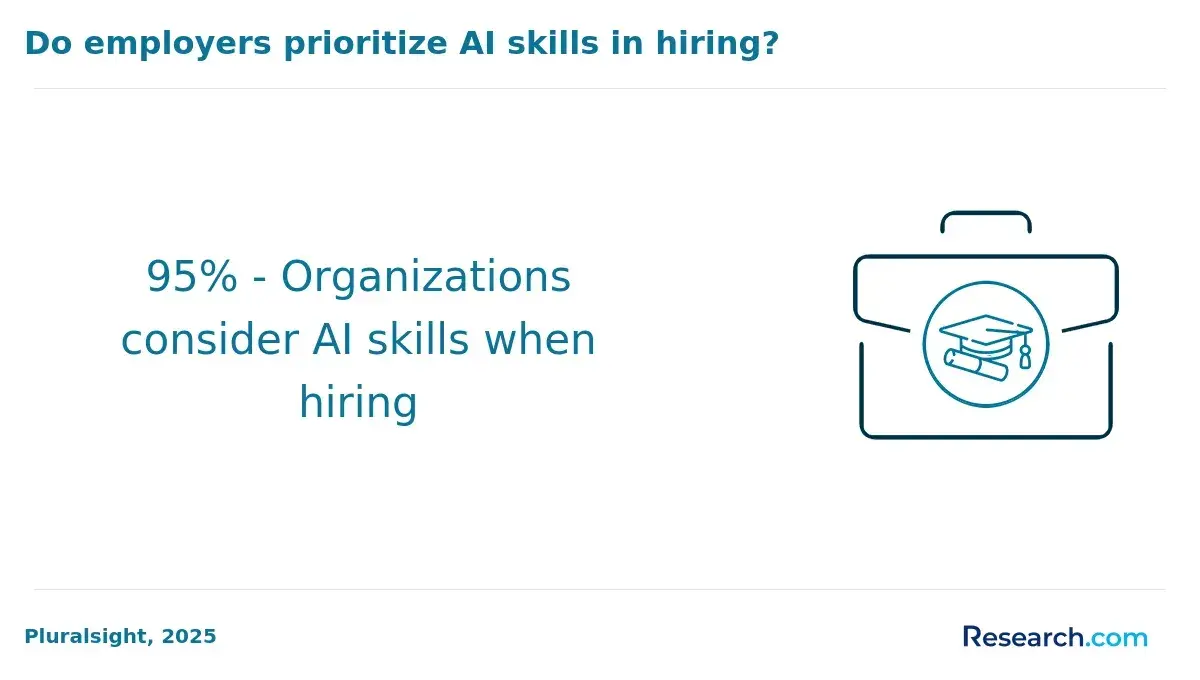
Deloitte's 2024 Global GenAI Survey highlights that 79% of business and technology leaders anticipate the need for new or significantly improved AI governance and risk-management capabilities within two years. This underlines the urgent demand for proficient CSOs trained in these areas. Courses blending governance principles with regulatory updates and leadership development, backed by strong industry partnerships and expert faculty, prepare candidates to meet evolving governance challenges. Prospective students should also consider pursuing an AI online degree to complement these specialized governance certifications and stay competitive in this rapidly advancing field.
How do I choose the best AI governance program for an executive or C-suite role?
Choosing the right AI governance program for executives requires aligning training with strategic responsibilities and regulatory realities. Prioritize programs that address key areas like compliance with the EU AI Act and global frameworks. The European Commission estimates over 10,000 companies will fall under this legislation, with 15-30% of AI systems marked as "high-risk." Such knowledge is vital for leadership engaging EU markets. Top criteria for selecting executive AI governance training programs include curricula focused on risk management, ethical AI deployment, and cross-border regulatory challenges.
Look for practical coursework, including case studies or simulations about real-world governance issues such as regulatory audits and data privacy decisions. Modules on stakeholder communication and AI strategy integration are especially valuable for C-suite executives. Considering how to evaluate AI governance courses for C-suite executives, flexibility and format matter-executive programs typically offer condensed, online, or hybrid formats that emphasize strategic oversight over technical details.
Faculty expertise and affiliations with credible institutions or regulatory bodies are critical. Programs endorsed by recognized AI ethics councils or governance forums lend added credibility. Networking opportunities with peers and legal experts also enhance leadership readiness in a fast-changing compliance environment. For those interested in related fields, exploring game design courses online can offer alternative pathways in technology education.
What AI governance skills and topics do leading courses for chief strategy officers cover?
Leading ai governance frameworks for chief strategy officers emphasize expertise in risk management, ethical standards, regulatory compliance, and strategic AI implementation. These programs focus on evaluating AI's impact on business models, ensuring initiatives adhere to governance standards and legal requirements across regions. Core skills include designing oversight mechanisms that monitor AI performance, reduce bias, and promote transparency.
Key topics in ai governance training for strategy leaders cover data privacy laws such as GDPR and CCPA, algorithmic accountability, and auditing frameworks. Courses often include how to set up internal review boards for AI projects and incorporate ethical guidelines into development cycles. Scenario-based learning prepares executives to handle AI misuse and unintended consequences effectively.
Technical literacy is another vital area, helping CSOs communicate with data scientists and engineers. Understanding AI model limitations, explainability, and security vulnerabilities enables informed decision-making and governance policies that balance innovation with risk. Strategic collaboration is also highlighted, working closely with legal, compliance, and human resources teams to operationalize governance. Soft skills like stakeholder engagement and change management foster a culture of responsible AI leadership.
Strong AI governance expertise significantly boosts career prospects. Payscale data reveals Chief AI Officers in the U.S. earn a median total pay of about $280,000 with top quartile salaries exceeding $400,000. For those considering technical education pathways, exploring a veteran friendly online electrical engineering degree can provide a solid foundation applicable in AI and related fields.
How do online AI governance courses compare with campus and executive-education formats?
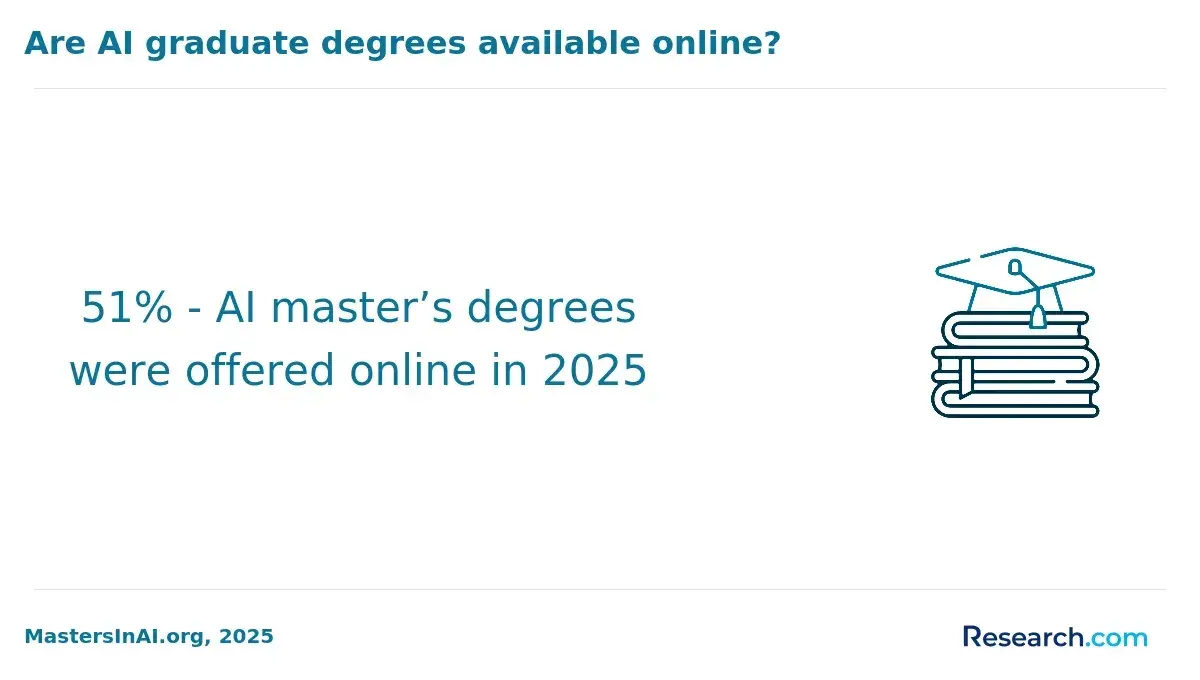
Online AI governance courses offer flexibility and accessibility ideal for chief strategy officers (CSOs) managing busy schedules. These programs often feature current digital tools, case studies, and interactive content that reflect the rapidly evolving governance landscape. Executive education, meanwhile, provides immersive, in-person experiences with networking and personalized coaching, helping leaders achieve strategic industry alignment.
Campus-based programs emphasize foundational theory through structured curricula and faculty expertise, though they usually require more time and may not address the latest AI governance challenges as promptly. CSOs focused on quick skill acquisition and practical implementation typically benefit from the adaptability of online offerings, which cover key norms like compliance frameworks and ethical standards.
Robust AI governance training is crucial: IBM's CEO Study reports that 63% of CEOs who scaled generative AI introduced formal governance structures recently, compared to 29% still piloting, underscoring the importance of formal education regardless of format. CSOs should evaluate their organization's needs, time constraints, and budget when choosing a format. Hybrid models combining online, executive, and campus elements are increasingly popular, offering comprehensive coverage across the AI governance lifecycle.
Which accredited U.S. universities and business schools offer reputable AI governance programs?
Several top U.S. universities and business schools offer specialized AI governance programs tailored for chief strategy officers and senior leaders. Carnegie Mellon University's Heinz College features a Master of Science in Public Policy and Management emphasizing AI governance, ethical implementation, and risk management. The MIT Sloan School of Management provides an executive certificate in AI Strategy and Governance, ideal for professionals integrating AI frameworks into business operations. Stanford University's Graduate School of Business includes advanced courses on AI ethics and governance within its technology management curriculum, targeting executives committed to responsible AI deployment.
These programs tackle critical governance challenges such as AI risk assessment, evolving regulatory compliance, and embedding ethics throughout the AI lifecycle. Participants develop practical skills to establish AI governance frameworks that align with corporate strategy and risk tolerance while addressing growing regulatory scrutiny and stakeholder expectations.
Organizations adopting formal AI governance see tangible financial benefits. As reported in McKinsey's 2024 State of AI report, companies with structured AI risk and governance practices are 1.6x more likely to achieve revenue increases above 10% from AI initiatives compared to those without such measures, highlighting the strategic value of advanced governance education.
Prospective students should prioritize programs with expert faculty in AI ethics, compliance law, and strategic risk management. Look for options offering case studies, simulations, or industry partnerships, which enhance real-world application and enable executives to balance innovation with responsibility effectively.
What are the typical admissions requirements for AI governance certificates, microcredentials, and degrees?
Admissions requirements for AI governance certificates, microcredentials, and degrees typically emphasize a combination of technical skills, relevant experience, and academic background. For certificate programs, a bachelor's degree in fields like computer science, business, law, or public policy is commonly required. Alternatively, significant professional experience in AI, risk management, or compliance may be accepted. Foundational knowledge in data ethics, cybersecurity, or regulatory frameworks is increasingly expected.
Master's programs specializing in AI governance often ask for a completed undergraduate degree with a minimum GPA, recommendation letters, and a statement of purpose focused on AI strategy or risk management. Some programs require GRE scores and previous coursework in programming, statistics, or ethics. Executive degrees typically value candidates with 3 to 5 years of leadership experience in technology or strategic roles.
Gartner's 2024 survey highlights that 44% of organizations plan to increase spending on AI risk, security, and governance in 2025, reflecting the rising demand for professionals who combine technical aptitude with strategic insight. Applicants should be prepared to showcase skills in compliance frameworks, AI's societal impacts, and interdisciplinary collaboration. Some institutions request a project proposal or governance portfolio, while international students may face additional English language requirements.
How long do AI governance programs take to complete, and what do they cost executives?
AI governance programs tailored for chief strategy officers generally span from a few weeks up to six months, depending on the course format and depth. Many executive courses offer modular, part-time options over three to six months, allowing working professionals to balance their schedules. Short, intensive workshops lasting two to four weeks often cover foundational principles and emerging regulations in AI governance.
Program costs vary significantly based on factors like institution reputation, length, and included resources. Entry-level executive courses typically range from $2,000 to $5,000. In contrast, comprehensive certifications at top universities can cost between $10,000 and $25,000. Highly specialized offerings with hands-on labs, case studies, and personalized coaching may exceed $30,000.
This investment reflects the growing market demand for AI governance expertise. The World Economic Forum's Future of Jobs 2025 report shows that 60% of companies expect AI and big-data specialists-along with digital transformation roles involving AI governance-to remain highly sought after through 2028. However, over half of these companies report challenges in hiring for these skills, emphasizing the value of formal education.
When selecting a program, prospective learners should consider scheduling flexibility and credential goals. Online and hybrid formats offer convenience but may require strong self-discipline, while in-person, cohort-based programs provide valuable networking opportunities.
What career outcomes, promotions, and new roles can AI governance training unlock for chief strategy officers?
Chief strategy officers (CSOs) who pursue AI governance training position themselves for advancement into critical leadership roles centered on risk management, compliance, and innovation. With 84% of board members indicating their boards remain unprepared to oversee AI and emerging technologies, and 72% recognizing AI as a top strategic risk or opportunity, CSOs skilled in AI governance become key drivers of responsible AI adoption.
AI governance education empowers CSOs to:
- Design and lead enterprise-wide AI risk frameworks that align with regulatory and ethical standards.
- Serve on AI oversight committees as trusted advisors at the board level.
- Transition into chief risk officer or chief compliance officer roles where AI oversight is integral.
- Guide corporate innovation by evaluating AI initiatives for compliance, societal impact, and stakeholder trust.
These capabilities help CSOs bridge technology teams and corporate leadership, mitigating risks while unlocking AI-driven opportunities. Expertise in AI-related ethics, transparency, and accountability enables consultative roles advising boards and regulators. Practically, this results in greater visibility, strategic influence, and expanded cross-functional leadership responsibilities.
Organizations facing regulatory scrutiny increasingly seek CSOs with both AI fluency and governance acumen. As a clear career progression path, AI governance courses equip professionals to meet evolving challenges, positioning them as indispensable leaders within industries. For more details on AI governance education and career impact, explore trusted resources focused on strategy roles and compliance trends.
Are there industry certifications or standards that validate AI governance expertise for senior strategists?
Recognized industry certifications validate AI governance expertise tailored for senior strategists, focusing on responsible AI deployment, risk management, and compliance with regulatory frameworks. Programs such as the Certified AI Governance Professional (CAIGP) and certifications from organizations like ISACA offer credentials emphasizing strategic leadership skills necessary to oversee ethical AI practices, bias mitigation, transparency, and accountability.
Professional bodies align curricula with standards like the OECD AI Principles and the European Commission's Artificial Intelligence Act, ensuring certified professionals comprehend global regulatory expectations. This knowledge equips chief strategy officers to connect technical AI insights with executive governance duties, enhancing their effectiveness in guiding AI policies.
LinkedIn's Emerging Jobs analysis highlights a 40% higher recruitment outreach through InMail for profiles listing AI governance, AI ethics, or responsible AI skills versus counterparts without these qualifications. This reflects the growing market demand for executives with validated governance expertise across industries.
Senior strategists benefit from certifications covering practical frameworks for AI auditability, compliance, and ethics. Such credentials showcase command of challenges like algorithmic bias prevention and privacy law adherence, boosting credibility in board-level discussions and positioning leaders as key voices in AI risk governance.
Certified AI governance expertise helps organizations comply with regulatory mandates while enabling chief strategy officers to integrate AI governance into enterprise risk and innovation strategies effectively.
Other Things You Should Know About Artificial Intelligence
In 2027, the most reputable AI governance courses for Chief Strategy Officers include Stanford University's AI Governance and Ethics Program and MIT's AI Leadership and Strategy Certificate. These programs offer in-depth insights into regulatory challenges and strategic oversight in AI implementation.
One major challenge is balancing innovation with risk management, as overly restrictive policies can hinder AI development. Additionally, integrating AI governance across diverse teams and technologies requires cross-functional collaboration and clear communication. Ensuring data privacy and addressing algorithmic biases also remain persistent obstacles.
Explainability is critical for AI governance because it allows stakeholders to understand how AI systems make decisions. This transparency supports trustworthiness and ethical compliance, which are essential in regulated industries. Chief strategy officers use explainability metrics to evaluate AI models and ensure alignment with organizational values and regulatory expectations.
Human oversight serves as a safeguard, ensuring AI systems perform within intended ethical and operational boundaries. It involves continuous monitoring, validation, and intervention if AI outcomes deviate from expected norms. Effective governance frameworks integrate human judgment to complement automated processes and address potential risks proactively.
References
- Certified Chief AI Officer Training - ISSS https://www.isss.org.uk/certified-chief-ai-officer-training/
- How to Get Your First AI Governance Job: A Career Guide https://governance.aicareer.pro/blog/landing-your-first-job-in-ai-governance
- AI Governance for Business Professionals Certification Program https://courses.babl.ai/p/ai-governance-for-business-professionals-certification-program
- MIM Certified AI Governance Professional https://www.mim.org.my/ai-leadership/mim-certified-ai-governance-professional
- Certified Chief AI and Data Strategy Officer (CASO) Program https://aventistraining.com/certified-chief-ai-and-data-strategy-officer/
- Certified AI Ethics and Governance Course | Turing College https://www.turingcollege.com/ai-ethics
- Guide to AI Governance – Frequently Asked Questions https://www.protiviti.com/us-en/research-guide/guide-ai-governance-frequently-asked-questions
- How to Choose the Best AI Governance Software https://www.lumenova.ai/blog/choose-best-ai-governance-software/
- Developing a Corporate AI Policy: Governance & Compliance | IntuitionLabs https://intuitionlabs.ai/articles/developing-corporate-ai-policy-governance-guide
- Strategic Integration of Artificial Intelligence in the C-Suite: The Role of the Chief AI Officer https://arxiv.org/html/2407.10247v2