2027 Best Imperial College London AI Courses for AI Strategy

Co-Founder and Chief Data Scientist
Professionals seeking to enter ai strategy often face the challenge of finding courses that combine technical depth with strategic business insights. Many available programs either focus too heavily on programming or lack a strong integration of real-world strategic applications. This gap makes it difficult for individuals from unrelated fields to pivot confidently into ai roles that influence organizational decision-making.
Imperial College London offers courses designed to bridge this divide, providing robust training that aligns artificial intelligence principles with practical strategy development. This article reviews the best Imperial College London ai courses tailored to equip learners with the knowledge needed to advance in ai strategy roles.
Key Things You Should Know
- Imperial College London offers specialized AI strategy courses emphasizing practical applications and leadership in AI, targeting professionals aiming to influence business innovation and policy.
- Curriculums integrate the latest AI research from 2024-2025, including ethical frameworks and AI-driven decision-making, aligning with industry needs where 60% of firms report skill gaps.
- Flexible learning modes, including part-time and online options, accommodate U.S. students and working professionals seeking global recognition from a top-ranked university.
Advance Your Career with AI Online Courses
Artificial Intelligence: Implications for Business Strategy
This program provides an introduction to Artificial Intelligence and their implications for business strategy. Earn an official digital certificate.

Oxford Artificial Intelligence Programme
Explore this Oxford Artificial Intelligence programme offered in a flexible learning environment and explore topics like machine learning, automation, and robotics.

Implementing Agentic AI: Building Your Organizational Playbook
This online MIT Agentic AI course offers a practical approach to deploying AI agents in your organization, including a custom playbook. 3 weeks, exclusive launch price.

AI Adoption: Driving Business Value and Impact
This online MIT AI Adoption: Driving Business Value and Impact offers practical frameworks to close the gap between AI potential and business reality.

Artificial Intelligence in Pharma and Biotech
Discover the applications and limitations of artificial intelligence in pharma and biotech with this MIT online short course.

What makes Imperial College London's AI courses stand out for AI strategy training?
Imperial College London's AI courses are highly regarded for strategic decision making, blending advanced research with practical business insights. This UK-based AI strategy training program at Imperial College equips students to convert complex AI concepts into actionable strategies, ideal for professionals aiming to lead AI initiatives within organizations.
With a strong STEM foundation and a #2 global ranking in the QS World University Rankings 2026, Imperial ensures access to current AI developments and expert faculty, supporting rigorous academic standards.
The curriculum crosses traditional boundaries, integrating computer science, economics, and management to assess AI's impact on markets, regulation, and organizational change. Key modules cover AI ethics, risk management, and AI-driven innovation, essential for strategic leadership.
Practical experience is emphasized through case studies, consulting projects, and industry partnerships. These opportunities develop skills in AI project design and governance, while alumni networks offer internships and mentorships that enhance career prospects.
For U.S. students looking for an internationally recognized, research-led education, Imperial's approach addresses challenges like scaling AI technologies and aligning initiatives with business goals. Those interested in further exploring AI education options can consider a computer science degree accelerated pathway to deepen technical expertise alongside strategic knowledge.
Advance Your Career with AI Online Courses
Artificial Intelligence: Implications for Business Strategy
This program provides an introduction to Artificial Intelligence and their implications for business strategy. Earn an official digital certificate.
Oxford Artificial Intelligence Programme
Explore this Oxford Artificial Intelligence programme offered in a flexible learning environment and explore topics like machine learning, automation, and robotics.
Implementing Agentic AI: Building Your Organizational Playbook
This online MIT Agentic AI course offers a practical approach to deploying AI agents in your organization, including a custom playbook. 3 weeks, exclusive launch price.
Which Imperial College London AI courses are best for developing AI leadership and strategy skills?
Imperial College London ai courses for leadership and strategy focus heavily on the MSc Artificial Intelligence program and executive education options. The one-year MSc Artificial Intelligence course blends advanced machine learning techniques with crucial topics like AI governance, ethics, and deployment strategies. This combination suits professionals aiming to lead AI initiatives and connect technical expertise with strategic business decision-making.
Among the top AI strategy programs at Imperial College London are executive short courses designed for leadership development. These courses cover managing AI-driven transformations, aligning AI goals with corporate strategy, and handling regulatory and ethical issues through scenario planning and real-world case studies.
Tuition for the MSc Artificial Intelligence program is £24,600 for home students and £46,000 for overseas students. UK Postgraduate Master's Loans cover up to £12,858, so international students must plan for self-funding the majority of their education. Financial considerations are critical, especially for those aiming for AI leadership roles.
Distinctive features of these offerings include strong industry ties, access to AI research labs, and interdisciplinary teaching that combines technological and strategic skills. Students should assess how these align with their career goals and may also explore alternatives like the cheapest online industrial engineering degree programs for cost-effective pathways.
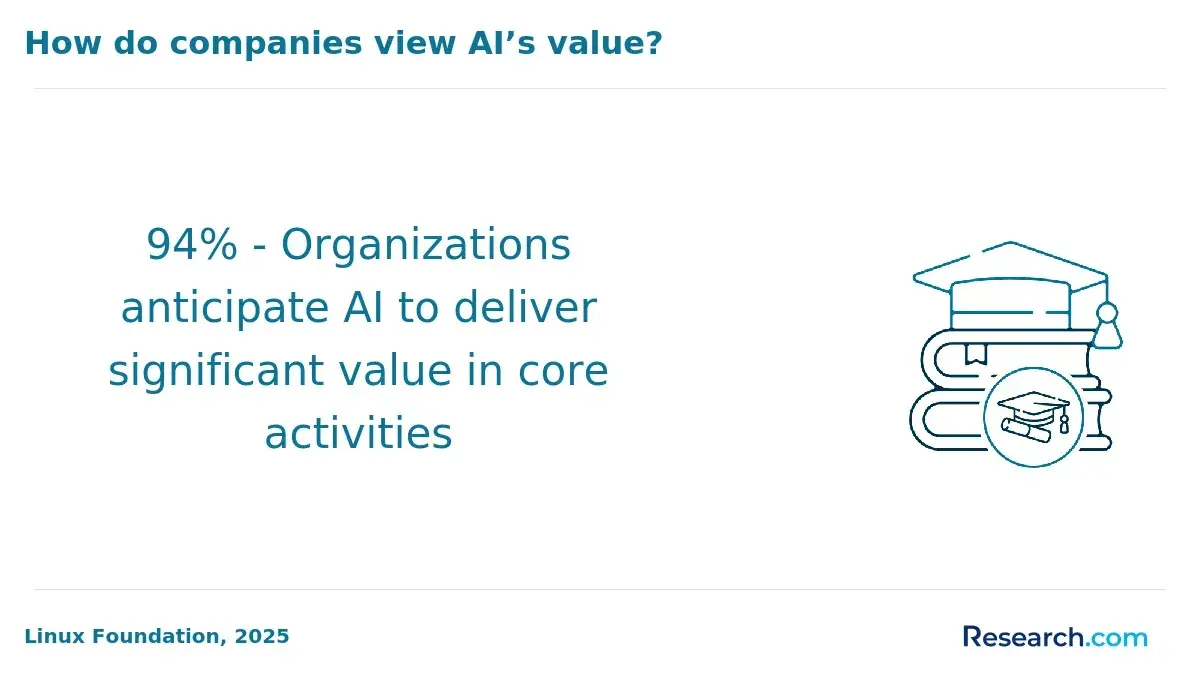
How do Imperial's AI strategy offerings compare with leading U.S. AI master's programs?
Imperial College London's AI strategy offerings stand out when compared to leading U.S. master's programs, particularly through their integration of foundational computing with applied AI disciplines. The MEng Computing AI & ML pathway balances rigorous theory with strategic implementation, matching the quality of top U.S. institutions like Carnegie Mellon and Stanford.
This comparison of Imperial College London AI courses with top US artificial intelligence master's degrees reveals a unique regional focus. Imperial leverages strong connections with the UK tech and finance sectors, providing case studies and applications rooted in European markets. This contrasts with the innovation-driven, entrepreneurship-oriented approaches typical of U.S. programs.
Graduates from Imperial's AI & ML pathways earned a median salary of £35,000 fifteen months after graduation, ranking joint second-highest among UK subjects, according to the UK Graduate Labour Market Statistics 2024. Unlike many U.S. master's programs that focus narrowly on technical skills or research, Imperial's curriculum includes business strategy, AI ethics, and policy frameworks, preparing students for leadership roles sensitive to AI's strategic impacts.
Prospective students should consider factors such as salary potential, curriculum breadth, and regional industry exposure. Imperial's AI strategy emphasis aligns with careers in consultancy, technology management, and policy advisory roles. For those interested in related fields, exploring an online game design degree offers additional pathways in computing and technology.
What admission requirements apply to Imperial's AI and AI strategy-focused programs?
Admission criteria for Imperial College London's AI and AI strategy programs emphasize strong academic credentials and relevant experience. For master's level applicants, a UK first-class or upper second-class honours degree (or international equivalent) in fields such as computer science, engineering, mathematics, or data science is required. Proficiency in programming, statistics, and foundational AI concepts is highly valued. This aligns with the competitive imperial college london ai program admission criteria designed to prepare students for advanced roles.
Executive education programs and professional certificates, like the Professional Certificate in Machine Learning and Artificial Intelligence, focus more on practical skills and motivation. These often require several years of experience in technology, analytics, or business strategy roles. This practical focus reflects the UK's talent gap, where AI and data science shortages cause significant economic losses. Applicants for these courses should provide a clear career statement outlining their goals in AI strategy. This helps meet the entry requirements for ai strategy courses in London.
English proficiency is mandatory for non-native speakers, commonly demonstrated by an IELTS score of 7.0 overall with at least 6.5 in each component. Competitive applications may also include relevant certifications, research experience, or portfolios showcasing complex AI projects. Detailed academic transcripts, recommendation letters, and interviews may be part of the process for specialized AI degrees. For those exploring specialized graduate options, consider a master in data analytics, which shares foundational requirements with AI programs but focuses more on data interpretation and business intelligence.
How do online, hybrid, and on-campus Imperial AI courses differ for working professionals?
Imperial College London offers online, hybrid, and on-campus artificial intelligence courses designed to meet the diverse needs of working professionals. Online courses provide maximum flexibility through asynchronous lectures combined with scheduled live discussions, allowing learners worldwide to study without disrupting their work schedules. For example, a marketing executive in New York can engage with strategic AI coursework remotely.
Hybrid courses blend online learning with periodic on-campus sessions, offering both convenience and direct interaction. This model suits professionals like a finance manager in London who can attend weekend seminars for hands-on workshops and networking while completing other modules remotely.
On-campus programs deliver intensive, immersive learning with immediate faculty access and peer collaboration. Ideal for those who can take sabbaticals or relocate temporarily, these courses foster rapid skill development and deeper connections essential for AI leadership roles.
According to the PwC CEO Survey 2025, 80% of CEOs expect AI to reshape their business models within three years, yet only 28% have a clearly defined AI strategy. Online formats emphasize strategic frameworks, hybrid courses focus on applied projects, and on-campus classes use case studies with immediate feedback.
Choosing the right format depends on professional goals and schedules. Those prioritizing convenience benefit from online learning; those wanting a balance between flexibility and interaction choose hybrid, while individuals seeking immersive skill-building and strong networks prefer on-campus.
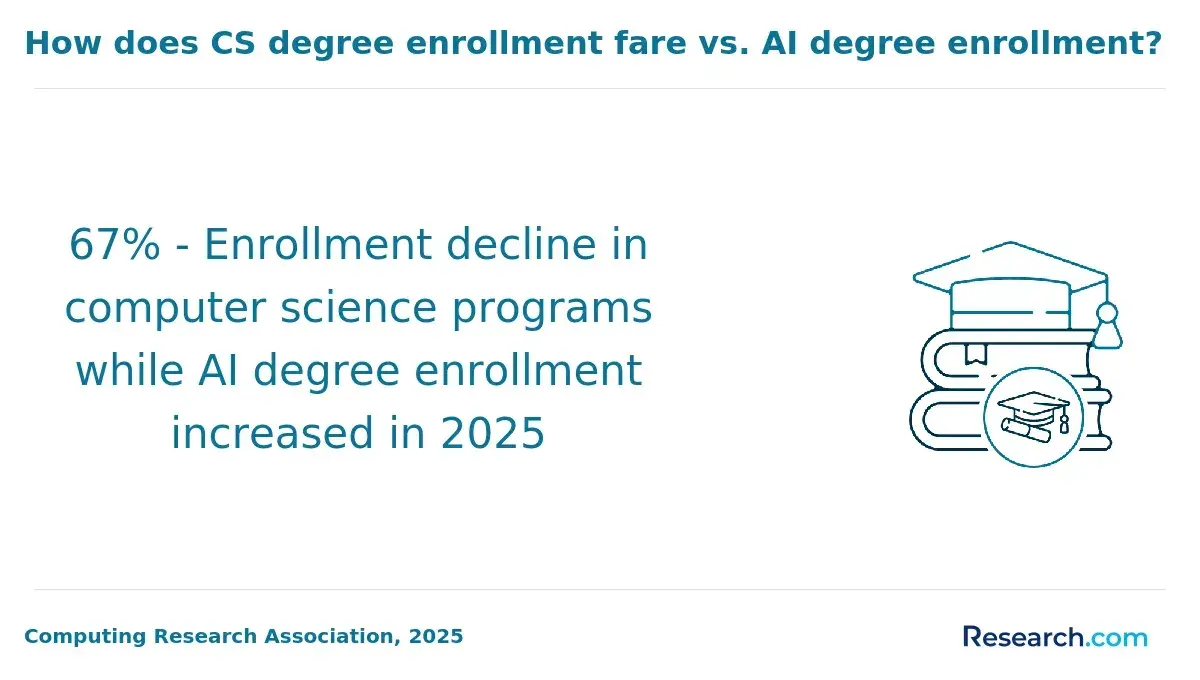
What core AI strategy curriculum and coursework can students expect at Imperial?
Imperial College London offers a rigorous AI strategy curriculum that combines theoretical foundations with practical applications, ideal for U.S. students and professionals aiming to lead in this field. The coursework covers machine learning, data analytics, decision-making frameworks, and algorithmic development. Students learn to interpret complex data to support strategic business and technological decisions, developing both technical mastery and strategic insight.
Core modules include:
- Foundations of machine learning and neural networks.
- Data-driven decision strategies and optimization.
- AI ethics, policy, and societal impact.
- Advanced algorithms for predictive analytics..
- Business strategy integration with AI technologies.
A distinctive feature is the integration of live industry projects, which provide hands-on experience with real-world AI challenges in healthcare diagnostics, financial risk assessment, and more. This approach bridges academic theory with commercial applications, essential for global market readiness.
Imperial's £1.2 billion research income includes significant industry-funded projects in AI, data science, and computing, ensuring that the curriculum stays at the forefront of innovation. This synergy between academic research and industry demands equips students with critical thinking, applied AI skills, and interdisciplinary collaboration abilities necessary for leadership roles in AI-driven industries.
How long do Imperial AI programs take, and what tuition and living costs should students expect?
Imperial College London offers AI programs that typically last one to two years. Full-time master's degrees, such as the MSc in Artificial Intelligence, usually take one year, while part-time or flexible options may extend to two years to accommodate working professionals. Tuition fees differ based on student status. International students can expect to pay about £34,000 for a full-time AI master's course, whereas UK and EU students face lower fees between £15,000 and £19,000.
Living expenses in London, including housing, food, and transportation, average £12,000 to £15,000 annually, making budgeting for the full program essential. Scholarships and bursaries are available but competitive, so many students supplement their income through part-time jobs or internships. Graduates from Imperial's AI programs report strong career prospects.
According to the UK Graduate Outcomes Survey 2024 by HESA, alumni earn a median salary of £40,400 fifteen months post-graduation-about 30% higher than the national graduate average and the highest among UK universities. For prospective U.S. students interested in studying AI abroad, Imperial College London represents an opportunity to combine cutting-edge education with promising career outcomes in a global city.
How is Imperial College London recognized and accredited, and will U.S. employers value these AI credentials?
Imperial College London's AI credentials hold significant value in the U.S. job market, owing to its full accreditation by the UK's Quality Assurance Agency for Higher Education. This ensures that its AI programs meet rigorous academic standards widely respected by U.S. employers familiar with global rankings. Ranked #1 in Europe and #5 globally for Computer Science & Information Systems by QS World University Rankings by Subject 2025, Imperial's AI education ranks among the top 1% of computer science programs worldwide. This recognition appeals to hiring managers seeking candidates from elite institutions.
For U.S. students and professionals, Imperial's AI qualifications are viewed favorably by technology firms, consulting agencies, and innovation labs emphasizing both theoretical depth and practical relevance. The college's strong research output and collaborations with industry further enhance the curriculum's applicability to real-world challenges.
Some employers may initially have concerns about international grading systems or curriculum differences, but Imperial's global reputation helps bridge this gap. Candidates often strengthen their profiles by combining Imperial credentials with U.S.-based certifications or hands-on experience. Imperial College London's AI expertise is widely acknowledged by U.S. employers, representing a sound investment for those pursuing advanced roles in AI strategy, data science, and computing.
What AI strategy career paths, job roles, and industries do Imperial graduates typically enter?
Graduates from Imperial College London focusing on AI strategy often assume roles such as AI product managers, AI consultants, data strategists, and innovation leads. These positions emphasize aligning AI technologies with business objectives, overseeing implementation, and maintaining ethical standards. Many find opportunities in sectors like finance, healthcare, technology, and consulting, where strategic AI adoption drives value.
Common career options include:
- AI strategy consulting, advising organizations on effective AI integration.
- Product management in tech companies developing AI-driven applications.
- Data strategy and governance roles ensuring the responsible use of AI.
- Leadership in healthcare organizations optimizing diagnostics and treatment with AI.
AI specialists command competitive salaries, with median advertised earnings exceeding £70,000 in the UK-a 30-40% premium compared to general IT roles, according to Nesta & Lightcast UK AI Labour Market Analysis 2024. Prospective students should balance tuition costs against this long-term financial benefit when considering AI strategy programs like those at Imperial.
Challenges include keeping pace with rapid AI advances and managing interdisciplinary teams that blend technical and business expertise. Imperial's curriculum provides frameworks and leadership skills essential for these complex roles. Gaining deep understanding of industry-specific AI applications enhances employment prospects in sectors increasingly reliant on artificial intelligence for competitive advantage and innovation.
What salary ranges and job outlook can U.S. professionals expect after Imperial AI strategy training?
In the U.S., professionals completing AI strategy training at Imperial College London can expect salaries that reflect strong demand for AI expertise. Entry-level roles such as AI strategy analysts or junior consultants generally start from $85,000 up to $110,000 per year. For mid-career professionals with a few years of experience in AI project management or strategic advisory roles, salaries typically range between $120,000 and $160,000.
Senior positions-including AI strategy directors or chief AI officers-often command salaries above $180,000, sometimes exceeding $220,000 depending on the sector and company size. The growing adoption of AI across industries like finance, healthcare, and technology is driving rapid job market growth. Professionals skilled in AI strategy can lead implementation efforts, enhance decision-making processes, and address ethical concerns-qualities highly valued by employers.
Projections from the UK Government Office for Artificial Intelligence and the World Economic Forum indicate the UK AI sector will be worth over £1 trillion by 2035, with demand for AI professionals expected to triple by 2030. Similar trends are evident in the U.S., reinforcing the value of credentials from institutions like Imperial College London.
Career advancement tips include:
- Leveraging Imperial's cross-disciplinary approach to link AI strategy with business outcomes.
- Gaining expertise in AI governance and ethics as critical emerging skills.
- Networking with alumni and industry partners to discover new roles and projects.
Following these strategies can enhance salary potential and secure leadership roles at the forefront of AI-driven transformation in the U.S. job market.
Other Things You Should Know About Artificial Intelligence
Interdisciplinary collaboration in AI strategy programs, such as those at Imperial College London, is crucial for integrating diverse expertise. Courses emphasize teamwork across fields like computer science, business, and ethics to address complex AI challenges and develop comprehensive strategies, enhancing students' problem-solving capabilities.
Ethical issues are central to AI strategy education at Imperial College London, emphasizing responsible AI development and deployment. Topics include bias mitigation, data privacy, transparency, and societal impact. Students are taught to design AI systems that align with legal and ethical standards while driving business value.
Yes, many of Imperial's AI strategy courses are designed to accommodate professionals from non-technical backgrounds. The curriculum often balances technical AI concepts with strategic decision-making and management frameworks. Supportive resources help learners build foundational knowledge while focusing on leadership in AI initiatives.
References
- AI in Finance: Strategy, Applications and Impact https://www.imperial.ac.uk/lifelong-learning/courses/ai-in-finance/
- AI's Impact on Graduate Jobs: A 2025 Data Analysis | IntuitionLabs https://intuitionlabs.ai/articles/ai-impact-graduate-jobs-2025
- Imperial Launches Lifelong Learning Initiative To Keep Workers Current In The Age Of AI https://poetsandquantsforexecs.com/exec-ed/imperial-launches-lifelong-learning-initiative-to-keep-workers-current-in-the-age-of-ai/
- The AI Strategy Job Market in 2026: Analysis of 1,859 Postings https://axialsearch.com/insights/ai-strategy-jobs/
- Have You Thought About Your Career Strategy in the Age of AI? - Friisberg & Partners International https://friisberg.com/have-you-thought-about-your-career-strategy-in-the-age-of-ai/
- Career Paths in the AI Era: What Roles Are Growing and How to Position Yourself https://www.businessplusai.com/blog/career-paths-in-the-ai-era-what-roles-are-growing-and-how-to-position-yourself
- PhD Opportunities https://sail.doc.ic.ac.uk/phd/
- The AI compensation and talent trends shaping the job market in 2026 https://ravio.com/blog/ai-compensation-and-talent-trends
- Imperial College London - Artificial Intelligence MSc | Uni4Edu https://www.uni4edu.co.za/university/imperial-college-london-1/programs/artificial-intelligence-msc-23
- How to Apply https://ai4health.io/apply/