2027 Best AI Agent Courses for Building AI Agents

Co-Founder and Chief Data Scientist
Many professionals with unrelated degrees face difficulty transitioning into the AI field due to a lack of practical skills in building AI agents. Without structured guidance, learners often struggle to find courses that balance theory, hands-on experience, and accreditation. This complicates acquiring the expertise demanded by today's competitive job market. The need for flexible learning paths combined with relevant content is crucial for career pivots.
This article reviews top AI agent courses designed to equip students and working professionals with effective skills and credentials, facilitating a successful entry into the artificial intelligence industry and addressing these challenges directly.
Key Things You Should Know
- Top AI agent courses in 2026 emphasize hands-on projects, with 78% of programs offering practical labs to bridge theory and real-world AI agent development.
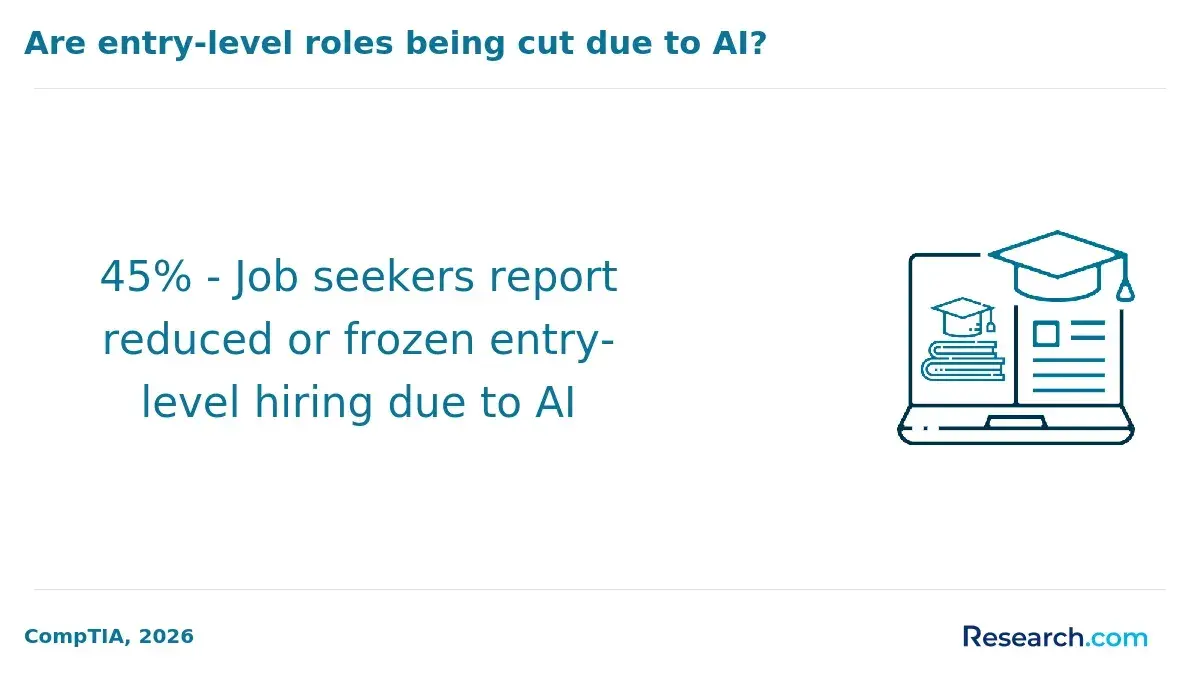
- Enrollment in AI education surged by 45% since 2024, reflecting growing industry demand, with career outcomes showing average AI agent developer salaries surpassing $110,000 annually.
- Latest curricula integrate ethical AI design and advanced machine learning, ensuring graduates master both technical skills and responsible AI deployment critical for evolving markets.
Advance Your Career with AI Online Courses
Artificial Intelligence: Implications for Business Strategy
This program provides an introduction to Artificial Intelligence and their implications for business strategy. Earn an official digital certificate.

Oxford Artificial Intelligence Programme
Explore this Oxford Artificial Intelligence programme offered in a flexible learning environment and explore topics like machine learning, automation, and robotics.

Implementing Agentic AI: Building Your Organizational Playbook
This online MIT Agentic AI course offers a practical approach to deploying AI agents in your organization, including a custom playbook. 3 weeks, exclusive launch price.

AI Adoption: Driving Business Value and Impact
This online MIT AI Adoption: Driving Business Value and Impact offers practical frameworks to close the gap between AI potential and business reality.

Artificial Intelligence in Pharma and Biotech
Discover the applications and limitations of artificial intelligence in pharma and biotech with this MIT online short course.

What are AI agent courses, and how do they prepare you to build real-world AI agents?
AI agent development courses for practical applications equip students to create autonomous systems capable of performing complex tasks independently. These programs cover essential topics such as machine learning, natural language processing, decision-making algorithms, and reinforcement learning. Students gain practical skills in programming AI agents using tools like Python, TensorFlow, or PyTorch and learn how to integrate these agents into applications like chatbots, recommendation systems, and robotic process automation.
Training programs prepare real-world builders by addressing challenges such as environment modeling, agent perception, and adapting to dynamic data. Scenarios often include navigating uncertain inputs, optimizing multiple goals, and adjusting to user behavior changes, ensuring learners develop scalable and robust AI solutions.
Hands-on, project-based learning is a vital component, allowing students to build functional agents that interact with real or simulated data. This experience helps students understand deployment factors and key evaluation metrics like accuracy, efficiency, and ethical standards.
The AI agents market's significant growth—from $5.43 billion to an expected $7.92 billion—reflects the rising demand for skilled professionals in this field. Many courses also emphasize human-computer interaction and AI ethics to tackle transparency and bias issues, fostering responsible AI development.
Prospective students interested in advancing their skills should explore options such as an accelerated bachelor's degree computer science for a focused foundation in these evolving technologies.
Advance Your Career with AI Online Courses
Artificial Intelligence: Implications for Business Strategy
This program provides an introduction to Artificial Intelligence and their implications for business strategy. Earn an official digital certificate.
Oxford Artificial Intelligence Programme
Explore this Oxford Artificial Intelligence programme offered in a flexible learning environment and explore topics like machine learning, automation, and robotics.
Implementing Agentic AI: Building Your Organizational Playbook
This online MIT Agentic AI course offers a practical approach to deploying AI agents in your organization, including a custom playbook. 3 weeks, exclusive launch price.
Which types of degrees and training pathways best support a career building AI agents?
Degrees in computer science focused on artificial intelligence development provide essential knowledge in algorithms, data structures, and AI modeling that support careers building AI agents. Specialized programs in robotics or cognitive science enhance skills for incorporating intelligent agents into interactive systems. These degrees often include programming languages like Python and frameworks such as TensorFlow or PyTorch, which are vital for AI agent development.
Training pathways for building AI agents and intelligent systems also include coding bootcamps and certificate programs emphasizing applied techniques like natural language processing, reinforcement learning, and agent-based simulation. Hands-on experience through projects or internships is highly valued by employers and frequently highlighted in these pathways.
Strong foundations in statistics, linear algebra, and probability improve AI agent design, with data science and applied mathematics degrees deepening understanding of model accuracy and optimization. Software engineering principles are critical for creating scalable AI agents that function effectively in enterprise environments.
Organizations using intelligent agents report that AI-enabled workflows tripled their profit contribution, increasing operating profit from 2.4% to 7.7%, with top performers reaching up to 18% ROI, reflecting significant business value for skilled AI professionals (Master of Code, citing McKinsey and PwC data).
Consider these factors when selecting programs aligned with industry demand:
- Specialized AI coursework with project opportunities
- Internships or partnerships with organizations leveraging intelligent agents
- Development of software and system integration skills alongside AI modeling
- Continuous learning through certificates in emerging AI techniques beyond formal degrees
For those exploring educational options, the cheapest engineering degree online programs can offer accessible pathways into this evolving field.
How do you choose the best AI agent course or program for your goals and experience level?
Choosing the best AI agent courses for different experience levels starts with assessing your background. Beginners should focus on foundational courses covering core AI concepts, agent architectures, and basic implementations. Intermediate and advanced learners gain more from specialized programs in autonomous systems, reinforcement learning, and practical deployment techniques.
How to choose AI agent programs based on your goals is crucial. Academic research-oriented learners need courses emphasizing theoretical frameworks and experimental design. Developers benefit most from hands-on coding modules featuring Python and prominent AI libraries. Entrepreneurs often prefer courses integrating market applications, product development, and ethics in agent design.
Course structure and credibility also play a vital role. Updated syllabi reflecting emerging trends like multi-agent collaboration and agentic AI are a must. Experienced instructors and well-regarded institutions or platforms enhance course quality. Enrollment in AI agent courses rose by over 300% on Udemy between 2024 and early 2026, showing high demand but variable quality across offerings.
Consider course format, length, and support resources such as mentorship and career services, which enhance learning outcomes. Self-paced online courses offer flexibility, while cohort-based programs foster peer interaction. Make sure prerequisites align with your background to avoid gaps and look for project-based assessments with real-world applications.
For related fields of growing importance, explore affordable options for cybersecurity degrees, which complement AI skills in many career paths.
What accreditation and institutional quality standards matter for AI agent programs in the U.S.?
Accreditation standards for AI agent programs in the U.S. are essential for ensuring programs deliver rigorous, career-relevant education aligned with industry needs. Prospective students should prioritize programs accredited by recognized agencies under the U.S. Department of Education or the Council for Higher Education Accreditation (CHEA). Regional accreditors like the Middle States Commission on Higher Education or the Western Association of Schools and Colleges signal institutional quality and financial stability.
For AI agent education, programmatic accreditation by ABET, the Accreditation Board for Engineering and Technology, is a key institutional quality criteria for American AI agent education, indicating curriculum rigor and adherence to professional standards. ABET-accredited programs emphasize continuous improvement and detailed outcomes assessment, critical for a field evolving as rapidly as AI agents.
Employers increasingly demand skills applicable to systems already in production. More than 50% of organizations surveyed by Master of Code have autonomous assistants or AI agents deployed, making practical skills, project-based learning, and current toolsets vital. Additional markers of quality include faculty expertise, industry partnerships, and comprehensive coverage of agent architectures, natural language processing, decision-making algorithms, and deployment frameworks.
Transparency about graduate outcomes and employment rates in AI roles reflects program effectiveness. Those interested may also explore related fields like data analytics masters programs for complementary skills in this dynamic sector.
How do online AI agent courses compare with campus-based programs in flexibility, support, and outcomes?
Online AI agent courses offer unmatched flexibility compared to traditional campus programs, allowing learners to balance education with work and personal commitments. Many online platforms feature asynchronous content, letting students study at their own pace rather than following fixed schedules. This flexibility is especially valuable for professionals aiming to enter or advance in AI-driven fields like customer service, sales, and IT, where intelligent agents have been adopted in over 50% of operations, according to Master of Code citing PwC data.
Campus programs typically provide direct face-to-face interaction and immediate feedback, benefiting students who thrive in structured, collaborative environments. In contrast, online courses have enhanced their support systems with live Q&A, community forums, and mentorship—though success often depends on the student's active engagement.
While campus-based degrees offer strong networking and recognized credentials that can assist job placement, many online courses now collaborate with industry leaders to provide certifications aligned with real-world applications, notably in sectors such as HR and finance, where intelligent agent usage ranges from 34% to 40%. This industry alignment improves employment prospects for online learners despite fewer traditional campus resources.
Choosing between formats depends on learning preferences, career goals, and the desired level of support. Online AI agent coursework typically suits those prioritizing flexibility, immediate workforce application, and cost-efficiency, while campus programs appeal to students seeking structured schedules and robust networking.
What core skills and topics are typically covered in AI agent curricula and coursework?
AI agent curricula concentrate on essential skills for designing, developing, and deploying autonomous systems. Key areas include machine learning algorithms, natural language processing, reinforcement learning, and multi-agent systems. Mastery of programming languages like Python and frameworks such as LangChain and OpenAI's agentic SDK is crucial for hands-on implementation. Additionally, understanding system architecture and integration helps create agents that interact smoothly with APIs, databases, and software environments.
Courses also highlight data handling and preprocessing to enable agents to analyze large datasets for informed decisions. Ethical considerations, bias mitigation, and AI security increasingly shape responsible deployment of autonomous systems. Control theory and optimization techniques empower agents to operate effectively in dynamic settings, with applications ranging from robotics to virtual assistants and finance.
Students often build conversational AI using advanced NLP models and dialogue management tools. Practical projects focus on task-oriented agents tailored to industry needs. For example, the technology sector accounts for 46% of AI agent deployments, leveraging these skills in automation and analytics, while consulting/professional services (18%) and finance (12%) utilize them for advisory and risk assessment functions (Master of Code, citing Lyzr deployment data).
Training also involves debugging agent failures and refining decision policies to improve user interactions. This combination of theoretical knowledge and practical skills prepares professionals for versatile roles across multiple sectors.
What are the usual admission requirements and prerequisites for AI agent certificates and degrees?
Admission to AI agent certificates and degrees generally requires foundational skills in computer science, mathematics, and programming. Most programs expect applicants to have completed introductory coursework in data structures, algorithms, linear algebra, and statistics. For bachelor's degree programs in AI or computer science, a high school diploma with substantial STEM coursework, such as calculus and physics, is typically necessary. Graduate certificates and master's degrees usually require a relevant bachelor's degree or equivalent professional experience.
Specialized AI agent programs often request prior knowledge of machine learning, software engineering, or robotics. Competency in programming languages like Python, Java, or C++ is frequently essential. Practical experience through internships, projects, or employment is highly valued. For example, graduate programs may require a portfolio demonstrating AI development or research to assess readiness.
Standardized tests such as the GRE are less critical for certificates but may be requested for graduate degrees. Letters of recommendation and personal statements illustrating motivation and background in AI-related fields are often part of the application. Professionals transitioning to AI agent roles might consider bridging courses if core prerequisites are missing.
Organizations deploying agentic AI report revenue increases between 3-15%, sales ROI boosts of 10-20%, and marketing cost reductions up to 37%, highlighting strong industry demand. This growing adoption reinforces the importance of thorough preparation prior to enrollment in these programs.
How long do AI agent programs take, and what tuition, fees, and financing options should you expect?
AI agent training programs vary significantly in length and depth. Short-term bootcamps or certificate courses typically run between 4 and 12 weeks, focusing on practical skills needed to build and use AI agents. More advanced professional certificates or specialized courses can last 3 to 6 months, offering comprehensive technical knowledge and hands-on project experience. Degree programs with AI agent concentrations usually require 1 to 2 years of full-time study, reflecting broader and deeper academic training.
Costs also range widely. Bootcamps often charge from $3,000 to $10,000, providing intensive, flexible learning formats. University or online certificates usually cost between $1,500 and $6,000, depending on provider prestige and curriculum. Graduate programs with AI focuses may exceed $20,000 annually at public universities and can surpass $50,000 at private institutions.
Prospective students should explore financial aid options such as scholarships, employer tuition assistance, income share agreements, and federal loans for accredited programs. Many offer installment plans and have specific refund policies. Early inquiry into these options is advised.
Consumer research highlights strong demand for AI agent skills: 44% of Americans use AI agents for job searches, and 45% would use them for resume and cover letter writing, making training in this area a strategic career investment (Master of Code, summarizing 2024-2025 consumer research).
What careers can AI agent training lead to, and what are typical salaries and job outlooks?
Careers in ai agent development cover roles such as AI developer, machine learning engineer, data scientist, AI product manager, and automation specialist. These professionals design and maintain intelligent systems that automate complex tasks in finance, healthcare, manufacturing, and more. AI developers typically build agent architectures and program autonomous behaviors, while AI product managers focus on embedding agents into business operations.
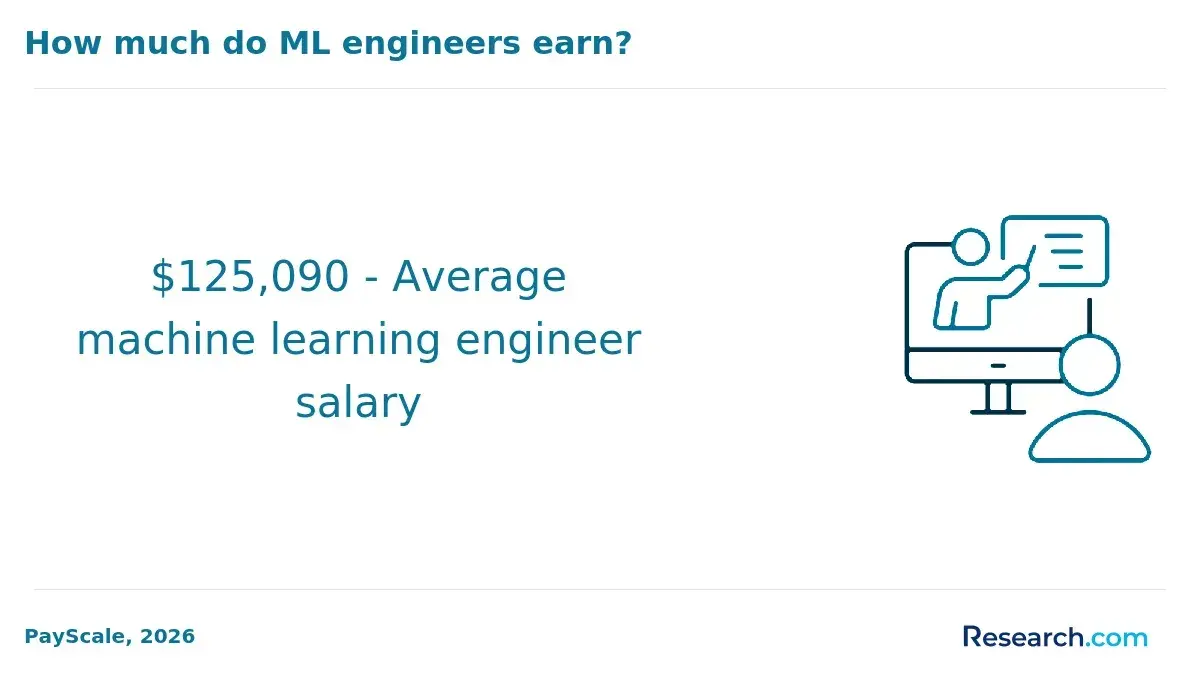
Salary data from the U.S. Bureau of Labor Statistics highlights strong demand, with machine learning engineers earning a median annual salary near $120,000. AI product managers earn between $110,000 and $150,000 based on experience and location, while entry-level positions start around $85,000 and grow rapidly with expertise.
By 2027, AI agents are expected to automate 15-50% of routine business tasks, boosting the need for skilled professionals who can build, supervise, and optimize these systems. Staying current with agent frameworks, programming languages like Python, and cloud platforms enhances job prospects.
This evolving landscape underscores the importance of targeted training programs aligned with high-growth roles offering competitive salaries and career stability.
Are there industry certifications or portfolios that help validate skills in building AI agents?
Certifications from leading organizations such as Microsoft, Google, and IBM validate skills in natural language processing, machine learning frameworks, and conversational AI design. These credentials provide employers with concrete proof of technical expertise, often preferred over academic degrees alone.
A robust portfolio showcasing completed projects is equally important. Focus on conversational design and user experience (UX) by developing AI chatbots or virtual assistants that offer human-like interaction. Research highlights that 67% of consumers trust human-like AI agents and 68% prefer AI that feels more personal, demonstrating the value of these skills in the workforce.
Enhance your portfolio with detailed case studies including problem descriptions, tools used, and user feedback. Employers value candidates skilled in intent recognition, dialogue management, and backend system integration. Combining targeted certifications with hands-on projects enables practical learning aligned with industry demands.
Professionals should continuously update their portfolios to reflect evolving technologies and best practices in AI agent design. Pursuing certifications that match career objectives along with a portfolio of functional AI solutions offers the most effective validation of expertise for career advancement in this dynamic field.
Other Things You Should Know About Artificial Intelligence
Developing AI agents involves challenges such as ensuring reliable decision-making, handling incomplete or noisy data, and designing systems that can adapt to changing environments. Additionally, ethical considerations around bias, privacy, and transparency often complicate the development process. These factors require developers to integrate robust algorithms and continuous evaluation methods.
Python is the most broadly used programming language for building AI agents due to its extensive libraries like TensorFlow, PyTorch, and scikit-learn. Other languages such as Java, C++, and R are also employed depending on the application requirements. The choice often depends on factors like performance needs, existing infrastructure, and developer proficiency.
AI agents are being rapidly adopted in industries such as healthcare, finance, customer service, and autonomous vehicles. In healthcare, they assist in diagnostics and patient management, while in finance they help in fraud detection and algorithmic trading. Customer service uses AI agents for chatbots and virtual assistants, and autonomous vehicles rely on them for navigation and safety systems.
References
- Quality Assurance with AI and Automation: The Prospects for Educational Assessment https://www.ieac.org.uk/40-Quality-Assurance-with-AI-and-Automation-The-Prospects-for-Educational-Assessment-blog.php
- Top 20 Predictions from Experts on AI Job Loss https://aimultiple.com/ai-job-loss
- Agentic AI in higher education: Redefining student experiences https://www.druidai.com/blog/agentic-ai-in-higher-education
- AI Careers - Top AI Jobs with Education Requirements and Pay https://aidegreeprograms.org/ai-careers/
- An "AI Student Agent" Takes an Asynchronous Online Course https://opencontent.org/blog/an-ai-student-agent-takes-an-asynchronous-online-course/
- Use of Gen AI in Accreditation https://a3stepaccreditation.org/f/use-of-gen-ai-in-accreditation
- AI Agent Development Cost in 2026 - Pricing, MVP, ROI & Budget Guide https://www.sparkouttech.com/development-cost-of-ai-agent/
- Introduction to Agentic AI https://cognitiveclass.ai/courses/introduction-to-agentic-ai
- AI Agents for Education: Complete Guide https://www.mindstudio.ai/blog/education